On Place Saint-Étienne, within view of Toulouse's Gothic cathedral, Officina Gusto occupies a position at the intersection of Italian craft tradition and Occitan ingredient culture. The name signals intent: a workshop approach to food, where the sourcing of raw material precedes everything else. In a city that takes its market produce seriously, that framing carries weight.
 Discover on Pearl
Pearl is the En Primeur Club membership app — saves, bookings, and concierge access live there. Same editors, same standards.
- Address
- 7 Pl. Saint-Étienne, 31000 Toulouse, France
- Phone
- +33567688532
- Website
- officinagusto.fr
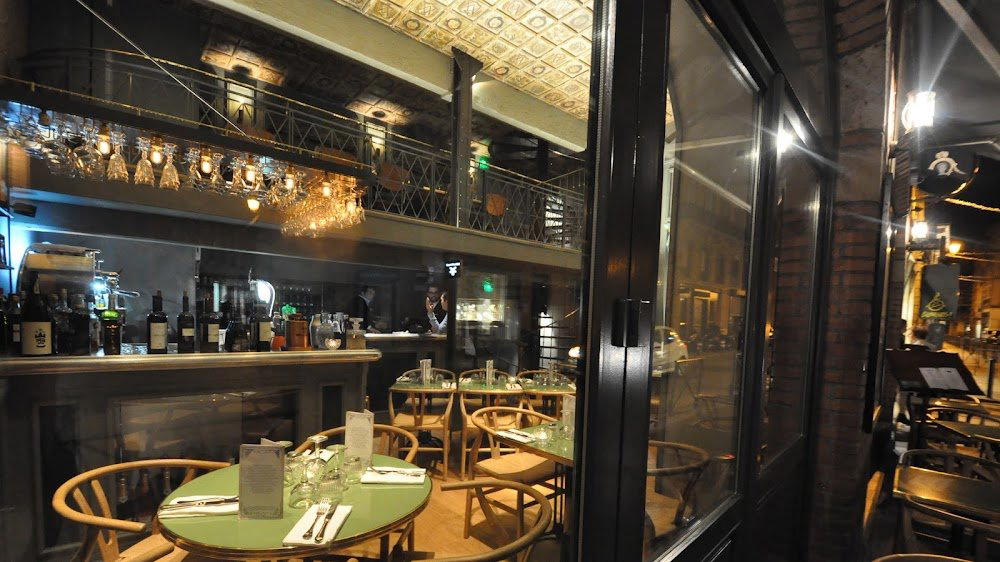
Place Saint-Étienne and the Workshop Principle
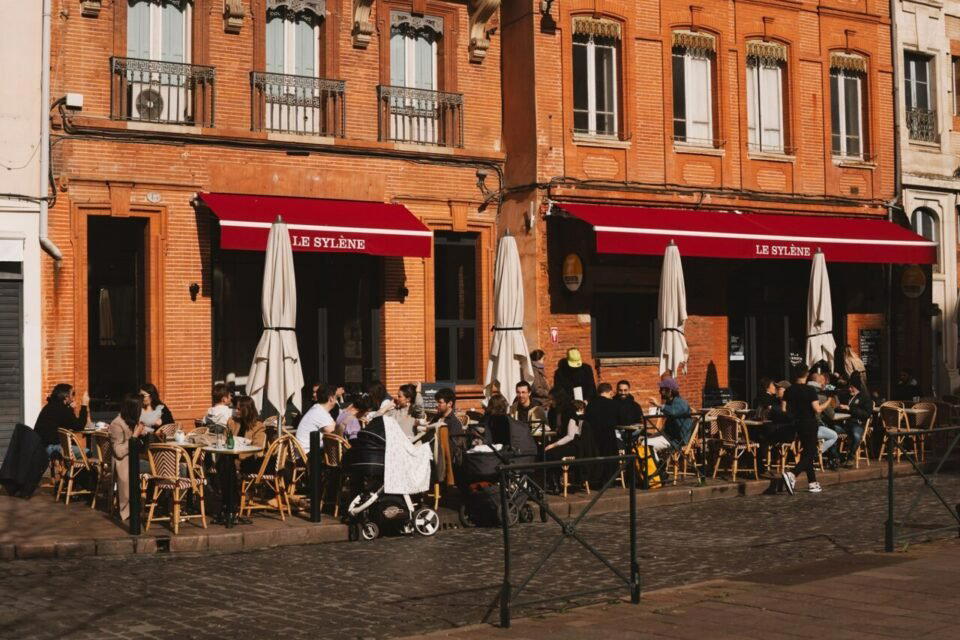
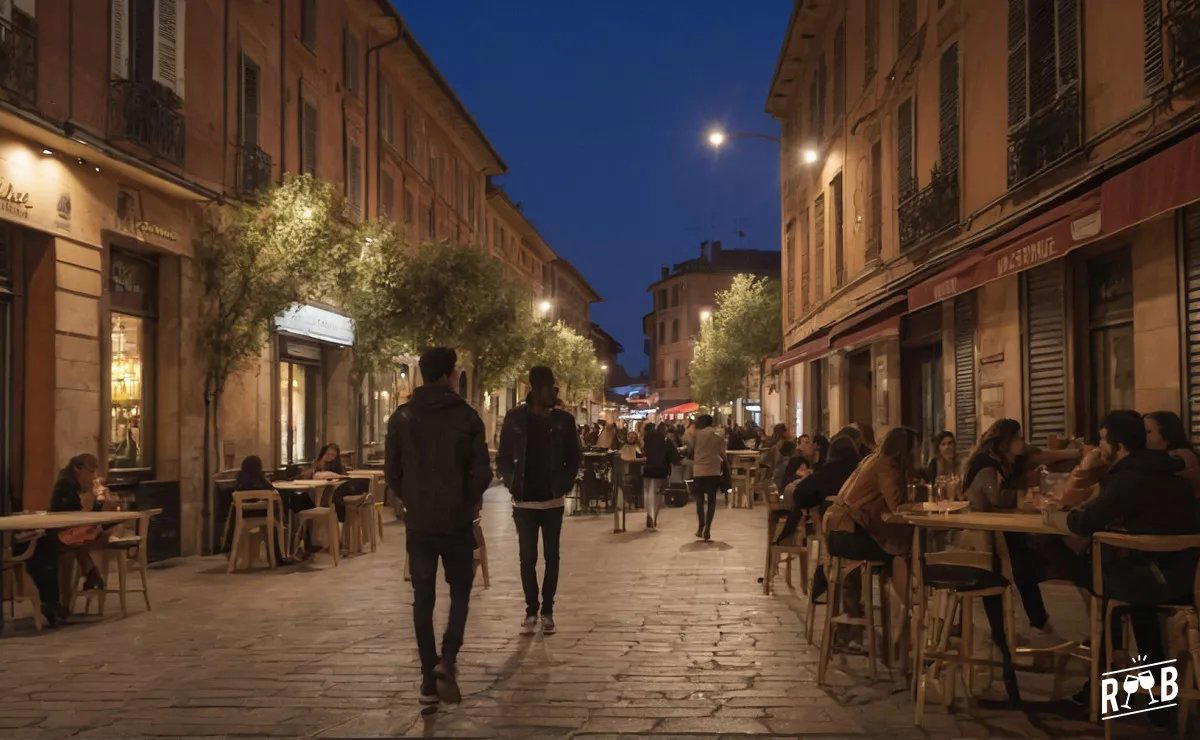
Place Saint-Étienne is one of Toulouse's older civic anchors, the square in front of the city's Gothic cathedral holding a particular gravity that the surrounding streets tend to absorb. Restaurants here operate in a context that is already defined before a menu is read: the stone, the scale, the pedestrian rhythm of a square that has been a gathering point for centuries. Officina Gusto sits at 7 Place Saint-Étienne inside that frame, and the name announces a position rather than a style. Officina is Italian for workshop or studio, the word that guilds once used for the space where skilled craft happened. Applied to food, it sets an expectation about process and material that runs counter to the decorative end of the restaurant spectrum.
Toulouse's broader dining scene has developed along two distinct tracks over the past decade. One track runs through the high-end French creative tradition, represented by figures like Michel Sarran at the €€€€ tier and the tasting-menu formats of Py-r. The second track is more ingredient-forward and mid-range, closer to the farm-to-table register that has expanded across French cities with strong market cultures. Officina Gusto operates in a register where Italian craft vocabulary meets Occitan sourcing instinct, a positioning that doesn't map cleanly onto either track.
Sourcing as the Structural Argument
The Occitan region around Toulouse carries a density of agricultural specificity that shapes any serious restaurant operating within it. The Ariège valley to the south produces milk and cheese with a character tied directly to altitude and grazing patterns. The Garonne corridor feeds a market culture in which seasonal availability is not a marketing frame but a practical constraint that good kitchens work within rather than around. Toulouse's covered market, the Marché Victor Hugo, has for decades served as the weekly calibration point for the city's better kitchens, the place where chefs confirm what is actually in season rather than what they would prefer to serve.
An officina framing applied to this context implies that the kitchen treats sourcing as its primary technical discipline, the stage where the most consequential decisions get made before a stove is ever lit. Across France's ingredient-serious restaurant tier, from Bras in Laguiole, where the gargouillou has long represented a philosophy of hyperlocal botanical sourcing, to Flocons de Sel in Megève, where Alpine specificity anchors the menu, the most durable culinary arguments in provincial France have been made through place and producer rather than through technique alone. Officina Gusto's positioning on Place Saint-Étienne suggests a similar commitment to material before method.
Italian culinary craft tradition adds a second layer to this sourcing argument. Italian regional cooking, at its disciplined end, treats ingredient quality as the precondition for everything: pasta that reveals the grain character of its flour, cured meats that reflect the breed and diet of the animal, olive oil used as a finishing element with its own personality rather than as a neutral cooking medium. When that tradition is transplanted into southwest France's own ingredient-serious culture, the overlap is genuine. Both traditions treat the provenance question as settled before the technique question is even asked.
Where Officina Gusto Sits in Toulouse's Competitive Set
The mid-range modern dining tier in Toulouse has grown meaningfully since 2018. Acte 2 Yannick Delpech, operating in the €€€ bracket with a modern cuisine approach, and SEPT, which has developed its own following in the contemporary French space, represent the tier directly adjacent to where Officina Gusto appears to operate. Agapes extends that comparable set further, rounding out a cluster of Toulouse addresses that position themselves between the full tasting-menu formality of the city's starred restaurants and the entirely casual bistro register.
What separates Officina Gusto from that peer cluster is the Italian craft anchor, which gives it a distinct identity in a city where the dominant culinary reference points are Gascon and Occitan rather than Italian. That distinctiveness is not cosmetic. Italian food culture, when practiced at the workshop level rather than the mass-market level, demands a different supplier conversation: specific pasta formats require specific flour types, specific cured products require specific curing traditions, and the sourcing chain for those inputs in southwest France is not the same as in Lombardy or Emilia-Romagna. Getting that supply chain right in Toulouse requires deliberate effort, and it is that effort that the officina name implies.
For context on how France's most committed ingredient-driven restaurants have built reputations through sourcing specificity, the range runs from Mirazur in Menton, with its biodynamic kitchen garden directly supplying the three-Michelin-star counter, to the kitchen-garden lineage of Troisgros and the long-standing producer relationships at Auberge de l'Ill. Officina Gusto operates at a different scale and without that formal recognition history, but the framing it uses places it inside a tradition that those addresses have shaped.
Planning Your Visit
Officina Gusto is located at 7 Place Saint-Étienne in central Toulouse, within walking distance of the city's main transit infrastructure and the Carmes neighbourhood, which concentrates several of the city's better food addresses. Place Saint-Étienne itself is accessible on foot from the Jean-Jaurès metro station in under ten minutes. Given the sourcing-led positioning, the kitchen's output will track seasonal availability most closely in spring and autumn, when the Occitan region's agricultural calendar produces the most pronounced shifts in what the city's markets carry. Visiting between October and December, or April and June, aligns most directly with the periods when ingredient-driven kitchens in this region are working with the most characterful raw material.
- wood-fired pizza
- tagliatelle al ragù
- bucatini alla carbonara
- truffle pizza
- tiramisu
- panna cotta
Nearby-ish Comparables
Comparable venues nearby, for context on price, style, and recognition.
| Venue | Cuisine | Price | Notes |
|---|---|---|---|
| OFFICINA GUSTOThis venue — the venue you are viewing | Modern Italian Trattoria | $$ | |
| Terra Tolosa | Seasonal French Bistro | $$ | Capitole / Arnaud Bernard / Carmes |
| Les Sales Gosses - le Bistrot | Modern French Bistro | $$ | Les Chalets / Bayard / Belfort / Saint-Aubin / Dupuy |
| Marinade & Limonade | Asian-Inspired Poke Bowls | $$ | Les Chalets / Bayard / Belfort / Saint-Aubin / Dupuy |
| Vents d'Est | Authentic Alsatian | $$ | Les Chalets / Bayard / Belfort / Saint-Aubin / Dupuy |
| Restaurant Patatas Tapas Faite Maison | French-Spanish Tapas with Potato Specialization | $$ | Les Chalets / Bayard / Belfort / Saint-Aubin / Dupuy |
Continue exploring
More in Toulouse
Restaurants in Toulouse
Browse all →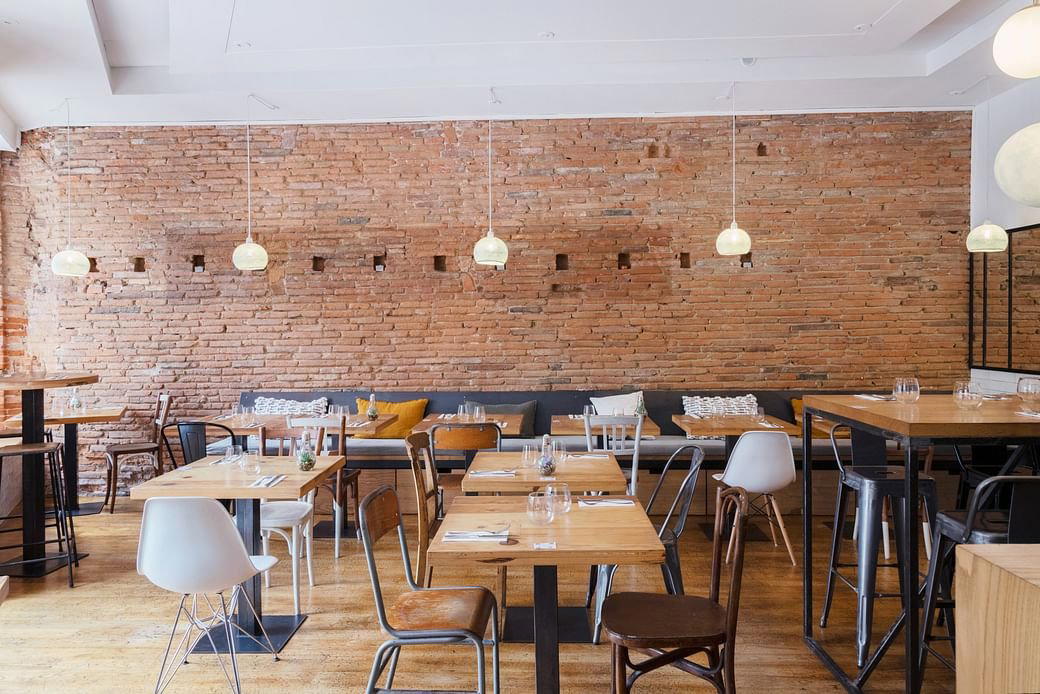

At a Glance
- Elegant
- Trendy
- Lively
- Romantic
- Date Night
- Group Dining
- Casual Hangout
- After Work
- Terrace
- Open Kitchen
- Historic Building
- Design Destination
- Craft Cocktails
- Beer Program
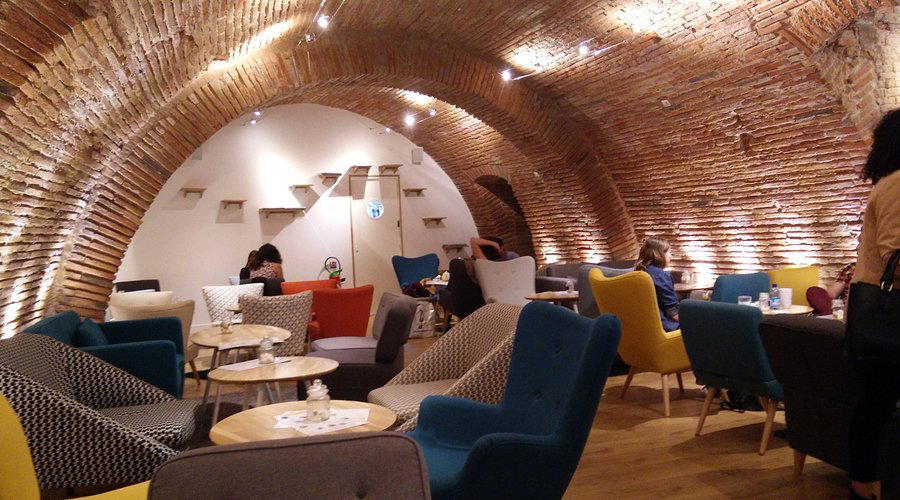
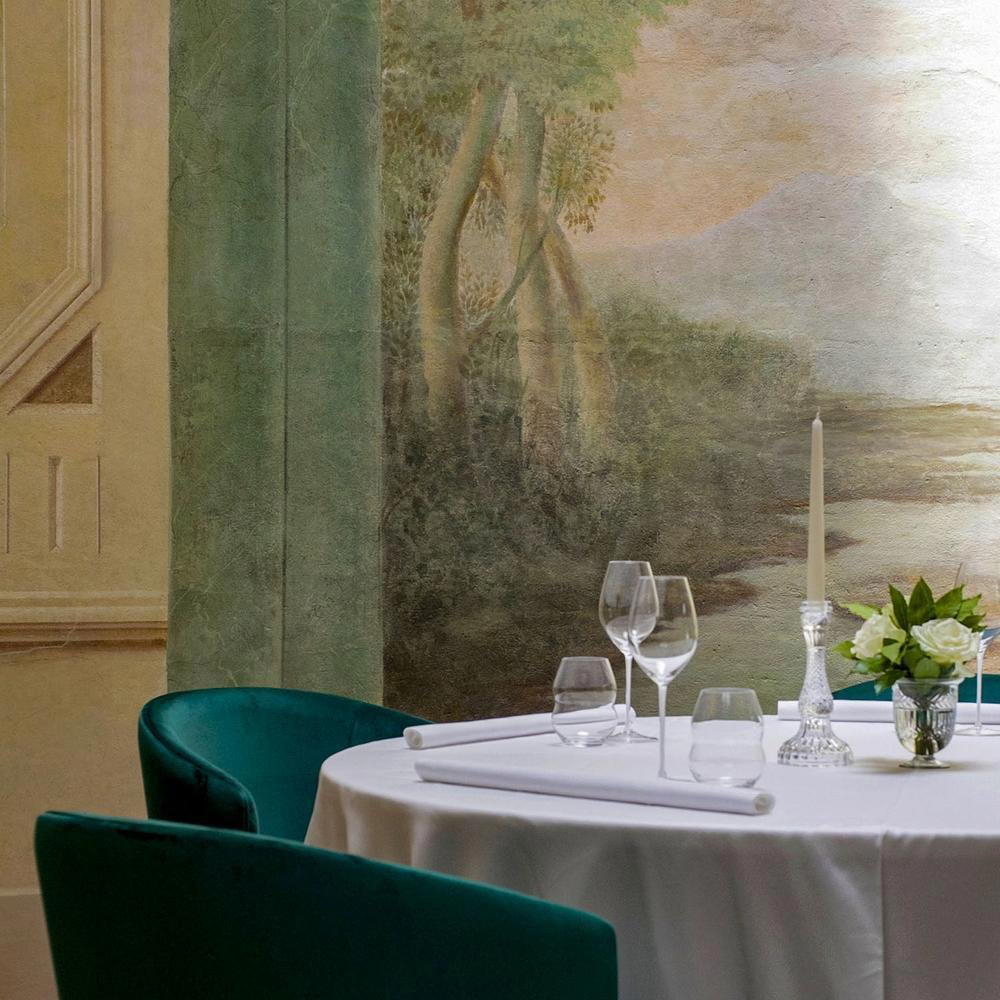
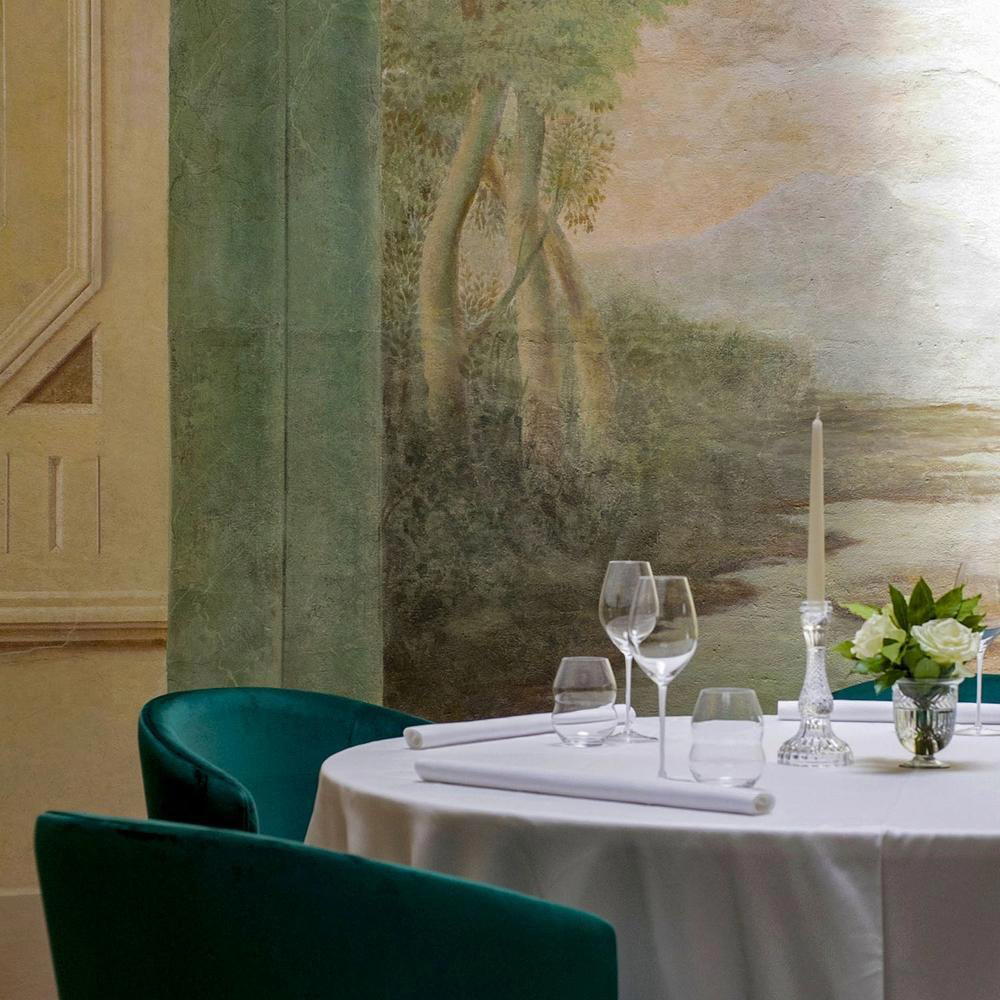
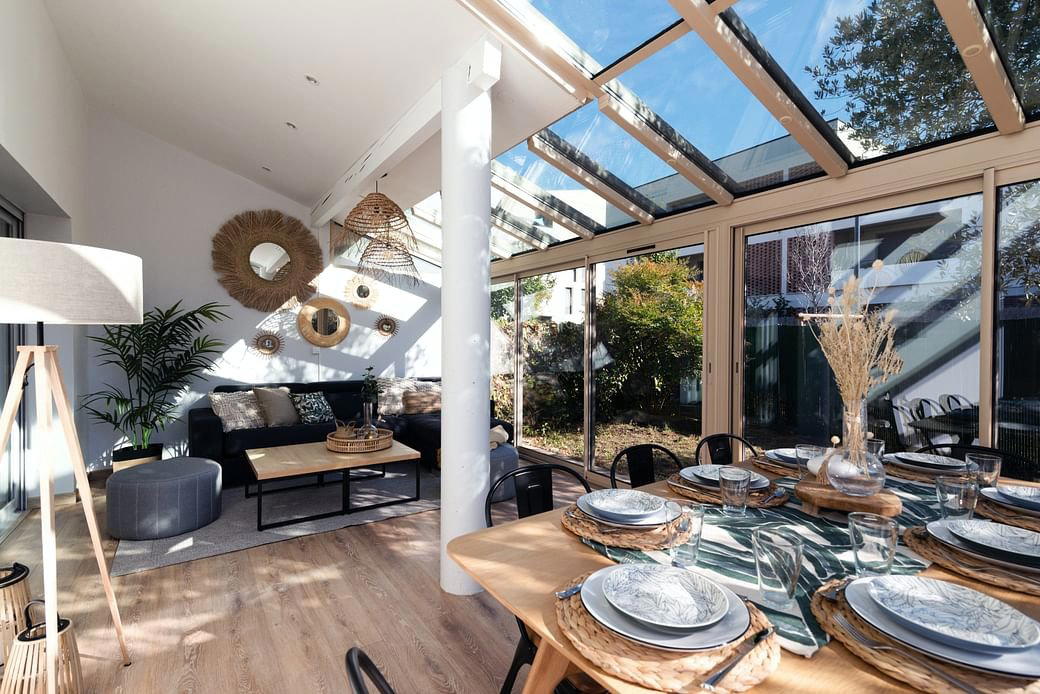
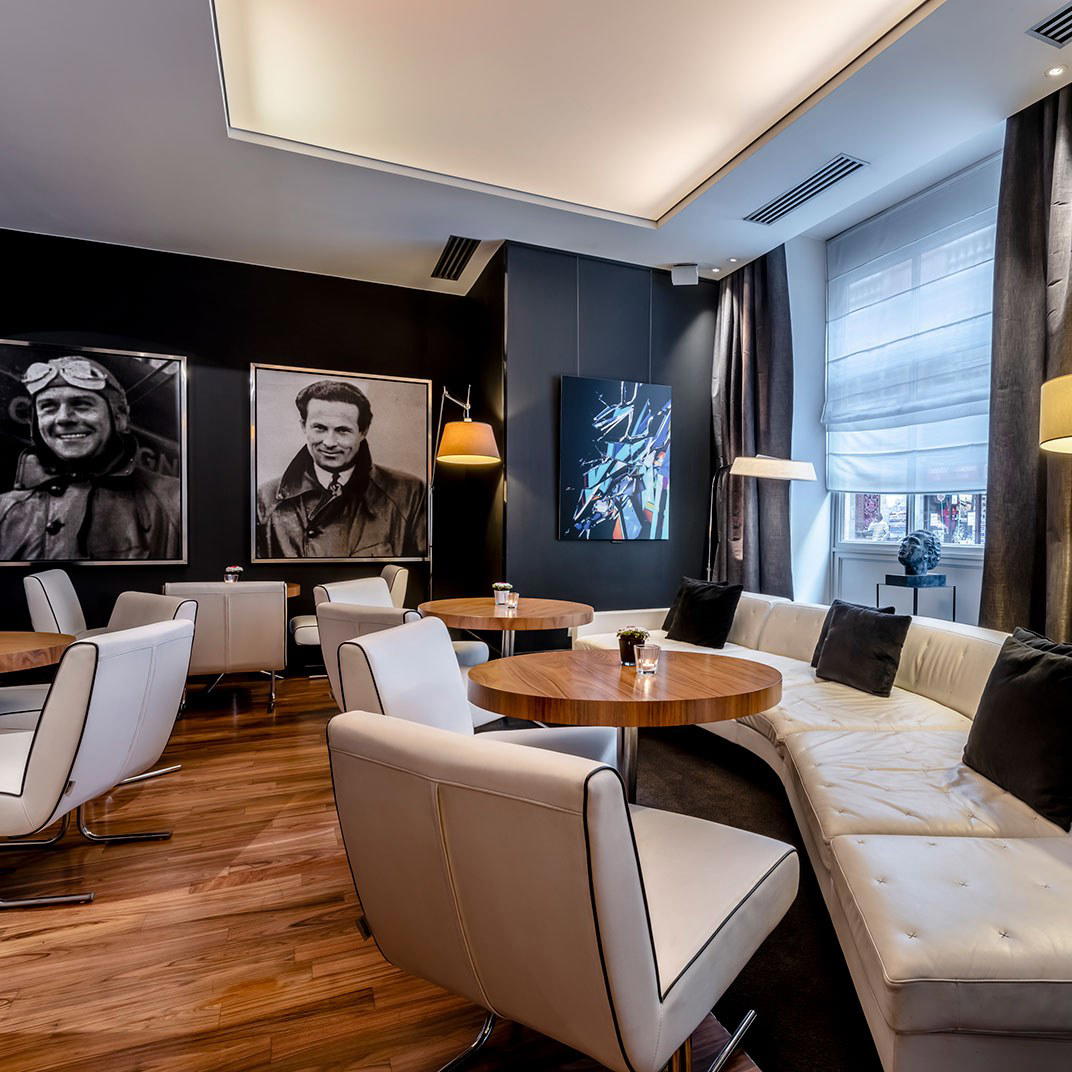
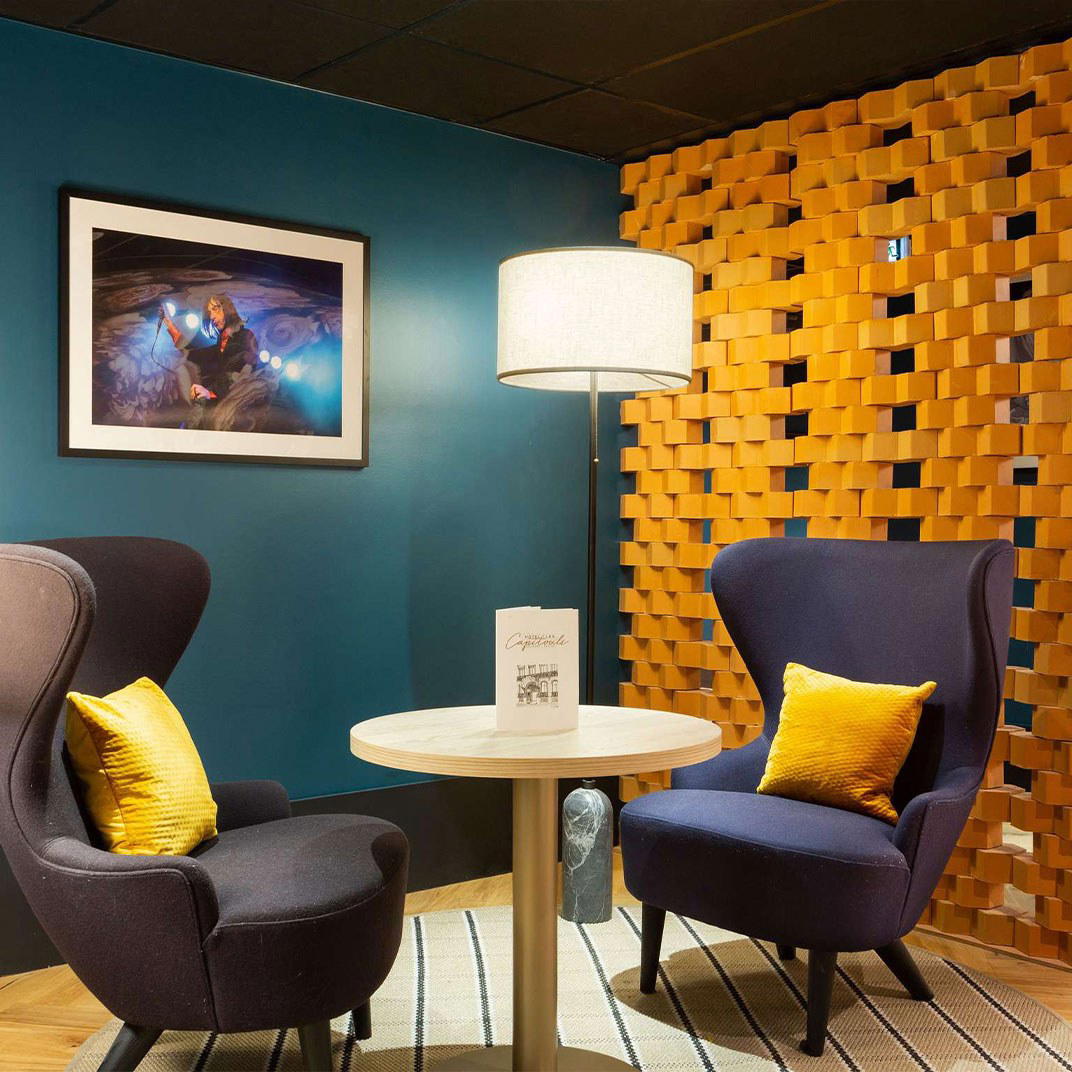
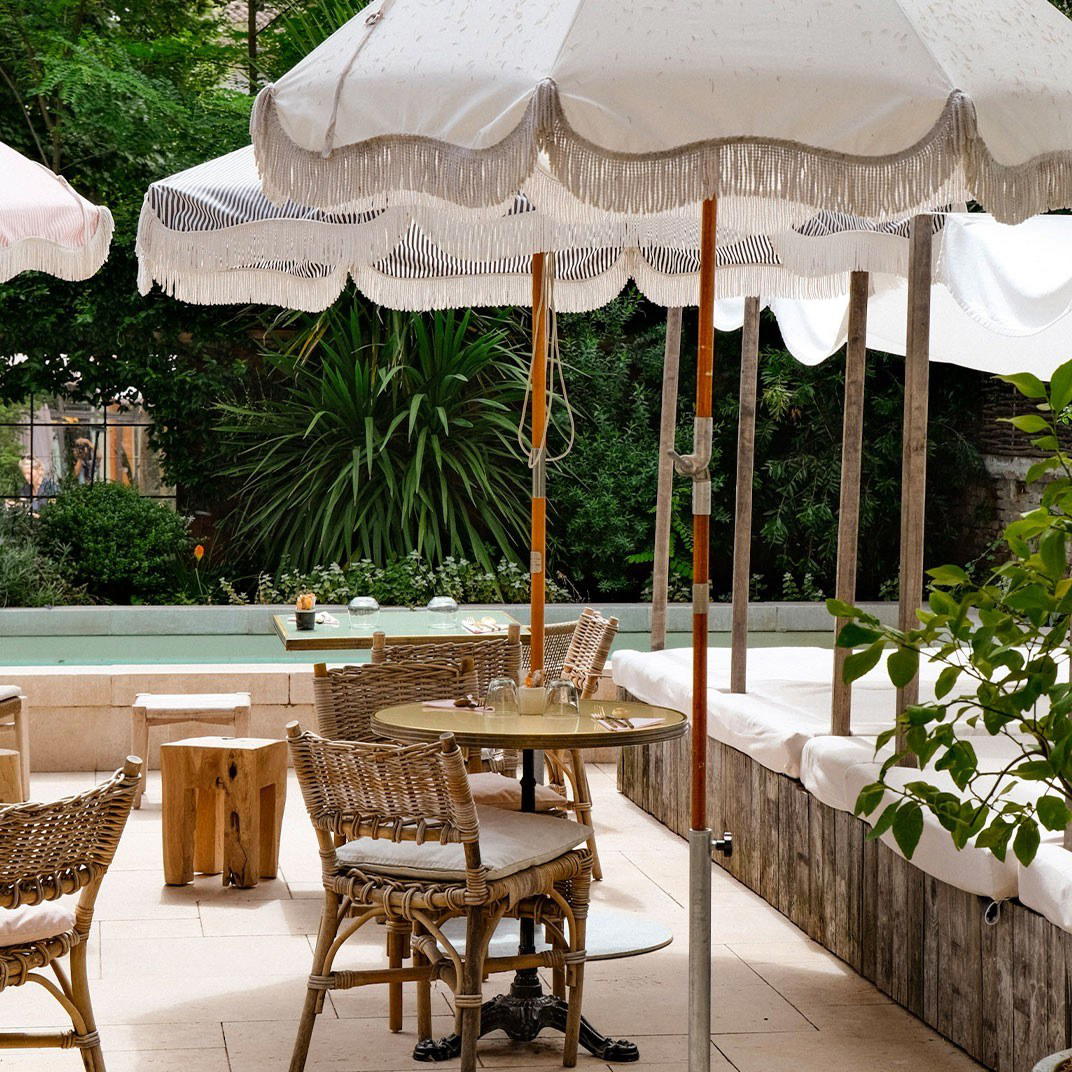
Warm and welcoming with gray patinated walls, Roman-style sculptures, green velvet banquettes, bistro-chic furnishings, and bronze accents creating an elegant Italian atmosphere with lively energy.
- wood-fired pizza
- tagliatelle al ragù
- bucatini alla carbonara
- truffle pizza
- tiramisu
- panna cotta