Skip to Main Content
Modern French Fine Dining
← Collection
CuisineModern Cuisine
Price€€€
Dress CodeSmart Casual
ServiceFormal
NoiseQuiet
CapacitySmall
Michelin

A Michelin-starred restaurant in a refurbished hunting lodge on the western edge of the Île-de-France, Numéro 3 earns its recognition through a disciplined focus on regional produce, a kitchen garden, and a modern menu that sits well outside the Paris dining circuit. With a 4.8 Google score from over 500 reviews, this is one of the more quietly serious tables in the Yvelines département.

Numéro 3 restaurant in Le Tremblay-sur-Mauldre, France
About

A Village of Artists, a Lodge Reinvented

Le Tremblay-sur-Mauldre is the kind of village that accumulates history quietly. The art dealer Ambroise Vollard — the man who gave Cézanne his first solo exhibition and whose roster included Picasso — once called this corner of the Yvelines home. Picabia and Picasso passed through. Blaise Cendrars, the Swiss-French poet and novelist, is buried here. That cultural density, concentrated in a village most Parisians have never visited, sets the tone for what Numéro 3 represents: serious credentials in an unlikely postcode.

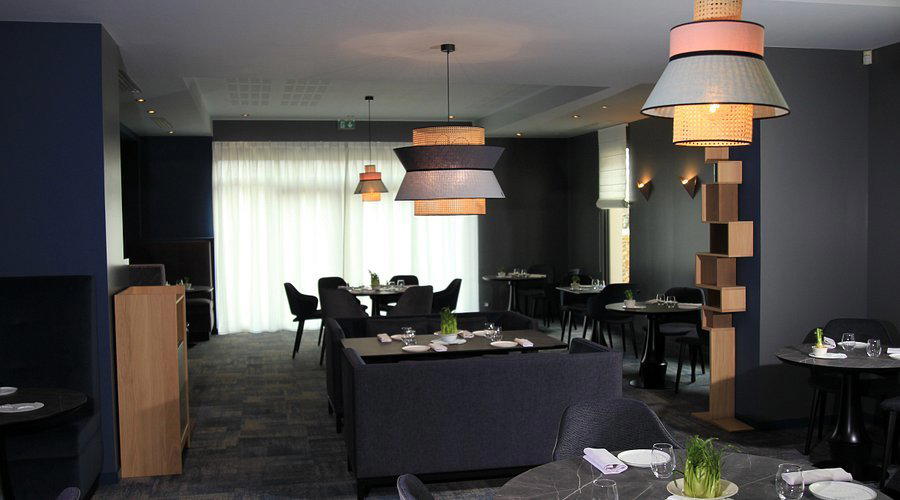
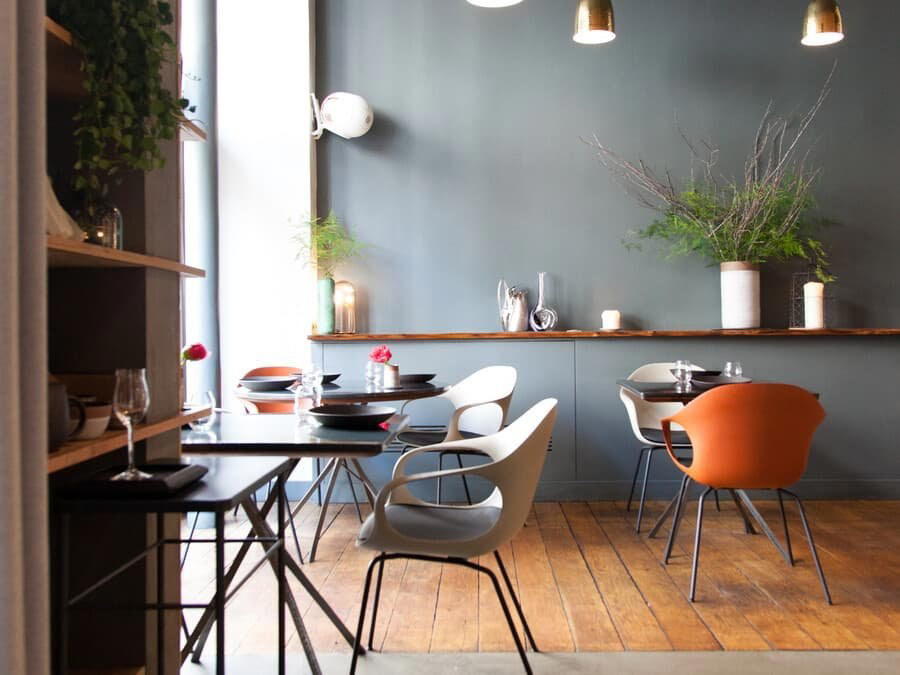
The building itself signals that something has changed. What was a traditional hunting lodge on the rue du Général-de-Gaulle has been stripped of its beams, its fireplace, and the rustic façade that would have blended into the surrounding Île-de-France countryside. In their place, the interior now reads as geometrical, contemporary, and deliberately architectural , a designed space that sits at odds with the village outside and makes that contrast productive. Walking in, you are not entering a preserved country house. You are entering a room built to direct your attention toward what arrives on the plate.

For context on the regional restaurant scene, see our full Le Tremblay-sur-Mauldre restaurants guide. And if you are spending longer in the area, we also cover hotels, bars, wineries, and experiences in Le Tremblay-sur-Mauldre.

Where the Food Comes From , and Why That Matters Here

The sourcing logic at Numéro 3 is the editorial centre of the restaurant. The kitchen operates from a private garden on site , vegetables and aromatic herbs grown for the table, not for marketing copy , and works with a network of small-scale local producers that feeds into an Île-de-France identity on the plate. This is not a novel approach in French fine dining, but its execution at the one-star level in a village of this scale is less common than the trend-piece coverage of farm-to-table cooking might suggest.

French Michelin-starred restaurants at the €€€ price point tend to occupy one of two sourcing positions: either broad luxury purchasing (prime aged proteins, imported truffle, Breton seafood regardless of season) or a committed regional sourcing model that accepts the constraints that model imposes. Numéro 3 belongs clearly to the second camp. The vegetarian menu that has grown in prominence here is a direct consequence of that sourcing discipline , when the kitchen garden and local producers define the pantry, vegetables are not a concession to dietary preference but a structural part of the offer.

For comparison, France's kitchen-garden tradition at the highest level is associated with addresses like Bras in Laguiole, where Michel Bras's herb and vegetable focus helped define a generation of French cooking, and the herb terraces at Flocons de Sel in Megève. Numéro 3 operates at a more modest scale and price point, but the directional logic is the same: the kitchen's relationship with its growing environment shapes what the menu can and cannot do.

The chef's training at Pierre Gagnaire is relevant context here, though not as biography. Gagnaire's kitchen is one of the few three-star operations in France where technique is consistently pushed into experimental territory, where combinations are non-linear and form follows curiosity rather than convention. A cook who spends serious time there absorbs a particular approach to flavour construction , one that does not sit easily alongside the rustic-produce school unless those instincts are consciously reconciled. The interest at Numéro 3 is precisely that reconciliation: the regional and seasonal sourcing operating under a technical sensibility shaped by one of France's more intellectually demanding kitchens.

Where Numéro 3 Sits in the Île-de-France Dining Picture

Paris's top-tier restaurants , Alléno Paris au Pavillon Ledoyen, Assiette Champenoise in Reims at the regional edge , operate at €€€€ and above, with price structures built around ingredient cost, real-estate overhead, and the competitive pressure of being visible in one of the world's most watched restaurant markets. The one-star tier in rural Île-de-France has different economics and, consequently, a different relationship with its audience.

Numéro 3 holds a Michelin star as of 2024 and carries a 4.8 Google rating from 522 reviews, a combination that places it in a small group of restaurants outside the Paris périphérique that have attracted genuine critical recognition without becoming weekend-trip destinations primarily. The restaurant runs a tight service schedule: evenings from Wednesday through Friday between 7:30 and 9 PM, with a Saturday lunch service from noon to 12:45 PM, and a Saturday evening service mirroring the weekday pattern. Monday, Tuesday, and Sunday are closed. That schedule , fewer than ten service windows per week , signals a deliberate constraint on covers rather than a limitation imposed by demand.

For those charting comparable one-star addresses across France where regional sourcing is the defining argument, other relevant references include Auberge du Vieux Puits in Fontjoncouse and Auberge de l'Ill in Illhaeusern, though those represent longer-tenured and differently scaled operations. At the three-star level in France, the regional sourcing argument has its most complete expression at places like Mirazur in Menton and Troisgros in Ouches. Numéro 3 operates in a different tier but with a recognisably similar sourcing philosophy. For broader comparisons in modern cuisine beyond France, Frantzén in Stockholm and AM par Alexandre Mazzia in Marseille illustrate how the category plays across different culinary cultures, while FZN by Björn Frantzén in Dubai and Au Crocodile in Strasbourg show how the modern cuisine designation stretches across contexts. Paul Bocuse - L'Auberge du Pont de Collonges remains the historical reference point for how a French village table can accumulate international standing over decades.

Planning Your Visit

The address , 3 rue du Général-de-Gaulle, Le Tremblay-sur-Mauldre, 78490 , places the restaurant roughly 35 kilometres west of Paris in the Yvelines département, accessible by car from the A13 corridor. The limited weekly service hours make advance planning necessary, and the Saturday lunch window is the most constrained slot at 45 minutes of booking depth. The pricing sits at the €€€ level, placing it clearly below the Paris multi-star tier while still representing a considered spend , appropriate for a Michelin-starred table with a kitchen-garden programme and a chef with top-establishment training. No website or phone data is in our current record; the most reliable booking channel at the time of your visit will require verification through current listings or the restaurant directly. Julie and Laurent Trochain run the operation as a couple, which in the French bistrot-gastronomique tradition typically means front- and back-of-house closely held, producing a consistency of hospitality that larger brigade operations find harder to maintain.

Signature Dishes
foie gras de canard popelé with roasted almonds, prunes and fruit confitfilet of meagre with chard and creamed mussel jusplateau of aged cheeses marinated in aromatic oils
Frequently asked questions

A Quick Peer Check

These are the closest comparables we have in our database for quick context.

At a Glance
Vibe
  • Elegant
  • Modern
  • Cozy
  • Intimate
  • Quiet
Best For
  • Date Night
  • Special Occasion
  • Celebration
  • Business Dinner
Experience
  • Open Kitchen
  • Private Dining
  • Standalone
  • Design Destination
Drink Program
  • Extensive Wine List
  • Natural Wine
  • Sommelier Led
  • Zero Proof
Sourcing
  • Farm To Table
  • Local Sourcing
  • Organic
  • Biodynamic
Dress CodeSmart Casual
Noise LevelQuiet
CapacitySmall
Service StyleFormal
Meal PacingExtended Experience

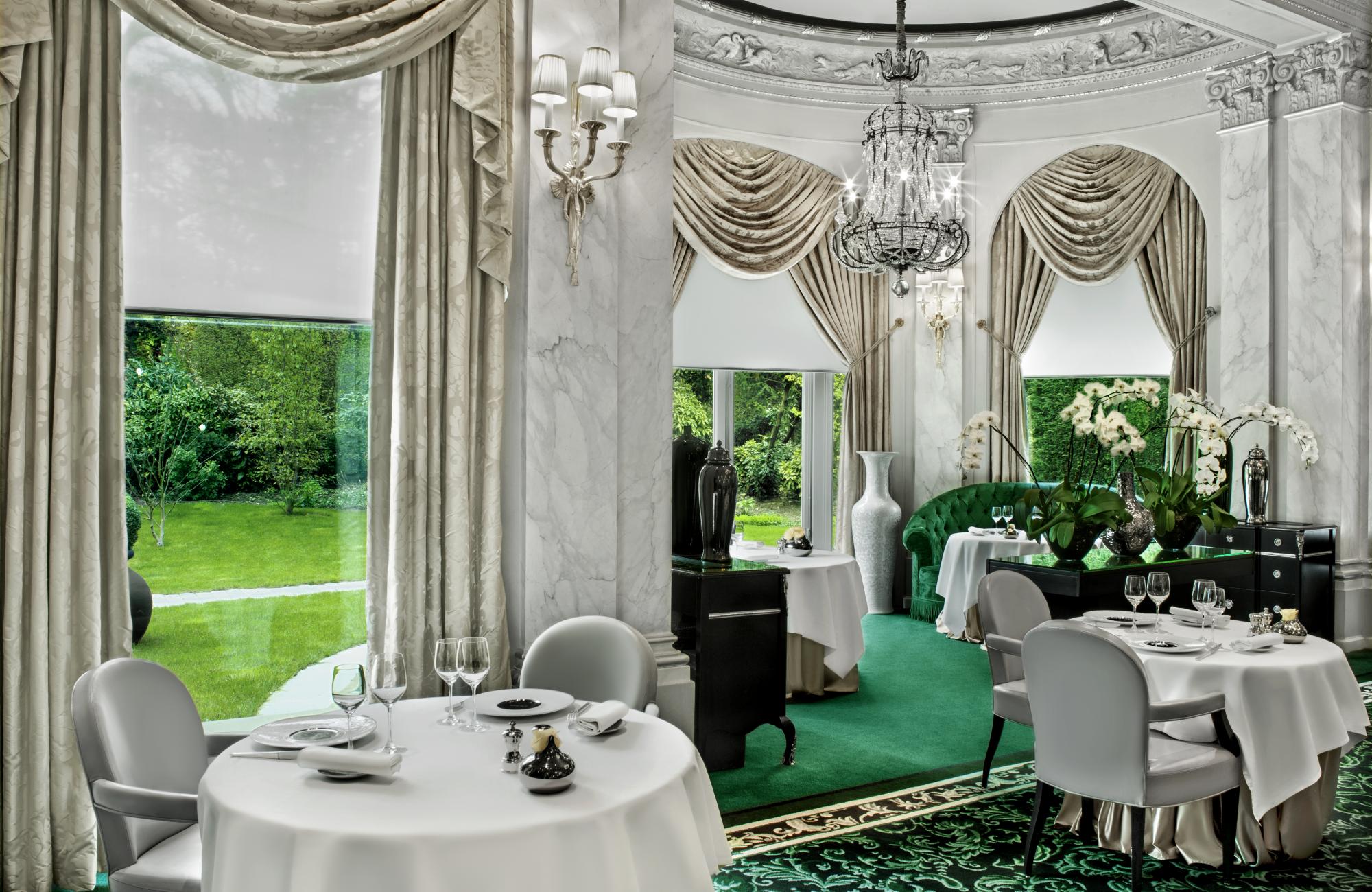
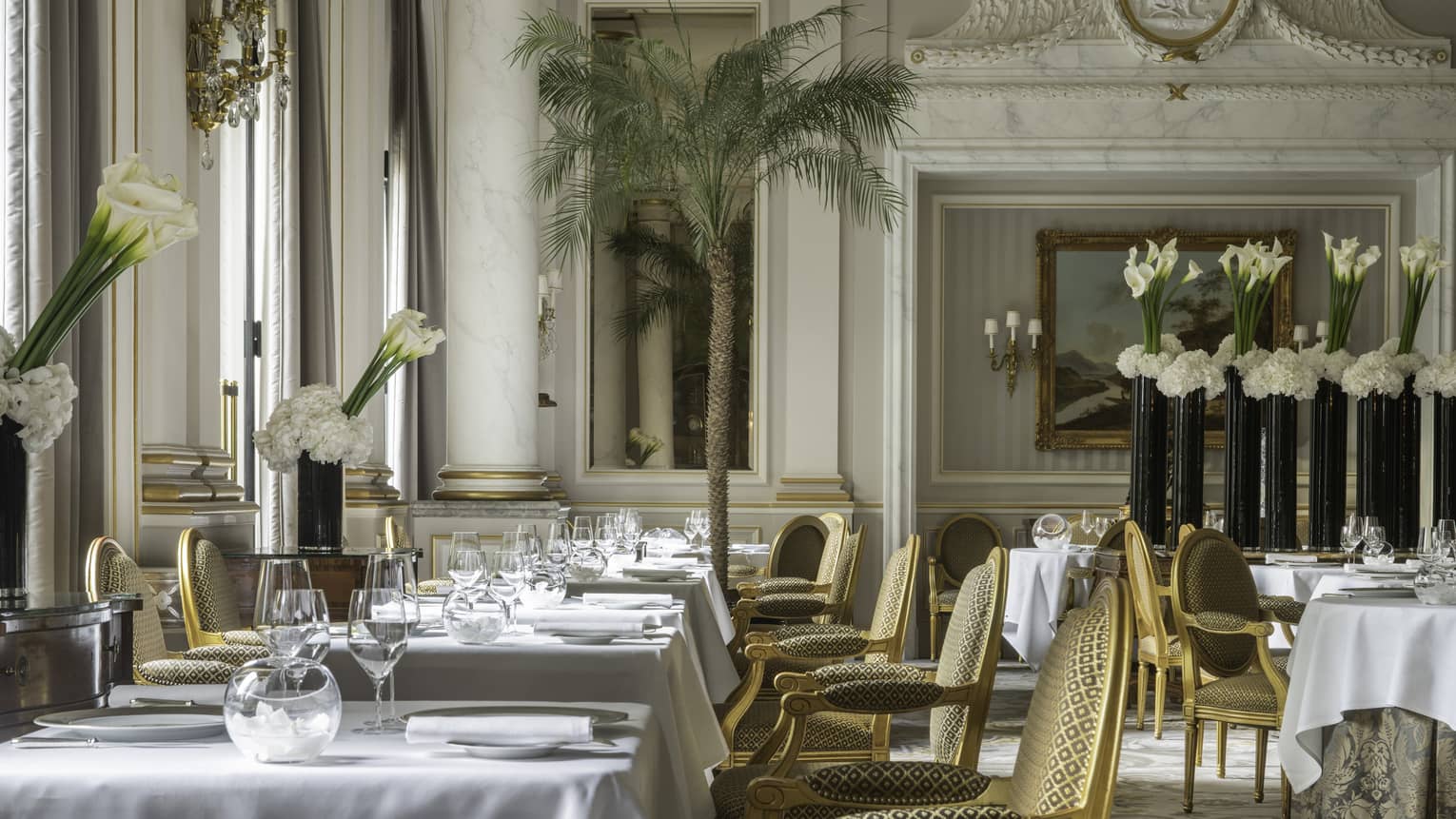
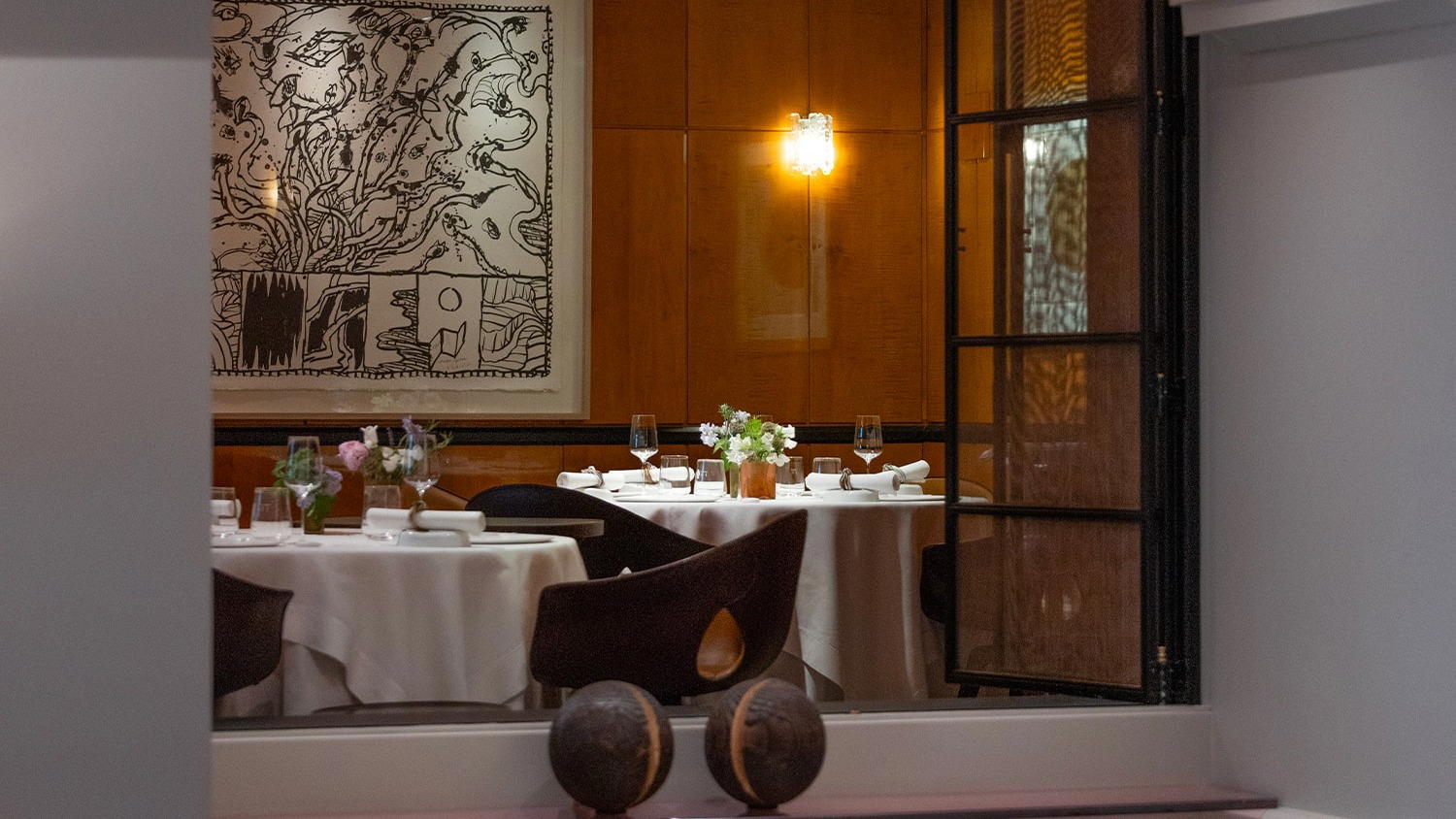
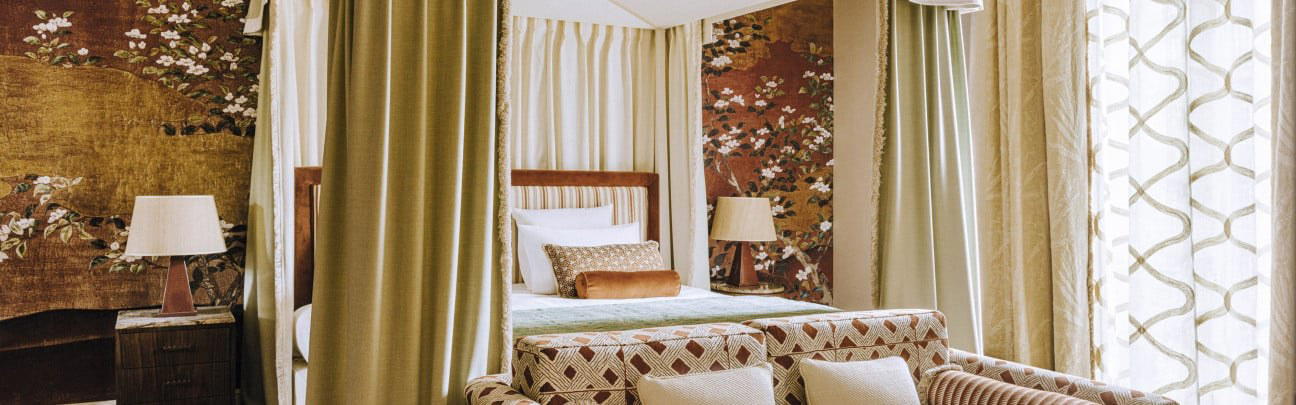
Modern, understated interior with geometric designer finishes in a refurbished former hunting lodge; warm, cozy atmosphere with well-spaced tables and elegant tableware; calm and intimate setting.

Signature Dishes
foie gras de canard popelé with roasted almonds, prunes and fruit confitfilet of meagre with chard and creamed mussel jusplateau of aged cheeses marinated in aromatic oils