Newport Vineyards
Newport Vineyards sits along East Main Road in Middletown, Rhode Island, one of the few working vineyards operating within the Ocean State's compact but growing wine corridor. The property connects a longer American tradition of cool-climate viticulture to a coastal setting more commonly associated with sailing and summer tourism. Visiting during harvest season offers the clearest picture of what the vineyard actually does.
Pearl is the En Primeur Club membership app — saves, bookings, and concierge access live there. Same editors, same standards.
- Address
- 909 E Main Rd, Middletown, RI 02842
- Phone
- +14018485161
- Website
- newportvineyards.com
- Directions
- Get directions
 Saves & bookings on Pearl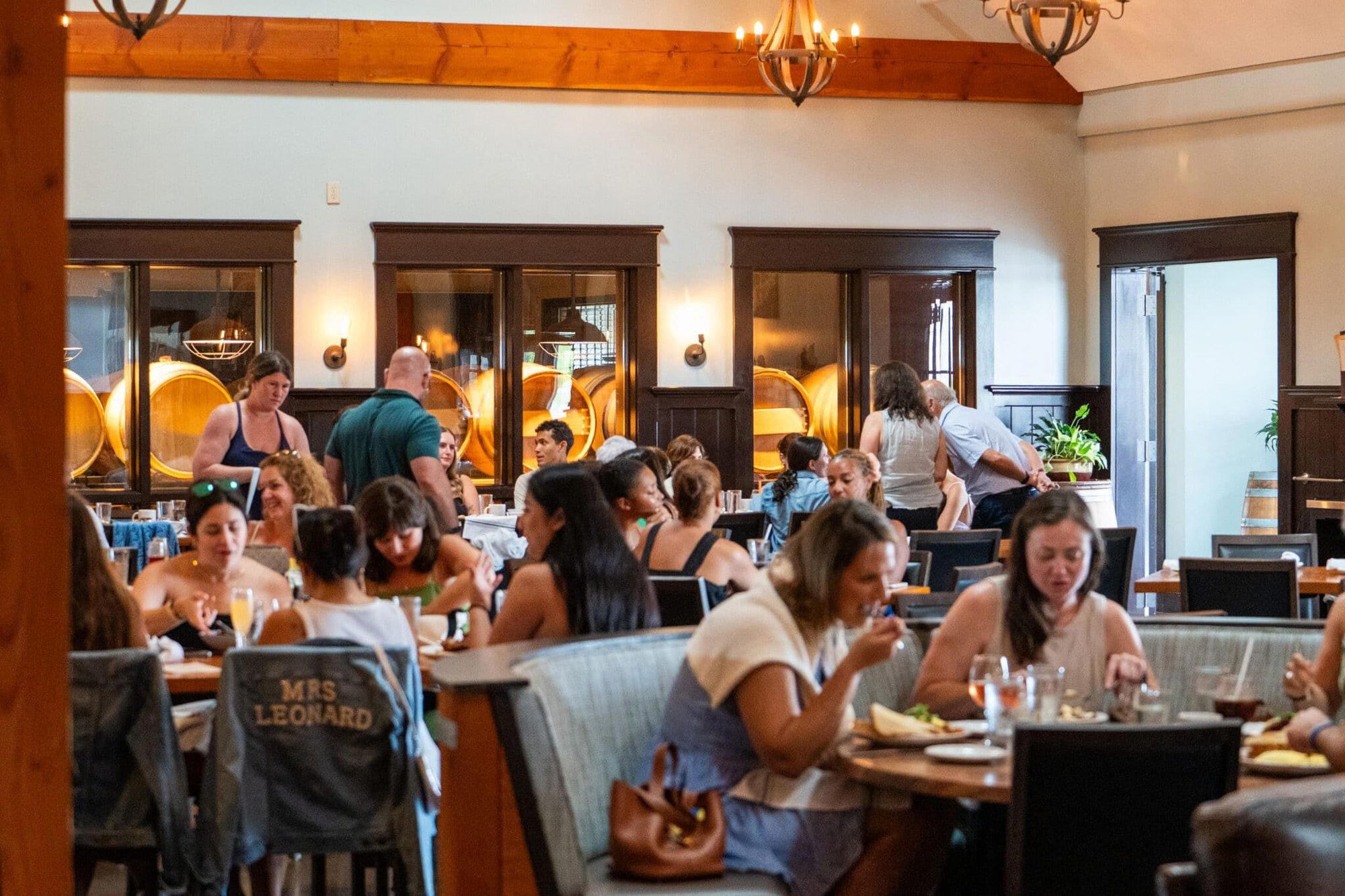
Rhode Island Wine Country and Where Newport Vineyards Fits
New England viticulture has always operated against the grain of American wine geography. While California's Napa and Sonoma valleys absorbed the bulk of critical attention and investment, the Northeast developed a quieter parallel tradition rooted in cold-hardy varietals, short growing seasons, and coastal microclimates that European settlers had been testing since the seventeenth century. Rhode Island sits inside that tradition, and Middletown's position on Aquidneck Island, buffered by Narragansett Bay and the Atlantic, gives its vineyards a moderating maritime influence that extends the viable growing window into territory that would otherwise be inhospitable. Newport Vineyards, located at 909 East Main Road, is among the properties that anchor this local wine identity.
The broader Northeast wine conversation has shifted considerably over the past two decades. Producers from the Finger Lakes to the Connecticut River Valley have drawn serious critical engagement, and the rise of grower-focused wine culture nationally has made regionality a selling point rather than an excuse. Visitors arriving at a Rhode Island vineyard today are more likely to arrive with informed expectations than they were a generation ago, and that shift has raised the bar for how smaller properties communicate what they grow, how they grow it, and why the place matters.
The Setting on Aquidneck Island
Approaching from East Main Road, the property reads as working agricultural land rather than a manicured showpiece, which tells you something useful about what the vineyard is for. Aquidneck Island's relatively flat terrain and open sky make the vine rows visible from a distance, and the proximity to the ocean registers in the air before you reach the tasting room. That sensory context matters: coastal viticulture in Rhode Island is not an abstraction. The salt air, the fog patterns, and the diurnal temperature swings that define a maritime growing season are present in the land itself, and any wine made here carries that environmental signature whether or not the label mentions it.
Middletown sits just north of Newport proper, which means the vineyard draws from two overlapping visitor streams: the serious wine traveler making a deliberate detour to understand New England viticulture, and the Newport tourist looking to extend a weekend trip beyond the Gilded Age mansions and waterfront. Those two audiences have different questions and different patience for technical detail, and properties that serve both well tend to have tasting room programs designed with that range in mind.
New England Viticulture as Cultural Context
Understanding what Newport Vineyards produces requires some grounding in what grows well in southern New England. The region's viticulture has historically leaned on hybrid varietals bred to survive cold winters and resist the fungal pressure that maritime humidity creates, though longer-established producers have increasingly added vinifera plantings as techniques for cold management have improved. The wine culture that has developed here is less about competing with Napa's Cabernet program and more about articulating what a specific coastal place tastes like. That is a different value proposition, and it aligns with how some of the most credible American wine properties outside the major regions have positioned themselves.
The comparison that tends to illuminate this most clearly is not with California but with the East Coast's other serious wine zones. Producers on Long Island's North Fork have made a sustained case for maritime Merlot. Virginia's leading houses have built reputations around Bordeaux blends suited to humid summers. What Rhode Island adds to that picture is a shorter season, a harder northern edge, and an identity still in the process of being fully articulated. For visitors who have explored American wine at the level of The French Laundry in Napa or followed the farm-to-table sourcing conversations that places like Blue Hill at Stone Barns in Tarrytown have made central to American dining, a working New England vineyard offers a different but complementary perspective on American terroir.
Where Newport Vineyards Sits in the Middletown Scene
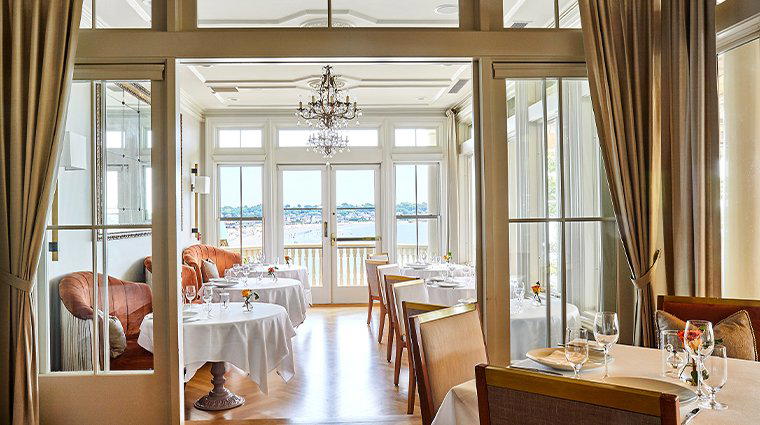
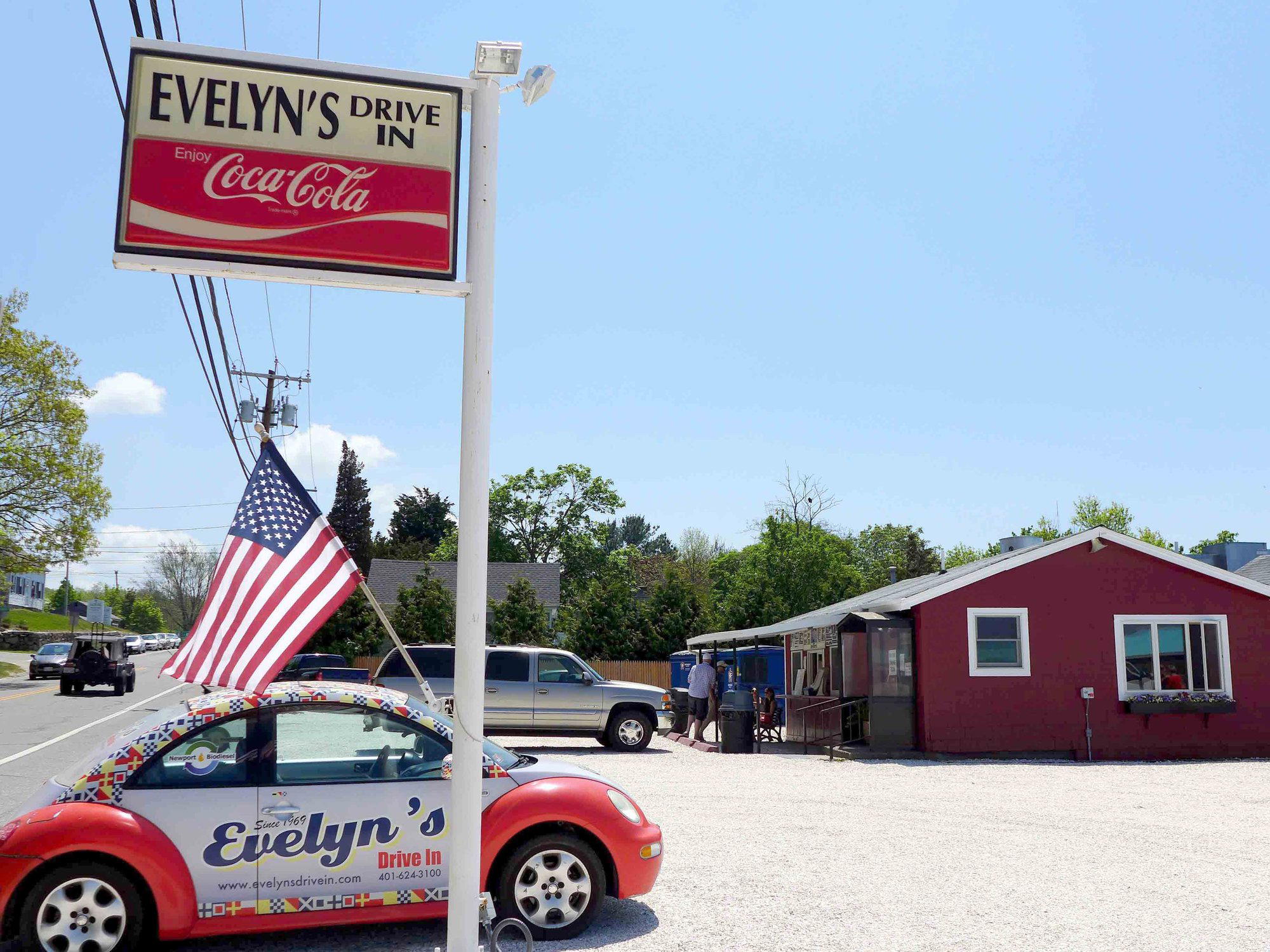
Middletown's dining and hospitality identity is shaped by its position between the tourism concentration of Newport and the quieter residential character of the island's northern end. The result is a local scene that includes everything from casual waterfront eating at places like Easton's Beach Snack Bar At Salty's Second Beach Middletown RI to sit-down dining at Alfred's Victorian, Fratelli's Italian & Seafood, ION Restaurant, and Lou Lou in Middletown. Newport Vineyards occupies a category of its own in that mix, functioning less as a restaurant destination and more as a point of agricultural and viticultural interest that anchors the food and drink conversation in a different register. The full Middletown restaurants guide covers the broader picture for visitors building a longer itinerary.
Properties like Single Thread Farm in Healdsburg, Addison in San Diego, or Providence in Los Angeles represent the fine dining end of American regional culinary identity. Newport Vineyards operates further along the production and education side of that spectrum, which is a different but defensible position in a wine-curious travel market.
Planning a Visit
The harvest window, typically running from late August through October in southern New England, is the period when a visit to a working vineyard delivers the most contextual value. Vine activity is visible, staff conversations tend to be more specific about the current growing year, and the tasting program reflects what the property actually makes rather than a library of older releases. Visitors coming from the Newport hotel corridor will find East Main Road accessible without significant transit complexity. Given the volume of summer and fall tourism that flows through Aquidneck Island, weekend visits in peak season benefit from planning ahead. For those building a longer New England wine itinerary that extends beyond Rhode Island, the regional conversation connects outward to Connecticut and Massachusetts producers working similar maritime conditions.
Continue exploring
More in Middletown
Restaurants in Middletown
Browse all →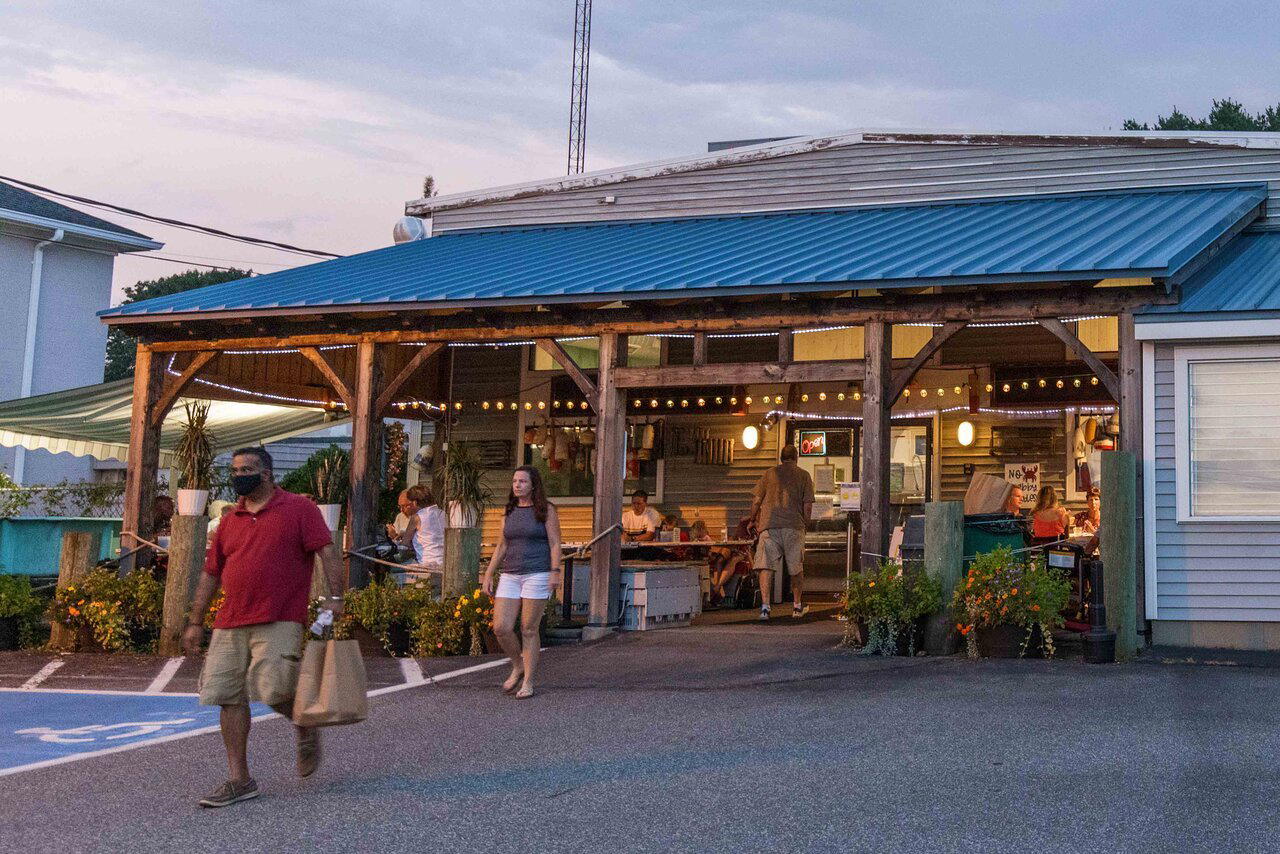
Bars in Middletown
Browse all →


At a Glance
- Scenic
- Rustic
- Cozy
- Elegant
- Date Night
- Group Dining
- Celebration
- Brunch
- Live Music
- Private Dining
- Extensive Wine List
- Beer Program
- Farm To Table
- Local Sourcing
- Vineyard
Current opening hours
- Monday
- 11 AM–5 PM
- Tuesday
- 11 AM–5 PM
- Wednesday
- 11 AM–9 PM
- Thursday
- 11 AM–6 PM
- Friday
- 11 AM–9 PM
- Saturday
- 11 AM–9 PM
- Sunday
- 10 AM–4 PM
Hours can change for holidays and private events. Last verified .
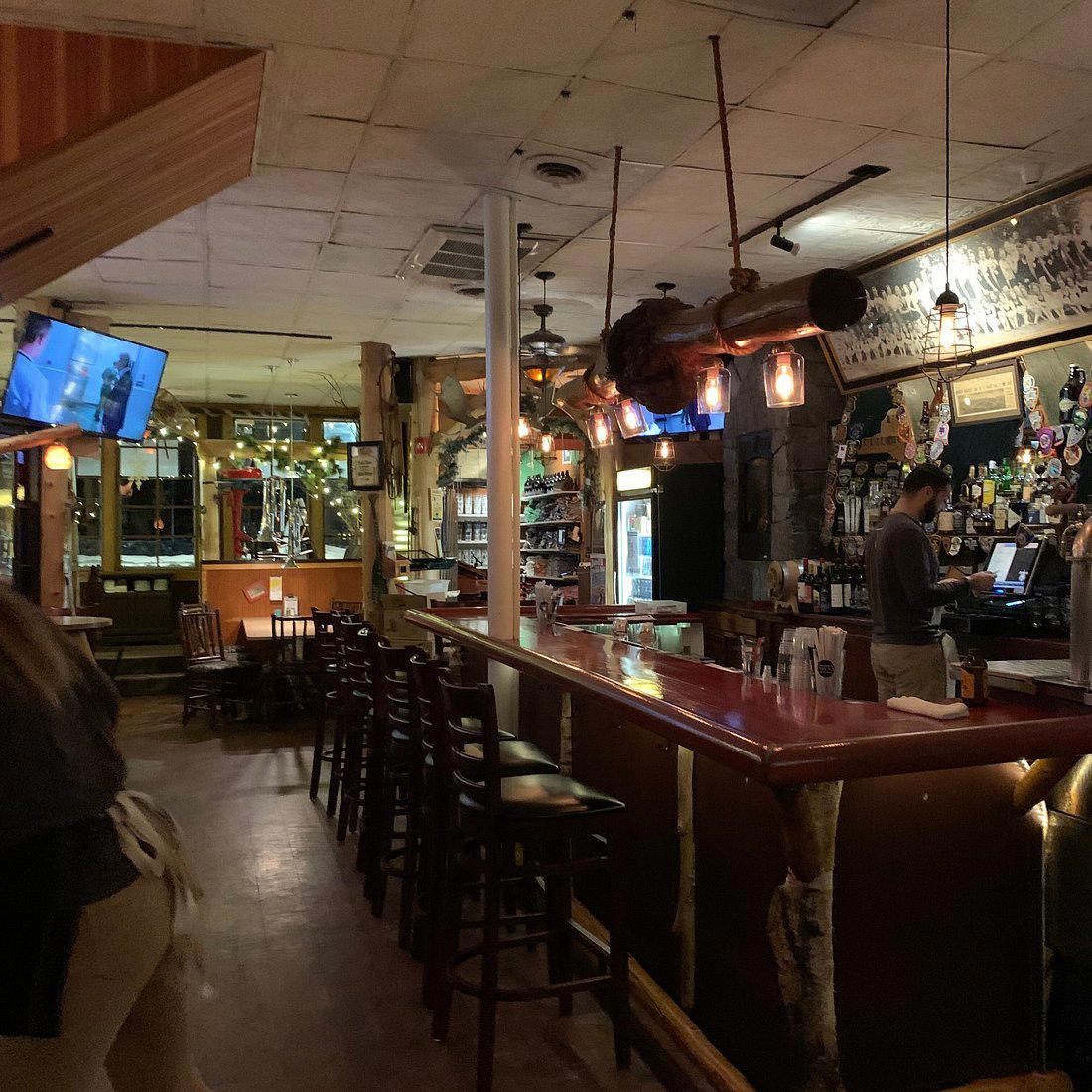
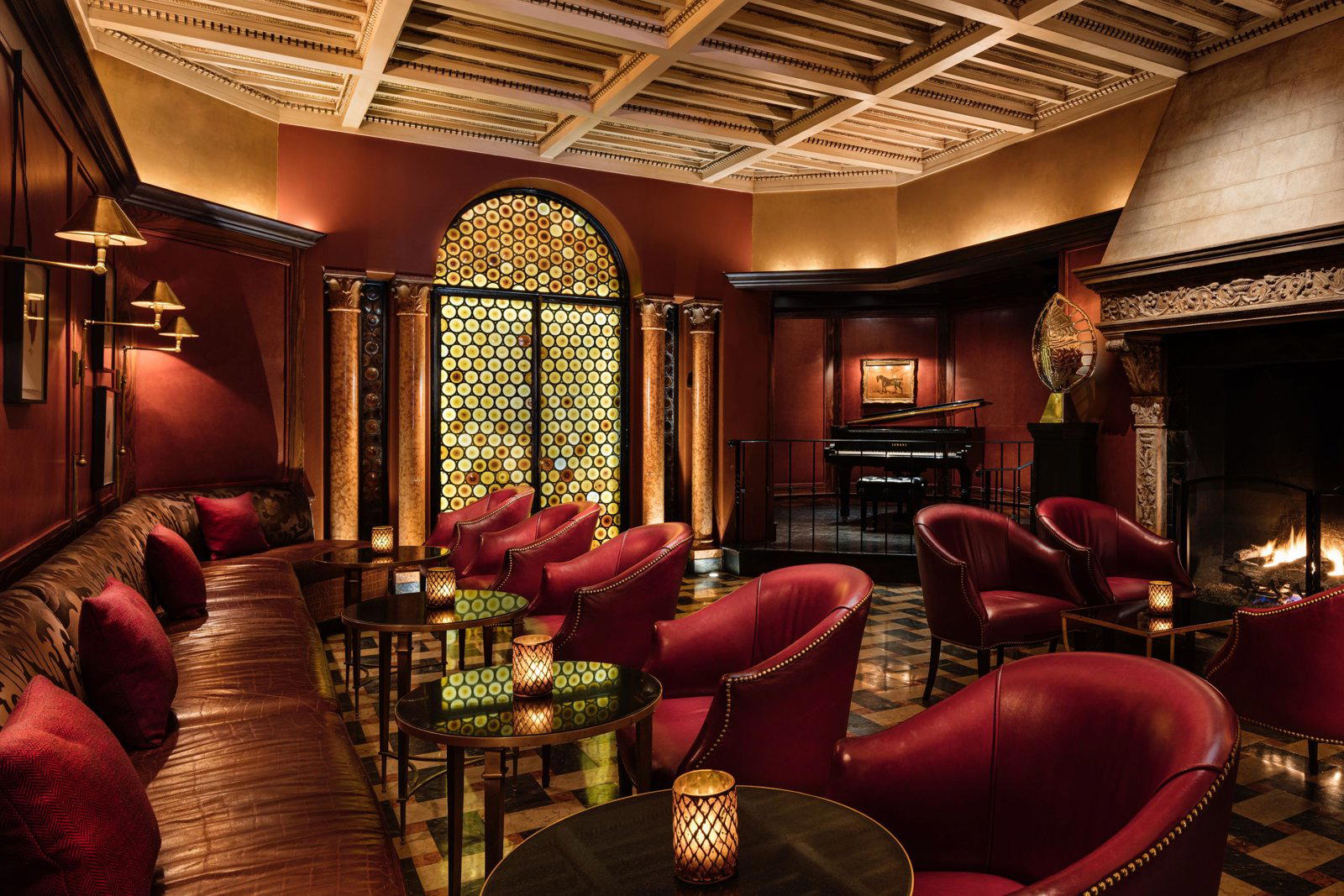
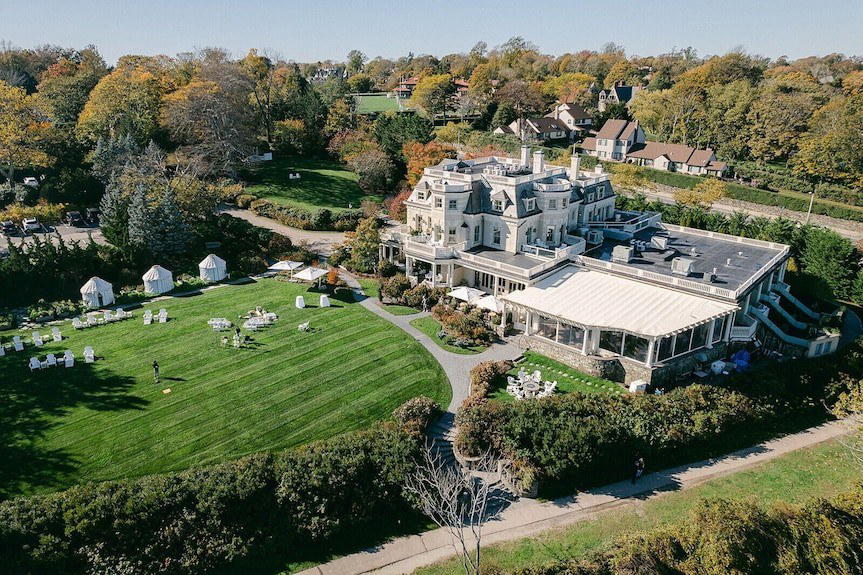
Cozy ambiance with indoor and outdoor seating options amidst rolling vineyard views, enhanced by live music and seasonal events.
Know Before You Go
- Getting there
- 909 E Main Rd, Middletown, RI 02842