Nevada Steak
Nevada Steak occupies a stretch of South Virginia Street where Reno's suburban sprawl gives way to a quieter, more deliberate dining register. The restaurant positions itself within a local steakhouse tradition that has long anchored the city's special-occasion dining circuit, drawing on Great Basin cattle country as its raw material and applying technique that places it alongside the more ambitious entries in Reno's mid-tier fine dining scene.
Pearl is the En Primeur Club membership app — saves, bookings, and concierge access live there. Same editors, same standards.
- Address
- 13101 S Virginia St, Reno, NV 89511
- Phone
- +17753843630
- Website
- tamarackcasino.com
- Directions
- Get directions
 Saves & bookings on Pearl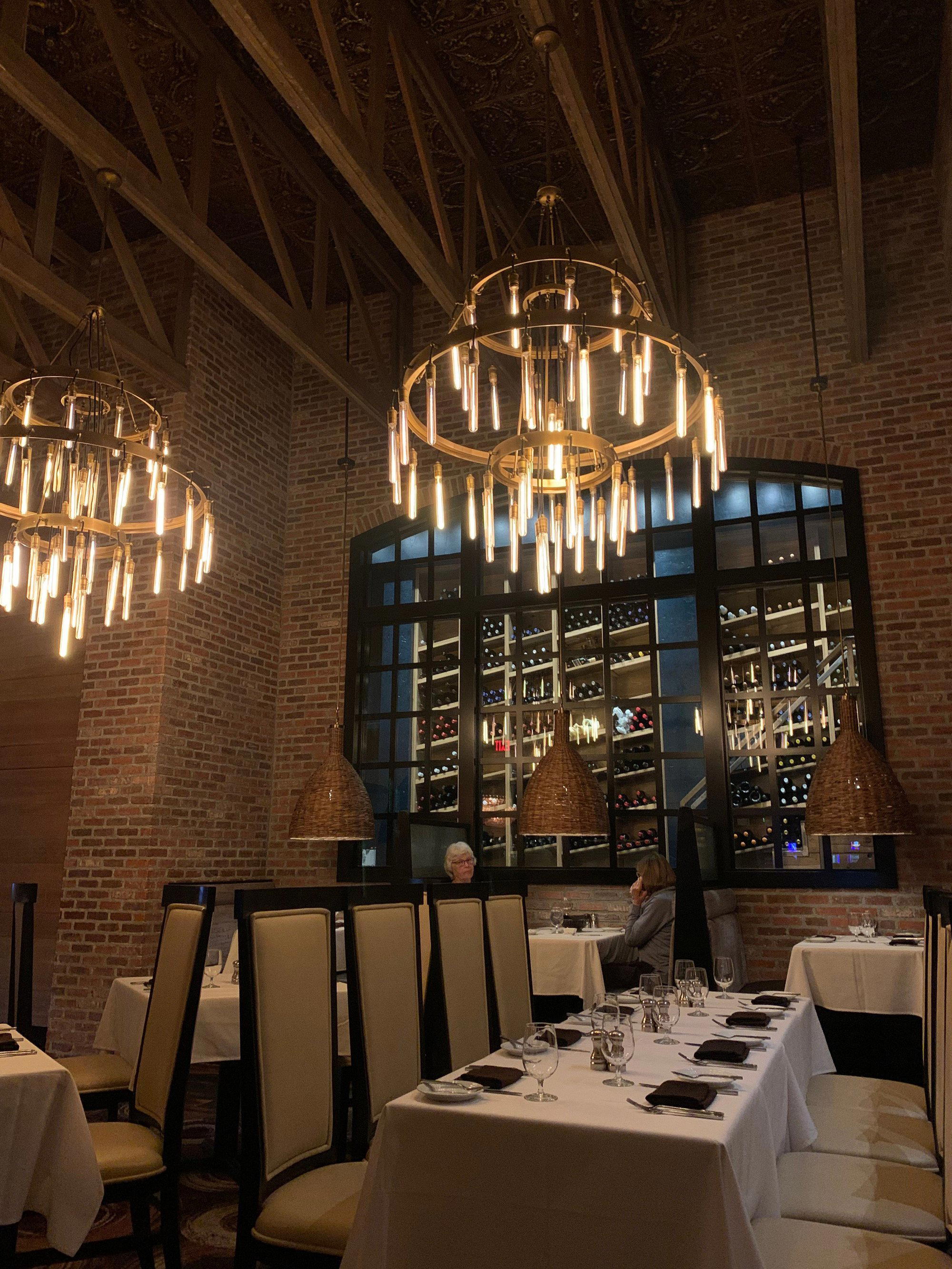
Where the High Desert Meets the Grill
South Virginia Street, running south from Reno's casino corridor toward the Sierra Nevada foothills, carries a particular kind of dining geography. The closer you move toward the 89511 zip code, the more the scene shifts from neon-lit gaming floors to neighbourhood restaurants built around repeat clientele rather than tourist volume. Nevada Steak, at 13101 S Virginia St, sits in this quieter register, where the expectation is a considered meal rather than a spectacle. That address alone says something about the venue's competitive positioning: this is a South Reno operation drawing from the surrounding residential catchment and the wider mountain-west dining audience that passes through the region.
The broader steakhouse tradition in Nevada has always operated in the shadow of Las Vegas, where Strip properties like CUT and PRIME dominate national conversations. Reno's steakhouse circuit operates differently: smaller, less theatrically priced, and more dependent on local loyalty. Within that circuit, Nevada Steak occupies a position similar to Atlantis Steakhouse and Bimini Steakhouse in terms of format, but sits off the casino floor, which changes the atmosphere meaningfully. There is no ambient slot-machine noise bleeding through a partition, no complimentary buffet visible from the dining room. The setting is self-contained, which is a structural advantage for a restaurant trying to present serious beef cookery as its primary argument.
Great Basin Beef and the Case for Regional Sourcing
The editorial angle that explains Nevada Steak's position in Reno's dining scene is the intersection of regional raw material and applied technique. Nevada and the broader Great Basin have a ranching history that pre-dates statehood, and that geography produces beef with a distinct character: animals raised at high altitude on open rangeland, often with longer finishing times than industrial feedlot alternatives. The leading steakhouses in the American West have historically been able to exploit this proximity, building menus around cattle raised within a few hours' drive rather than sourcing generic commodity beef from the Midwest.
This model parallels what has happened at destination-level restaurants across the country. At Single Thread Farm in Healdsburg, the sourcing logic is foregrounded as a central narrative. At Blue Hill at Stone Barns in Tarrytown, the farm-to-table ethos is structurally built into the menu architecture. In steakhouse contexts, the equivalent commitment shows up not in foraged side dishes but in the provenance and grading of the primary protein. The question a serious diner should ask at any Nevada steakhouse is whether the beef is a regional story or a generic one, and whether the kitchen has the technical discipline to handle either with consistency.
Applied technique in steakhouse cookery is less visible than in tasting-menu contexts, there is no tableside theatre to signal it, but it is no less demanding. Dry-aging protocols, resting times, fat rendering at the correct temperature: these are the invisible variables that separate a properly cooked ribeye from a serviceable one. Compared to the technique-forward programs at Le Bernardin in New York City or the precision-driven kitchens of Alinea in Chicago, a steakhouse kitchen operates in a less codified critical vocabulary, which means diners often have fewer public signals by which to assess quality before arriving.
Reno's Steakhouse Tier and Where Nevada Steak Sits
Reno's fine dining scene has expanded meaningfully over the past decade, driven partly by Bay Area transplants bringing different spending habits and culinary expectations. The city now supports a range of formats: modern French from Beaujolais Bistro, contemporary global cooking at Arario Midtown, and more experimental territory at Bistro 7. The steakhouse tier remains especially consistent revenue driver in the city's special-occasion dining circuit, and it is the format with the deepest local roots.
The restaurant operates outside the casino ecosystem, which places it in a smaller peer group. Casino-affiliated steakhouses in Reno carry certain structural advantages, captive audiences, subsidised real estate, extended operating hours, but they also carry the aesthetic weight of their parent properties. An independent steakhouse on South Virginia Street competes on different terms: it needs to build its own loyalty, manage its own front-of-house narrative, and price against the local residential market rather than tourist budgets. That constraint is also a creative one: it tends to produce menus and service cultures that are more tightly calibrated to what the local market actually wants, rather than what a corporate F&B; director thinks the market should want.
For context on what this type of positioning looks like at a national level, consider how Addison in San Diego or Providence in Los Angeles have built durable reputations by serving local audiences rather than chasing national recognition as a primary objective. The ambition is different in scale, but the logic is similar: know your city, know your ingredient supply, and execute consistently.
Planning a Visit: Timing, Access, and Context
The South Virginia Street corridor is accessible by car from central Reno in under twenty minutes, and the location sits closer to the Reno-Tahoe International Airport than most downtown dining options, a practical consideration for visitors arriving from the Bay Area or Pacific Northwest who plan a meal before or after travel. Late autumn through early spring tends to be the period when Reno's restaurant scene operates at its most local: ski-season visitors from the Bay Area supplement the residential audience, and steakhouses in particular see strong mid-week traffic from that demographic. Summer months bring different visitors, often oriented around the festival circuit and outdoor recreation, with shorter dinner windows.
Visitors should approach planning through direct contact with the restaurant before committing to a visit, particularly for larger groups or time-sensitive itineraries.
City Peers
Comparable venues nearby, for context on price, style, and recognition.
| Venue | Cuisine | Price | Notes |
|---|---|---|---|
| Nevada SteakThis venue — the venue you are viewing | Classic Steakhouse | $$$ | Not listed |
| Charlie Palmer Steak | Modern American Steakhouse | $$$$ | Grand Sierra Resort |
| Bimini Steakhouse | Classic Steakhouse | $$$$ | Casino District |
| Bistro 7 | Modern American Bistro | $$$ | South Reno |
| Atlantis Steakhouse | Classic Steakhouse | $$$$ | Reno |
| Uno Más Street Tacos + Spirits | Street Tacos + Spirits | $$ | Grand Sierra Resort |
At a Glance
- Romantic
- Intimate
- Elegant
- Date Night
- Special Occasion
- Private Dining
- Extensive Wine List
Current opening hours
- Monday
- 4:30–9 PM
- Tuesday
- 4:30–9 PM
- Wednesday
- 4:30–9 PM
- Thursday
- 4:30–9 PM
- Friday
- 4:30–9 PM
- Saturday
- 4:30–9 PM
- Sunday
- 4:30–9 PM
Hours can change for holidays and private events. Last verified .
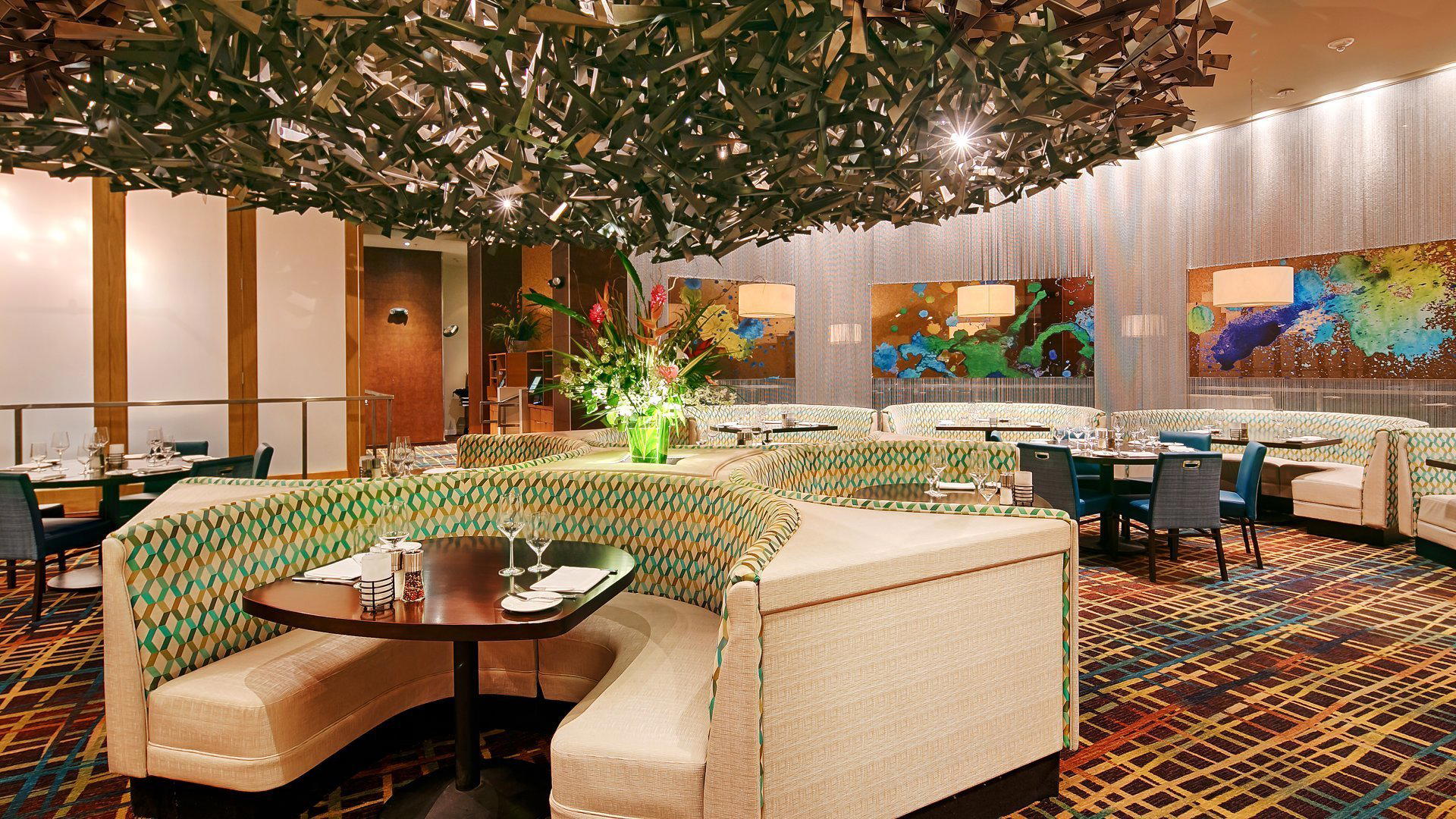
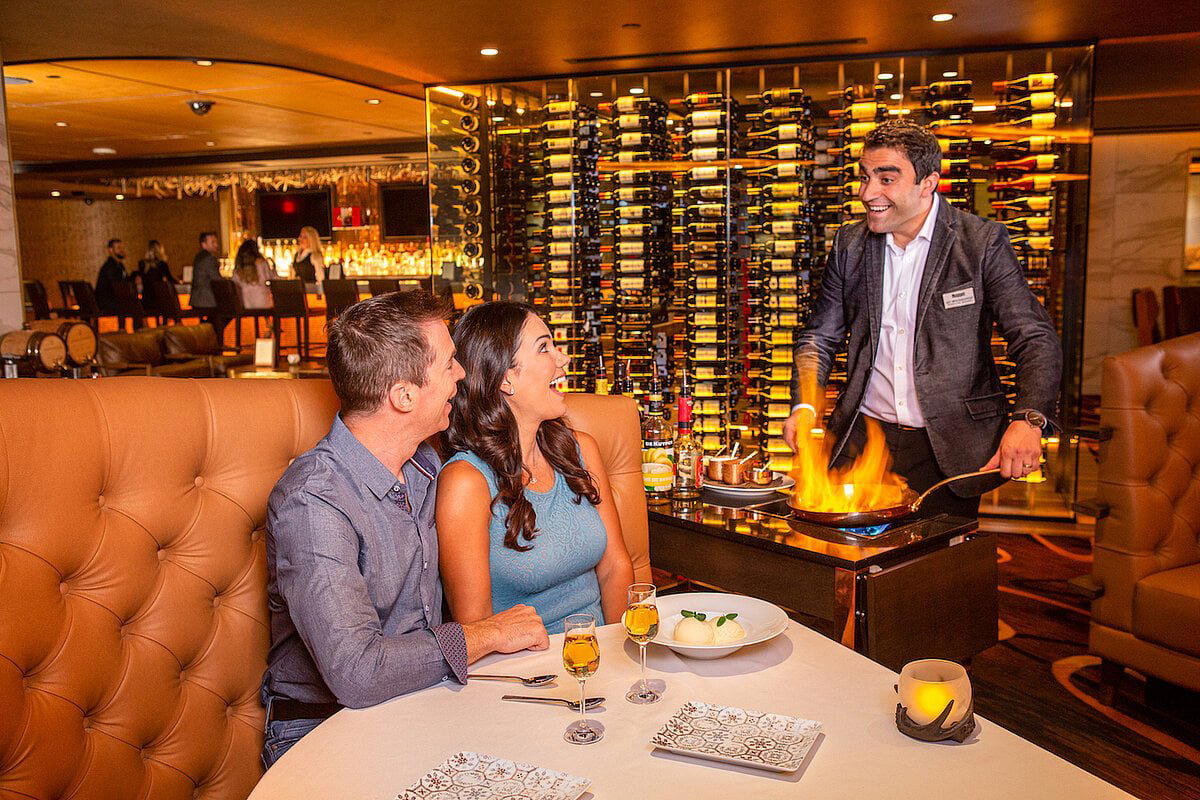
Warm, inviting, and calm atmosphere with polished service and romantic, intimate settings.