

Michelin Bib Gourmand · White Guide Sweden Restaurants - Fine Level
Our verdict
Namu brings Korean cooking to Malmö's mid-range dining tier with enough precision to hold a Michelin Bib Gourmand for about a decade. Under chef Markus Larsson, the kitchen at Landbygatan 5 works within a tradition where balance, contrast, and fermentation do the heavy lifting. For a city still building its Asian dining credentials, Namu occupies a distinct and well-earned position.

Pearl is the En Primeur Club membership app, where members save venues, book tables and use the concierge.
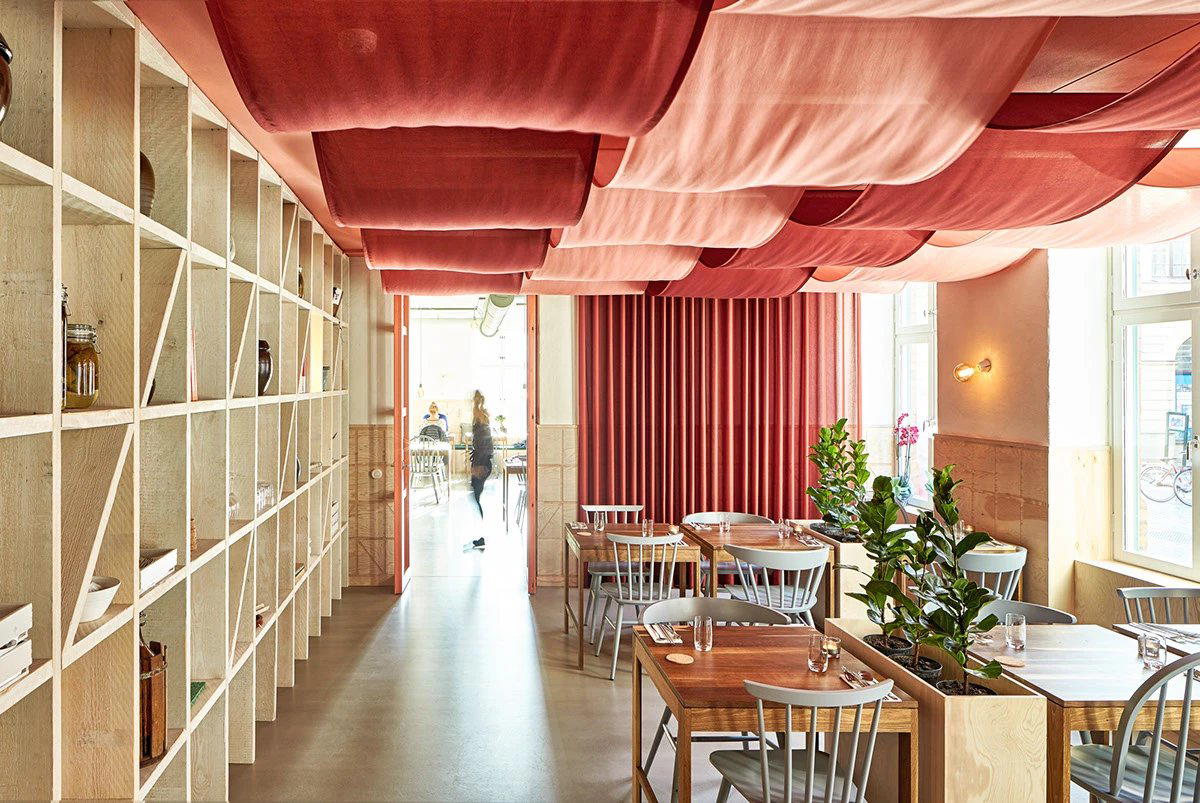
Korean Cooking in a Swedish City Still Finding Its Asian Voice
Malmö's restaurant scene has long been weighted toward New Nordic formalism and Mediterranean borrowings. The city's Michelin map reflects that: Vollmers anchors the fine-dining end with contemporary Scandinavian precision, while mid-range operators like aster and Bloom in the Park hold creative ground in between. Korean food, with its insistence on fermentation, heat, and layered umami, sits outside that dominant current. Namu, on Landbygatan 5 in Malmö, has made that outsider position into an advantage, holding a Michelin Bib Gourmand for about a decade, first awarded in the 2017 Nordic Guide, a signal that inspectors rate the cooking as genuinely good value, not merely acceptable for its category.
The Bib Gourmand designation carries a specific meaning worth unpacking. It does not recognise experimental ambition or fine-dining theatrics. It marks kitchens where the food is cooked with care and sold at prices that do not require justification. Namu sits in Malmö's €€ tier, alongside comparators like Kockeriet and Brasserie Sture 1912, which means it is competing on cooking quality and consistency rather than occasion-dining spectacle. A decade of Bib recognition suggests the kitchen has not drifted.
Korean Roots, Swedish Produce, Shareable Plates
Opened in 2015 by restaurateur and Swedish MasterChef winner Jennie Walldén, Namu blends iconically Korean flavors with local Skåne produce. Michelin describes the cooking as colourful, zingy, and generous; dishes are designed for sharing, with tasting menus available. Chef Markus Larsson leads the kitchen today within that program, fermented depth against fresh brightness, heat managed with intention, and Nordic ingredients carrying Korean technique rather than the other way around.
That discipline is part of what makes Korean cooking a credible vehicle for Michelin scrutiny even at the Bib level. The cuisine does not need tasting-menu scaffolding to display technique. The technique is embedded in the process: the months-long fermentation of kimchi, the reduction of doenjang jjigae, the exact temperature at which sundubu must be served to retain its silken texture without becoming rubbery. Namu operates in a casual, accessible, mid-price register, but the underlying culinary logic is the same as higher-format Korean kitchens elsewhere: balance, heat, and fermentation done with care.
For a broader frame on where Korean fine dining currently sits globally, Seoul restaurants like Mingles and Kwonsooksoo represent the upper ceiling of what the cuisine can achieve when given tasting-menu investment and seasonal rigour. Namu operates in a different register, but the shared grammar of fermentation and contrast still applies.
Where Namu Fits in Sweden's Wider Michelin Picture
Sweden's Michelin-recognised restaurants cluster heavily in Stockholm, with Frantzén in Stockholm occupying the country's most decorated tier. Outside the capital, the picture is more dispersed: Signum in Mölnlycke, VYN in Simrishamn, 28+ in Gothenburg, PM & Vänner in Växjö, and Knystaforsen in Rydöbruk all carry Michelin recognition of various kinds. Malmö, with its proximity to Copenhagen across the Øresund Bridge, benefits from cross-border food culture that has pushed standards upward. Namu's long run of Bib awards places it within that regional credibility, not as an outlier earning sympathy points for cuisine type, but as a kitchen held to the same value-for-cooking benchmark applied across the guide.
At that volume of reviews, the mean score reflects sustained delivery rather than a cluster of enthusiastic early adopters. Kitchens that coast on their initial reputation typically see score drift at high review volumes; Namu has not produced that pattern.
The Address and What It Implies
Landbygatan 5 sits within a Malmö neighbourhood that is not the city's most trafficked dining corridor. That positioning is relevant to how Namu operates: restaurants in lower-footfall locations depend more heavily on return visits and word-of-mouth than on walk-in tourist trade. Earning Bib Gourmand recognition in that context means the kitchen is attracting diners who have made a deliberate choice to go there, not diners who wandered in.
The city's compact geography is one of its practical advantages over Copenhagen for anyone staying on the Swedish side of the bridge.
How to Approach an Order
at Namu?
The Michelin Guide highlights the signature flank steak with its array of accompaniments as a standout. Dishes are designed for sharing, so ordering across multiple plates rather than a single dish makes sense at the €€ tier, and tasting menus are available if you prefer the kitchen to lead. Beyond the mains, fermented accompaniments that arrive alongside carry as much information about the kitchen's standards as anything plated centrally, they are rarely afterthoughts in a kitchen that takes the cuisine seriously.
Frequently asked questions
How do I find Namu?
Namu is located at Landbygatan 5, 211 34 Malmö, Sweden, Malmö.
What distinctions does Namu have?
Namu has held a Michelin Bib Gourmand since the 2017 Nordic Guide, about a decade of recognition, including recent years through 2026.
What's the best thing to order at Namu?
The Michelin Guide highlights the signature flank steak with its array of accompaniments as a standout. Dishes are designed for sharing, with tasting menus available. At the €€ price range, ordering across multiple plates rather than a single dish makes sense here.
How much does it cost to eat at Namu?
Pricing at Namu is listed as €€.
Side-by-Side Snapshot
| Venue | Cuisine | Price | Awards | Notes |
|---|---|---|---|---|
| NamuThis venue (the venue you are viewing) | Korean-Swedish Fusion | Not listed | Michelin Bib Gourmand · White Guide Sweden Restaurants - Fine Level | Not listed |
| Vollmers | Modern New Nordic with Scanian Terroir | $150–200 | 2 Michelin Stars · La Liste Top Restaurants | New Nordic, Contemporary |
| aster | Modern Mediterranean Gastro-Bistro | $50–100 | Michelin Plate · Star Wine List | Not listed |
| Västergatan | Seasonal Scandinavian Fine Dining | $50–100 | Michelin Bib Gourmand · Star Wine List | Not listed |
| Bloom in the Park | Modern Scandinavian Creative | Not listed | Michelin Plate · White Guide Sweden Restaurants - Very Fine Level | Not listed |
| Brasserie Sture 1912 | Classic French Brasserie with Swedish Influences | $50–100 | Michelin Plate · Star Wine List | Not listed |
Recognition history
Dated appearances from independent guides and award organizations, with the underlying list record or original source where available.
Michelin Bib Gourmand
Michelin
White Guide Sweden Restaurants - Fine Level
White Guide
Full recognition history (4 entries)
Michelin Bib Gourmand
Michelin
Michelin Bib Gourmand
Michelin
Continue exploring
More in Malmö
Restaurants in Malmö
All restaurants in Malmö →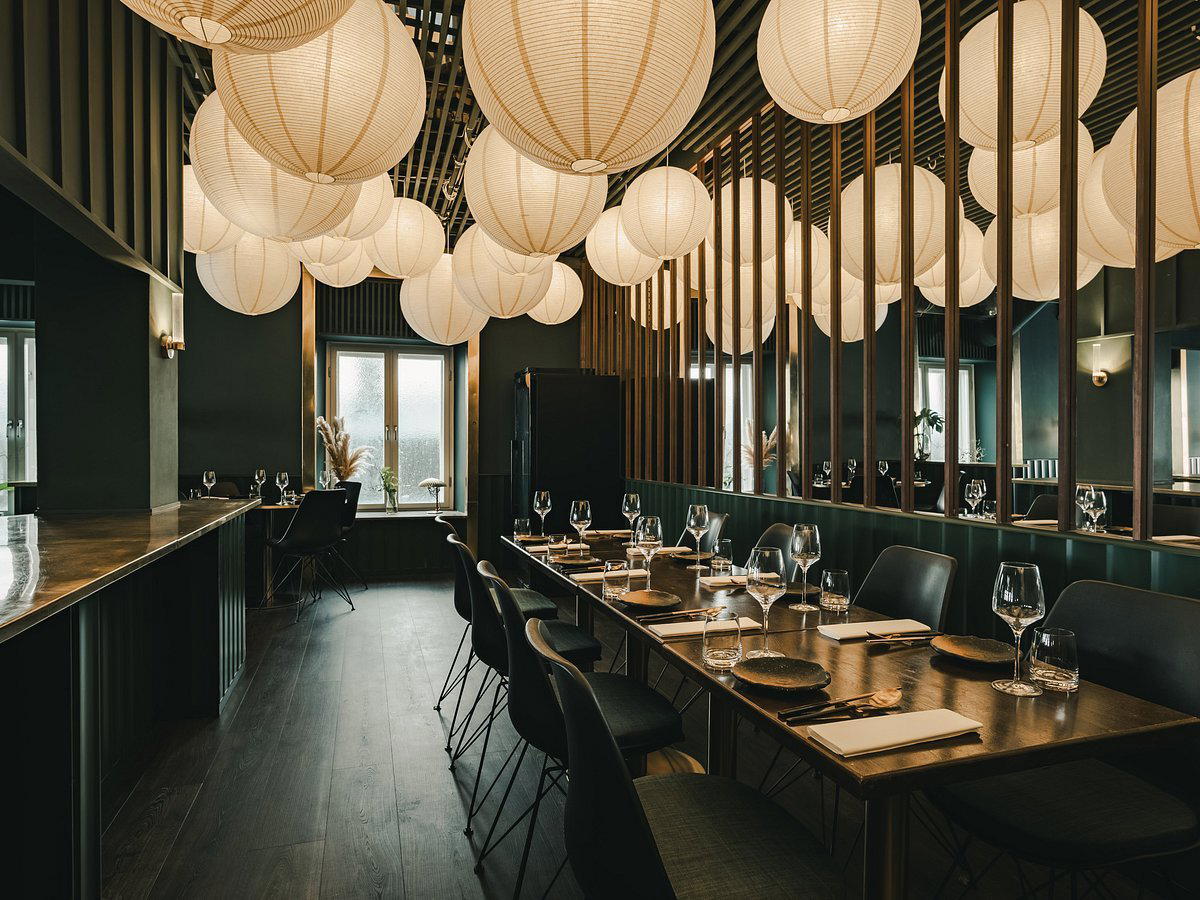

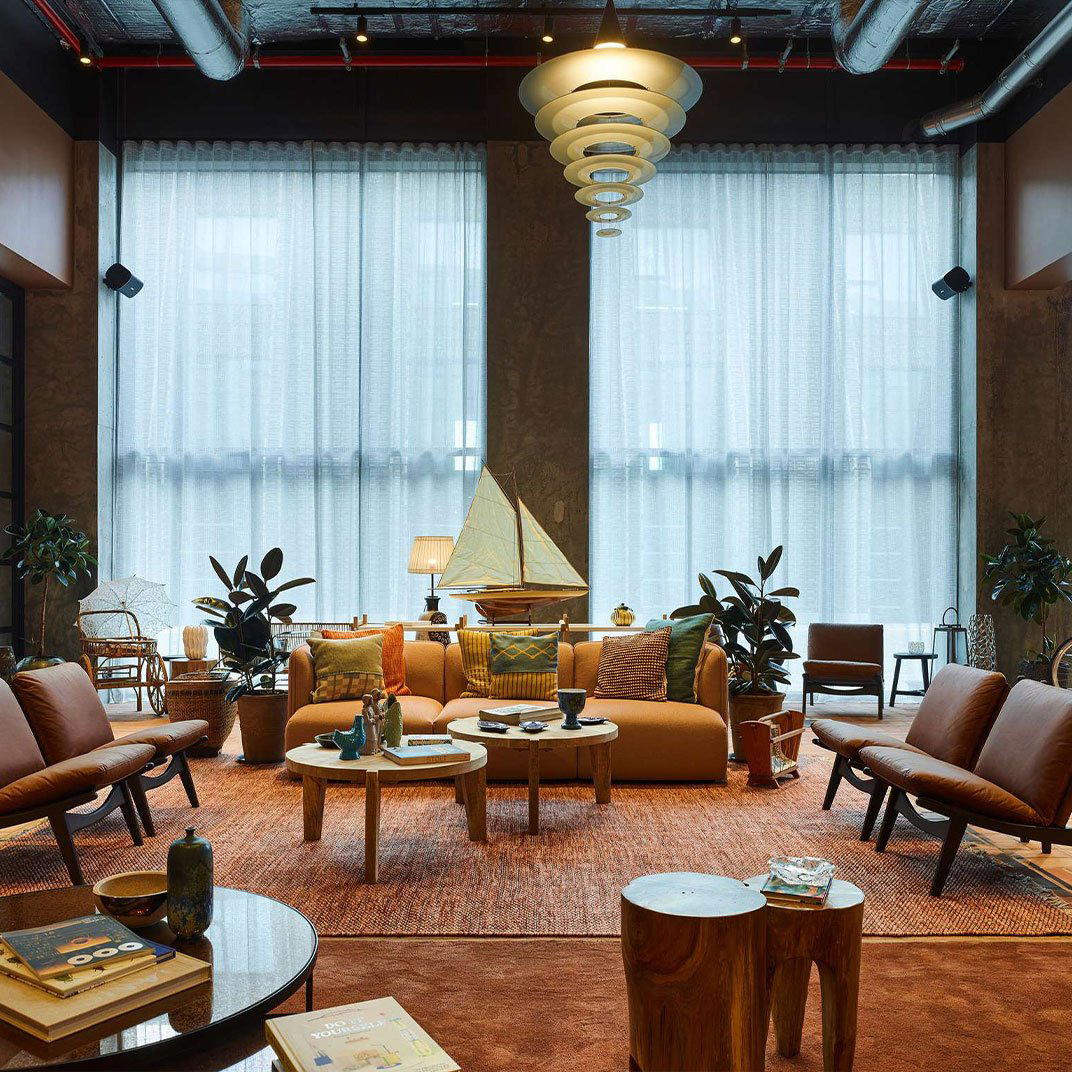

Bars in Malmö
All bars in Malmö →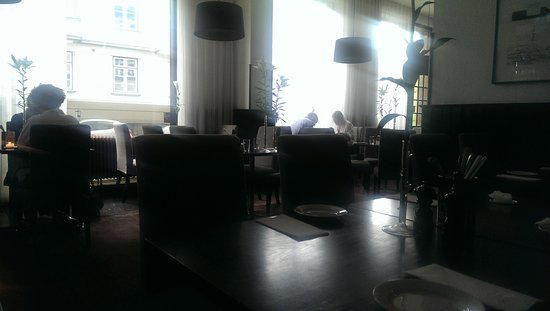

Details
- Trendy
- Modern
- Elegant
- Energetic
- Date Night
- Special Occasion
- Group Dining
- Open Kitchen
- Local Sourcing
- Small Plates
- Tasting Menu
- A La Carte
- Vegetarian Friendly
- Vegan Options
Current opening hours
- Monday
- Closed
- Tuesday
- 11:30 AM–2 PM, 5–11 PM
- Wednesday
- 11:30 AM–2 PM, 5–11 PM
- Thursday
- 11:30 AM–2 PM, 5–11 PM
- Friday
- 11:30 AM–2 PM, 5 PM–12 AM
- Saturday
- 5 PM–12 AM
- Sunday
- Closed
Hours can change for holidays and private events. Last verified .
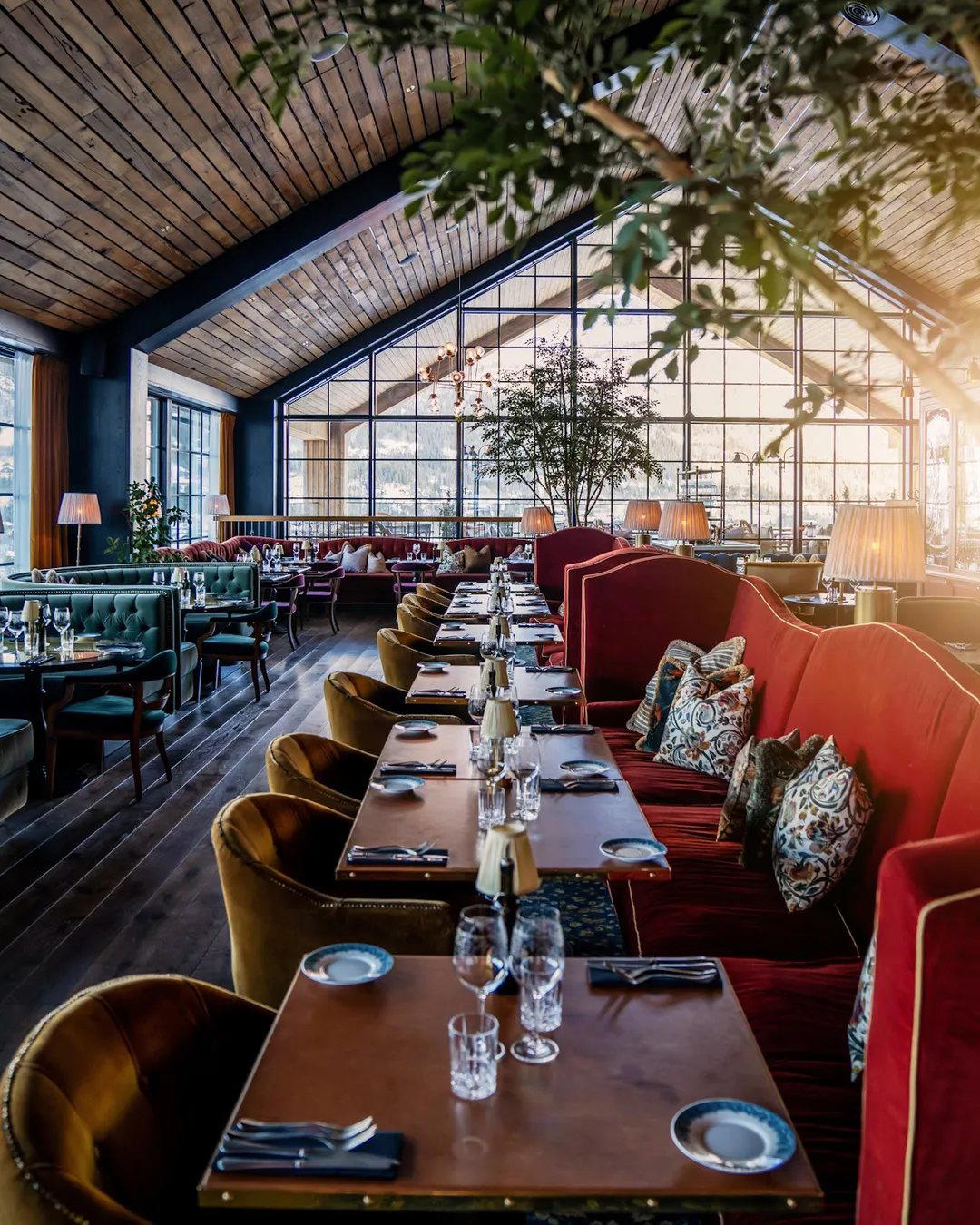
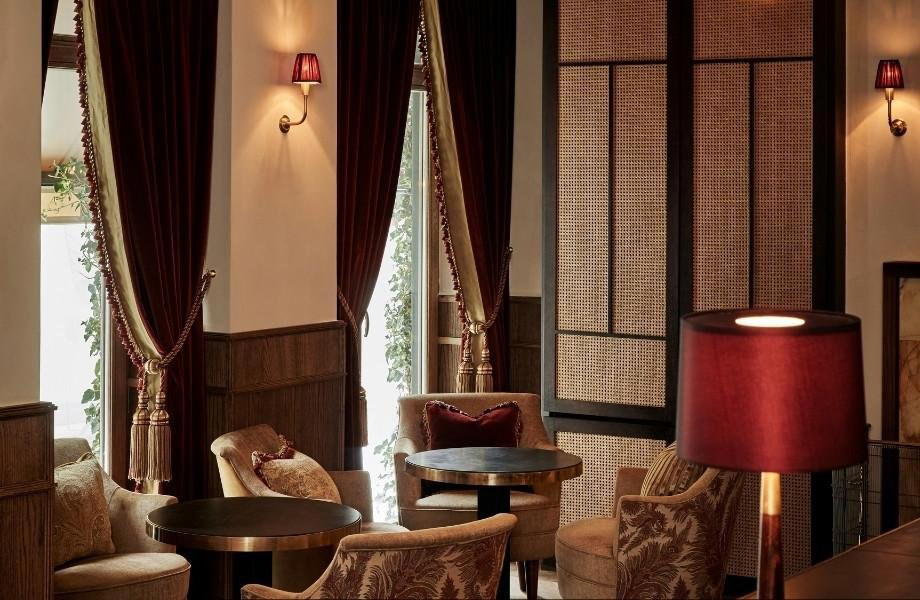
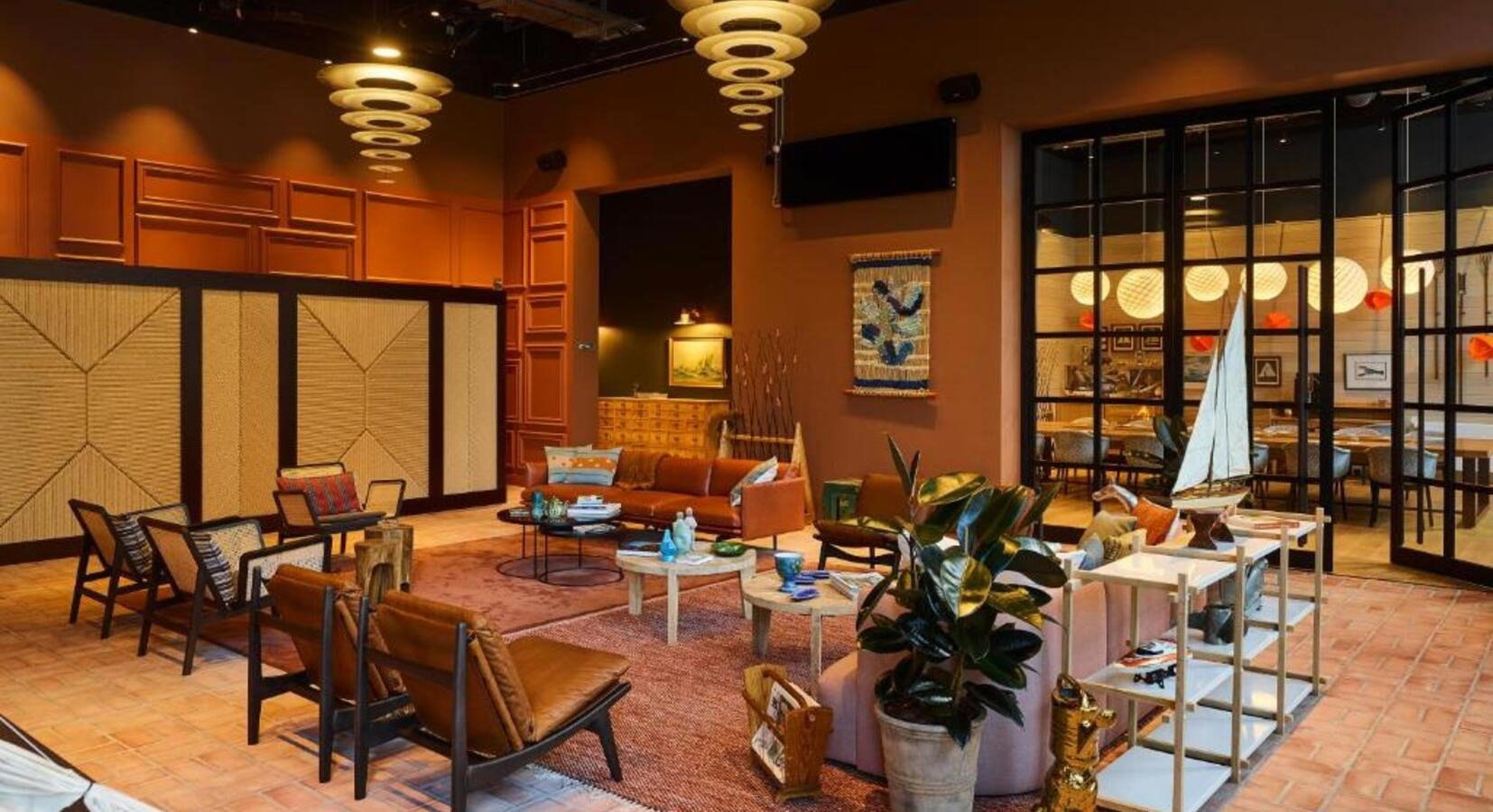
Stylish Korean-inspired interior with low floor tables and a beautiful dining hall, offering a fun and energetic atmosphere.