Our verdict
Myeongchon brings Korean dining to Wrocław's increasingly international restaurant scene, offering a point of difference in a city whose culinary range has expanded well beyond Central European tradition. The name signals Korean origins, and the address places it in the southwestern residential belt of the city, away from the Old Town circuit where most visitors concentrate their eating.

Pearl is the En Primeur Club membership app, where members save venues, book tables and use the concierge.
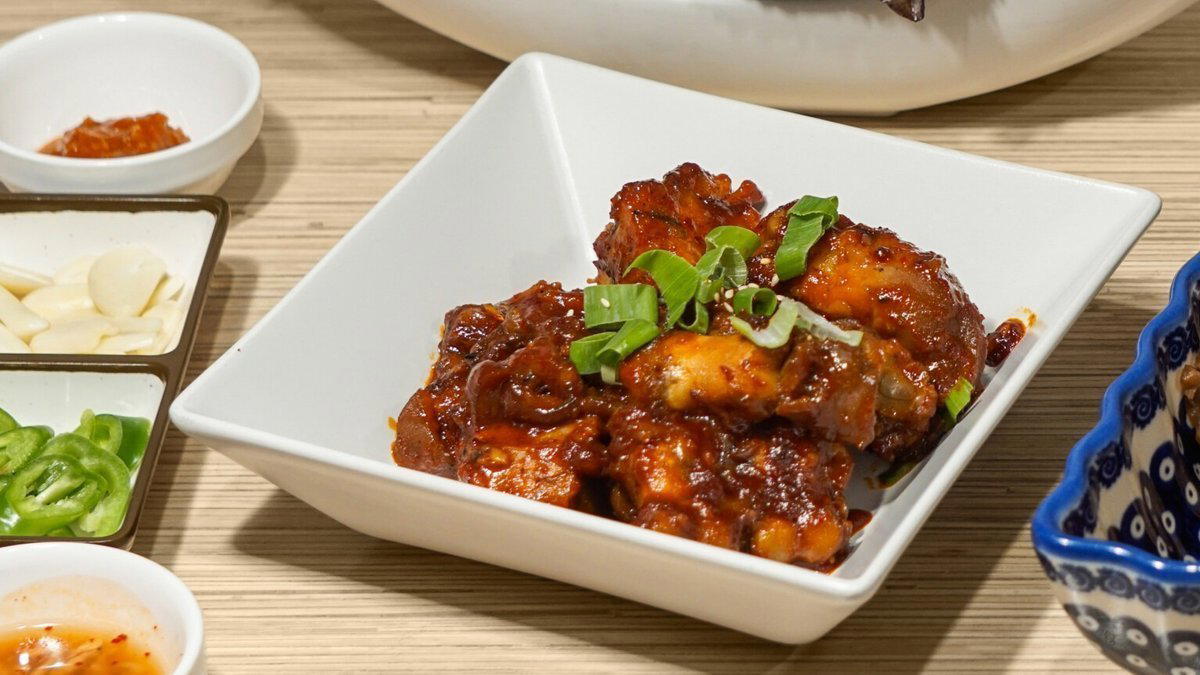
The menu
What to order
- Bibimbap
- Kimchi fried rice
- Bulgogi rice bowl
Where Korean Dining Ritual Meets a Polish City Finding Its Range
There is a particular rhythm to a Korean meal that sets it apart from most European dining formats. Dishes arrive not in sequence but in constellation: a central protein, a spread of banchan, the small fermented, pickled, and seasoned side dishes that define the table, and an expectation that the diner will orchestrate their own combinations rather than follow a chef-prescribed order. It is a format built on participation, on the assumption that eating is a collective, improvisational act. Finding that format in Wrocław, a city whose restaurant scene has spent the past decade expanding from Central European staples toward something considerably more plural, is part of what makes Myeongchon worth attention.
Wrocław has developed genuine range at the mid-market level. The city now supports modern European cooking at places like Acquario and BABA, Spanish-inflected formats at Mercado Tapas Bistro, and serious meat-forward grilling at CAMPO Modern Grill. What it has had less of, until recently, is depth in East Asian cuisines that go beyond pan-Asian generalism. Korean cooking, with its fermentation logic, its soup culture, and its distinct table etiquette, represents a different culinary system entirely, one that asks more of the diner, and gives more in return when they meet it on its own terms.
The Logic of the Korean Table
The defining feature of Korean dining is not any single ingredient or technique but the architecture of the meal itself. Where a French tasting menu unfolds chronologically and a Japanese omakase follows the chef's seasonal narrative, a Korean spread presents everything at once, trusting the diner to build their own pacing. Banchan, which might include kimchi in several fermentation stages, seasoned spinach, braised tofu, or pickled radish, are not appetizers to be consumed before the main event. They are constant presences, refreshed throughout the meal, there to cut richness, introduce acidity, or add textural contrast as needed. This structure means that how you eat matters as much as what you eat.
Grilled meats, particularly galbi (short rib) and samgyeopsal (pork belly), are often cooked tableside on gas or charcoal grills, with diners wrapping portions in perilla or lettuce leaves with fermented soybean paste and garlic. The act of assembly is part of the meal. Noodle and soup dishes, cold naengmyeon in summer, warming sundubu-jjigae in colder months, run parallel to the grill culture rather than subordinate to it. Korean cooking is not a monolith, and the regional variation between Seoul-style and southern Jeonju or Busan cooking is as pronounced as the difference between Parisian and Lyonnais French cuisine. In Poland, Korean restaurants tend to offer a consolidation of the most recognisable formats rather than deep regional specialisation, which is the practical reality of operating in a market still building its Korean food literacy.
For context on how Korean fine dining can scale when the audience is deeper, Atomix in New York City shows what the cuisine looks like at two-Michelin-star level, a useful reference point for understanding how much range the tradition contains. The distance between a neighbourhood Korean restaurant in Wrocław and Atomix is not a criticism of the former; it simply illustrates that Korean cuisine, like French or Japanese, operates across an enormous spectrum of formality and ambition.
Myeongchon in the Wrocław Context
Myeongchon's address in the 53-519 postal district places it outside the density of the Old Town and the Nadodrze quarter, where most of Wrocław's food press concentrates. That positioning is relevant: the restaurant is serving a residential catchment rather than competing for tourist footfall, which tends to shape the offer toward regulars rather than first-time visitors seeking novelty. Neighbourhood Korean restaurants in this mode often build their reputations through repeat business from the local Korean community and adventurous Polish diners willing to travel slightly off the main circuit.
Wrocław has a small but active Korean community connected to the city's universities and the broader wave of Asian migration to Polish cities over the past two decades. That community provides an informal quality signal that matters in this category: a Korean restaurant drawing Korean diners is generally running a more authentic operation than one calibrated purely for European palates. It is the same logic that applies to Vietnamese pho houses in cities like Warsaw or Berlin, where the presence of the diaspora functions as a practical endorsement.
For a broader map of where Myeongchon sits among Wrocław's eating options, the EP Club Wrocław restaurants guide covers the full range, from ramen at Ato Ramen to the wine-led bistro format at Bernard Bistro-Wino. The city's Korean offer sits within a wider Polish restaurant scene that has become more genuinely international across cities: Bottiglieria 1881 in Kraków and Arco by Paco Pérez in Gdańsk anchor the fine dining tier nationally, while regional specialists like Giewont in Kościelisko and Muga in Poznań reflect the depth developing beyond Warsaw and Kraków. For Japanese comparisons in the EP Club portfolio, Hashi Sushi in Gdańsk and Hattori Hanzo in Częstochowa show how Japanese formats are finding footing in smaller Polish cities, a parallel trajectory to Korean cuisine's current expansion.
Planning Your Visit
Diners with dietary requirements would do well to clarify specifics in advance, as fermented ingredients including fish-based kimchi are common across Korean menus and may not be flagged automatically. The 53-519 address suggests the restaurant is most easily reached by tram from the city centre, with the journey adding roughly fifteen minutes to access from the Old Town.
Elsewhere in Poland, hub.praga in Warsaw, Kwestia Czasu in Białystok, and Cudne Manowce in Olsztyn represent the kind of neighbourhood-anchored dining that builds loyal, returning clientele rather than destination traffic, the same category Myeongchon appears to occupy. Górnik in Kraków is another example of a city-residential restaurant finding its audience outside the tourist centre. At the international reference level, Le Bernardin in New York City illustrates how a cuisine-specific restaurant can define a category at the highest level, the distance from Myeongchon to that tier is simply the full range of what serious cooking looks like across different markets and ambitions.
Frequently asked questions
How do I find Myeongchon?
Myeongchon is located at 53-519 Wrocław, Wrocław.
Is Myeongchon the only Korean restaurant in Wrocław?
Wrocław's Korean dining options are sparse compared to Warsaw, which has a more established Korean community and a denser cluster of specialist restaurants. Myeongchon's location in the 53-519 district positions it as one of the few venues in the city offering Korean cuisine outside the Old Town. For travellers specifically seeking Korean food in Lower Silesia, options are limited enough that Myeongchon is worth locating before alternatives.
What do people recommend at Myeongchon?
What Korean dining at this level typically centres on is the shared table format: multiple small dishes arriving together rather than in sequence. Asking staff on arrival what is freshest that day is the most reliable approach at any Korean restaurant operating outside a set-menu structure.
Do I need a reservation for Myeongchon?
The venue sits in Wrocław's 53-519 postal district, outside the Old Town concentration of restaurants, which suggests walk-in availability may be more realistic than at city-centre spots, though that is not confirmed. Checking via Google Maps or a local dining platform before visiting is the safest move.
What's the defining dish or idea at Myeongchon?
The defining idea at a venue like Myeongchon is structural rather than tied to a single dish: Korean dining organises the meal as a constellation of shared plates rather than a linear progression of courses. That architecture, where rice, soup, and banchan side dishes land on the table together, is what separates the format from most European restaurant conventions Wrocław diners will be familiar with.
Can Myeongchon adjust for dietary needs?
Korean cooking frequently uses fermented soy, fish sauce, and shellfish pastes as base flavourings, which means vegetarian and vegan adjustments can be more involved than in some other cuisines. Contacting the restaurant directly before arrival is advisable for anyone with specific requirements.
Is Myeongchon good value for money?
Korean restaurants in mid-sized Polish cities like Wrocław tend to sit below the pricing of equivalent venues in Warsaw or Kraków, partly due to lower overheads outside major tourist corridors. The 53-519 district address, away from Old Town premium rents, supports that general pattern, though exact costs should be verified on arrival or via the venue directly.
Cuisine Context
Comparable venues nearby, for context on price, style, and recognition.
| Venue | Cuisine | Price | Awards | Notes |
|---|---|---|---|---|
| MyeongchonThis venue (the venue you are viewing) | Korean | $20–30 | Not listed | Not listed |
| Korill180 | Korean BBQ & Grill | Not listed | Michelin Plate | Księże |
| Piwnica Świdnicka | Traditional Polish with Brewery | $20–30 | Not listed | Main Market Square |
| Grape Restaurant Wrocław | Polish-Inspired Fine Dining with Wine Pairings | $50–100 | Not listed | Srodmiescie |
| Ato Ramen | Modern Vegan Ramen | $10–20 | Not listed | Stare Miasto |
| Ze Smakiem | Traditional Polish Pierogi | $1–10 | Not listed | Old Town (west side) |
Continue exploring
More in Wrocław
Restaurants in Wrocław
All restaurants in Wrocław →
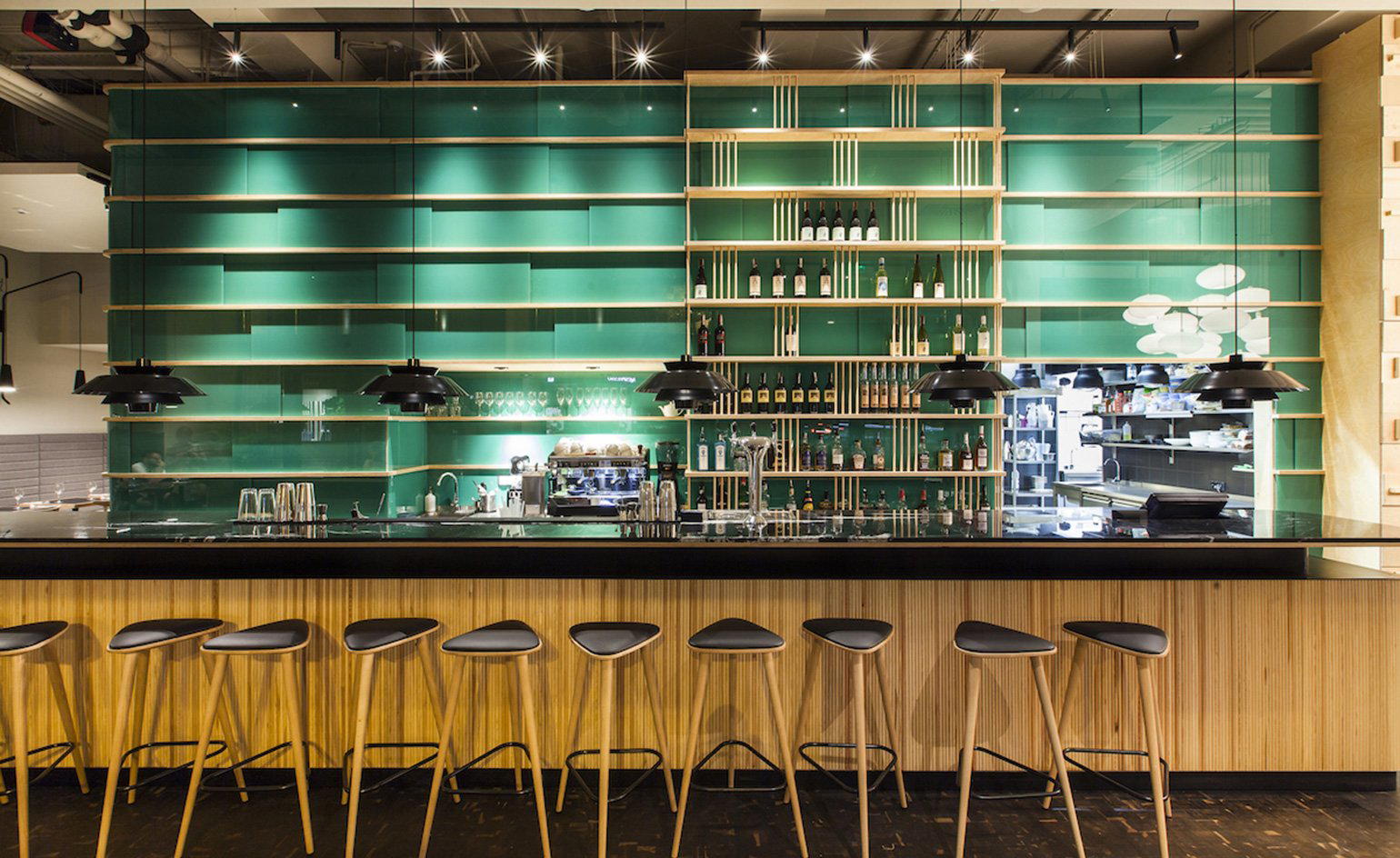
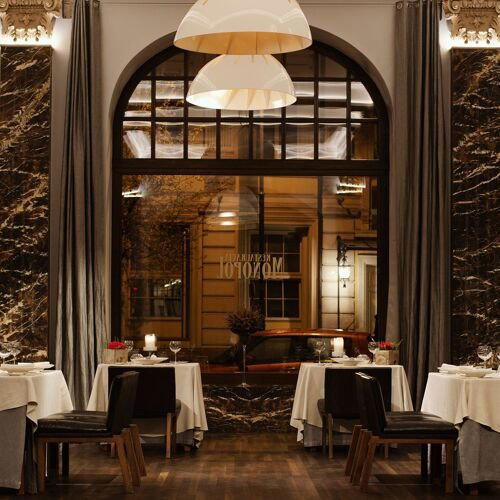
Hotels in Wrocław
All hotels in Wrocław →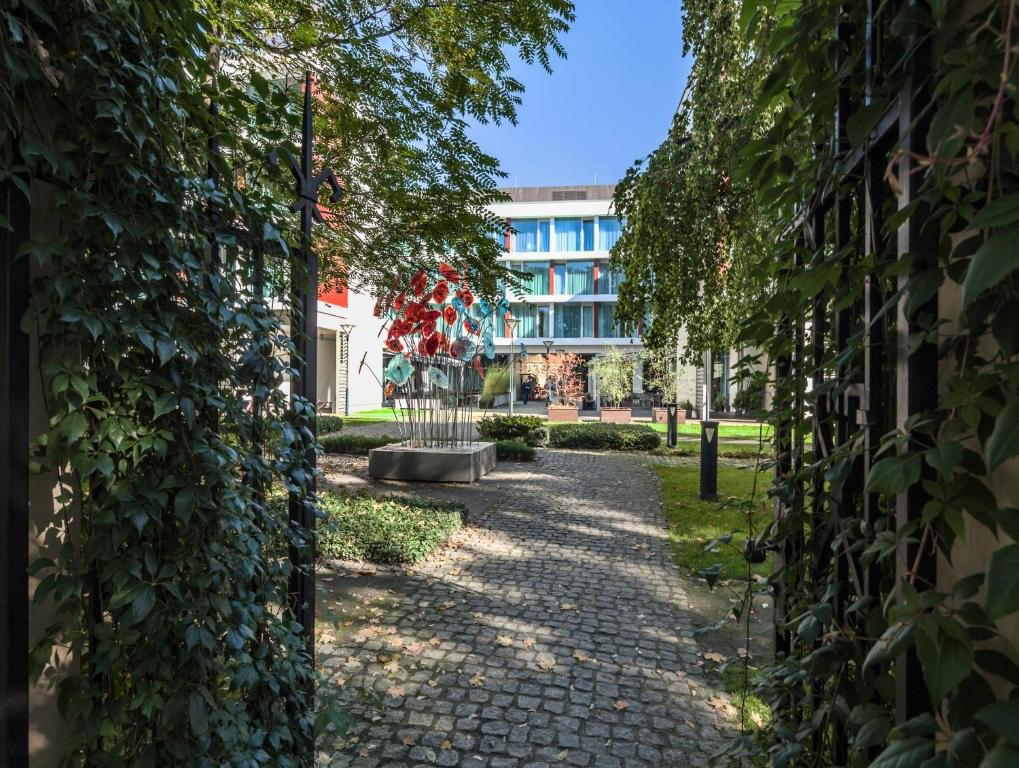
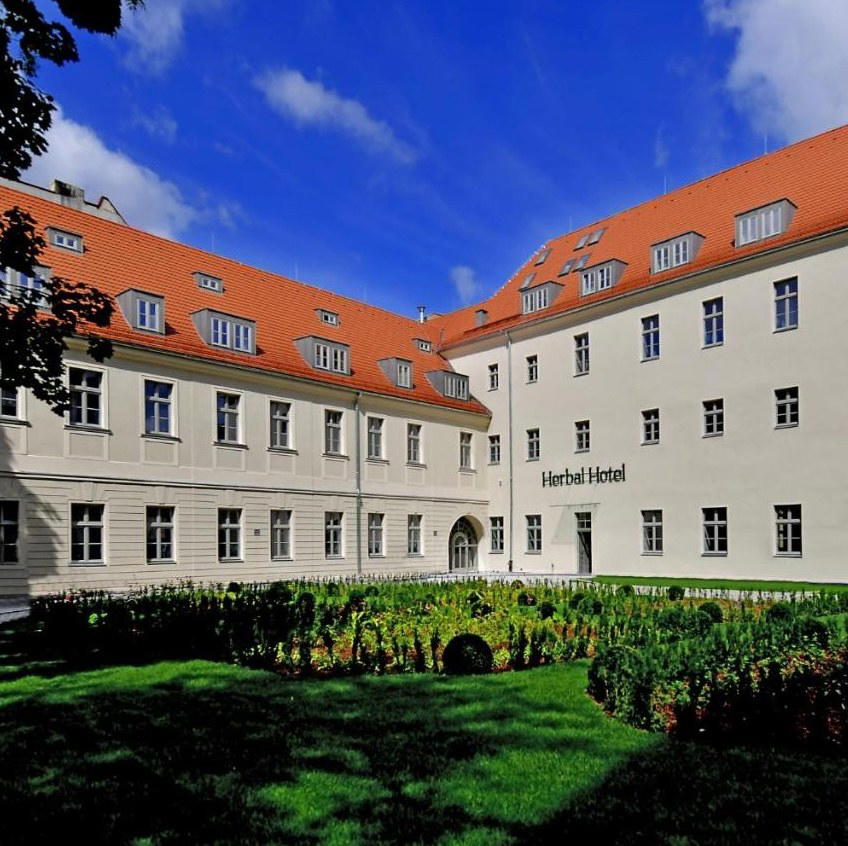
Wineries in Wrocław
Browse all →
Details
- Casual Hangout
- Group Dining
- A La Carte
Current opening hours
- Monday
- 12–10 PM
- Tuesday
- 12–10 PM
- Wednesday
- 12–10 PM
- Thursday
- 12–10 PM
- Friday
- 12–10 PM
- Saturday
- 12–10 PM
- Sunday
- Closed
Hours can change for holidays and private events. Hours as of .