
Michelin Plate
Our verdict
Korill180 holds a Michelin Plate (2025), making it the most credentialed Korean restaurant in Wrocław. Situated on Krakowska in the city's southwestern quarter, it occupies a tier above the casual Korean spots spreading across Polish cities, with pricing at the €€€ level to match. For anyone tracking the spread of serious Korean cooking beyond Warsaw, this is the reference point.

Pearl is the En Primeur Club membership app, where members save venues, book tables and use the concierge.
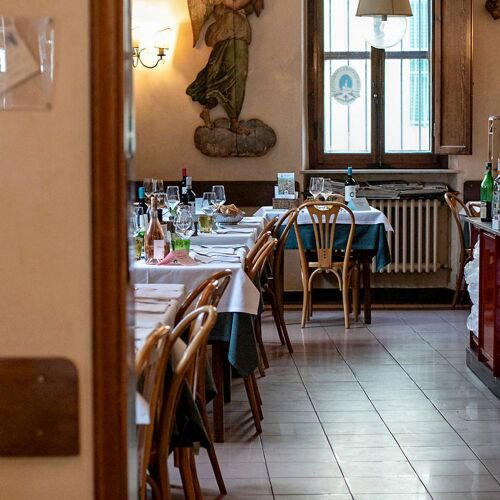
Korean Cooking in Central Europe: Where Wrocław Sits
Polish cities have spent the last decade absorbing waves of Asian cuisine, and Korean has followed a familiar arc: first the fast-casual noodle and BBQ spots, then a second, more considered tier that treats Korean technique with the same seriousness given to Japanese or French cooking. Wrocław is not Seoul, and it is not Warsaw, but it has arrived at a moment where one address can hold its own against the broader regional conversation.
For context on how that fits the city's wider dining map, Wrocław's Michelin-recognised addresses span modern European cooking at places like Acquario, BABA, dinette, and Gustaw, plus grill-focused work at CAMPO Modern Grill. Korean cuisine earning a Plate alongside those addresses is a signal worth reading: the guide's inspectors are not awarding effort points for novelty. The food has to hold up on its own terms.
The Bowl as Architecture
The bibimbap tradition gives Korean cooking one of its most instructive formats. Where much of European fine dining organises a plate around a single protein with supporting elements, the mixed rice bowl inverts that logic. Everything shares equal weight: fermented vegetables, seasoned greens, a protein, a raw or semi-cooked egg, the heat of gochujang threading through all of it. The dolsot version, served in a preheated stone bowl, adds a layer of textural transformation that happens at the table, as the rice at the base begins to crisp against the retained heat. The crust that forms, nurungji, is not incidental. It is part of the dish's structure, and in kitchens that understand it, the bowl arrives timed so that crust is forming as you eat, not after you have finished.
That attention to timing and temperature is where Korean cooking at this level separates itself from the casual end of the market. The discipline required is closer to Japanese kaiseki logic than to casual stir-fry cooking: ingredients prepared separately, each to a specific texture and seasoning, then assembled with precision. A kitchen earning Michelin recognition in this cuisine is demonstrating exactly that kind of control. At Korill180, the Plate designation in 2025 positions it as the address in Wrocław where that standard applies to Korean food.
Fermentation, Heat, and the Korean Flavour Framework
To eat Korean cooking at a serious level is to encounter a flavour framework built almost entirely on fermentation and controlled heat. Doenjang, the fermented soybean paste, carries a depth that takes years to develop. Gochujang sits somewhere between condiment and structural ingredient. Kimchi, in its dozens of regional variations, contributes acid, funk, and crunch that no quick brine can replicate. These are not background notes. They are the cuisine's architecture.
European diners who have moved through Japanese omakase or Nordic preservation traditions tend to find Korean fermentation immediately legible: the underlying logic of patience, time, and layered complexity is familiar, even if the specific flavours are not. That crossover audience is part of why Michelin inspectors operating in European cities increasingly have the reference points to evaluate Korean cooking with confidence, rather than scoring it against a vague idea of authenticity. A Plate awarded in Wrocław in 2025 reflects that shift in the guide's own knowledge base.
For comparison, the benchmark addresses in Seoul, Mingles and Kwonsooksoo, show what Korean fine dining looks like at its most developed: multi-course formats that draw on the full depth of jeong-sik tradition while incorporating contemporary plating sensibility. The Polish market sits at a different point on that arc, but the direction is consistent.
The Krakowska Address and What It Tells You
Krakowska runs southwest from the city centre, away from the dense tourist circuit around the Rynek. Restaurants choosing addresses in this direction tend to be building a neighbourhood following rather than capitalising on footfall from sightseers, and the trade-off usually shows in the kitchen's focus. It accumulates from people coming back, and from local word-of-mouth carrying more weight than guidebook placement.
Pricing at the €€€ level puts Korill180 in the same bracket as CAMPO Modern Grill among Wrocław's mid-to-upper tier, above the casual Korean and Polish spots that dominate the lower price points, and in line with the city's more considered European tables. At €€€, the kitchen is setting expectations that it intends to meet.
Polish Cities and the Korean Dining Conversation
The spread of credentialed Korean cooking across Polish cities is worth tracking as a broader pattern. Warsaw leads in volume, with a denser cluster of Korean addresses including some with genuine depth. Kraków's scene, anchored by places like Bottiglieria 1881 in European fine dining, is still thin on Korean representation at a serious level. Gdańsk has Arco by Paco Pérez defining its premium tier through a Spanish-European lens. Poznań has Muga. 1911 Restaurant in Sopot anchors the Tri-City premium dining scene. Against that map, Wrocław having a Michelin-recognised Korean address before some larger Polish cities is a data point about the city's appetite for culinary range rather than a coincidence.
For a full picture of where Korill180 sits among the city's options, the full Wrocław restaurants guide covers the spectrum. The Wrocław hotels guide, bars guide, experiences guide, and wineries guide provide the surrounding infrastructure for building a full visit around the city.
Planning a Visit
Korill180 is at Krakowska 180/K3, 52-015 Wrocław. The address is roughly southwest of the city centre, accessible by tram along the Krakowska corridor. The €€€ price point suggests a spend consistent with a full dinner with drinks rather than a quick meal. For travellers also considering other parts of Poland, Giewont in Kościelisko and hub.praga in Warsaw represent the range of what serious Polish dining looks like beyond the major city centres.
Frequently asked questions
What price level is Korill180?
Pricing at Korill180 is listed as €€€.
Where exactly is Korill180?
Korill180 is located at Krakowska 180/K3, 52-015 Wrocław, Poland, Wrocław.
What awards or recognition does Korill180 have?
Korill180 has received recognition including: Michelin Plate (2025).
What's the signature dish at Korill180?
What the 2025 Michelin Plate recognition does confirm is that the kitchen operates at a level where fermentation-driven flavours, the doenjang, gochujang, and kimchi spectrum central to serious Korean cooking, are handled with enough consistency to earn credentialed notice in Poland.
Do they take walk-ins at Korill180?
Given the Michelin Plate status and the restaurant's position as one of the few credentialed Korean addresses in Wrocław, contacting Korill180 directly at Krakowska 180/K3 before visiting is the practical approach.
What's the defining dish or idea at Korill180?
The kitchen works within a Korean cooking tradition where the flavour architecture is built on fermentation and layered heat rather than single-ingredient showpieces. At the €€€ price point and with a 2025 Michelin Plate, the emphasis is on that structural depth, the kind of cooking where the banchan and base preparations carry as much weight as the main plate.
Side-by-Side Snapshot
Comparable venues nearby, for context on price, style, and recognition.
| Venue | Cuisine | Price | Awards | Notes |
|---|---|---|---|---|
| Korill180This venue (the venue you are viewing) | Korean BBQ & Grill | Not listed | Michelin Plate | Not listed |
| Myeongchon | Korean | $20–30 | Not listed | Wrocław City Center |
| Lwia Brama² | Modern Polish | Not listed | Michelin Plate | Ostrów Tumski |
| dinette | Modern European Bistro | $20–30 | Michelin Plate | Old Town |
| Młoda Polska | Modern Polish Bistro | $20–30 | Michelin Plate · Star Wine List | Plac Solny |
| CAMPO Modern Grill | Modern Argentinian Steakhouse | Not listed | Michelin Plate | city center |
Recognition history
Dated appearances from independent guides and award organizations, with the underlying list record or original source where available.
Michelin Plate
Michelin
Full recognition history (2 entries)
Michelin Plate
Michelin
Continue exploring
More in Wrocław
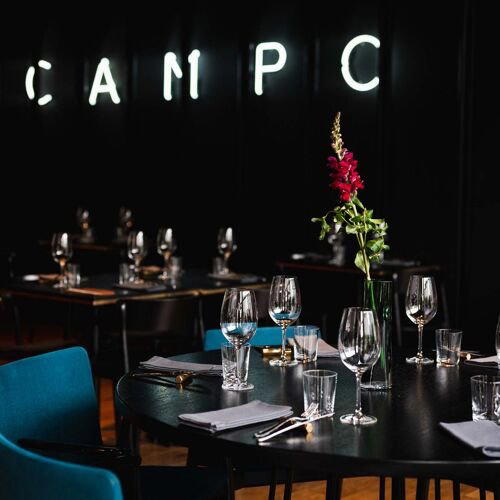
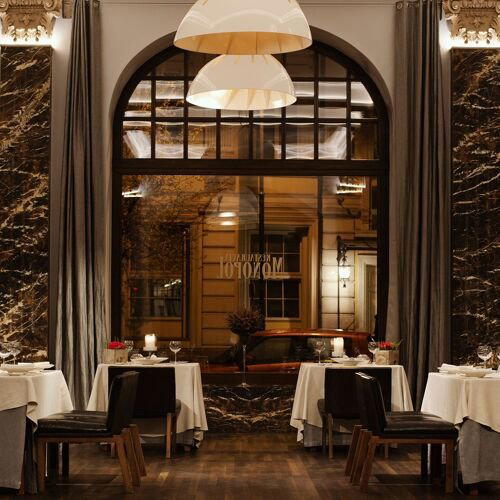
Restaurants in Wrocław
All restaurants in Wrocław →
Hotels in Wrocław
All hotels in Wrocław →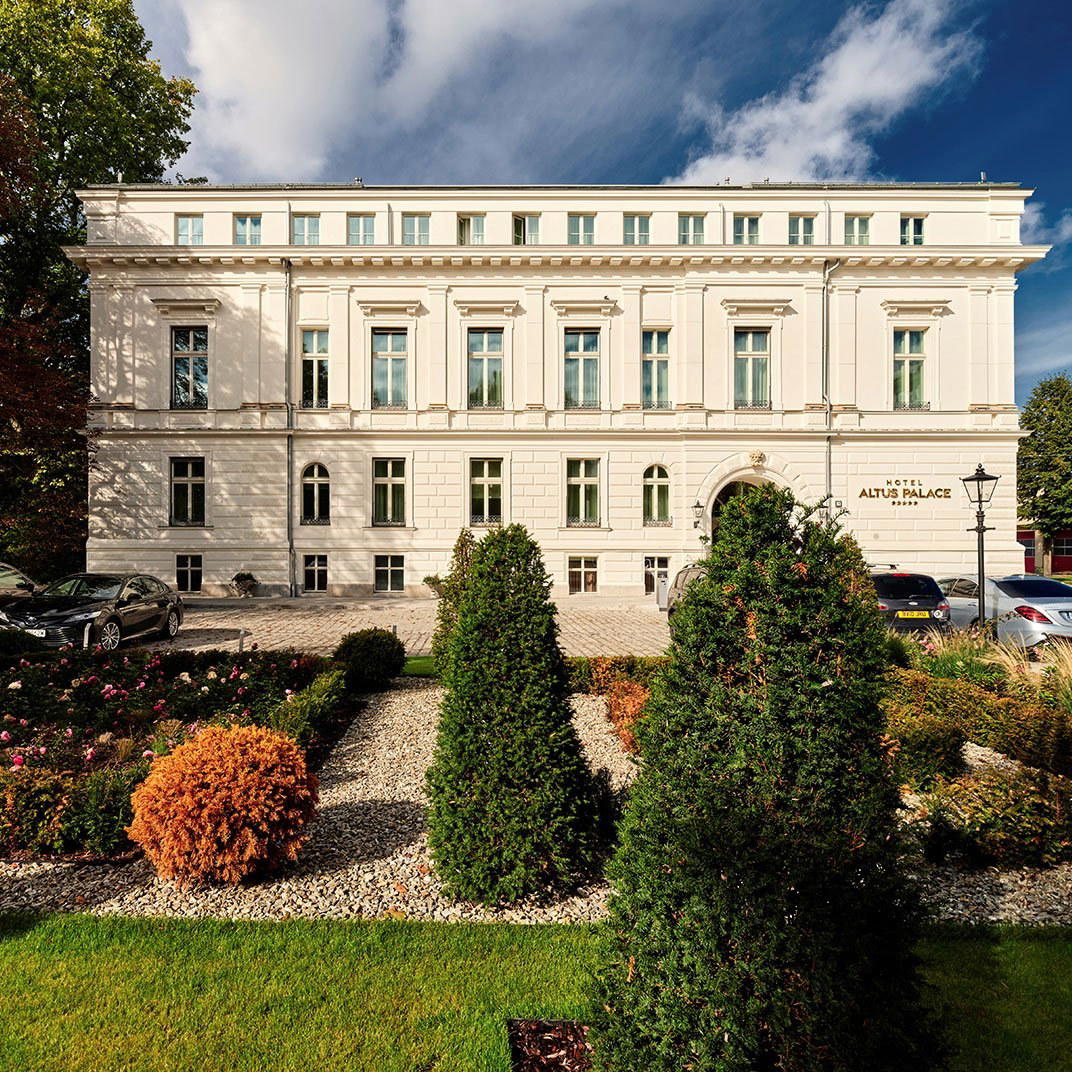
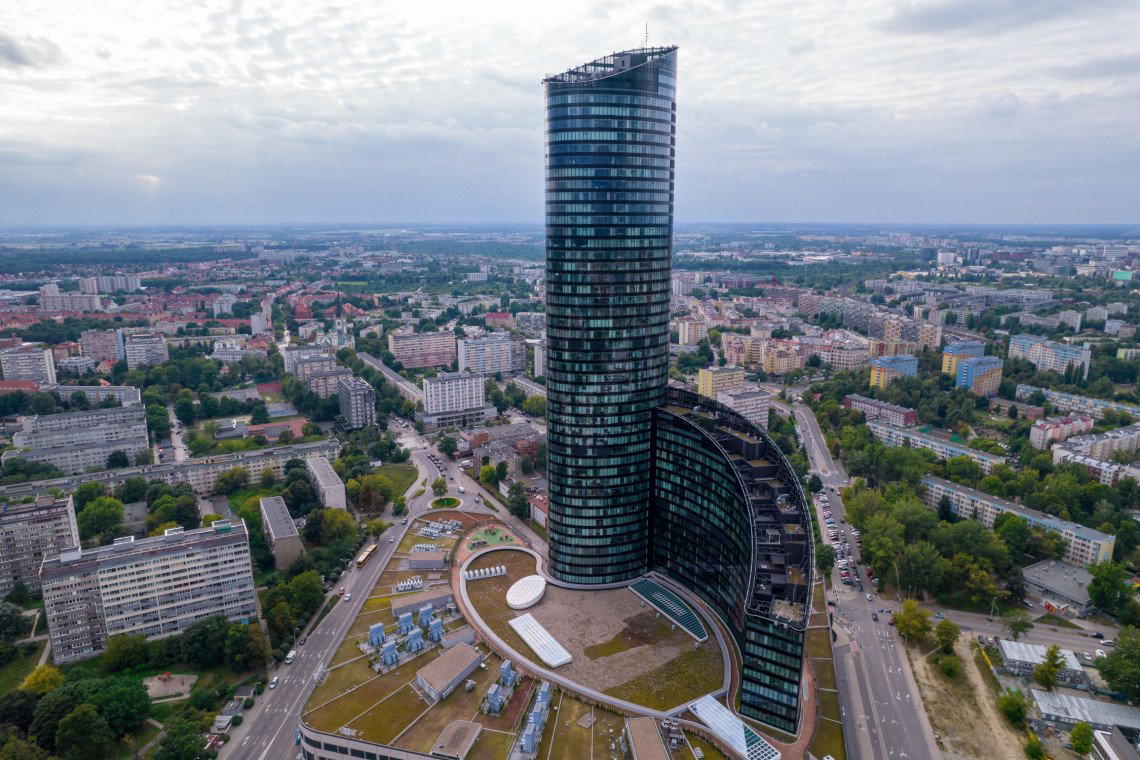
Wineries in Wrocław
Browse all →
Details
- Lively
- Trendy
- Industrial
- Cozy
- Group Dining
- Celebration
- Open Kitchen
- Craft Cocktails
- Family Style
- A La Carte
Current opening hours
- Monday
- Closed
- Tuesday
- Closed
- Wednesday
- 5–10 PM
- Thursday
- 5–10 PM
- Friday
- 4–11 PM
- Saturday
- 2–11 PM
- Sunday
- 2–10 PM
Hours can change for holidays and private events. Hours as of .
Industrial-chic dining room that is fun, friendly, and full of atmosphere.