Our verdict
Grape Restaurant sits on Parkowa Street in Wrocław's quieter northern reaches, away from the Market Square circuit. The kitchen operates within a city dining scene that has grown considerably in range and ambition over the past decade, placing ingredient provenance and seasonal sourcing at the centre of how serious Polish restaurants now differentiate themselves.

Pearl is the En Primeur Club membership app, where members save venues, book tables and use the concierge.
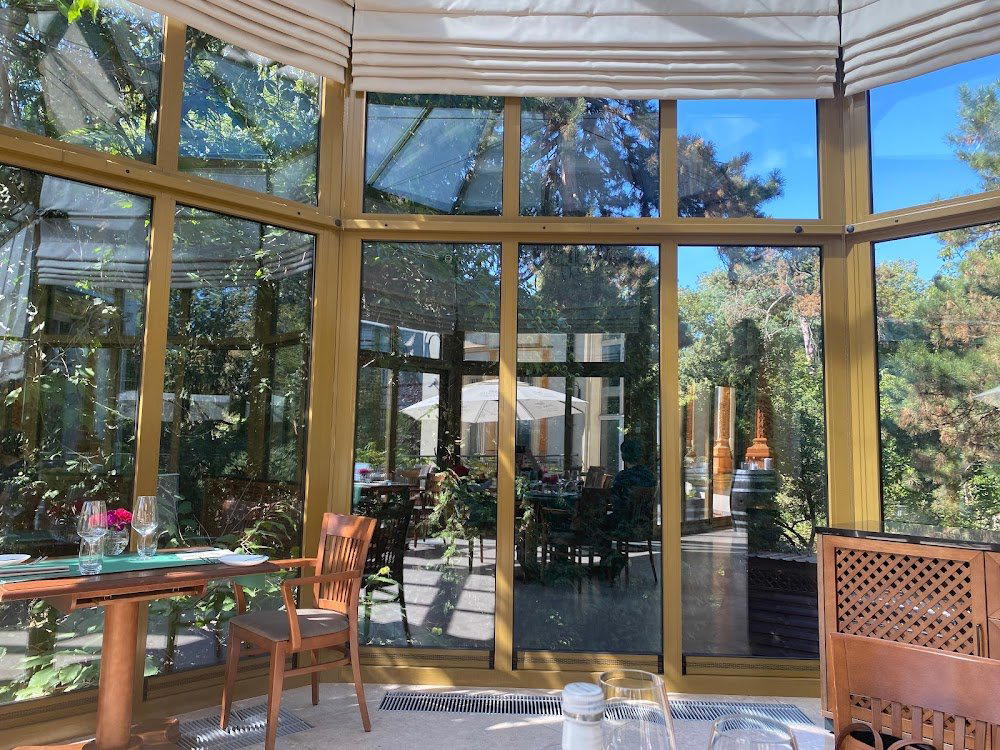
Where Parkowa Street Meets the Plate
Wrocław's dining geography has always had a pull toward the Old Town, where footfall and tourism make the economics of hospitality more predictable. Restaurants on Parkowa Street occupy a different register: the address draws guests who come with purpose rather than proximity. That shift in intent tends to shape the room before the food arrives. On Parkowa, the crowd is local in the leading sense of the word, and the atmosphere reflects it.
Grape Restaurant sits within this quieter northern pocket of the city, at number 8. The name signals a wine orientation, which in Wrocław carries a particular meaning. The city's central European position, with German, Czech, and Polish wine cultures converging, means that a wine-forward restaurant here is working within a richer tradition of pairing and sourcing than the name alone might suggest.
Ingredient Sourcing and the Polish Regional Shift
The broader story of Polish restaurant cooking over the past decade is largely a sourcing story. Restaurants in Warsaw, Kraków, and Wrocław that have attracted critical attention have, almost without exception, reorganised their supply chains around regional producers, shorter cold chains, and seasonal specificity. This is not aesthetic nostalgia: it reflects a genuine infrastructure shift in Polish agriculture, where small-scale producers have found viable routes to premium urban restaurants that did not exist fifteen years ago.
Wrocław sits at the edge of Lower Silesia, one of the most agriculturally diverse regions in Poland. The Sudeten foothills to the south produce game, mushrooms, and soft fruits. The Oder valley's flatlands yield root vegetables, grain, and freshwater fish. A restaurant operating at the serious end of Wrocław's dining scene and carrying a name that references the vine is, consciously or not, positioning itself within that regional sourcing conversation. The area's culinary context rewards kitchens that engage with what the land around them produces.
For comparative reference, this sourcing-led approach connects Grape to a wider Polish trend visible at venues like BABA (Modern Cuisine) in Wrocław, where modern Polish cooking is framed through local produce, and at Bottiglieria 1881 in Kraków, which has approached Polish ingredients through a fine dining lens with Michelin recognition. The ambition to anchor cooking in place is no longer a niche position in Poland's premium restaurant tier.
The Wrocław Dining Scene: Where Grape Sits
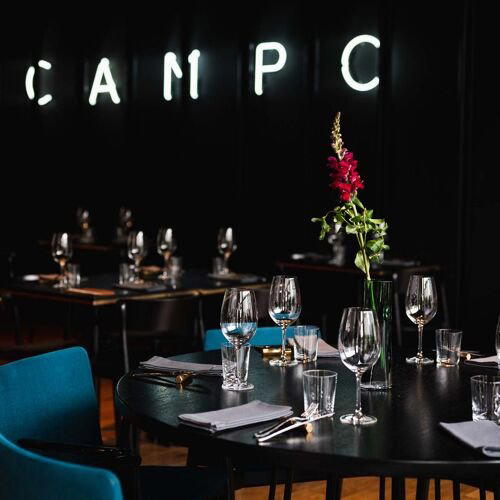
Wrocław's restaurant market has stratified meaningfully in recent years. At one end, CAMPO Modern Grill operates in the meats-and-grills category at the €€€ price point, attracting guests who want quality product with minimal culinary mediation. At the more accessible end, Bernard Bistro-Wino covers the bistro-and-wine format that has become a reliable anchor for neighbourhood dining across Central European cities. Acquario represents the modern cuisine tier, while Ato Ramen shows how Wrocław has absorbed international formats alongside its domestic culinary development.
Grape occupies its own position in this spread: a wine-named restaurant on a quieter street implies a considered clientele and a kitchen that calibrates to that audience. The wine-forward premise also places it in a peer group that competes less on volume and more on depth of selection, pairing knowledge, and the coherence between glass and plate. This is a different competitive calculation from the Market Square restaurants.
Nationally, the ambition visible in Wrocław's serious restaurants finds parallels at places like Muga in Poznań, Arco by Paco Pérez in Gdańsk, and hub.praga in Warsaw. Poland's premium dining circuit has expanded beyond its two dominant cities, and Wrocław is a significant node in that expansion.
Reading the Room: Wine as a Framework
Restaurants that lead with wine, whether through naming, wine list depth, or the sequencing of courses around the glass, tend to make specific editorial choices about pace and format. The meal moves differently when the sommelier or the list is a genuine protagonist rather than a supporting element. In cities like Vienna, Prague, and Budapest, this wine-anchored restaurant format has a long civic history. Wrocław, with its Silesian and Central European inheritance, sits within that tradition even if the local wine canon is still being written.
The regional wine picture around Wrocław is modest by volume but growing in profile. Lower Silesia has seen vineyard investment expand since Poland's EU accession, with some producers now achieving national distribution. A restaurant named Grape on Parkowa Street occupies a moment when that local story has enough substance to reference seriously, rather than as a curiosity.
For guests travelling through Poland's wine and food corridor, comparison points extend to Górnik in Kraków and, at the further reach of Polish ambition in hospitality, Giewont in Kościelisko, where mountain sourcing defines the cooking. Internationally, the approach to wine-led tasting formats at Le Bernardin in New York City and the precision sourcing visible at Atomix in New York City illustrate what these restaurant categories can look like at their most developed.
Planning Your Visit
Grape Restaurant is at Parkowa 8, in a residential pocket north of Wrocław's centre. The address places it outside the Old Town tourist circuit, which means the approach is quieter and the crowd more deliberate. Parkowa is accessible by tram from the centre of Wrocław, and the street has enough local context, including the ZOO and Centennial Hall nearby, to anchor an afternoon before an evening table. Our full Wrocław restaurants guide covers the wider city dining context for planning a longer stay.
Frequently asked questions
Where do I go for Grape Restaurant Wrocław?
Grape Restaurant Wrocław is located at Parkowa 8, 51-616 Wrocław, Poland, Wrocław.
Is Grape Restaurant Wrocław worth going out of your way for compared to Old Town options?
Parkowa 8 sits north of Wrocław's Old Town, a deliberate remove from the high-footfall restaurant strip that lines Rynek and its surrounding streets. That geography is itself a signal: restaurants that survive on the city's residential periphery in Wrocław do so on repeat local custom rather than tourist volume, which tends to correlate with more consistent kitchen output. For visitors willing to leave the Old Town circuit, the address represents a different register of Wrocław dining entirely.
What should I order at Grape Restaurant Wrocław?
In Wrocław restaurants operating at this positioning, seasonal Polish produce tends to anchor the kitchen's output. Ask staff for the pairing sequence rather than ordering à la carte; wine-led rooms typically build the experience around that framework.
Can I walk in to Grape Restaurant Wrocław?
Grape's location at Parkowa 8, in a residential pocket north of central Wrocław, places it firmly on the destination-dining circuit rather than the passing-trade corridor of the Old Town. Restaurants in that category in Wrocław tend to fill covers through advance bookings, so contacting the venue directly before visiting is advisable.
In Context: Similar Options
Comparable venues nearby, for context on price, style, and recognition.
| Venue | Cuisine | Price | Awards | Notes |
|---|---|---|---|---|
| Grape Restaurant WrocławThis venue (the venue you are viewing) | Polish-Inspired Fine Dining with Wine Pairings | $50–100 | Not listed | Not listed |
| Gustaw | Modern Polish-European Fusion | Not listed | Michelin Plate | Stare Miasto |
| Manami | Modern Japanese Sushi & Omakase | $30–50 | Not listed | Four Domes area |
| Monopol | Classic European | Not listed | Michelin Plate · Star Wine List | Old Town |
| Młoda Polska | Modern Polish Bistro | $20–30 | Michelin Plate · Star Wine List | Plac Solny |
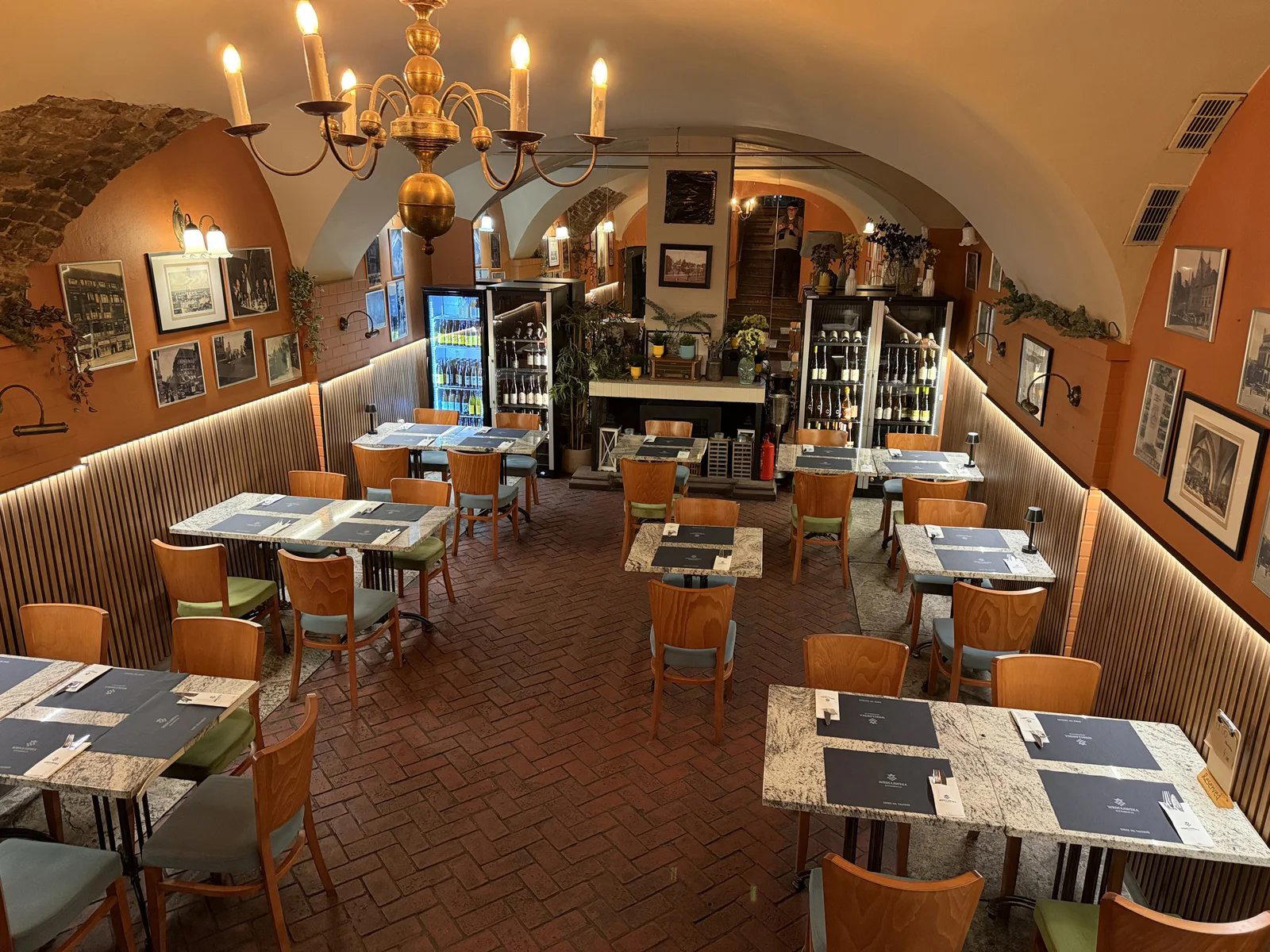
| Wrocławska | Traditional Pre-War Wrocław Polish | $20–30 | Michelin Plate | Old Town |
Continue exploring
More in Wrocław
Restaurants in Wrocław
All restaurants in Wrocław →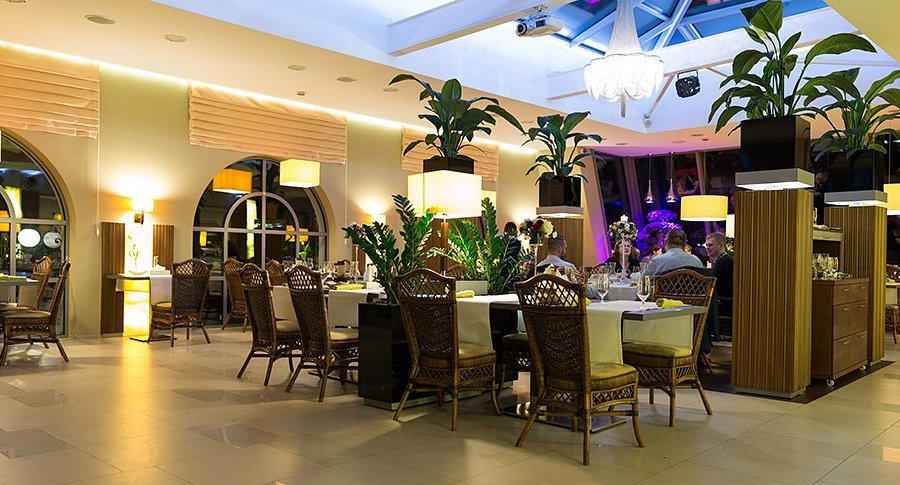
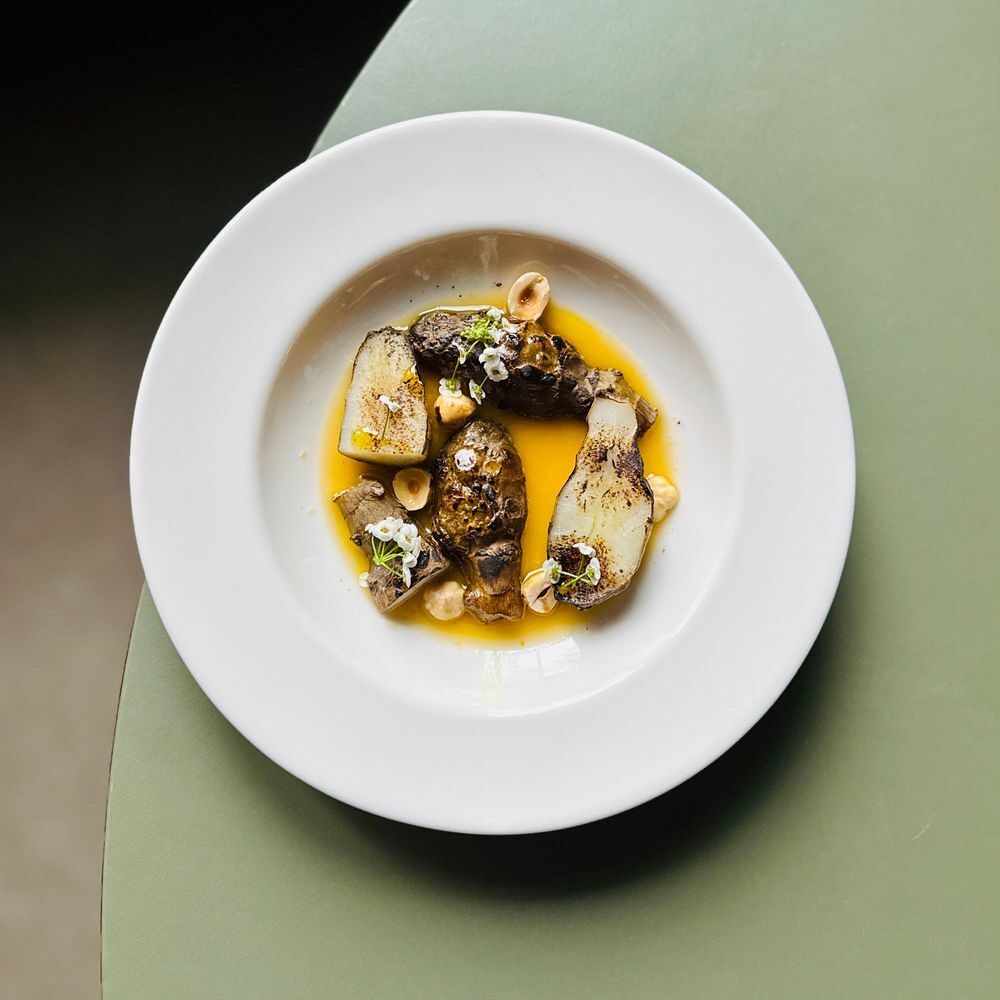
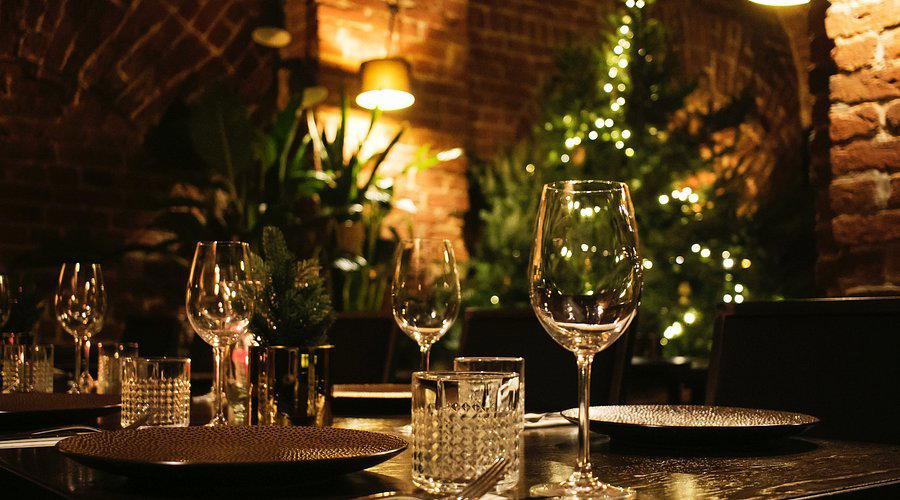
Hotels in Wrocław
All hotels in Wrocław →
Wineries in Wrocław
Browse all →
Grape Restaurant Wrocław
The wine
- Wine program
- Deep wine list
- Extensive wine list
Details
- Elegant
- Cozy
- Sophisticated
- Date Night
- Special Occasion
- Business Dinner
- Garden
- Terrace
- Historic Building
- Private Dining
- Extensive Wine List
- Local Sourcing
- Garden
- Tasting Menu
- A La Carte
- Wine
Elegant and intimate atmosphere in a historic villa with modern interiors, year-round orangery terrace, and garden views.