Mutra


1 Michelin Star · Resy Best of the Hit List
Our verdict
Mutra gives North Miami a sharper reading of contemporary Israeli cooking, with Chef Raz Shabtai’s name attached and Resy Best of the Hit List recognition in 2025. The appeal is less about spectacle than sourcing logic: vegetables, fire, spice, acidity, and shared-table pacing in a city better known for seafood counters, Latin rooms, and neighborhood Italian dining.

Pearl is the En Primeur Club membership app, where members save venues, book tables and use the concierge.
The menu
What to order
- 1 Well-suited Falafel
- Chicken Liver Dreaming to Become Foie Gras
- 1000 Layers Steak
- Beet 3 Ways Salad
- Frishman Malabi
North Miami dining often announces itself through familiar neighborhood pleasures: family-run rooms, local cafés, and restaurants built for regulars rather than tasting-menu tourists. Mutra enters that conversation as a current North Miami address with a more defined editorial hook. Its appeal rests less on resort spectacle than on the fact that it gives the city another serious dinner option to discuss on its own terms.
That matters in this part of Miami-Dade because attention often separates restaurants that are merely convenient from those that enter a wider dining conversation. At its strongest, a North Miami restaurant does not need to imitate the county’s louder districts. It can work through neighborhood scale, a focused point of view, and a sense that locals and visitors are being asked to take the area seriously as a dining destination.
Raz Shabtai gives Mutra a North Miami register
Read Mutra not as an isolated destination but as part of a broader South Florida correction. For years, attention in American coastal cities has often flowed toward the most obvious dining corridors. The newer tier of interest is more distributed: smaller cities and residential areas can produce restaurants that carry their own momentum. Israeli Chef Raz Shabtai has brought his take to Mutra, giving the restaurant a clear authorial anchor within North Miami rather than leaving it to be defined only by location.
Resy Best of the Hit List recognition in 2025 is a useful signal, placing the restaurant in a current conversation rather than a nostalgia circuit. Hit List attention tends to reward momentum, not only formal polish. In a county where attention often flows toward better-known dining districts, that recognition gives North Miami a sharper claim on the wider dining map.
Compared with the city’s familiar neighborhood categories, the distinction is clear. Other North Miami dining rooms represent the local instinct for casual, direct food tied to neighborhood appetite. Emma & Lorenzo Trattoria and Bocatto, also in North Miami, sit closer to Italian comfort. Mutra occupies another lane: a chef-led room with current recognition and a reason to be considered alongside the area’s other serious dining options.
The city context is the point: North Miami is not trying to be South Beach
North Miami’s dining character is shaped by residential density and distance from the county’s more performative dining circuits. Restaurants here are judged less by velvet-rope theater than by whether they can hold local attention after opening. That makes focus more visible. If a restaurant is going to stand out here, it needs more than décor or a long preamble; it needs a reason for people to return and recommend it.
For travelers, the decision is practical. Mutra makes more sense as a deliberate North Miami dinner than a checklist stop built around famous-district expectations. The restaurant is best approached through the chef attribution and current recognition rather than a rigid category label. Plan it as a focused local booking, then check the restaurant’s own current details before going, because menus, hours, and service rhythms can change.
The North Miami comparison set clarifies the choice. Other local rooms speak to the area’s appetite for smaller, chef-driven dining, while Bocatto reflects its European neighborhood-dining thread. Mutra is strongest against those local patterns, not against high-gloss Miami destinations with larger hospitality machinery. Its value is giving the neighborhood another serious dinner register: not a generic stopover, not merely a convenience address, but a restaurant with a clearer place in the current conversation.
How to place Mutra in a wider Miami dinner plan
The restaurant’s strongest use case is as a planned North Miami meal. It should not be treated as an add-on between unrelated beach plans or as a substitute for the county’s louder dining circuits. Its North Miami location makes it a practical dinner target for those already planning around the area, and a worthwhile detour for diners who want to understand how the city’s restaurant map extends beyond the most obvious neighborhoods.
For broader planning, use Our full North Miami restaurants guide to map the area’s range, then cross-check nearby stays through Our full North Miami hotels guide. Handle after-dinner options separately through Our full North Miami bars guide, while category completists can scan Our full North Miami wineries guide and Our full North Miami experiences guide for the wider trip frame.
Mutra also fits a larger American pattern: focused restaurants taken seriously outside the most obvious dining capitals. Across EP Club’s restaurant map, smaller rooms in other cities show how a tight format can define a night, while casual specialists demonstrate the power of doing one thing with confidence. The related point is simple: place matters when a restaurant lets its city, audience, and point of view shape the meal.
The editorial case for Mutra is specific rather than inflated. North Miami has casual anchors and neighborhood comforts; it also benefits from restaurants that give diners a more current reason to pay attention. With Chef Raz Shabtai attached and Resy Best of the Hit List recognition in 2025, Mutra gives the area a credible entry in that conversation.
Frequently asked questions
Would Mutra be comfortable with kids?
Mutra is a restaurant in North Miami. Families should check current service details directly and decide based on their group’s needs.
Is Mutra better for a quiet night or a lively one?
Mutra is best considered as a planned North Miami dinner rather than a generic night-out stop. Check the restaurant directly for the current atmosphere and service style.
Has Mutra won any awards?
Mutra has received recognition including: Israeli Chef Raz Shabtai has brought his take...; Resy Best of the Hit List (2025).
Is Mutra open every day?
Check Mutra’s current schedule directly before planning, as restaurant hours can change.
What's the address for Mutra?
North Miami.
What makes Mutra worth seeking out?
Mutra has a Resy Best of the Hit List 2025 nod, and Chef Raz Shabtai gives it a clear point of view in North Miami. That combination of recognition and location gives it a clear reason to leave the usual dining circuit.
What if I have allergies at Mutra?
State allergies before ordering and repeat them on arrival. As with any dinner in North Miami, a direct conversation with staff is the safest way to understand what can be accommodated.
Side-by-Side Snapshot
Comparable venues by cuisine and price in the same metro.
| Venue | Cuisine | Price | Awards |
|---|---|---|---|
| MutraThis venue (the venue you are viewing) | Modern Levantine Kosher | Not listed | 1 Michelin Star · Resy Best of the Hit List |
| Emma & Lorenzo Trattoria | Authentic Roman Italian Trattoria | $30–50 | Not listed |
| Bocatto | Italian and Mediterranean | $30–50 | Not listed |
| Polidori Market & Restaurant | Italian Pasta House | $20–30 | Not listed |
| Makoto | Japanese | Not listed | Not listed |
Recognition history
Dated appearances from independent guides and award organizations, with the underlying list record or original source where available.
Michelin 1 Star
Michelin
Resy Best of the Hit List
Resy
Continue exploring
More in North Miami
Restaurants in North Miami
All restaurants in North Miami →
Bars in North Miami
All bars in North Miami →
Details
- Elegant
- Cozy
- Modern
- Intimate
- Sophisticated
- Date Night
- Special Occasion
- Group Dining
- Open Kitchen
- Farm To Table
- Local Sourcing
- A La Carte
- Small Plates
Current opening hours
- Monday
- 6–10:30 PM
- Tuesday
- 6–10:30 PM
- Wednesday
- 6–10:30 PM
- Thursday
- 6–11 PM
- Friday
- Closed
- Saturday
- Closed
- Sunday
- 6–10:30 PM
Hours can change for holidays and private events. Hours as of .
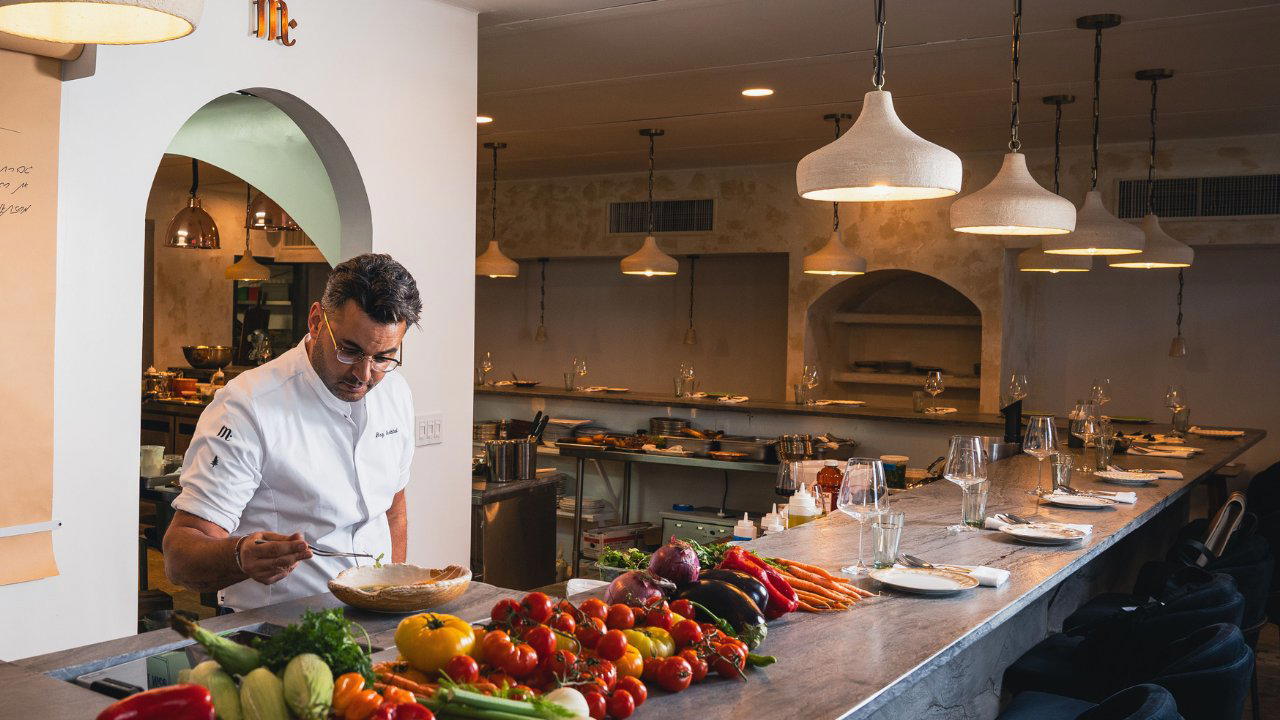
Elegant yet comforting ambiance with warm lighting, inviting decor, and an open kitchen that creates a sophisticated, sensory experience.