Mother India Cafe
Our verdict
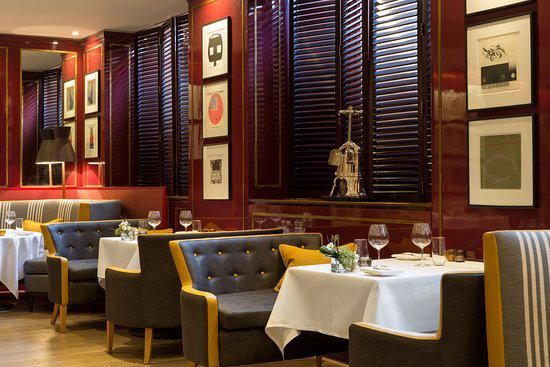
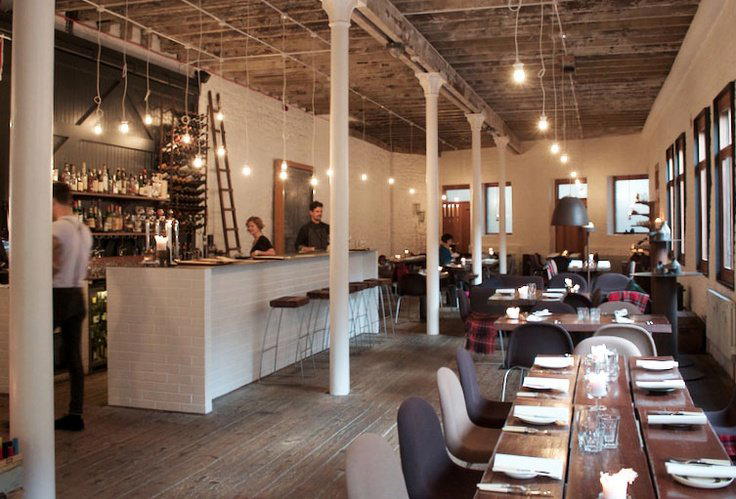
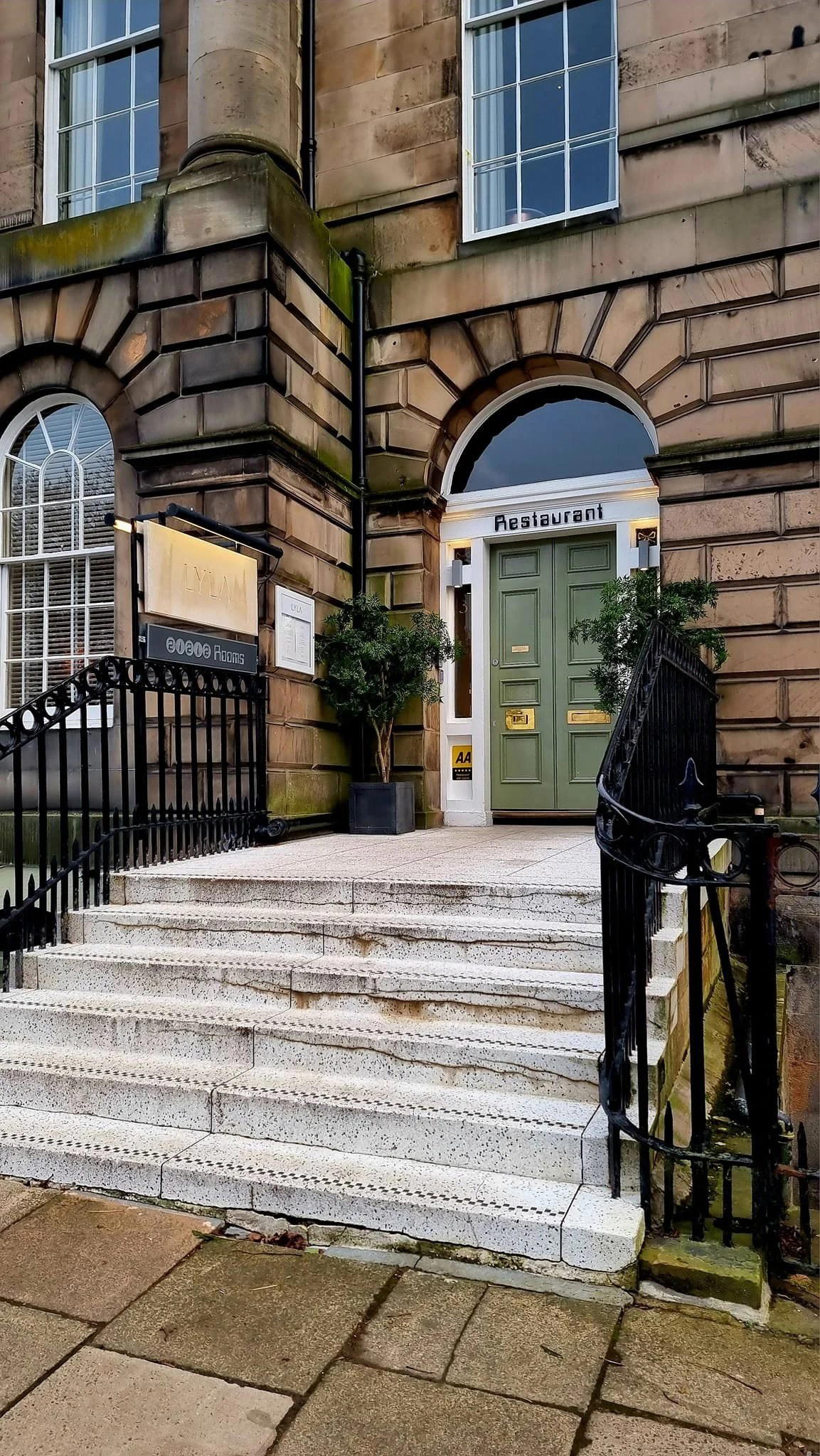
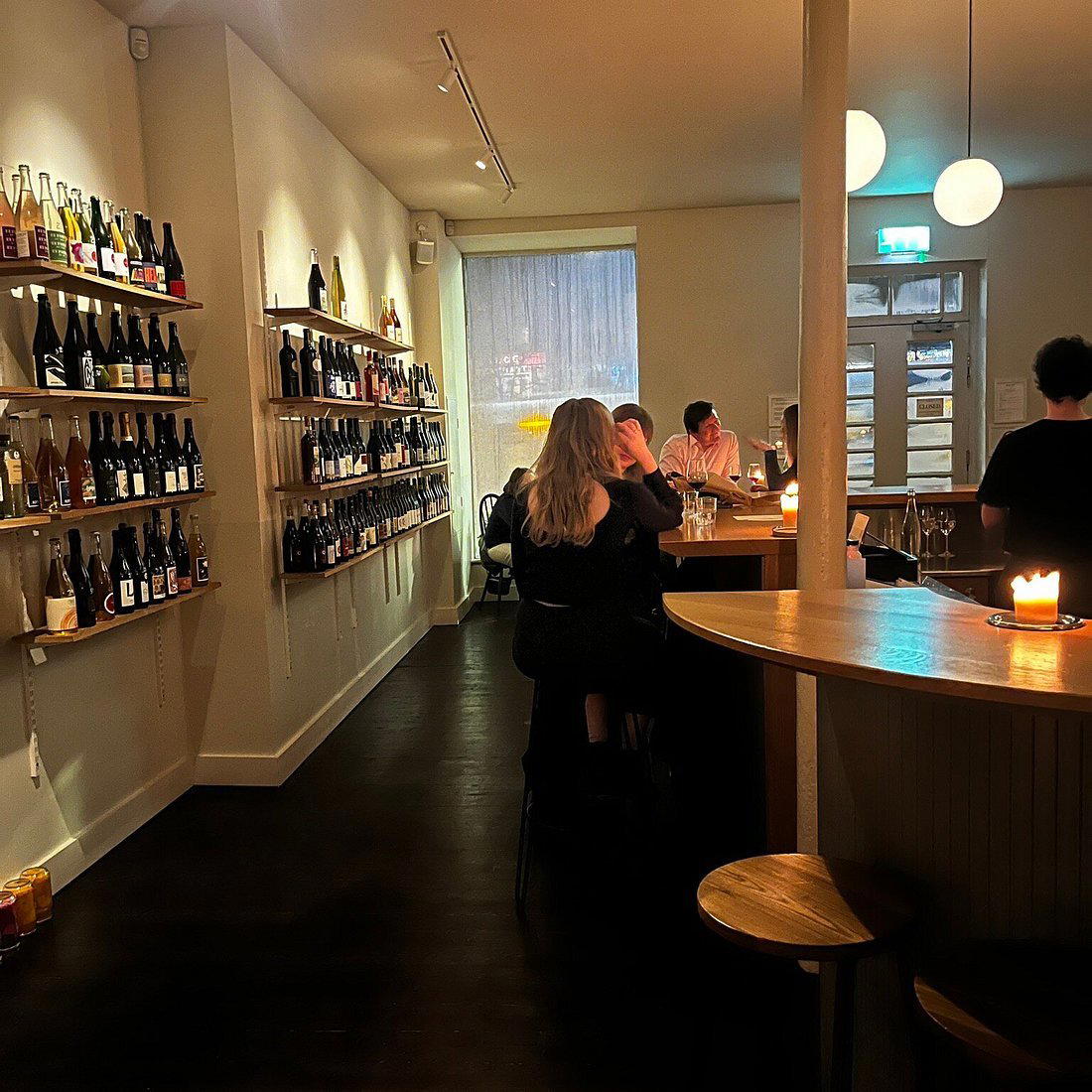
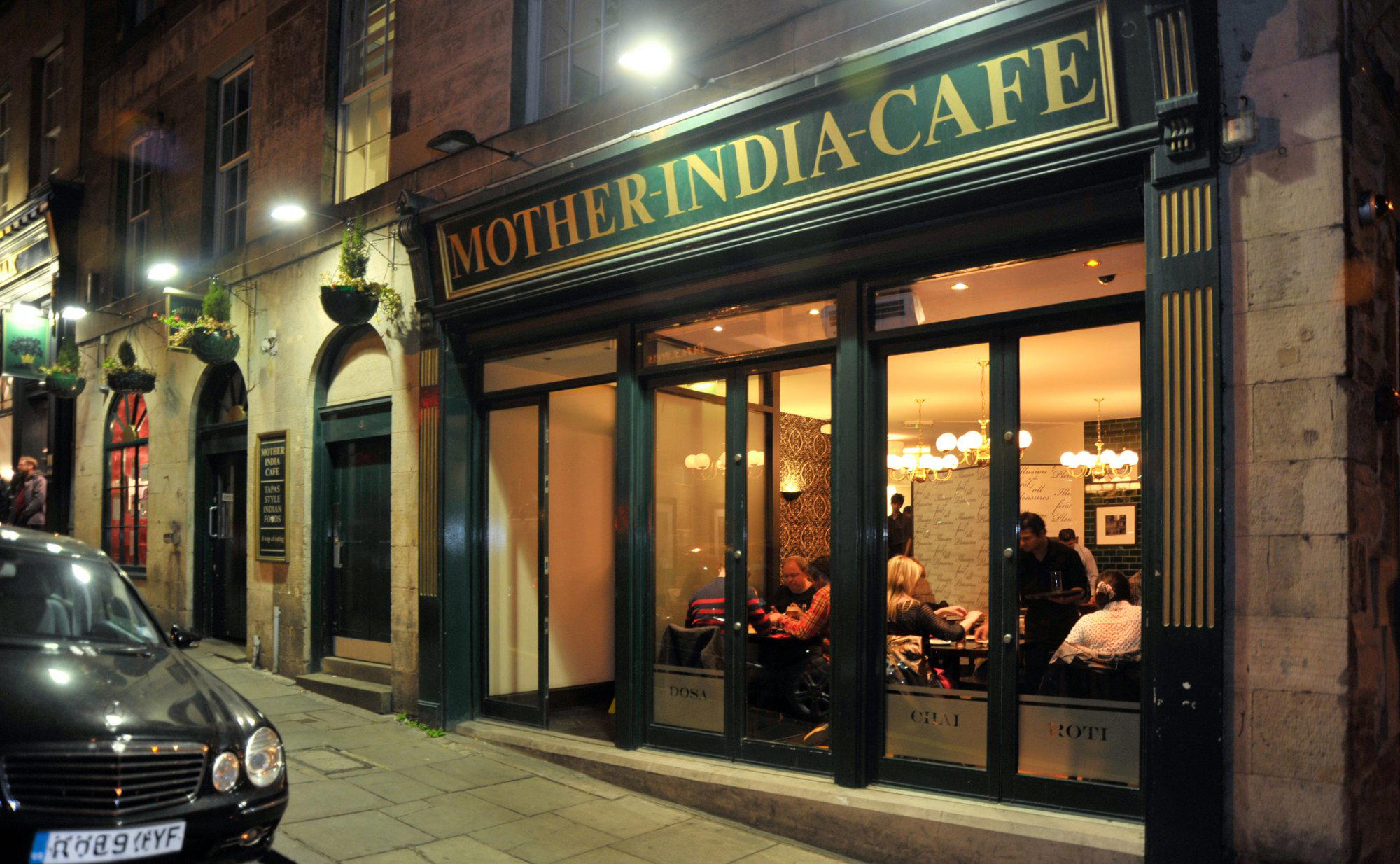
On Infirmary Street, a short walk from Edinburgh's Old Town, Mother India Cafe has spent years refining a format that sits apart from the city's curry-house mainstream: smaller plates, regional specificity, and a room that feels more like a neighbourhood bistro than a subcontinental dining hall. The result is one of Edinburgh's more considered expressions of South Asian cooking, and a useful counterpoint to the tasting-menu dominance of the surrounding dining scene.

Pearl is the En Primeur Club membership app — saves, bookings, and concierge access live there. Same editors, same standards.
- Address
- 3-5 Infirmary St, Edinburgh EH1 1LT, United Kingdom
- Phone
- +44 131 524 9801
- Hours
- Daily 12–9:30 PM
- Website
- motherindia.co.uk
- Directions
- Get directions
The menu
What to order
- Fish pakora
- Butter chicken
- Lamb karahi
Where Infirmary Street Meets the Indian Subcontinent
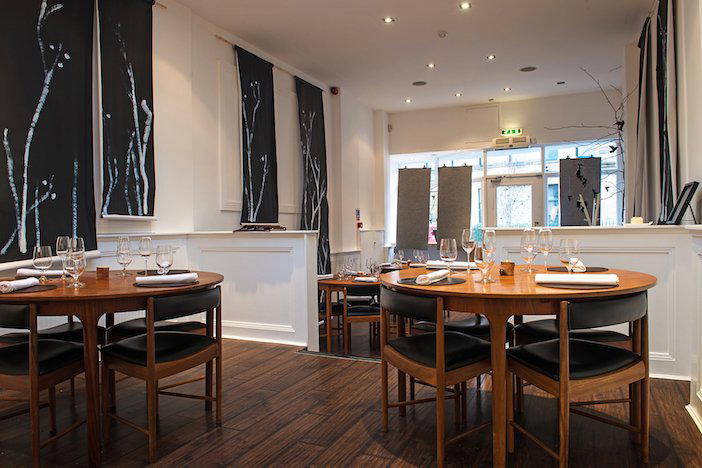
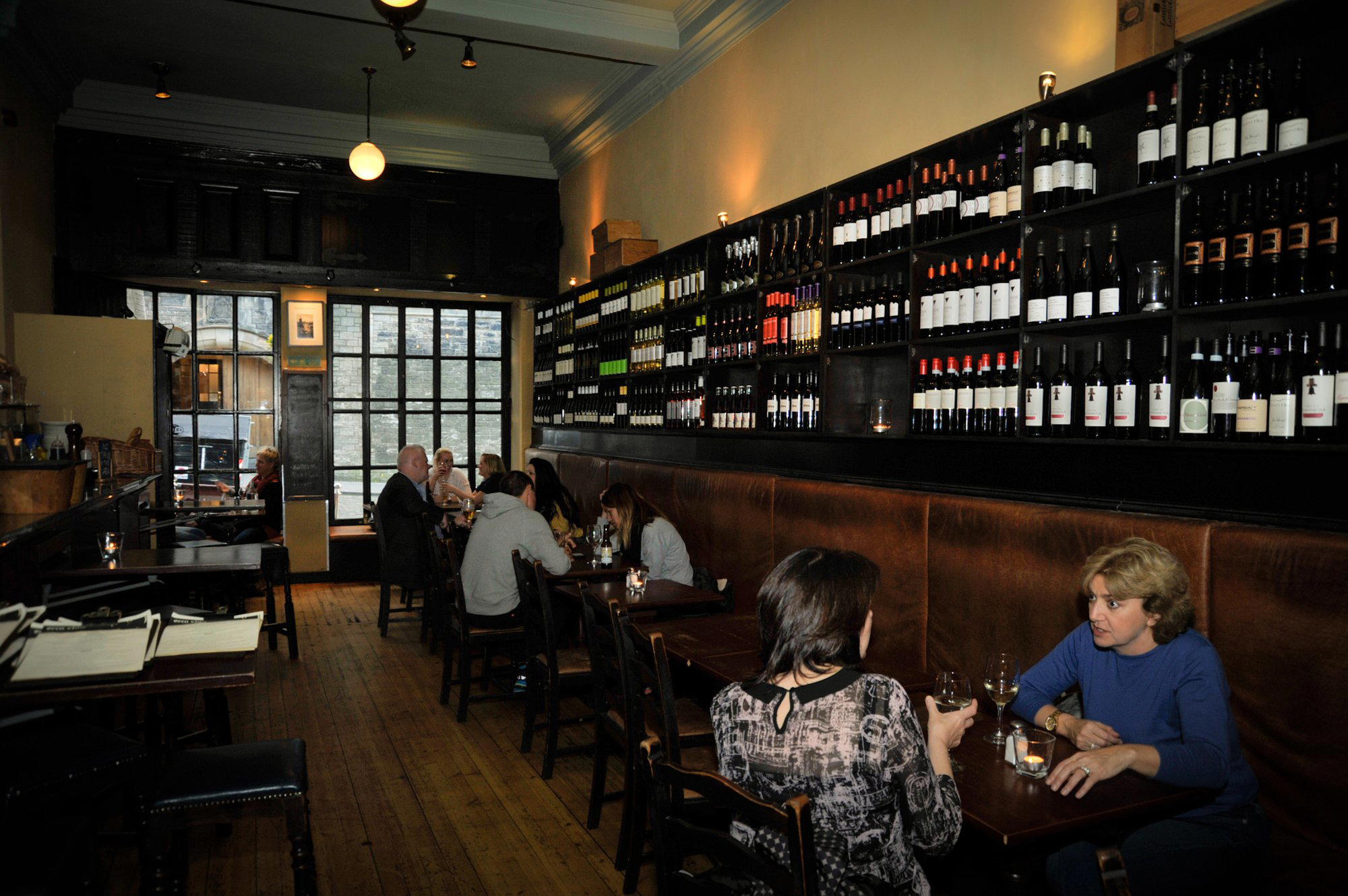
Infirmary Street occupies a quiet corridor between the Royal Mile's tourist density and the Southside's residential calm. The building that houses Mother India Cafe sits in that in-between zone, and the room reflects it: the scale is domestic rather than theatrical, the lighting practical rather than ambient, and the general atmosphere closer to a well-run neighbourhood restaurant than to the kind of high-concept dining room that dominates Edinburgh's Michelin-tracked scene. Venues like The Kitchin, Martin Wishart, Condita, AVERY, and Timberyard collectively represent a ££££ bracket built on tasting menus, seasonal sourcing, and Michelin attention. Mother India Cafe operates in a different register entirely, and that is the point.
A Format Built on Tapas Logic, Applied to Indian Cooking
The café's organizing principle is a sharing-plates model applied to South Asian cuisine at a time when that format was still uncommon in British Indian restaurants. Rather than the standard starter-main-rice-bread architecture that defined British Indian dining through the 1980s and 1990s, the menu is structured around smaller portions designed to be ordered in rounds and shared across the table. This is not fusion positioning or a concession to contemporary dining trends; it reflects a more historically accurate way of eating across much of the Indian subcontinent, where dishes arrive together and the table is the unit of consumption rather than the individual plate.
That structural choice matters because it changes what the kitchen can communicate. When a diner orders a single main course, the cook's job is to deliver a complete, self-contained statement. When a table orders six or eight smaller plates, the kitchen has the space to show range: different regional traditions, contrasting spice profiles, varied textures, and different cooking techniques across the same meal. Edinburgh's Indian restaurant scene has historically been dominated by Punjabi and Bangladeshi cooking, both significant and delicious in their own right, but not representative of the subcontinent's full breadth. A sharing format creates the conditions for something wider.
South Asian Cooking in a British City: The Context
British Indian cooking is one of the most widely eaten and least critically examined food traditions in the United Kingdom. The curry house format, consolidated through the 1970s and 1980s, was always a pragmatic adaptation: subcontinental cooks working with British-sourced ingredients, calibrating spice levels to unfamiliar palates, and organizing menus around what the market would bear. The results were often genuinely good, but they were also a significant reduction of the actual diversity of Indian, Pakistani, Bangladeshi, and Sri Lankan cuisines.
The last two decades have seen a gradual correction in British cities, particularly in London, Birmingham, and Manchester, where restaurants have found audiences for more regionally specific approaches. Edinburgh arrived at this shift later than those cities, partly because its South Asian community is smaller and arrived in significant numbers later, and partly because the city's dining investment has historically concentrated in fine-dining formats. Mother India Cafe's model sits at an interesting point in that longer story: a restaurant that applied contemporary thinking about how to serve South Asian food before that thinking became common currency in Scottish cities. For context on how the broader UK fine-dining scene approaches regional specificity, L'Enclume in Cartmel and Moor Hall in Aughton demonstrate what regional commitment looks like at the highest price tier in British cooking, though the ambition at Mother India Cafe is fundamentally different in scope and price point.
How It Sits Against Edinburgh's Dining Scene
Edinburgh's restaurant scene in 2025 is heavily weighted toward fine dining and modern European cooking. The city's most-discussed openings tend to operate at £70 or more per head, and the critical conversation is dominated by tasting-menu formats. Against that backdrop, a South Asian sharing-plates restaurant operating at accessible price points occupies a gap that the city's higher-profile restaurants cannot fill. The comparison set is not The Kitchin or Martin Wishart; it is the broader question of where in Edinburgh a diner finds South Asian cooking with genuine range and a format that rewards curiosity rather than defaulting to the familiar.
Internationally, the standard for what ambitious South Asian cooking can look like has been set by restaurants like Atomix in New York (Korean, but relevant as a model for how a non-Western cuisine can operate at the highest level) and by the broader shift in London's South Asian dining scene toward regional specificity. Le Bernardin in New York illustrates what focused, technically precise cooking within a single tradition can achieve at the apex. Mother India Cafe is not operating in that bracket, but the question it asks of Edinburgh is the same: what does it mean to take a cuisine seriously on its own terms?
Planning Your Visit
Mother India Cafe is located at 3-5 Infirmary Street, Edinburgh EH1 1LT, placing it within walking distance of the Old Town's main attractions and roughly equidistant from the Cowgate's bar scene and the Meadows. The address makes it a practical choice for pre- or post-theatre dining given its proximity to the Festival Theatre. Given its format and the sharing-plate structure, the restaurant works well with a table of three or four: two people can order a reasonable range, but four allows the kitchen's breadth to register properly. For context on what else the city offers across different formats, our full Edinburgh restaurants guide covers the scene from tasting menus to casual dining. For accommodation, see our Edinburgh hotels guide; for drinking, our Edinburgh bars guide. Visitors with more time should also consult our Edinburgh experiences guide and Edinburgh wineries guide for the broader picture. For UK reference points beyond Edinburgh, The Fat Duck in Bray, Gidleigh Park in Chagford, and Hand and Flowers in Marlow represent different points on the British dining spectrum at considerably higher price tiers.
Frequently asked questions
What part of town is Mother India Cafe in?
Mother India Cafe is located at 3-5 Infirmary St, Edinburgh EH1 1LT, United Kingdom, Edinburgh.
How does Mother India Cafe differ from a traditional British curry house?
Rather than the standard curry-house model of individual main courses with rice and naan, Mother India Cafe organises its menu around smaller shared portions closer in logic to Spanish tapas. That format allows the table to cover more of the menu in a single sitting and shifts the focus toward variety and contrast rather than a single dominant dish. The restaurant sits on Infirmary Street in Edinburgh, outside the main tourist corridor, which has helped it maintain a neighbourhood identity distinct from the city-centre Indian restaurant strip.
What should I eat at Mother India Cafe?
The kitchen is built around a sharing-plates format applied to South Asian cooking, so ordering several smaller dishes across the table is the intended approach rather than a single main course each. The menu draws on Indian subcontinental traditions rather than the anglicised curry-house canon common across Britain.
Is Mother India Cafe reservation-only?
Given the cafe's position close to the Old Town's main attractions, walk-in availability is likely to vary significantly between a Tuesday lunch and a weekend dinner. Contacting the venue directly before visiting is the most reliable way to check current table availability.
How It Stacks Up
Comparable venues nearby, for context on price, style, and recognition.
| Venue | Cuisine | Price | Notes |
|---|---|---|---|
| Mother India CafeThis venue — the venue you are viewing | Indian Tapas | $20–30 | Not listed |
| Bonoful Restaurant | Bangladeshi and Indian | $20–30 | Portobello |
| Spoon | Hearty British Bistro | Not listed | Old Town |
| Chez Jules | Classic French Bistro | $30–50 | New Town |
| Word Of Mouth Leith | European Cafe with Greek Influences | $10–20 | Pilrig |
| Kuzina | Greek Street Food | $20–30 | Dalry |