Moa Moa
Our verdict
On Aleka Loop just off Kapaa's Coconut Coast, Moa Moa occupies a position in Kauai's independent dining scene that reflects the island's ingredient-first cooking culture. Set away from the main highway traffic, it draws on the agricultural and marine resources that make eating locally on Kauai a material argument rather than a philosophical one. For context on how it fits within the town's wider restaurant offer, the full Kapaa guide covers the complete range.

Pearl is the En Primeur Club membership app, where members save venues, book tables and use the concierge.
The menu
What to order
- Firecracker Shrimp
- Nori Crusted Seared Ahi Tataki
- Macadamia Nut Crusted Mahi Mahi
Where Kauai's Ingredient Culture Comes Into Focus
Kapaa sits on Kauai's eastern shore in a way that rewards slower attention. The Coconut Coast strip along Kuhio Highway moves at a pace that feels deliberately unhurried, and the restaurants that take root here tend to reflect that register. Moa Moa, at 650 Aleka Loop, occupies a position in this neighbourhood that puts it off the main drag just enough to signal intent. Aleka Loop is a short arc of road that loops away from the highway traffic and back again, and the effect on the dining experience is immediate: the ambient noise drops, the horizon opens slightly, and the meal ahead feels less like a stopover and more like a destination in itself.
The Sourcing Logic Behind Kauai Cooking
To understand any restaurant operating seriously on Kauai, you have to understand the island's ingredient infrastructure. Kauai is one of the most agriculturally active of the main Hawaiian islands, with small farms producing taro, breadfruit, sweet potato, tropical fruits, and vegetables across the island's interior valleys and hillside plots. The North Shore and interior regions around Kilauea and Hanalei have long supported diversified agricultural operations that supply local restaurants with produce unavailable, or meaningfully inferior, on the mainland. Fish comes through Kauai's own fishing community as well as inter-island supply chains, with catches including mahi-mahi, ono, opakapaka, and ahi arriving with a freshness differential that matters on the plate.
This sourcing context is not incidental to what a restaurant like Moa Moa represents. Across Hawaii, the strongest case for eating locally has always been ingredient quality rather than ideology: the tomatoes grown in volcanic soil at elevation, the fish brought in within hours, the tropical fruit picked at actual ripeness rather than at shipping ripeness. The gap between a dish built on those materials and one assembled from mainland-distributed ingredients is not subtle. Restaurants on the Coconut Coast that connect into Kauai's local supply networks are working with a material advantage that influences every decision from menu construction to plate timing. That context is the frame through which Moa Moa's address and positioning read most clearly.
The Coconut Coast Restaurant Tier
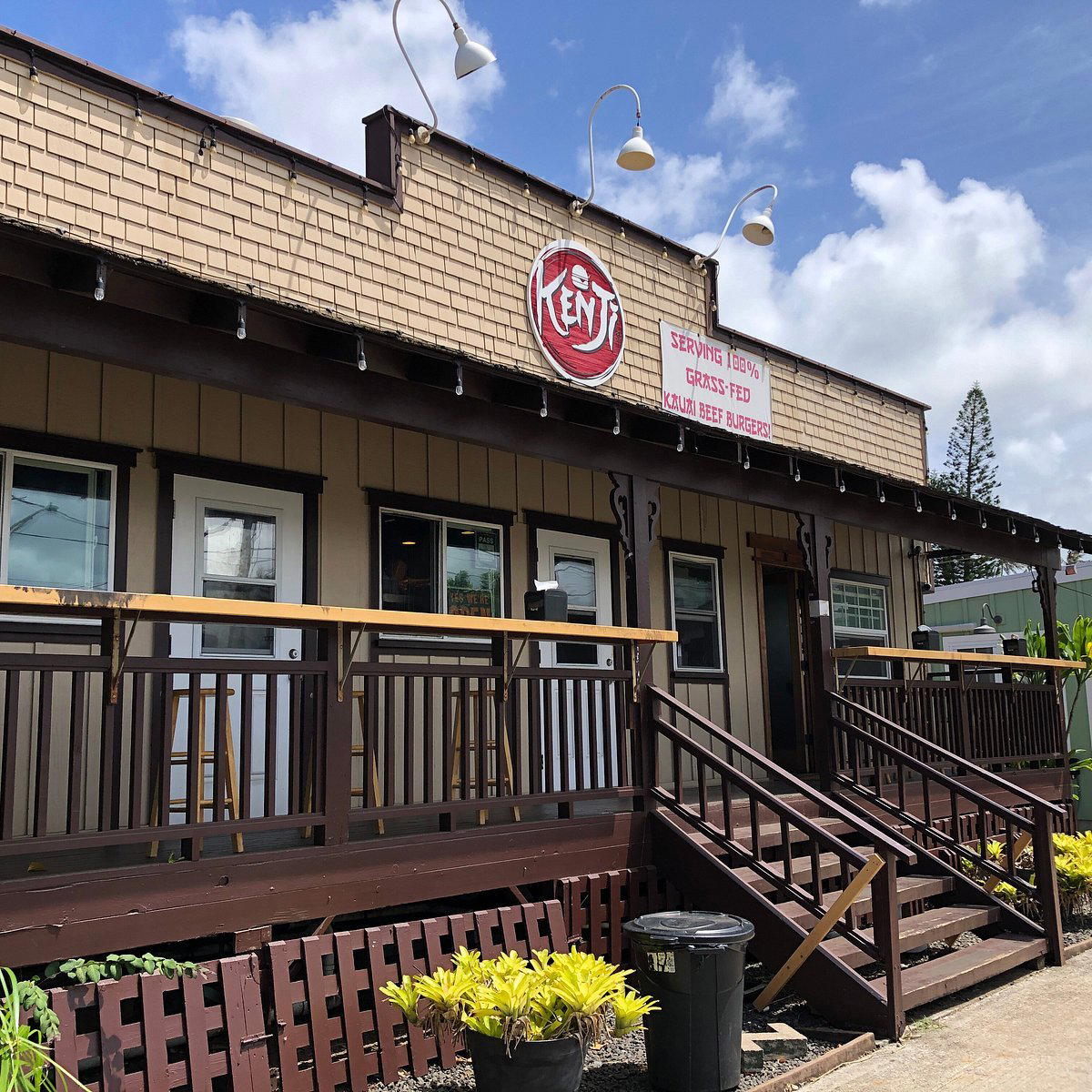
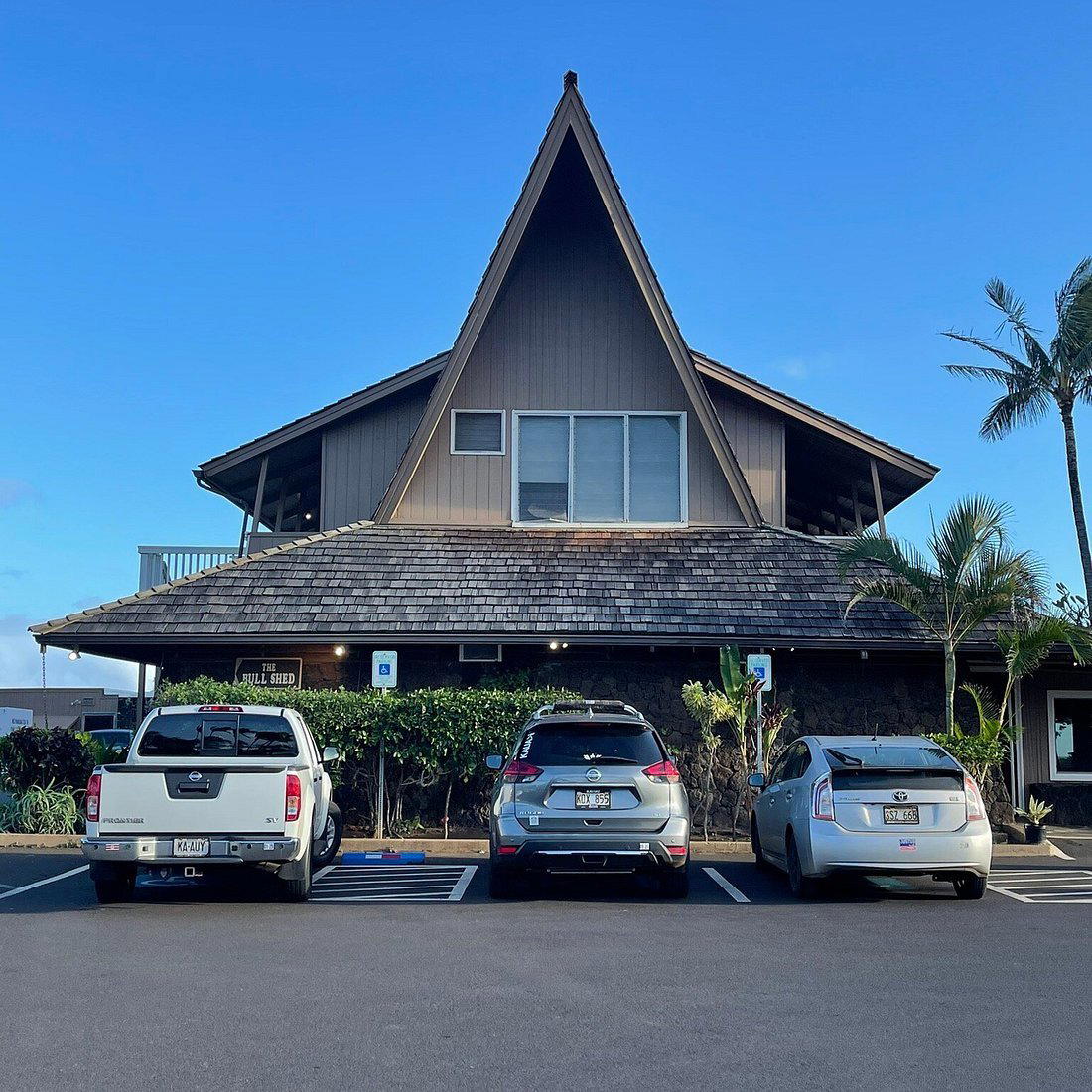
Kapaa's dining scene has developed across several distinct tiers. At one end sit the direct casual stops: Bubba Burgers, a local chain with a loyal following among residents and returning visitors, and Kenji's Burger, which draws a different crowd looking for a more composed burger format. At the water-view end of the spectrum, Bull Shed has held its place for decades as a reliable steakhouse with one of the more direct ocean outlooks on the coast. For seafood with a more deliberate sourcing approach, Fish Bar Deli occupies its own niche, while Hukilau Lanai represents the more polished Hawaiian regional end of the Kapaa offer. Moa Moa sits within this ecosystem at a point that reflects Kauai's ongoing interest in food rooted in place rather than food designed for the resort circuit.
That distinction matters when you look at how Hawaiian regional cuisine has evolved nationally. Restaurants like Providence in Los Angeles and Le Bernardin in New York City have built their reputations on seafood sourcing discipline and the argument that ingredient provenance is a culinary position, not merely a marketing claim. On a smaller, more local scale, operations like Blue Hill at Stone Barns in Tarrytown and Single Thread Farm in Healdsburg have formalized the farm-to-counter approach into a distinct dining category. Kauai's version of this logic is less formalized and less publicized, but the underlying principle is the same: the island's agricultural and marine resources justify a cooking approach that foregrounds where things come from.
Planning a Visit to Aleka Loop
Kapaa is the largest town on Kauai's eastern side, and Aleka Loop is accessible without a car if you are staying in central Kapaa, though most visitors to the island are traveling by rental vehicle. The coastal path that runs along the shore is within walking distance of the area, making pre- or post-dinner walks along the water a practical option rather than an afterthought. Given that specific hours, booking methods, and contact details for Moa Moa are not currently listed through major reservation platforms or the venue's own channels, visiting in person or checking locally on arrival is the most reliable way to confirm current operating schedules. This is not unusual for smaller independent operations on Kauai, where walk-in culture remains more embedded than on the more resort-heavy shores of Maui or Oahu. For a broader overview of where to eat across the town, our full Kapaa restaurants guide covers the range of options by format and price tier.
Kauai's dining scene rewards the kind of patience that the island itself seems to encourage. Unlike the more concentrated fine dining circuits of the US mainland, where restaurants like Alinea in Chicago, The French Laundry in Napa, Atomix in New York City, Addison in San Diego, Lazy Bear in San Francisco, The Inn at Little Washington, Emeril's in New Orleans, and 8 1/2 Otto e Mezzo Bombana in Hong Kong operate with full booking infrastructure and award recognition systems, Kauai's better independent restaurants often operate outside those frameworks entirely, relying on local reputation and repeat visitors rather than platform-driven discovery.
Frequently asked questions
Where is Moa Moa located?
Moa Moa is located at 650 Aleka Loop, Kapaʻa, HI 96746, Kapaa.
What is Moa Moa's setting like and is it worth visiting from the resort areas on Kauai's south or west side?
Moa Moa sits at 650 Aleka Loop in Kapaa, the largest town on Kauai's eastern Coconut Coast, which runs along Kuhio Highway. Visitors based in Poipu or Princeville typically face a 30-to-50-minute drive depending on starting point, making it a deliberate detour rather than a casual stop. Kapaa's eastern-shore dining scene has enough concentration of local restaurants on and around Aleka Loop that combining Moa Moa with other stops in the area makes the drive worthwhile.
What do regulars order at Moa Moa?
Kauai restaurants at this address level tend to rotate dishes around what's arriving locally, so what's popular shifts with availability. Asking staff directly when you arrive is the most reliable way to land the right order.
Do they take walk-ins at Moa Moa?
Aleka Loop is accessible on foot from central Kapaa, which makes a walk-in attempt practical if you're staying nearby. Arriving early or outside peak meal hours generally improves your odds at smaller Coconut Coast spots.
What has Moa Moa built its reputation on?
Moa Moa operates on Aleka Loop in Kapaa, a stretch of Kauai's eastern shore where the strongest local restaurants have built standing through consistent sourcing from the island's agricultural infrastructure. Kauai is among Hawaii's most productive farming islands, and restaurants that tap into that network tend to hold repeat local custom. Without confirmed awards or documented critic recognition on file, the venue's reputation is best assessed through current local word of mouth.
Do they accommodate allergies at Moa Moa?
The practical approach is to check the venue's official channels before visiting, particularly for serious dietary restrictions. Kauai's smaller restaurant operations often handle these requests on a case-by-case basis, so a conversation ahead of arrival is more reliable than assuming standard accommodations.
Comparison Snapshot
Comparable venues nearby, for context on price, style, and recognition.
| Venue | Cuisine | Price | Notes |
|---|---|---|---|
| Moa MoaThis venue (the venue you are viewing) | Hawaiian Seafood Fusion | $50–100 | Not listed |
| Bull Shed | Classic Steakhouse & Seafood | $30–50 | Kapaa |
| Paniolo Grill | Santa Maria-Style BBQ | $20–30 | Old Kapaa Town |
| Hukilau Lanai | Island Seafood & Farm-to-Table Hawaiian | $30–50 | Kapaa |
| The Eastside | American | Not listed | Kapaa |
| The Crooked Surf | American Fusion Tiki Bar | $20–30 | Kapaa |
Continue exploring
More in Kapaa
Details
- Scenic
- Elegant
- Romantic
- Date Night
- Special Occasion
- Waterfront
- Open Kitchen
- Terrace
- Craft Cocktails
- Local Sourcing
- Waterfront
- A La Carte
- Small Plates
- Vegetarian Friendly
- Vegan Options
Current opening hours
- Monday
- 5:30–9 PM
- Tuesday
- 5:30–9 PM
- Wednesday
- 5:30–9 PM
- Thursday
- 5:30–9 PM
- Friday
- 5:30–9 PM
- Saturday
- 5:30–9 PM
- Sunday
- 5:30–9 PM
Hours can change for holidays and private events. Hours as of .
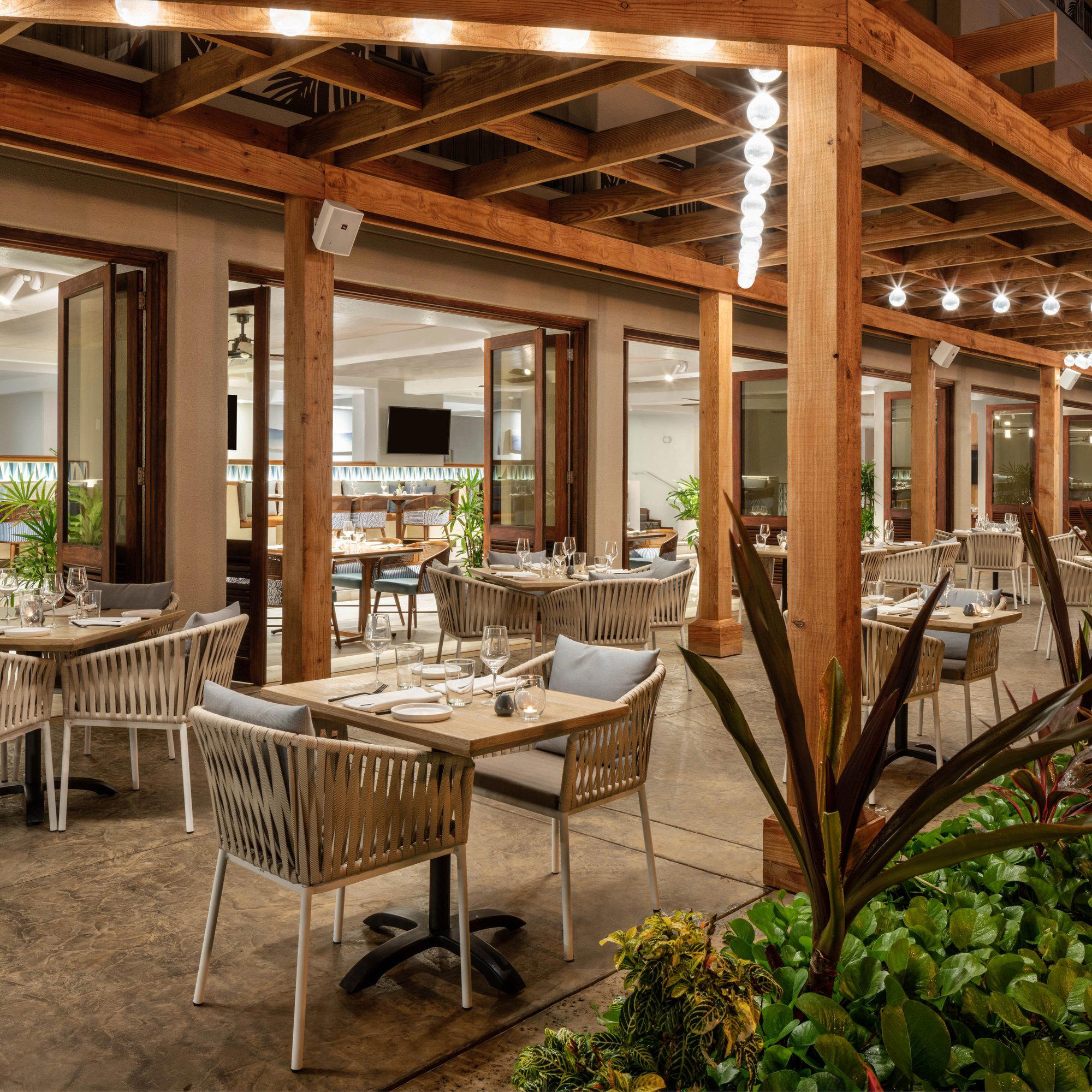
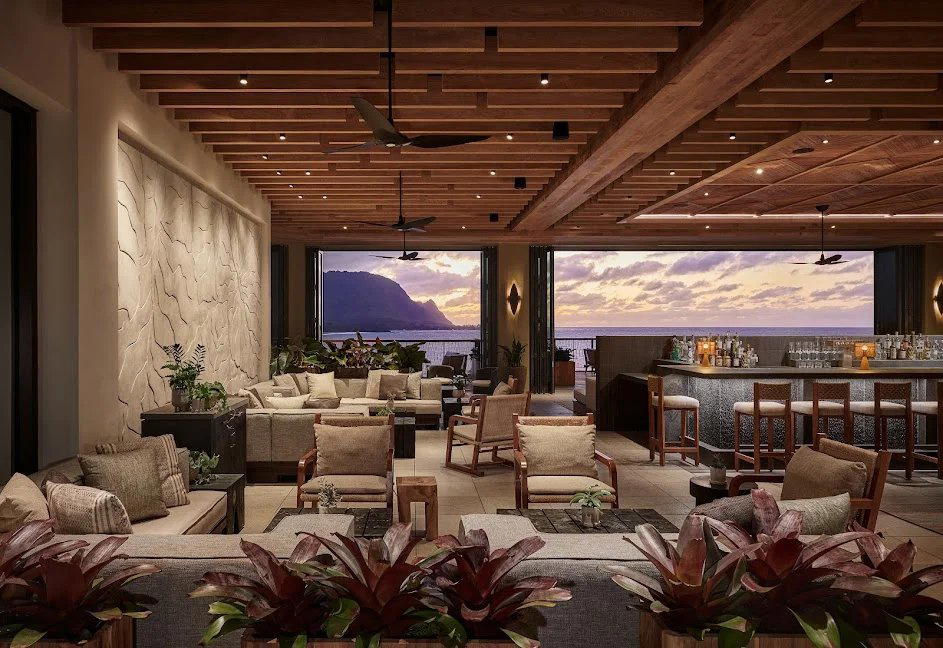
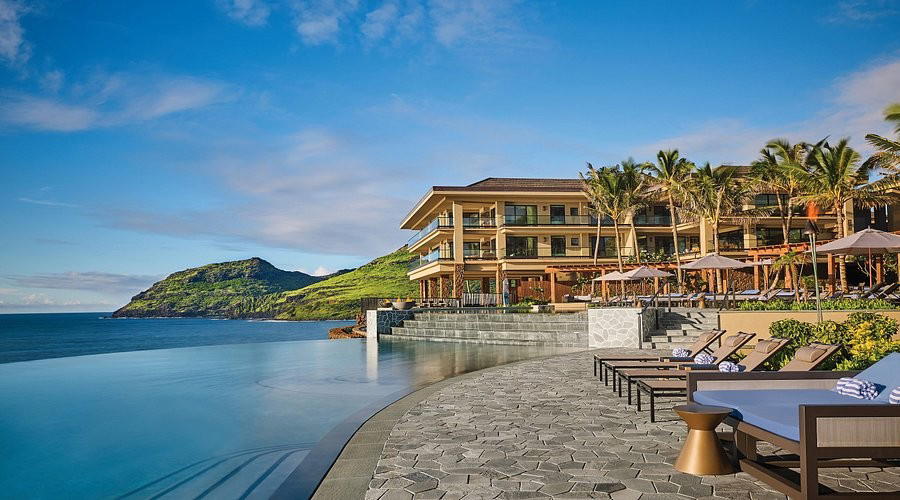
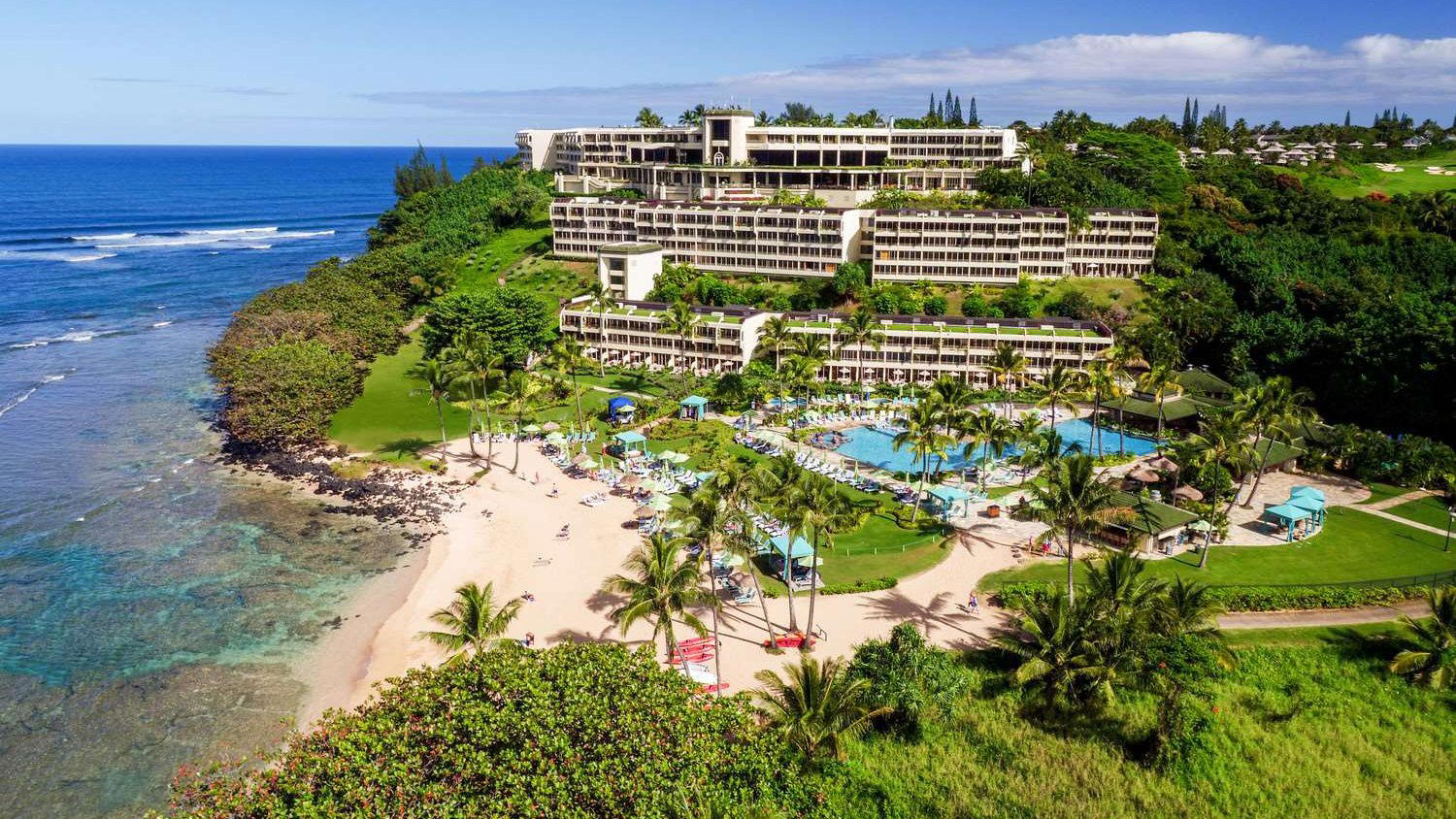
Peaceful and sophisticated atmosphere with indoor/outdoor seating, tiki torches, ocean views, and occasional live Hawaiian music.