Mizuna Restaurant

Just outside San Pantaleo's village center, Mizuna brings a disciplined Japanese kitchen to the Sardinian interior, grounding sushi, gyoza, and soups in the island's own fresh fish catch. The Italian chef behind the counter trained across multiple countries before settling here, and the result is a cross-cultural format that reads as considered rather than contrived. Creative Italian-inflected desserts close a menu that sits apart from Sardinia's predominantly seafood-grill tradition.
Pearl is the En Primeur Club membership app — saves, bookings, and concierge access live there. Same editors, same standards.
- Address
- SP73, Via Zara, 5, 07026 San Pantaleo Provincia della Gallura Nord-Est Sardegna, Italy
- Phone
- +39 0789 187 2319
- Website
- mizuna.it
- Directions
- Get directions
 Saves & bookings on Pearl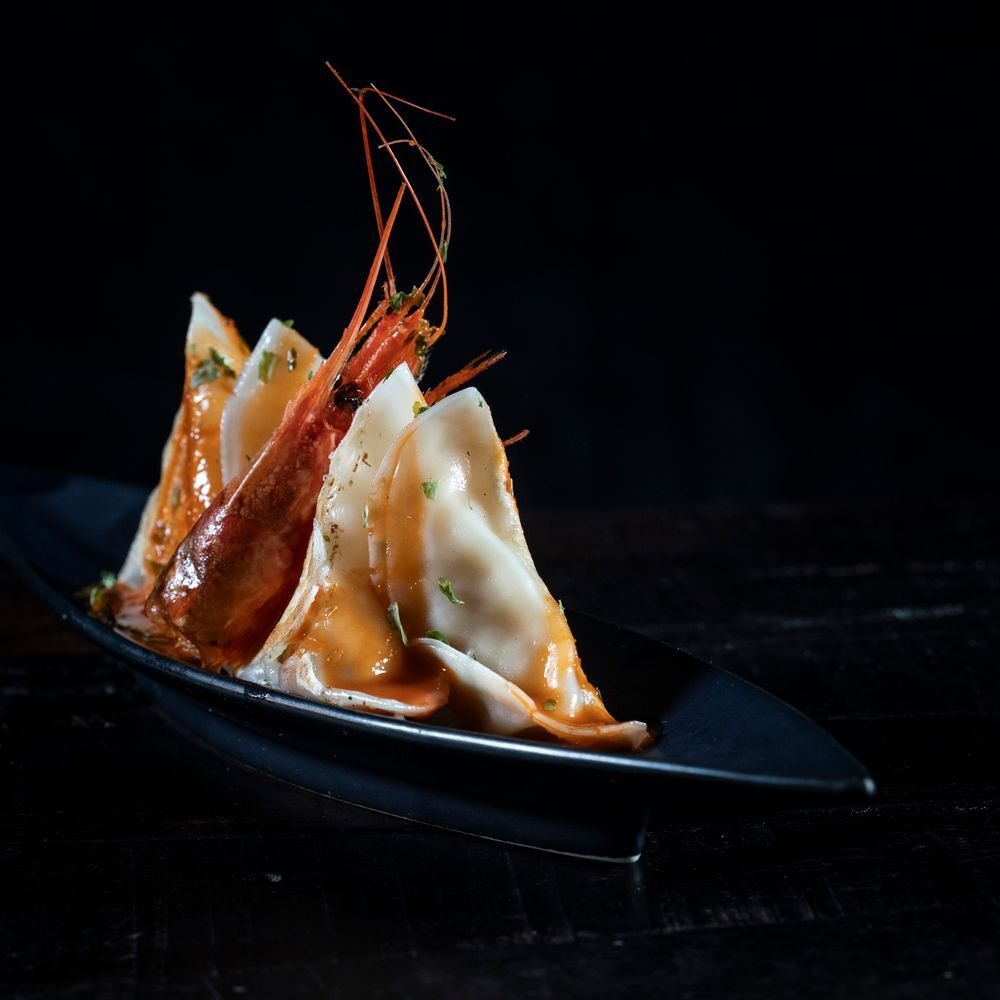
Japanese Technique in the Sardinian Interior
San Pantaleo sits a few kilometers inland from the Costa Smeralda's resort strip, and the village has a different register from its coastal neighbors: lower-key, slower-paced, with a market square that draws both locals and visitors without performing too hard for either. The dining scene reflects that character. While the coastline trends toward grilled catch and herb-driven Sardinian classics, the village supports a handful of kitchens that operate on their own terms. Mizuna is the clearest example of this tendency, running a Japanese-focused menu from a minimalist room just off the SP73, outside the village center proper.
Japan's culinary influence has spread through Italy's fine-dining tier over the past two decades, and the pattern is consistent: chefs who trained abroad return with technique sets that don't map cleanly onto domestic traditions. The result is rarely direct fusion but something more considered, a kitchen that treats Japanese method as a discipline rather than a reference. Mizuna sits in that cohort. The menu reflects accumulated craft rather than borrowed aesthetic.
A Menu Built on Island Fish
The core argument of Mizuna's kitchen is sourcing. Sardinian waters produce fish of a quality that holds up to the scrutiny of raw preparation, and the kitchen builds its sushi around that local catch rather than importing ingredients to meet a Japanese template. This is a meaningful distinction: sushi made from freight-flown fish to an island with its own fishing tradition would be a harder case to make. The reliance on fresh Sardinian fish instead grounds the menu in its location without abandoning the technical logic of Japanese cuisine.
Beyond sushi, the menu extends to gyoza and soups, and to mushi-pan, the Japanese steamed cakes that rarely appear in Italian-Japanese crossover kitchens. That detail matters. It indicates a kitchen engaged with Japanese culinary breadth rather than defaulting to the sushi-and-sashimi shorthand that defines most Japanese-adjacent restaurants in Italian contexts. The presence of mushi-pan alongside gyoza suggests a broader fluency, the kind built through sustained exposure rather than a single formative stage.
The dessert section closes with what may be especially programmatically interesting passage among the meal. Italian-inspired desserts sit alongside classic mochi, which is a deliberate structural choice rather than an afterthought. It marks the menu's dual cultural allegiance explicitly, at the moment when kitchens most often default to one tradition or the other. For diners arriving from the restaurant circuits of Osteria Francescana in Modena or Dal Pescatore in Runate, Mizuna represents a different category of Italian cooking, one defined by what it has absorbed from outside rather than what it has preserved from within.
Where Mizuna Sits in Its Context
Italy's decorated restaurant tier, from Enoteca Pinchiorri in Florence to Enrico Bartolini in Milan and Le Calandre in Rubano, operates largely within or against the Italian tradition. Even particularly progressive kitchens, Piazza Duomo in Alba, Reale in Castel di Sangro, Atelier Moessmer Norbert Niederkofler in Brunico, tend to frame their innovation in dialogue with place and regional ingredient. Mizuna operates from a different premise entirely, importing a culinary grammar and applying it to local materials.
The comparison that illuminates Mizuna most clearly comes from the wider world of Italian-adjacent Japanese cooking. In New York, Atomix demonstrates what happens when Korean culinary logic is applied with sufficient rigour and locational confidence to hold a position at stronger examples from the market. In Paris and London, Japanese-trained chefs working with European fish have produced particularly technically disciplined fish cookery of the past decade. Mizuna operates at a smaller scale and in a different context, a village in the Gallura, not a capital city dining scene, but the structural logic is the same: Japanese technique applied to the available local catch, in a room designed to foreground the food rather than the setting.
Sardinia's restaurant scene outside the resort coastal strip, including Il Fuoco Sacro in the same village, tends to lean into the island's own culinary identity: suckling pig, bottarga, fregola, carta di musica. Mizuna's decision to occupy the opposite position makes it conspicuous in its local context. Whether that contrast reads as incongruous or refreshing depends on what you came to San Pantaleo for. Visitors will find both registers available within a small radius.
The Setting and Format
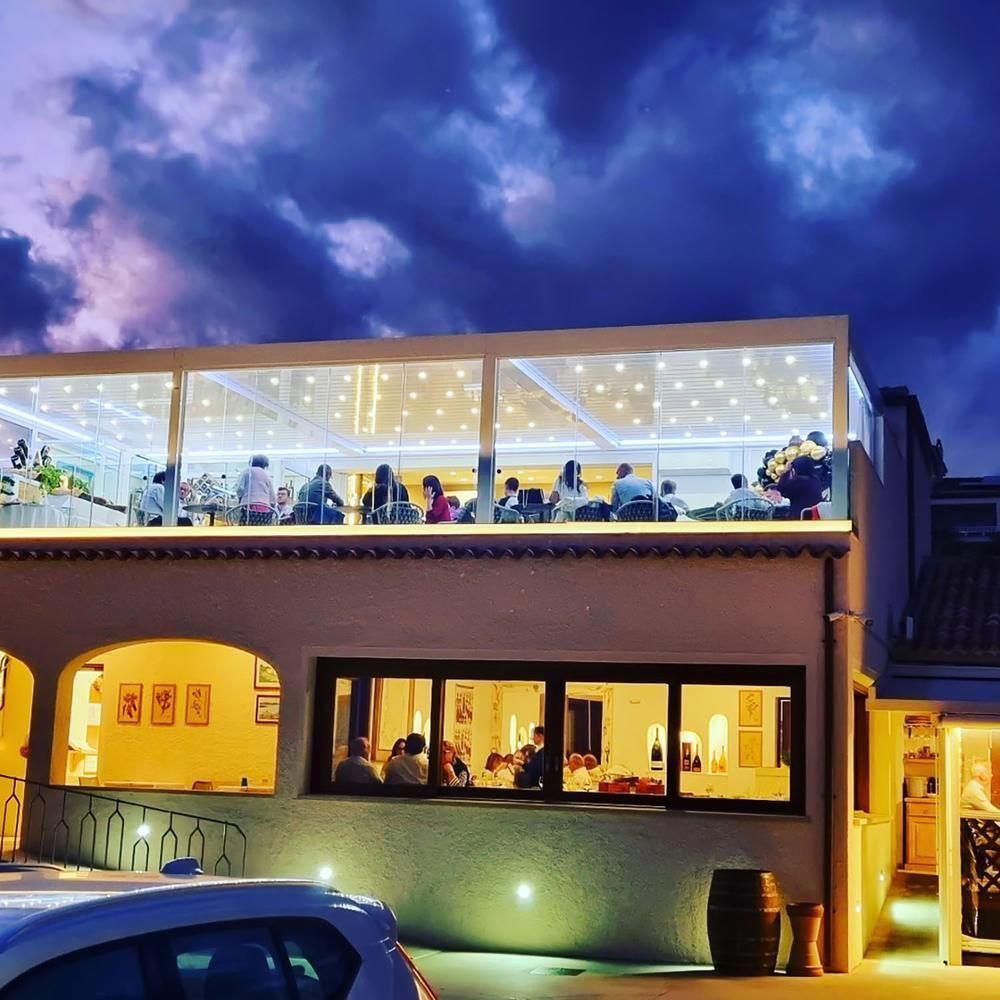
The room is minimalist by design, which in this context means the kind of deliberate restraint that Japanese-influenced hospitality formats favor globally: surfaces that don't compete with the plate, a pace calibrated to the menu's progression rather than to volume turnover. San Pantaleo's village character reinforces this; the area does not pressure its restaurants toward the high-throughput model that defines coastal resort dining in summer. That gives kitchens like Mizuna room to operate with more precision.
The fish-to-plate logic applies to the experience as well. The kitchen's sourcing model, fresh Sardinian catch prepared to Japanese technical standards, means that what arrives at the table reflects both the specificity of the island's waters and the discipline of a trained preparation method. That combination is less common than it might appear. Most Japanese restaurants operating in non-Japanese markets either import their primary proteins or adapt their technique to local product without much structural clarity about which is driving the menu. Here, the product and the technique appear to be in genuine conversation.
Planning Your Visit
Mizuna sits on Via Zara, just off the SP73, outside San Pantaleo's village center. The address puts it a short drive from the Costa Smeralda's main resort cluster, accessible from Porto Cervo and Olbia with a car, which is the practical requirement for most movement in the Gallura interior. Reservations are essential. The summer season concentrates visitor numbers significantly across the Gallura, so advance planning is advisable for July and August visits.
For reference points outside Sardinia: the fish-forward European precision of Le Bernardin in New York City or the coastal Italian mastery at Quattro Passi in Marina del Cantone and Uliassi in Senigallia represent what Italian and French fish cookery looks like at its most technically assured. Mizuna's proposition is different in category, but the underlying commitment to ingredient quality and preparation discipline places it in a serious conversation about what island seafood can support when handled with craft.
A Pricing-First Comparison
Comparable venues nearby, for context on price, style, and recognition.
| Venue | Cuisine | Price | Awards | Notes |
|---|---|---|---|---|
| Mizuna RestaurantThis venue — the venue you are viewing | San Pantaleo, Modern Japanese Sushi | $$$$ | Michelin Plate | Not listed |
| Il Fuoco Sacro | Not listed | $$$$ | Michelin 1 Star | San Pantaleo, Modern Sardinian Fine Dining |
| Caffe Florian | San Marco, Historic Venetian Café | $$$$ | Not listed | Not listed |
| Essenza Bistrot | Not listed | $$$ | Michelin Plate | historic district, Modern Sardinian Bistro |
| S'Andira | Santa Reparata, Modern Sardinian Seafood | $$$$ | Michelin Plate | Not listed |
| La Gritta | Not listed | $$$ | Michelin Plate | Palau, Modern Mediterranean Sardinian Seafood |
Recognition history
Dated appearances from independent guides and award organizations, with the underlying list record or original source where available.
Michelin Plate
Michelin
Continue exploring
More in San Pantaleo
Restaurants in San Pantaleo
Browse all →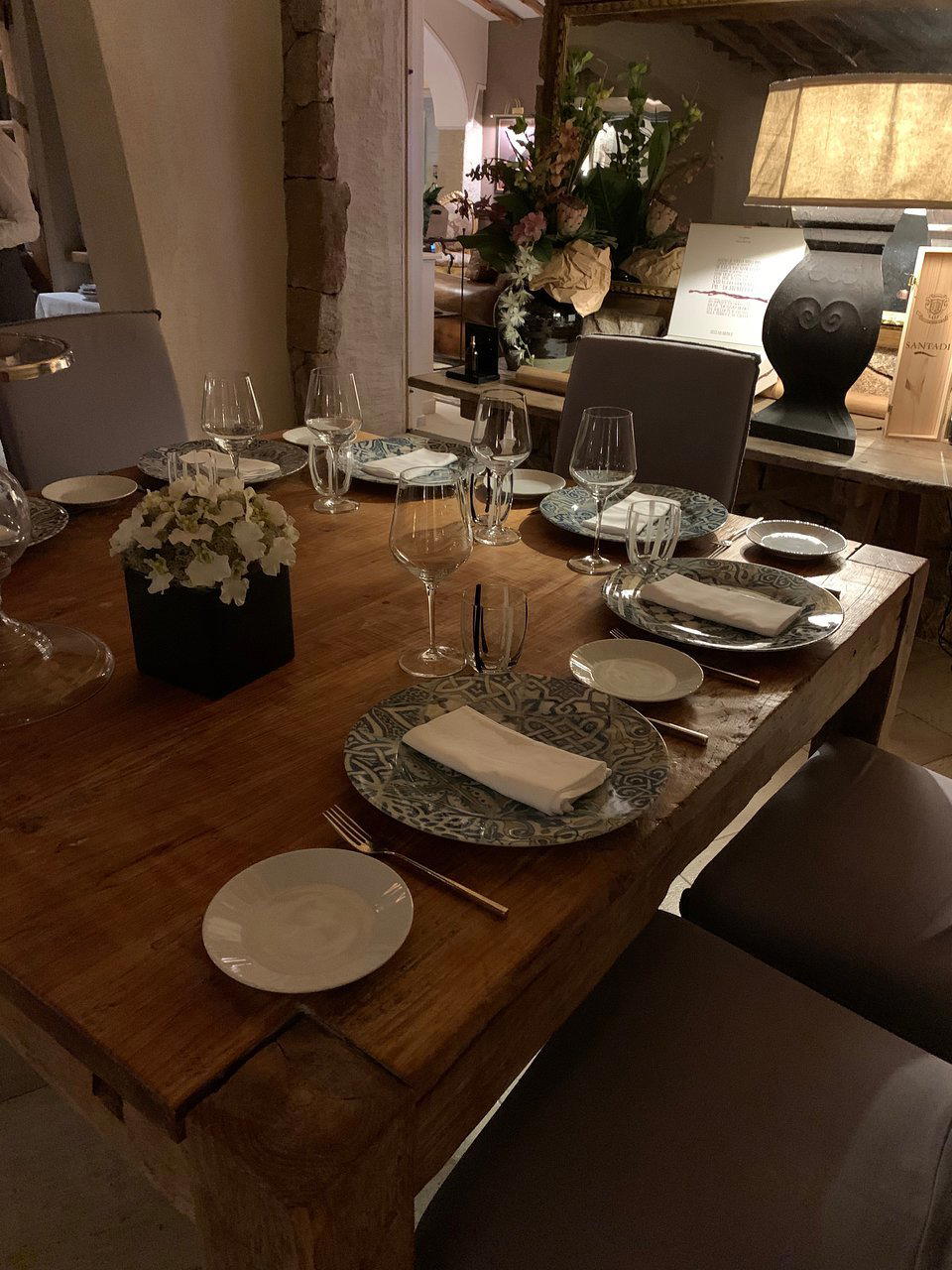
Bars in San Pantaleo
Browse all →
Hotels in San Pantaleo
Browse all →

At a Glance
- Elegant
- Sophisticated
- Intimate
- Date Night
- Special Occasion
- Business Dinner
- Standalone
- Extensive Wine List
- Sake Program
- Local Sourcing
Elegant and refined atmosphere with stylish decoration, soft lighting, and pleasant music creating an intimate dining experience.