La Liste Top Restaurants
Our verdict
At Meza Malonga, chef Dieuveil Malonga distills the spirit of contemporary Africa into an impeccably choreographed tasting menu that feels both avant-garde and deeply rooted. Expect vibrant sauces, rare spices, and market-fresh produce elevated through Parisian technique—each course a refined dialogue between terroirs, memory, and modernity. The candlelit room hums with quiet sophistication, attentive service, and a studied wine program that pairs European classics with surprising African expressions, creating a rarefied, resonant experience that lingers long after the final pour.

Pearl is the En Primeur Club membership app, where members save venues, book tables and use the concierge.
Where Lake Ruhondo Meets the Plate
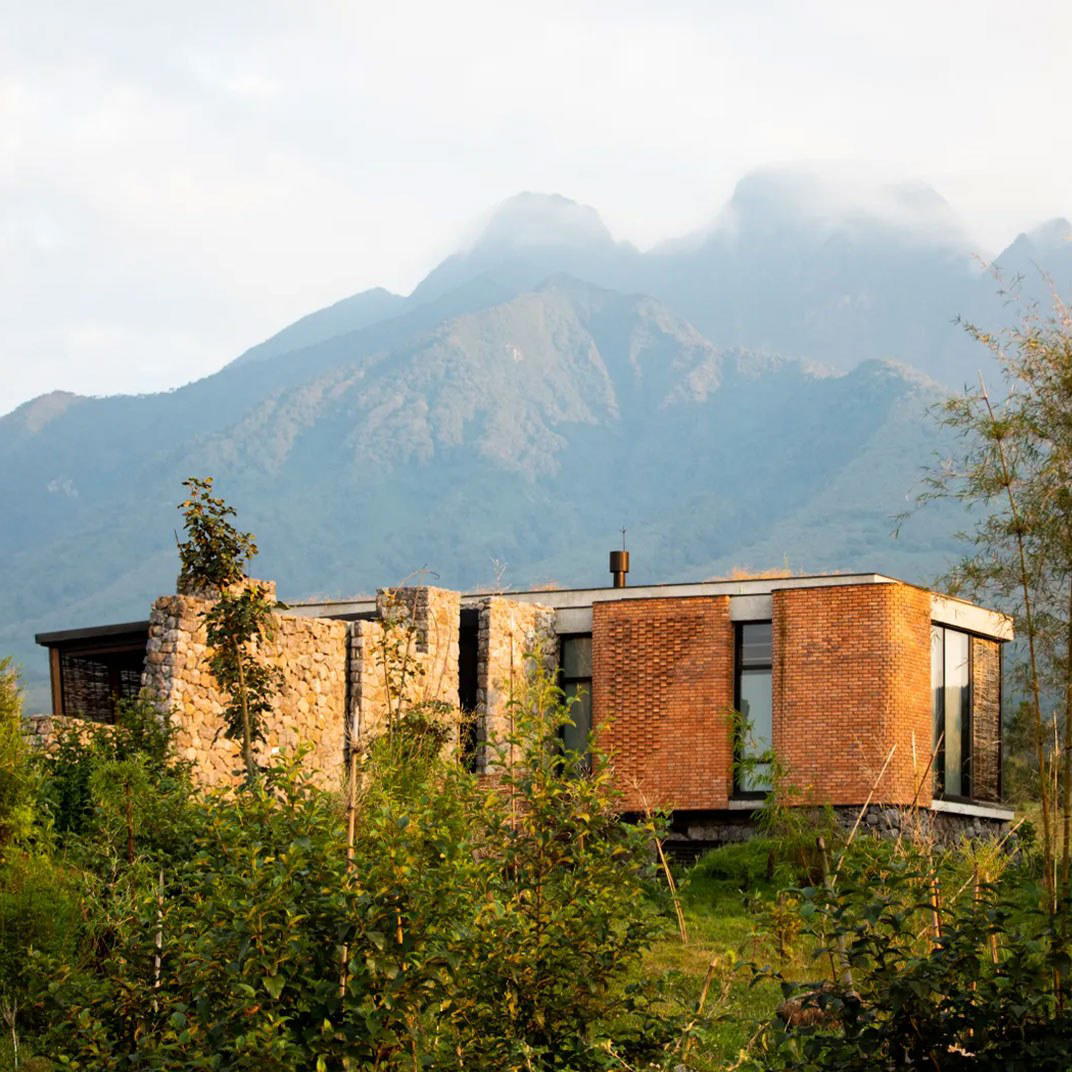
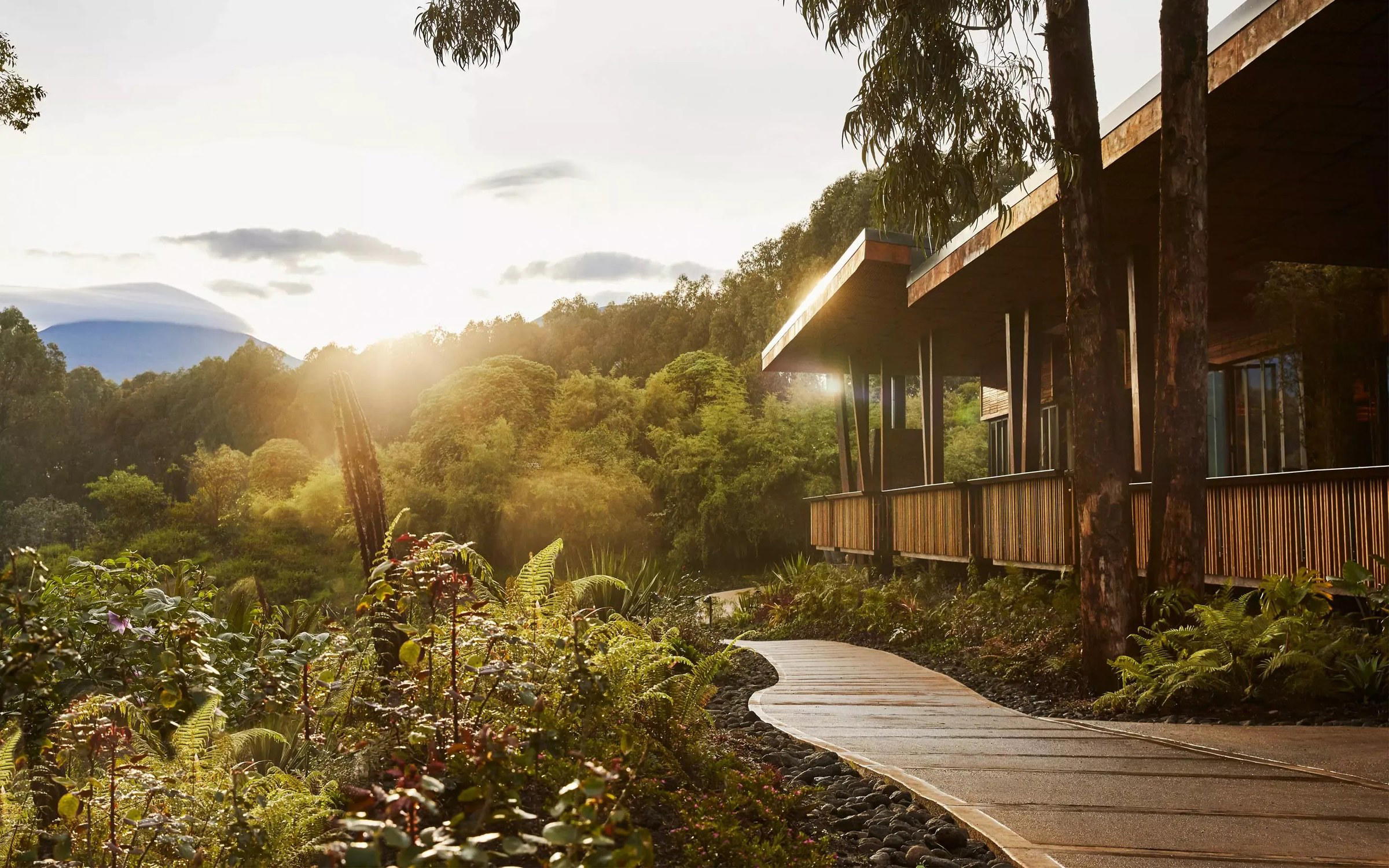
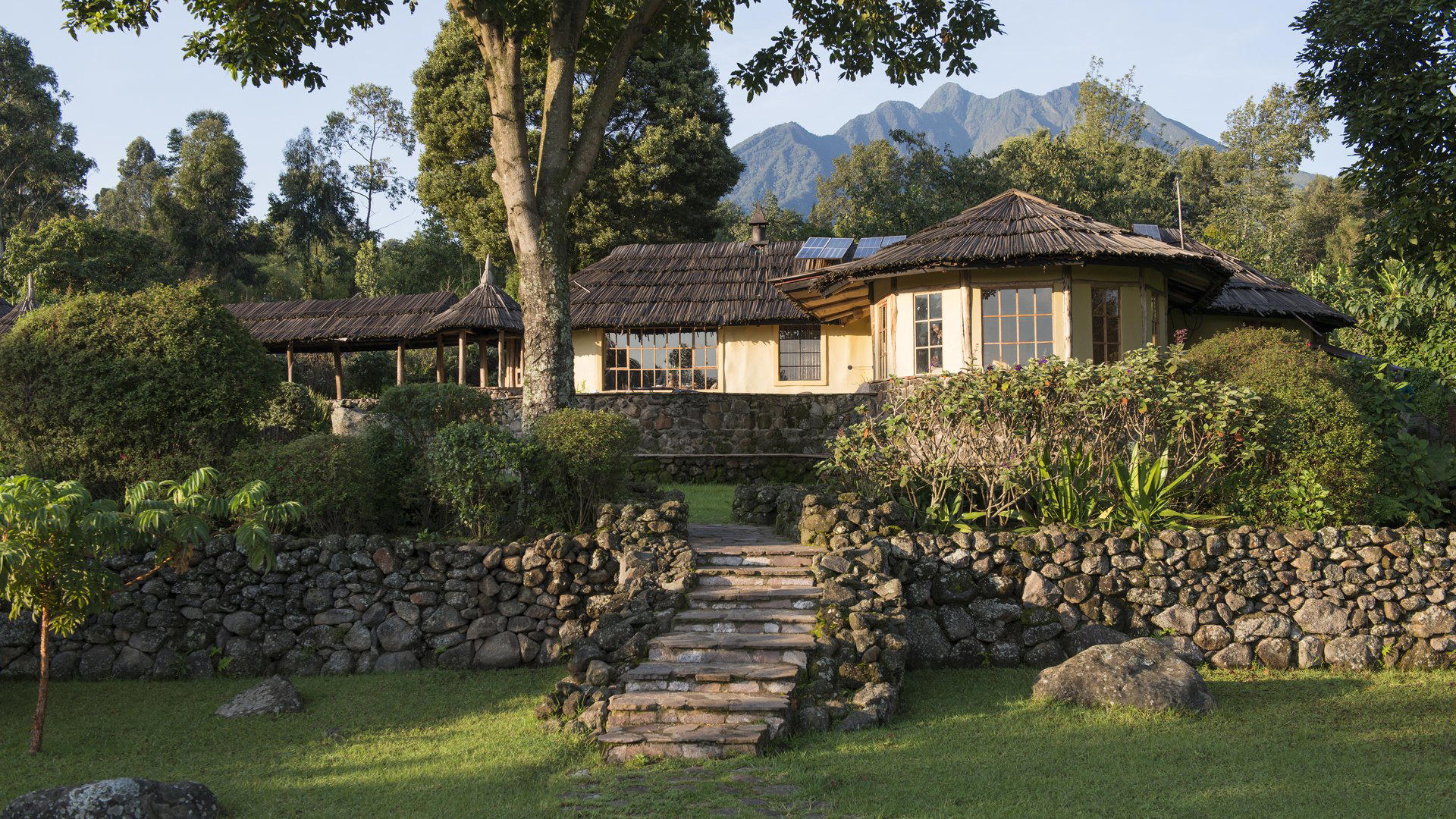
The road to Meza Malonga traces the northern edge of Lake Ruhondo, one of Rwanda's smaller volcanic lakes, where the water catches light differently depending on the hour and the hills fold into each other in quiet succession. Arriving here, you are a significant distance from Kigali's polished restaurant strip, and that distance is the point. The setting is not incidental to what the kitchen does; it is the argument the kitchen is making. Rwandan cuisine, in its most considered form, is inseparable from landscape and proximity, and Meza Malonga positions itself as evidence of that claim.
Rwanda's restaurant scene has matured considerably over the past decade, moving from a hospitality infrastructure built primarily around international business travelers to one that includes destination dining with regional and global reference points. Kigali now draws comparison with other East African capitals where locally rooted kitchens operate alongside internationally trained ones, and a small tier of restaurants has begun earning recognition from global ranking bodies. Meza Malonga, operating outside the capital near Lake Ruhondo, represents a different model within that emerging tier: one built on sourcing from a specific ecological zone rather than on urban concentration.
The Logic of Provenance at Lake Ruhondo
Rwandan fusion, as a category, is still defining its terms. The country's culinary traditions centre on ingredients like isombe (cassava leaves), ibirayi (sweet potato), inyama y'inzuzi (freshwater fish), and an array of legumes and sorghum-based preparations that reflect both altitude and agricultural practice. The lakes of the Virunga region, including Ruhondo, have historically supplied freshwater protein to communities across the northern province, and that supply chain, short and direct, is exactly what a kitchen in this location can access in ways that urban restaurants cannot.
The fusion framing at Meza Malonga implies technique applied to local material rather than imported ingredients dressed in Rwandan reference. This is a meaningful distinction in a region where many restaurants operating under a "fusion" label import their primary proteins and produce while applying local spice profiles at the finish. Sourcing from the immediate lake basin and surrounding agricultural communities creates a different kind of menu logic, where the season and the harvest dictate what is available rather than a supply chain that flattens those variables.
Across the global canon of destination restaurants with this sourcing philosophy, the argument tends to hold: proximity to primary ingredients produces a specificity of flavour that technique alone cannot replicate. Kitchens like Atelier Moessmer Norbert Niederkofler in Brunico have built their entire identity on Alpine proximity and seasonal constraint, while Aponiente in El Puerto de Santa María works within the logic of a specific tidal ecosystem. Meza Malonga's position on Lake Ruhondo places it in that broader tradition of place-specific cooking, even if its scale and context differ considerably from those European references.
Recognition and Where It Places the Kitchen
La Liste, the French ranking body that aggregates critic scores across publications globally, has included Meza Malonga in its leading restaurant listings for consecutive years: 85.5 points in 2025 and 75 points in 2026. The score movement warrants attention. La Liste's methodology weighs multiple review sources and adjusts annually, so a ten-point shift between editions can reflect changes in scoring data, reviewer access, or comparative competition within the list rather than a decline in quality. What the consecutive listing confirms is sustained recognition across two annual cycles, which is a different signal from a single-year appearance.
Within the African context, La Liste listings for restaurants outside of Cape Town, Marrakech, or Nairobi are uncommon, which positions Meza Malonga in a small group of sub-Saharan restaurants receiving this level of formal global attention.
A score at that level, sustained over more than a hundred reviews, suggests that the experience is delivering reliably against the expectations it sets, which for a destination restaurant outside a major city is a meaningful operational indicator.
Planning a Visit
Meza Malonga sits near Lake Ruhondo in Rwanda's Northern Province, a drive of roughly two to three hours from Kigali depending on route and traffic conditions. The address places it in the Ruhondo area, making it a natural pairing with visits to Volcanoes National Park or the gorilla tracking permits that draw international visitors to the region. For travelers already planning time in the north, the restaurant represents a logical anchor for at least one evening or midday meal; for those based in Kigali, the journey requires treating the meal as a destination in itself rather than a spontaneous addition to a city itinerary.
For a broader orientation to eating and drinking in Rwanda's capital before or after a northern circuit trip, our full Kigali restaurants guide maps the current scene across price points and neighbourhoods. The Kigali hotels guide covers accommodation options for those staging a northern Rwanda trip from the capital, and the Kigali bars guide, wineries guide, and experiences guide fill out the broader picture for a full stay.
For reference on what globally recognized destination restaurants in the La Liste tier look like elsewhere, the range runs from Le Bernardin in New York City and Atomix in New York City to El Celler de Can Roca in Girona, Alain Ducasse Louis XV in Monte Carlo, Alléno Paris au Pavillon Ledoyen, Arzak in San Sebastián, DiverXO in Madrid, 8½ Otto e Mezzo Bombana in Hong Kong, Dal Pescatore in Runate, Lazy Bear in San Francisco, and Emeril's in New Orleans. Meza Malonga operates in a different context from all of them, but the La Liste framework places it on the same global map.
Frequently asked questions
What's Meza Malonga's location?
Meza Malonga is located at GP3R+VW2, Lake, Ruhondo, Rwanda, Kigali.
Is Meza Malonga reservation-only?
With no phone or website listed in public records, reaching out through local Kigali hospitality contacts or your accommodation concierge is the most reliable approach before making the drive from Kigali.
Recognition history
Dated appearances from independent guides and award organizations, with the underlying list record or original source where available.
La Liste Top Restaurants
La Liste
Full recognition history (2 entries)
La Liste Top Restaurants
La Liste
Continue exploring
More in Kigali
Details
- Trendy
- Modern
- Intimate
- Minimalist
- Special Occasion
- Date Night
- Open Kitchen
- Farm To Table
- Local Sourcing
- Skyline
- Tasting Menu
- Vegetarian Friendly
Current opening hours
- Monday
- Closed
- Tuesday
- Closed
- Wednesday
- Closed
- Thursday
- 11 AM–5 PM
- Friday
- 11 AM–5 PM
- Saturday
- 11 AM–5 PM
- Sunday
- 11 AM–5 PM
Hours can change for holidays and private events. Hours as of .
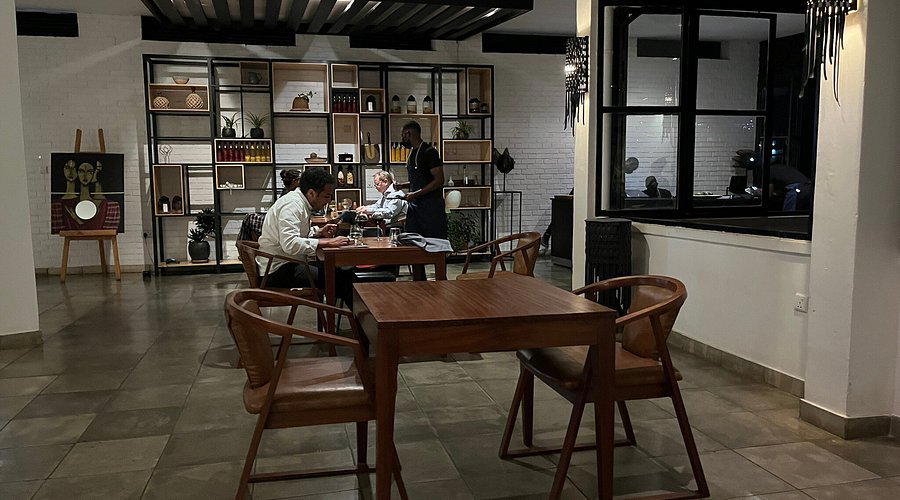
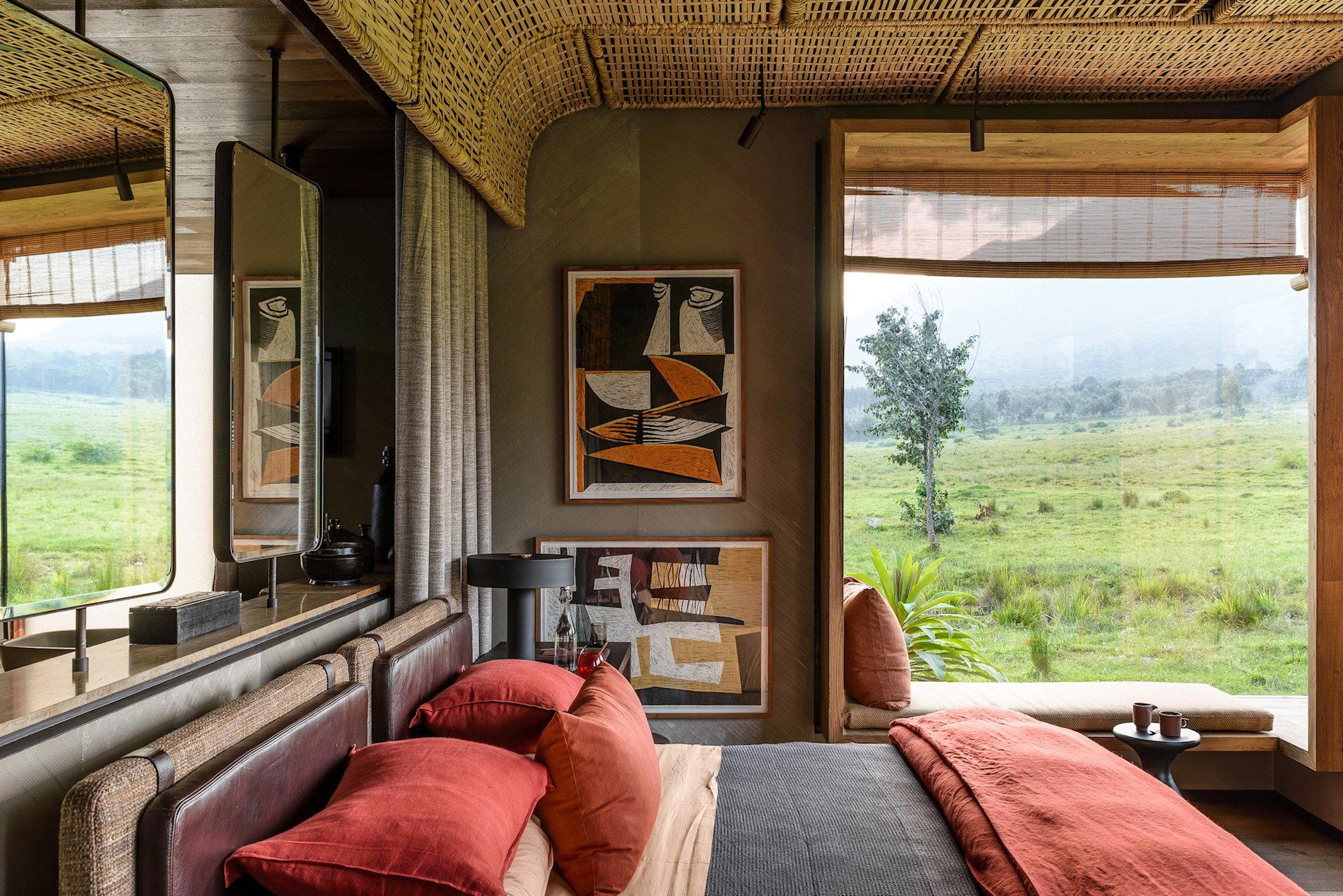
Minimalist bold interiors with white walls, jungle-like plants, lively paintings, and an intimate setting overlooking Kigali hills.