Mela Indian Restaurant
Our verdict
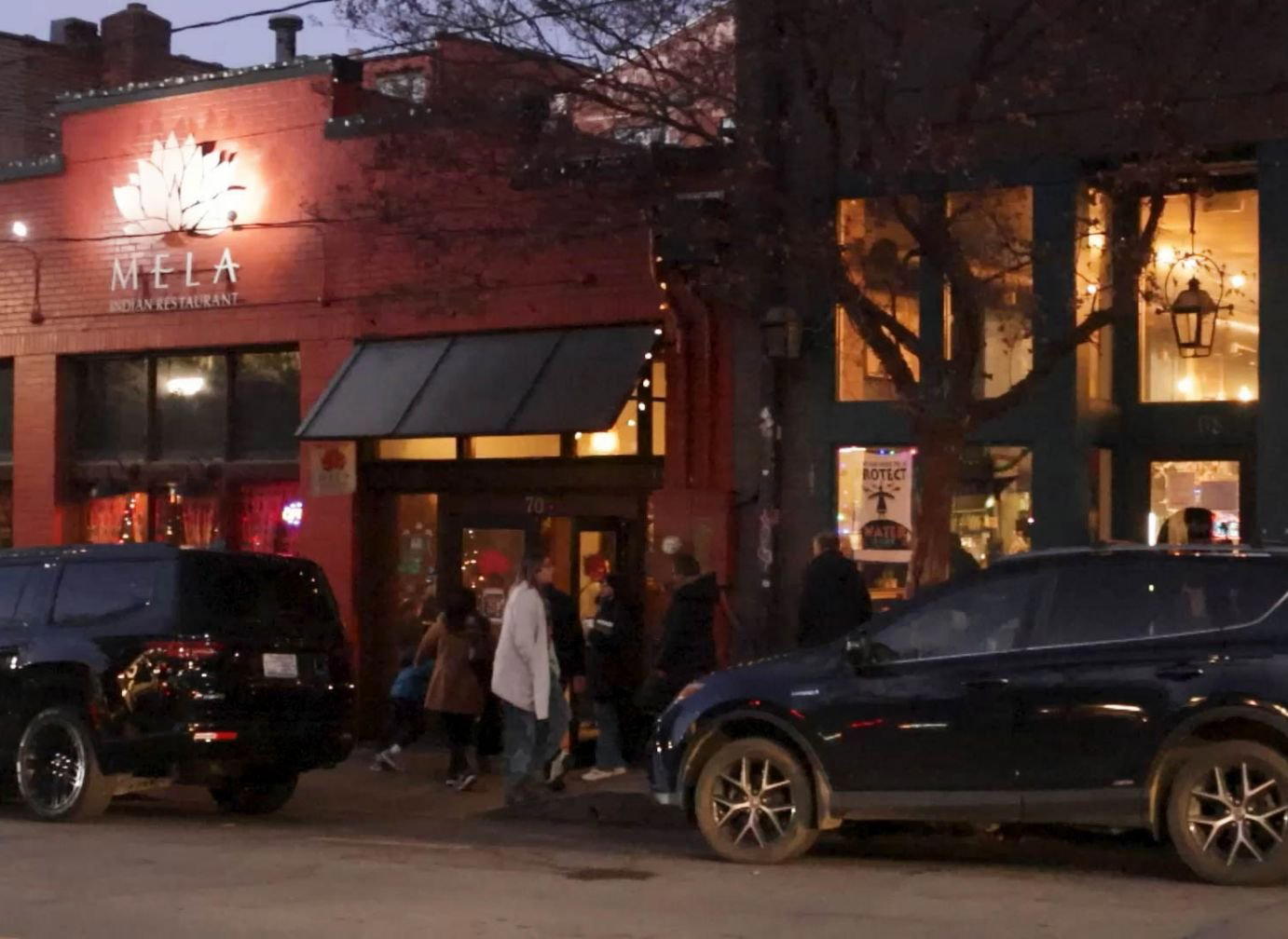
On North Lexington Avenue in the heart of downtown Asheville, Mela Indian Restaurant brings subcontinental cooking into a city better known for Appalachian fare and craft brewing. The kitchen draws on broad regional Indian traditions, positioning Mela as a consistent reference point for Indian cuisine in a dining scene that skews heavily local-American. Worth knowing before you go: the address puts you within walking distance of several other independently operated restaurants along Lexington.

Pearl is the En Primeur Club membership app — saves, bookings, and concierge access live there. Same editors, same standards.
- Address
- 70 N Lexington Ave, Asheville, NC 28801
- Phone
- (828) 225-8880
- Hours
- Mon–Thu 11:30 AM–2:30 PM, 5–9 PMFri–Sat 11:30 AM–2:30 PM, 5–9:30 PMSun 11:30 AM–2:30 PM, 5–9 PM
- Website
- melaasheville.com
- Directions
- Get directions
- Booking
- Book on OpenTable
The menu
What to order
- Butter Chicken
- Saag Paneer
- Tandoori Chicken
Indian Cooking in an Appalachian City
Asheville's restaurant identity has long been shaped by its proximity to local farms and its counterculture appetite for independent operators. The dominant mode is American Southern with progressive inflections: fermented grains, foraged ingredients, open kitchens. Against that backdrop, Indian cuisine occupies an outlier position — present, but thin on the ground. Mela Indian Restaurant at 70 N Lexington Ave sits in that gap, offering subcontinental cooking to a city where the category has no crowded competitive tier. That scarcity is context, not a compliment in itself. What it does mean is that Mela carries more representative weight than a comparable restaurant might in Charlotte or Atlanta, where Indian dining options run deeper.
North Lexington Avenue runs through the Arts District, one of Asheville's more walkable corridors, where galleries and independent food operators share the same low-slung blocks. The street has a familiar small-city texture: ground-floor dining rooms, foot traffic on weekend evenings, a mix of visitors and regulars. Addissae Ethiopian Restaurant represents another thread of global cooking in the same neighborhood, and the proximity of both venues signals that Lexington Avenue is where Asheville's less-expected food options tend to cluster. For visitors building a dining itinerary, that geography matters: the avenue is walkable from downtown hotels and easily paired with stops at All Day Darling or All Souls Pizza for a broader picture of the neighborhood's range.
The Service Framework: Reading the Room Dynamic
In restaurants where front-of-house fluency is the differentiating variable — particularly in cuisines that require some translation for unfamiliar diners, the team dynamic between kitchen output and floor communication becomes the actual product. Indian menus present a specific version of this challenge in American cities: regional distinctions, spice calibration, and dietary accommodations that span vegetarian, vegan, and halal traditions all require front-of-house staff who can do more than recite descriptions. They need to diagnose what a table needs and steer accordingly.
This is the interpretive layer that separates competent Indian restaurants from useful ones. A diner unfamiliar with the difference between a Kerala-style fish curry and a Mughlai-influenced korma benefits from a server who can frame those distinctions without condescension. The collaborative function between kitchen intent and floor delivery is what allows subcontinental cooking to read clearly to a mixed audience, the kind of audience Asheville's tourism-dependent dining scene reliably produces.
Indian Regional Cooking and What It Demands
Indian cuisine is among the most internally diverse of any national tradition. The distance between a Tamil Nadu chettinad preparation and a Punjabi butter-based dish is greater than the distance between French and Spanish cooking. Restaurants operating outside of dense South Asian communities, which describes most of the American South, tend to resolve that complexity by offering a broad menu that samples across regions rather than committing deeply to any one tradition. That approach has commercial logic in a market like Asheville, where the audience for narrow regional Indian cooking is limited. It also creates a recognizable menu format: tandoor-cooked proteins, a selection of curries ranging from mild to hot, bread service, and rice-based dishes that can be adjusted for dietary requirements.
The spice calibration question is worth raising directly. American Indian restaurants have historically tempered heat levels for general audiences, a practice that draws criticism from diners familiar with source traditions. Whether Mela calibrates toward its audience or holds to more assertive preparation is the kind of venue-specific detail that warrants direct inquiry on arrival. The front-of-house dynamic described above is precisely the mechanism through which that conversation should happen.
Positioning Within Asheville's Dining Scene
Asheville's dining scene has attracted national attention in recent years, with outlets like Bon Appétit and Food & Wine covering its independent operator density relative to city size. The reference frame for that attention is usually farm-to-table American, with Asheville Proper representing one version of that mode and operations like Cúrate demonstrating that European-inflected formats can also find a footing here. Indian cuisine sits outside that editorial attention almost entirely, which means Mela operates without the peer-set pressure that shapes how, say, a new Spanish restaurant in the same city would be received and reviewed.
That absence of competitive pressure cuts both ways. It removes the comparative baseline that helps diners calibrate expectations, but it also means a restaurant in this category can build a loyal regular clientele without the churn that comes from heavy media coverage. For visitors with a frame of reference, those who have eaten Indian food seriously in London, New York, or in source regions, the mental comparison set is not Asheville peers but the broader national and international field. That is a tougher benchmark, and one that no restaurant in a small American city should be held to uncritically.
Planning Your Visit
Mela Indian Restaurant is located at 70 N Lexington Ave in downtown Asheville, accessible on foot from the central business district and within range of most downtown accommodation. Specific hours, pricing, and booking policy are best confirmed directly with the restaurant before arrival, as this information was not available at time of publication. Diners with dietary restrictions, vegetarian, vegan, or halal requirements are common in Indian restaurant contexts, should raise those needs at the point of booking or on arrival, giving the kitchen advance notice where possible. The Arts District location means street parking can be competitive on weekend evenings; arriving slightly before peak service is a practical hedge. For a broader view of the city's dining options across formats and price points, our full Asheville restaurants guide covers the range from neighbourhood bakeries to destination dining.
Frequently asked questions
What's Mela Indian Restaurant's location?
Mela Indian Restaurant is located at 70 N Lexington Ave, Asheville, NC 28801, Asheville.
Is Mela Indian Restaurant a good choice for vegetarians visiting Asheville?
Indian cuisine structurally accommodates vegetarian and vegan diners better than most other national traditions, with dal, paneer, and vegetable-based preparations forming a core part of the menu format rather than an afterthought. In Asheville, where plant-forward dining is a consistent expectation among the dining public, Mela on N Lexington Ave sits at a useful intersection of that local preference and the subcontinental tradition that supports it.
What do regulars order at Mela Indian Restaurant?
Verified dish-level data for Mela's current menu is not available for this review, so specific recommendations would be speculative. The most reliable approach at any Indian restaurant with a regional focus is to ask the front-of-house staff which dishes reflect the kitchen's strengths that day. At 70 N Lexington Ave, the staff are positioned to guide first-time and returning visitors alike.
Do they take walk-ins at Mela Indian Restaurant?
Given that Indian restaurants in Asheville are limited in number and Mela draws from the city's broader downtown foot traffic on N Lexington Ave, calling ahead or checking current booking availability before visiting is the practical approach, particularly on weekends.
What makes Mela Indian Restaurant worth seeking out?
Asheville's dining scene, while nationally recognised for independent operators, is weighted heavily toward American and European formats. Indian regional cooking of the kind Mela represents fills a category that has few alternatives in the city, making it a substantive option for anyone whose visit extends beyond the expected Appalachian farm-to-table circuit. That functional scarcity, in a city of otherwise dense dining options, is itself a credential.
Do they accommodate allergies at Mela Indian Restaurant?
Indian cooking traditions include a wide range of naturally vegetarian and vegan preparations, and most kitchens operating in this cuisine are experienced at handling common dietary requirements. For specific allergen concerns, contacting Mela directly at 70 N Lexington Ave, Asheville before your visit is advisable, as preparation methods and cross-contact risks vary by dish and kitchen setup.
Price Lens
Comparable venues nearby, for context on price, style, and recognition.
| Venue | Cuisine | Price | Awards | Notes |
|---|---|---|---|---|
| Mela Indian RestaurantThis venue — the venue you are viewing | Authentic North and South Indian | $20–30 | Not listed | Not listed |
| Laila | Modern Indian Cuisine | $20–30 | Not listed | downtown, Modern Indian Cuisine |
| Crow & Quill | Speakeasy Cocktail Bar | $20–30 | Esquire Best Martinis in America | Downtown Asheville, Speakeasy Cocktail Bar |
| Capella on 9 | Locally Sourced Rooftop Tapas | $30–50 | Not listed | Downtown Asheville, Locally Sourced Rooftop Tapas |
| The Market Place | American Farm-to-Table | $50–100 | James Beard Award Semi Finalist · Wine Spectator Award of Excellence | Downtown Asheville, American Farm-to-Table |
| Chai Pani | Indian Street Food | $20–30 | Not listed | Downtown Asheville, Indian Street Food |
Continue exploring
More in Asheville
Restaurants in Asheville
Browse all →
Bars in Asheville
Browse all →

Details
- Cozy
- Intimate
- Elegant
- Family
- Group Dining
- Casual Hangout
- Open Kitchen
- Local Sourcing
- A La Carte
- Buffet
- Vegetarian Friendly
- Vegan Options
- Gluten Free Options
Current opening hours
- Monday
- 11:30 AM–2:30 PM, 5–9 PM
- Tuesday
- 11:30 AM–2:30 PM, 5–9 PM
- Wednesday
- 11:30 AM–2:30 PM, 5–9 PM
- Thursday
- 11:30 AM–2:30 PM, 5–9 PM
- Friday
- 11:30 AM–2:30 PM, 5–9:30 PM
- Saturday
- 11:30 AM–2:30 PM, 5–9:30 PM
- Sunday
- 11:30 AM–2:30 PM, 5–9 PM
Hours can change for holidays and private events. Last verified .
Warm and intimate atmosphere with enticing aromas of Indian spices and comfortable decor.