
Michelin Plate
Our verdict
Among Kraków's growing cluster of Mediterranean restaurants, Mazi holds a Michelin Plate (2025), placing it firmly in the accessible-serious tier of the city's dining scene. Positioned on Rynek Podgórski in the Podgórze district, it offers a price point well below the city's tasting-menu establishments while maintaining a standard of cooking that earns outside recognition.

Pearl is the En Primeur Club membership app, where members save venues, book tables and use the concierge.
The menu
What to order
- Beef_tartare
- Burrata
- Beetroot_tartare
- Focaccia
Podgórze's Mediterranean Anchor
Rynek Podgórski is not where most visitors begin their Kraków dining itinerary. The square sits on the south bank of the Vistula, in the Podgórze district that spent decades as an afterthought to the Old Town's more polished restaurant corridor. That has shifted. A younger, more locally-rooted dining culture has taken hold here, less oriented around tourist throughput and more invested in neighbourhood credibility. Mazi occupies a position on the square that feels emblematic of that shift: a Mediterranean kitchen in a post-industrial Polish neighbourhood, earning Michelin attention at a price point marked by a single euro sign.
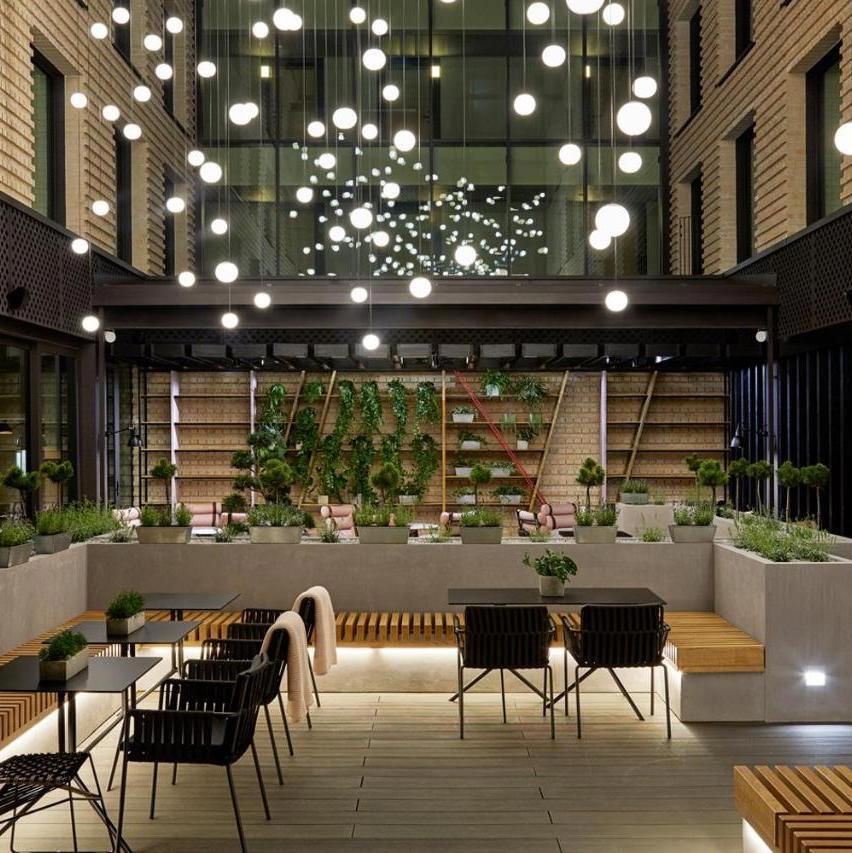
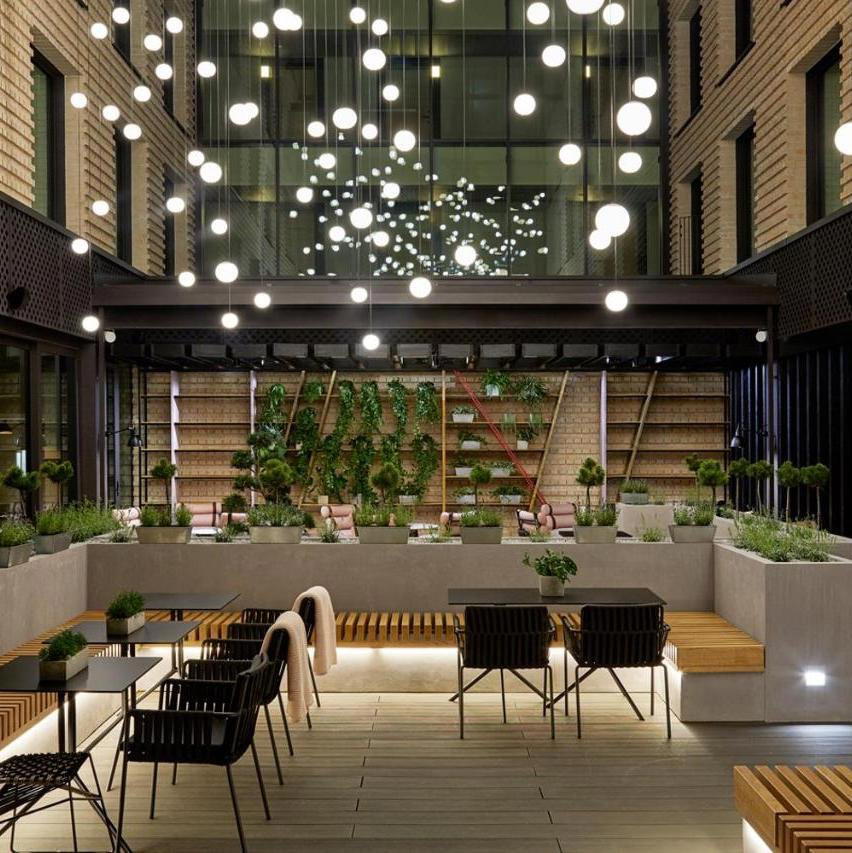
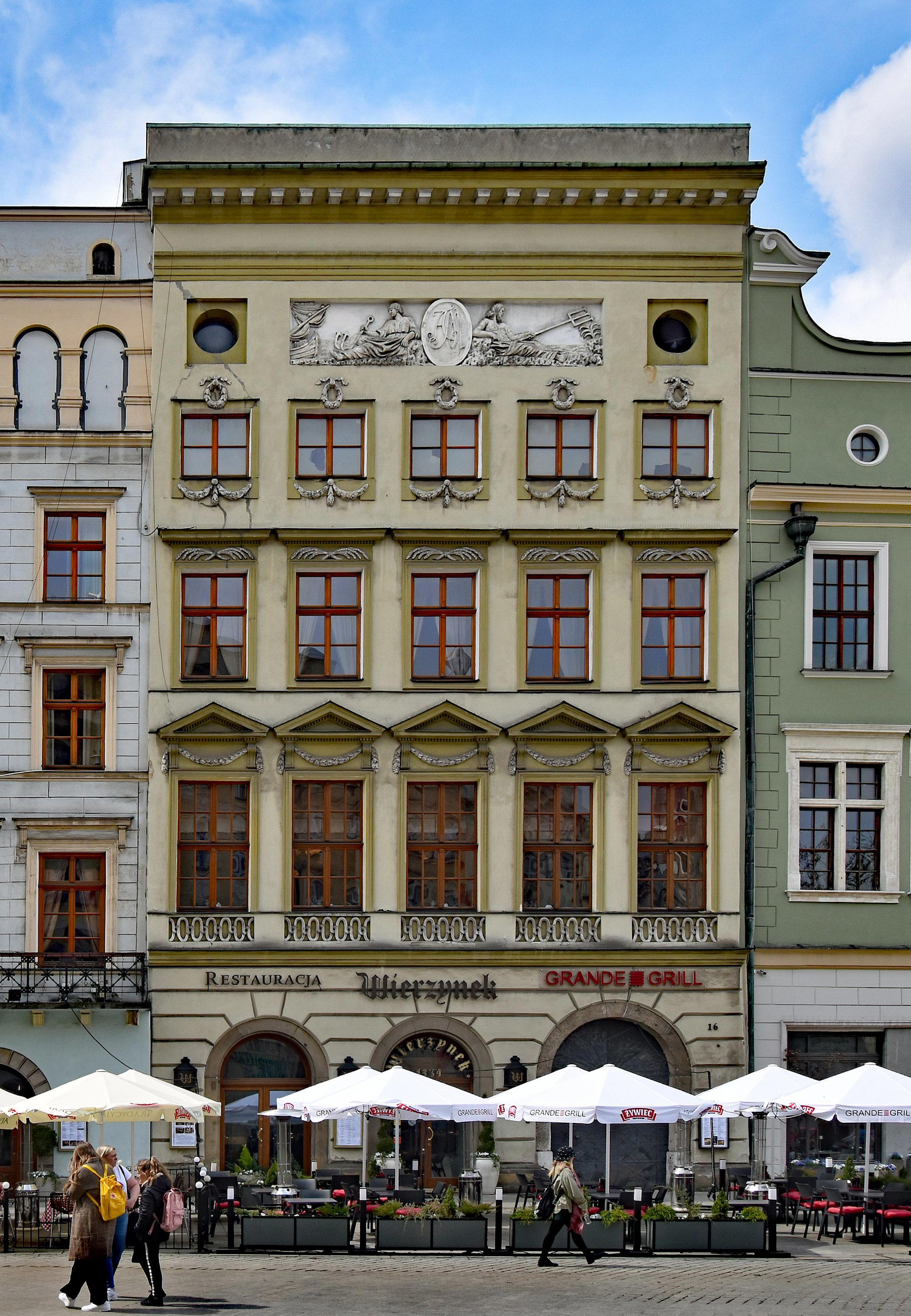
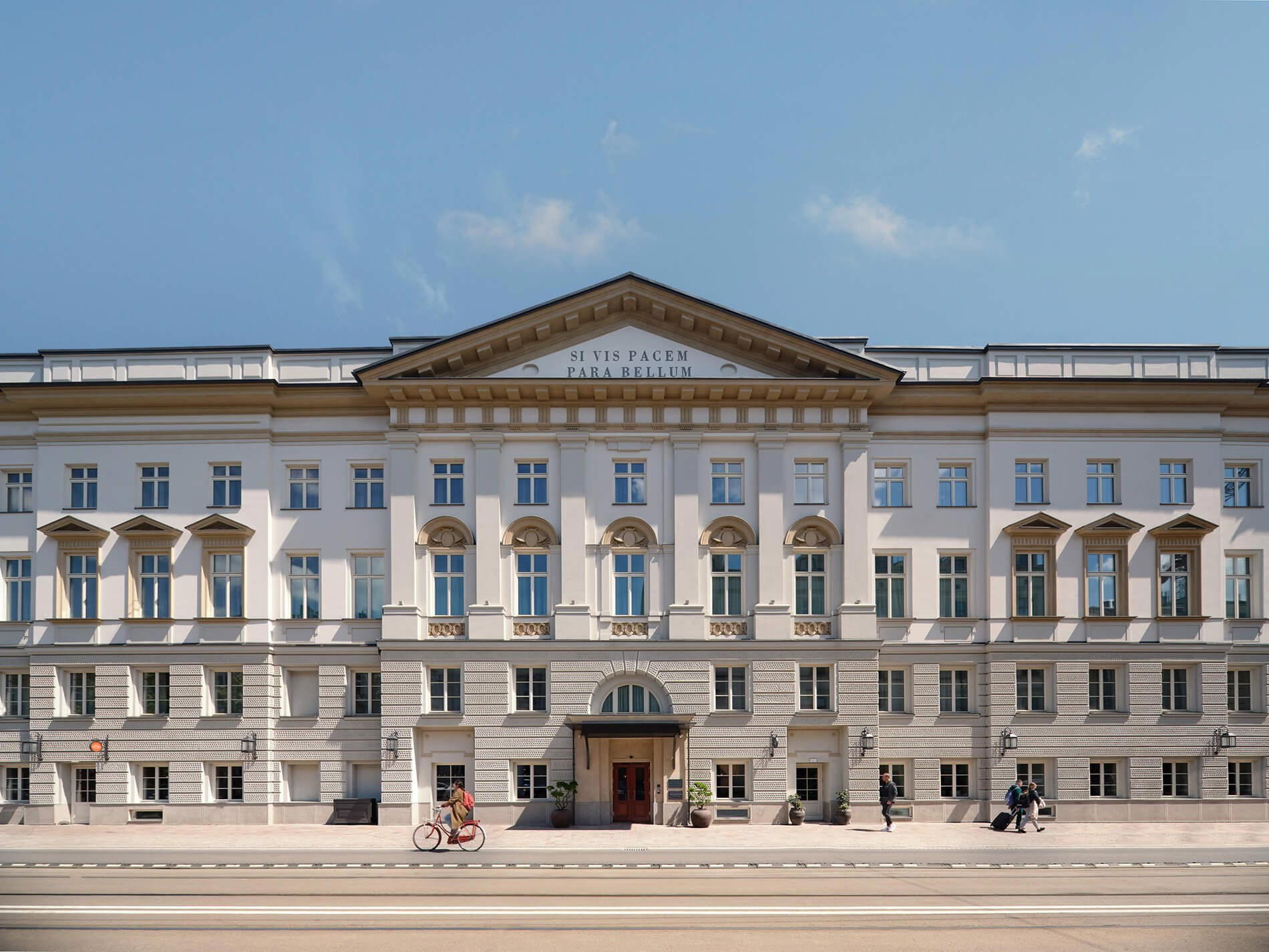
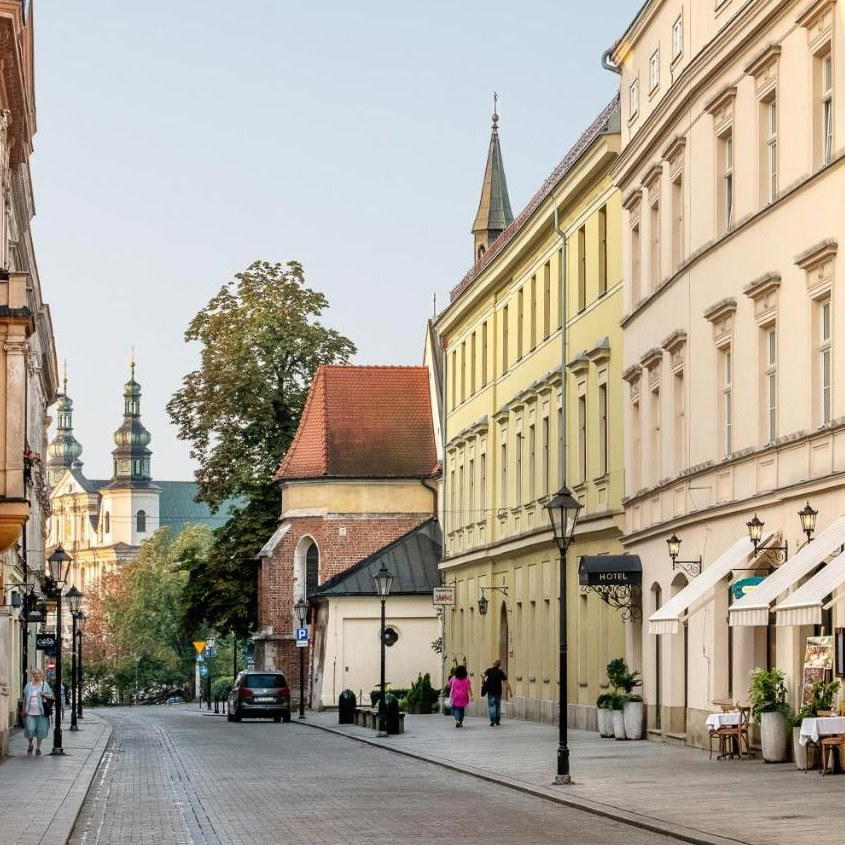
The approach on arrival reflects what much of Podgórze now offers: a setting that doesn't perform grandeur, where the environment draws its authority from the square itself rather than from interior decoration. This part of the city rewards visitors willing to cross the river, and Mazi is one of the clearest reasons to do so.
What Mediterranean Means at This Price Tier
Mediterranean cooking, as a category, has a wide range in Polish cities. At the leading end, kitchens like Acquario in Wrocław apply fine-dining technique to southern European ingredients. At the other extreme, the label covers little more than pasta and grilled fish. Mazi operates in neither of those registers. Its Michelin Plate recognition in 2025 signals a kitchen working at a consistent standard without the formality or price architecture of a tasting-menu operation. The Plate designation, which Michelin awards to restaurants demonstrating good cooking across the board, places it in a tier that takes the food seriously without requiring a €€€ price commitment from the diner.
Within Kraków specifically, that positioning is worth mapping. The city's credentialed dining is heavily weighted toward modern Polish and creative tasting formats. Bottiglieria 1881 and Artesse occupy the creative and fine-dining tiers respectively, with price points and booking requirements that reflect that. Amarylis and Bufet KRK sit closer to Mazi's register in terms of approachability, but neither draws on the Mediterranean tradition as its organising principle.
Menu Architecture and What It Signals
Mediterranean menus are structurally revealing. Unlike tasting formats where the kitchen controls the sequence entirely, or à la carte menus where each dish stands alone, the Mediterranean tradition organises around sharing, gradation, and the logic of the mezze-to-main arc. How a kitchen handles that architecture, whether it treats the smaller dishes as preamble or as the point, how it sequences vegetable, seafood, and meat across the table, tells you something about where its real investment lies.
That breadth of positive response, at a single-euro price point, indicates the menu is structured accessibly: dishes that communicate their intent clearly, portions that work for sharing or individual ordering, and a Mediterranean idiom that doesn't require specialist knowledge to read.
What that means in practice is a menu likely built around grilled proteins, legume dishes, fresh vegetable preparations, and bread-centred starters, the core grammar of eastern and central Mediterranean cooking. The single-euro pricing, rare for any Michelin-recognised kitchen in Poland, suggests either compact portions, a shorter menu with focused sourcing, or both. That economy of means is itself a culinary choice: it keeps the kitchen's attention on execution rather than breadth.
Kraków in the Polish Mediterranean Context
Mediterranean cooking has arrived across Polish cities with varying levels of seriousness. Arco by Paco Pérez in Gdańsk applies a Spanish fine-dining framework with full tasting-menu architecture. Muga in Poznań takes a different approach to the southern European canon. In Kraków, the Mediterranean presence is thinner at the credentialed end. Mazi holds that ground, recognised by Michelin in the same 2025 cycle that acknowledged kitchens elsewhere in Poland operating at considerably higher price points. That recognition across price tiers is a signal worth noting: it indicates the Guide is tracking quality rather than prestige, and Mazi's inclusion alongside 1911 Restaurant in Sopot and hub.praga in Warsaw in the broader Polish Michelin picture confirms a kitchen operating above the baseline for its category and price range.
For readers familiar with Mediterranean cooking elsewhere in Europe, the reference points worth knowing include La Brezza in Ascona and Arnaud Donckele and Maxime Frédéric at Louis Vuitton in Saint-Tropez, both operating Mediterranean idioms at much higher price and prestige tiers. Mazi occupies the other end of that spectrum deliberately, and the trade-off is accessibility without the formality that Mediterranean fine dining can sometimes impose.
Podgórze as a Dining District
Understanding why Mazi works requires understanding the neighbourhood. Podgórze has developed a dining identity that runs parallel to the Old Town's concentration of tourist-facing restaurants rather than competing with it directly. The square at Rynek Podgórski functions as a local gathering point, and restaurants here tend to have a higher proportion of returning guests than the heavily touristed streets near the Main Market Square.
Visitors planning a broader Kraków table should note that Podgórze rewards an evening commitment rather than a quick detour. The square and its surrounds offer enough to anchor a few hours, and Mazi fits naturally into an early dinner before exploring the neighbourhood. For a fuller picture of where Mazi sits within the city's dining options, our full Kraków restaurants guide maps the competitive set by cuisine and price tier. Those planning broader stays can also consult our Kraków hotels guide, our bars guide, our wineries guide, and our experiences guide for a complete picture of the city.
Among the more casual-format restaurants worth considering alongside Mazi in Kraków is Vamos!, which operates in a different culinary register but at a comparable price tier and similarly prioritises neighbourhood character over tourist-facing positioning. Giewont in Kościelisko is worth noting for those extending their trip to the Tatra region.
Planning Your Visit
Mazi's address at Rynek Podgórski 9 places it on a square that is walkable from the city centre via the Powstańców Śląskich bridge, roughly fifteen minutes on foot from the Main Market Square. Current hours, phone contact, and booking method are best confirmed directly through the restaurant or via current local listings, as those details are subject to change.
What to Order at Mazi
What the combination of Michelin Plate recognition, a Mediterranean framework, and the accessible price tier implies is a kitchen where the smaller and shared dishes, the section of any Mediterranean menu where technique and sourcing are most exposed, are worth attention. In Mediterranean cooking at this tier, that is consistently where kitchens either demonstrate their command of the tradition or reveal its limits.
Frequently asked questions
What kind of recognition has Mazi received?
Mazi has received recognition including: Michelin Plate (2025).
What should I budget for a meal at Mazi?
Pricing at Mazi is listed as €.
What's the best thing to order at Mazi?
Mazi holds a 2025 Michelin Plate, which signals consistent kitchen craft rather than a single headline dish. Mediterranean menus at this price tier (€) tend to reward sharing plates and simply prepared vegetables or seafood over elaborate composed courses.
What's the address for Mazi?
Mazi is located at Rynek Podgórski 9, 30-518 Kraków, Poland, Kraków.
Just the Basics
Comparable venues nearby, for context on price, style, and recognition.
| Venue | Cuisine | Price | Awards | Notes |
|---|---|---|---|---|
| MaziThis venue (the venue you are viewing) | Modern Mediterranean Sharing Plates | $20–30 | Michelin Plate | Not listed |
| Zazie | French Bistro | $20–30 | Michelin Plate | Kazimierz, French Bistro |
| Filipa 18 | Modern Polish | $30–50 | Michelin Plate | Kleparz, Modern Polish |
| Fiorentina | Modern Polish Fine Dining | $50–100 | Michelin Plate · Wine Spectator Best of Award of Excellence | Stare Miasto, Modern Polish Fine Dining |
| Bufet KRK | Modern Polish Brasserie | $50–100 | Michelin Bib Gourmand · Star Wine List | Kazimierz, Modern Polish Brasserie |
| Pimiento Argentino | Argentinian Steakhouse | $50–100 | Not listed | Kazimierz, Argentinian Steakhouse |
Recognition history
Dated appearances from independent guides and award organizations, with the underlying list record or original source where available.
Michelin Plate
Michelin
Full recognition history (2 entries)
Michelin Plate
Michelin
Continue exploring
More in Kraków
Restaurants in Kraków
All restaurants in Kraków →
Bars in Kraków
All bars in Kraków →
Details
- Cozy
- Modern
- Trendy
- Elegant
- Date Night
- Group Dining
- Special Occasion
- Open Kitchen
- Natural Wine
- Small Plates
Current opening hours
- Monday
- Closed
- Tuesday
- 3–10 PM
- Wednesday
- 3–10 PM
- Thursday
- 3–10 PM
- Friday
- 3–11 PM
- Saturday
- 1–11 PM
- Sunday
- 1–10 PM
Hours can change for holidays and private events. Hours as of .
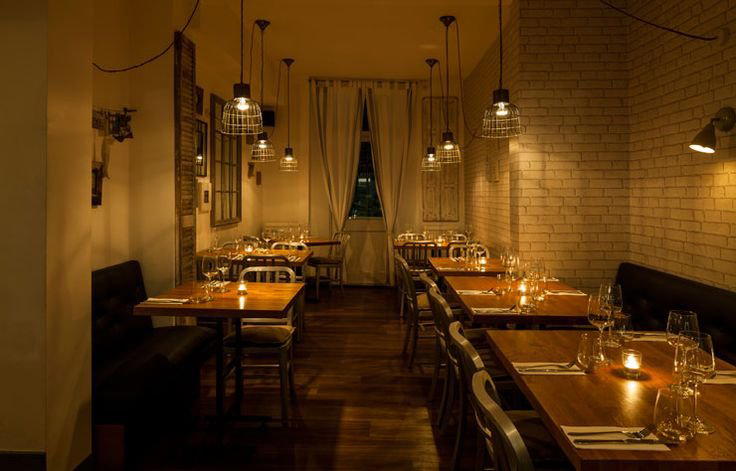
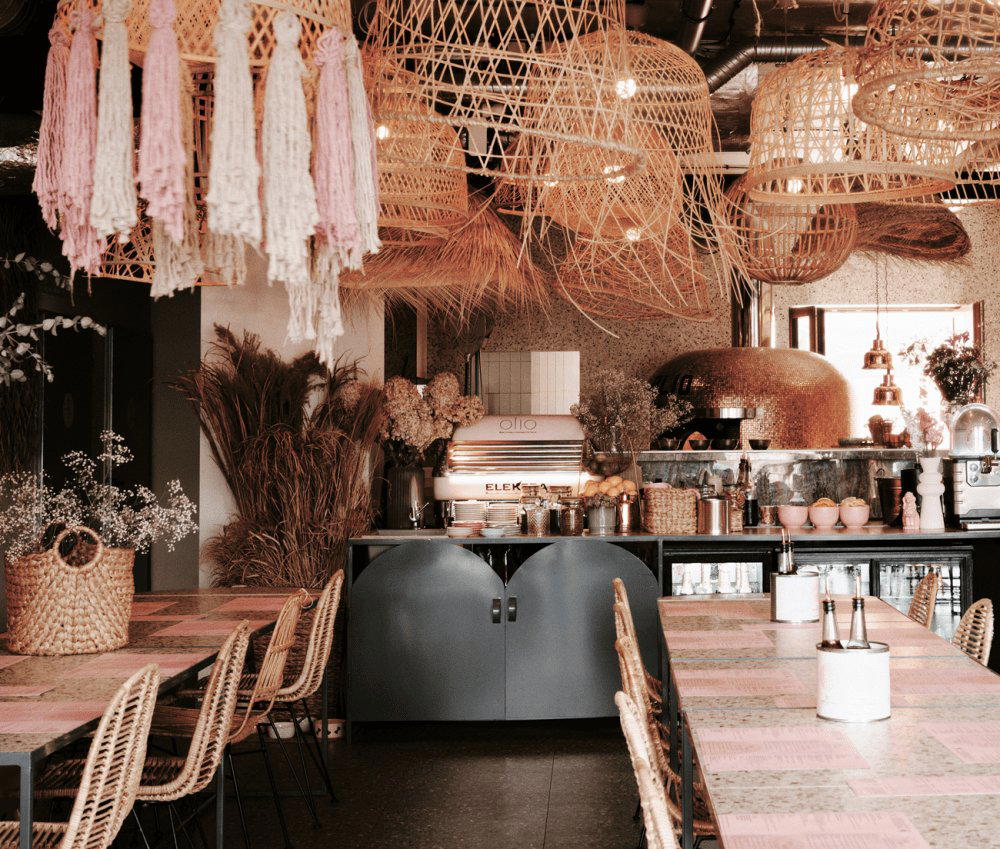
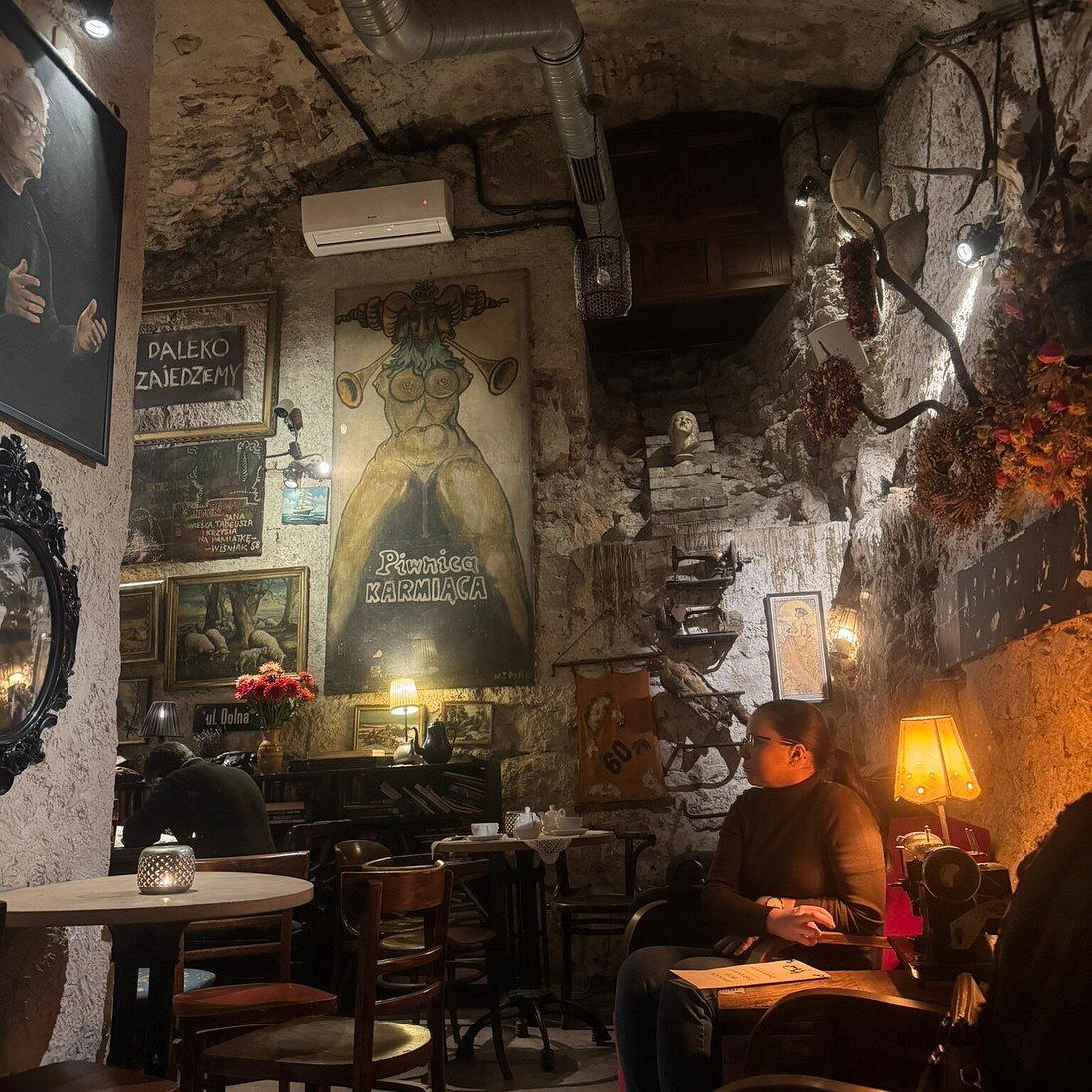
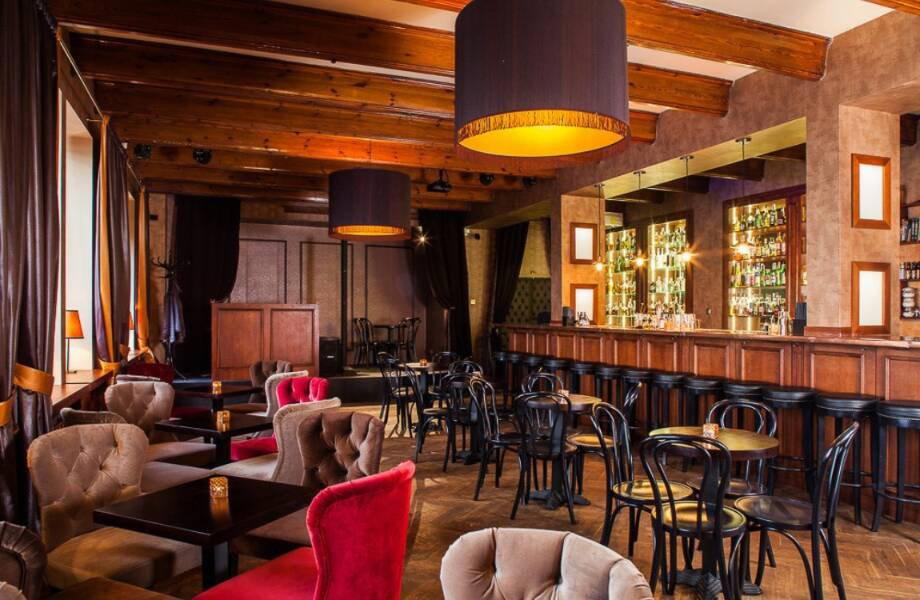
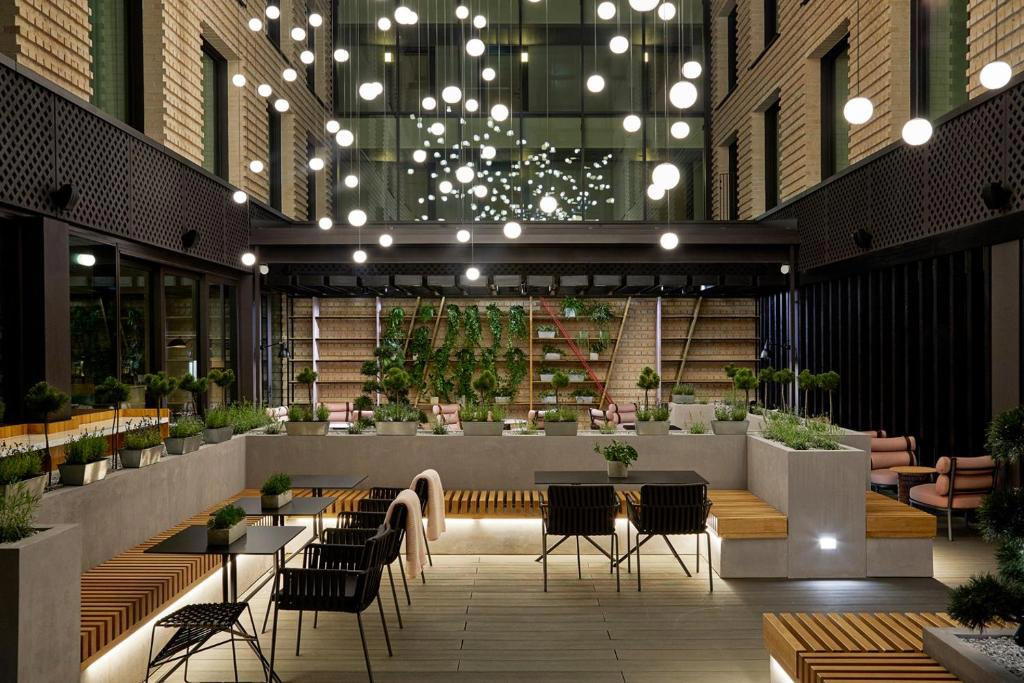
Light and airy with stylish loft-style interior in pastel colors, cozy yet modern atmosphere.