Matsuhisa

The Beverly Hills address that preceded the global Nobu empire, Matsuhisa on La Cienega has held its position as a North American dining reference since the 1980s. Opinionated About Dining ranked it #149 among North American restaurants in 2025, reflecting decades of consistent Japanese-Peruvian technique and counter-level precision. It operates on a compressed daily schedule across lunch and dinner, and remains one of the clearest links between the original creative vision and the larger brand that followed.
Pearl is the En Primeur Club membership app — saves, bookings, and concierge access live there. Same editors, same standards.
- Address
- 129 N La Cienega Blvd, Beverly Hills, CA 90211
- Phone
- (310) 659-9639
- Website
- matsuhisabeverlyhills.com
- Directions
- Get directions
 Saves & bookings on Pearl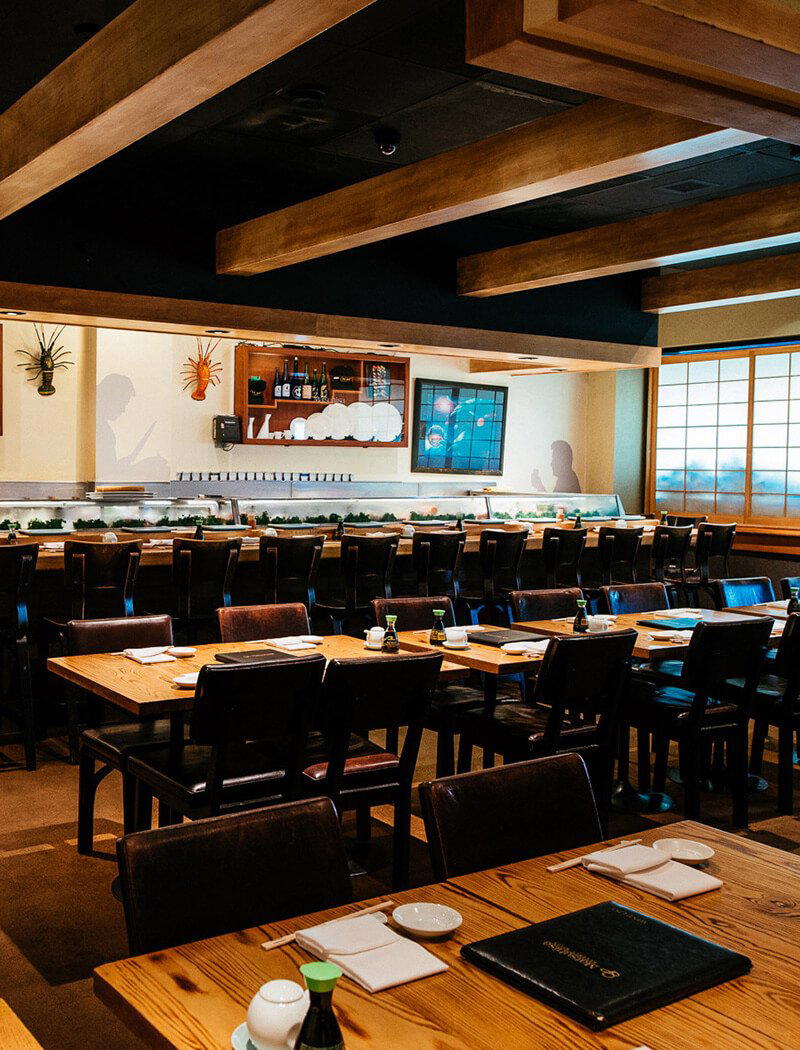
Where the Nobu Lineage Begins
Beverly Hills has always supported a particular kind of dining institution: the address that predates the celebrity circuit but ends up defining it anyway. On La Cienega Boulevard, Matsuhisa occupies that specific position in Los Angeles's Japanese dining history. It opened before the Nobu brand existed as a concept, before the global expansion that would eventually place a sister property in London, Malibu, and dozens of other cities. What remains on La Cienega is the original counter, the original fusion logic, and a dining room that measures itself against its own four-decade track record rather than the properties that followed.
That origin matters as context, not biography. The Japanese-Peruvian synthesis that now appears on menus from Nobu Malibu to Nobu in London was road-tested here first. In an era when Los Angeles sushi culture still organised itself around traditional nigiri formats and Japanese-American adaptations, Matsuhisa introduced South American acid, citrus technique, and a willingness to treat raw fish as a medium rather than a category. That approach has since been adopted, diluted, and replicated across the global market. The original address is where the approach was still being worked out.
The Aesthetic Logic of the Format
Japanese cuisine's relationship to seasonality and restraint runs deep, and kaiseki as a philosophical framework asks that each course respond to a moment in time: an ingredient at its peak, a temperature shift, a transition between seasons. Matsuhisa doesn't operate as a kaiseki house in the strict Kyoto sense, but the underlying discipline of reading what's available and building around it informs the Japanese-Peruvian format. The Peruvian ceviche tradition brings its own version of this attentiveness, built on citrus curing times, the balance of heat and acid, and the precision of a preparation that lives or dies on timing.
When those two traditions meet at a single counter, the result is a menu that functions somewhere between tasting progression and à la carte choice, where the kitchen's restraint shows in what it doesn't do as much as what it does. Los Angeles's broader fine-dining evolution has moved in this direction across multiple cuisines: Kato applies similar seasonal precision to New Taiwanese cooking, while Somni and Vespertine push the format further into progressive territory. Matsuhisa predates that movement by decades and arrives at some of the same conclusions from a different direction.
Position in the North American Dining Record
Opinionated About Dining, which aggregates recommendations from a community of experienced restaurant-goers and applies a weighted scoring methodology, ranked Matsuhisa at #149 among North American restaurants in 2025. That's an improvement on its #183 position in 2024, following a Highly Recommended citation in 2023. The trajectory is upward, which for a restaurant of this age signals consistency in execution rather than novelty. In the OAD framework, Japanese restaurants and omakase counters form a particularly competitive subset of the North American list; holding a position inside the top 150 alongside newer, more tightly controlled omakase formats is a meaningful data point.
For context: Providence, the contemporary seafood reference on Melrose, and Kato in Culver City both hold positions in the upper tiers of the same recognition system. The comparison reveals something about how Los Angeles fine dining is assessed externally: technical precision and clear culinary identity count for more than format novelty. Matsuhisa's longevity has not worked against its standing; if anything, the OAD data suggests the room is reassessing it upward.
That distribution is typical of restaurants where the menu and format create strong opinions in both directions: first-time visitors arriving with specific expectations, regulars who've tracked the kitchen over years, and guests navigating the à la carte format without a set tasting progression to anchor the experience.
Beverly Hills and the La Cienega Corridor
La Cienega Boulevard operates as one of Los Angeles's most concentrated dining corridors, running from West Hollywood into Beverly Hills with a density of restaurant real estate that reflects decades of lease churn and institutional survival. The restaurants that hold their address on this stretch for any significant duration tend to do so because the format has embedded itself into the area's dining culture rather than because rents are forgiving. Matsuhisa has held its position at 129 N La Cienega long enough to predate the current wave of Japanese counter dining that has moved into Beverly Hills and West Hollywood.
Nobu West Hollywood now operates within the same geographic cluster, which creates an interesting dynamic: the original address and the branded franchise version exist within a few miles of each other, appealing to overlapping but distinct audiences. Visitors who know the Nobu brand from international travel may book West Hollywood by default. Those tracking the culinary origin point tend to book La Cienega.
How It Compares in the LA Japanese Dining Tier
Los Angeles supports one of the most developed Japanese dining ecosystems outside Japan itself, spanning traditional edomae sushi, modern omakase counters, izakaya formats, and fusion-adjacent positions. The upper tier of that ecosystem now includes tightly controlled omakase rooms where a single seating format and chef-driven sequencing define the experience. Matsuhisa operates differently: its format is broader, the menu larger, the room capable of accommodating a wider range of dining occasions.
That breadth is sometimes read as a dilution of focus compared to a twelve-seat counter running one omakase per service. It can also be read as a different kind of discipline, one that requires a kitchen to execute a wide range across services and years rather than a narrow, controlled tasting. For comparison, Uchi in Austin has built a similar Japanese-fusion format into a multi-city brand while retaining OAD-level recognition at its original address. The parallel is instructive: origin addresses that maintain culinary credibility while the brand expands require a particular kind of operational consistency.
Restaurants at this tier in other American cities offer a useful frame: Le Bernardin in New York and The French Laundry in Napa both represent original addresses that have maintained critical standing while becoming reference points for their respective categories. Lazy Bear in San Francisco and Single Thread in Healdsburg apply similar seasonal discipline through different formats. Matsuhisa fits into that cohort of American restaurants where the original vision holds enough integrity to remain in the critical conversation without constant reinvention.
Planning Your Visit
Matsuhisa operates on a consistent schedule across all seven days: lunch runs from 11:45 am to 2:15 pm, and dinner from 5:45 pm to 10:15 pm. The symmetry of the schedule across lunch and dinner, seven days a week, is unusual for a Beverly Hills restaurant at this tier and suggests the kitchen is structured for sustained volume rather than selective service windows. The Beverly Hills location on La Cienega means parking logistics follow the standard West Side pattern: valet is the path of least resistance. For those building a wider Los Angeles itinerary, the full Los Angeles restaurants guide maps the broader dining context, while the Los Angeles hotels guide, bars guide, wineries guide, and experiences guide cover adjacent planning decisions.
Quick reference: 129 N La Cienega Blvd, Beverly Hills. Open daily for lunch (11:45 am–2:15 pm) and dinner (5:45–10:15 pm). OAD Top 149 in North America (2025).
Fast Comparison
Comparable options at a glance, pulled from our tracked venues.
| Venue | Cuisine | Price | Awards |
|---|---|---|---|
| MatsuhisaThis venue — the venue you are viewing | Sushi - Japanese | Not listed | Not listed |
| Kato | New Taiwanese, Asian | $$$$ | Michelin 1 Star |
| Hayato | Japanese | $$$$ | Michelin 2 Star |
| Vespertine | Progressive, Contemporary | $$$$ | Michelin 2 Star |
| Camphor | French-Asian, French | $$$$ | Michelin 1 Star |
| Gwen | New American, Steakhouse | $$$$ | Michelin 1 Star |
Recognition history
Dated appearances from independent guides and award organizations, with the underlying list record or original source where available.
Opinionated About Dining Top Restaurants in North America Highly Recommended
Opinionated About Dining
Opinionated About Dining Top Restaurants in North America Ranked #149
Opinionated About Dining
Opinionated About Dining Top Restaurants in North America Ranked #183
Opinionated About Dining
Opinionated About Dining Top Restaurants in North America Highly Recommended
Opinionated About Dining
Continue exploring
More in Los Angeles
Restaurants in Los Angeles
Browse all →
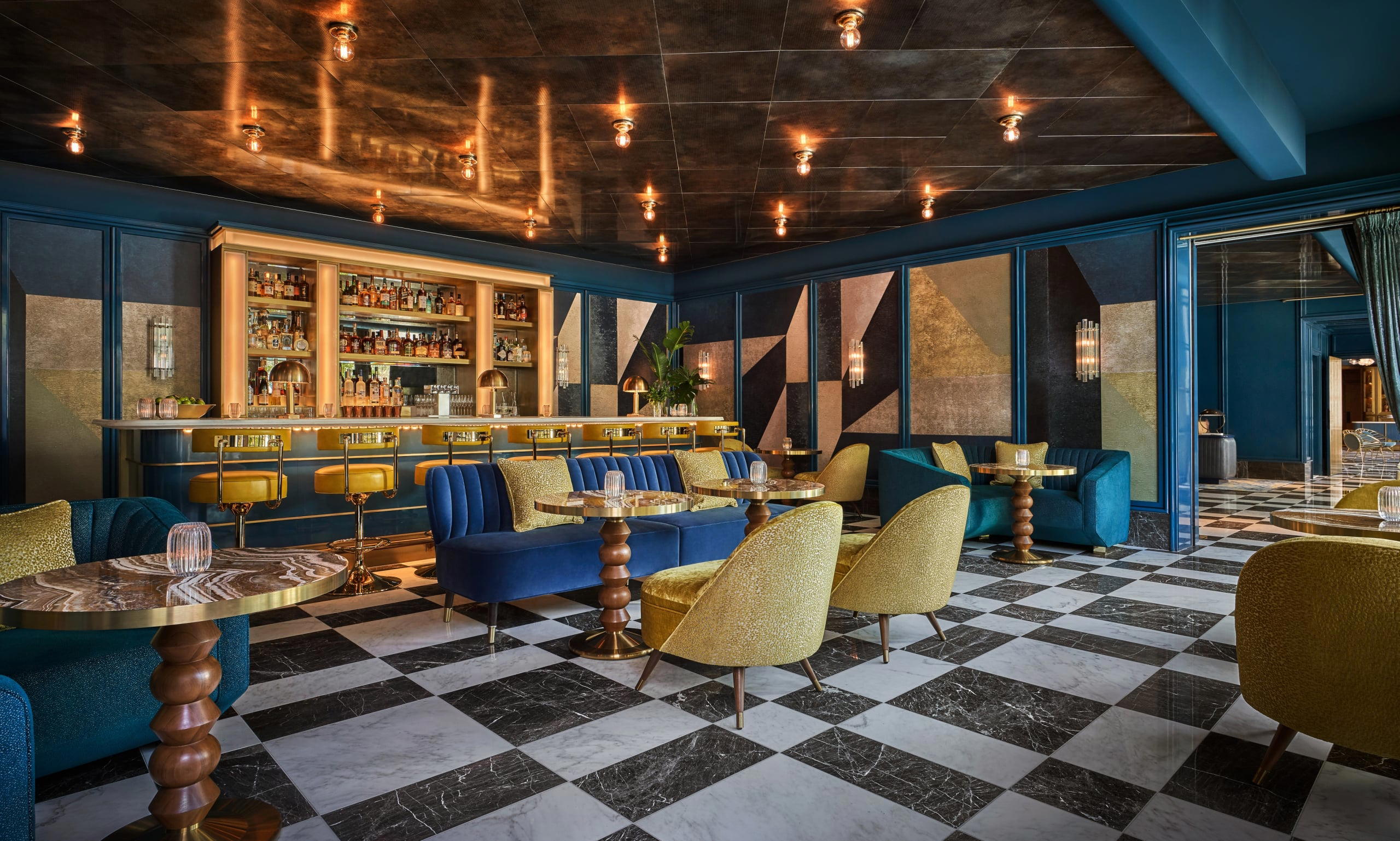
Bars in Los Angeles
Browse all →
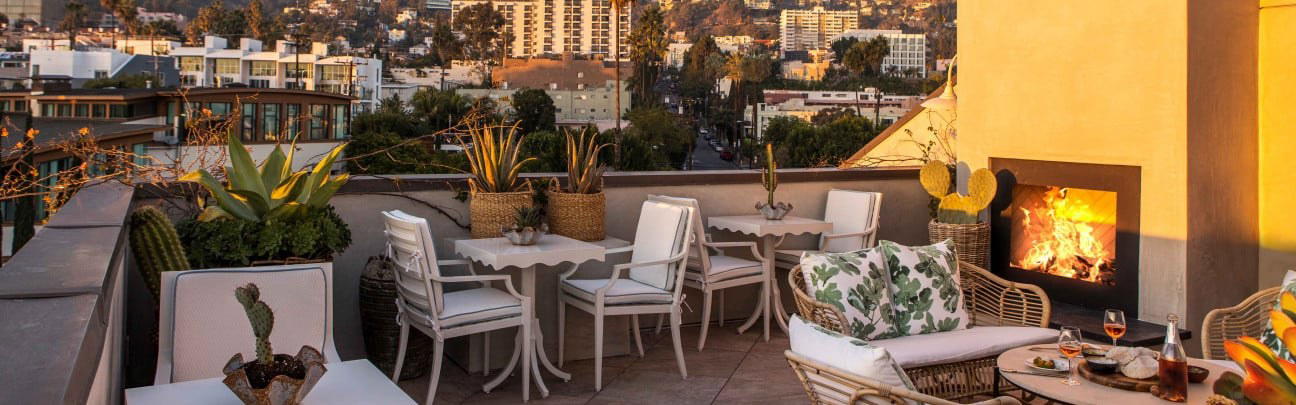
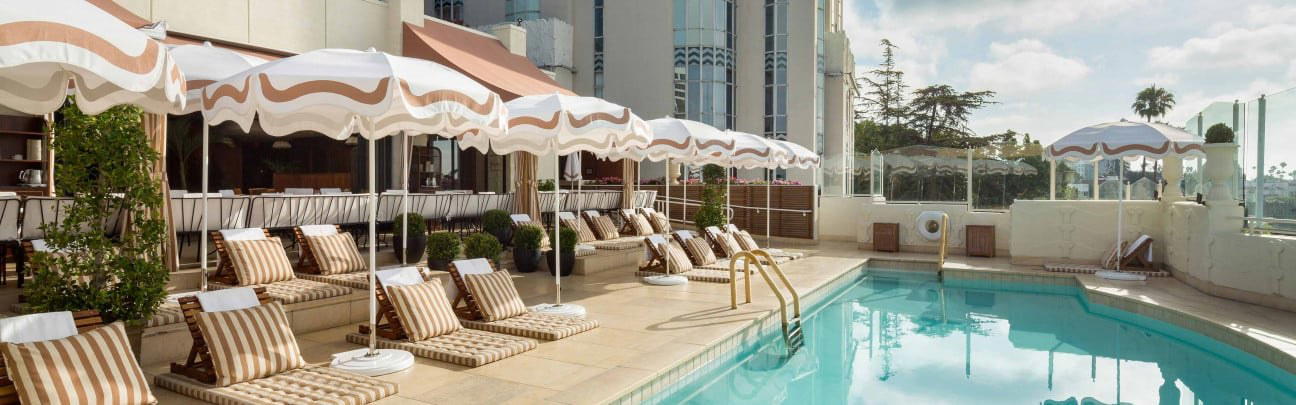
Hotels in Los Angeles
Browse all →
Wineries in Los Angeles
Browse all →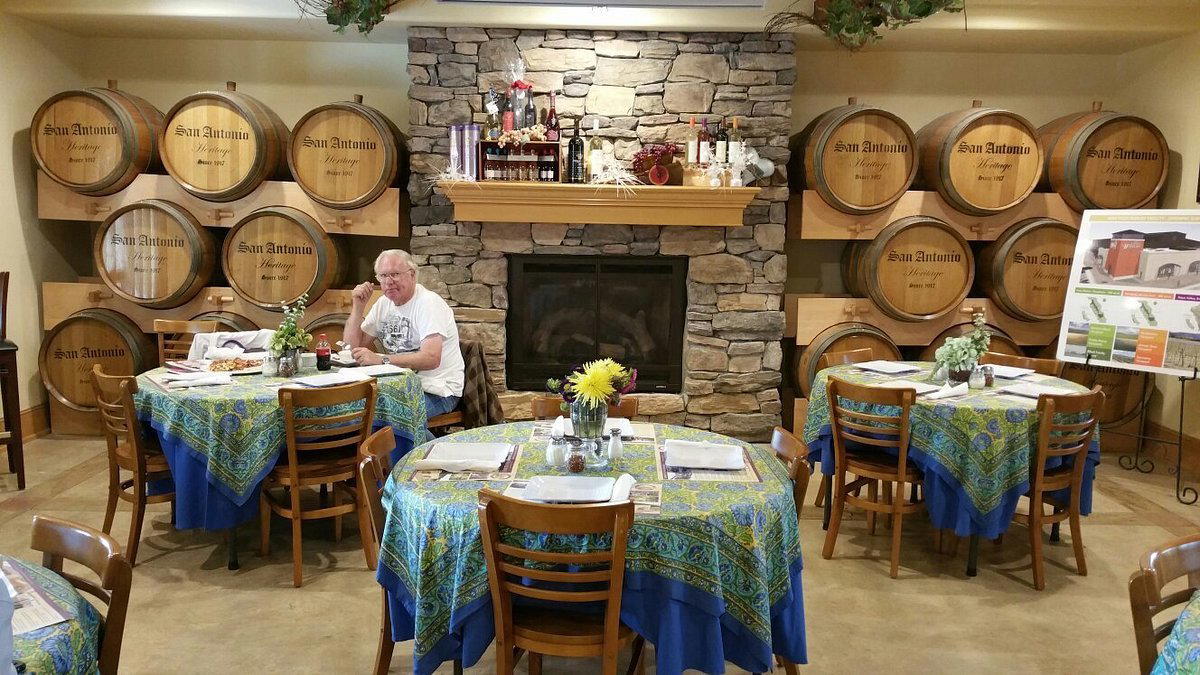
At a Glance
- Well Known
- Lively
- Sophisticated
- Date Night
- Special Occasion
- Business Dinner
- Chefs Counter
- Open Kitchen
- Sake Program
Current opening hours
- Monday
- 11:45 AM–2:15 PM, 5:45–10:15 PM
- Tuesday
- 11:45 AM–2:15 PM, 5:45–10:15 PM
- Wednesday
- 11:45 AM–2:15 PM, 5:45–10:15 PM
- Thursday
- 11:45 AM–2:15 PM, 5:45–10:15 PM
- Friday
- 11:45 AM–2:15 PM, 5:45–10:15 PM
- Saturday
- 11:45 AM–2:15 PM, 5:45–10:15 PM
- Sunday
- 11:45 AM–2:15 PM, 5:45–10:15 PM
Hours can change for holidays and private events. Last verified .
Unpretentious sushi bar atmosphere with dim lighting, tight seating, lively energy, and a focus on the open kitchen.
Know Before You Go
- Getting there
- 129 N La Cienega Blvd, Beverly Hills, CA 90211