matū


matū occupies a specific position in Beverly Hills dining: a Japanese steakhouse format that takes the cut seriously, with Opinionated About Dining recognition in both 2024 and 2025 and a Michelin Plate in both years. Chef Scott Linder runs a program that draws on Japanese beef traditions without framing itself as a tasting-menu exercise. Lunch and dinner service run seven days a week on South Beverly Drive.
Pearl is the En Primeur Club membership app — saves, bookings, and concierge access live there. Same editors, same standards.
- Address
- 239 S Beverly Dr Suite 100, Beverly Hills, CA 90212
- Phone
- (424) 317-5031
- Website
- matusteak.com
- Directions
- Get directions
 Saves & bookings on Pearl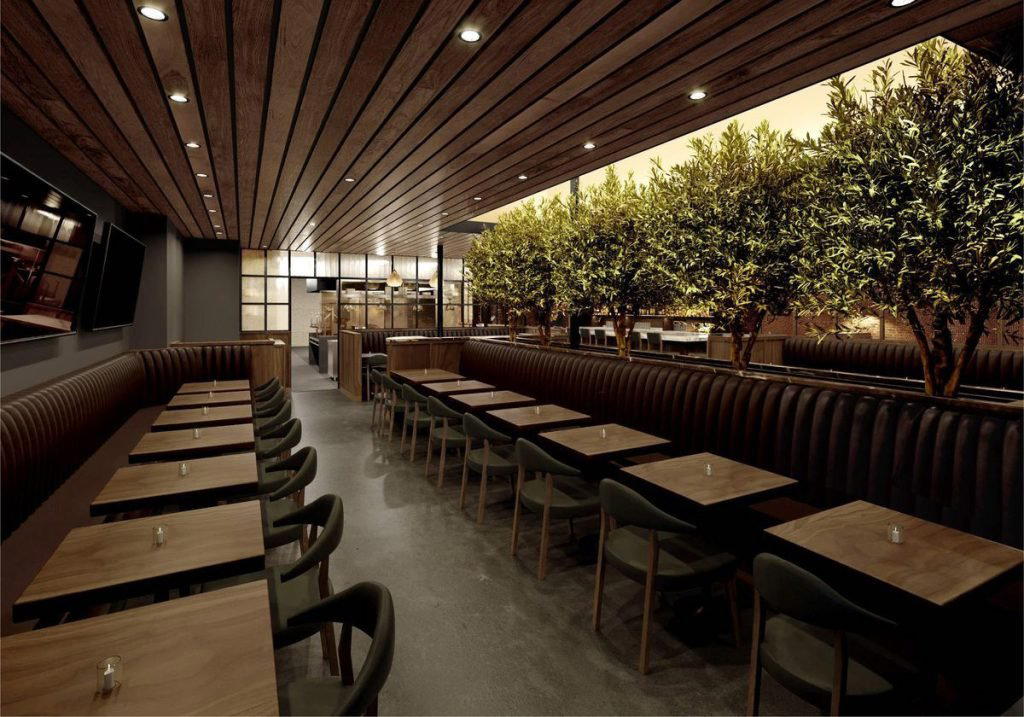
Where Beverly Hills Meets the Japanese Steakhouse Tradition
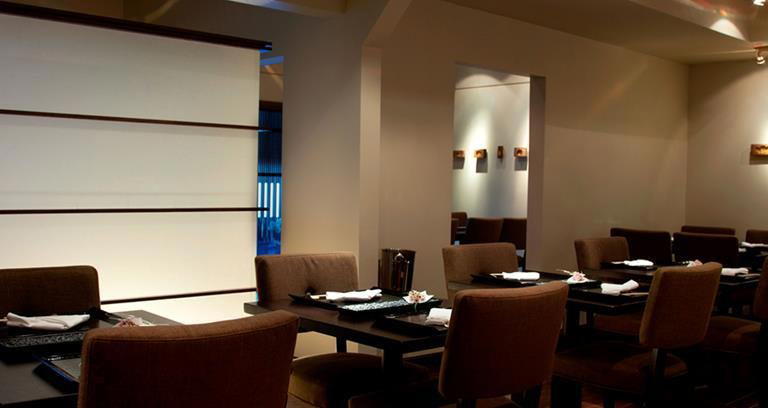
South Beverly Drive operates at a different register from the broader Beverly Hills restaurant scene. The street-level storefronts and ground-floor suites along this corridor sit outside the theatrics of Rodeo Drive but still attract the kind of clientele that treats dinner as a considered decision. matū occupies Suite 100 at 239 South Beverly Drive. The Japanese steakhouse format, when executed with restraint, works precisely this way. The spectacle is the meat, the knife work, and the sourcing decisions, not the room.
The Japanese steakhouse tradition, as it has evolved in American fine dining, has largely split into two camps: the tableside teppanyaki performance model and the counter-service wagyu-forward model that takes its cues from Tokyo's specialist beef restaurants. matū belongs closer to the latter, where the focus tightens around the cut itself and how it is handled, rather than the theatrics of the cooking process. In a city that has a dense concentration of high-end dining formats, that positioning is a deliberate editorial choice.
The Cut as the Argument
At particularly considered Japanese-influenced beef restaurants, this means understanding that the ribeye, the strip, the filet, and formats like the tomahawk each carry different muscular structure, fat distribution, and appropriate cooking windows. These are not interchangeable. The ribeye's intramuscular fat renders at lower temperatures; the strip carries a tighter grain that rewards higher heat and shorter resting times; the filet, low in fat, depends almost entirely on sourcing quality and precision of temperature control to avoid becoming the kind of inoffensive protein that justifies neither its price nor its occasion.
At restaurants where Japanese beef traditions inform the kitchen, the relationship between cut and grade becomes more granular still. Japanese grading systems score marbling separately from yield and overall quality, and a high-marbled wagyu ribeye from domestic or imported stock behaves differently from an American prime cut at the same grade designation. Restaurants that understand this distinction tend to make sourcing provenance visible on the menu, because the argument for price requires it. A $$$$ price point on South Beverly Drive carries an implicit contract with the guest: the cuts on offer need to justify themselves not just through cooking technique but through where they came from and why that matters.
Chef Scott Linder runs the kitchen at matū. The OAD list, which aggregates votes from a community of serious diners and industry figures, tends to surface restaurants that maintain consistency rather than those chasing headline moments. Moving forward on that list in consecutive years is the kind of signal that points to a kitchen executing at a steady level rather than riding an opening-year wave.
Positioning Within Los Angeles's High-End Dining Ecosystem
Japanese-focused programs like Hayato operate through kaiseki tradition; Taiwanese-influenced Kato works a produce-forward tasting format; Somni sits in the molecular-progressive bracket; Osteria Mozza anchors Italian at the leading end; and Providence remains the reference point for contemporary seafood in the city. Within that spread, a Japanese steakhouse format that centers beef and takes the cut taxonomy seriously occupies its own territory.
matū's Japanese framework creates a different set of reference points, more aligned with Tokyo's specialist beef counters than with the American steakhouse canon. That distinction matters for the guest: the flavor profiles, the expected preparations, and the accompaniment philosophy all differ substantially depending on which tradition the kitchen is drawing from. Beyond the city, the steakhouse conversation at the highest tier intersects with programs at places like Le Bernardin in New York City (which takes its own category extremely seriously) and the calibration work done at farm-to-table formats like Single Thread Farm in Healdsburg, where sourcing provenance drives the entire conversation.
Seven-Day Service and the Lunch Question
matū runs lunch and dinner seven days a week, opening at 11:30 am and running through to 2:00 pm for the midday service, then reopening at 5:30 pm for dinner through to 10:00 pm. This schedule is operationally demanding for a kitchen working at this price level; most comparable programs in LA either close one or two days mid-week or skip lunch service entirely. The lunch offering at a Japanese steakhouse context often represents one practical entry point for a first visit: a condensed format, typically lower price exposure, and the chance to assess the kitchen's core product before committing to a full dinner spend.
For visitors using LA dining as part of a broader itinerary, Beverly Hills positioning also means proximity to hotels that anchor the west side of the city. Lazy Bear in San Francisco, Alinea in Chicago, Atomix in New York City, The French Laundry in Napa, and Emeril's in New Orleans illustrate how seriously different American cities take the high-end dining format question. 8 1/2 Otto e Mezzo Bombana in Hong Kong is the relevant international benchmark for understanding how Japanese-influenced luxury dining translates across different markets.
matū operates at 239 S Beverly Drive, Suite 100, Beverly Hills, CA 90212. Service runs seven days a week: lunch from 11:30 am to 2:00 pm, dinner from 5:30 pm to 10:00 pm. The price range is $$$$.4 from 466 reviews.
Side-by-Side Snapshot
Comparable venues nearby, for context on price, style, and recognition.
| Venue | Cuisine | Price | Awards | Notes |
|---|---|---|---|---|
| matūThis venue — the venue you are viewing | Grass-Fed Wagyu Steak Omakase | $$$$ | Michelin Plate | Not listed |
| Fia Steak | Modern Steakhouse | $$$$ | Michelin Plate | Northeast |
| The Royce | Wood-Fired Steakhouse | $$$$ | Not listed | Oak Knoll |
| Ardor | Vegetable-Forward California Contemporary | $$$$ | Michelin Plate | WeHo |
| Charcoal Venice | Charcoal-Grilled Steakhouse | $$$$ | Michelin Plate | Venice |
| Carlitos Gardel | Argentine Steakhouse | $$$ | Michelin Plate | Beverly Grove |
Recognition history
Dated appearances from independent guides and award organizations, with the underlying list record or original source where available.
Michelin Plate
Michelin · 2026 Michelin Plate
Opinionated About Dining Top Restaurants in North America Recommended
Opinionated About Dining
Michelin Plate
Michelin
Opinionated About Dining Top Restaurants in North America Ranked #200
Opinionated About Dining
Michelin Plate
Michelin
Opinionated About Dining Top Restaurants in North America Ranked #228
Opinionated About Dining
Continue exploring
More in Los Angeles
Restaurants in Los Angeles
Browse all →
Bars in Los Angeles
Browse all →
Hotels in Los Angeles
Browse all →
Wineries in Los Angeles
Browse all →
At a Glance
- Romantic
- Elegant
- Modern
- Intimate
- Sophisticated
- Date Night
- Special Occasion
- Business Dinner
- Open Kitchen
- Chefs Counter
- Craft Cocktails
- Local Sourcing
- Sustainable Seafood
Current opening hours
- Monday
- 11:30 AM–2 PM, 5:30–10 PM
- Tuesday
- 11:30 AM–2 PM, 5:30–10 PM
- Wednesday
- 11:30 AM–2 PM, 5:30–10 PM
- Thursday
- 11:30 AM–2 PM, 5:30–10 PM
- Friday
- 11:30 AM–2 PM, 5:30–10 PM
- Saturday
- 11:30 AM–2 PM, 5:30–10 PM
- Sunday
- 11:30 AM–2 PM, 5:30–10 PM
Hours can change for holidays and private events. Last verified .
Dimly lit with wood panels, exposed brick, gleaming brass, candlelight, and open kitchen views creating a romantic and chic atmosphere.