Little Africa Cuisine
Little Africa Cuisine on Fulton Street brings sub-Saharan and pan-African cooking to Grand Rapids, a city whose dining scene has grown more adventurous in recent years. The restaurant occupies a stretch of East Fulton that has quietly accumulated some of the city's more interesting independent operators. For a city still building its international dining identity, it represents a meaningful point of difference.
Pearl is the En Primeur Club membership app — saves, bookings, and concierge access live there. Same editors, same standards.
- Address
- 956 Fulton St E, Grand Rapids, MI 49503
- Phone
- +1 616 222 1169
- Website
- facebook.com
- Directions
- Get directions
 Saves & bookings on Pearl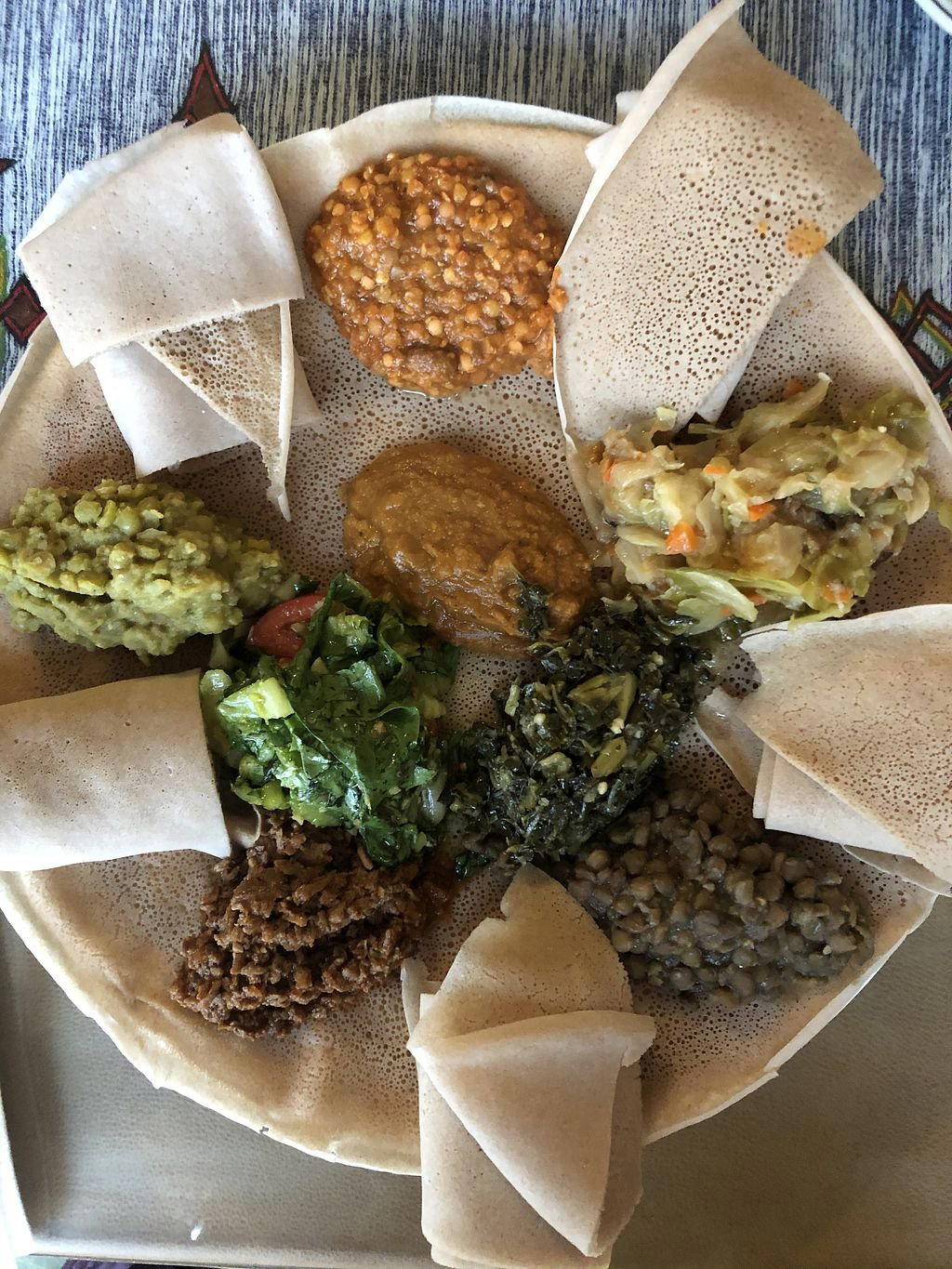
East Fulton and the Case for African Cooking in Grand Rapids
Grand Rapids has spent the better part of a decade assembling a more credible dining identity. The growth has come unevenly: a reliable cluster of European-influenced tables downtown, a few farm-to-table operations in the Heritage Hill corridor, and a scattering of international spots that reflect the city's increasingly diverse population. African cuisine, across the full breadth of that continent's culinary traditions, has remained underrepresented in the formal dining conversation. Little Africa Cuisine at 956 Fulton St E sits on a stretch of East Fulton that functions as one of Grand Rapids' more interesting independent dining corridors, where lease costs stay lower than the downtown core and operators with specific culinary points of view tend to take root.
The address places it in a walkable part of the city that rewards exploratory dining. East Fulton connects the Eastown neighbourhood to the broader urban grid, and the street has accumulated a range of independent restaurants that collectively give the area more character than any single venue could produce alone. In that context, a restaurant focused on African cooking does something specific: it anchors a culinary tradition that most Midwestern cities have failed to represent with any seriousness.
What African Restaurant Cooking Actually Looks Like in a Midwestern Context
Pan-African restaurant cooking in the United States occupies an interesting position. Unlike Japanese or Italian traditions, which have decades of critical infrastructure in the American market, African cuisines, plural, arrive without the same scaffolding of awards recognition, sommelier culture, or media coverage. That absence shapes the dining experience in practical ways. Restaurants working in this space often function as primary introduction points, places where the cooking has to carry the educational weight that a more established tradition distributes across guidebooks, culinary schools, and critical discourse.
The cuisines themselves, whether drawing from West African stew traditions, East African injera-based service, or North African spice frameworks, are internally diverse enough that a single restaurant rarely covers the full territory. Particularly focused operators tend to anchor in a specific regional tradition and build depth from there, rather than attempting continental breadth. That discipline, when it exists, produces better cooking and clearer identity for the guest.
For context on what focused culinary identity can achieve at the highest tier, operations like Atomix in New York City or Smyth in Chicago demonstrate how commitment to a specific culinary lineage, rather than broad international gesture, translates into sustained critical recognition. The principle scales down as well as up.
The Drink Side: Where African Cuisine and Beverage Programs Diverge from Convention
The editorial angle most often neglected in writing about African restaurants is the beverage program. European fine dining has built an entire critical language around wine pairing, cellar depth, and sommelier craft. That language does not map cleanly onto African culinary traditions, which historically pair with fermented grain drinks, palm wine, and spiced teas rather than with Burgundy or Barolo.
In practice, African restaurants in American cities have handled this gap in several ways. Some build conventional wine lists selected for compatibility with bold, spice-forward cooking, gravitating toward low-tannin reds, skin-contact whites, and off-dry Rieslings that hold up against heat and fermented ingredients. Others lean into the opportunity to introduce African-origin beverages, from hibiscus-based drinks to ginger preparations, that are more culturally coherent pairings. A few do both.
The question of what a beverage program looks like at a restaurant working in African culinary traditions is genuinely interesting, precisely because there is no established template to follow. At the premium end of the American market, restaurants like Blue Hill at Stone Barns in Tarrytown have demonstrated that beverage programs anchored in regional or cultural specificity, rather than conventional cellar prestige, can build their own authority. The same logic applies here, even if the scale and context are different.
Other Grand Rapids restaurants have taken varying approaches to their drink programs. Bistro Bella Vita and Blue Water represent the more conventional European-leaning wine list approach that dominates the city's mid-to-upper tier. Bobarino's works a different register. The point is that Grand Rapids has enough variety now that restaurants can differentiate meaningfully through their beverage choices rather than defaulting to a shared template.
Grand Rapids in Comparative Terms
Placing Grand Rapids in national context requires some honesty about scale. The city is not producing restaurants that compete directly with Le Bernardin in New York City, The French Laundry in Napa, or Providence in Los Angeles. What it is producing, increasingly, is a set of independent operators working specific culinary identities with more seriousness than the city's size might suggest. Addison in San Diego or Lazy Bear in San Francisco exist in a different market tier entirely. But the underlying question, whether a restaurant is doing something specific and doing it with conviction, applies at every scale.
The picture that emerges is of a city where particularly interesting restaurants tend to be independent operators on corridors like East Fulton, rather than downtown flagships. Other notable addresses in the broader area include 1001 Lake Dr SE and 1345 Lake Dr SE, which reflect different facets of the city's evolving restaurant geography.
The restaurants that have drawn national attention in recent years, places like Single Thread Farm in Healdsburg, Atelier Moessmer Norbert Niederkofler in Brunico, or The Inn at Little Washington, share a common thread: they operate from a specific, defensible culinary position rather than trying to be everything to every diner. That principle is as relevant on East Fulton as it is anywhere else. And Emeril's in New Orleans built lasting recognition by anchoring deeply in a regional culinary identity rather than chasing broader trends.
Planning Your Visit
Little Africa Cuisine is located at 956 Fulton St E in Grand Rapids, Michigan, in the Eastown-adjacent stretch of the East Fulton corridor. Prospective guests should check directly for current hours, reservation availability, and any changes to service format. East Fulton is accessible by car with street parking typically available in the immediate area, and the neighbourhood is walkable from several residential districts to the east of downtown.
Comparable Spots, Quickly
Comparable venues nearby, for context on price, style, and recognition.
| Venue | Cuisine | Price | Notes |
|---|---|---|---|
| Little Africa CuisineThis venue — the venue you are viewing | Authentic Ethiopian | $$ | Not listed |
| Two Scotts Barbecue | Michigan Regional BBQ | $$ | West Side |
| San Chez Bistro | Spanish Tapas Bistro | $$ | Downtown |
| Bobarino's | Wood-Fired Pizza & American Comfort Food | $$ | Downtown Grand Rapids |
| The Winchester | Contemporary American Gastro-Pub | $$ | East Hills |
| Slows Bar BQ Grand Rapids | Gourmet Barbecue | $$ | Downtown Grand Rapids |
Continue exploring
More in Grand Rapids
Restaurants in Grand Rapids
Browse all →
Bars in Grand Rapids
Browse all →
At a Glance
- Cozy
- Casual Hangout
- Family
Current opening hours
- Monday
- Closed
- Tuesday
- 11:30 AM–9 PM
- Wednesday
- 11:30 AM–9 PM
- Thursday
- 11:30 AM–9 PM
- Friday
- 11:30 AM–9:30 PM
- Saturday
- 11:30 AM–9:30 PM
- Sunday
- Closed
Hours can change for holidays and private events. Last verified .
Cozy and homestyle with dim lighting and simple decor that feels like dining at a friend's home.