Mango Café
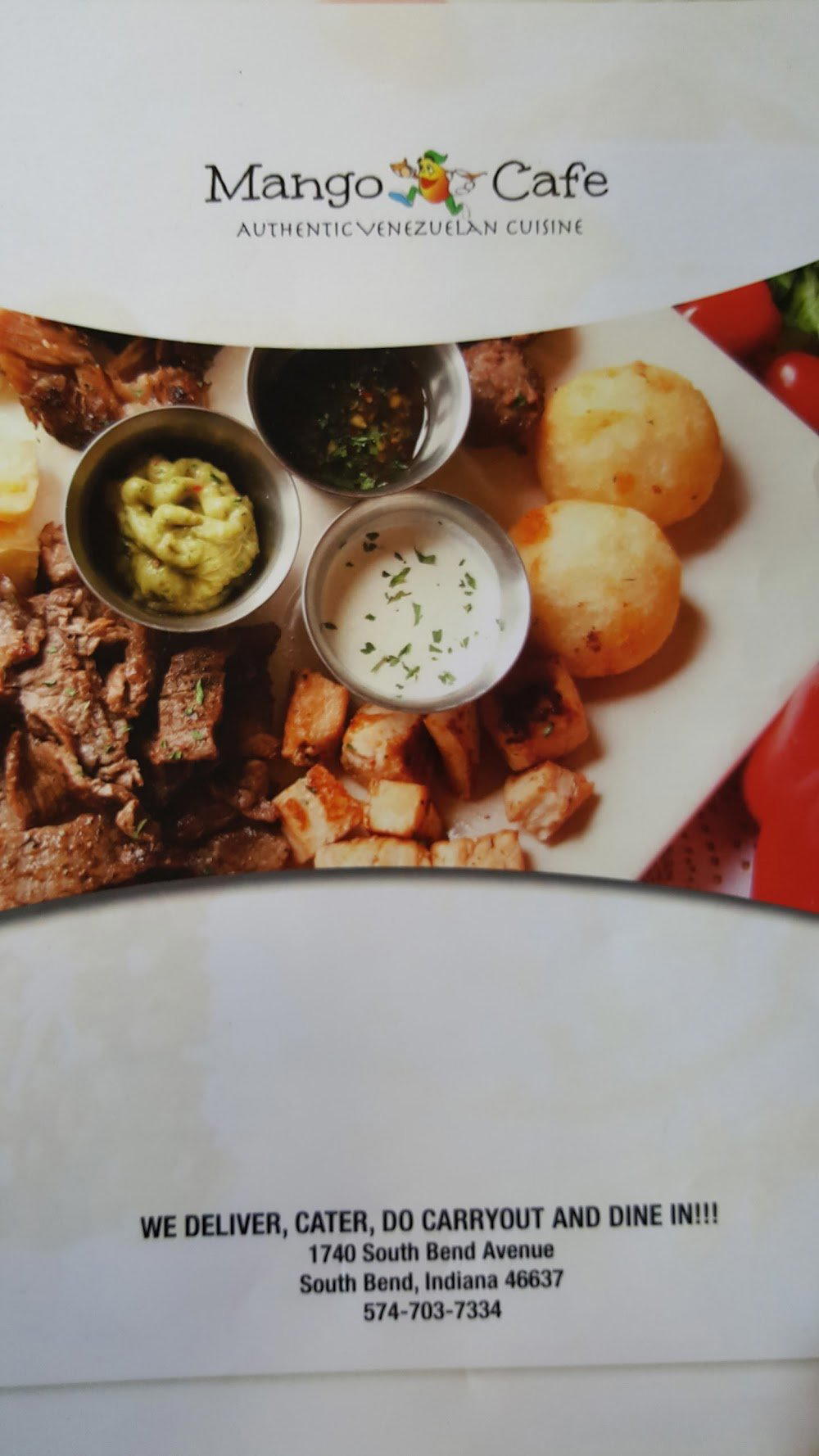
Mango Café occupies a spot on South Bend Avenue where the city's neighborhood dining scene plays out in a format that rewards walk-ins and regulars alike. Positioned within a local tier that includes spots like Chico's Mexican-American Restaurant and Jeannie's House Diner, it draws a crowd that values accessibility over ceremony. For visitors mapping the city's casual dining options, it fits the pattern of South Bend's community-anchored restaurant stock.
- Address
- 1740 South Bend Ave, South Bend, IN 46637
- Website
- m.facebook.com
- Directions
- Get directions
South Bend's Neighborhood Café Format, Read Through the Room
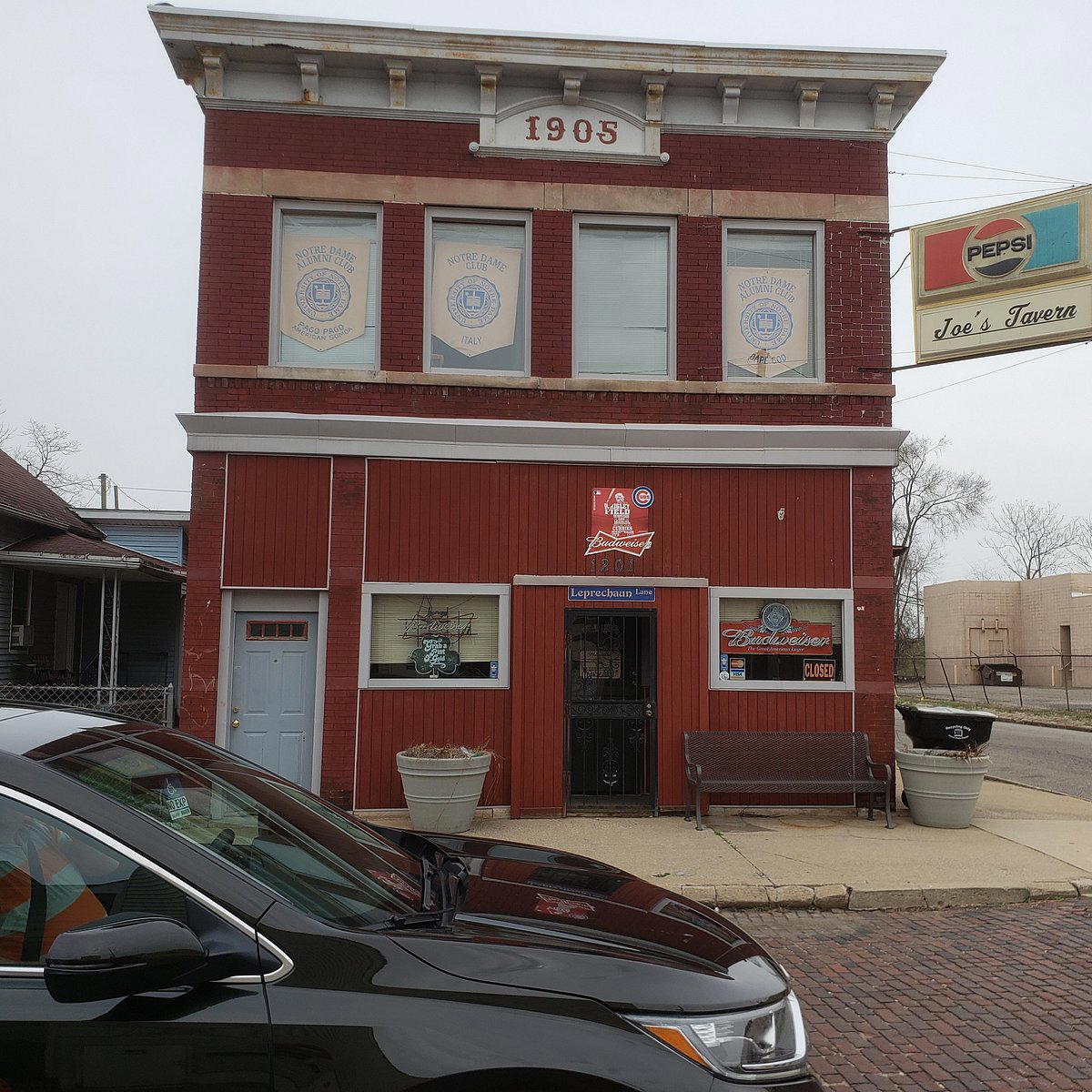
On South Bend Avenue, the physical container of a restaurant does a lot of work before any food arrives. The stretch running through this part of Indiana's fourth-largest city has attracted a specific type of establishment: places with visible street presence, practical interiors built for regularity rather than occasion, and a design language that signals community use over destination dining. Mango Café, at 1740 South Bend Ave, fits that pattern. The address places it within a corridor where the room itself communicates intent, not the hushed seriousness of a tasting-menu counter, not the theatrical fit-out of an urban concept bar, but a space oriented toward the practical rhythms of a local clientele.
This matters because the design and spatial choices of a neighborhood café in a mid-size Midwestern city tell you something about how that city eats. South Bend's dining scene has developed along two broad tracks: locally owned spots that serve the university and hospital district crowds, and a smaller tier of destination-oriented restaurants that draw from across the region. Mango Café's location on South Bend Ave positions it firmly in the first category, alongside spots like Jeannie's House Diner and L Street Kitchen, places where the room is designed around throughput and familiarity rather than architectural statement.
The Physical Logic of a Café on This Street
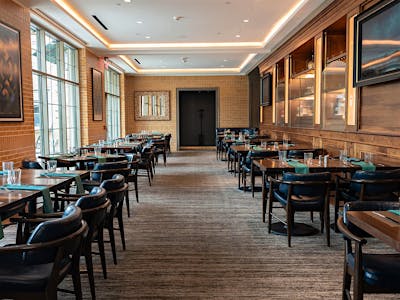
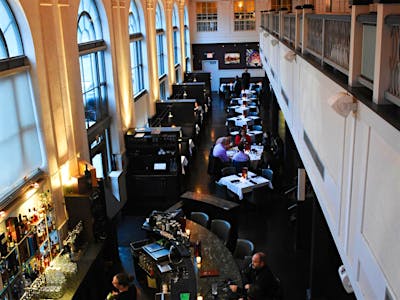
Cafés that anchor themselves on avenue corridors in cities like South Bend tend to share a spatial grammar. Natural light from street-facing windows, seating arrangements that allow for both solo visits and small group dining, and counter or bar elements that support quick-service as well as longer stays. This format has proven durable across American mid-size cities precisely because it doesn't require a guest to commit to an occasion, you can arrive alone on a Tuesday and the room accommodates you without ceremony.
That spatial flexibility distinguishes the neighborhood café from both the diner format (which tends toward fixed booth arrangements and a more explicitly nostalgic design register) and the fast-casual format (which sacrifices dwell time for throughput). The café sits between those poles, and the leading examples in cities like South Bend use that middle position to build a regular clientele that spans meal occasions. For comparison, consider how Frankie's BBQ and Chico's Mexican-American Restaurant each claim a specific format and demographic in this city, Mango Café's positioning on a primary avenue suggests a similarly defined sense of its own spatial identity.
Where Mango Café Sits in South Bend's Dining Tier
South Bend's restaurant market is not structured around the concentrated fine-dining density you'd find in Chicago, a city whose culinary tier includes Smyth, a James Beard Award-recognized destination that operates at a fundamentally different scale of ambition and investment. The comparison isn't a slight against South Bend; it simply reflects the different economic and demographic pressures that shape regional dining markets. Cities like South Bend produce a different restaurant type: places that survive on consistency, community loyalty, and spatial efficiency rather than on the press cycles and destination traffic that sustain high-investment tasting-menu operations.
That context places the restaurant in a comparable set that also includes Juan Camaney - Pupusas Restaurant, where a specific culinary tradition anchors community identity. Across American mid-size cities, the restaurants that endure in this tier do so by becoming genuinely embedded in neighborhood life, not by chasing the design language of destination restaurants in markets like New York, where Atomix or Le Bernardin set a standard that is simply a different kind of project entirely. A café on South Bend Avenue is making a different argument about what a restaurant can be, and that argument is worth taking seriously on its own terms.
The Broader Frame: What Regional Café Culture Tells Visitors
For visitors arriving in South Bend, whether for Notre Dame events, business in the medical corridor, or a regional road trip, the decision about where to eat is often a decision about what kind of city experience you want. The destination-dining tier, which in the Midwest is well represented by venues like Smyth in Chicago or, further afield, Lazy Bear in San Francisco and The French Laundry in Napa, requires advance planning, dress consideration, and a kind of dedicated evening. The neighborhood café tier requires none of that. It asks only that you show up.
That accessibility is its own form of value, and in a city like South Bend it's the form of value that most residents rely on most of the time. Places like Blue Hill at Stone Barns or Providence in Los Angeles occupy one end of the American restaurant spectrum, venues where the physical environment has been designed with significant investment as part of a total hospitality proposition. The restaurant occupies the other end: a space shaped by community need and street-level economics, where the design serves function rather than statement. Both ends of that spectrum are doing honest work.
Planning a Visit: What to Expect Practically
The restaurant is located at 1740 South Bend Ave, South Bend, IN 46637, positioned for direct access from the main avenue. As with most independently owned cafés in this tier across American mid-size cities, the practical experience is governed more by the rhythms of neighborhood traffic than by formal booking systems. For a broader map of where the restaurant fit among South Bend's independent dining options, the full South Bend restaurants guide provides context across multiple formats and price points.
At a Glance
Comparable venues nearby, for context on price, style, and recognition.
| Venue | Cuisine | Price | Notes |
|---|---|---|---|
| Mango CaféThis venue — the venue you are viewing | Venezuelan | $ | Not listed |
| Juan Camaney - Pupusas Restaurant | West side, Salvadoran Pupusas | $ | Not listed |
| Lacopo's Pizzeria | West Side, Southern Italian Pizza | $$ | Not listed |
| Jeannie's House Diner | East Side, Classic American Diner | $ | Not listed |
| Nom Nom Pho | downtown, Vietnamese Pho & Fusion | $$ | Not listed |
| Sunrise Cafe | Not listed | $ | West Side, Classic American Breakfast Diner |
Continue exploring
More in South Bend
Restaurants in South Bend
Browse all →
At a Glance
- Cozy
- Lively
- Casual Hangout
- Family
- Standalone
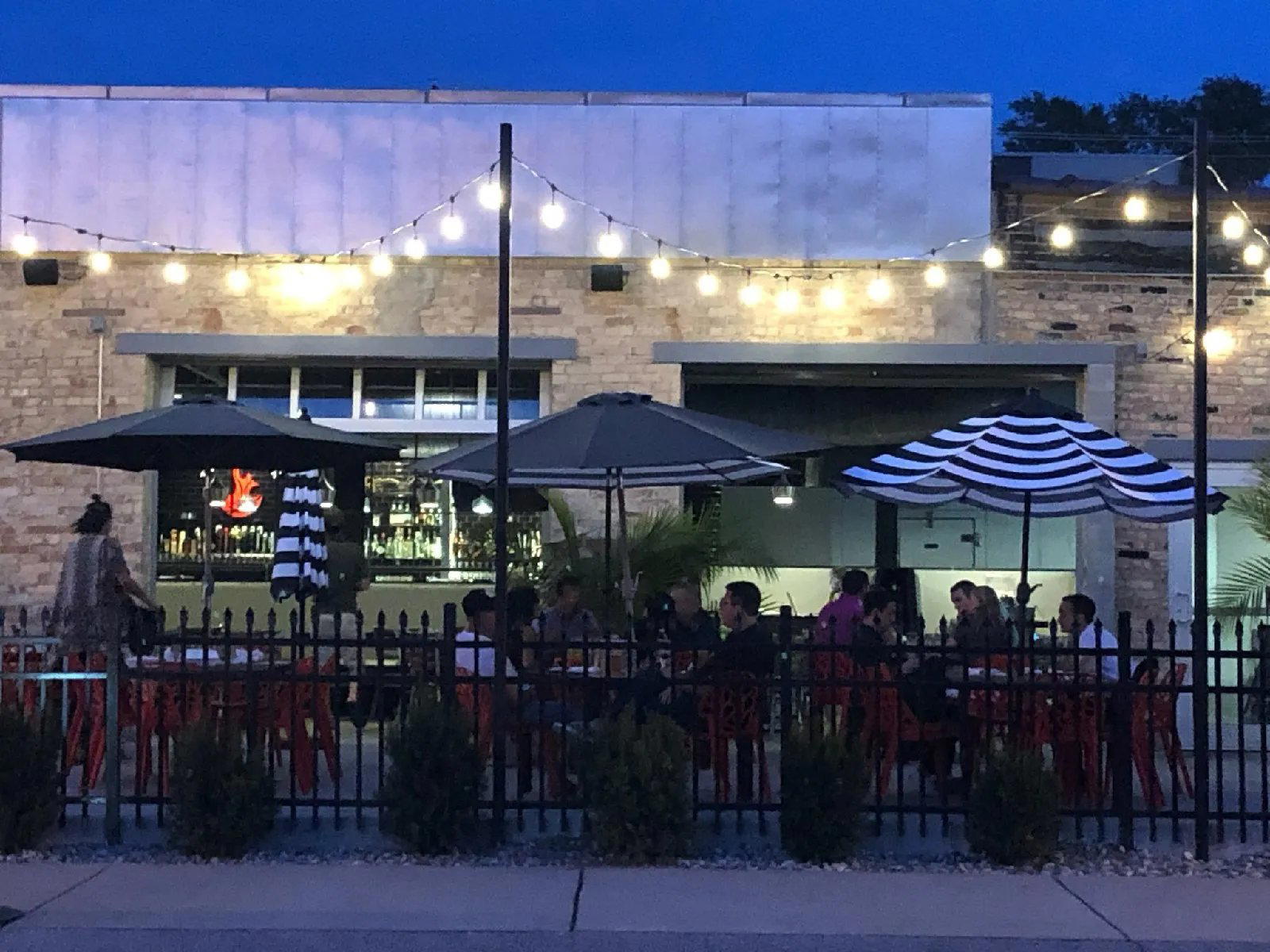
Lively and welcoming with colorful decor creating a warm, inviting atmosphere.