Our verdict
Sushi in Wałbrzych occupies a niche that sits well outside the city's industrial heritage, and MAMYTO at Forteczna 1/i is part of a small cohort bringing Japanese counter culture to Lower Silesia. The address places it away from the more obvious city-centre corridors, which is itself a signal about the audience it draws. For a city better known for coal history than raw fish, the existence of a dedicated sushi operation is worth noting.

Pearl is the En Primeur Club membership app, where members save venues, book tables and use the concierge.
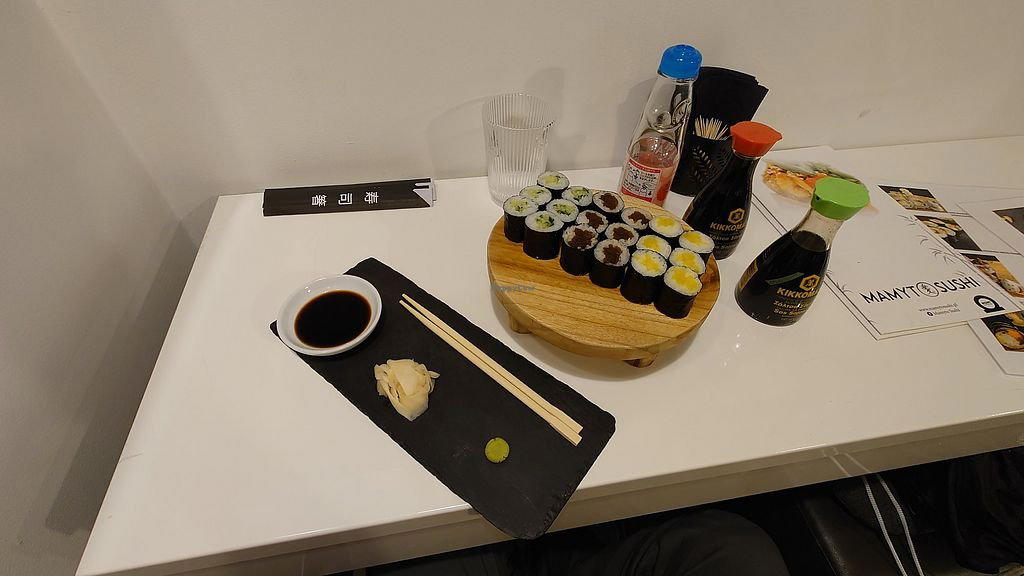
Sushi in a Post-Industrial City: What MAMYTO Represents for Wałbrzych
Wałbrzych does not have the dining infrastructure of Kraków or Warsaw. Its restaurant scene reflects a city still finding its footing as a post-industrial destination, with a handful of serious operations scattered across a centre that prioritises function over spectacle. Against that backdrop, a sushi restaurant at Forteczna 1/i is a deliberate statement about where the city's appetite is heading. MAMYTO Sushi belongs to a pattern visible across Poland's secondary cities: as urban populations grow younger and more travelled, Japanese food formats arrive not in the capital first but in distributed clusters, often anchored by one or two operators willing to build a customer base from scratch.
Across Poland, sushi has moved from a novelty category to a contested one. Cities like Gdańsk have operations such as Hashi Sushi that have built durable reputations, while Częstochowa has seen Hattori Hanzo anchor Japanese dining for a regional audience. Wałbrzych sits further down that distribution curve, which means MAMYTO operates with less competition but also less of the dining-out culture that sustains high-turnover sushi counters in larger cities.
The Sourcing Question in Landlocked Lower Silesia
Ingredient provenance is the central challenge for any sushi operation in Poland's interior. Lower Silesia is roughly 500 kilometres from the Baltic coast and has no meaningful access to domestic maritime supply chains. The nearest serious fishing ports are in the north, and the fish quality that arrives in Wałbrzych depends entirely on the operator's willingness to pay for refrigerated logistics or work with specialist importers who bring Japanese or Norwegian product through Warsaw distribution hubs.
This is not a trivial distinction. The difference between a sushi restaurant that sources salmon from a commodity distributor and one that maintains a direct import relationship with a Japanese fish broker shows up immediately in the texture and temperature of what arrives at the table. In Poland's larger cities, a small number of dedicated importers have built reliable cold-chain pipelines for products like bluefin tuna, yellowtail, and sea urchin. Whether those supply lines extend meaningfully to Wałbrzych is the operational question that separates a serious sushi offer from a localised approximation. For context, venues at the sharper end of the Polish Japanese dining spectrum, including counterparts in Warsaw and Kraków, typically work with importers who receive air-freight product from Tokyo's Toyosu market on a twice-weekly basis.
For the reader who cares about this: the address at Forteczna 1/i offers no public-facing information about sourcing at this stage, but it is the right question to ask before committing to an omakase-style format versus a more casual roll selection. The answer will tell you quickly what tier of operation you are dealing with.
Where MAMYTO Sits in the Polish Sushi Hierarchy
Poland's sushi scene has a clear stratification. At the leading, counter-format operations in Warsaw and Kraków compete on Japanese technique and imported product. For reference, Kraków's fine dining scene has been measured against operations like Bottiglieria 1881, which signals the ceiling of serious dining ambition in that city. Further along the Polish restaurant map, Poznań has Muga operating at a modern European level, while Gdańsk's Arco by Paco Pérez brings international culinary lineage to the northern coast. These are the reference points for what serious Polish dining looks like in 2024.
MAMYTO does not need to compete with that tier to be worth visiting. Secondary-city sushi operations across Europe often develop a loyalty and intimacy that larger urban venues cannot replicate. In Białystok, Kwestia Czasu has built a following that operates almost independently of Warsaw comparisons. In Olsztyn, Cudne Manowce takes a similarly self-referential approach to its regional audience. MAMYTO likely functions within the same logic: the relevant peer group is what exists in Wałbrzych and the immediately surrounding Lower Silesian towns, not the Michelin-adjacent counters of the capital.
For broader context on what sushi can achieve at the highest technical level, venues like Atomix in New York represent the Korean-Japanese fusion counter format at its most technically demanding, while Le Bernardin remains the reference point for what rigorous seafood sourcing looks like in a Western fine dining context. These are not direct comparisons to MAMYTO, but they define the tradition that any serious sushi operation draws from, even at a regional remove.
Planning a Visit to Forteczna 1/i
MAMYTO Sushi is at Forteczna 1/i in Wałbrzych, postcode 58-316. Public booking and hours information is not currently available through standard channels, so confirming a reservation in advance by arriving during likely evening service windows is the practical approach. Wałbrzych is accessible by train from Wrocław in under an hour, making a day-trip or early evening visit from the regional capital a reasonable option for those combining it with our full Wałbrzych restaurants guide. For readers building a wider Polish itinerary, the Lower Silesian dining scene also includes reference points in Katowice, where Art Katowice operates at a different price tier, and in Rzeszów, where Włoska Restauracja Bellanuna anchors Italian dining in the southeast. Other regional comparisons worth tracking include Górnik in Kraków, hub.praga in Warsaw, Giewont in Kościelisko, Kuchnia Manhattan in Gorzów Wielkopolski, MaQAron Spaghetteria in Bydgoszcz, and Lolo Thai Jolo in Gdynia, all of which map the range of serious non-capital dining in Poland today.
Frequently asked questions
Can I bring kids to MAMYTO Sushi?
Nothing in the available record for MAMYTO Sushi at Forteczna 1/i signals an adults-only policy, and sushi counters in Polish cities of Wałbrzych's scale typically accommodate family visits outside peak hours. That said, a compact counter format rewards diners who can sit still and engage with the meal.
What's the overall feel of MAMYTO Sushi?
MAMYTO occupies an address on Forteczna 1/i in a city better known for its coal-mining past than its restaurant culture, which shapes expectations usefully: this is not a high-gloss Warsaw omakase room. The setting reflects Wałbrzych's character, a city rebuilding its identity, and a sushi counter here carries a different weight than one in Kraków or the capital. Expect something more neighbourhood-rooted than scenographic.
Is MAMYTO Sushi one of the only dedicated sushi venues in Wałbrzych?
Wałbrzych's restaurant scene is limited compared to Kraków or Warsaw, and standalone sushi operations in a city of this size and post-industrial profile are rare rather than common. MAMYTO Sushi at Forteczna 1/i represents an unusual format for Lower Silesia, where Japanese counter dining has far less of a foothold than in Poland's major urban centres. For residents of the region, it fills a gap that most comparable Polish cities outside the top tier cannot claim to have covered.
What's the best thing to order at MAMYTO Sushi?
For any sushi operation running in landlocked Lower Silesia, sourcing logistics shape what actually arrives at the counter, and the items with the shortest supply chain from sea to plate are usually the ones worth prioritising. Ask staff directly which preparations reflect the day's delivery.
Comparable Venues
Comparable venues nearby, for context on price, style, and recognition.
| Venue | Cuisine | Price | Notes |
|---|---|---|---|
| MAMYTO SushiThis venue (the venue you are viewing) | Japanese Sushi | $10–20 | Not listed |
| Oberża pod Czerwonym Wieprzem | Traditional Polish Communist-Era Cuisine | $20–30 | Mirów |
| Dom Sushi | Modern Japanese Sushi & Ramen | $20–30 | Old Town |
| Ato Ramen | Modern Vegan Ramen | $10–20 | Stare Miasto |
| Myeongchon | Korean | $20–30 | Wrocław City Center |
| Samsara Restauracja Indyjska | Authentic Indian Vegetarian | $10–20 | near the center |
Continue exploring
More in Wałbrzych
Restaurants in Wałbrzych
All restaurants in Wałbrzych →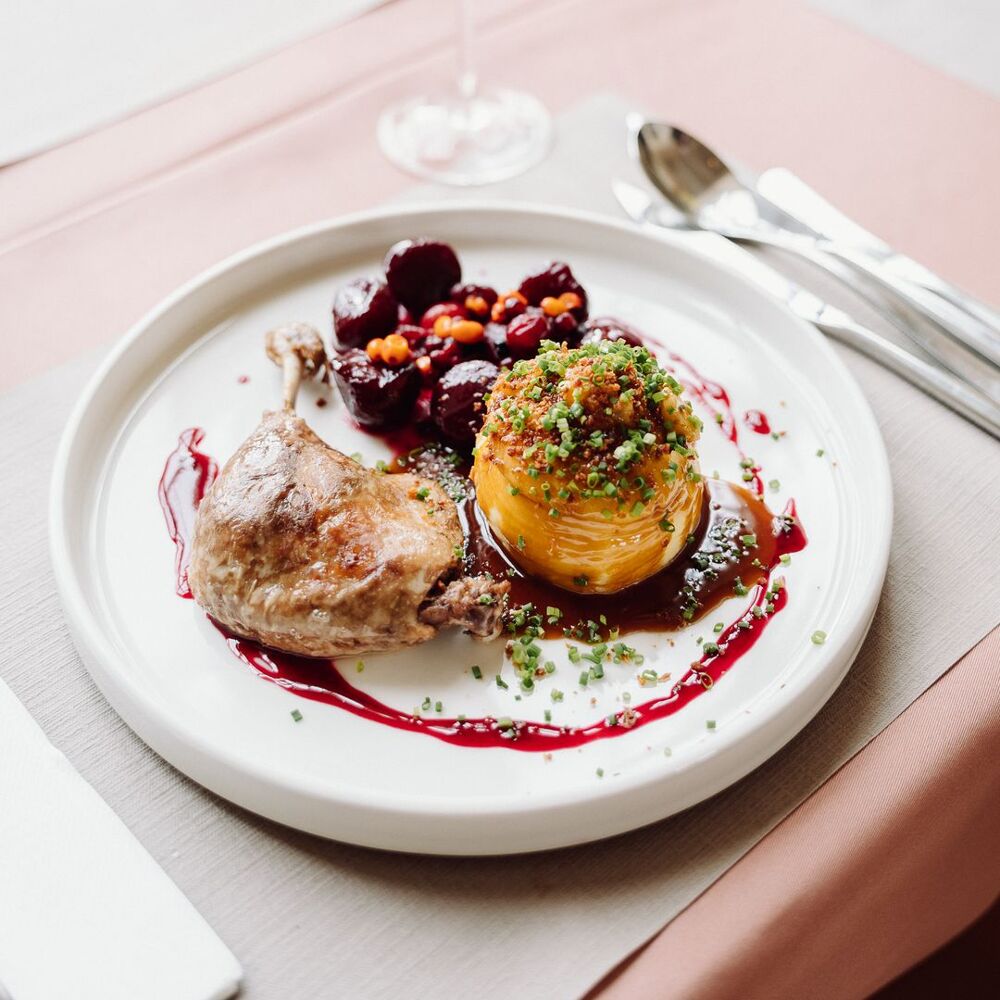
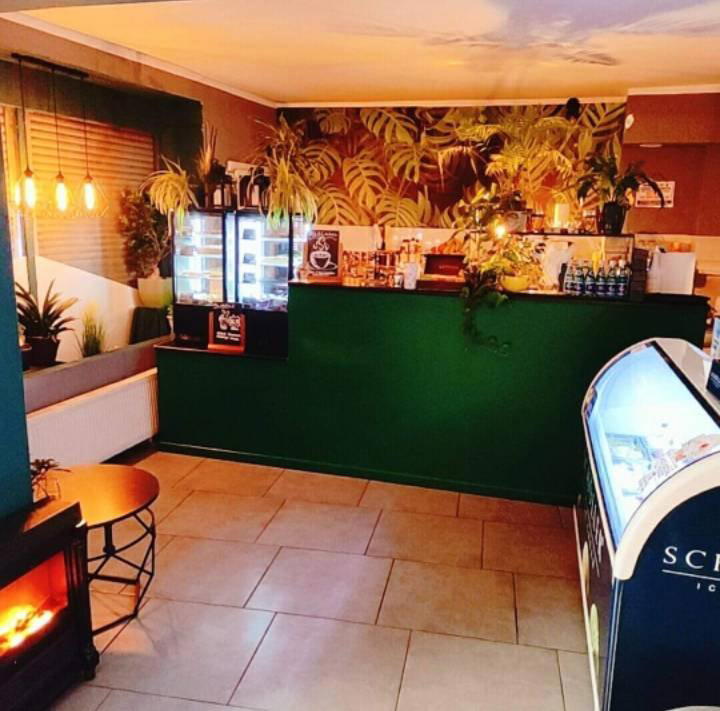
Wineries in Wałbrzych
Browse all →
Details
- Casual
- Modern
- Casual Hangout
- After Work
- Standalone
- A La Carte
- Vegetarian Friendly
- Vegan Options
Current opening hours
- Monday
- Closed
- Tuesday
- Closed
- Wednesday
- 1–8 PM
- Thursday
- Closed
- Friday
- 1–8 PM
- Saturday
- 1–8 PM
- Sunday
- 1–8 PM
Hours can change for holidays and private events. Hours as of .
Casual dining environment with outdoor seating available, modern sushi eatery atmosphere.