Maison Jullian sits along the Canal du Midi's Port Neuf channel in Béziers, placing it within a city that punches above its culinary weight for a southern French town of its size. With limited public data available, EP Club recommends verifying current hours and booking details directly before visiting. See our full Béziers guide for context on the wider dining scene.
 Discover on Pearl
Pearl is the En Primeur Club membership app — saves, bookings, and concierge access live there. Same editors, same standards.
- Address
- 1 Chem. de Halage du Port Neuf, 34500 Béziers, France
- Phone
- +33616133348
- Website
- maisonjullian.com
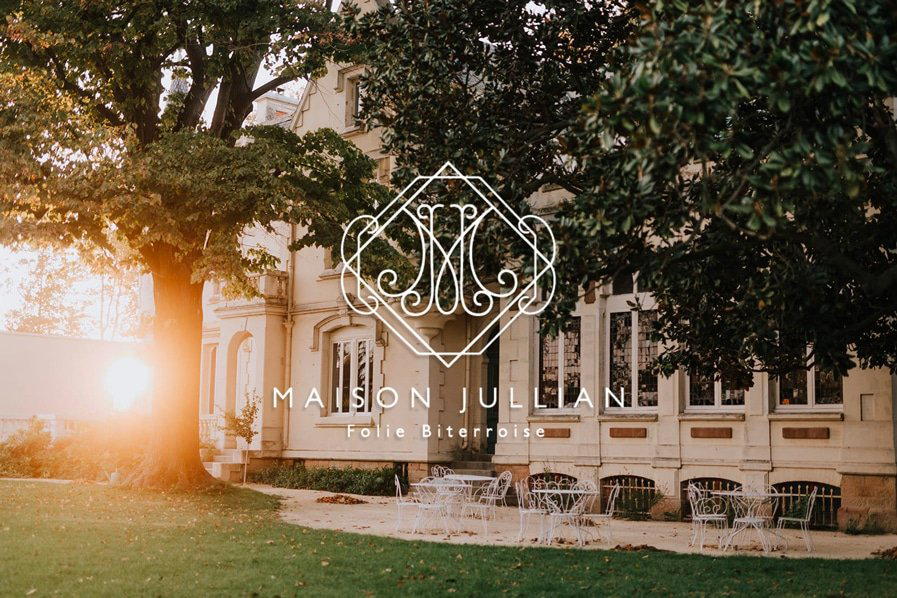
Where the Canal Sets the Scene
Maison Jullian is a restaurant in Béziers, France, serving seasonal French slow food at an accessible mid-range price point of about $40 per person. The address alone frames what kind of dining experience Béziers can offer at its quieter margins. Maison Jullian sits on the Chemin de Halage du Port Neuf, the old towpath running alongside the Canal du Midi, a stretch of waterway that UNESCO listed as a World Heritage Site in 1996. Barge traffic and plane trees, not boulevards and brasseries, define the immediate surroundings. Arriving here, you are already outside the city's commercial centre, in a register that southern France does well: lunch with a view of still water, the kind of setting where the light off the canal does more atmospheric work than any interior designer could.
That canal-side position matters as context for understanding what Béziers offers visitors willing to move beyond its better-known neighbour, Montpellier, or the coastal draw of Sète. Béziers is an old city, the oldest in France by some historical accounts, and its relationship with the table reflects the layered food culture of the Languedoc-Roussillon region: a cuisine shaped by Roman viticulture, Cathar history, and centuries of working with the land and sea between the Massif Central and the Mediterranean coast.
Languedoc Cooking in Its Regional Frame
To understand what a restaurant like Maison Jullian represents within Béziers, it helps to understand what Languedoc cuisine actually is. This is not Provençal cooking, despite the proximity. The Languedoc tradition leans on brasucade, bull stew, salt cod preparations from the étangs littoraux, and the earthy legume-forward dishes that sustained a working population rather than the aristocratic table. Olive oil, garlic, and the herbs of the garrigue form the aromatic backbone. The wines, historically dismissed as bulk production from the Hérault flatlands, have spent the past thirty years undergoing a serious credibility shift, with appellations like Pic Saint-Loup and Faugères now producing wines that sit comfortably alongside mid-tier Rhône references.
Within that regional frame, dining in Béziers occupies a specific position. The city does not have the fine-dining infrastructure of Montpellier, nor the seafood concentration of Sète or Marseille, where AM par Alexandre Mazzia represents the furthest reach of what a French coastal city can produce at the leading level. Béziers is more modest in its ambitions and more honest for it. The dining scene here clusters around a core of mid-range restaurants that draw on local ingredients and regional technique without the self-consciousness of cities competing for culinary recognition. Among the most-discussed addresses in that mid-tier, Calice and L'Alter-Native represent the modern cuisine bracket, with L'Alter-Native operating at the higher price point of €€€€ and Calice sitting in the €€€ range. L'Ambassade and La Maison de Petit Pierre extend the options further, with La Maison de Petit Pierre grounding its offer in Mediterranean cooking. La Table de Jean rounds out a scene that is coherent if not extensive.
What Sets the Canal-Side Address Apart
Location in a city this size does significant work in differentiating one table from another. Béziers is not a city where ambience is generated by density or neighbourhood energy; the city centre has its own compact character, but the outlying areas along the canal move at a different pace. A canal-side address in this part of southern France belongs to a specific dining tradition: the guinguette and the riverside lunch, meals that extend unhurriedly into the afternoon, tied more to the rhythm of the water and the season than to the clock. That tradition runs deep across southern France and is part of what the Canal du Midi, engineered by Pierre-Paul Riquet and completed in 1681, physically enabled: slow movement, stops, tables set close to the water.
For reference on what France's most recognised restaurants have built at a different scale and resource level, tables like Mirazur in Menton, Bras in Laguiole, or Flocons de Sel in Megève all demonstrate how location becomes integral to the cooking itself, not merely backdrop. At that level, the setting is encoded in the menu. Whether Maison Jullian draws as explicitly on its canal-side position is not confirmed by available data, but the address places it within that tradition by geography alone. Elsewhere in France's longer fine-dining lineage, Auberge de l'Ill in Illhaeusern is perhaps the most instructive comparison: a three-star table whose riverside location on the Ill in Alsace is inseparable from its identity. Troisgros, Paul Bocuse, and Alléno Paris au Pavillon Ledoyen each represent the institutional end of French dining, where setting, lineage, and reputation compound over decades. Assiette Champenoise in Reims and Au Crocodile in Strasbourg show how regional French cities can sustain serious kitchens outside the Paris orbit. Béziers operates at a different scale, but the structural question is the same: does the location anchor the cooking or simply decorate it?
Planning a Visit
Given the canal-side address on the Chemin de Halage du Port Neuf, visitors arriving by car should allow for the navigation away from the central city grid; the towpath address sits outside the walkable core. Reaching the Canal du Midi on foot from the centre is possible but not the natural approach for a dining visit. For those tracking the technical outer edge of what French kitchens are producing internationally, Le Bernardin in New York City and Atomix represent the kind of reference points that contextualise how far a regional French address sits from the global conversation, and why that distance is not necessarily a disadvantage.
Price Lens
Comparable venues nearby, for context on price, style, and recognition.
| Venue | Cuisine | Price | Awards | Notes |
|---|---|---|---|---|
| Maison JullianThis venue — the venue you are viewing | Port Neuf, Seasonal French Slow Food | $$$ | , | |
| Ô petits Bontemps | $$$ | , | Place du 14 Juillet, Modern French Brasserie | |
| Le chameau ivre | $$ | , | Place Jean Jaurès, French Bistro with Tapas | |
| L'Ambassade | centre-ville, Modern French Gastronomic | $$$ | Michelin Plate | |
| La Table de Jean | Centre-ville, Bistronomic French | $$$ | Michelin Plate | |
| La Maison de Petit Pierre | $$$ | Michelin Plate | Canal du Midi, Modern French Mediterranean Fine Dining |
Continue exploring
More in Béziers
Restaurants in Béziers
Browse all →
At a Glance
- Romantic
- Elegant
- Cozy
- Intimate
- Sophisticated
- Date Night
- Special Occasion
- Brunch
- Historic Building
- Garden
- Terrace
- Extensive Wine List
- Local Sourcing
- Waterfront
- Garden
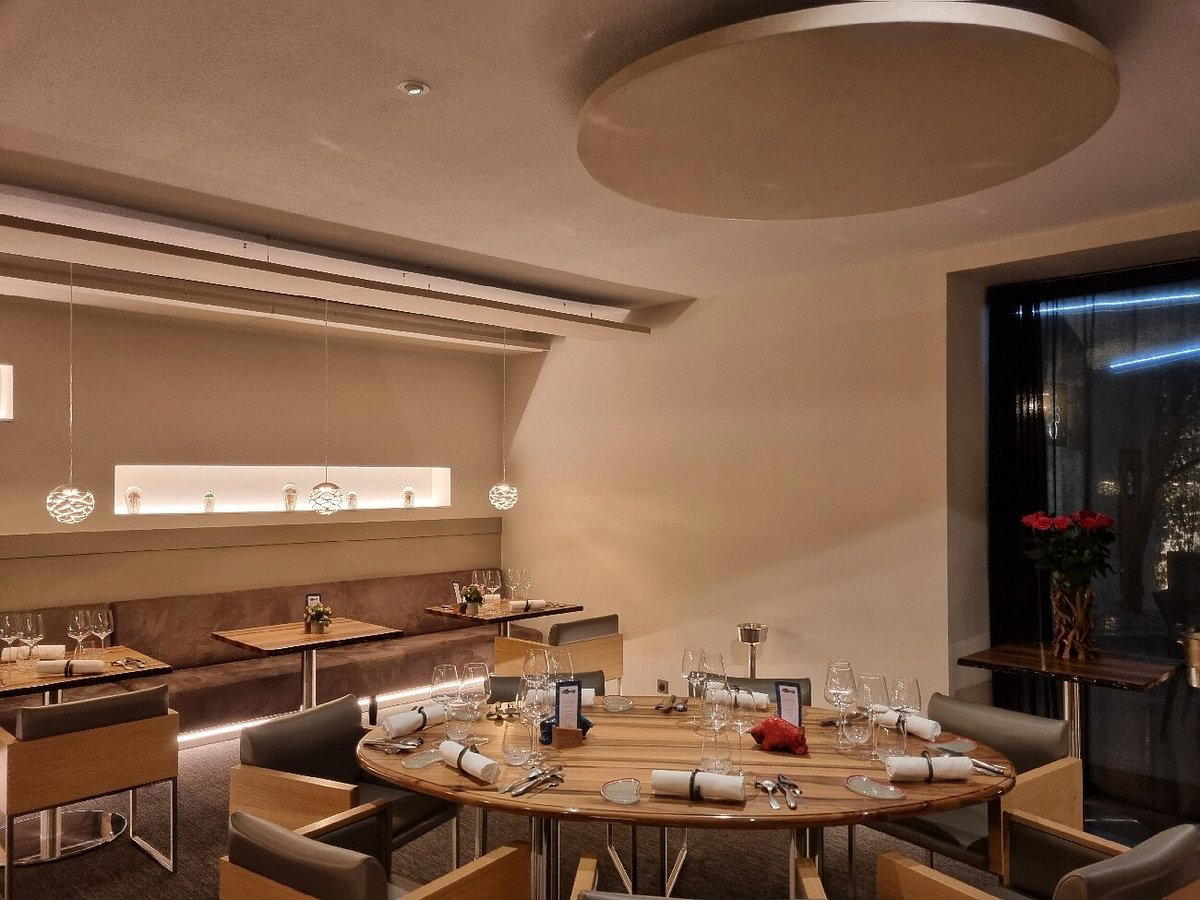
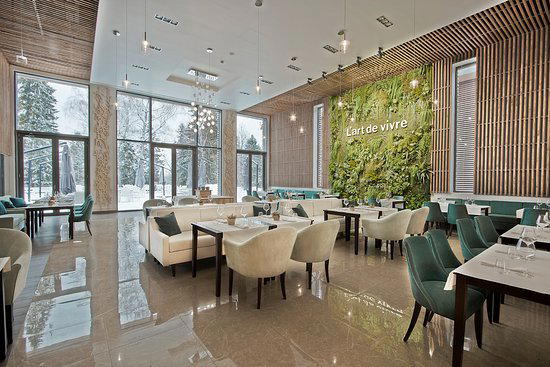
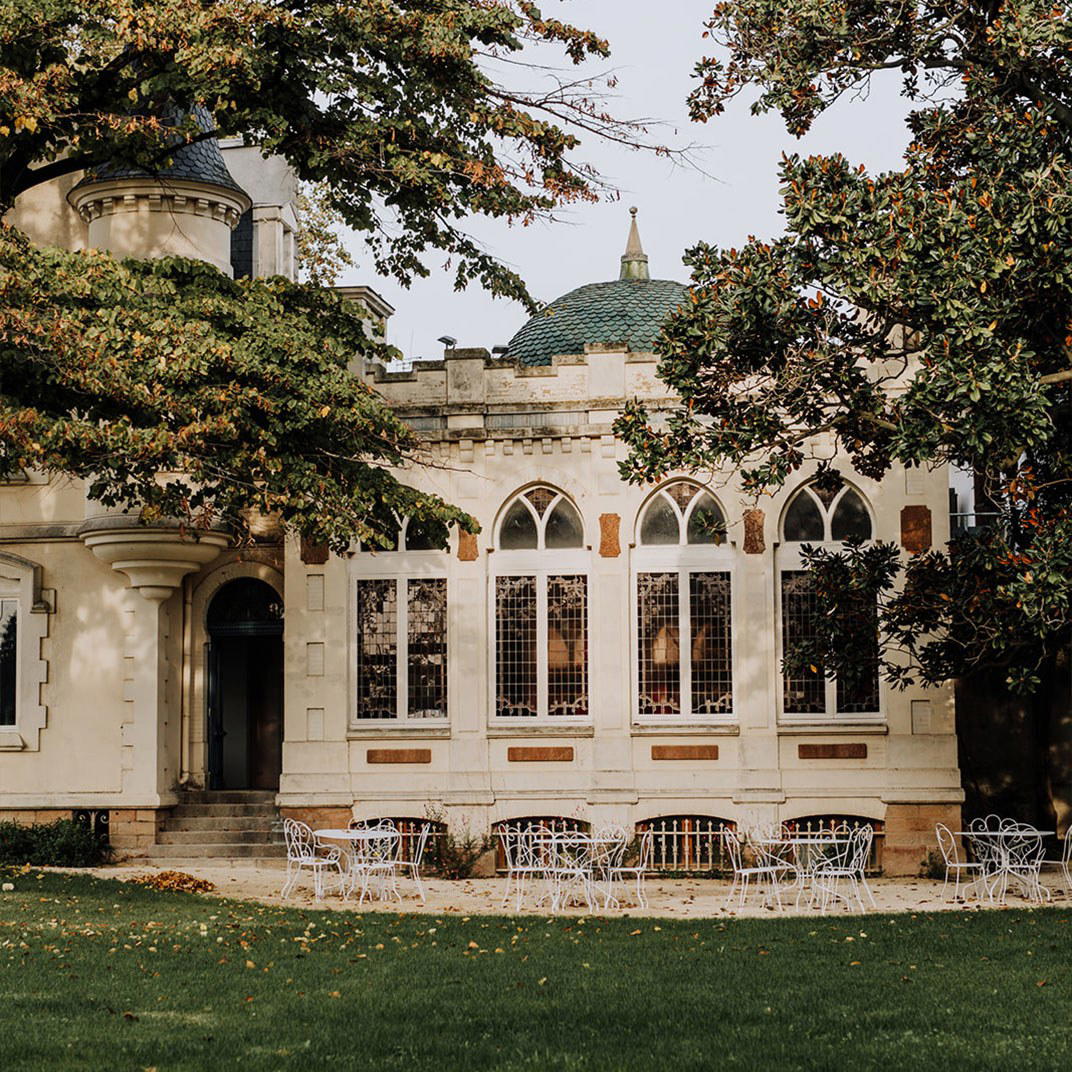
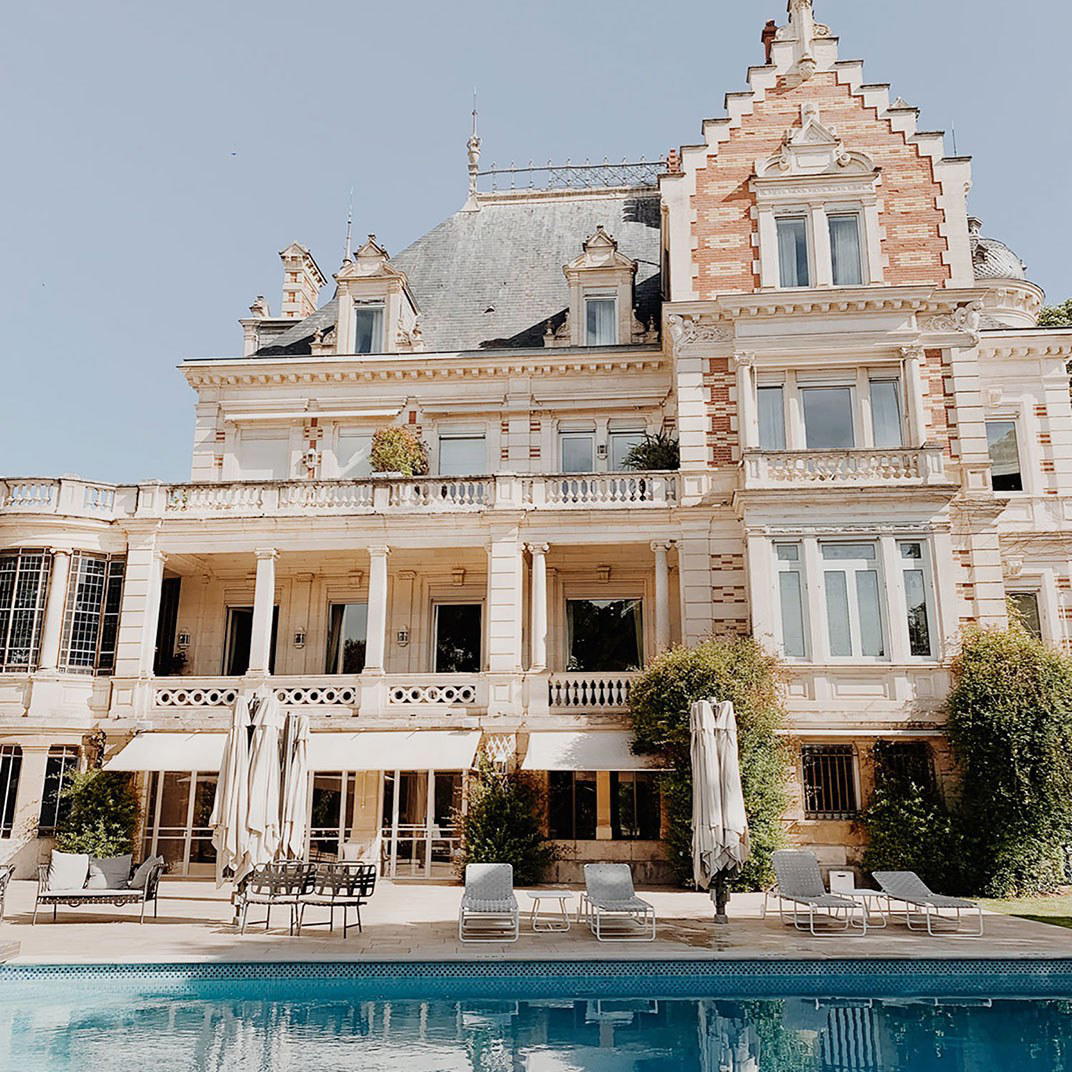
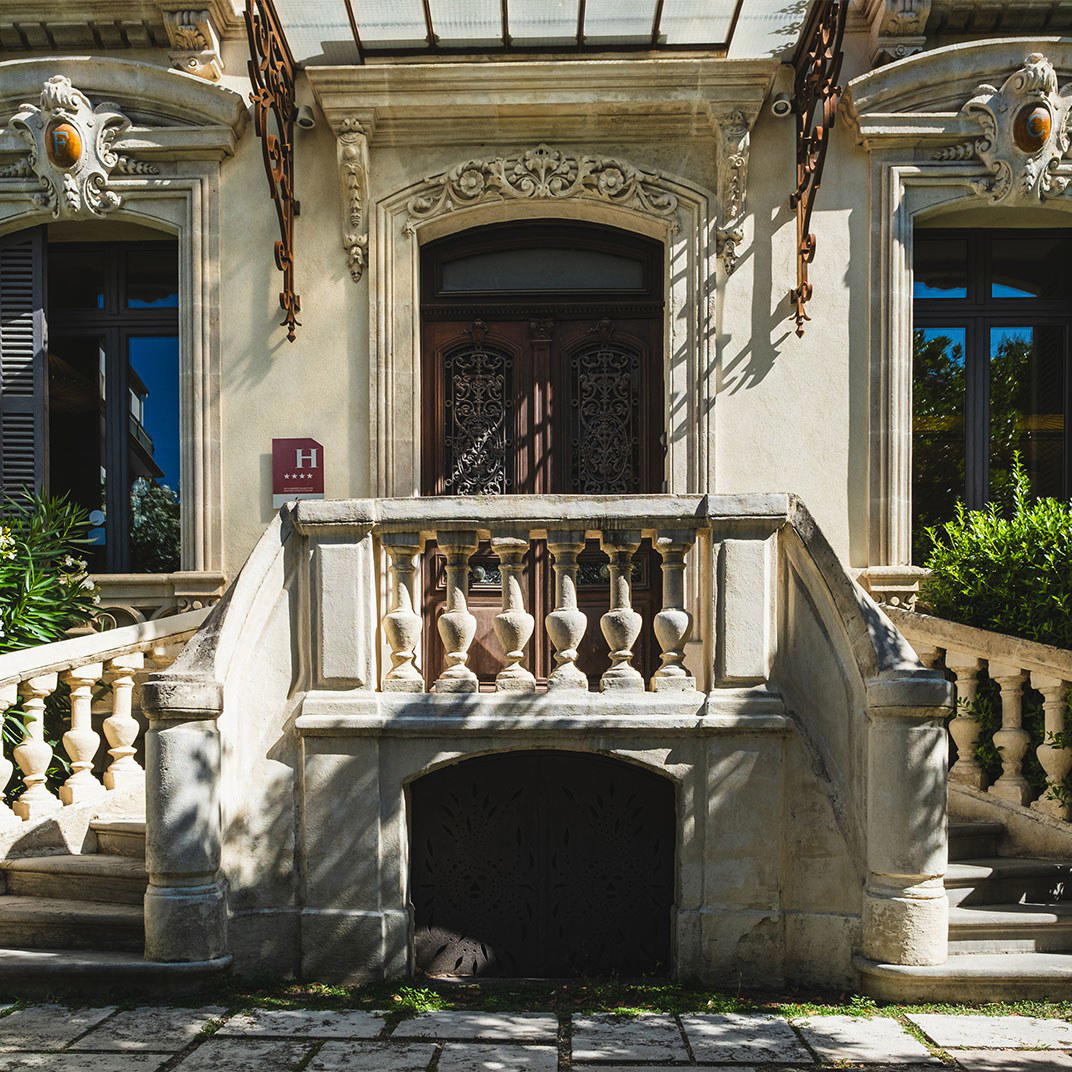
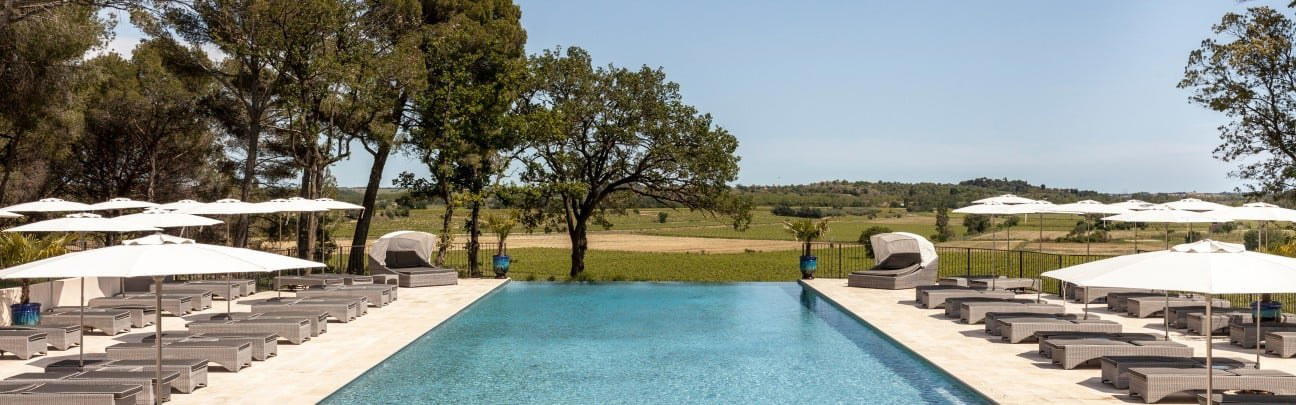
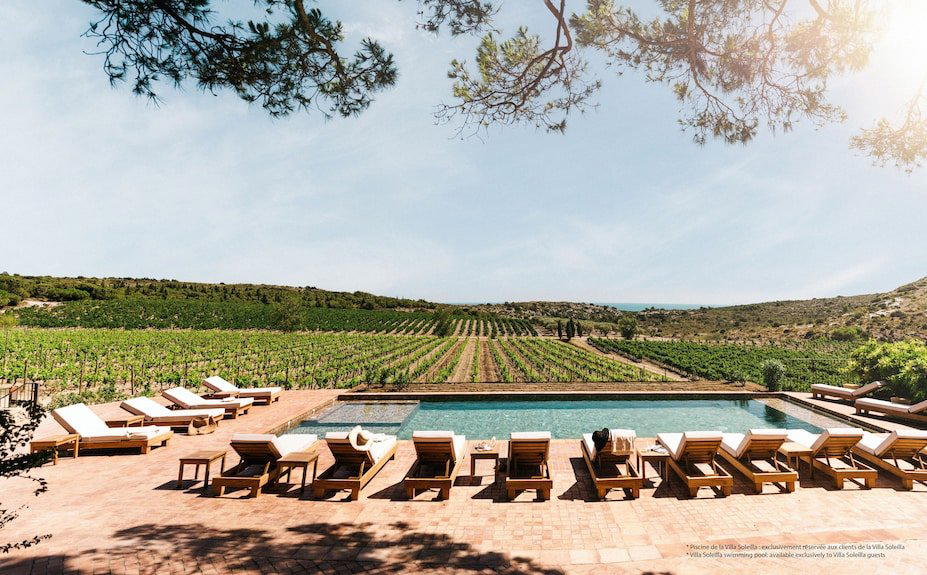
Calm and exceptional atmosphere in neo-Moorish billiard room or English park setting with art deco decor.