Lung Fung
Our verdict
Lung Fung sits in Pfäffikon SZ on the western shore of Lake Zurich, occupying a dining slot that Chinese restaurants in small Swiss lakeside towns rarely fill with any ambition. The address places it within reach of Zurich's commuter belt, making it a practical stop for those exploring the canton's quieter edges. Details on format, price, and awards remain limited, so direct confirmation before visiting is advised.

Pearl is the En Primeur Club membership app — saves, bookings, and concierge access live there. Same editors, same standards.
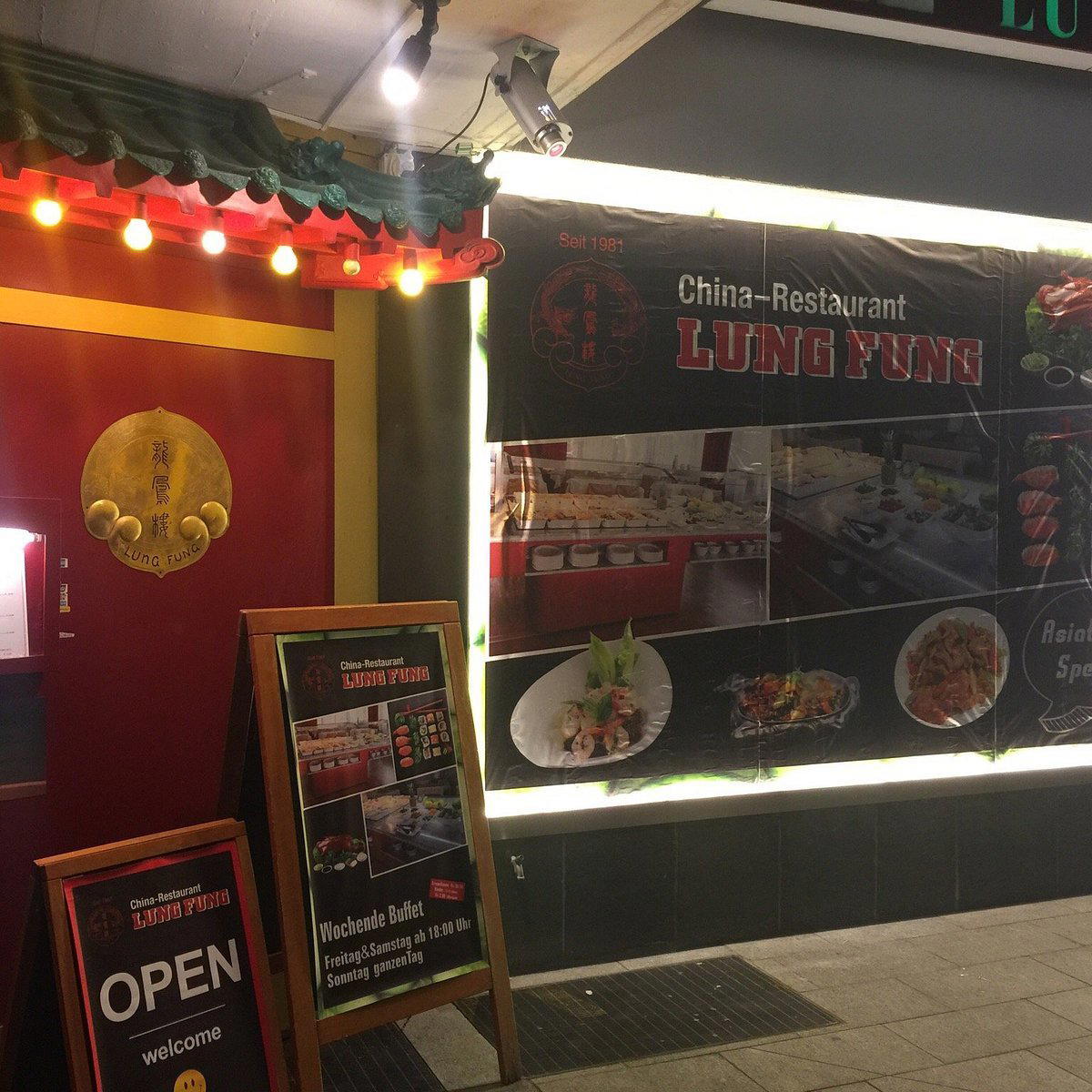
The menu
What to order
- Chicken Fried Rice
- Gebackene Wan Tan
Chinese Dining in the Swiss Lakeside Belt
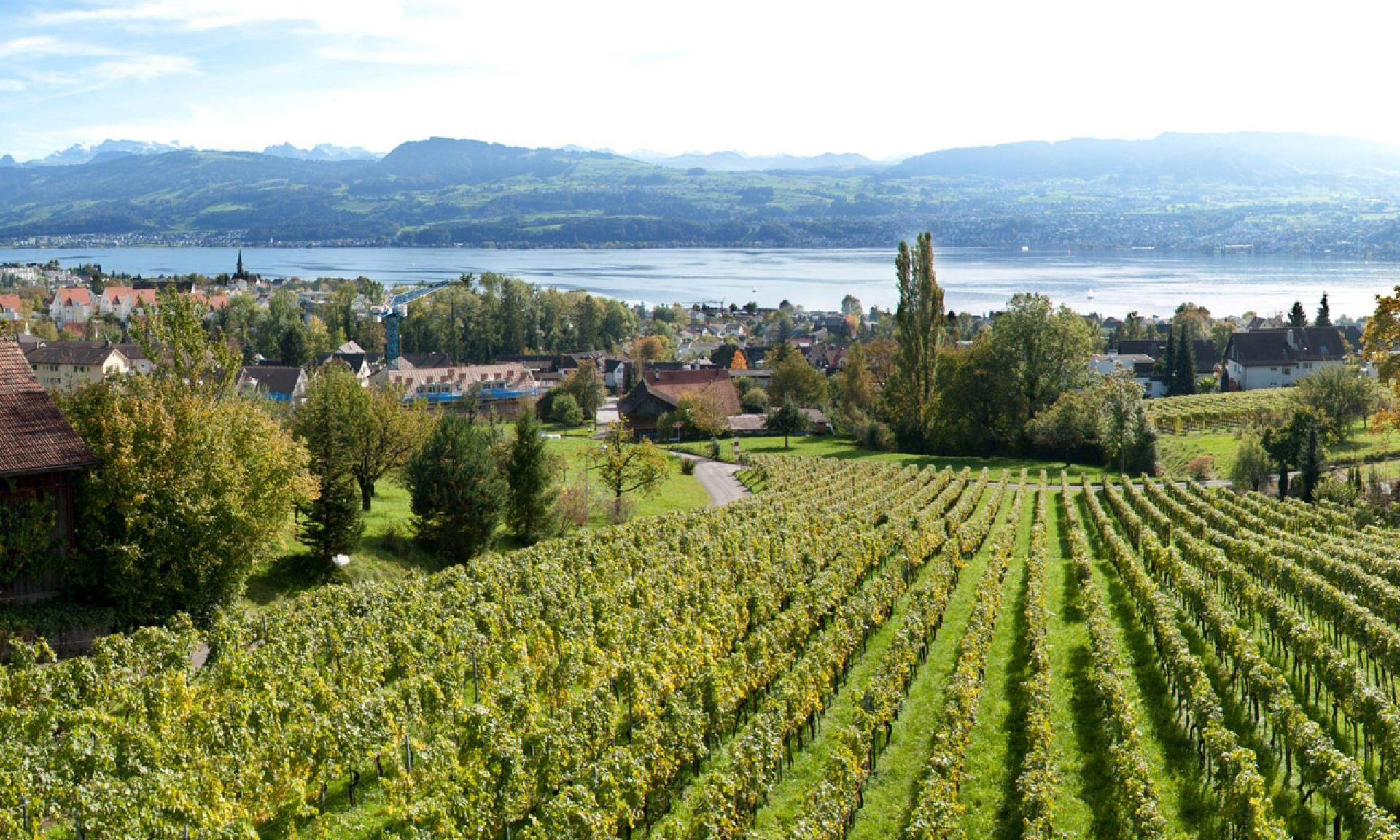
The western shore of Lake Zurich is not where most food travellers think to look for Chinese cuisine. The canton of Schwyz, which claims Pfäffikon as one of its more accessible lakeside towns, is better known for its proximity to Zurich's financial commuter corridor than for any particular dining reputation. That context matters, because Chinese restaurants operating in small Swiss lake towns occupy an unusual position: they serve a local population that typically measures ambition by proximity to the city, and they do so without the density of peer restaurants that urban Chinatown clusters depend on for collective credibility. Lung Fung, addressed at Schindellegistrasse 1 in Pfäffikon SZ, operates in exactly that environment.
For context on how this part of Switzerland fits into the broader dining picture, our full Pfaffikon Sz restaurants guide maps the available options across categories and price tiers.
Where Pfäffikon Fits in the Canton's Food Geography
Schwyz canton has produced at least one serious fine dining address in recent years. Magdalena in Schwyz has drawn broader Swiss attention for its approach to regional cooking, and it sits within the same administrative territory. That comparison is not meant to position Lung Fung in a fine dining conversation, but rather to illustrate that the canton is not gastronomically inert. Pfäffikon itself functions as a transport junction, positioned between Zurich and the higher-altitude lake country to the south and east, which means its restaurant trade draws from commuters, weekend visitors, and residents who might otherwise default to Zurich's far larger restaurant offering.
Chinese restaurants in Swiss towns of this size generally fall into one of two models: the broad-menu Cantonese format that became common across European market towns from the 1970s onward, or the more recent shift toward regional Chinese cooking that has reshaped expectations in larger Swiss cities. Zurich, for instance, has seen Sichuan and Shanghainese formats gain traction alongside older Cantonese establishments.
Ingredient Sourcing in the Swiss Chinese Restaurant Context
The question of where ingredients come from matters more acutely for Chinese restaurants operating outside major urban supply chains. In cities like Zurich or Geneva, specialist Asian wholesale suppliers, some with roots going back several decades in the Swiss market, provide access to imported produce, preserved goods, and fresh items that make authentic regional Chinese cooking viable. In smaller towns, that supply chain access thins considerably. Restaurants in Pfäffikon's position typically either accept substitutions that shift the flavour register closer to a European palate, or they invest in relationships with Zurich-based distributors who can deliver to the region on a workable schedule.
This supply geography has a direct effect on what ends up on the plate. Sauces, aromatics, and preserved ingredients sourced from specialist importers maintain a different flavour baseline than those assembled from general Swiss wholesale. For a cuisine as regionally differentiated as Chinese cooking, where the gap between a properly sourced doubanjiang and a generic substitute is substantial, these sourcing decisions are not incidental. They define the quality ceiling of the restaurant's output.
Switzerland's broader fine dining scene has addressed ingredient provenance in rigorous ways at addresses like Schloss Schauenstein in Fürstenau, where the estate's own kitchen garden anchors much of the menu, and at Memories in Bad Ragaz, which has built its Modern Swiss identity partly around alpine regional sourcing. Those are obviously different categories of restaurant, but they illustrate how seriously Switzerland's top tier has engaged with the sourcing question. The same rigour, applied at a different scale and price point, is what separates a competent local Chinese restaurant from one worth a detour.
The Broader Swiss Fine Dining Frame
For readers who are using Pfäffikon as a base to access a wider region of Swiss dining, the eastern arc from Zurich toward St. Gallen and the alpine southeast holds several addresses worth knowing. Einstein Gourmet in Sankt Gallen represents the refined urban end of that corridor, while focus ATELIER in Vitznau sits practically on the lake to the south and brings a Modern Swiss creative approach to a setting not unlike Pfäffikon's own lakeside geography. Further into the alps, 7132 Silver in Vals and Da Vittorio in St. Moritz represent the high-altitude luxury register that eastern Switzerland exports to international visitors.
On the city side, Zurich proper carries serious weight in this region's dining picture. IGNIV Zürich by Andreas Caminada brings the sharing format to a city audience. Beyond Switzerland, for readers who move between global dining cities, Le Bernardin in New York City and Atomix in New York City represent the kind of precision-driven, ingredient-led cooking that sits at the international reference tier. Elsewhere in Switzerland, Cheval Blanc by Peter Knogl in Basel, Hotel de Ville Crissier in Crissier, and La Table du Lausanne Palace in Lausanne anchor the French-Swiss fine dining tradition, while L'Atelier Robuchon in Geneva, La Brezza in Ascona, Colonnade in Lucerne, and Maison Wenger in Le Noirmont round out the national picture across regions and formats.
Planning a Visit
Pfäffikon SZ is reachable by train from Zurich Hauptbahnhof in approximately 30 to 40 minutes via the S-Bahn network, which makes it a viable half-day or evening trip from the city without requiring a car. Lung Fung's address on Schindellegistrasse 1 places it centrally within the town's walkable core, close to the lakefront area. Given that no booking platform, website, or phone number is confirmed in available data, the most reliable approach is to locate the restaurant directly through local search tools before visiting, confirm current opening hours, and establish whether reservations are accepted or whether walk-in is the operating model. Price, format, and current menu details should be verified at the same point of contact.
Frequently asked questions
Is Lung Fung child-friendly?
Chinese restaurants in Switzerland generally follow an open, family-oriented format, and Lung Fung's position in Pfäffikon SZ, a residential lakeside town rather than a city dining precinct, points toward a relaxed dining environment suited to families.
What kind of setting is Lung Fung?
Lung Fung sits at Schindellegistrasse 1 in Pfäffikon, a town on the western bank of Lake Zurich in Canton Schwyz. The location places it outside the urban density of Zurich, which typically translates to a calmer, neighbourhood-scale dining room rather than the high-turnover format common in city centres.
Is Lung Fung a good option for a day trip from Zurich?
Pfäffikon SZ is served directly by the Zurich S-Bahn network, putting the town roughly 30 to 40 minutes from Zurich Hauptbahnhof without a car. Lung Fung at Schindellegistrasse 1 sits in that same town, making it a plausible standalone dining destination for anyone combining a Lake Zurich excursion with a meal. The wider Canton Schwyz dining scene, which includes Magdalena in Schwyz, gives the region additional pull for food-focused day trips.
What should I eat at Lung Fung?
No current menu has been published in accessible records for Lung Fung, so specific dish recommendations cannot be made here. Chinese restaurants operating in smaller Swiss towns frequently anchor their menus around Cantonese standards alongside adapted European-facing options, but the actual offer at Lung Fung is best confirmed by contacting the venue at Schindellegistrasse 1, Pfäffikon SZ.
Where do I go for Lung Fung?
Lung Fung is located at Schindellegistrasse 1, 8808 Pfäffikon, Switzerland, Pfaffikon Sz.
Fast Comparison
Comparable venues nearby, for context on price, style, and recognition.
| Venue | Cuisine | Price | Notes |
|---|---|---|---|
| Lung FungThis venue — the venue you are viewing | Traditional Chinese | $10–20 | Not listed |
| Dumpling Delights | Taiwanese Dumplings | $20–30 | Oberstrass |
| Huayuan | Traditional & Innovative Beijing & Sichuan Chinese | $20–30 | Holligen |
| Chiang Mai | Authentic Thai Street Food | $10–20 | Oberstrass |
| Helsinki Club | Bar & Live Music Venue | Not listed | Industriequartier |
| Foodfabrik | Uruguayan Chivito Burgers | $10–20 | Künten |
Continue exploring
More in Pfaffikon Sz
Restaurants in Pfaffikon Sz
All restaurants in Pfaffikon Sz →
Bars in Pfaffikon Sz
Browse all →

Details
- Casual
- Casual Hangout
- Group Dining
- Family
- Standalone
- A La Carte
- Buffet
- Vegetarian Friendly
Current opening hours
- Monday
- 11 AM–2:30 PM, 5:30–10 PM
- Tuesday
- 11 AM–2:30 PM, 5:30–10 PM
- Wednesday
- 11 AM–2:30 PM, 5:30–10 PM
- Thursday
- 11 AM–2:30 PM, 5:30–10 PM
- Friday
- 11 AM–2:30 PM, 5:30–10 PM
- Saturday
- 11:30 AM–10 PM
- Sunday
- 11:30 AM–10 PM
Hours can change for holidays and private events. Last verified .
Casual neighborhood dining with direct, unpretentious atmosphere