Little Brickhouse

<h2>Derby Road's Most Eclectic Room</h2><p>The building on Derby Road gives little away. Step inside Little Brickhouse and the effect is immediate: mismatched chairs and tables line both sides of a narrow walkway, the walls are dense with work by local artists, and the kind of ornamental clutter that usually takes decades to accumulate has been arranged with enough conviction to feel earned rather than affected. The day's food is chalked on a board near the bar, which sets the tone. Nothing about this place positions itself as permanent or precious, and that attitude extends into the kitchen.</p><h2>A Trajectory Worth Understanding</h2><p>The arc that brought Little Brickhouse to Derby Road says something particular about how independent hospitality has evolved in English provincial cities over the past decade. The project began as a domestic supper club, moved into a shipping container in Sherwood, and reached its current site through crowdfunding. That sequence, supper club to pop-up to permanent address via community finance, maps onto a recognisable pattern for a generation of operators who built reputation before they built infrastructure. Nottingham's independent restaurant scene has developed in exactly this way: small-format, high-personality places that earn their footing through consistent quality at formats well below the price ceiling set by destination tables like <a href="https://www.enprimeurclub.com/restaurants/restaurant-sat-bains-nottingham-restaurant">Restaurant Sat Bains</a> or <a href="https://www.enprimeurclub.com/restaurants/alchemilla-nottingham-restaurant">alchemilla</a>. Little Brickhouse sits at the more accessible end of that spectrum, closer in spirit to a neighbourhood local than a destination restaurant, but with a kitchen that reaches considerably further than the format suggests.</p><h2>The Cultural Logic of the Menu</h2><p>Food at Little Brickhouse is described in the awards notes as taking an "enthusiastically global approach", and the evidence on the board bears that out. Brazilian clam moqueca, truffled arancini, pork and cabbage dumplings, prawn croquettes with tarragon crème fraîche: the menu moves across continents without apology or theme. This is worth understanding in context rather than dismissing as eclecticism for its own sake.</p><p>Moqueca is a coastal Brazilian stew with deep Afro-Brazilian roots, built on coconut milk, dendê oil, and slow-cooked shellfish. The fact that it has migrated onto menus at informal restaurants across British cities reflects both the broadening of culinary reference among a generation of trained cooks and a genuine appetite among diners for flavours that fall outside the European canon. At a place like Little Brickhouse, where the board changes and the format encourages experimentation, it makes structural sense: moqueca travels well to a small-plates context, holds its identity at varying portion sizes, and delivers the kind of direct, saturated flavour that works without ceremony.</p><p>The same logic applies across the menu. Burrata, a format that in many rooms has calcified into a single note of fresh lactic creaminess, is reportedly built out here with rhubarb, almonds, herb oil, and bitter leaves, tilting the dish toward acidity and texture. Arancini with truffle is a well-worn combination, but its presence alongside Brazilian stew and Asian-style dumplings signals a kitchen that is choosing from a genuinely wide palette rather than defaulting to a safe European comfort zone. Larger plates, when the menu runs to them, include beef brisket in Madeira with horseradish mash and skrei cod in white wine: heavier, more classical constructions that give the menu somewhere to land after the small-plates section.</p><p>Desserts follow the same pattern of contrast. Frozen chocolate mousse with candied ginger and tonka panna cotta with apple and cider compôte are both technically confident, both resting on European technique, and both incorporating an element that pushes the flavour register slightly off-centre. The ginger in the mousse and the cider in the compôte are the kind of small decisions that separate kitchens with real attention from those producing competent but unremarkable output.</p><h2>What the Wine List Says</h2><p>The wine list is entirely natural, which at this point in British restaurant culture is less a statement and more a category default for a certain kind of independent operator. Natural wine lists suit the format: they allow for shorter, rotating selections, they appeal to a younger wine-curious demographic, and they sidestep the cost and cellar complexity of conventional fine wine programs. Alongside cocktails and beers, the drinks program at Little Brickhouse reads as inclusive rather than specialist. It is worth comparing this to the more structured wine approaches at places like <a href="https://www.enprimeurclub.com/restaurants/delilah-fine-foods-nottingham-restaurant">Delilah Fine Foods</a> or the considered wine pairing culture at <a href="https://www.enprimeurclub.com/restaurants/harts-nottingham-restaurant">Harts</a>: Little Brickhouse is deliberately lower-friction, the wine there to complement a relaxed room rather than to anchor an occasion.</p><h2>Where It Sits in Nottingham's Dining Picture</h2><p>Nottingham supports a more varied independent restaurant culture than the city's national profile sometimes suggests. At the formal end, Sat Bains and alchemilla operate in a peer set that competes credibly with destination restaurants across the English regions, alongside venues like <a href="https://www.enprimeurclub.com/restaurants/moor-hall-aughton-restaurant">Moor Hall</a>, <a href="https://www.enprimeurclub.com/restaurants/lenclume-cartmel-restaurant">L'Enclume</a>, and <a href="https://www.enprimeurclub.com/restaurants/gidleigh-park-chagford-restaurant">Gidleigh Park</a> in the broader regional fine-dining conversation. At the informal, globally inflected end, Little Brickhouse occupies a different but equally specific niche. Its reference point is not the tasting-menu circuit; it is closer to the kind of ambitious neighbourhood eating that has reshaped mid-market dining in British cities over the past decade, the format where a genuinely curious kitchen operates without the infrastructure or price point of a destination restaurant.</p><p>The comparison that makes most sense is lateral rather than vertical. <a href="https://www.enprimeurclub.com/restaurants/ibrico-world-tapas-nottingham-restaurant">Ibérico World Tapas</a> operates in a similar register of informal global influence in Nottingham, though with a Mediterranean anchor. Little Brickhouse has no such anchor. It is accountable to no single cuisine, which is both the source of its interest and the risk: a menu that moves this freely depends on a kitchen that can execute across registers without losing coherence.</p><h2>Planning a Visit</h2><p>Little Brickhouse is on Derby Road at number 110, NG1 5FB, a short distance from the city centre and walkable from Nottingham's main transport connections. The format, chalked boards, shared-table furniture, varying portion sizes, is suited to the kind of eating where you order several things and share them across the table. The room is not designed for formality. Booking policy and current hours are leading confirmed directly, as the venue's operational details are not published online in a fixed form. The natural-wine-only list means the drinks selection will rotate; if you have a fixed preference for conventional wine, factor that in.</p><p>For a wider view of the city's eating and drinking options, the <a href="https://www.enprimeurclub.com/restaurants/nottingham">full Nottingham restaurants guide</a> covers the range from neighbourhood spots to destination dining. The <a href="https://www.enprimeurclub.com/bars/nottingham">Nottingham bars guide</a>, <a href="https://www.enprimeurclub.com/hotels/nottingham">hotels guide</a>, <a href="https://www.enprimeurclub.com/wineries/nottingham">wineries guide</a>, and <a href="https://www.enprimeurclub.com/experiences/nottingham">experiences guide</a> provide parallel coverage of the city's other categories.</p><p>For those using Nottingham as a base for a longer food-focused trip, the regional circuit extends north and west to venues including <a href="https://www.enprimeurclub.com/restaurants/hand-and-flowers-marlow-restaurant">Hand and Flowers in Marlow</a> and south toward London's <a href="https://www.enprimeurclub.com/restaurants/the-ledbury-london-restaurant">The Ledbury</a>. For international comparison, the globally inflected small-plates format that Little Brickhouse represents has parallels at technically accomplished casual rooms worldwide, though the British version of this format tends to be more compact and less ceremony-conscious than American counterparts like <a href="https://www.enprimeurclub.com/restaurants/emerils-new-orleans-restaurant">Emeril's in New Orleans</a> or the focused European precision of <a href="https://www.enprimeurclub.com/restaurants/le-bernardin">Le Bernardin in New York</a>.</p><h2>Frequently Asked Questions</h2><dl><dt>Would Little Brickhouse be comfortable with kids?</dt><dd>The relaxed, mismatched-furniture format and informal chalked-board menu make it a reasonable option for families, though it is worth calling ahead to confirm, as the venue's operational details are not published in fixed form online.</dd><dt>How would you describe the vibe at Little Brickhouse?</dt><dd>It reads as the kind of room Nottingham does well at the independent mid-market level: low-ceremony, genuinely curious about food, furnished with local art and a deliberate informality that distinguishes it from both the tasting-menu circuit (Sat Bains, alchemilla) and the conventional gastropub. The pricing sits accessibly below the city's top-tier destination tables, and the natural wine list and chalked board reinforce the sense of a room that changes frequently and expects its guests to go with that.</dd><dt>What do people recommend at Little Brickhouse?</dt><dd>The awards notes highlight the Brazilian clam moqueca, pork and cabbage dumplings, and a burrata built out with rhubarb, almonds, herb oil, and bitter leaves. The kitchen's global range and generous portions are consistent points of reference in assessments of the venue, with desserts like the frozen chocolate mousse with candied ginger also drawing specific mention.</dd></dl>

Derby Road's Most Eclectic Room
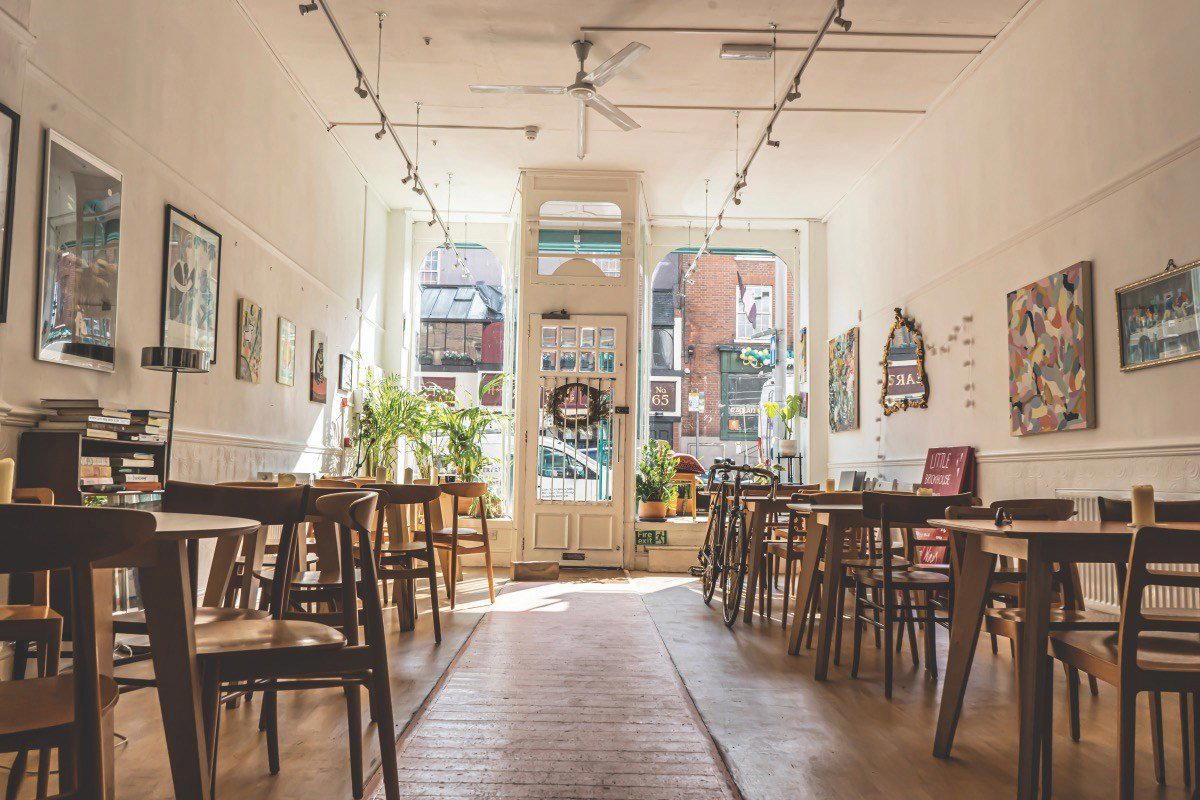
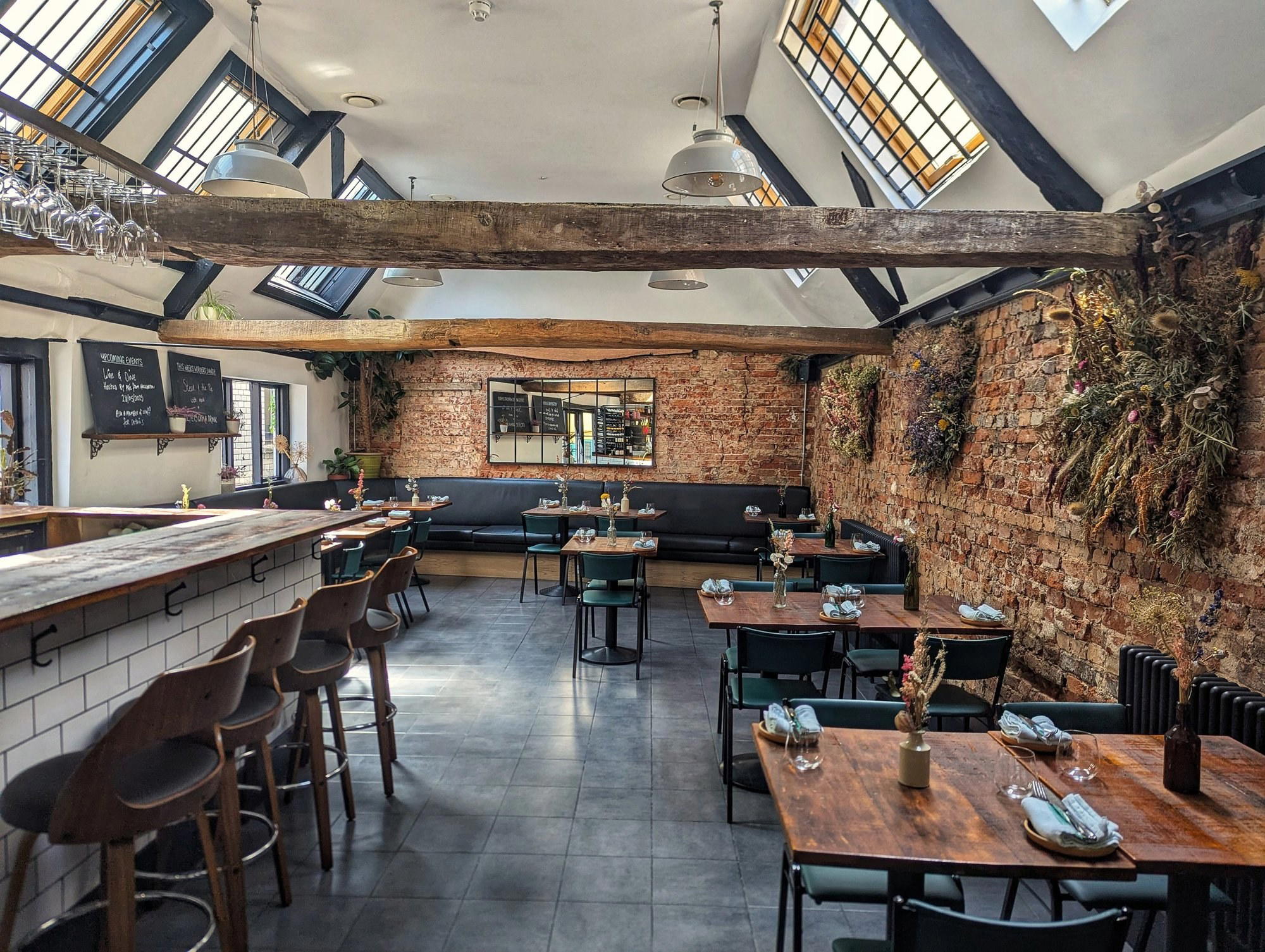
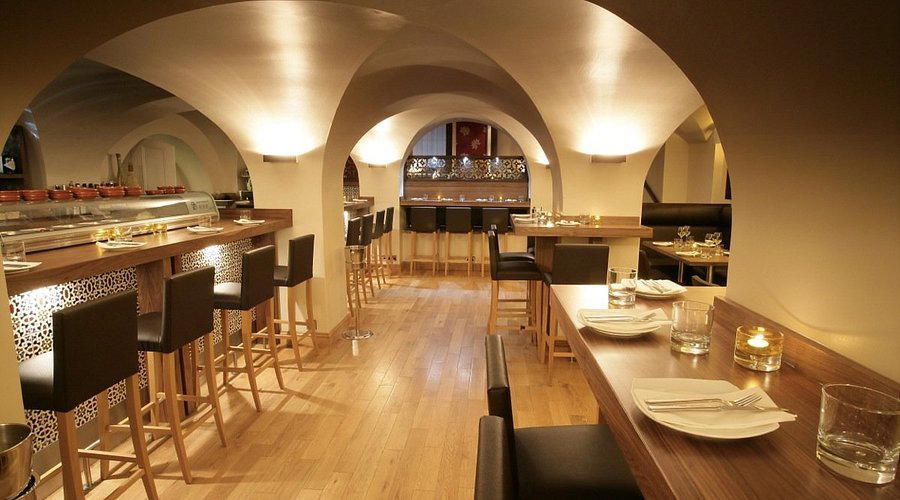
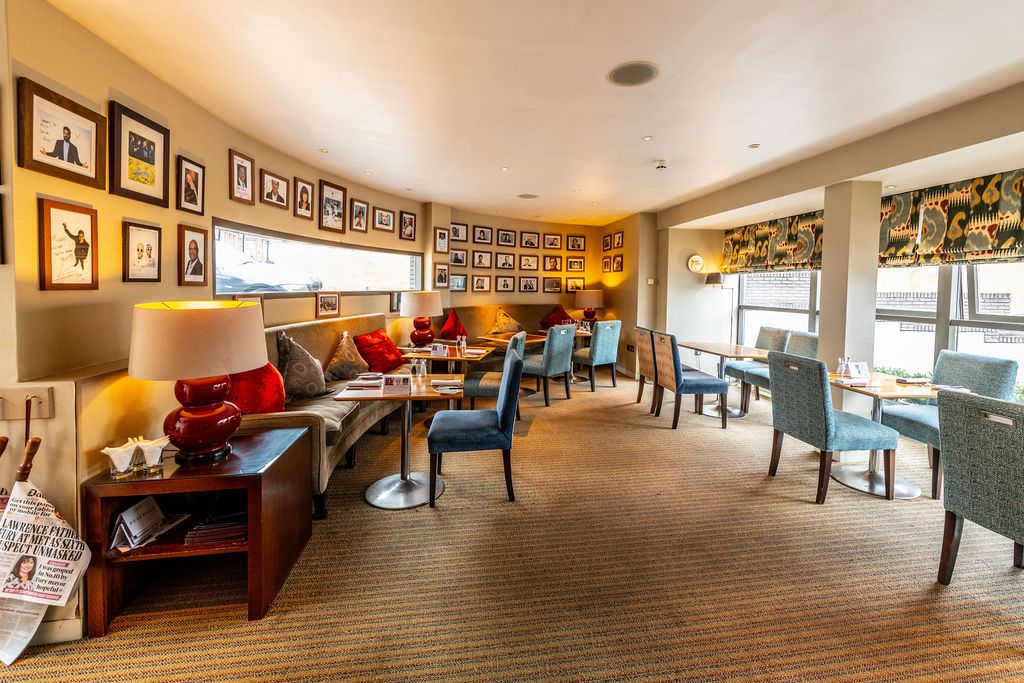
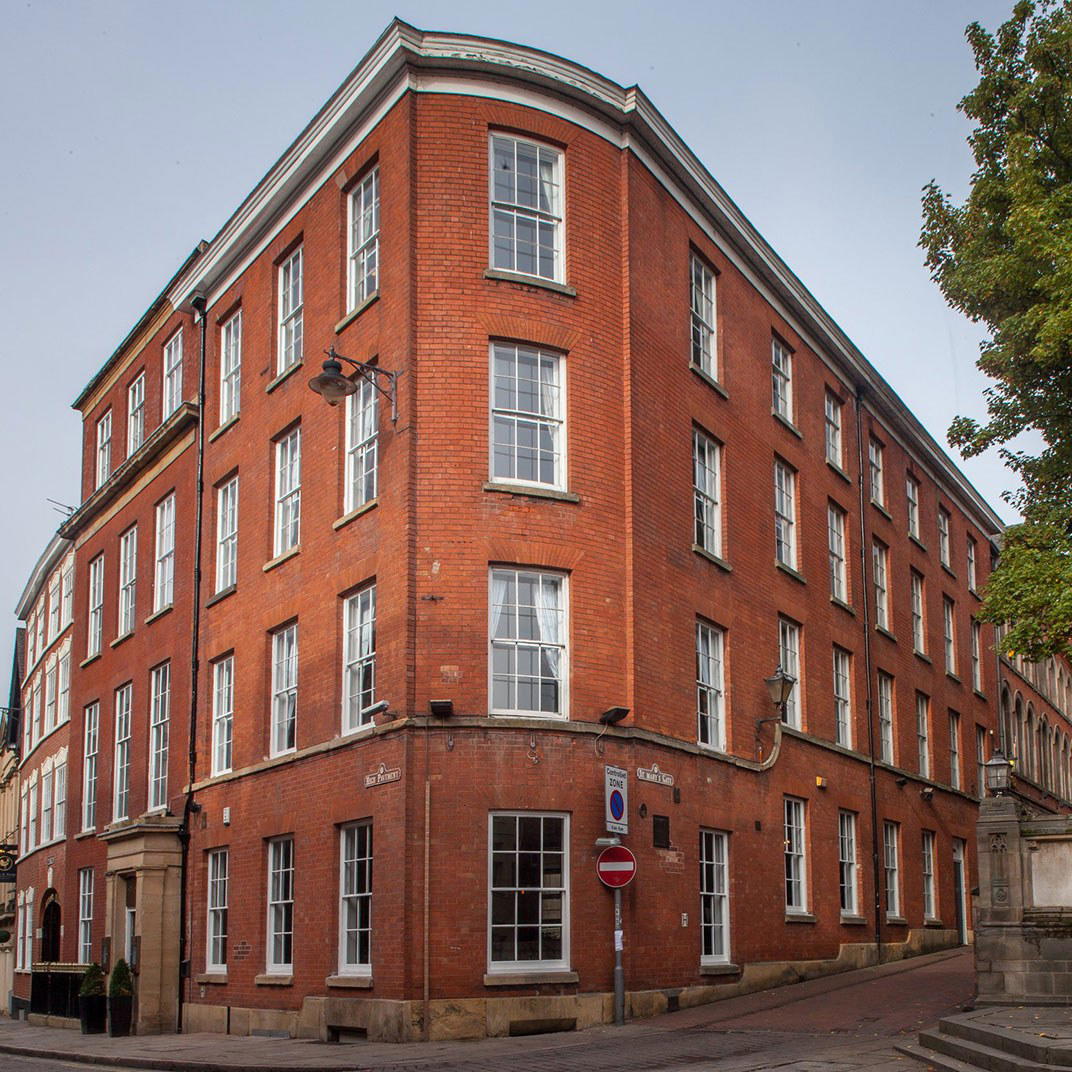
The building on Derby Road gives little away. Step inside Little Brickhouse and the effect is immediate: mismatched chairs and tables line both sides of a narrow walkway, the walls are dense with work by local artists, and the kind of ornamental clutter that usually takes decades to accumulate has been arranged with enough conviction to feel earned rather than affected. The day's food is chalked on a board near the bar, which sets the tone. Nothing about this place positions itself as permanent or precious, and that attitude extends into the kitchen.
A Trajectory Worth Understanding
The arc that brought Little Brickhouse to Derby Road says something particular about how independent hospitality has evolved in English provincial cities over the past decade. The project began as a domestic supper club, moved into a shipping container in Sherwood, and reached its current site through crowdfunding. That sequence, supper club to pop-up to permanent address via community finance, maps onto a recognisable pattern for a generation of operators who built reputation before they built infrastructure. Nottingham's independent restaurant scene has developed in exactly this way: small-format, high-personality places that earn their footing through consistent quality at formats well below the price ceiling set by destination tables like Restaurant Sat Bains or alchemilla. Little Brickhouse sits at the more accessible end of that spectrum, closer in spirit to a neighbourhood local than a destination restaurant, but with a kitchen that reaches considerably further than the format suggests.
The Cultural Logic of the Menu
Food at Little Brickhouse is described in the awards notes as taking an "enthusiastically global approach", and the evidence on the board bears that out. Brazilian clam moqueca, truffled arancini, pork and cabbage dumplings, prawn croquettes with tarragon crème fraîche: the menu moves across continents without apology or theme. This is worth understanding in context rather than dismissing as eclecticism for its own sake.
Moqueca is a coastal Brazilian stew with deep Afro-Brazilian roots, built on coconut milk, dendê oil, and slow-cooked shellfish. The fact that it has migrated onto menus at informal restaurants across British cities reflects both the broadening of culinary reference among a generation of trained cooks and a genuine appetite among diners for flavours that fall outside the European canon. At a place like Little Brickhouse, where the board changes and the format encourages experimentation, it makes structural sense: moqueca travels well to a small-plates context, holds its identity at varying portion sizes, and delivers the kind of direct, saturated flavour that works without ceremony.
The same logic applies across the menu. Burrata, a format that in many rooms has calcified into a single note of fresh lactic creaminess, is reportedly built out here with rhubarb, almonds, herb oil, and bitter leaves, tilting the dish toward acidity and texture. Arancini with truffle is a well-worn combination, but its presence alongside Brazilian stew and Asian-style dumplings signals a kitchen that is choosing from a genuinely wide palette rather than defaulting to a safe European comfort zone. Larger plates, when the menu runs to them, include beef brisket in Madeira with horseradish mash and skrei cod in white wine: heavier, more classical constructions that give the menu somewhere to land after the small-plates section.
Desserts follow the same pattern of contrast. Frozen chocolate mousse with candied ginger and tonka panna cotta with apple and cider compôte are both technically confident, both resting on European technique, and both incorporating an element that pushes the flavour register slightly off-centre. The ginger in the mousse and the cider in the compôte are the kind of small decisions that separate kitchens with real attention from those producing competent but unremarkable output.
What the Wine List Says
The wine list is entirely natural, which at this point in British restaurant culture is less a statement and more a category default for a certain kind of independent operator. Natural wine lists suit the format: they allow for shorter, rotating selections, they appeal to a younger wine-curious demographic, and they sidestep the cost and cellar complexity of conventional fine wine programs. Alongside cocktails and beers, the drinks program at Little Brickhouse reads as inclusive rather than specialist. It is worth comparing this to the more structured wine approaches at places like Delilah Fine Foods or the considered wine pairing culture at Harts: Little Brickhouse is deliberately lower-friction, the wine there to complement a relaxed room rather than to anchor an occasion.
Where It Sits in Nottingham's Dining Picture
Nottingham supports a more varied independent restaurant culture than the city's national profile sometimes suggests. At the formal end, Sat Bains and alchemilla operate in a peer set that competes credibly with destination restaurants across the English regions, alongside venues like Moor Hall, L'Enclume, and Gidleigh Park in the broader regional fine-dining conversation. At the informal, globally inflected end, Little Brickhouse occupies a different but equally specific niche. Its reference point is not the tasting-menu circuit; it is closer to the kind of ambitious neighbourhood eating that has reshaped mid-market dining in British cities over the past decade, the format where a genuinely curious kitchen operates without the infrastructure or price point of a destination restaurant.
The comparison that makes most sense is lateral rather than vertical. Ibérico World Tapas operates in a similar register of informal global influence in Nottingham, though with a Mediterranean anchor. Little Brickhouse has no such anchor. It is accountable to no single cuisine, which is both the source of its interest and the risk: a menu that moves this freely depends on a kitchen that can execute across registers without losing coherence.
Planning a Visit
Little Brickhouse is on Derby Road at number 110, NG1 5FB, a short distance from the city centre and walkable from Nottingham's main transport connections. The format, chalked boards, shared-table furniture, varying portion sizes, is suited to the kind of eating where you order several things and share them across the table. The room is not designed for formality. Booking policy and current hours are leading confirmed directly, as the venue's operational details are not published online in a fixed form. The natural-wine-only list means the drinks selection will rotate; if you have a fixed preference for conventional wine, factor that in.
For a wider view of the city's eating and drinking options, the full Nottingham restaurants guide covers the range from neighbourhood spots to destination dining. The Nottingham bars guide, hotels guide, wineries guide, and experiences guide provide parallel coverage of the city's other categories.
For those using Nottingham as a base for a longer food-focused trip, the regional circuit extends north and west to venues including Hand and Flowers in Marlow and south toward London's The Ledbury. For international comparison, the globally inflected small-plates format that Little Brickhouse represents has parallels at technically accomplished casual rooms worldwide, though the British version of this format tends to be more compact and less ceremony-conscious than American counterparts like Emeril's in New Orleans or the focused European precision of Le Bernardin in New York.
Frequently Asked Questions
- Would Little Brickhouse be comfortable with kids?
- The relaxed, mismatched-furniture format and informal chalked-board menu make it a reasonable option for families, though it is worth calling ahead to confirm, as the venue's operational details are not published in fixed form online.
- How would you describe the vibe at Little Brickhouse?
- It reads as the kind of room Nottingham does well at the independent mid-market level: low-ceremony, genuinely curious about food, furnished with local art and a deliberate informality that distinguishes it from both the tasting-menu circuit (Sat Bains, alchemilla) and the conventional gastropub. The pricing sits accessibly below the city's top-tier destination tables, and the natural wine list and chalked board reinforce the sense of a room that changes frequently and expects its guests to go with that.
- What do people recommend at Little Brickhouse?
- The awards notes highlight the Brazilian clam moqueca, pork and cabbage dumplings, and a burrata built out with rhubarb, almonds, herb oil, and bitter leaves. The kitchen's global range and generous portions are consistent points of reference in assessments of the venue, with desserts like the frozen chocolate mousse with candied ginger also drawing specific mention.
Price Lens
A fast peer set for context, pulled from similar venues in our database.
| Venue | Price | Awards | Notes |
|---|---|---|---|
| Little Brickhouse | How 2020s is this? The place started off as a domestic supper club, before decam… | This venue | |
| Restaurant Sat Bains | ££££ | Michelin 2 Star | Modern British, Creative, ££££ |
| alchemilla | ££££ | Michelin 1 Star | Modern European, Modern British, ££££ |
| Kushi-Ya | ££ | Japanese, ££ | |
| Ibérico World Tapas | ££ | Mediterranean Cuisine, ££ | |
| Raymond's | ££ | Modern British, ££ |
Need a table?
Our members enjoy priority alerts and concierge-led booking support for the world's most difficult tables.
Get Exclusive Access