

Michelin Plate · Star Wine List
Our verdict
At 8 Rue des Orphelines, a 30-seat room a short walk from Place Clemenceau, L'Interprète holds a Michelin Plate (2025). Chef Quentin Maysou runs carte blanche set menus that follow the seasons closely, drawing on southwest French produce through a creative bistronomy lens. The price sits at the €€ tier, making it one of Pau's more accessible entries into serious seasonal cooking.

Pearl is the En Primeur Club membership app, where members save venues, book tables and use the concierge.
A Side Street, a Small Room, and Seasonal Cooking with Something to Say
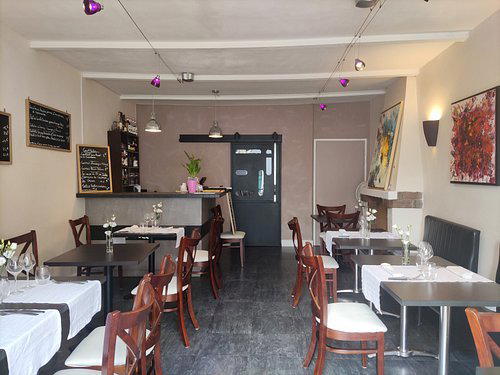
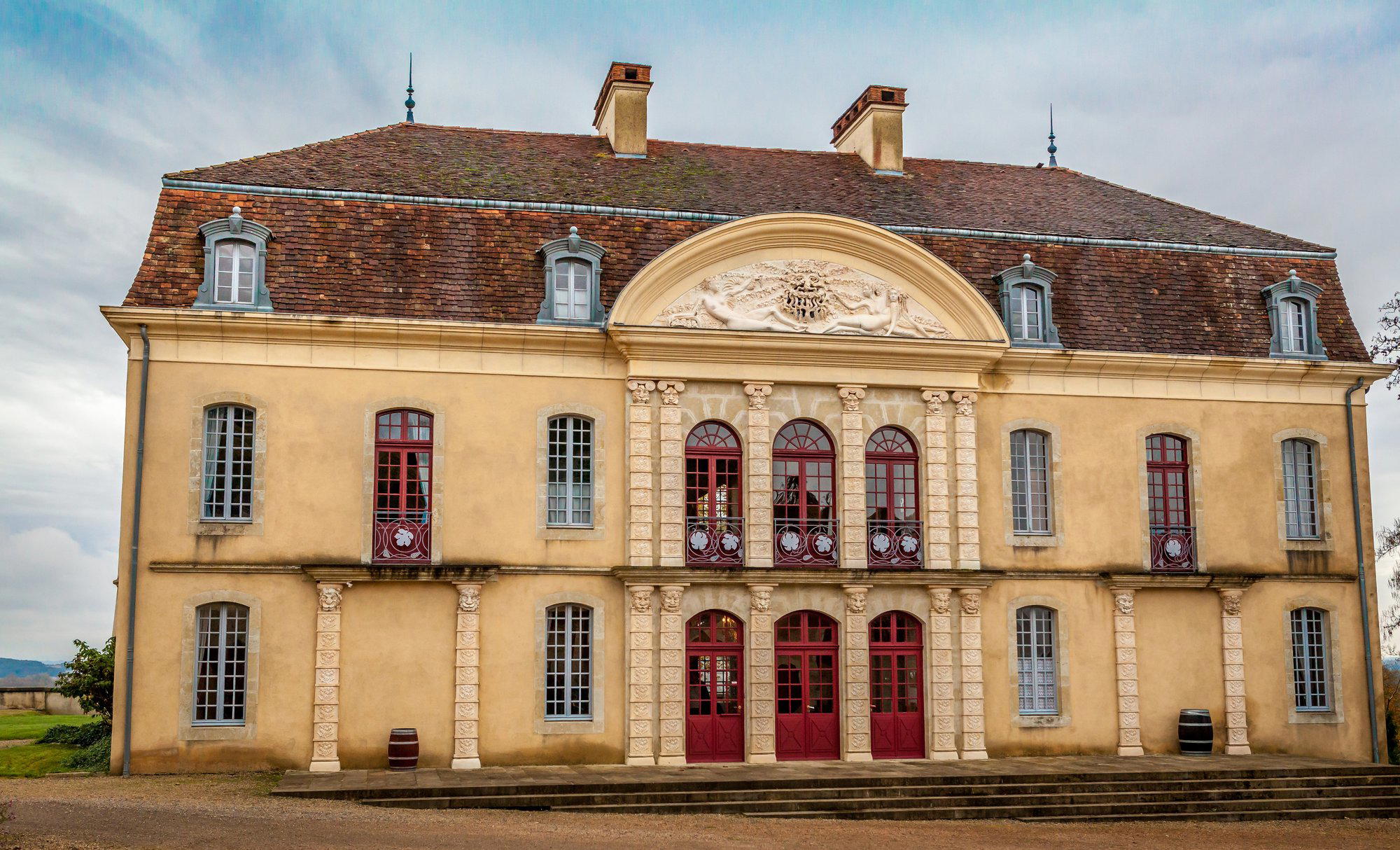
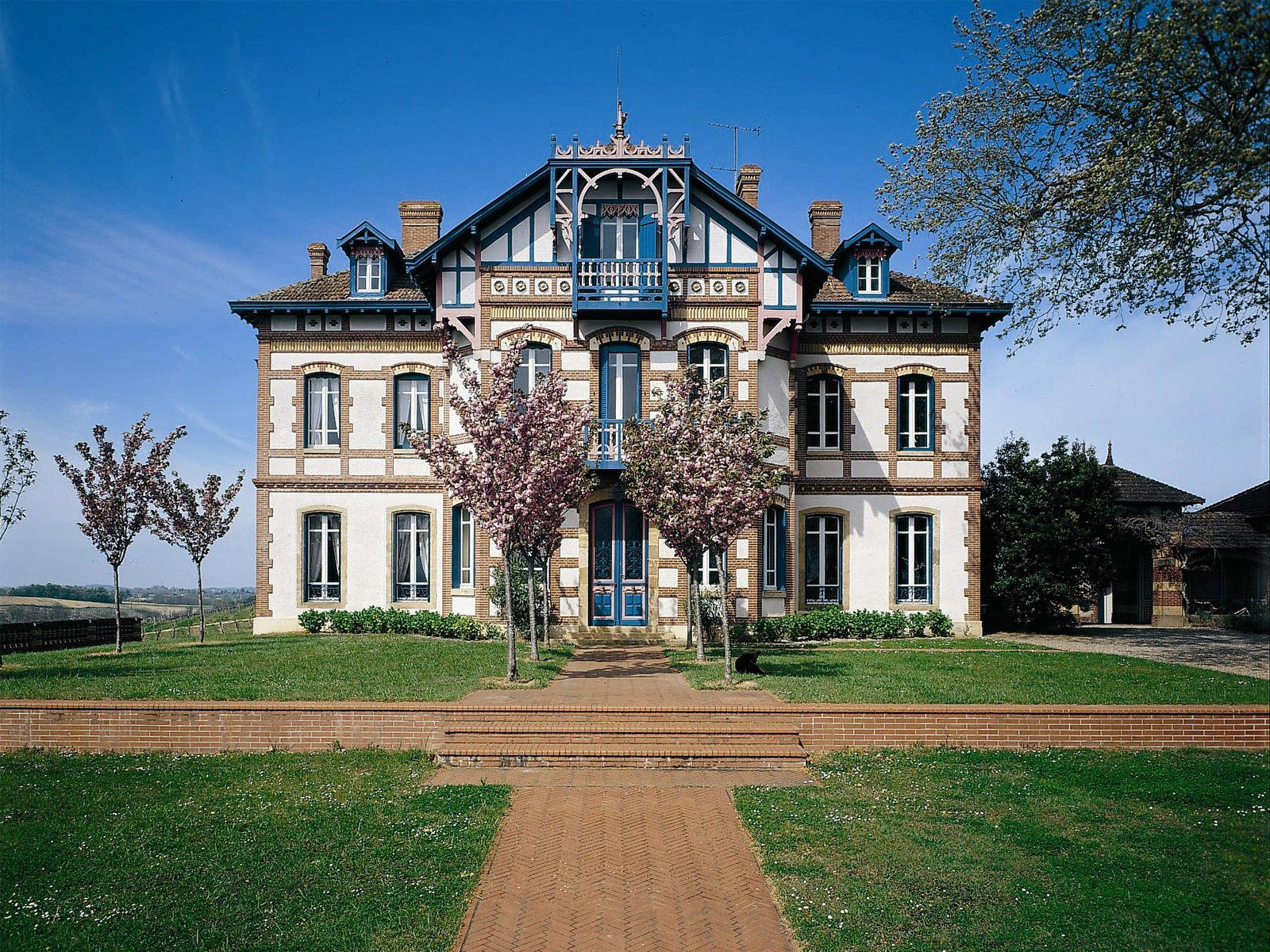
In many provincial French cities, the restaurants worth knowing are not on the main square. Pau follows that pattern precisely. Rue des Orphelines is a short, quiet street that most visitors pass without looking up, yet it sits within easy walking distance of Place Clemenceau, the city's commercial centre. That gap between adjacency and anonymity is exactly how a 30-seat room like L'Interprète operates: close enough to the city's flow to be convenient, just far enough from it to keep the room deliberate and calm. The physical setting, described in Michelin notes as a chic bohemian interior, signals what the cooking intends: not formality for its own sake, but seriousness worn lightly.
Bistronomy as a Cultural Argument
The word bistronomy entered French food writing in the 1990s as shorthand for a specific bargain: the rigour and creativity of haute cuisine applied inside a looser, more sociable format, at a price tier that did not require a special occasion. Two decades later, that format has spread across France, but it has developed differently depending on the region. In the southwest, where the Basque Country and Béarn overlap, the raw material argument has always been strong. Seasonal cooking here is not a trend position; it is a direct response to what is available. Scallops from the Atlantic coast, veal from nearby farms, clementines from the foothills, salsify from the winter ground: the region hands a kitchen its menu if the kitchen is paying attention.
L'Interprète, with its carte blanche set menus structured around what the season offers, operates squarely within that tradition. At the €€ price tier, the restaurant sits in a mid-range bracket for Pau, below the €€€ positioning of Maynats and Maison Ruffet - Villa Navarre, which holds a Michelin Star, but above the entry-level € tier where Jumo & Co operates. That positioning makes L'Interprète the point in Pau's dining structure where creative ambition and accessibility genuinely intersect.
The Menu as a Seasonal Document
Carte blanche menus, where the kitchen decides and the guest accepts, are a deliberate editorial act. They ask the diner to trust the cook's reading of the moment rather than the comfort of a fixed choice. In a region with seasonal supply this distinct, that trust tends to pay off. The format has become one of the cleaner ways a small kitchen can express what it actually does well, rather than maintaining a year-round menu that papers over seasonal gaps.
The dishes that appear in Michelin's own characterisation of the restaurant give a useful reference point without being a fixed menu: pan-fried scallops with banana miso, quinoa, and spinach; veal fillet with salsify au jus, roasted clementine, cashew nuts, and smoked pepper. What these combinations illustrate is a kitchen working with classical southwest produce but applying combinations that reach outside regional convention. Banana miso alongside a scallop is a fermentation-led pairing more common in contemporary creative cooking across France and Spain than in traditional Béarnaise cuisine. The clementine and smoked pepper alongside veal speaks to the same instinct: local material, less local technique. It is a creative bistronomy kitchen, not a preservation exercise.
That approach places L'Interprète in a broader conversation about what southwest French cooking is becoming. L'Ossau represents the traditional end of the Pau spectrum, and Les Pipelettes occupies modern bistro territory. The creative bistronomy format that Chef Quentin Maysou runs sits between those poles, drawing on local seasonal produce while using technique and flavour pairings that connect to the wider French creative cooking conversation. For context on how that conversation plays out at higher price tiers, the approaches taken at Arpège in Paris and Mirazur in Menton share the same core commitment to seasonal produce as a non-negotiable starting point, even if the scale and investment are entirely different.
The Room and the Atmosphere
Thirty seats is a specific editorial choice for a restaurant. It is small enough that the kitchen retains direct control over every plate and large enough to sustain the economics of a serious operation without needing high turnover. The convivial atmosphere noted consistently in reviews and the Michelin entry is not incidental: small rooms with committed kitchens tend to generate a particular energy, where the proximity between table and kitchen is felt even when there is a wall between them. The bohemian interior reported in notes suggests a room that is considered but not stiff, which matches the carte blanche format's implicit promise to the diner: this will be interesting, not ceremonial.
Planning a Visit
L'Interprète sits at 8 Rue des Orphelines, 64000 Pau, a brief walk from Place Clemenceau. The €€ price tier places it within reach for a weekday lunch or a mid-week dinner without the commitment of a special-occasion budget. For a broader picture of what Pau's restaurant scene offers at different price points and styles, our full Pau restaurants guide covers the city's dining range in full. Travellers building a longer itinerary can also consult our Pau hotels guide, our Pau bars guide, our Pau wineries guide, and our Pau experiences guide.
For those placing this kind of regional creative cooking in a wider French context, the kitchens at Flocons de Sel in Megève, Bras in Laguiole, Troisgros in Ouches, Auberge de l'Ill in Illhaeusern, and Alléno Paris au Pavillon Ledoyen each demonstrate, at different scales and price tiers, how French kitchens have continued to develop the relationship between regional produce and contemporary technique. Cocina Hermanos Torres in Barcelona offers the Iberian equivalent of that argument, given how closely the creative cooking scenes on either side of the Pyrenees have begun to inform each other.
Frequently asked questions
What's the pricing like at L'Interprète?
Pricing at L'Interprète is listed as €€.
Can I walk in to L'Interprète?
The room seats 30, which leaves very little margin for unplanned arrivals, particularly given the following the restaurant has built in Pau. At the €€ price point and with a Michelin Plate to its name, demand consistently outpaces available covers. A reservation booked ahead is the reliable approach; walk-ins are a gamble on cancellations.
Price and Positioning
| Venue | Cuisine | Price | Awards | Notes |
|---|---|---|---|---|
| L'InterprèteThis venue (the venue you are viewing) | Modern French Bistronomy | $50–100 | Michelin Plate · Star Wine List | Not listed |
| Jumo & Co | Modern French Bistro | $30–50 | Michelin Bib Gourmand | Not listed |
| Maynats | Modern French with Japanese Influences | $50–100 | Michelin Plate · Gault & Millau Remarkable Restaurant | Not listed |
| Omnivore | Modern French Bistro | $30–50 | Michelin Bib Gourmand | Not listed |
| L'Ossau | Classic French Bistro | $30–50 | Michelin Plate | Not listed |
| Maison Ruffet - Villa Navarre | Regional French Gastronomic Cuisine | $100–150 | Michelin Plate | Modern Cuisine |
Recognition history
Dated appearances from independent guides and award organizations, with the underlying list record or original source where available.
Michelin Plate
Michelin
Star Wine List
Star Wine List
Full recognition history (4 entries)
Michelin Plate
Michelin
Michelin Plate
Michelin
Continue exploring
More in Pau
Restaurants in Pau
All restaurants in Pau →
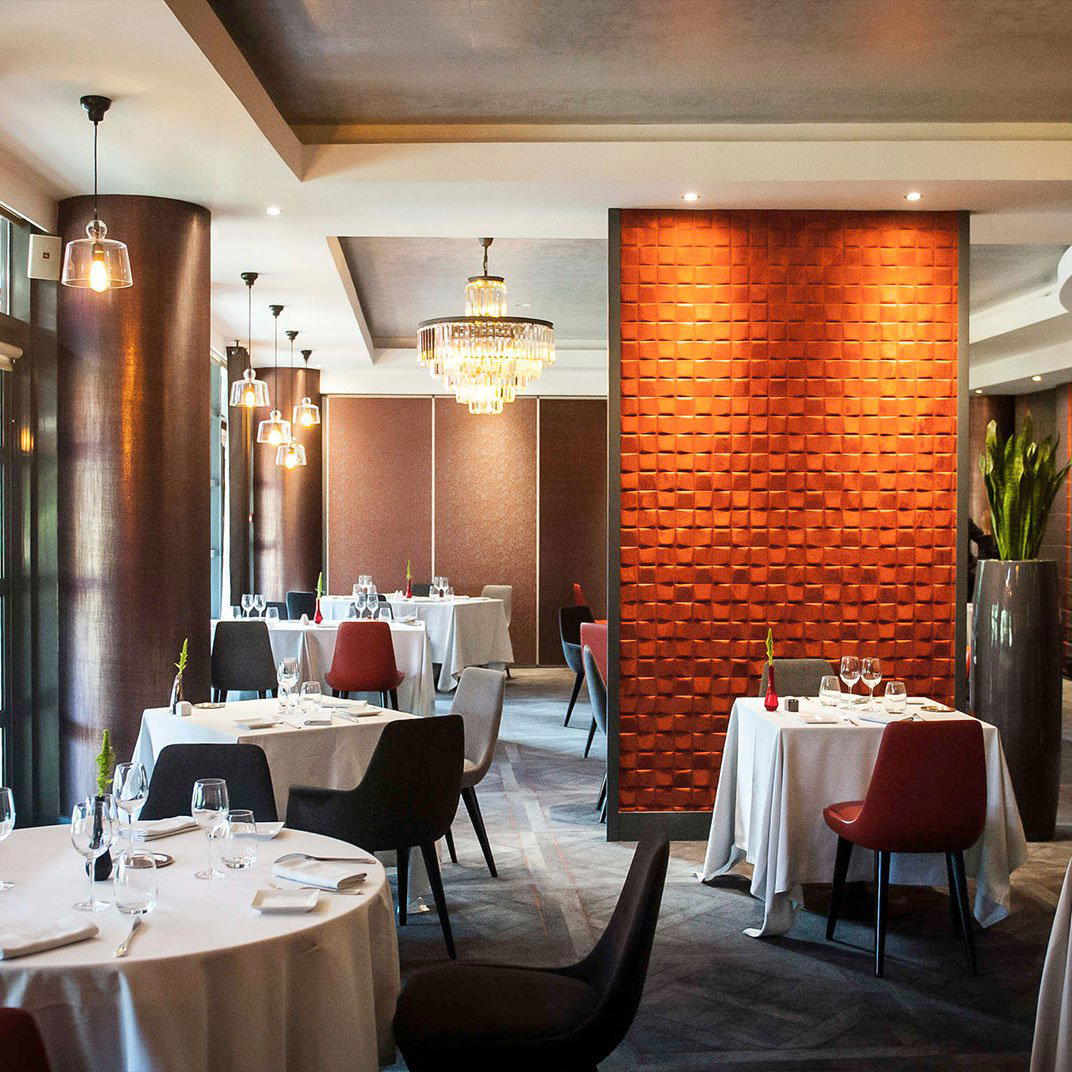
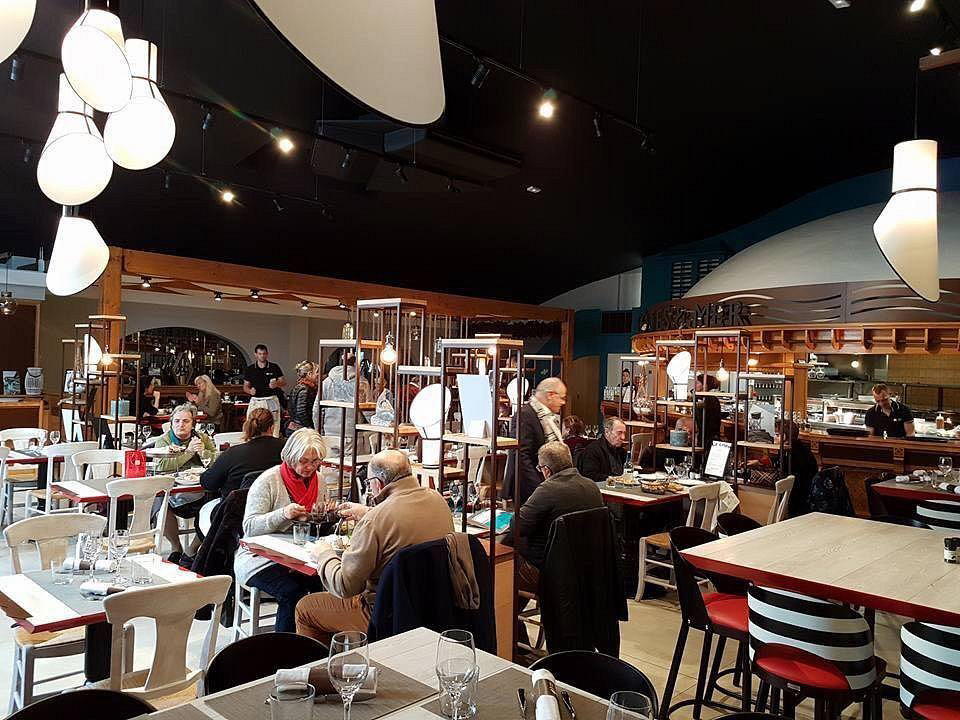
Hotels in Pau
All hotels in Pau →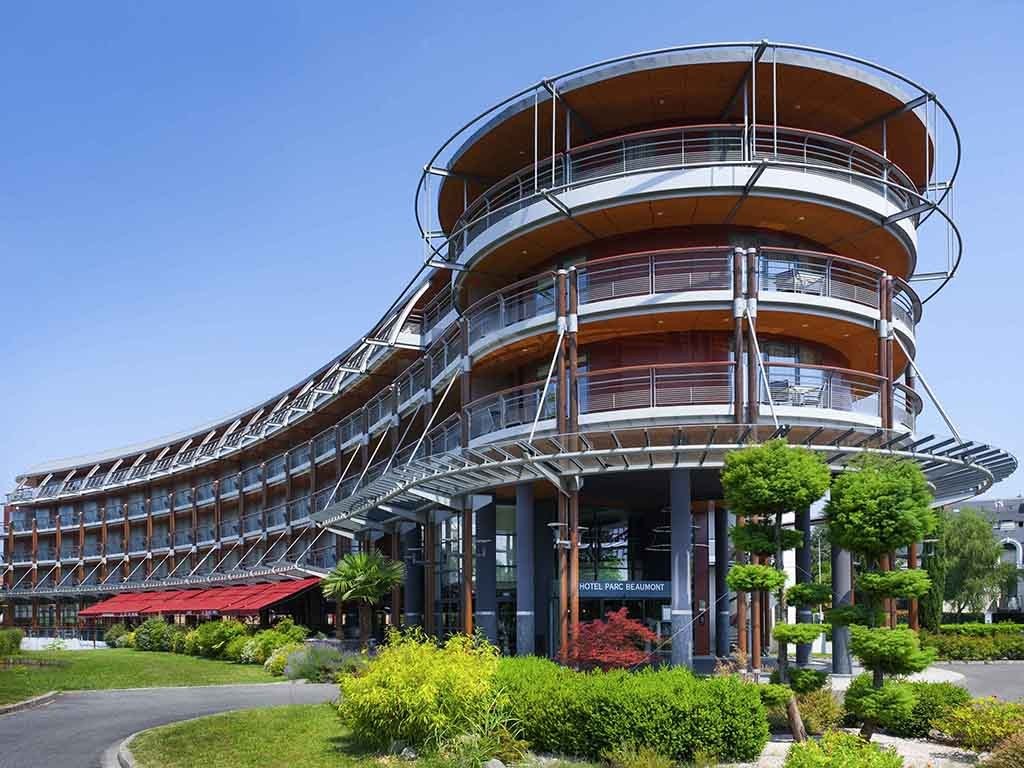
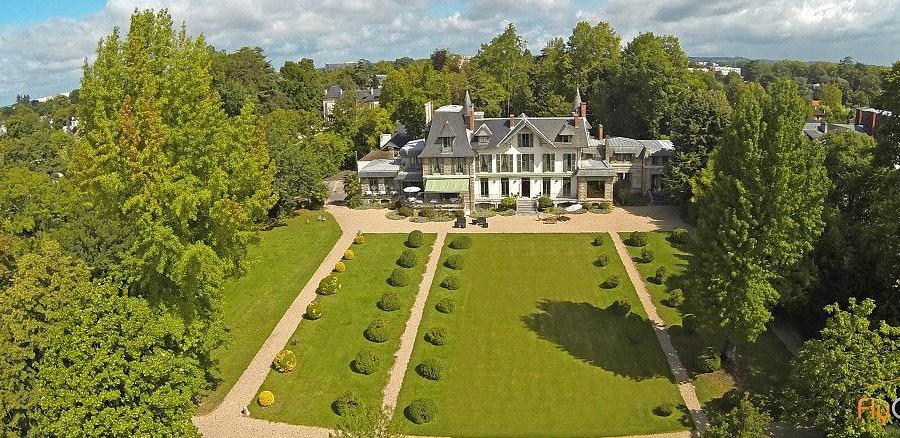

Details
- Modern
- Elegant
- Cozy
- Intimate
- Sophisticated
- Date Night
- Special Occasion
- Business Dinner
- Open Kitchen
- Extensive Wine List
- Local Sourcing
- Tasting Menu
- Prix Fixe
Current opening hours
- Monday
- Closed
- Tuesday
- 12–2 PM, 7:30–9:30 PM
- Wednesday
- 12–2 PM, 7:30–9:30 PM
- Thursday
- 12–2 PM, 7:30–9:30 PM
- Friday
- 12–2 PM, 7:30–9:30 PM
- Saturday
- 12–2 PM, 7:30–9:30 PM
- Sunday
- Closed
Hours can change for holidays and private events. Hours as of .
Modern and warm atmosphere with refined chic decor, including mango wood tables, taupe walls, wine cellars, and a convivial, calm vibe.