Google: 4.7 · 581 reviews
.png)
L'Ossau holds a 2025 Michelin Plate at its address on Rue Tran in central Pau, where traditional cuisine anchors the menu and a Google rating of 4.7 across 431 reviews signals consistent execution. Priced at the mid-range €€ tier, it sits in a city whose dining scene spans Michelin-starred modern kitchens and creative independents. For a meal rooted in the culinary customs of the Béarn, this is a reliable reference point.
 Discover on Pearl
Pearl is the En Primeur Club membership app — saves, bookings, and concierge access live there. Same editors, same standards.
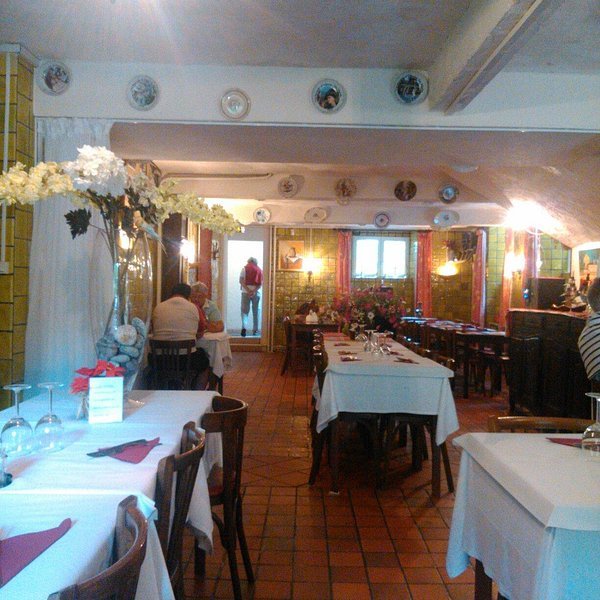
Where the Béarn Comes to the Table
Pau sits at the foot of the Pyrenees in a region that has fed itself with singular conviction for centuries. Béarnaise tradition is not an abstraction here: it is duck confit rendered from birds raised in the Gers lowlands, trout pulled from cold mountain streams, and the layered wines of Jurançon poured alongside cheese from the high pastures above Ossau. L'Ossau, at 32 Rue Tran in central Pau, takes its name from the valley that defines much of what this region tastes like, and it operates squarely within that lineage. It carries a 2025 Michelin Plate, the guide's signal for a kitchen producing consistently good cooking, and a Google rating of 4.7 from 431 reviewers — a number that suggests the kitchen performs reliably rather than occasionally.
In Pau's mid-range tier, L'Ossau occupies the same €€ bracket as L'Interprète and Les Pipelettes, though where those rooms lean toward creative and contemporary formats, L'Ossau holds its position as a traditional house. At the higher end of Pau's scene, Maison Ruffet - Villa Navarre carries a Michelin star and operates in the €€€ tier alongside the creative kitchen at Maynats. The value proposition at L'Ossau is distinct: Michelin recognition at a price point that does not demand a special occasion to justify the booking.
The Rhythm of a Traditional French Meal
French traditional cuisine is governed less by innovation than by sequence and respect for the ingredient. The ritual at a room like L'Ossau follows a grammar that has not changed substantially in decades: an amuse or light opener to signal the kitchen's intent, a starter that establishes the season, a main course where the regional larder takes centre stage, and a cheese or dessert that resolves the meal in the local idiom. Across provincial France, from the Auberge de l'Ill in Illhaeusern to the Auberge Grand'Maison in Mûr-de-Bretagne, this structure is the architecture of the meal. L'Ossau works within it.
What distinguishes eating in this part of France is the specificity of the terroir that arrives at the table. The Ossau-Iraty cheese appellation, produced from the milk of Manech and Basco-Béarnaise ewes in the same valley the restaurant names itself after, is among the defining fromages of the French southwest. The piperade and the garbure — the long-cooked cabbage and preserved meat soup that sustained generations of Béarnais mountain communities , appear in menus across the region as markers of identity rather than nostalgia. At a house operating at L'Ossau's level, these are the reference points that give the meal its sense of place.
This approach to traditional cuisine differs from the terroirist introspection found at altitude in French gastronomy, where houses like Bras in Laguiole or Flocons de Sel in Megève pursue a kind of philosophical investigation of their landscape. The tradition at play in a Béarnais room is more grounded: the point is pleasure and continuity, not self-expression. The pacing is unhurried, the portions are generous by the standards of tasting-menu culture, and the expectation is that you will take your time. Across the border in Asturias, comparable traditional houses like Auga in Gijón operate with the same register , anchored, seasonal, feeding rather than performing.
Placing L'Ossau in the Pau Dining Context
Pau's restaurant scene has acquired more ambition in recent years. The creative tier, represented by rooms like L'Interprète and Jumo & Co, pulls in younger diners who want the Béarnais larder reinterpreted. The Michelin-starred tier, anchored by Maison Ruffet - Villa Navarre, offers modern cooking at a price that reflects its ambition. L'Ossau serves a different function: it is the room you go to when you want to eat in the tradition without spending at the starred level or accepting the informality of a simple brasserie.
The Michelin Plate designation is a useful calibration device here. It does not carry the cultural weight of a star, but it does indicate that the guide's inspectors found the cooking worth marking. In France's provincial cities, where competition is real and inspectors return unannounced, a Plate on a traditional house is a meaningful signal. It places L'Ossau in a category of serious neighbourhood restaurants that are not interested in the avant-garde but are committed to getting the fundamentals right. For the broader picture of where Pau's dining fits into the French southwest, our full Pau restaurants guide maps the scene from budget to starred.
Planning Your Visit
L'Ossau sits at 32 Rue Tran in central Pau, within easy reach of the Boulevard des Pyrénées and the city's main transport links. The €€ price range places a meal here at the mid-level of Pau's dining market, making it accessible for a weekday lunch or a relaxed dinner without the commitment of a tasting-menu format. As with most French traditional restaurants at this standard, booking ahead is the sensible approach, particularly for weekend evenings. Contact and reservation details are leading confirmed through current local listings, as phone and web information can change. If you are spending more time in the city, our guides to Pau hotels, Pau bars, Pau wineries, and Pau experiences extend the picture beyond the table.
For context in the broader French gastronomic conversation, the houses that define what traditional regional cooking can achieve at its highest register include Troisgros in Ouches, Mirazur in Menton, and Alléno Paris au Pavillon Ledoyen. L'Ossau operates at a different scale and ambition, but it draws from the same respect for French culinary structure that those rooms, at their level, exemplify.
Cuisine and Credentials
A quick look at comparable venues, using the data we have on file.
| Venue | Cuisine | Awards | Notes |
|---|---|---|---|
| L'Ossau | Traditional Cuisine | Michelin Plate (2025) | This venue |
| Jumo & Co | Modern Cuisine | Modern Cuisine, € | |
| Maynats | Creative | Creative, €€€ | |
| Omnivore | Modern Cuisine | Modern Cuisine, €€ | |
| Maison Ruffet - Villa Navarre | Modern Cuisine | Michelin 1 Star | Modern Cuisine, €€€ |
| L'Interprète | Creative | Creative, €€ |
Continue exploring
More in Pau
Restaurants in Pau
Browse all →
Hotels in Pau
Browse all →
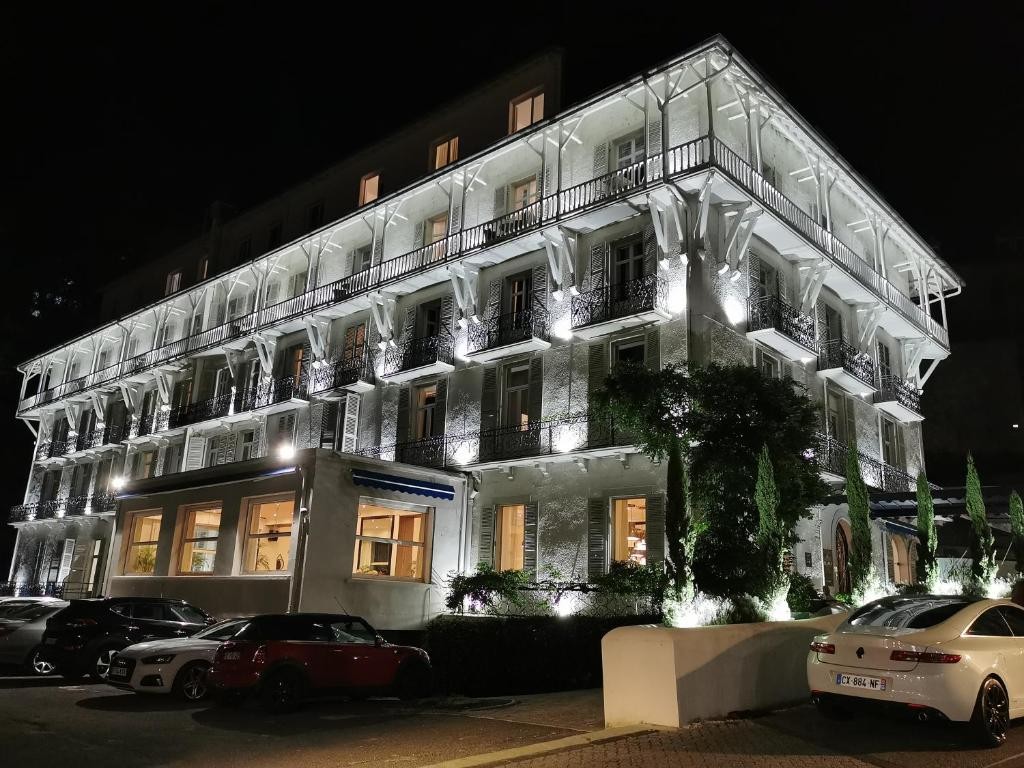
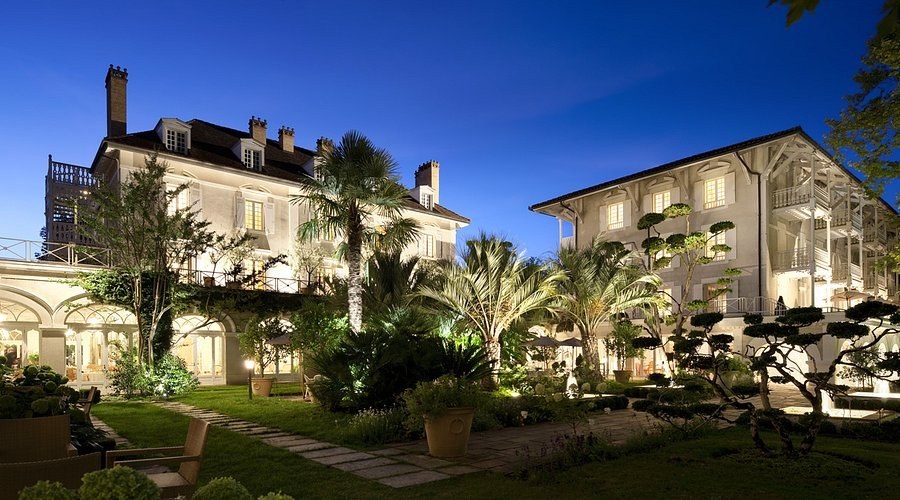
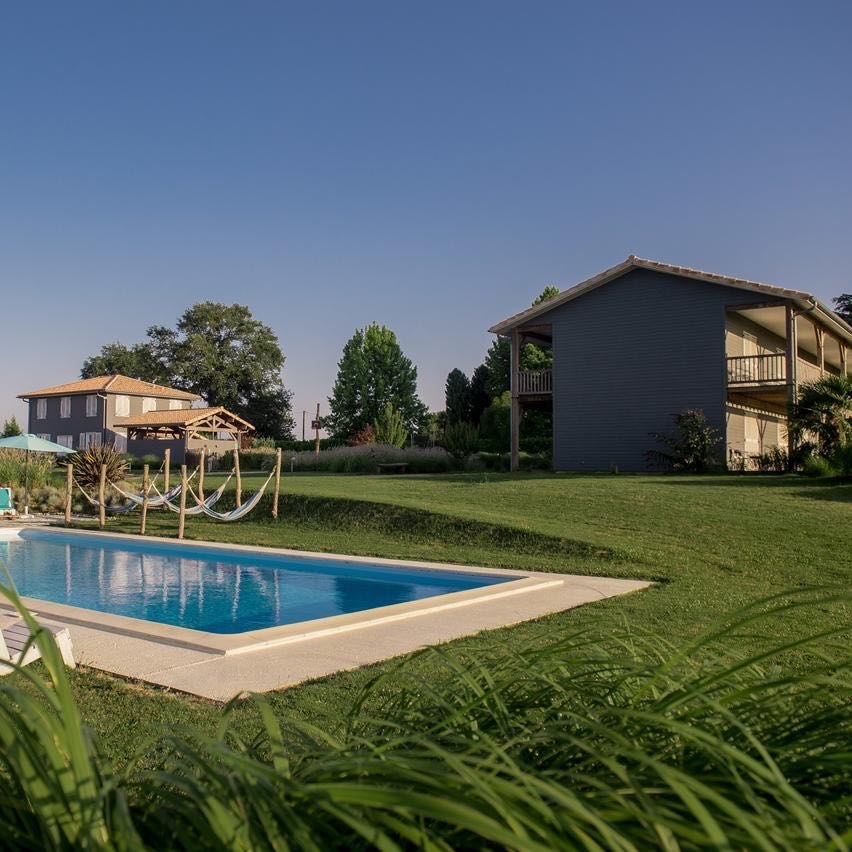
Wineries in Pau
Browse all →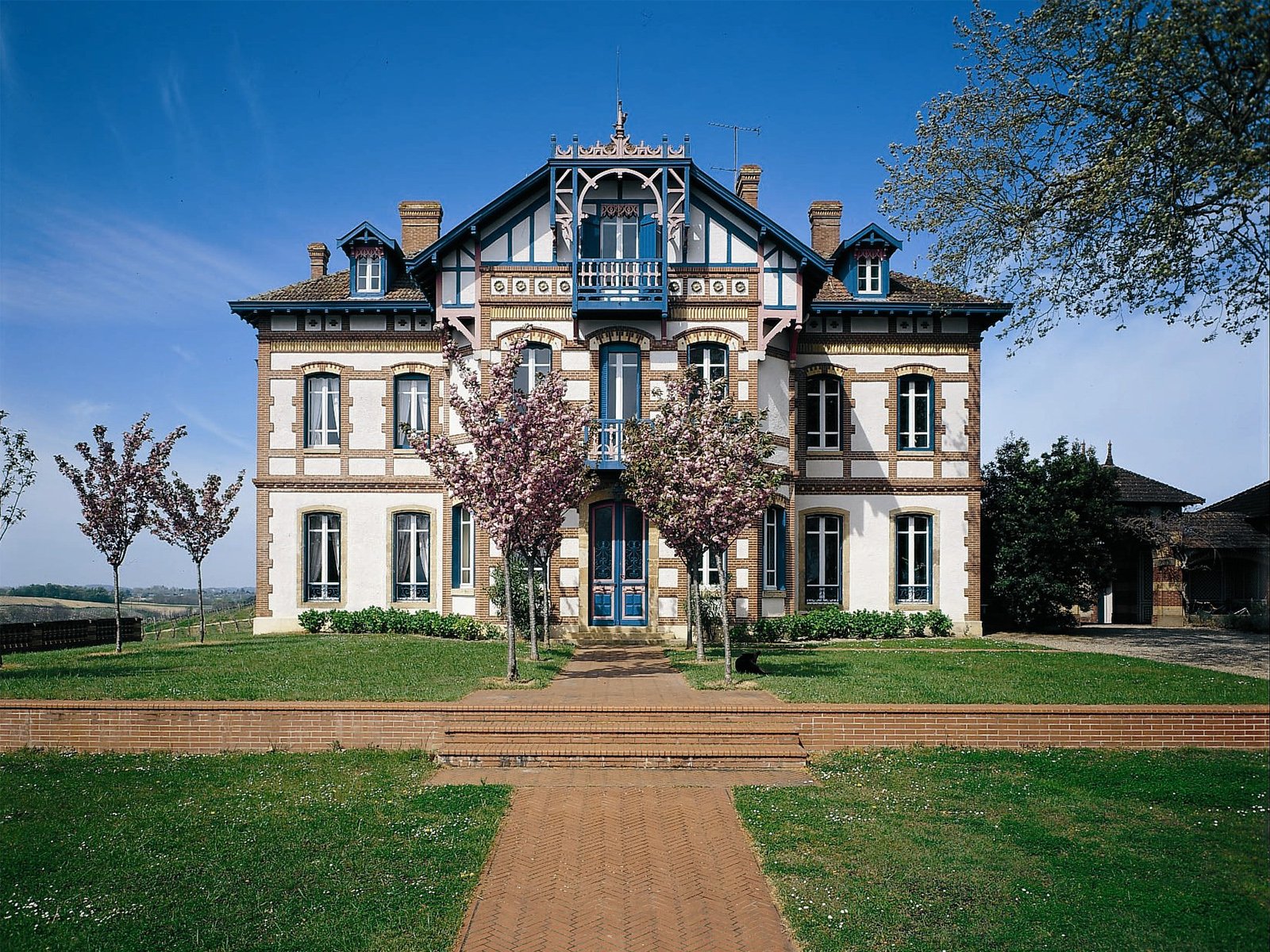
At a Glance
- Elegant
- Classic
- Intimate
- Sophisticated
- Date Night
- Business Dinner
- Group Dining
- Special Occasion
- Standalone
- Sommelier Led
- Local Sourcing
- Farm To Table
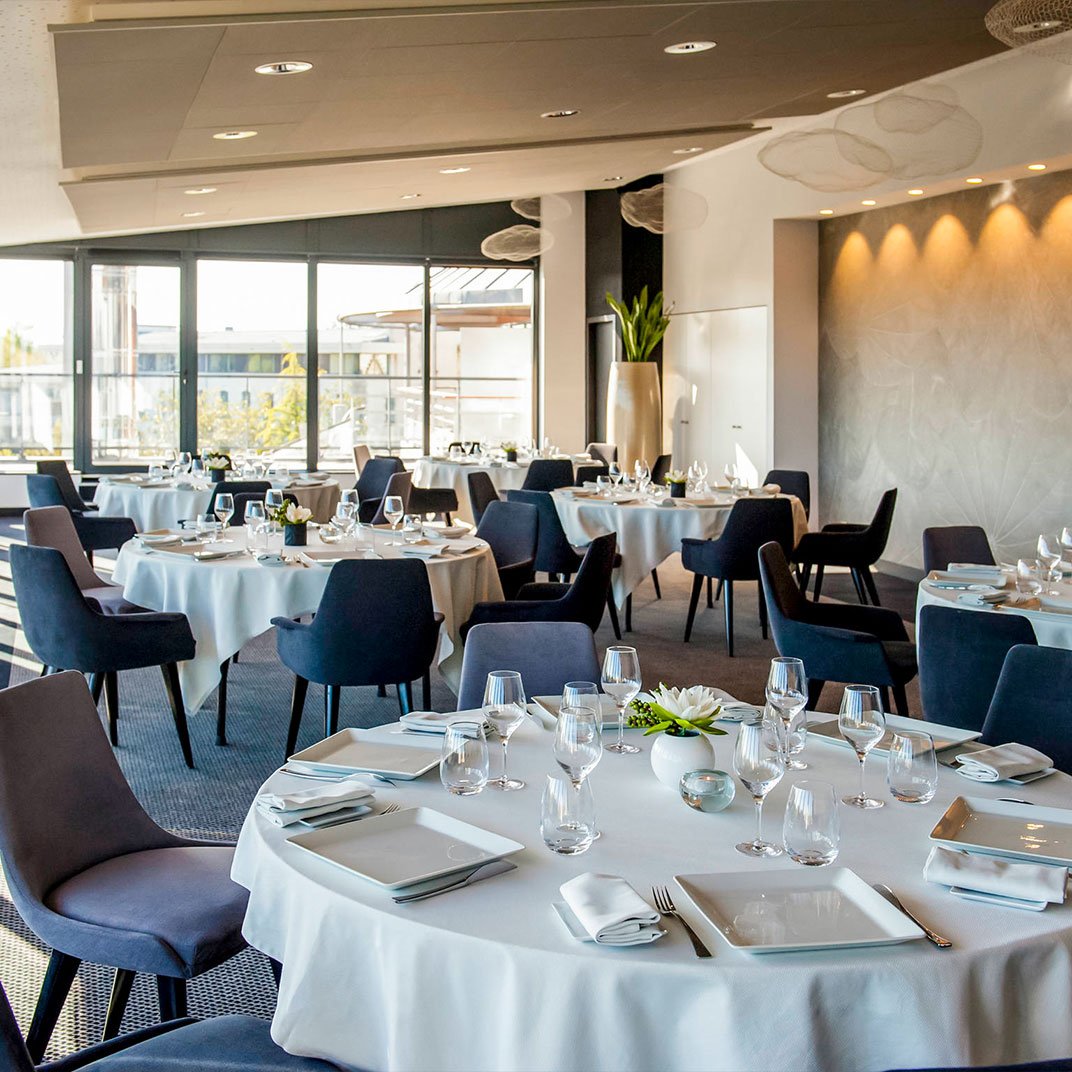
Warm and inviting with woody tones and soft golden lighting; deliberately elegant and traditional décor with simple but refined styling; chic bistro atmosphere.