Lily's
On the south side of St. Louis, Lily's at 4601 S Kings Highway Blvd occupies a corner of the city where neighborhood dining carries more weight than ceremony. The restaurant draws regulars who return for a kitchen that keeps its sourcing close and its menu grounded in what the season actually offers. It sits in a tier of St. Louis dining where consistency and conscience tend to outlast trend cycles.
Pearl is the En Primeur Club membership app — saves, bookings, and concierge access live there. Same editors, same standards.
- Address
- 4601 S Kings Highway Blvd, St. Louis, MO 63109
- Phone
- +13143986014
- Website
- lilysfreshmex.com
- Directions
- Get directions
 Saves & bookings on Pearl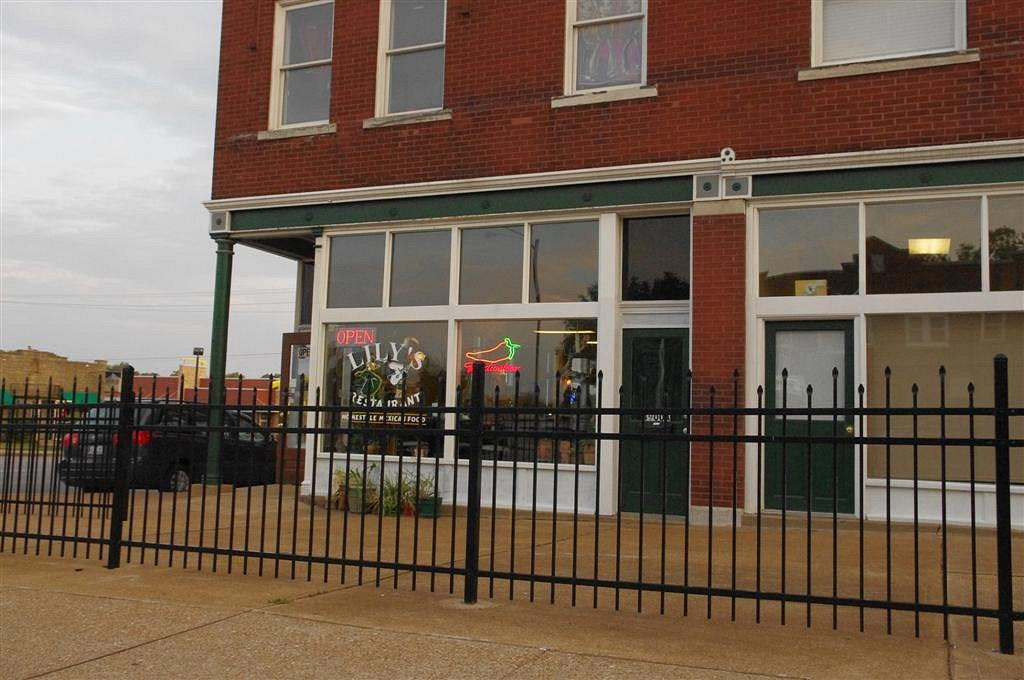
South St. Louis and the Quiet Case for Neighborhood Permanence
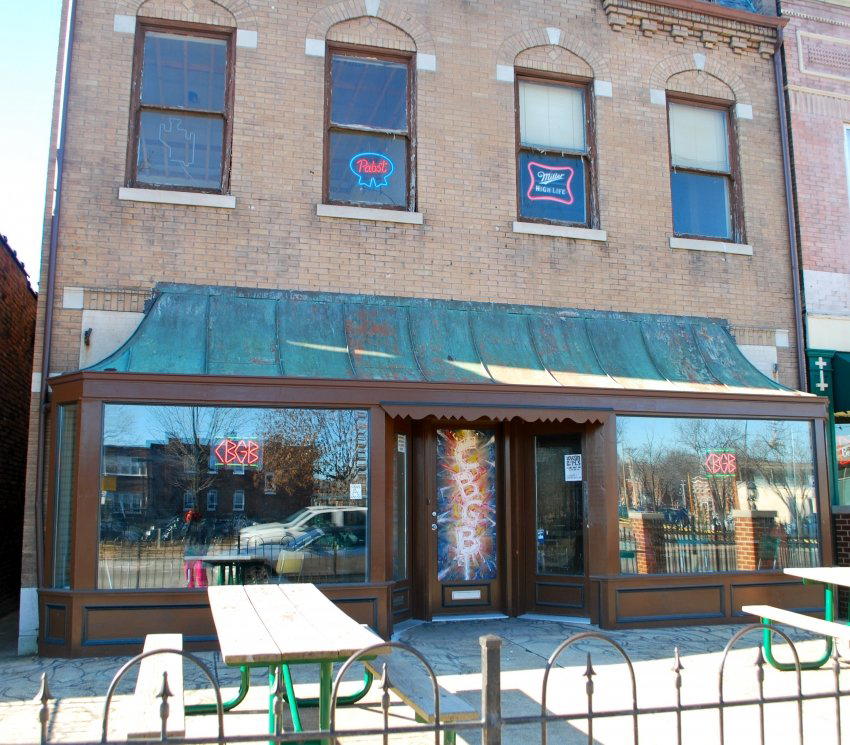
The south side of St. Louis has long operated on a different rhythm than the downtown dining corridor. On streets like S Kings Highway, the restaurants that survive decades tend to do so not through spectacle but through a specific kind of trust: the regulars know what they are getting, and the kitchen knows who it is cooking for. Lily's, at 4601 S Kings Highway Blvd, sits inside that tradition. The building announces nothing dramatic from the street, which in this part of the city is less an accident than a signal. Places that need to perform from the curb are usually performing for someone passing through. Places built for the neighborhood let the room speak once you are inside.
That interior dynamic matters more in 2024 than it did a decade ago. Across American cities, a recognizable split has emerged between restaurants oriented around destination traffic and those that function as genuine community anchors. The former require a constant intake of new visitors; the latter compound value through repetition.
Sourcing as Structure, Not Slogan
The broader conversation about sustainable restaurant practice has, in many American cities, become a marketing exercise. Menus announce local sourcing without specifying provenance. “Farm-to-table” language appears on websites for kitchens that have never visited a farm. What distinguishes the more serious operations is that sourcing decisions are structural: they shape what appears on the menu, when it appears, and at what price point, rather than serving as decorative language around a purchasing pattern that hasn’t actually changed.
In St. Louis, the geography makes genuine local sourcing achievable in a way that is harder in coastal cities. Missouri and southern Illinois agriculture sits close enough to the city that mid-scale restaurants can maintain direct relationships with producers without the logistical overhead that makes such programs cost-prohibitive elsewhere. The Missouri River Valley and the surrounding agricultural counties supply a range of produce, proteins, and dairy that a kitchen committed to regional sourcing can actually work with across multiple seasons. Restaurants in this position tend to build menus that shift more frequently, with shorter ingredient lists and less reliance on imported product to fill gaps.
That model has environmental consequences that go beyond the sourcing narrative. Shorter supply chains reduce transport emissions. Kitchens that build menus around what is available rather than what they want to serve year-round generate less food waste, because they are not holding out-of-season product waiting for a specific dish to move. Smaller, more flexible menus also tend to produce lower overall waste at the preparation stage. For diners thinking about the environmental cost of their meals, a restaurant that structures its operations around regional availability rather than global commodity purchasing represents a meaningfully different choice, even if it does not announce that difference loudly.
This is the category of practice that separates restaurants doing sustainability seriously from those doing it rhetorically. Operations like Single Thread Farm in Healdsburg and Blue Hill at Stone Barns in Tarrytown have made the farm-kitchen relationship the explicit centerpiece of their identity at a fine-dining price point. Lily’s operates in a different register entirely, but the underlying logic, that the kitchen’s sourcing decisions should be honest and geographically coherent, belongs to the same broader shift in how American restaurants think about their role in a food system.
Where Lily's Sits in the St. Louis Dining Picture
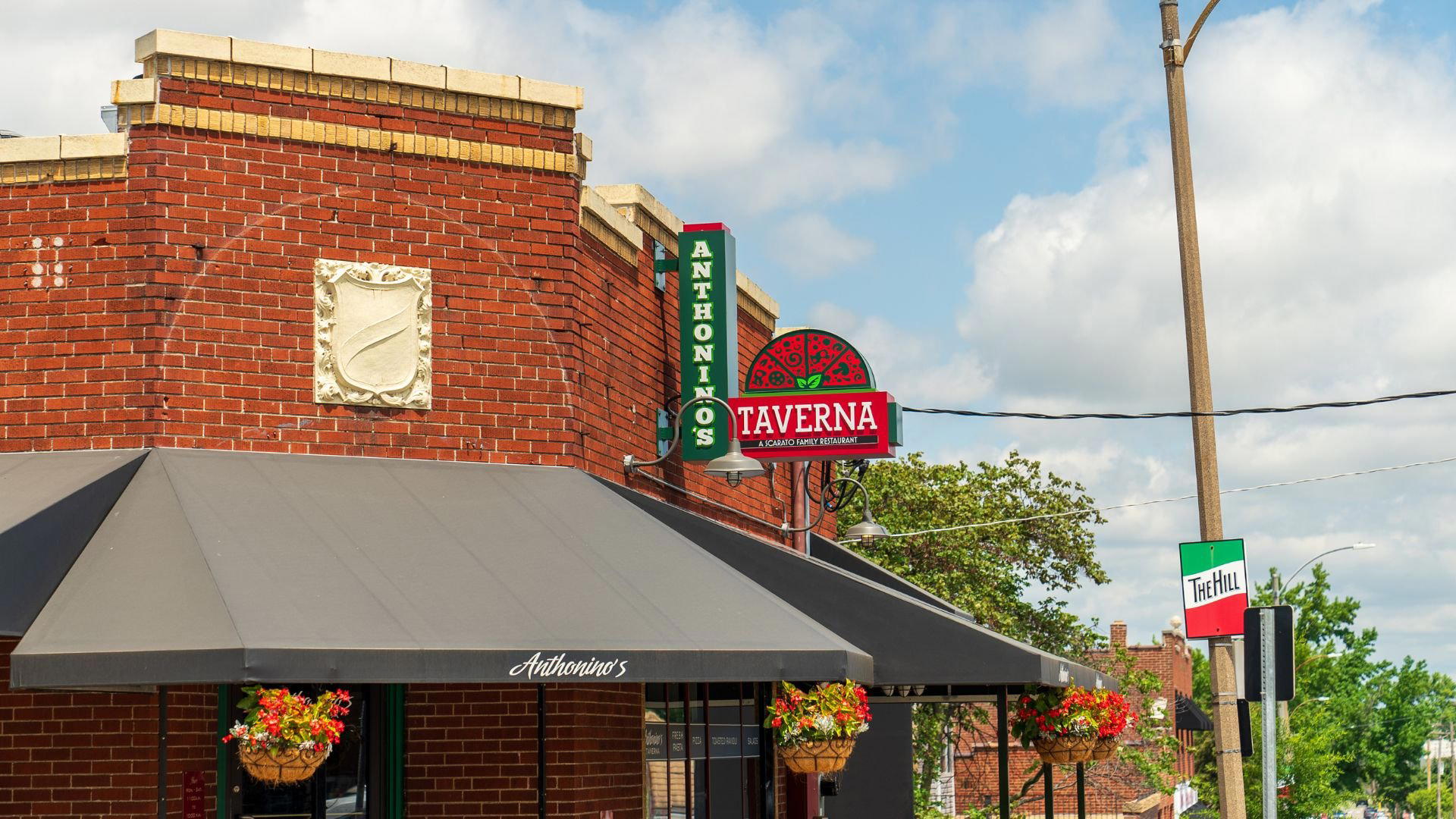
St. Louis has a dining culture that rewards specificity over trend-chasing. The city’s most durable institutions tend to have a clear point of view and a defined audience rather than trying to be everything. Al’s Restaurant has held its position for decades through a commitment to a specific Italian-American format. Annie Gunn’s has built its reputation on wine depth and consistent execution in a suburban setting. Anthonino’s Taverna anchors the Hill neighborhood with a similarly focused identity.
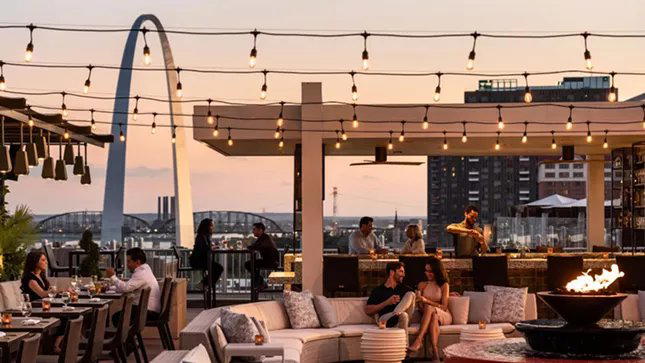
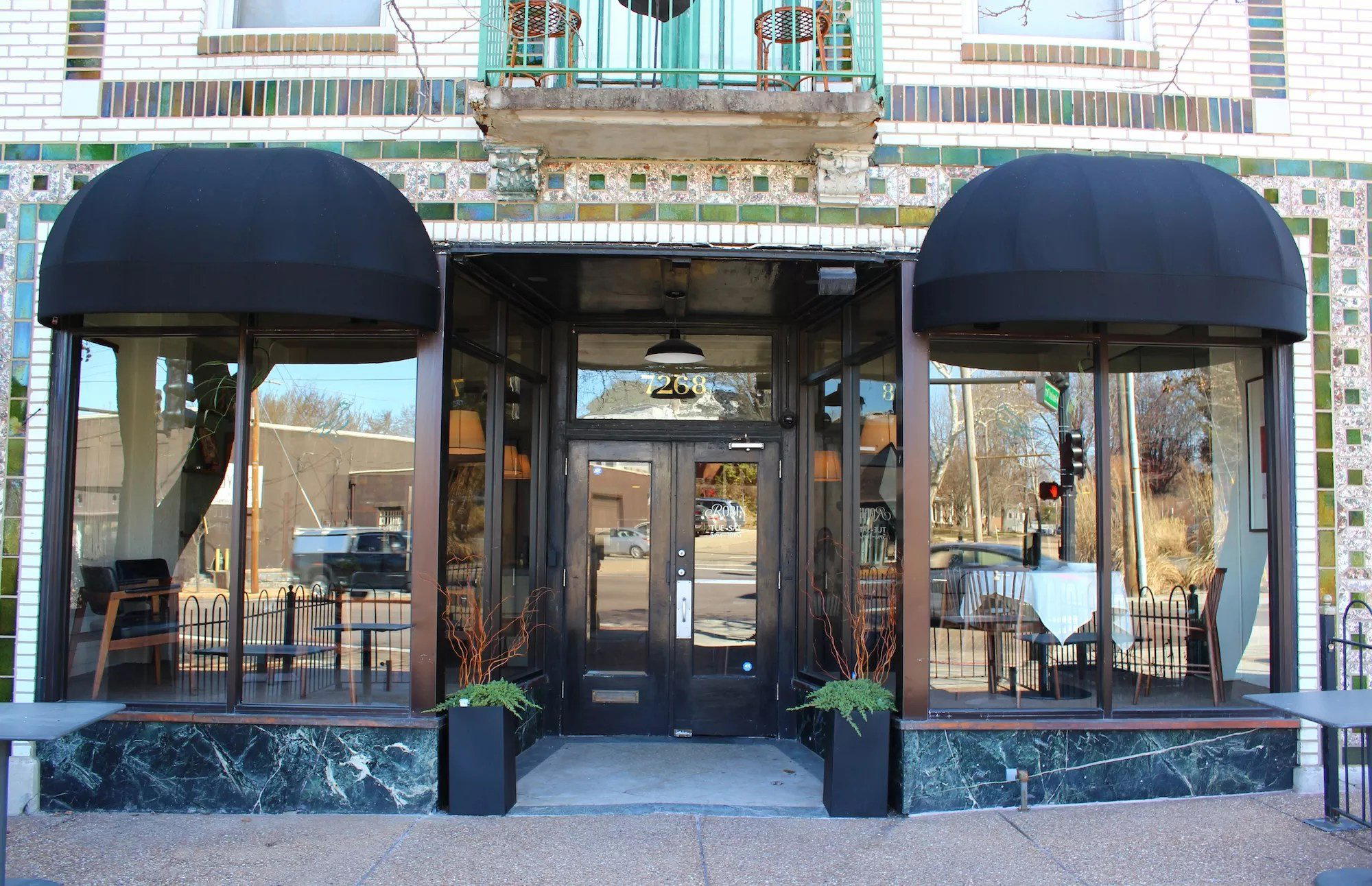
Lily’s fits that pattern. On the south side, it sits alongside other neighborhood-scale operations rather than against the destination venues that attract out-of-town visitors. For context on the broader St. Louis scene, from barbecue at Pappy’s Smokehouse to the vinyl-and-cocktail energy of Atomic Cowboy, the full St. Louis restaurants guide maps the city’s range across neighborhoods and price points. Lily’s represents the south-side anchor end of that spectrum: accessible, consistent, and built around the needs of its immediate community rather than the expectations of a passing audience.
Nationally, the restaurants that receive the most sustained attention for sustainability practice tend to operate at the fine-dining tier: Providence in Los Angeles, The French Laundry in Napa, Addison in San Diego. The conversation is harder to have about mid-scale neighborhood restaurants because the credential infrastructure, awards, press coverage, formal certification, does not extend as readily to that tier. But the practices themselves are not restricted by price point. A kitchen that sources regionally, limits waste, and builds its menu around seasonal availability is doing the same work regardless of whether it charges $30 or $300 a head.
Planning a Visit
Lily’s address, 4601 S Kings Highway Blvd, places it in the south side of St. Louis, accessible by car and within reach of the broader south-city neighborhood grid. For practical details including current hours, reservation availability, and menu information, contacting the restaurant directly or checking for updated listings is the reliable approach, as hours and formats at neighborhood restaurants of this type can shift seasonally. South St. Louis rewards visitors who combine a meal here with exploration of the surrounding blocks: the neighborhood’s dining and retail character is worth time beyond a single stop.
How Lily's St Louis compares with similar nearby venues.
| Venue | Cuisine |
|---|---|
| Ted Drewes Frozen Custard | Ice Cream |


At a Glance
- Cozy
- Family
- Casual Hangout
- Standalone
- Craft Cocktails
Current opening hours
- Monday
- Closed
- Tuesday
- 5–9 PM
- Wednesday
- 5–9 PM
- Thursday
- 5–9 PM
- Friday
- 5–9:30 PM
- Saturday
- 5–9:30 PM
- Sunday
- Closed
Hours can change for holidays and private events. Last verified .
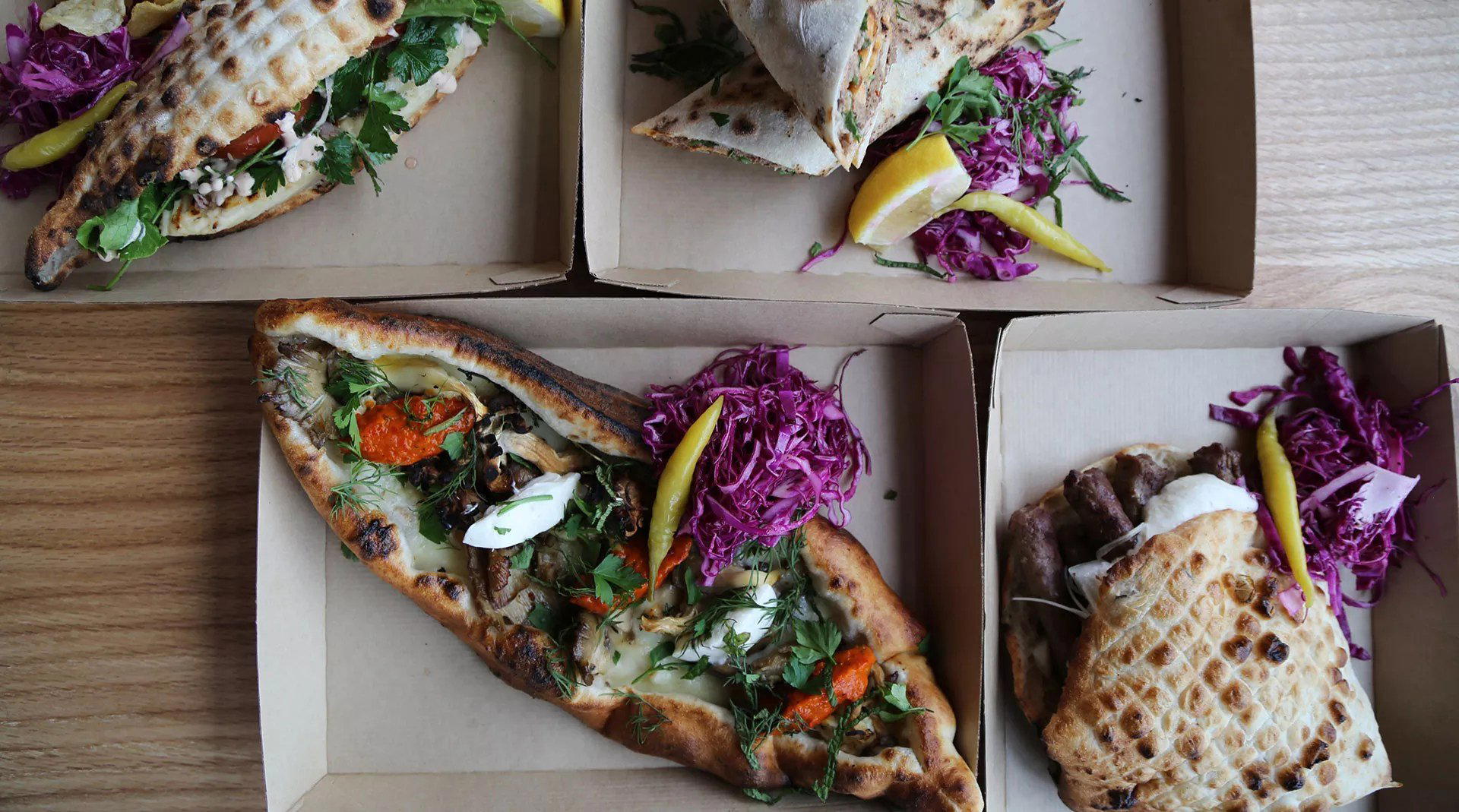
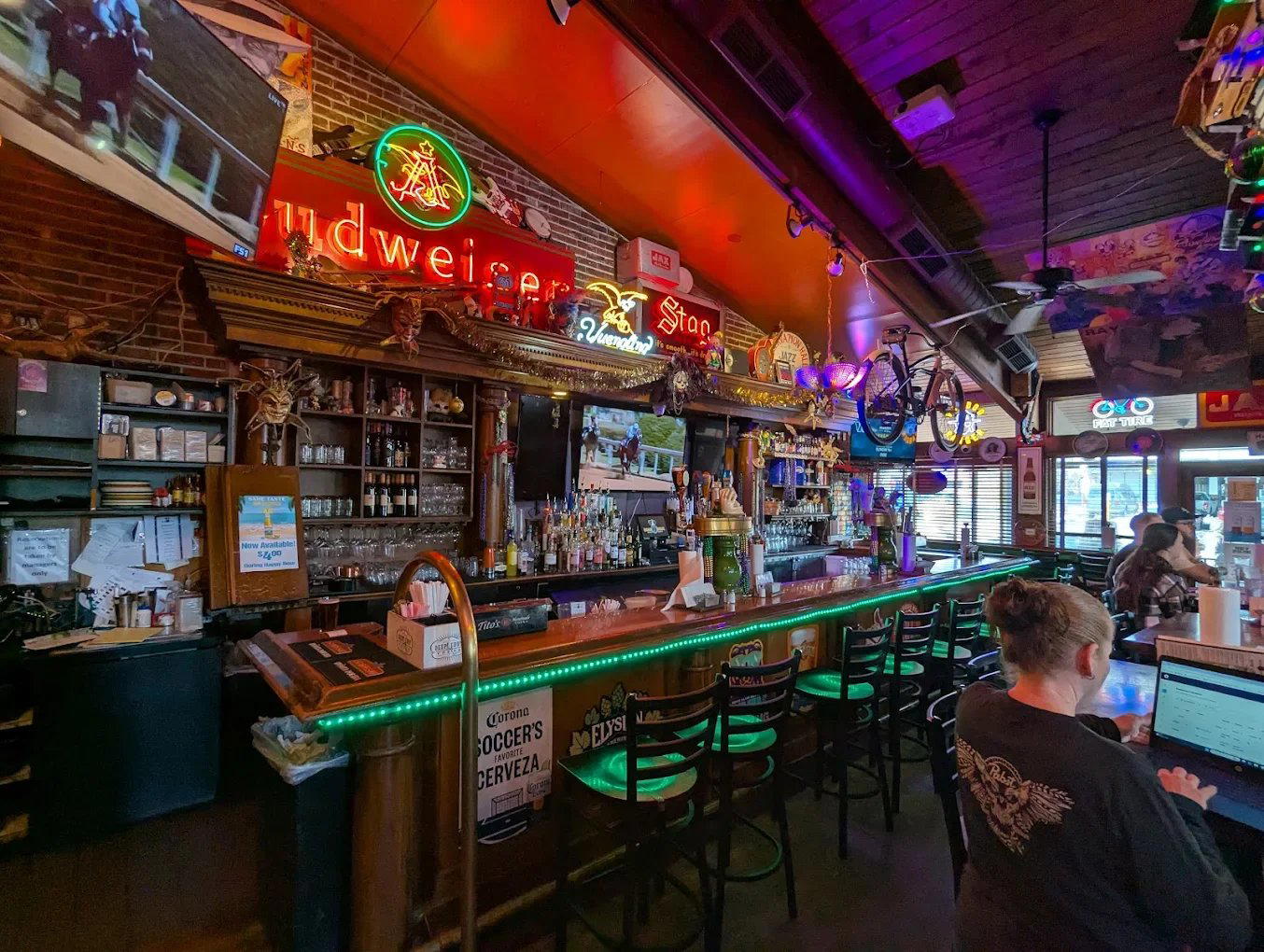
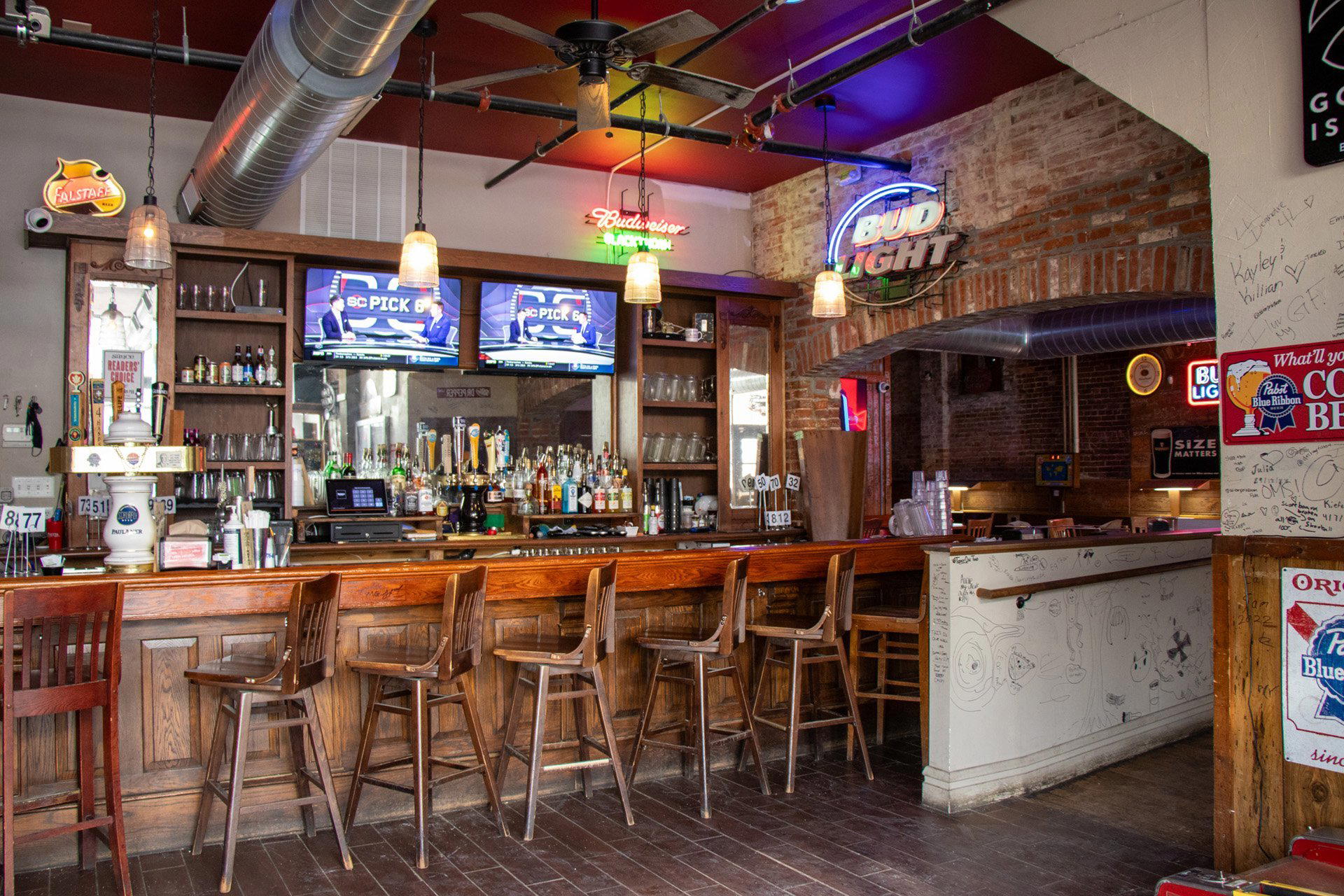
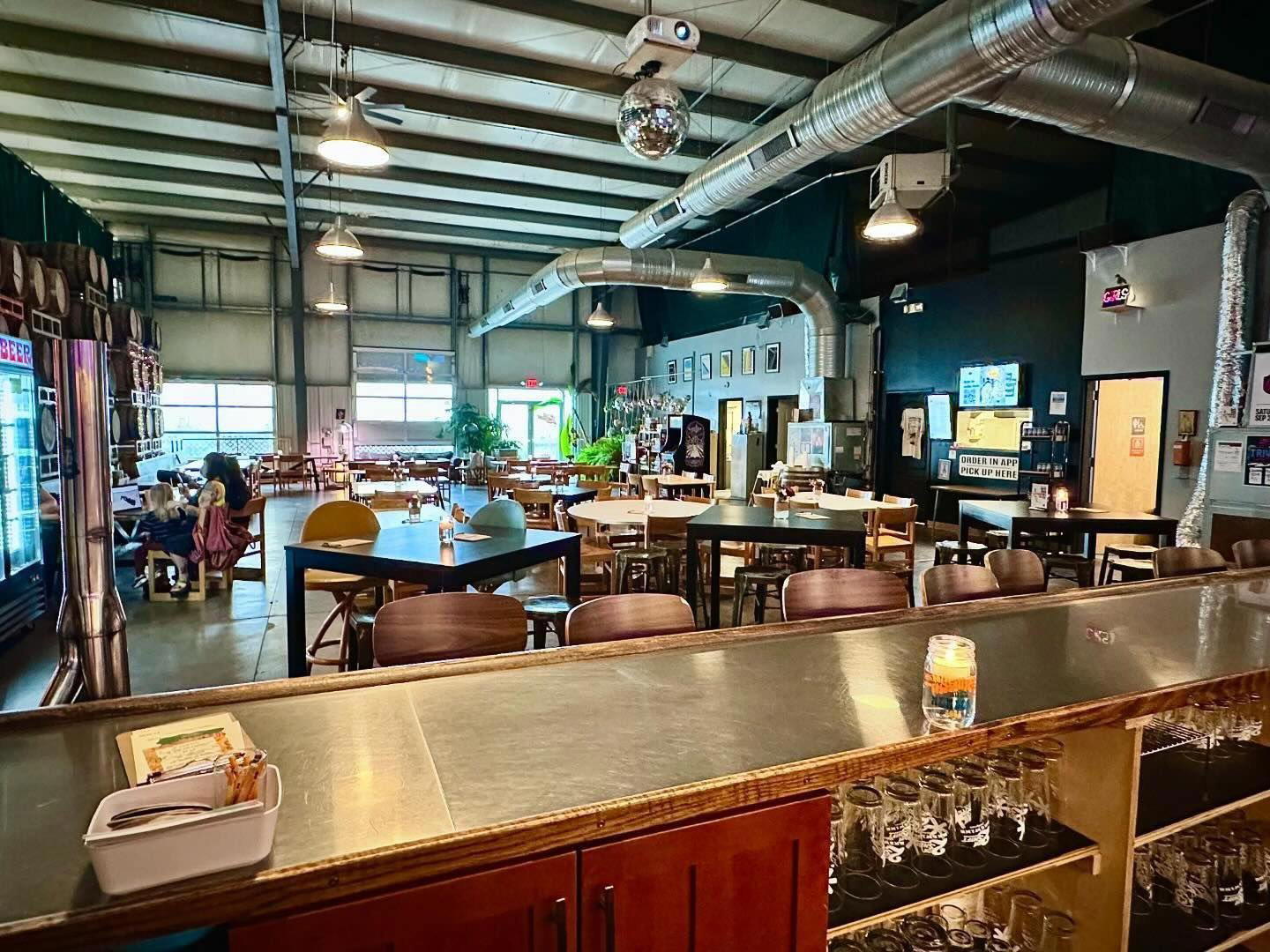
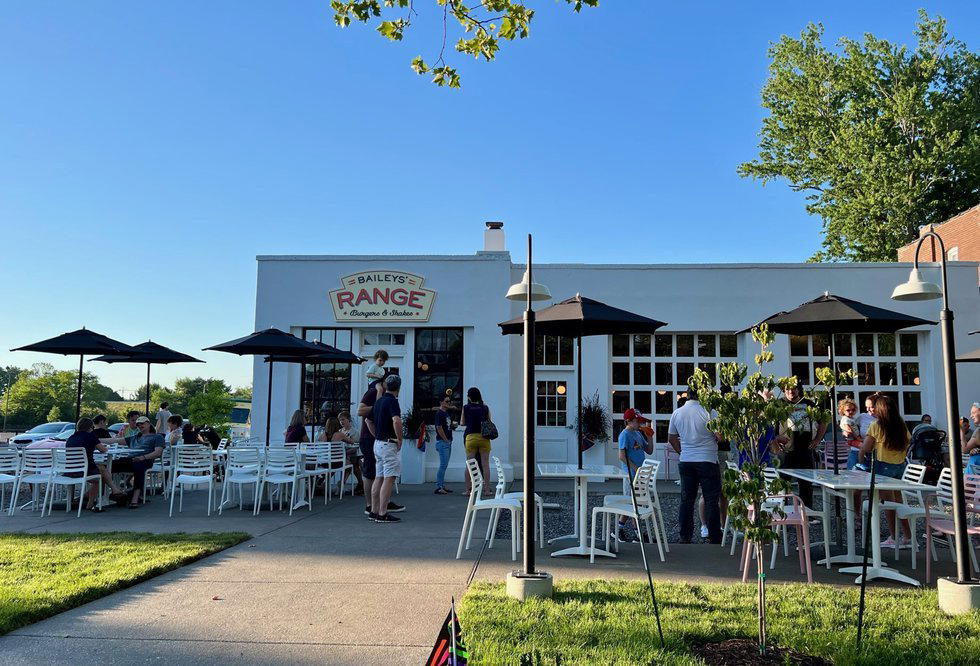
Warm and inviting with attentive, family-like service.
Know Before You Go
- Getting there
- 4601 S Kings Highway Blvd, St. Louis, MO 63109