
Canada's 100 Best Restaurants #91
Our verdict
On Botsford Street in downtown Moncton, Les Brumes du Coude occupies a distinct position in a city whose dining scene has grown sharper and more regionally focused than most visitors expect. The address places it squarely in New Brunswick's food-producing heartland, where Bay of Fundy seafood, Acadian farmland, and a short growing season conspire to make sourcing decisions the defining creative act. A serious option for anyone mapping the Maritime table.

Pearl is the En Primeur Club membership app, where members save venues, book tables and use the concierge.
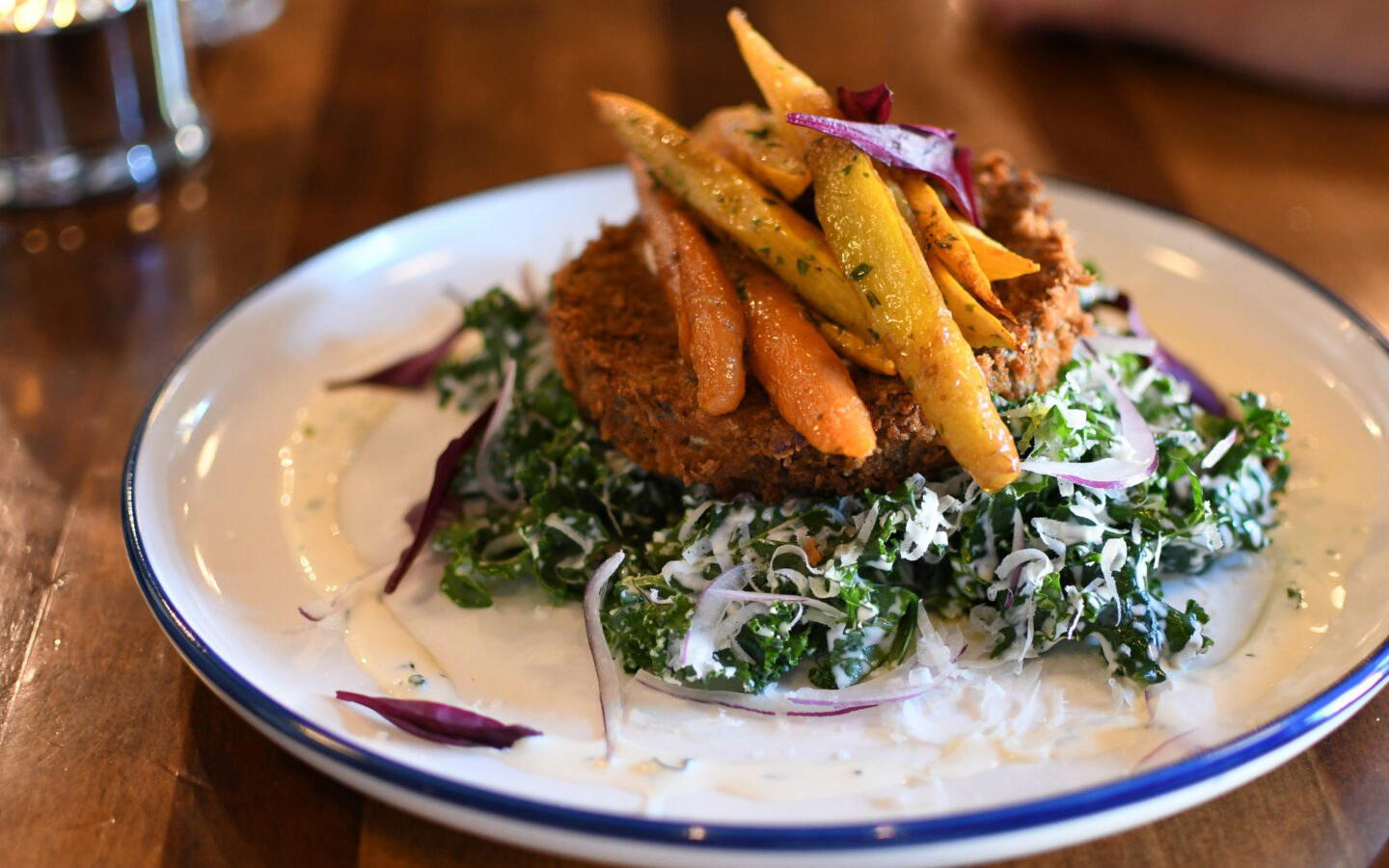
Where Moncton's Sourcing Conversation Gets Serious
Botsford Street runs through downtown Moncton with the pragmatic geometry of a mid-sized Canadian city, and 140 is an address that rewards attention. The building sits in a neighbourhood that has watched Moncton's dining ambitions shift over the past decade from generic continental to something far more anchored in the specific agricultural and oceanic geography of New Brunswick. That shift is the story worth telling, and Les Brumes du Coude is one of the places where it becomes legible on a plate.
The broader Maritime dining moment is not incidental. Moncton sits at an intersection point: two hours from the Bay of Fundy's tidal fishing grounds, within reach of Prince Edward Island's potato and shellfish traditions, and surrounded by Acadian farming communities whose produce calendar is short, concentrated, and intensely seasonal. Restaurants that pay attention to these coordinates operate differently from those that don't. The sourcing radius matters not as a marketing position but as a structural fact that determines what arrives in the kitchen and when.
The Regional Ingredient Framework
New Brunswick's food geography rewards specificity. The Bay of Fundy produces some of the world's most cited scallops and lobster, with tidal forces that affect texture and salinity in ways that distinguish local catch from anything sourced further south. The Acadian Peninsula in the north contributes oyster beds that have drawn international attention, while the agricultural belt around Moncton itself supports dairy, grain, and root vegetable production that anchors the colder months of any serious seasonal menu.
Restaurants working within this system tend to operate on shorter, more fluid menus than their urban counterparts at places like Alo in Toronto or Jérôme Ferrer - Europea in Montreal, where supply chain depth allows a more fixed format. The Maritime model, by contrast, demands weekly or even daily adjustments based on what the fishing boats and farm deliveries produce. That constraint, for kitchens committed to working within it, becomes a discipline that sharpens the cooking rather than limiting it. The comparison point is less a metropolitan fine dining room and more something like Narval in Rimouski, where Gulf of St. Lawrence geography similarly sets the creative terms.
At the more extreme end of Canadian ingredient-led cooking, the model is Eigensinn Farm in Singhampton, where the property itself is the supply chain. Les Brumes du Coude operates within the commercial city model, which means sourcing partnerships rather than on-site production, but the orientation toward regional specificity places it in the same broader conversation about what Canadian cooking looks like when it takes geography seriously.
Moncton's Dining Tier and Where This Address Sits
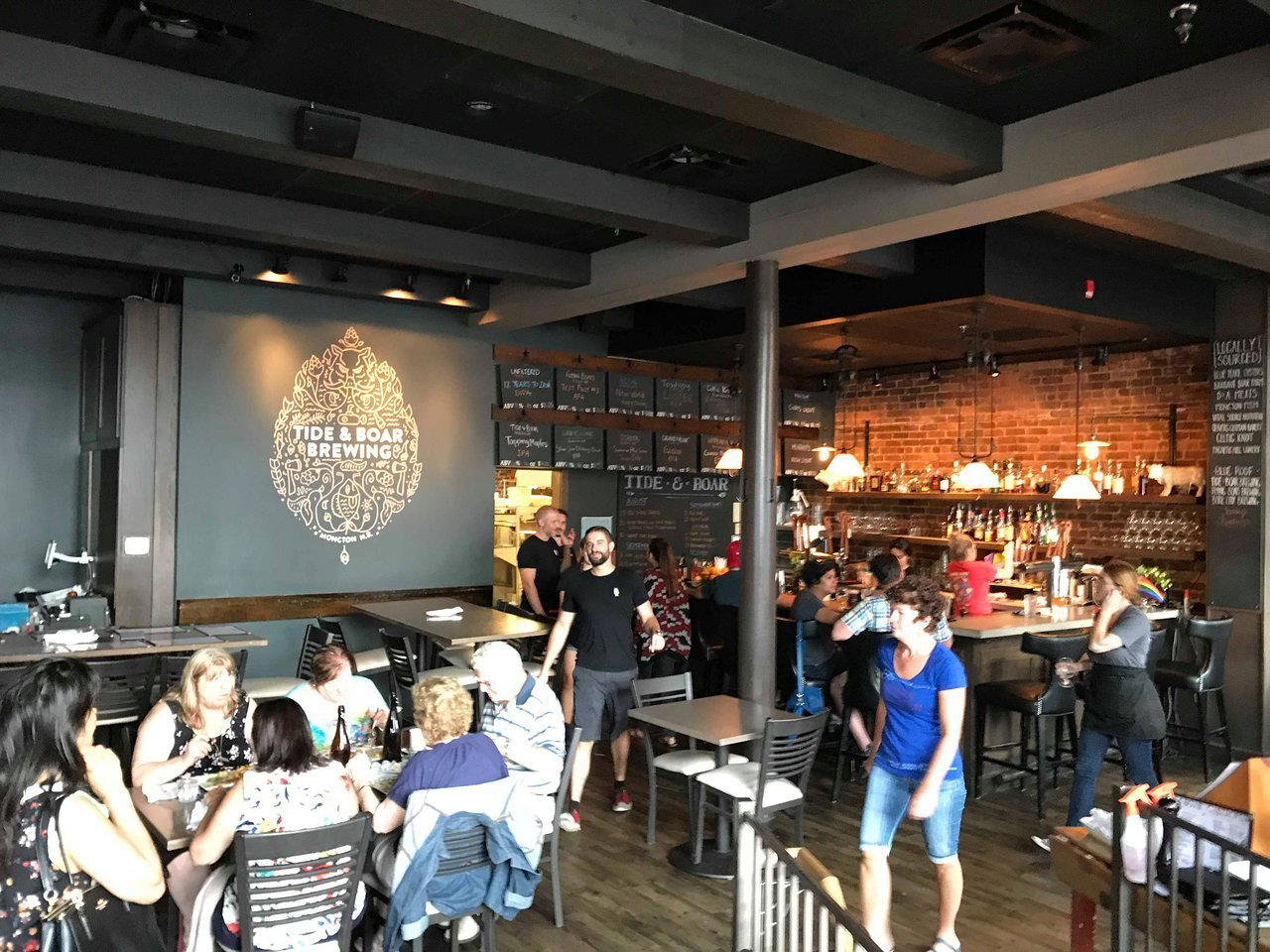
Moncton has developed a genuinely varied restaurant scene across price points and formats. Tide and Boar Gastropub has built a sustained reputation for craft beer and accessible cooking. Catch22 Lobster Bar addresses the city's most obvious regional asset directly, with a format built around the Bay of Fundy's most celebrated product. The international end of the spectrum is represented by venues like Mansu BBQ, Sushi and Ramen and Oriens Asian Fusion Restaurant, which serve a bilingual city with cosmopolitan appetites.
Within that field, the most interesting position for a kitchen in 2024 and 2025 is the one that uses regional sourcing not as a local-colour story but as a genuine technical and philosophical commitment. That position is less crowded than the gastropub or international categories, and it carries a stronger alignment with the direction that Canadian food criticism has moved since the pandemic years reconfigured supply chain assumptions across the country. The national critical conversation, shaped by recognitions given to places like Tanière³ in Quebec City and AnnaLena in Vancouver, has consistently rewarded kitchens that demonstrate a coherent relationship with their ingredient geography.
The Atlantic Seasonal Calendar
Any kitchen serious about New Brunswick sourcing works against a seasonal structure that divides the year sharply. Spring brings fiddleheads from the St. John River valley, a foraged green with a short window that has become something of a regional signal in the same way that ramps mark spring menus in the northeastern United States. Summer accelerates into local berry production, lobster season at its peak activity, and garden vegetables from the farms that ring the city. Fall introduces root vegetables, wild mushrooms from the province's substantial forested areas, and the beginning of preserved and fermented preparations that carry kitchens through the harder months. Winter in Moncton is not a closing-down season for serious restaurants but a test of larder intelligence, where the summer's work in pickling, smoking, and curing becomes the creative resource.
This seasonal pressure is what differentiates a genuinely sourcing-committed kitchen from one that uses regional language loosely. The test is the winter menu, when the easy wins of lobster and fiddleheads are gone and what remains is the quality of the preserved pantry and the kitchen's relationships with the cold-storage producers who extend the New Brunswick season into February and March. The model to reference here is Restaurant Pearl Morissette in Lincoln, which applies the same seasonal discipline to Ontario's Niagara terroir.
Planning a Visit
Les Brumes du Coude is located at 140 Botsford Street in downtown Moncton, within walking distance of the central hotel district and the Petitcodiac River waterfront. Moncton is served by Greater Moncton Roméo LeBlanc International Airport with direct connections to Montreal, Toronto, and several US gateways. Visitors planning a broader Moncton dining itinerary will find useful context in our full Moncton restaurants guide, which maps the city's key addresses against price tier and cuisine type.
For reference points on what the Maritime sourcing conversation looks like in its most ambitious form, the comparison set extends beyond New Brunswick. The Pine in Creemore and Barra Fion in Burlington apply similar regional logic in Ontario contexts, while internationally, the Atlantic-sourcing tradition finds its most technically refined expression at Le Bernardin in New York City, where seafood treatment is treated as a precision discipline. The distance between Moncton and New York is not only geographic; it is also a different set of creative and logistical constraints. What a kitchen does with those constraints is the measure that matters.
Frequently asked questions
What's Les Brumes du Coude's location?
Les Brumes du Coude is located at 140 Botsford St, Moncton, NB E1C 4X5, Canada, Moncton.
Is Les Brumes du Coude a good option for experiencing New Brunswick's seasonal ingredients in Moncton?
Les Brumes du Coude at 140 Botsford Street positions itself around the Atlantic seasonal calendar that structures serious kitchens across New Brunswick, covering spring fiddleheads, summer shellfish from the Bay of Fundy, and the province's autumn and winter larder. For a visitor whose interest in Moncton's dining scene is tied to regional ingredient specificity rather than international cuisine, this downtown address warrants priority consideration.
What dish is Les Brumes du Coude famous for?
No single signature dish has been formally documented for Les Brumes du Coude, but the kitchen's focus on New Brunswick regional sourcing places Bay of Fundy scallops and lobster at the centre of the menu's identity. Expect preparations to shift with the Atlantic seasonal calendar rather than anchor to a fixed house dish.
How hard is it to get a table at Les Brumes du Coude?
Reservation availability at 140 Botsford Street has not been publicly documented, so lead times are difficult to quote with precision. As one of the addresses drawing serious attention in downtown Moncton's developing dining tier, booking ahead is the sensible approach, particularly on weekends.
What is Les Brumes du Coude known for?
Les Brumes du Coude is associated with a deliberate, sourcing-led approach to Atlantic Canadian ingredients, working within the seasonal rhythms of New Brunswick's food geography. Its Botsford Street location puts it at the centre of downtown Moncton's most discussed dining corridor.
Do they accommodate allergies at Les Brumes du Coude?
Given the kitchen's apparent focus on ingredient-specific cooking tied to regional New Brunswick sourcing, contacting the restaurant directly before visiting is the most reliable way to confirm what accommodations are available.
Does Les Brumes du Coude justify its prices?
Pricing has not been formally published, which makes a direct comparison difficult. Within the Moncton dining tier, kitchens that work seriously with Bay of Fundy seafood and Atlantic seasonal produce generally command a premium that reflects sourcing costs rather than ambient luxury, and this address appears to sit in that bracket.
Comparable Venues
Comparable venues nearby, for context on price, style, and recognition.
| Venue | Cuisine | Price | Awards | Notes |
|---|---|---|---|---|
| Les Brumes du CoudeThis venue (the venue you are viewing) | Seasonal French Bistro | $50–100 | Canada's 100 Best Restaurants #91 | Not listed |
| Tide & Boar Gastropub | Gastropub with Seasonal Maritime Fare | $20–30 | Not listed | Downtown Moncton |
| ORIENS ASIAN FUSION RESTAURANT | Modern Asian Fusion | $20–30 | Not listed | Mountain Road |
| Catch22 Lobster Bar | Canadian Seafood with Lobster Specialties | $50–100 | Not listed | Main Street |
| Mansu BBQ, Sushi & Ramen, Moncton | Korean BBQ, Sushi & Ramen | $20–30 | Not listed | Mountain Road |
| CinCin | Wood-fired modern Italian fine dining | Not listed | Not listed | Robson Street |
Recognition history
Dated appearances from independent guides and award organizations, with the underlying list record or original source where available.
Canada's 100 Best Restaurants #91
Canada's 100 Best
Continue exploring
More in Moncton
Details
- Cozy
- Elegant
- Classic
- Date Night
- Special Occasion
- Historic Building
- Terrace
- Local Sourcing
- A La Carte
Current opening hours
- Monday
- Closed
- Tuesday
- Closed
- Wednesday
- 11:30 AM–1:15 PM, 5–9 PM
- Thursday
- 11:30 AM–1:15 PM, 5–9 PM
- Friday
- 11:30 AM–1:15 PM, 5–9 PM
- Saturday
- 5–9 PM
- Sunday
- Closed
Hours can change for holidays and private events. Hours as of .
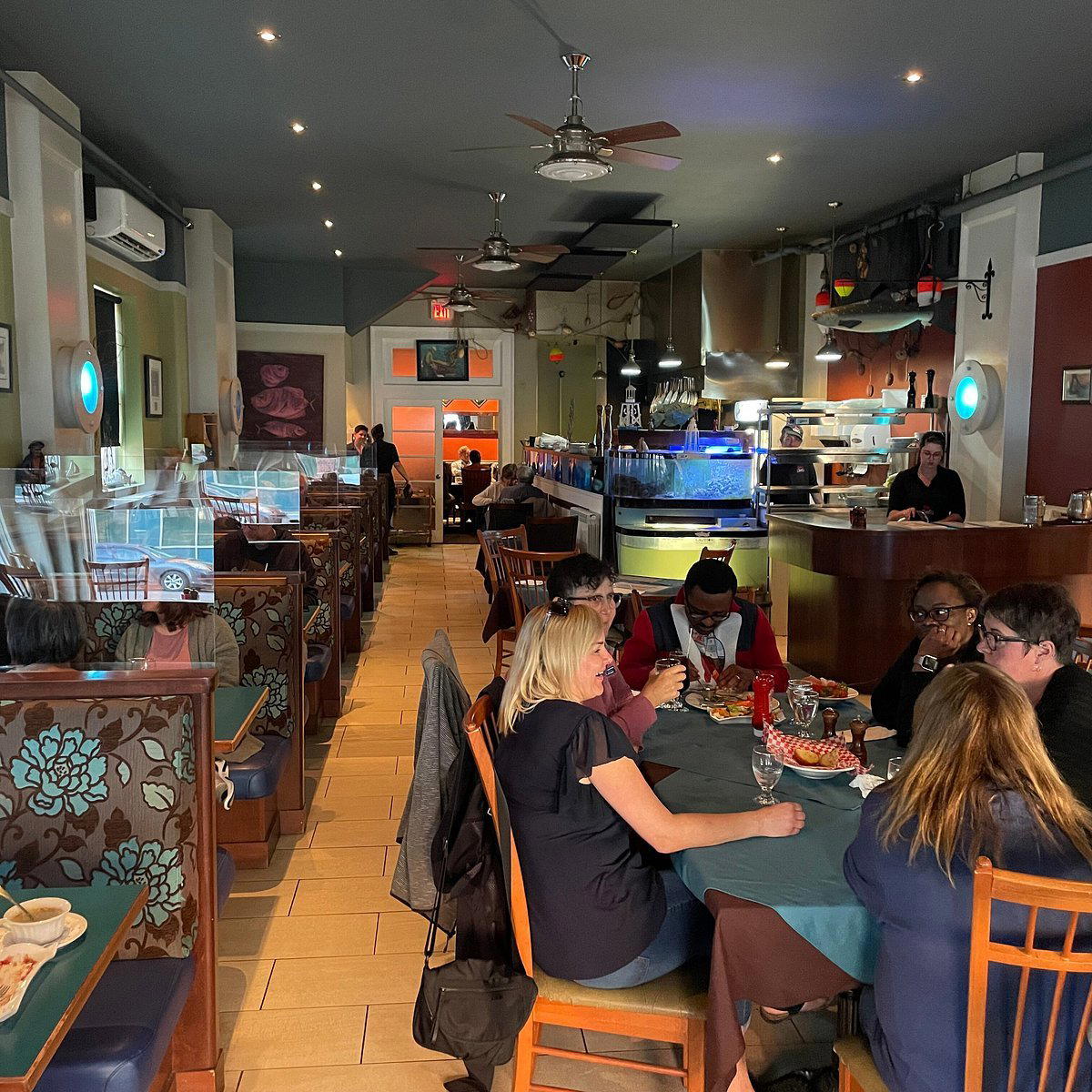
Warm and inviting Parisian bistro atmosphere in a cultural historic setting with a cozy terrace in summer.