Lemon Arbour
Set in the parish of Saint John on Barbados's quieter eastern side, Lemon Arbour sits away from the West Coast dining circuit that draws most visitors to the island. The setting and name both suggest something rooted in the land, pointing toward a kitchen that draws from Barbados's agricultural interior rather than its more familiar shoreline produce. It represents the kind of address that rewards visitors willing to look beyond the coastal strip.
Pearl is the En Primeur Club membership app — saves, bookings, and concierge access live there. Same editors, same standards.
- Address
- Saint John Barbados
- Directions
- Get directions
 Saves & bookings on Pearl
The East of the Island, and Why It Matters
Barbados has a dining geography that most visitors never fully interrogate. The West Coast, stretching from Holetown up through Speightstown, holds the island's international-facing restaurants: polished rooms, imported wine lists, menus that often nod more to European technique than to the island's agricultural interior. The south coast is livelier and more casual, anchored by fish-fry tradition at Oistins. The east and centre of the island, by contrast, operate on a different register entirely. Saint John parish sits along Barbados's Atlantic-facing edge, where the terrain is rougher, the sea is too strong for swimming, and the land has historically been given over to cultivation rather than resort development. Restaurants that locate themselves here are making a statement about priorities.
Lemon Arbour's address in Saint John already signals something: a kitchen that is, at minimum, positioned closer to where Barbados grows things than where it exports its tourist image. The name itself points toward the grove and the garden rather than the harbour or the beach. That framing matters when you think about what has historically defined interesting dining in the Caribbean: not the imported luxury model, but the cooking that comes from understanding what the land and the nearby sea actually produce at any given moment in the year.
Ingredient Geography in Barbados
To understand why a Saint John address carries particular significance for sourcing, it helps to know something about how Barbados produces food. The island's interior and eastern parishes retain working farmland, including ground provisions, tropical fruits, and market gardens that supply both local households and a small number of kitchens that specifically seek them out. Breadfruit, christophene, eddoe, and various cultivars of banana and plantain grow through the island's centre, while the Atlantic waters off the east coast produce different fish species than the calmer Caribbean side. Flying fish, the national dish's primary ingredient, is landed across the island, but the handling, sourcing chain, and freshness window differ considerably depending on how directly a kitchen connects to that supply.
Restaurants that maintain direct relationships with this produce infrastructure rather than sourcing through distributor chains occupy a distinct position in the Barbados dining scene. The more tourism-oriented the location, the more likely a kitchen is to work through intermediaries. Saint John's relative distance from the resort corridor creates conditions where local sourcing can be both more practical and more philosophically consistent with how the neighbourhood itself operates. That context is what gives Lemon Arbour's positioning its editorial weight, even in the absence of awards data or a widely documented track record.
How It Sits in the Bridgetown and Barbados Dining Picture
Bridgetown and its surrounding parishes now hold a meaningful range of dining formats. At the higher-specification end, addresses like The Cliff have built international reputations on clifftop drama and long-established West Coast positioning. Lobster Alive works a specialist seafood format tied directly to live product. Fish Pot operates in the more relaxed northern coastal register, while Buzo Osteria Italiana and the Waterfront Cafe serve the capital's own dining public rather than a resort clientele. For a broader picture of where these and other addresses sit, our full Bridgetown restaurants guide maps the scene by neighbourhood and format.
Across the island, the range extends from The Lone Star in Mount Standfast and Daphne's in Bay Beach on the West Coast to L'Azure in St Philip on the south-east. The fish fry tradition gets some of its most direct expression at Uncle George's Fish Net Grill inside Oistins Fish Market and its related outpost, Uncle George's Fish Net Grill in Oistins. The Tides Barbados in Holetown represents the polished mid-luxury tier of the West Coast, while The Orange Street Grocer in Speightstown has staked a position on the northern end of the island's produce-led dining conversation. Happy Taco in Coverly and The Cliff in Durants extend the island's dining spread further into the suburban south. Lemon Arbour's Saint John positioning does not compete with any of these directly. It occupies a different kind of geography, one more concerned with what grows and lands nearby than with dining-room theatre or resort proximity.
For reference points on what ingredient-first Caribbean cooking can look like when it reaches full technical maturity, the formal fine dining world offers context: at Le Bernardin in New York City, sourcing discipline is documented to a granular level and shapes every seasonal menu decision. Atomix in New York City makes the provenance of each ingredient a legible part of the dining experience. Emeril's in New Orleans built a long reputation on connecting Louisiana's regional produce to a restaurant kitchen. These comparisons are not claims about the restaurant's scale or ambition, but they illustrate why a kitchen's relationship to its local supply chain has come to matter as a credibility signal across different price points and markets.
Planning a Visit
Saint John is among the quieter parishes on the island, and reaching it from Bridgetown or the West Coast typically requires a car or a pre-arranged transfer; public transport connections are infrequent and slow by island standards. The parish rewards the journey for visitors who want to see a part of Barbados that operates outside the resort corridor, and the drive along the eastern ridge offers views across the Atlantic that bear no resemblance to the Caribbean-facing coastline. Before visiting, confirm arrangements locally or through your accommodation's concierge.
Comparable Venues
Comparable venues nearby, for context on price, style, and recognition.
| Venue | Cuisine | Price | Awards | Notes |
|---|---|---|---|---|
| Lemon ArbourThis venue — the venue you are viewing | Authentic Bajan Caribbean | $$ | Not listed | Not listed |
| Waterfront Cafe | Caribbean | $$ | Not listed | Bridgetown |
| Fish Pot | Caribbean Seafood | $$ | Not listed | Speightstown |
| Lobster Alive | Fresh Caribbean Lobster & Seafood | $$$ | Not listed | Bridgetown |
| The Cliff | Asian-influenced Seafood Fine Dining | $$$$ | Not listed | Saint James |
| Buzo Osteria Italiana | Italian Osteria | $$$ | World's 50 Best #41 | Hastings |
Continue exploring
More in Bridgetown
Restaurants in Bridgetown
Browse all →
Bars in Bridgetown
Browse all →
At a Glance
- Lively
- Rustic
- Scenic
- Casual Hangout
- Group Dining
- Open Kitchen
- Beer Program
- Local Sourcing
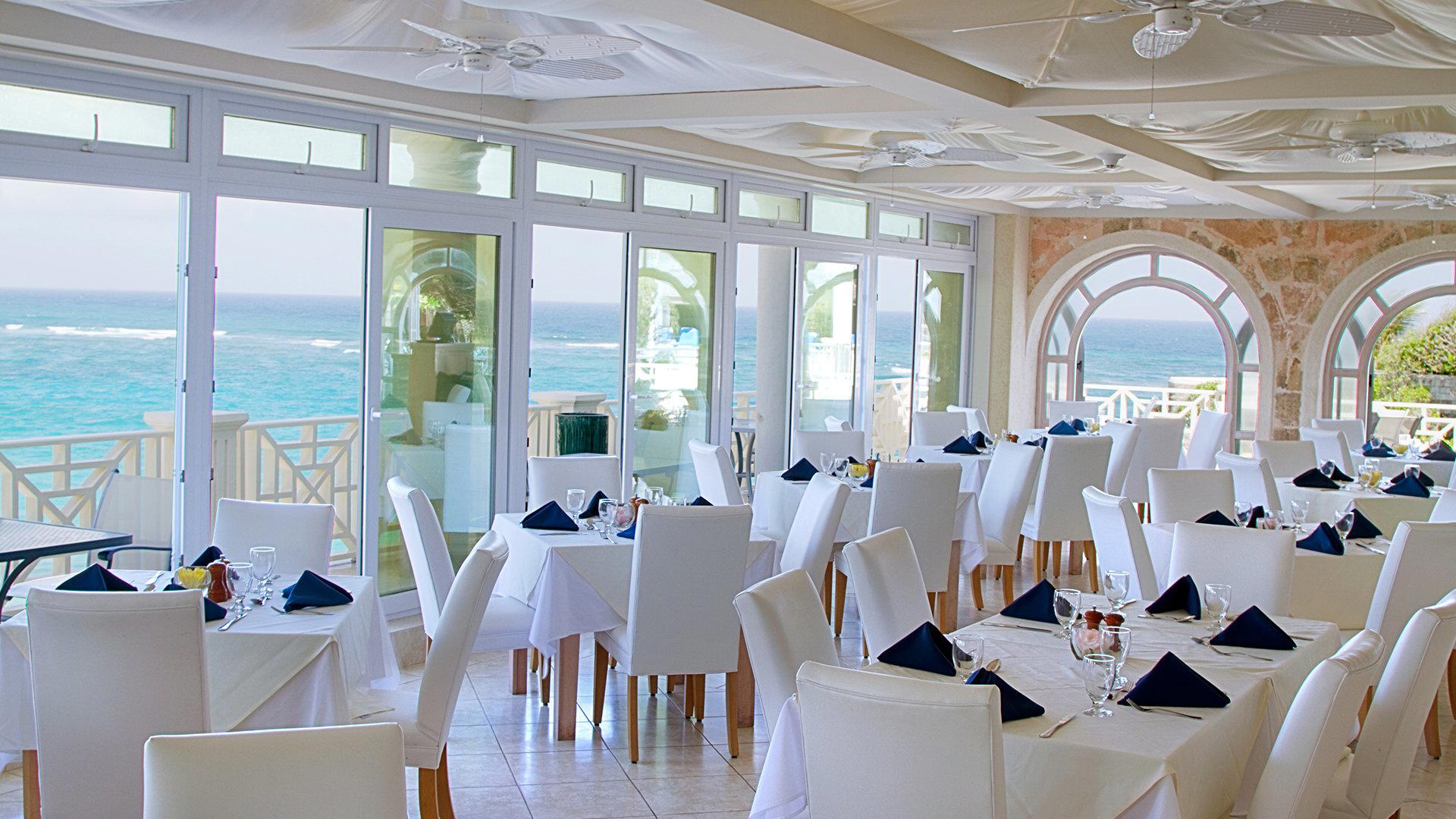
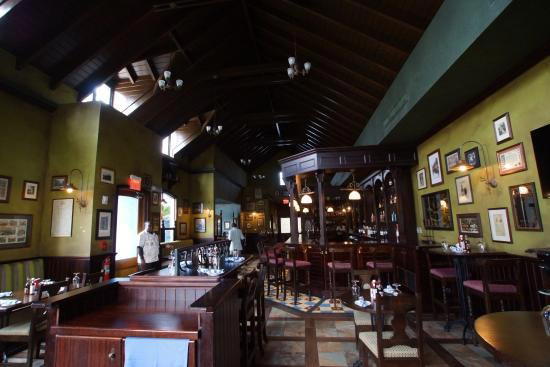
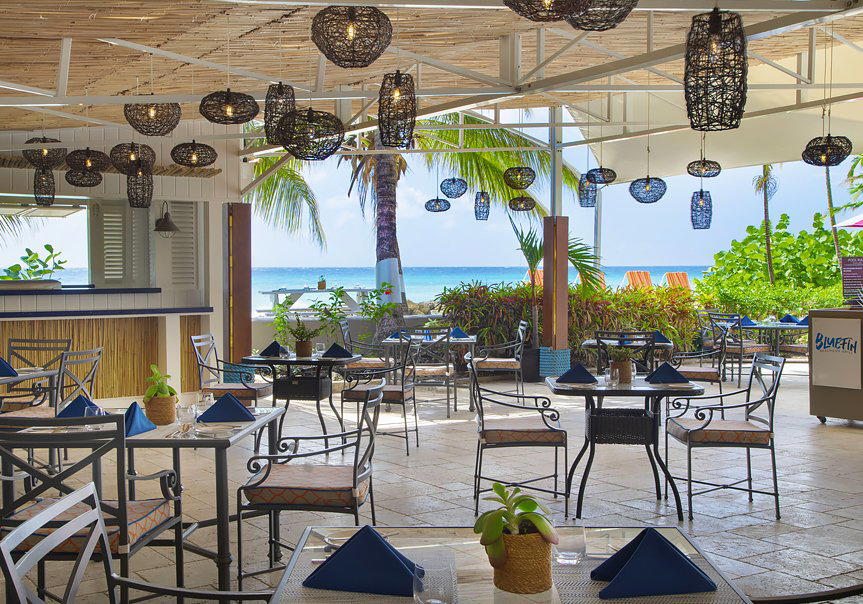
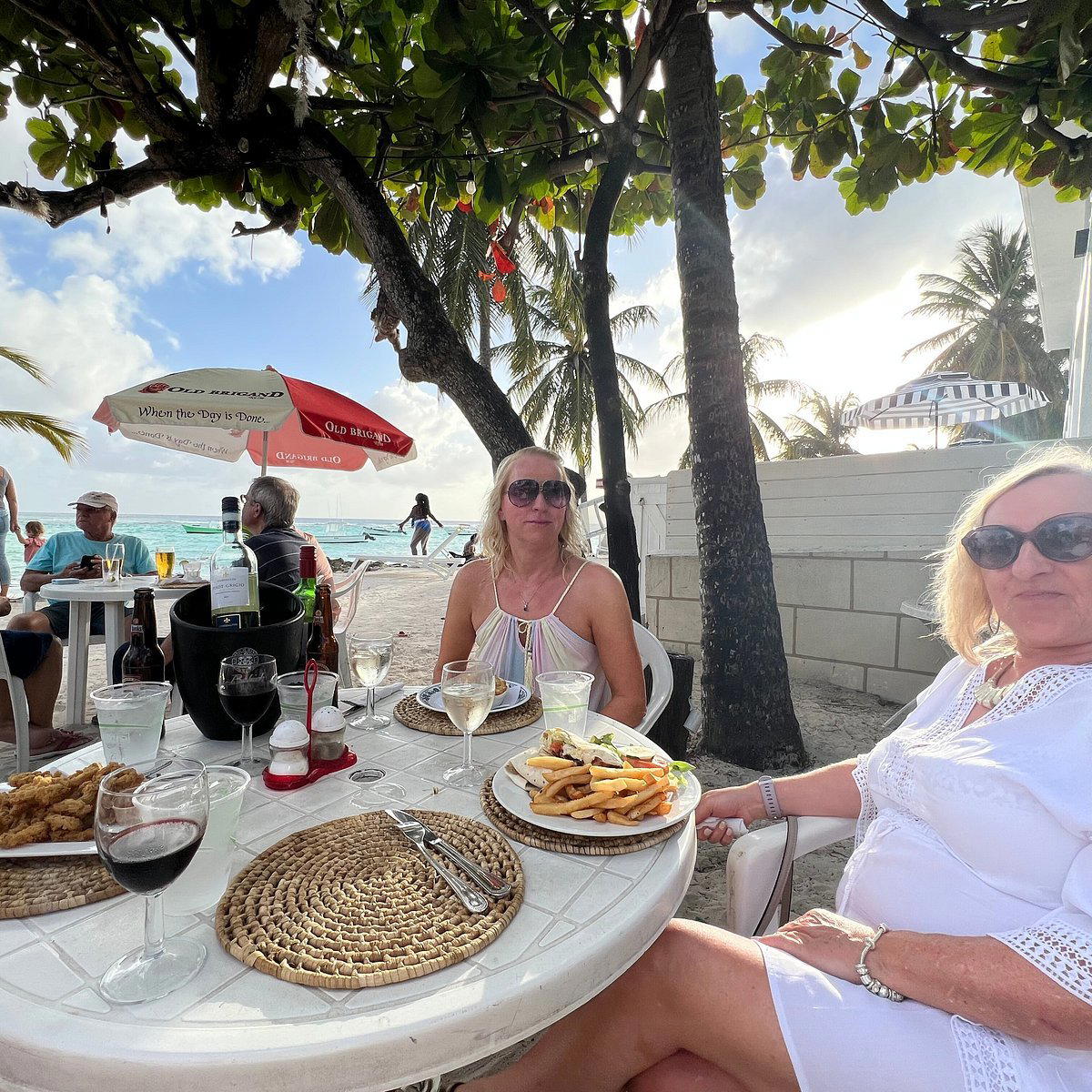
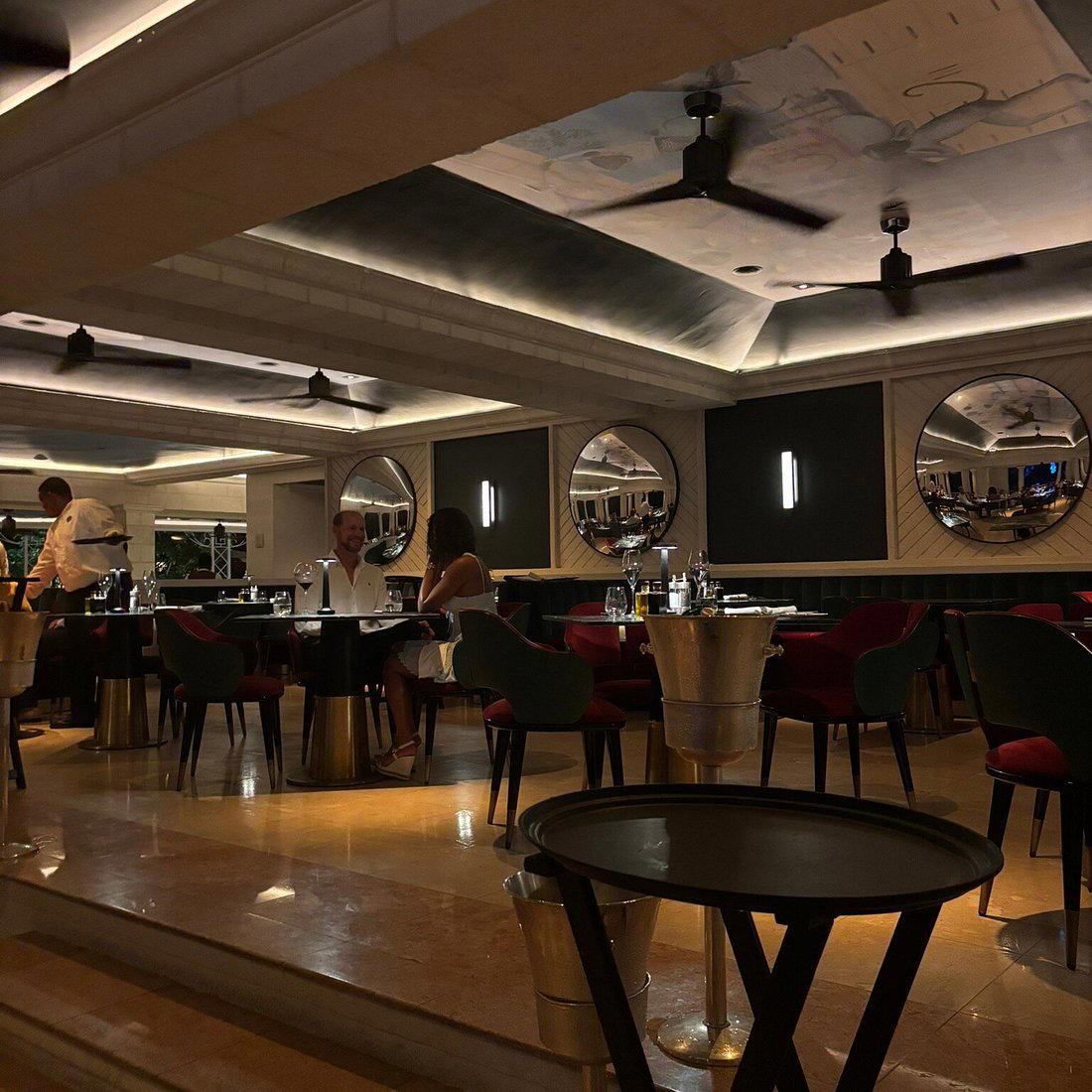
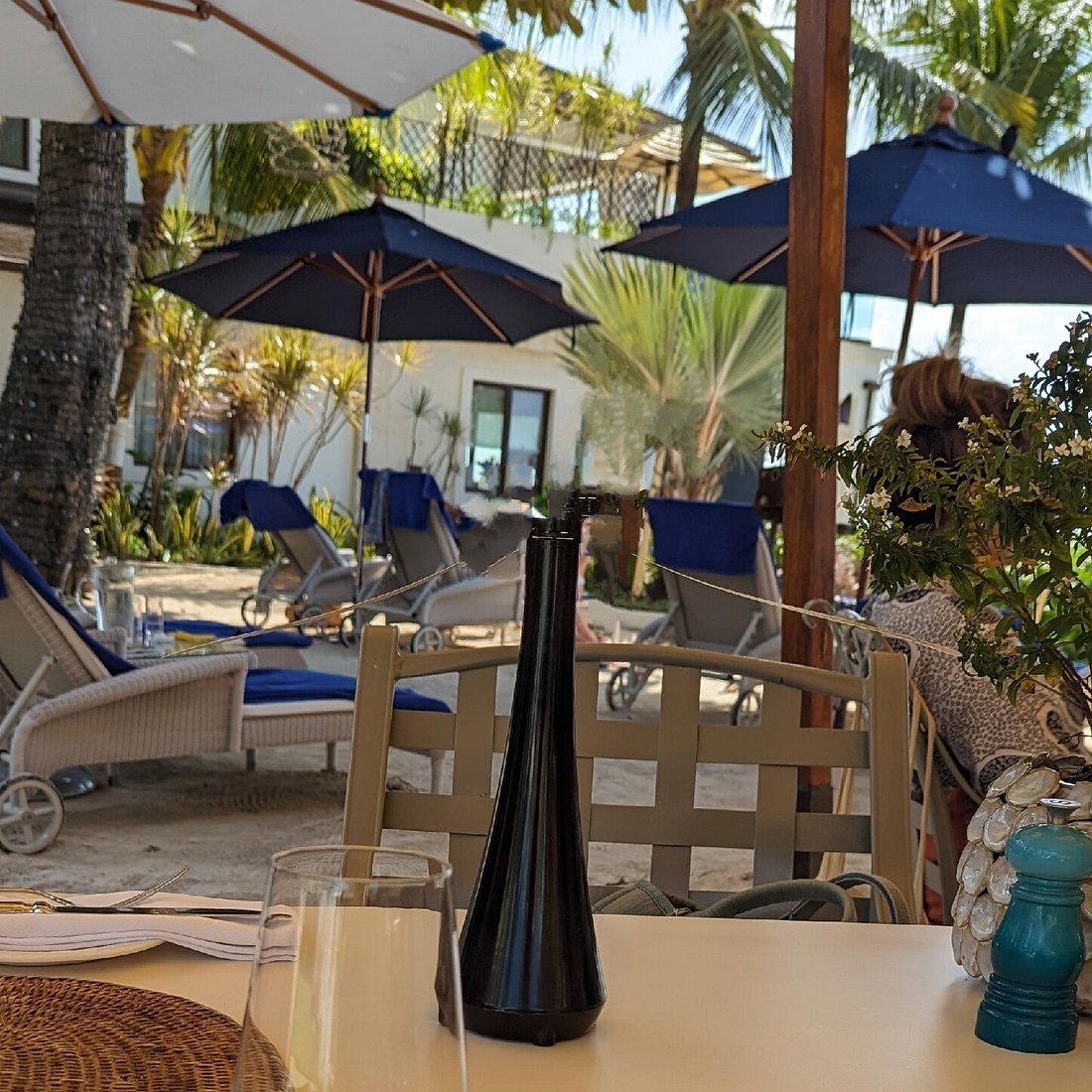
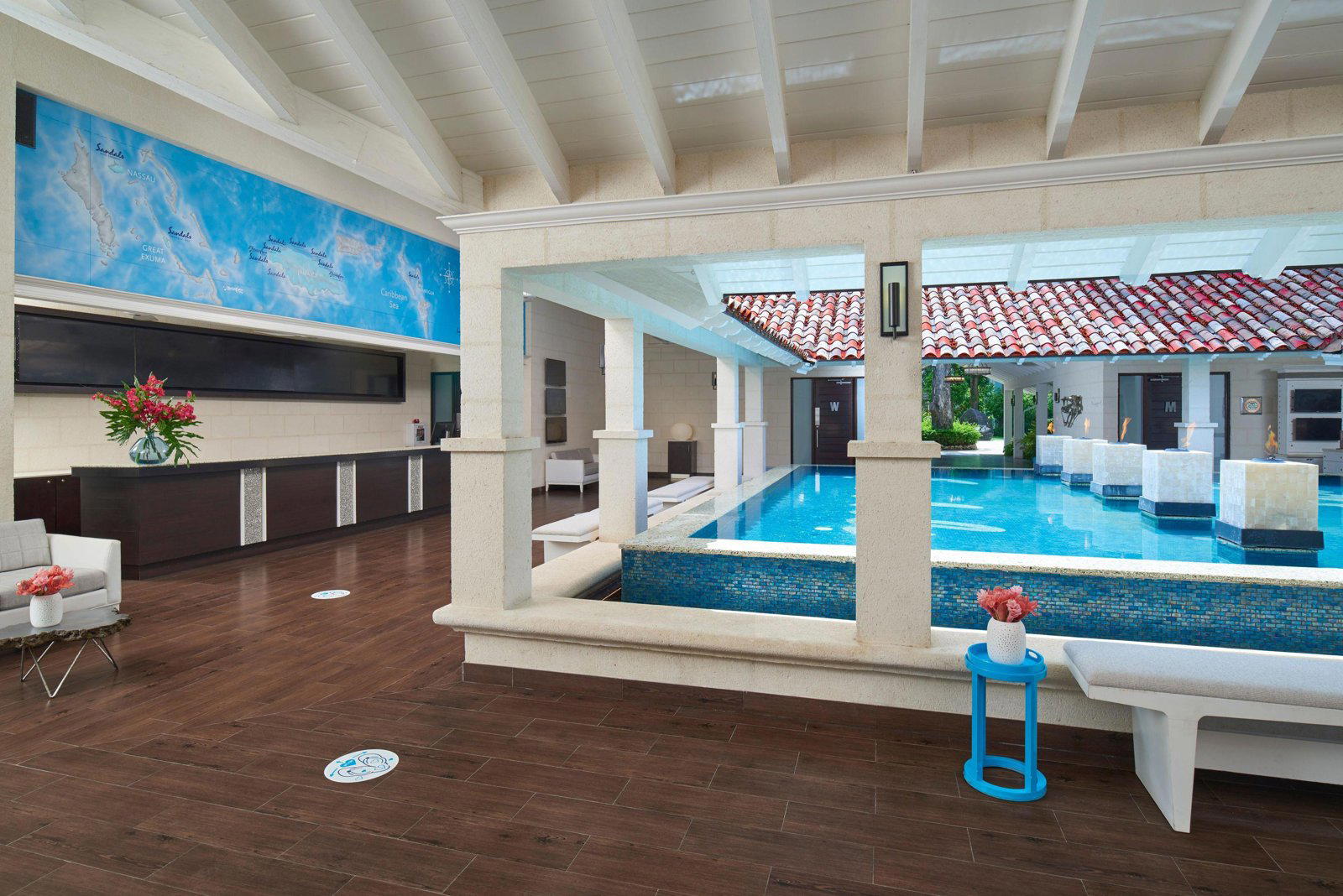
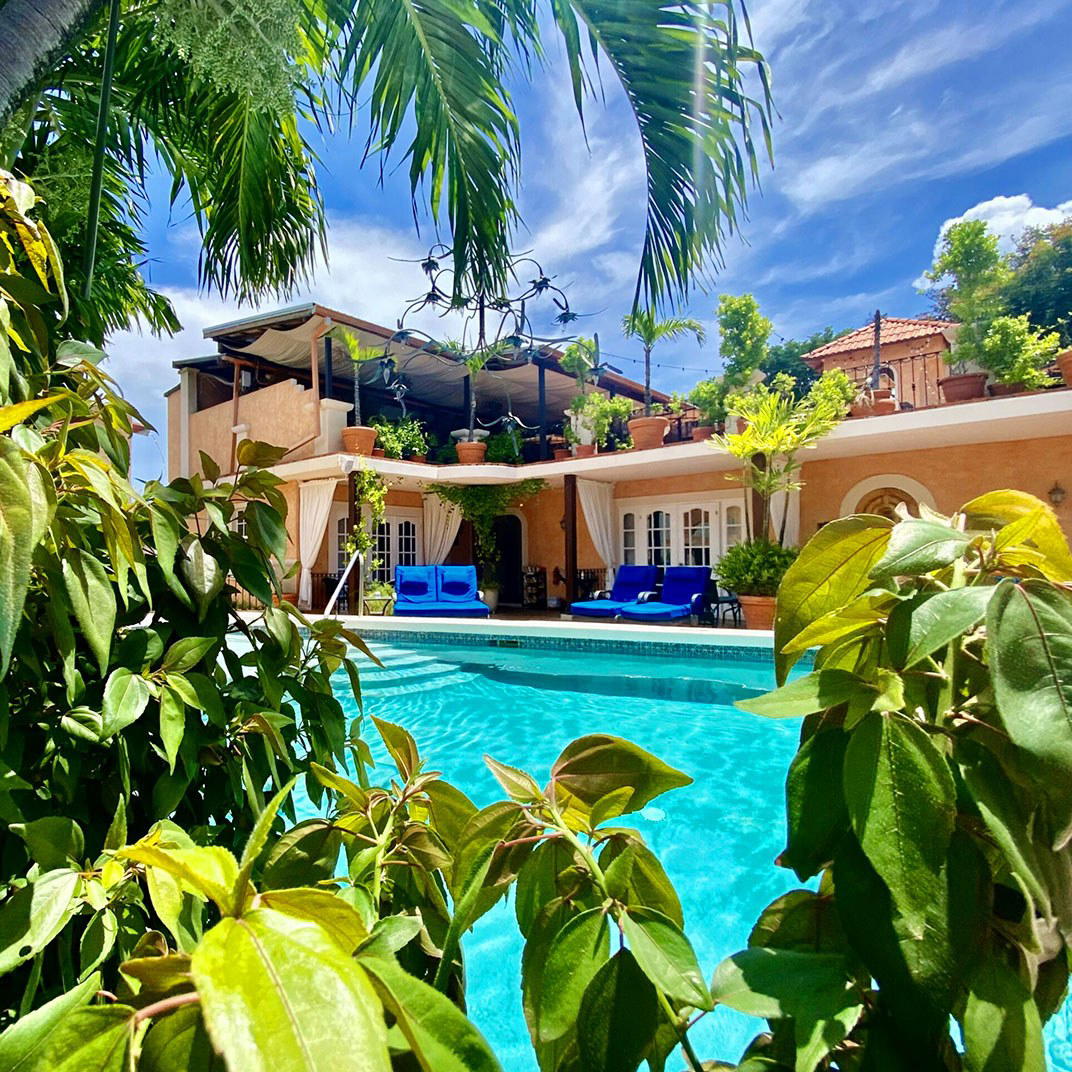
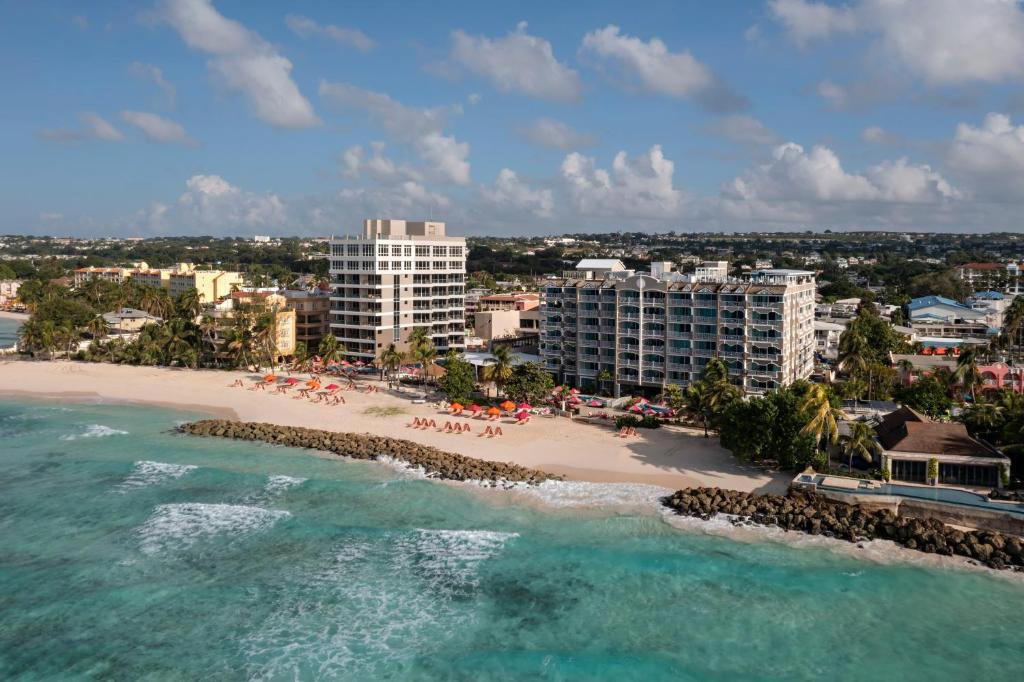
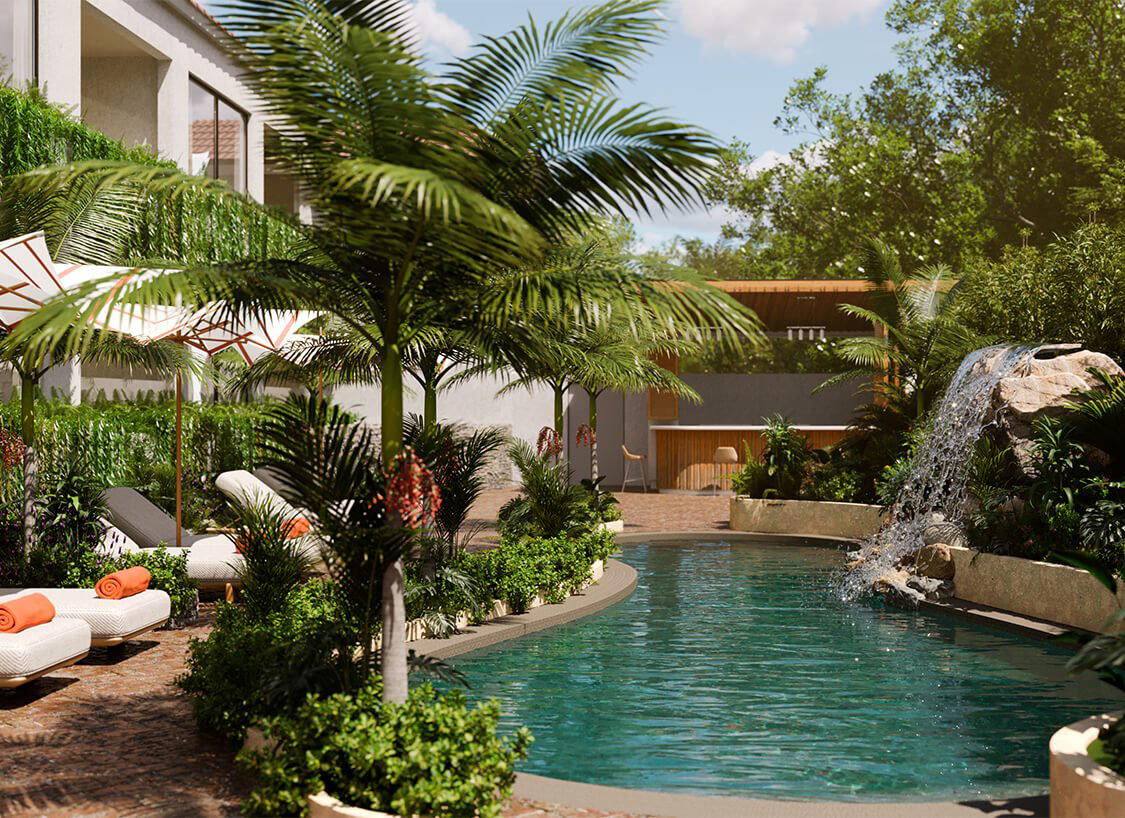
Rustic open-air setting with lush vegetation, fresh open space, and far-reaching Atlantic or valley views, bustling especially on weekends.