Le Moo
Our verdict
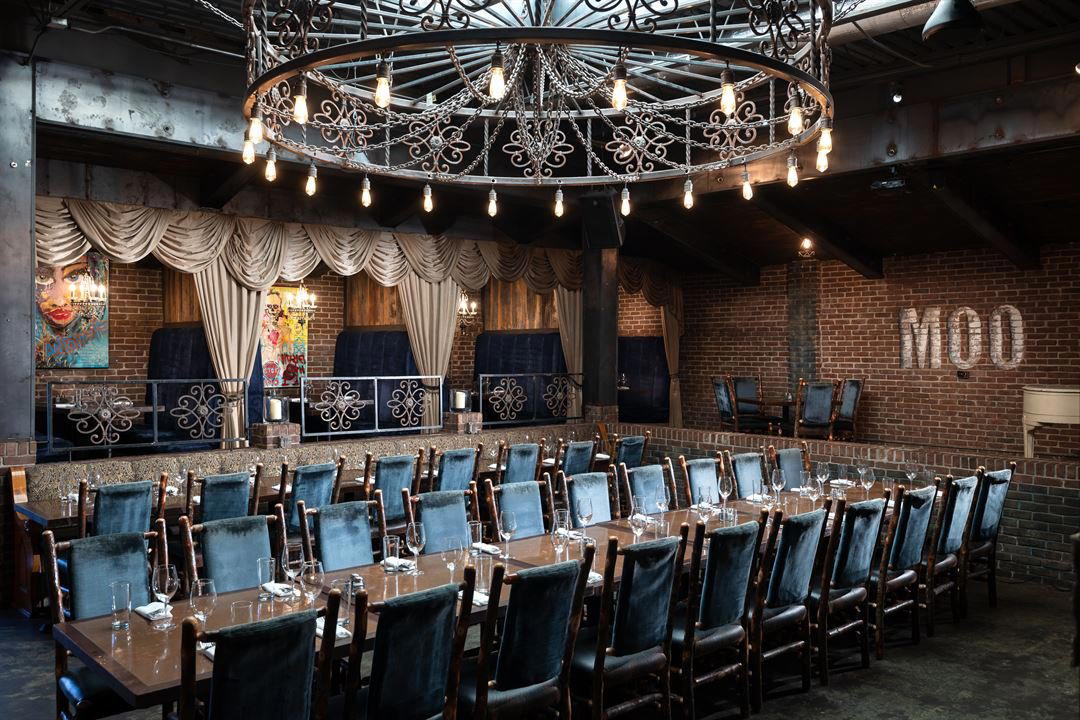
Le Moo occupies a distinctive corner of Louisville's dining scene at 2300 Lexington Rd, drawing regulars with a format that sits well outside the city's bourbon-and-barbecue defaults. The address places it in the Highlands corridor, where the city's more experimental restaurant energy tends to concentrate. For visitors mapping Louisville beyond its familiar touchstones, this is a credible stop.

Pearl is the En Primeur Club membership app, where members save venues, book tables and use the concierge.
The menu
What to order
- Miyazaki Wagyu
- Prime Filet
- Ribeye
- Seafood Tower
The Highlands Corridor and What It Produces
Louisville's dining identity is routinely collapsed into bourbon bars and smoked meats, but the Highlands neighborhood on Lexington Road tells a more complicated story. This stretch has historically attracted operators willing to work outside the city's default formats, and the cluster of restaurants along it reflects a community that eats with more range than its tourism profile suggests. Le Moo, at 2300 Lexington Rd, sits inside this corridor rather than downtown, a positioning choice that says something about the audience it draws and the tone it sets.
In cities like Louisville, where a handful of nationally recognized addresses, such as 610 Magnolia (New American), anchor the high-end conversation, mid-tier and concept-driven restaurants often do the more interesting cultural work. They absorb influences from wider American dining trends, apply them to a local palate, and produce something that reflects the city's actual appetite rather than its postcard image. Le Moo operates in that space.
A Name That Signals Format Before You Walk In
The name itself functions as a declaration of intent. In American dining culture, a playful or self-aware restaurant name has become a reliable shorthand for a specific kind of hospitality: comfortable but deliberate, casual in atmosphere while serious about what's on the plate. This is a different posture from the white-tablecloth formality you find at Le Bernardin in New York City or the precision-driven tasting formats at Alinea in Chicago. It's also distinct from the farm-system rigor of places like Single Thread Farm in Healdsburg or Blue Hill at Stone Barns in Tarrytown.
What Le Moo signals instead is a steakhouse-adjacent American dining format, one that has roots in the country's long tradition of beef-centered celebratory meals but filtered through a contemporary sensibility. Across American cities, this format has evolved considerably over the past two decades, absorbing influences from Japanese wagyu culture, Southern nose-to-tail traditions, and the broader farm-to-table shift. Louisville, positioned between the Midwest's beef supply chains and the South's cooking heritage, is a logical home for a restaurant that draws on all of those threads.
Where It Sits in Louisville's Current Dining Map
Louisville's premium dining tier has grown more competitive in recent years. Addresses like 740 Front and 80/20 at Kaelin's represent the city's appetite for concept-led restaurants that go beyond pub food and chain steakhouses. 8UP refined Drinkery & Kitchen and Al's Table reflect different slices of the market, from rooftop casual to neighborhood bistro. Within this field, Le Moo occupies a position that combines the convivial energy of a neighborhood staple with a menu built around protein-forward American cooking.
The Highlands location gives it a residential credibility that purely downtown restaurants sometimes lack. Regulars walk in rather than arrive from hotels. That dynamic shifts both the pacing of service and the tolerance for experimentation on the menu, because the audience knows the room and expects the kitchen to keep moving.
For broader context on how Louisville's restaurant scene is structured across neighborhoods and price tiers, the full Louisville restaurants guide maps those patterns in more detail.
The Cultural Logic of the American Steakhouse Format
American steakhouse culture carries a specific set of social codes. The format descends from chophouse traditions that were themselves adapted from British and Continental models in the 19th century, then Americanized through the cattle industry expansion of the Midwest and Great Plains. By the mid-20th century, the steakhouse had become the default setting for business meals, family celebrations, and special occasions across most of the country.
What has happened since is a bifurcation. On one side sit legacy steakhouses, white-tablecloth rooms where the format is treated as classical and relatively unchanging. On the other sit operators who have taken the protein-centric format and pushed it in more unexpected directions, incorporating global influences, shorter menus with higher-quality sourcing, and atmospheres that feel less like a corporate dining room and more like a neighborhood restaurant. The nationally recognized examples of that second category include operators in cities like New Orleans, where Emeril's helped reshape what a serious American restaurant could feel like, and San Francisco, where Lazy Bear applied a communal, high-technique format to what might otherwise be familiar American ingredients.
In Louisville, this evolution shows up in how restaurants like Le Moo position themselves: still anchored in the satisfaction of a serious cut of beef, but operating in an atmosphere that reads as contemporary rather than institutional.
Planning a Visit
Le Moo is located at 2300 Lexington Rd in Louisville's Highlands neighborhood, accessible from most parts of the city and a reasonable distance from downtown accommodations. Given the Highlands corridor's density of dining options, it works well as part of a broader evening in the area rather than a destination that requires special logistics. As with most independently operated Louisville restaurants in this format, checking current booking availability directly is advisable, particularly on weekends when the neighborhood draws significant foot traffic. Visitors planning a wider Louisville itinerary that extends beyond a single meal will find useful context in the full Louisville restaurants guide, which covers the city's range from fine dining through neighborhood staples.
For those building a broader American dining itinerary and curious how a Louisville address compares against nationally tracked rooms, the reference points are worth knowing: tasting-menu formats at The French Laundry in Napa, Providence in Los Angeles, Addison in San Diego, The Inn at Little Washington, Atomix in New York City, and 8½ Otto e Mezzo Bombana in Hong Kong occupy a different register entirely. Le Moo is not competing in that tier, nor does its Highlands positioning suggest it intends to. What it offers is something more grounded: a room in a neighborhood that takes food seriously, serving a format that has deep roots in American dining culture and remains genuinely satisfying when executed well.
Frequently asked questions
Where exactly is Le Moo?
Le Moo is located at 2300 Lexington Rd, Louisville, KY 40206, Louisville.
How does Le Moo fit into Louisville's Highlands dining scene compared to other Lexington Road restaurants?
Le Moo at 2300 Lexington Rd sits within the Highlands corridor, a stretch that has become one of Louisville's most consistent concentrations of independent, non-downtown dining. For visitors staying or based east of downtown Louisville, it represents a practical and substantive alternative to the city's more centrally located dining addresses.
What do regulars order at Le Moo?
The playful, self-aware name suggests the kitchen leans into American beef culture without taking itself too seriously.
Is Le Moo reservation-only?
Given its position in Louisville's increasingly competitive Highlands dining corridor, securing a reservation in advance is a reasonable precaution, particularly on weekends. check the venue's official channels at 2300 Lexington Rd or through their current booking channel to confirm availability.
What makes Le Moo worth seeking out?
Le Moo holds a specific position on Louisville's Lexington Road, a stretch that has developed into the city's most consistent address for neighborhood dining with genuine ambition. The steakhouse format it operates within carries deep cultural weight in American dining, and the venue's name signals a kitchen aware of that tradition rather than simply replicating it. For Louisville visitors looking beyond the downtown bourbon corridor, the Highlands location alone reframes the city's dining possibilities.
What if I have allergies at Le Moo?
Allergy accommodation details are published details are limited for Le Moo. Standard practice at American steakhouse-format restaurants is to handle allergen requests through direct communication with front-of-house staff, ideally noted at the time of reservation. Contacting Le Moo at 2300 Lexington Rd, Louisville, ahead of your visit is the most reliable approach. Check the venue's official channels for the latest details.
Is a meal at Le Moo worth the investment?
Pricing data for Le Moo has not been confirmed in current editorial records, so a direct cost-value assessment isn't possible here. What is clear is that the Highlands neighborhood on Lexington Road now operates in the same conversation as Louisville's more prominent premium dining addresses, which suggests Le Moo is pitching to a diner with considered expectations rather than a casual drop-in crowd. Verifying the current price range directly with the venue before booking will give the clearest picture.
Price and Recognition
Comparable venues nearby, for context on price, style, and recognition.
| Venue | Cuisine | Price | Notes |
|---|---|---|---|
| Le MooThis venue (the venue you are viewing) | Luxury Steakhouse | $100–150 | Not listed |
| Connors Steak & Seafood | Steakhouse & Seafood | $50–100 | Hurstbourne, Steakhouse & Seafood |
| Seviche A Latin Restaurant | Nuevo Latino Fusion | $50–100 | Bonnycastle, Nuevo Latino Fusion |
| Pat's Steak House | Classic American Steakhouse | $50–100 | Frankfort Ave, Classic American Steakhouse |
| Beyond the Sun Restaurant | Modern American Steakhouse & Seafood | $50–100 | The Highlands, Modern American Steakhouse & Seafood |
| Jack Fry's | Southern American with French Influence | $50–100 | The Highlands, Southern American with French Influence |
Continue exploring
More in Louisville
Restaurants in Louisville
All restaurants in Louisville →
Bars in Louisville
All bars in Louisville →

Details
- Elegant
- Sophisticated
- Ornate
- Date Night
- Business Dinner
- Celebration
- Special Occasion
- Private Dining
- Extensive Wine List
- A La Carte
- Vegetarian Friendly
- Vegan Options
- Gluten Free Options
Current opening hours
- Monday
- Closed
- Tuesday
- 4–9 PM
- Wednesday
- 4–9 PM
- Thursday
- 10 AM–3 PM, 4–9 PM
- Friday
- 10 AM–3 PM, 4–10 PM
- Saturday
- 10 AM–3 PM, 5–10 PM
- Sunday
- 10 AM–3 PM, 5–9 PM
Hours can change for holidays and private events. Last verified .
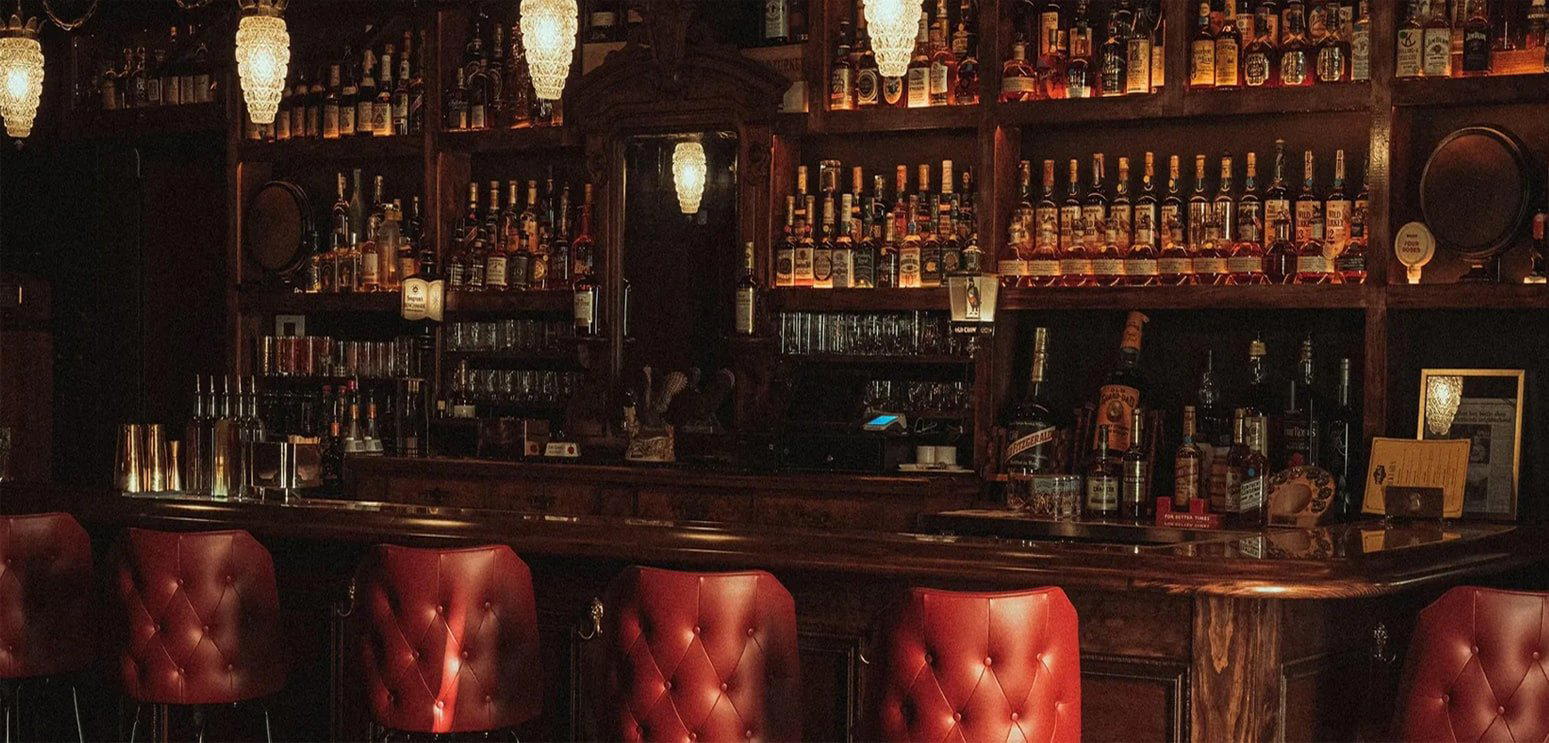
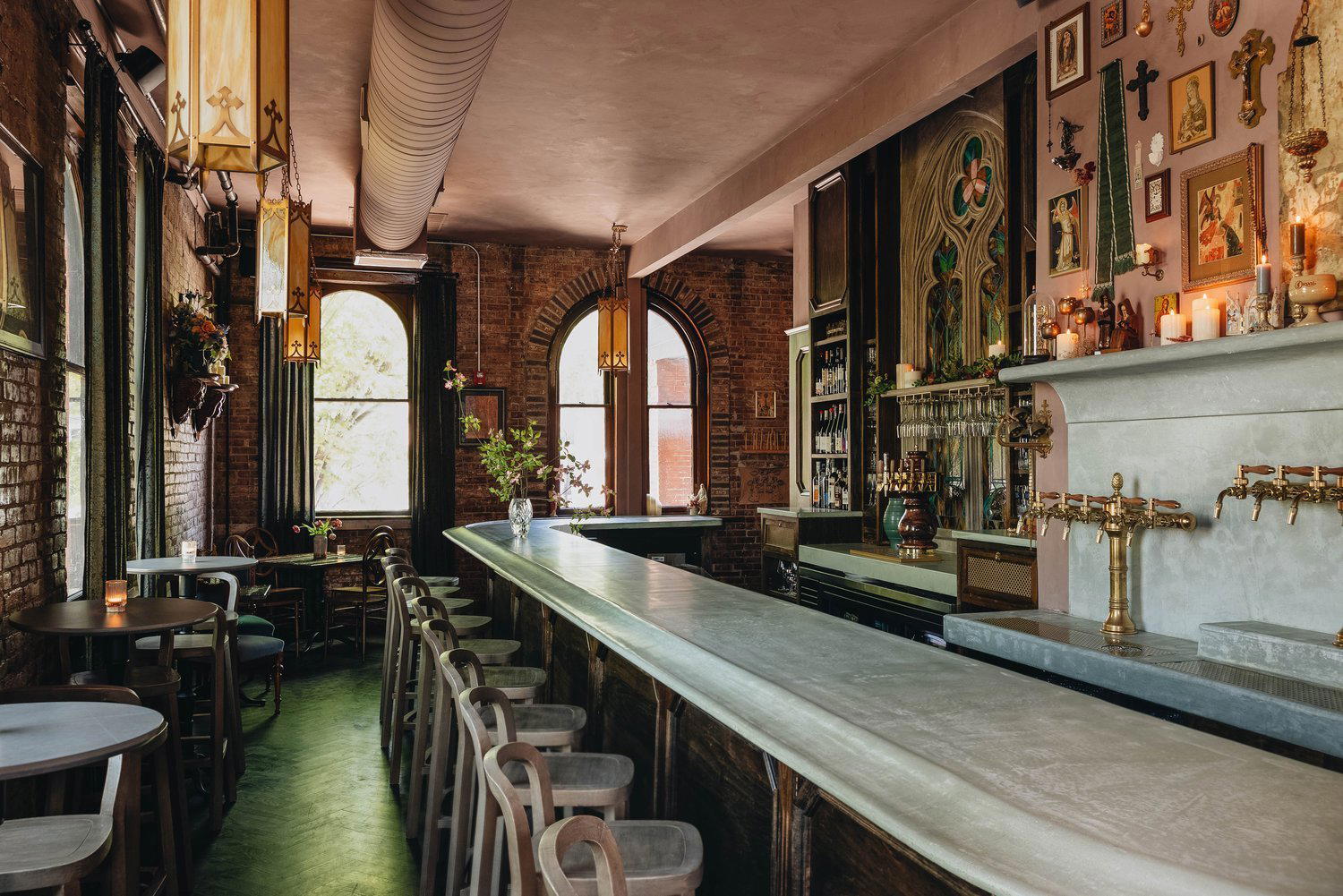
Dimly lit with lavish, luxurious atmosphere.