Le Clos de la Prairie

Michelin Plate
Our verdict
Le Clos de la Prairie holds consecutive Michelin Plates (2024 and 2025) in the village of Gouy-Saint-André, a corner of the Pas-de-Calais that rarely appears on destination dining lists. For the Hauts-de-France region, that combination of recognition and accessibility is not common.

Pearl is the En Primeur Club membership app, where members save venues, book tables and use the concierge.
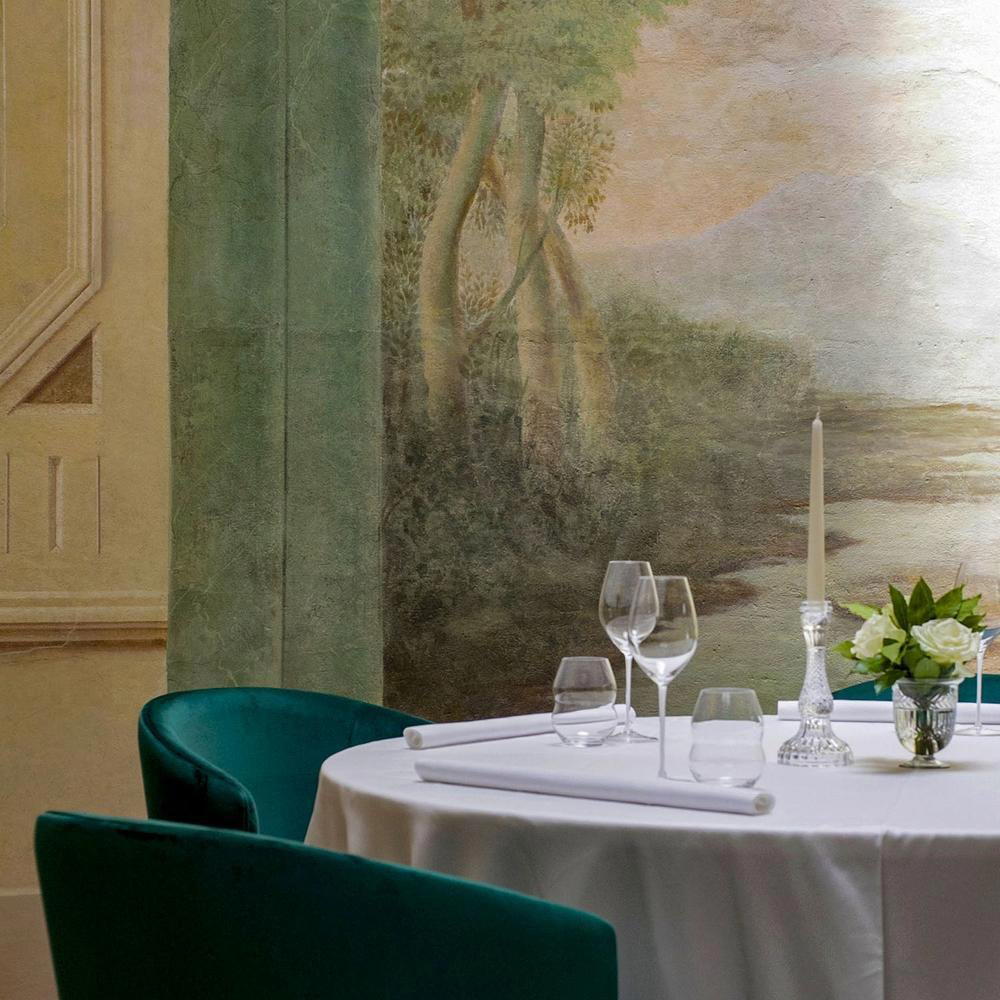
Rural Northern France and the Case for Cooking Close to the Land
The Pas-de-Calais does not read like premium dining territory at first glance. The department is better known for its port crossings, its wind-scraped coastline, and the chalk plains that roll toward Arras than for destination restaurants. The Michelin Plate is not a star, but it is a deliberate signal from the Guide's inspectors that the cooking merits a detour, and in a region with limited starred representation, that distinction carries weight.
The setting matters here, and it matters for reasons that go beyond aesthetics. Modern Cuisine in a genuinely rural context is not the same proposition as Modern Cuisine in a city neighbourhood or an alpine resort. When a kitchen is located in a farming village in northern France, the question of ingredient sourcing becomes structural rather than rhetorical. The land around Gouy-Saint-André produces the kinds of primary materials, beets, chicory, endive, game, dairy from Normandy's near border, that inform a particular register of northern French cooking. At its most coherent, a restaurant in this position builds its menu around what the surrounding agriculture and seasons actually offer rather than importing a cosmopolitan style that has no local grounding. For our full Gouy-Saint-André restaurants guide, that regional specificity is one of the criteria that separates the more considered tables from the generic ones.
What the Michelin Plate Signals in This Context
France's broader Michelin map concentrates its highest recognition in Paris, Lyon, the Atlantic coast, and Alsace. Houses like Alléno Paris au Pavillon Ledoyen, Mirazur in Menton, and Troisgros in Ouches operate in well-resourced culinary ecosystems with deep supplier networks and established critical audiences. Flocons de Sel in Megève and Bras in Laguiole demonstrate that rural placement is not a barrier to serious recognition, but both sit in regions with a stronger culinary identity and tourism infrastructure than the Pas-de-Calais currently enjoys. Auberge de l'Ill in Illhaeusern and Au Crocodile in Strasbourg similarly benefit from Alsace's deep restaurant culture and cross-border clientele.
Le Clos de la Prairie operates without those structural advantages, which makes the sustained Michelin recognition over two consecutive years more telling. The Plate classification means the Guide's inspectors found cooking good enough to single out, without the elaboration or consistency across the full experience that the star tier demands. At the €€ price bracket, the kitchen is also not working with the same budget for premium imported ingredients that a starred urban operation would have. The implication is a menu that leans on what is genuinely local and seasonal. That is not a compromise in this part of France; the northern terroir offers distinctive produce that rarely appears at comparable tables elsewhere. Chicory grown in the Plaine de la Scarpe, Maroilles cheese from just across the departmental border, and the estuary fish of the Canche river valley are the kinds of materials that give northern French cooking its particular character when a kitchen chooses to use them rather than default to more neutral luxury ingredients.
Sourcing as Editorial Stance
Across France's most discussed rural tables, from Auberge du Vieux Puits in Fontjoncouse to AM par Alexandre Mazzia in Marseille, the most coherent kitchens treat geography as a creative constraint rather than a limitation. The premise is that proximity to primary producers, when it actually governs purchasing decisions, produces cooking with a specificity that a menu assembled from national distributors cannot replicate. In villages like Gouy-Saint-André, that proximity is structural: the farms are visible from the road, the seasons are not abstract, and the cooking calendar is organised around what the surrounding agriculture makes available rather than what a chef might ideally want from a different climate. Comparable approaches at different scales appear at Paul Bocuse's Auberge du Pont de Collonges and, internationally, at houses like Frantzén in Stockholm and FZN by Björn Frantzén in Dubai, where sourcing philosophy is made visible in the menu structure itself.
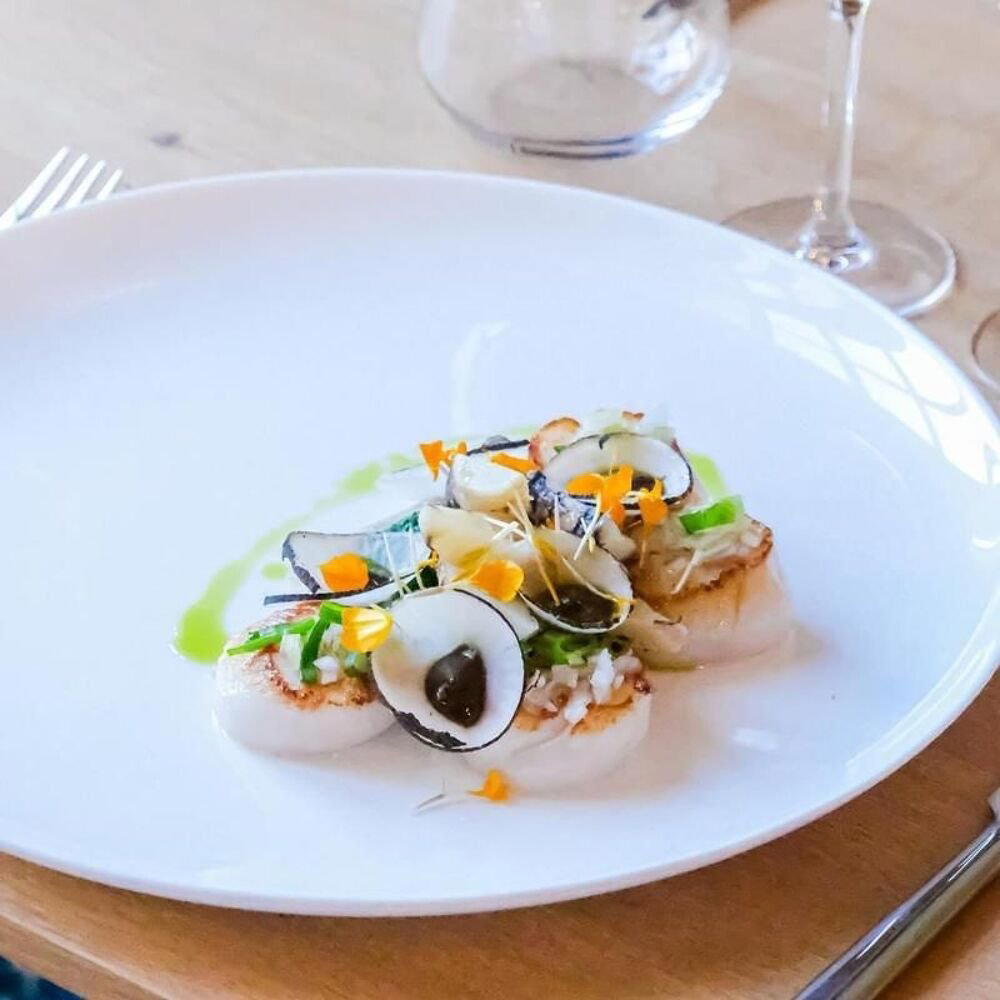
The Modern Cuisine classification at Le Clos de la Prairie places the kitchen in a format that typically involves composed plates, precise technique, and seasonal menus rather than the fixed classical repertoire of a traditional French auberge. At the €€ price point in a northern French village, that style usually means shorter tasting menus or a focused à la carte, with ingredient selection doing more of the work than elaborate technique or luxury additions. That is not a criticism; it is a description of a particular kind of cooking that has its own logic and audience. At this price tier, consistency is the hardest thing to maintain.
Planning a Visit
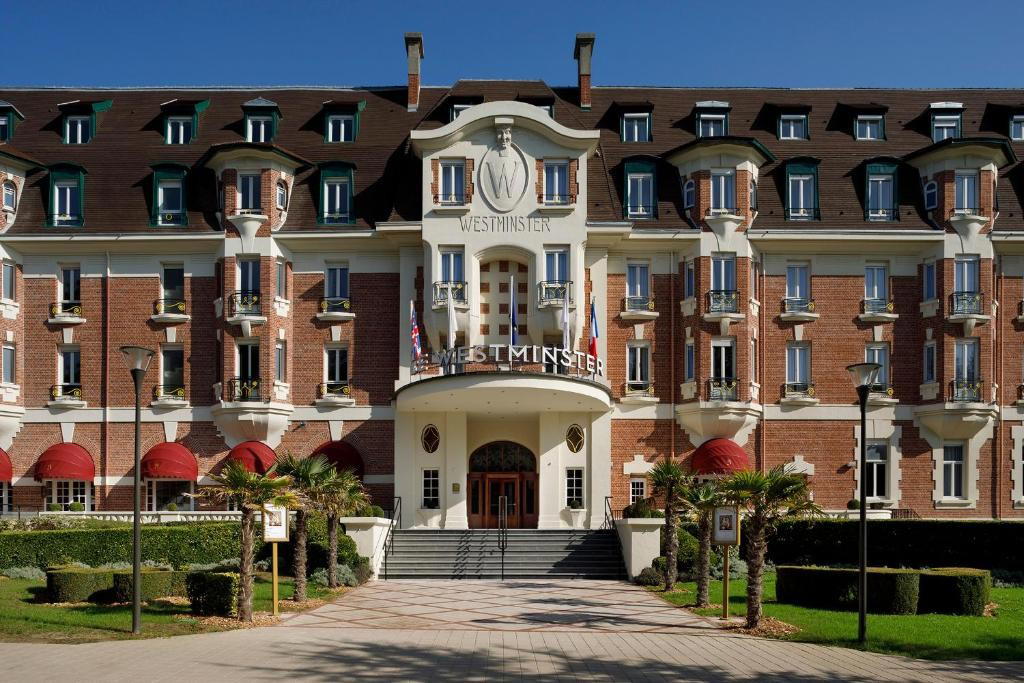
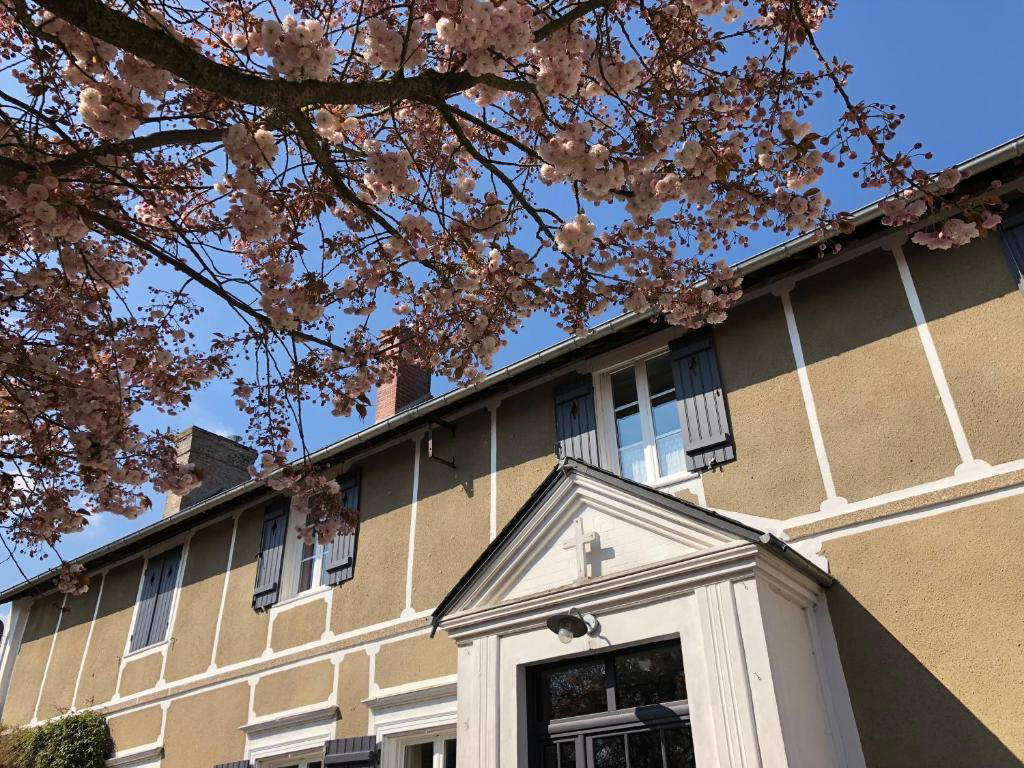
Gouy-Saint-André sits in the rural Pas-de-Calais, roughly between Montreuil-sur-Mer and Hesdin, two market towns that give the area its loose commercial structure. The nearest significant transport hub is Boulogne-sur-Mer to the northwest or Arras to the east, making a car the practical requirement for reaching the village. The address is 17 Rue de Saint-Rémy, 62870 Gouy-Saint-André. The mid-range price bracket makes Le Clos de la Prairie accessible relative to the regional alternatives, though the rural location means it functions leading as a deliberate destination rather than a casual stop. For visitors planning time in the area, our guides to Gouy-Saint-André hotels, bars, wineries, and experiences cover the broader context for building a stay in this corner of Hauts-de-France. For a broader comparison with recognised French tables, the Assiette Champenoise in Reims represents the next step up in both price tier and Michelin classification within the northern region.
Frequently asked questions
Does Le Clos de la Prairie work for a family meal?
At the €€ price point, Le Clos de la Prairie sits within reach for most family budgets. A village restaurant in rural Pas-de-Calais carrying a Michelin Plate tends toward conviviality rather than formality, which generally suits mixed groups. The setting at 17 Rue de Saint-Rémy in Gouy-Saint-André reinforces that this is a place rooted in its local community, not a destination built around ceremony.
What's the vibe at Le Clos de la Prairie?
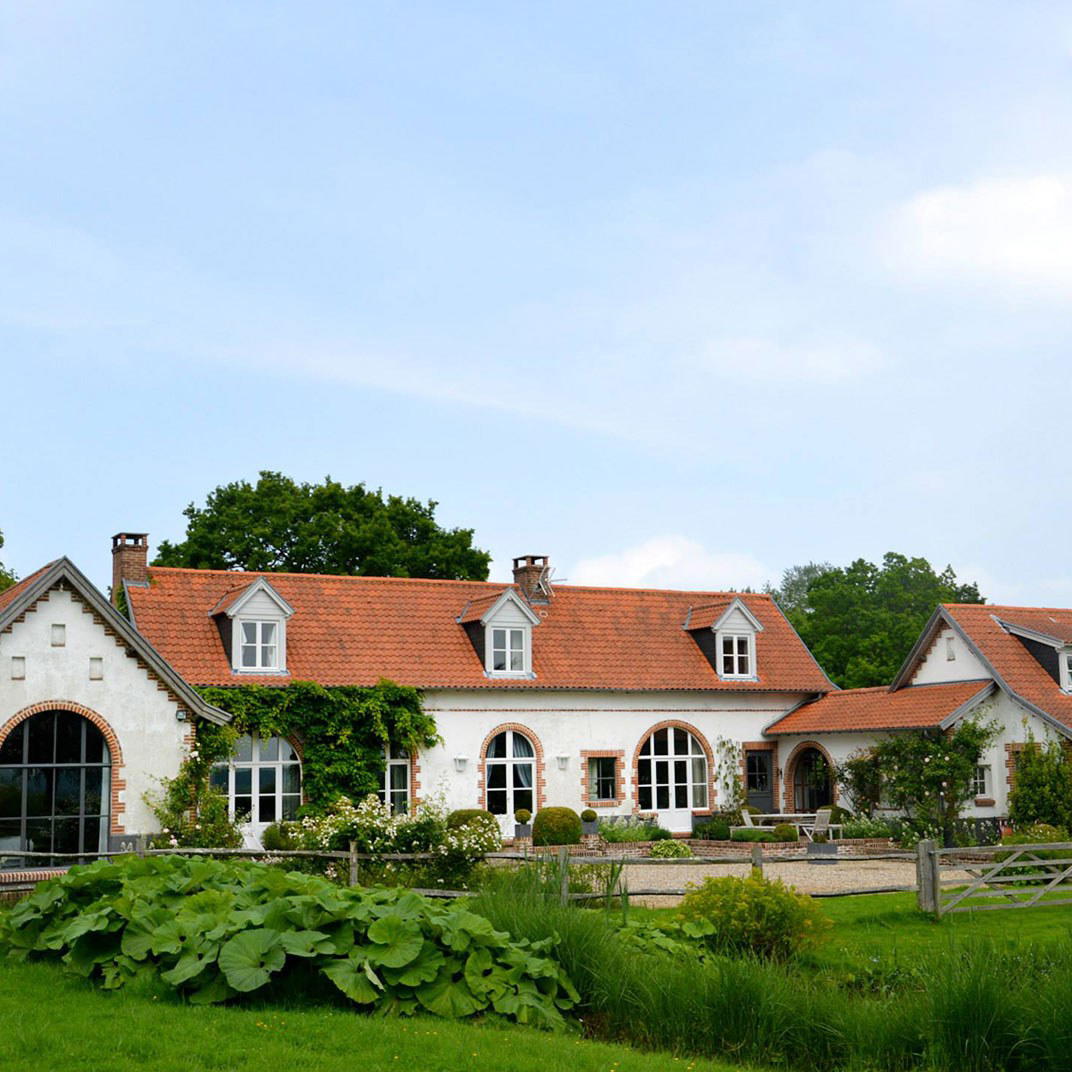
The address says a good deal: a village in the rural Pas-de-Calais, between Montreuil-sur-Mer and Hesdin, frames this as a regional table rather than a designed urban room. The Michelin Plate recognition in both 2024 and 2025 confirms the cooking is taken seriously, but the €€ pricing keeps it grounded. Expect the unhurried pace that characterises northern French country dining rather than the charged atmosphere of a city restaurant.
Has Le Clos de la Prairie won any awards?
Le Clos de la Prairie has received recognition including: Michelin Plate (2025); Michelin Plate (2024).
What dish is Le Clos de la Prairie famous for?
No signature dish is documented in the available record. What the record does confirm is a Modern Cuisine classification and two consecutive Michelin Plate awards (2024 and 2025), which points to a kitchen working with considered, contemporary technique at a mid-range price. For specifics on the current menu, contacting the restaurant directly or checking closer to your visit is the reliable route.
At-a-Glance Comparison
| Venue | Cuisine | Price | Awards | Notes |
|---|---|---|---|---|
| Le Clos de la PrairieThis venue (the venue you are viewing) | Seasonal French Bistro | $50–100 | Michelin Plate | Not listed |
| Alléno Paris au Pavillon Ledoyen | Modern French Fine Dining | $150–200 | 3 Michelin Stars · World's 50 Best #79 | Creative |
| Kei | Contemporary French, Modern Cuisine | Not listed | Michelin 3 Star | Not listed |
| L'Ambroisie | Classic French Haute Cuisine | $300–500 | 2 Michelin Stars · World's 50 Best #23 | French, Classic Cuisine |
| Le Cinq - Four Seasons Hôtel George V | Modern French Fine Dining | $300–500 | 3 Michelin Stars · World's 50 Best #24 | French, Modern Cuisine |
| Plénitude | Modern French Sauce-Led Fine Dining | $300–500 | 3 Michelin Stars · World's 50 Best #14 | Contemporary French |
Recognition history
Dated appearances from independent guides and award organizations, with the underlying list record or original source where available.
Michelin Plate
Michelin
Full recognition history (2 entries)
Michelin Plate
Michelin
Continue exploring
More in Gouy-Saint-André
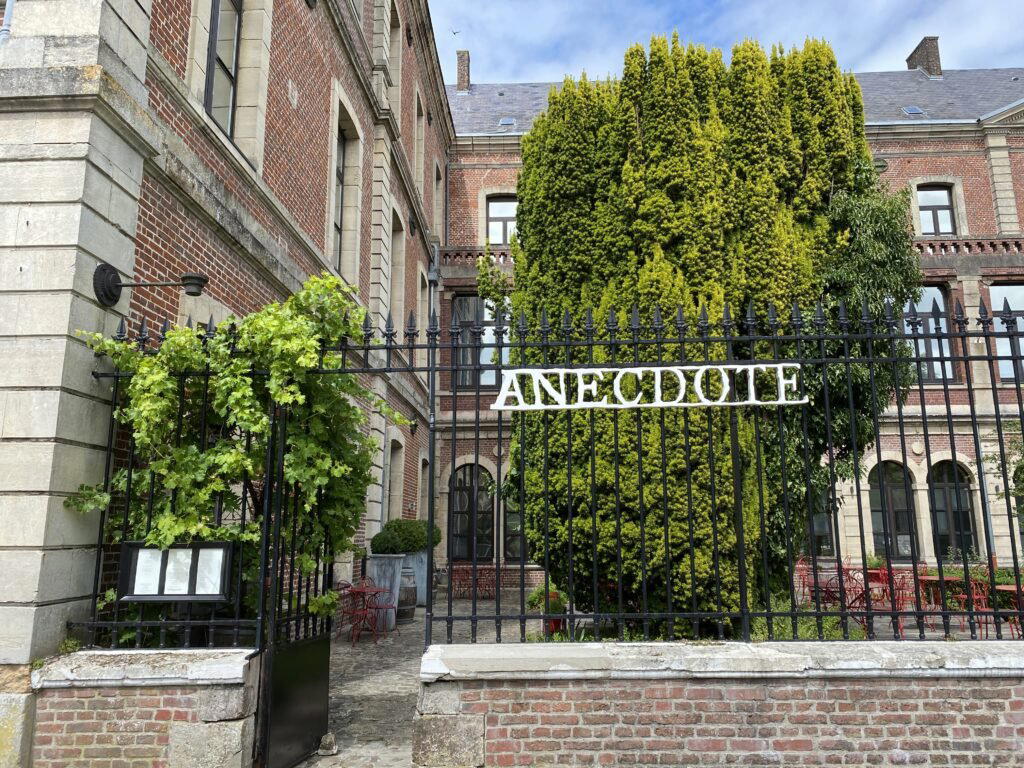
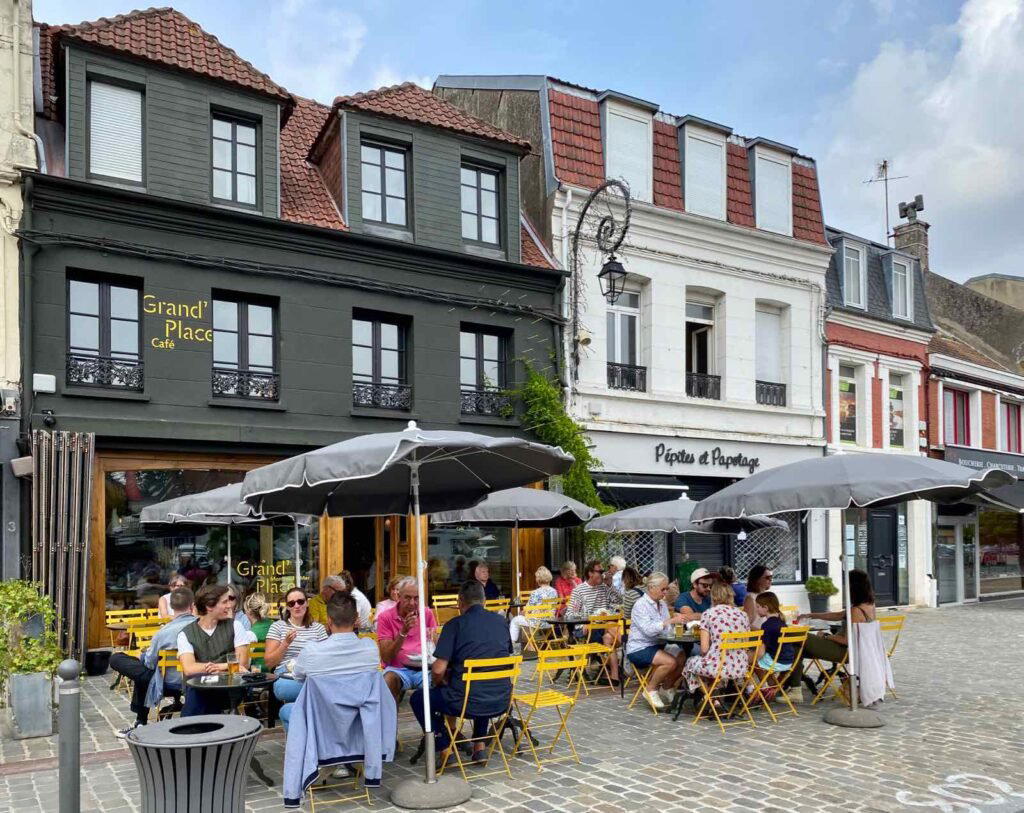
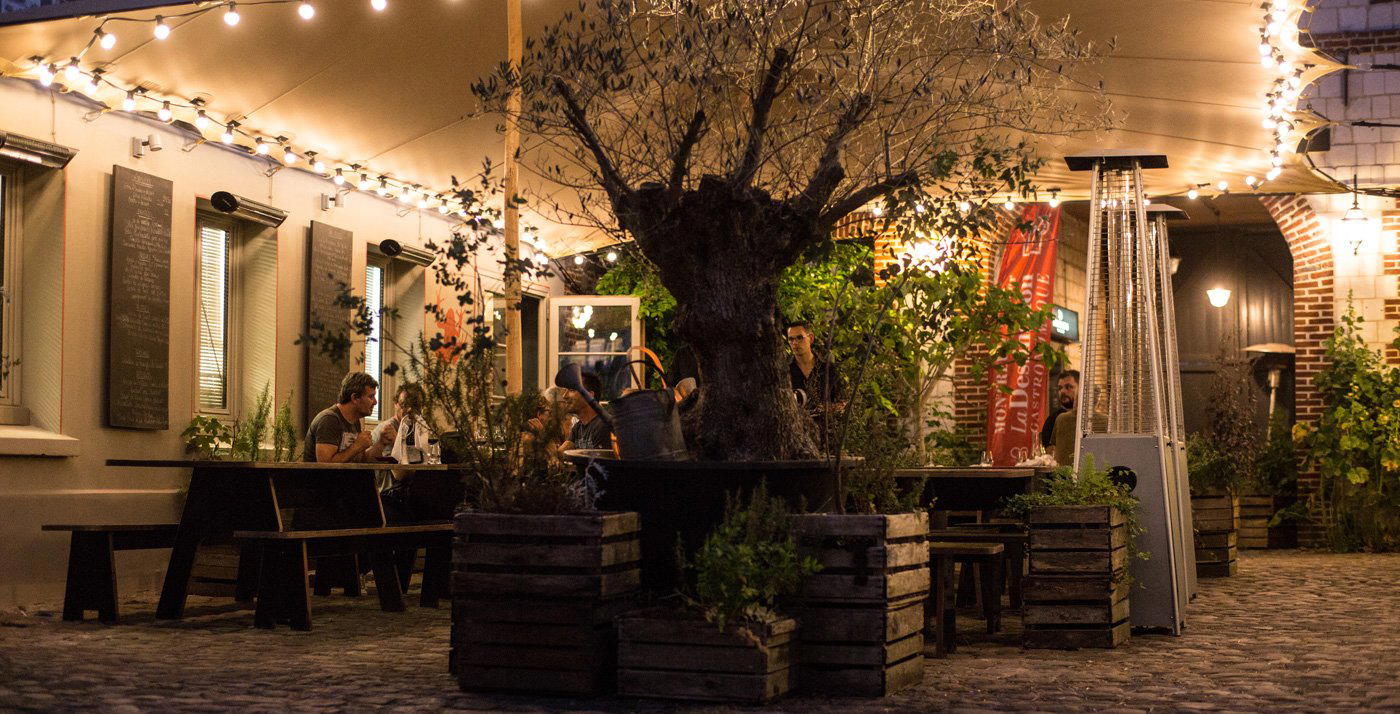
Details
- Rustic
- Cozy
- Elegant
- Intimate
- Scenic
- Date Night
- Special Occasion
- Celebration
- Terrace
- Garden
- Historic Building
- Extensive Wine List
- Local Sourcing
- Garden
- A La Carte
- Vegetarian Friendly
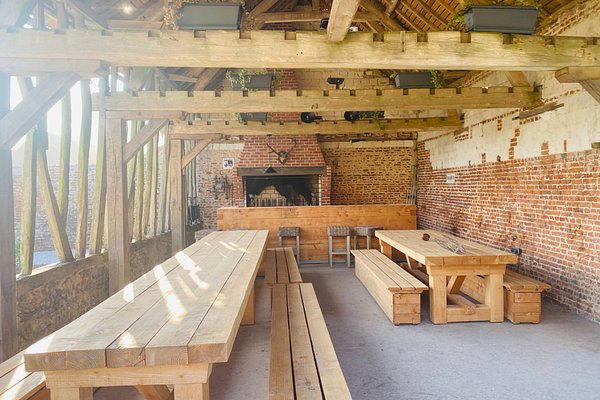
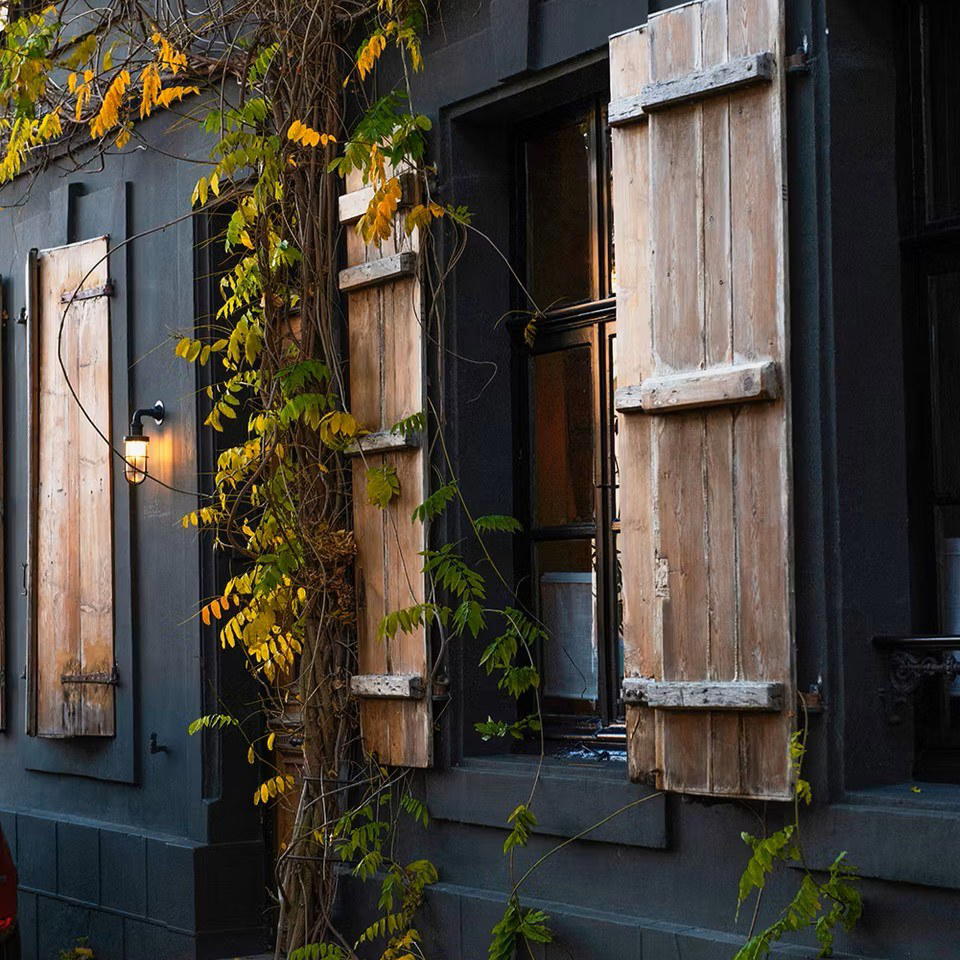
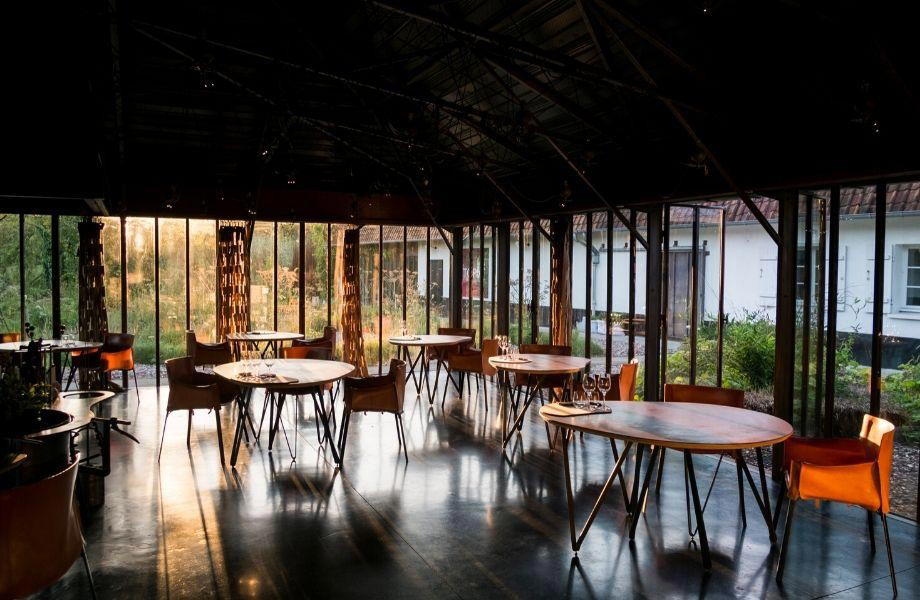
Feutré and softly lit with a peaceful, bucolic countryside atmosphere, cozy in winter by the fire and relaxing on the terrace in summer.