La Coquille
La Coquille sits on the Rue du Moros in Concarneau, a port town where the fishing fleet still determines what lands on local tables each morning. Positioned within a dining scene shaped by Atlantic catches and Breton culinary tradition, it occupies territory where the proximity to the sea is not an abstraction but a structural fact of every plate. For visitors working through Finistère's coastal restaurant options, it belongs on the shortlist alongside L'Amiral and Les Sables Blancs.
Pearl is the En Primeur Club membership app — saves, bookings, and concierge access live there. Same editors, same standards.
- Address
- Rue du Moros, 29900 Concarneau, France
- Phone
- +33298970852
- Website
- lacoquille-concarneau.fr
- Directions
- Get directions
 Saves & bookings on Pearl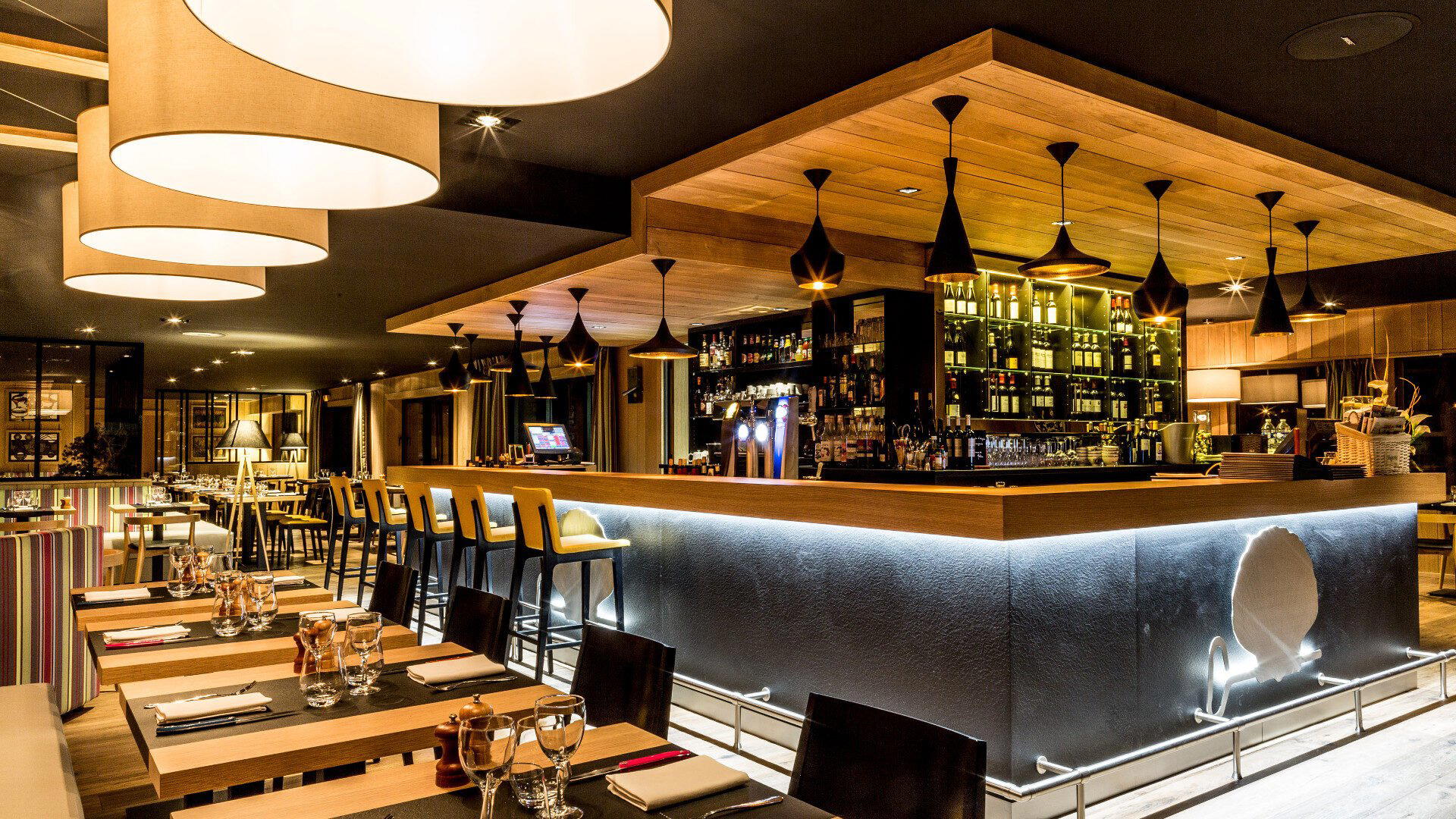
Where the Port Sets the Menu
Concarneau is a town shaped by its fishing heritage. The trawlers on the Moros estuary are working vessels, and the rhythm of the port, arrivals at dawn, the sorting of the catch, the short distance from water to kitchen, shapes what restaurants here can realistically put on a plate. La Coquille is on Rue du Moros, in this working harbour setting. The street runs along the inner harbour, close enough to the water that the context is unavoidable. This is the kind of proximity that France's leading seafood restaurants outside Paris tend to share: not a curated coastal aesthetic, but an actual operational relationship with a supply chain that changes by the day.
That supply-chain logic defines a particular tier of French regional cooking, distinct from the grand Parisian institutions such as Alléno Paris au Pavillon Ledoyen or the celebrated destination tables like Mirazur in Menton. Where those kitchens work from a position of accumulated prestige and deliberate sourcing, the leading coastal Breton restaurants operate from abundance and immediacy. The question for any serious table in Concarneau is whether it translates that raw material advantage into something worth a visit.
The Breton Seafood Tradition La Coquille Sits Within
Brittany's culinary identity is built around a relatively short list of products: langoustines from the Bay of Biscay, blue lobster from the rocky Atlantic coast, line-caught sea bass, turbot, spider crab, and the flat oysters of Belon that have defined the region's reputation for decades. The cooking tradition that grew around these products is one of considered restraint. Breton kitchens at their most assured do not complicate what the sea delivers. Beurre blanc, the classic Loire-adjacent sauce that crossed into Breton repertoire through the estuary towns, remains a touchstone. Galettes de sarrasin, though primarily associated with the crêperies further inland, signal the broader regional grain culture that frames the table before the fish arrives.
La Coquille's name places it squarely within this shellfish-forward identity. In French coastal cooking, the coquille, whether a scallop, a coquille Saint-Jacques, or simply the shell as a serving vessel, carries specific cultural weight. The coquille Saint-Jacques, harvested from the Atlantic seabed off the Breton coast between October and May, is the region's single most celebrated product, and any restaurant bearing that name in a Finistère port town is making an implicit commitment to that tradition. The scallop season dictates the menu's character in ways that no amount of kitchen creativity can entirely override: when the dredgers come in during the winter months, the coquille Saint-Jacques is what serious diners come for.
This seasonal logic connects La Coquille to a broader pattern visible across France's leading regional tables. At Bras in Laguiole, the Aubrac plateau dictates the kitchen's rhythm just as completely as the Atlantic dictates a Breton kitchen's. At Flocons de Sel in Megève, altitude and Alpine seasons set the terms. The principle is consistent: France's most credible regional restaurants derive authority from place, not from detachment from it.
Concarneau's Dining Scene and Where La Coquille Fits
Concarneau runs a compact but layered restaurant scene for a town of its size. The walled Ville Close, the medieval citadel connected to the mainland by a bridge, draws day-trippers and sets a tourist-facing tier of the market. The more serious tables tend to operate slightly away from that concentration, oriented toward the harbour and the local clientele that sustains them year-round. Le Flaveur, positioned at the €€ tier with a modern cuisine approach, and L'Atelier du Nord, which operates a fusion format at the €€€ price point, bracket the contemporary end of the local scene. Le Chantier and Les Sables Blancs round out a set that collectively gives Concarneau more dining range than its modest profile might suggest.
The restaurant on the Rue du Moros occupies the harbour-adjacent tier where the supply relationship with the port is most direct. For context on the full range of options, a Concarneau restaurants guide maps the scene across price points and styles. L'Amiral also operates in the vicinity and provides a reference point for how the local market values its seafood-anchored tables.
Finistère's Place in the French Culinary Record
Finistère, the westernmost département of metropolitan France, has historically sat at some remove from the circuits that generate Michelin attention and international press. The grandes tables that define French haute cuisine's critical geography, from Paul Bocuse's Auberge du Pont de Collonges to Auberge de l'Ill in Illhaeusern, Assiette Champenoise in Reims, or Au Crocodile in Strasbourg, cluster in regions with stronger gastronomic infrastructure and more densely packed food culture. Brittany's recognition has come more slowly, more quietly, and often at the regional brasserie and bistrot level rather than at the starred table.
Comparable seafood precision at Le Bernardin in New York City, which has sustained multiple James Beard Awards and a three-Michelin-star rating across decades, comes at a different price. The contrast is instructive: institutional seafood cooking at the highest level costs accordingly, while the regional source table, when it is operating well, can deliver comparable material in less formal conditions at a fraction of the price.
The same observation applies when considering how France's more experimental kitchens, AM par Alexandre Mazzia in Marseille or Troisgros in Ouches, have built reputations partly by departing from the regional supply logic. A table like La Coquille, rooted in harbour proximity and shellfish tradition, makes the opposite argument: that fidelity to place is itself a form of ambition. Whether the kitchen consistently honours that argument is the relevant question for any visitor.
Planning Your Visit
Concarneau is accessible by rail from Quimper, which connects to Paris Montparnasse on the high-speed TGV network, making a day trip from the capital feasible, though the town rewards at least an overnight stay to absorb the port's early-morning rhythms. The Rue du Moros address keeps the restaurant within easy walking distance of the Ville Close and the main harbour quays. For visitors combining several meals in Concarneau, the contrast between the restaurant's harbour-side positioning and the more contemporary format of L'Atelier du Nord or the modern cuisine approach at Le Flaveur is worth building into a two-dinner itinerary. Booking ahead is recommended.
Pricing, Compared
Comparable venues nearby, for context on price, style, and recognition.
| Venue | Cuisine | Price | Awards | Notes |
|---|---|---|---|---|
| La CoquilleThis venue — the venue you are viewing | Quai du Moros, Modern Breton Seafood | $$$ | Not listed | Not listed |
| Le Chantier | Quai Carnot, French Seafood Bistro | $$$ | Not listed | Not listed |
| L'Amiral | Port, Breton Seafood Brasserie | $$$ | Not listed | Not listed |
| Le Flaveur | Not listed | $$$ | Bib Gourmand | near port and Ville-Close, Modern French with Breton Seafood |
| Les Sables Blancs | Concarneau, French Coastal Brasserie | $$$ | Not listed | Not listed |
| L'Atelier du Nord | Not listed | $$$$ | Michelin Plate | Quai Carnot, Modern Japanese-Inspired Seafood Fusion |
Continue exploring
More in Concarneau
Restaurants in Concarneau
Browse all →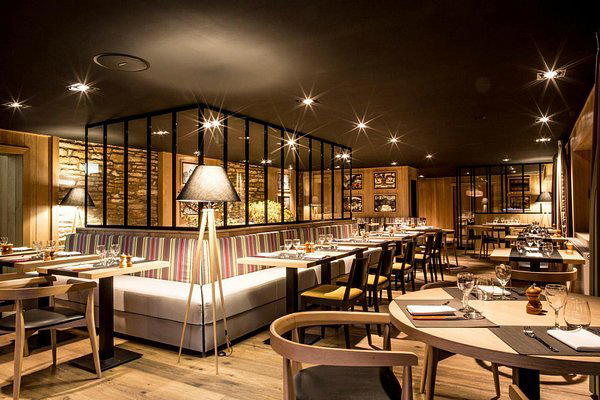
At a Glance
- Elegant
- Classic
- Scenic
- Cozy
- Date Night
- Special Occasion
- Family
- Waterfront
- Terrace
- Private Dining
- Extensive Wine List
- Local Sourcing
- Waterfront
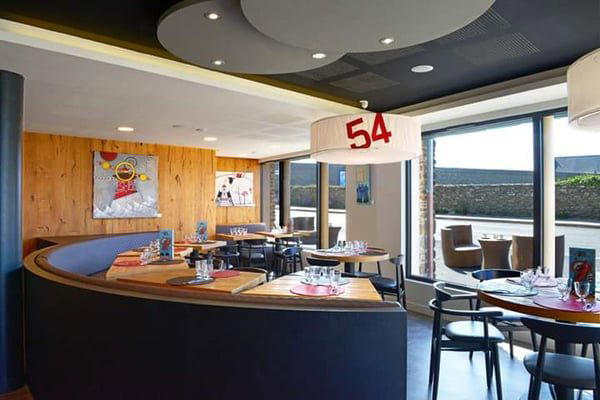
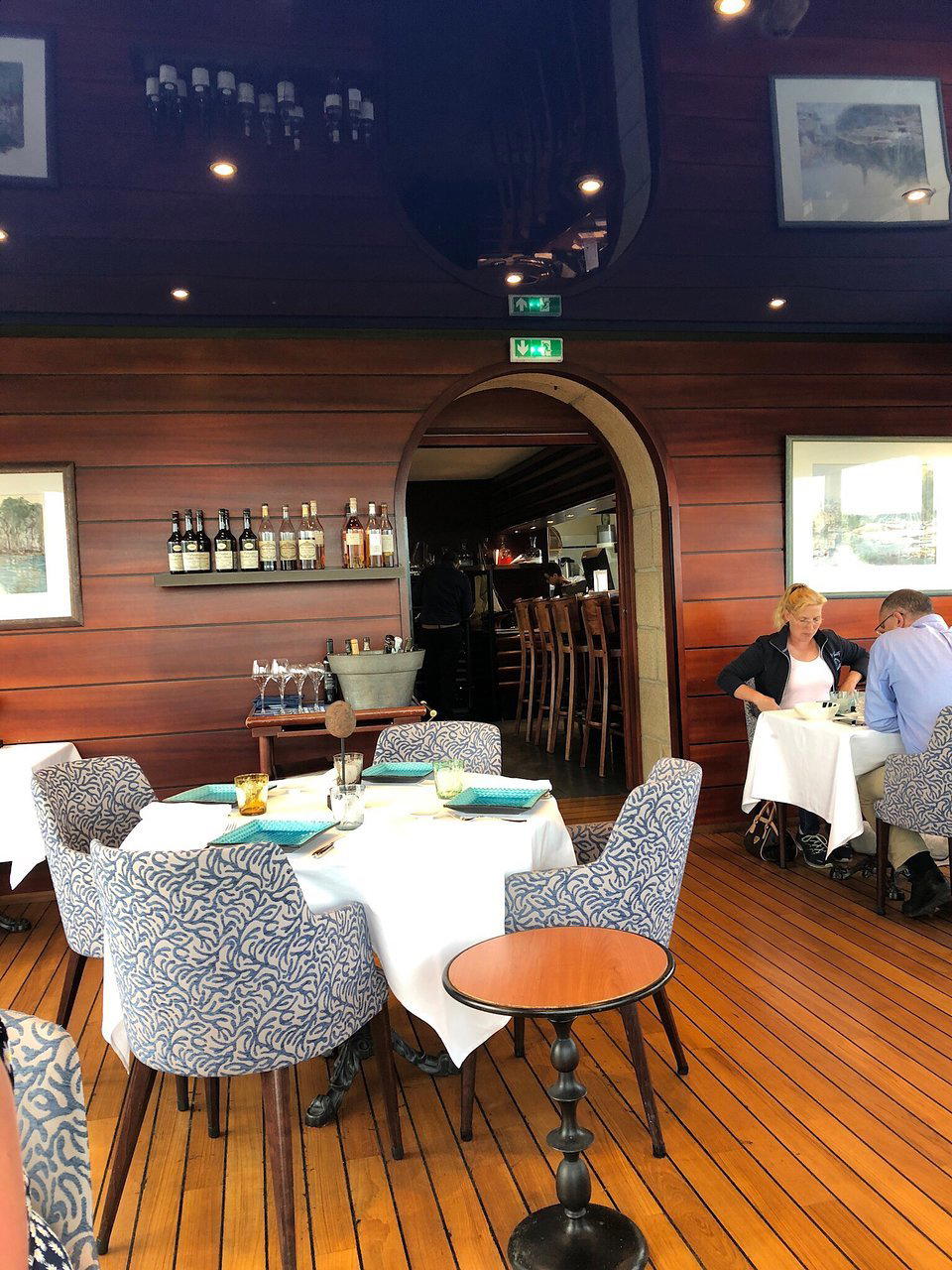
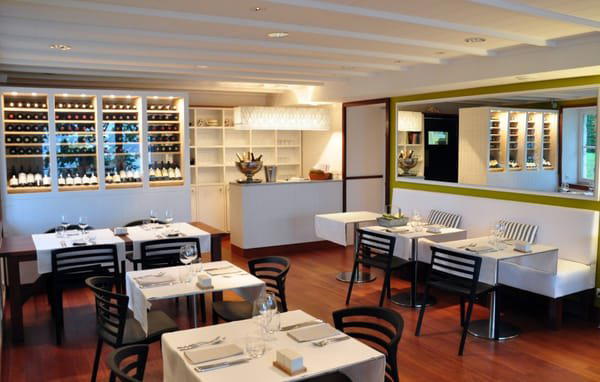
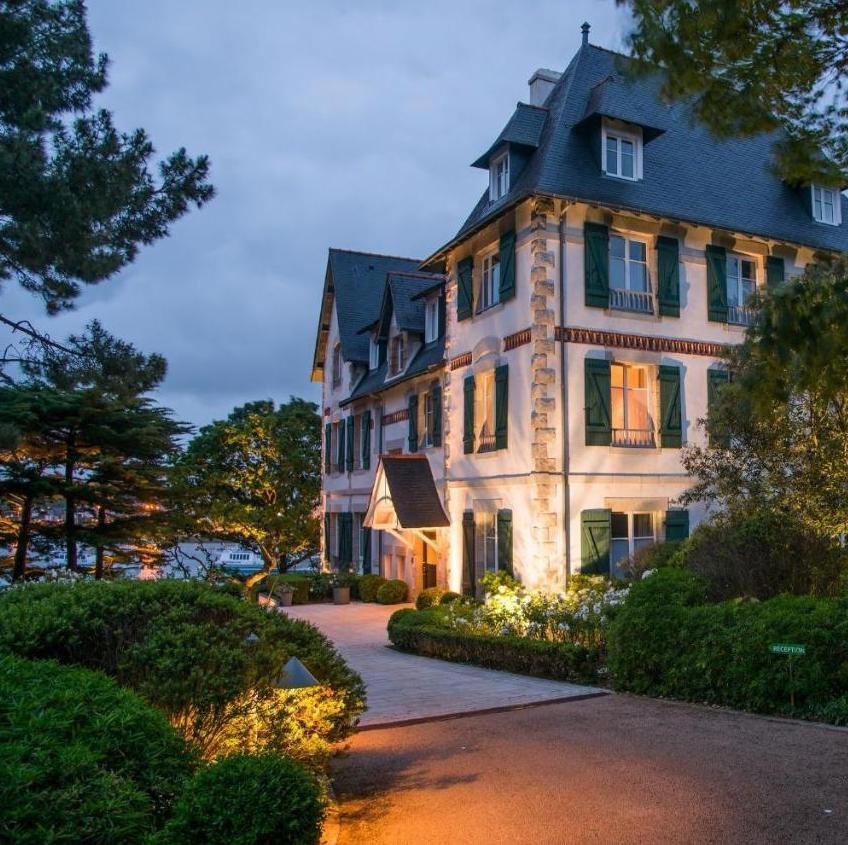
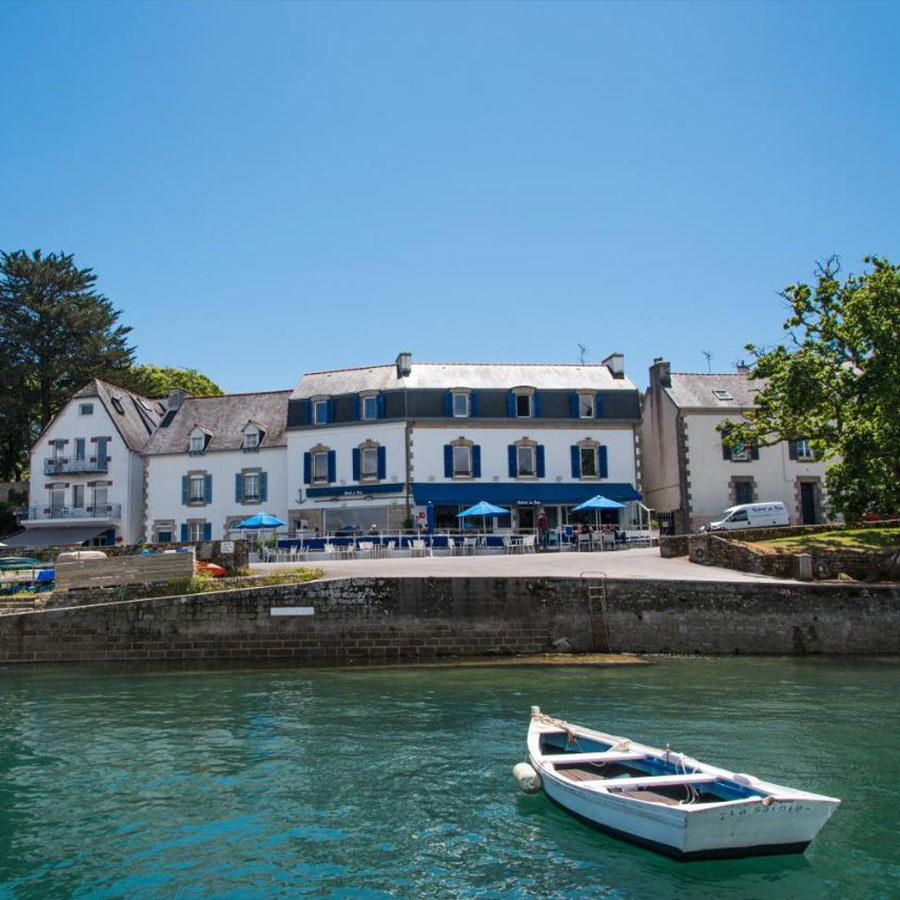
Warm and friendly maritime atmosphere with elegant design, terrace overlooking the harbor and Ville Close.