Le Café de la Poste

Michelin Plate
Our verdict
The young chef-owner runs a contemporary menu grounded in local produce: butternut squash soup, beer-braised pork belly, meadowsweet affogato. It is the kind of address that a village earns rather than manufactures.

Pearl is the En Primeur Club membership app — saves, bookings, and concierge access live there. Same editors, same standards.
- Address
- 6 place du Capitaine-Anjot
- Phone
- +33 4 50 05 44 87
- Hours
- Mon 12–1:30 PMTue–Wed ClosedThu–Fri 12–1:30 PM, 7:15–9:15 PMSat 12–2 PM, 7:15–9:15 PMSun 12–1:30 PM
- Website
- lecafedelapostealt640.fr
- Directions
- Get directions
- Booking
- Book on Zenchef
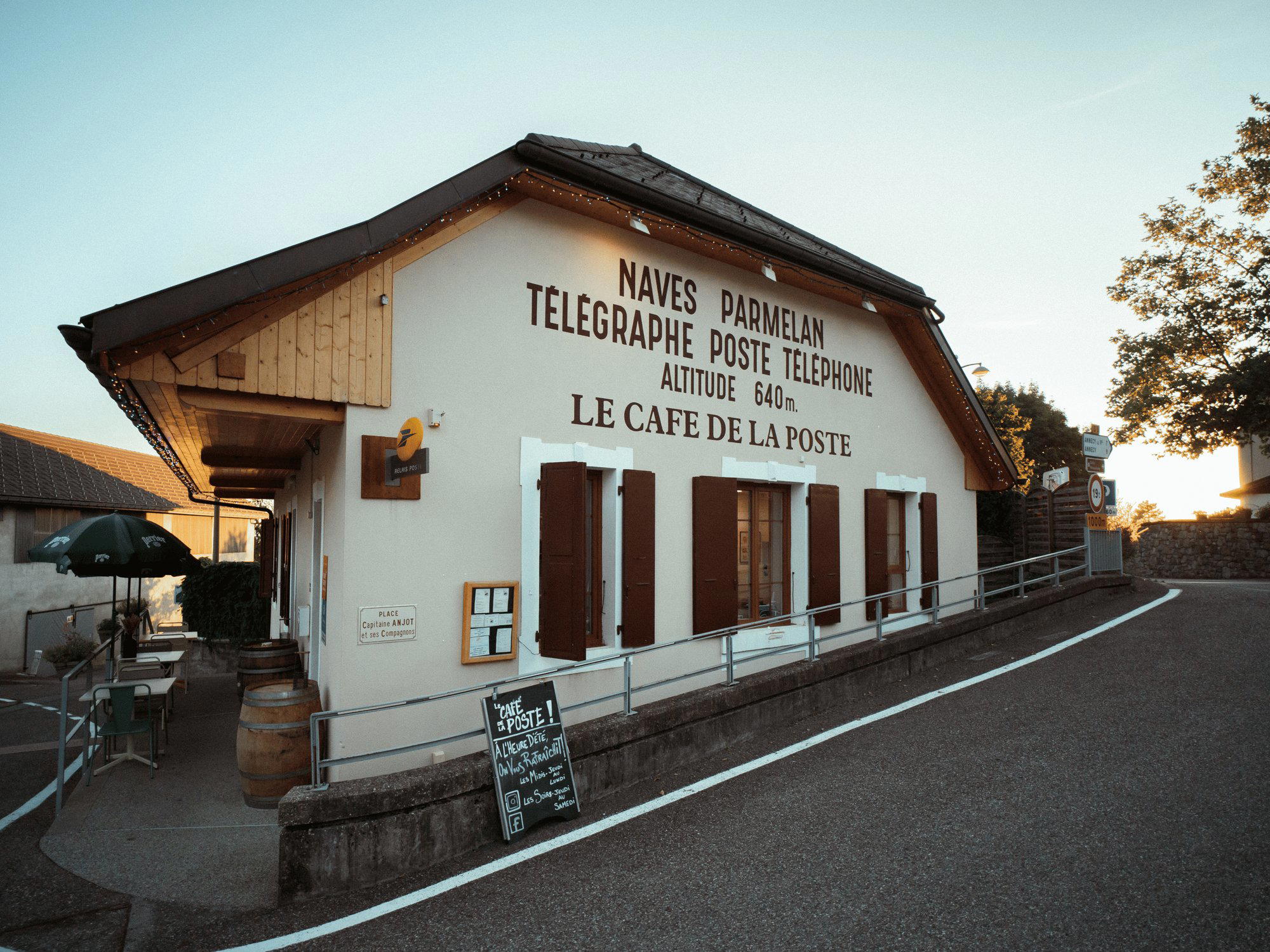
Where the Village Converges
Some restaurants announce themselves through design or reputation. Others through the simple fact that everyone in the surrounding area passes through them at some point in the morning. Locals collect warm loaves and drop letters at a counter decorated with vintage postcards; the same room later fills with lunch. That layering of function is not a quirk — it reflects how mountain villages in the Haute-Savoie have historically organised communal life around a single convivial address.
The interior follows the logic of a traditional alpine inn: wood-panelled walls, Baumann chairs, and Badonviller plates that carry the memory of generations of French provincial dining. These are not decorative choices made for atmosphere. They are the residue of a building that has been used continuously and purposefully. For visitors arriving from the broader alpine circuit around Annecy, this is a useful distinction. The region supports some of France's most technically ambitious kitchens — Flocons de Sel in Megève operates at the far end of that spectrum, but Le Café de la Poste sits at a different register entirely, one where the room's character precedes the menu rather than the other way around.
A Menu Anchored in the Surrounding Terrain
The Haute-Savoie is unusually well-supplied for a chef who wants to cook with what is close. The pre-Alpine zone between Annecy and the Aravis range produces hazelnuts, dairy, highland herbs, and a range of cultivated and foraged vegetables that shift meaningfully through the year. At Le Café de la Poste, that proximity shows up directly in what the young chef-owner chooses to cook. Butternut squash soup and pattypan squash salad with hazelnut cazette, a local hazelnut variety specific to the Savoie region, point to a kitchen that sources within a short radius rather than pulling from national wholesale channels. The distinction matters when reading the menu: pork belly cooked in beer and a local-style affogato made with meadowsweet and Villaz coffee are not exercises in alpine nostalgia. They are the natural output of a kitchen working with producers and ingredients that happen to be nearby. Villaz, a neighbouring commune, supplies the coffee; meadowsweet grows across the surrounding meadows. The sourcing radius here is measured in kilometres rather than supply-chain abstractions.
That level of localism is worth noting in the context of how ingredient provenance has been discussed at France's higher-profile addresses. Kitchens like Mirazur in Menton and Bras in Laguiole have made terrain-led sourcing central to their international reputations. At Le Café de la Poste, the same principle operates without the infrastructure of starred cuisine, no garden programme, no supplier branding, no tasting menu format. The sourcing is simply what the kitchen does, and the menu is its direct expression.
Format and What to Expect at the Table
The format is flexible enough to accommodate several different kinds of visit. That flexibility is not incidental, it reflects the building's role as a hub rather than a destination-only dining room.
The contemporary register of the cooking sits in deliberate contrast to the traditional interior. A butternut squash soup or a pattypan and hazelnut salad reads differently against wood panelling and Badonviller plates than it would in a minimalist urban room. The effect is not jarring. It suggests a kitchen that has absorbed the local aesthetic without being constrained by it, which is a meaningful skill in a village context where the pressure to simply reproduce regional standards can be significant. For a broader sense of what France's alpine kitchens are doing at various price points and ambition levels, our full Nâves-Parmelan restaurants guide maps the local options in more detail.
Planning Your Visit
Nâves-Parmelan sits above Annecy in the Haute-Savoie department, accessible by road from the city in under thirty minutes. Mountain villages in this part of France often adjust service patterns between summer and winter seasons, so confirming availability before a dedicated journey is advisable.
The café's dual role as post office and bread shop means mornings carry a different energy from lunch service. Those visiting primarily to eat should plan accordingly. For those combining the meal with broader exploration of the area, our Nâves-Parmelan hotels guide, bars guide, and experiences guide cover the surrounding options. Visitors interested in the wider arc of French regional cooking at various scales, from village bistros to multi-starred rooms, may also find useful reference points in addresses like Auberge de l'Ill in Illhaeusern, Troisgros in Ouches, or Alléno Paris au Pavillon Ledoyen or Assiette Champenoise in Reims operate in a different register entirely.
Frequently asked questions
Does Le Café de la Poste work for a family meal?
The format suits families well. The menu spans generous snacks, lighter plates, and sharing meat dishes, giving a table of mixed appetites plenty to work with. The wood-panelled interior and Baumann chairs carry the warmth of a traditional inn rather than a formal dining room, which keeps the atmosphere easy for all ages.
Is Le Café de la Poste better for a quiet night or a lively one?
Expect noise and movement. This is the social hub of Nâves-Parmelan: bread pick-ups, post office transactions, and bistro meals all happen under the same roof, and the place functions as a genuine village gathering point. A quiet, intimate dinner is not the primary register here.
What distinctions does Le Café de la Poste have?
Le Café de la Poste has received recognition including: Home to the post office, bread shop and bistro, this regional-style building embodies the convivial spirit and hospitality of this mountain village. In the morning, locals stop by to pick up their bread while it's still warm or post a lette….
What should I order at Le Café de la Poste?
The menu reflects the surrounding terrain: butternut squash soup, pattypan squash and hazelnut cazette salad, pork belly cooked in beer, and a local-style affogato made with meadowsweet and Villaz coffee are among the dishes the young chef-owner has built the menu around. The sharing meat dishes are specifically noted as a house format worth committing to if you are at the table in a group.
Where do I go for Le Café de la Poste?
Le Café de la Poste is located at 6 place du Capitaine-Anjot, Nâves-Parmelan.
Do I need a reservation for Le Café de la Poste?
Booking ahead is advisable. The café serves as the focal point for the whole village, handling bread sales and postal services alongside a full bistro, which means it draws consistent foot traffic throughout the day. Contact details are not currently listed publicly, so arriving early or asking at your accommodation in Nâves-Parmelan for the current booking arrangement is the practical approach.
What has Le Café de la Poste built its reputation on?
The Michelin guide singles out the café for embodying the convivial spirit of the mountain village, noting that it functions simultaneously as post office, bread shop, and bistro at 6 place du Capitaine-Anjot. The reputation rests on a specific tension: a setting that looks and feels like a classic regional inn — Badonviller plates, vintage postcards at the counter — run by a young chef-owner producing contemporary plates rooted in Haute-Savoie produce.
Quick Comparison
Comparable venues nearby, for context on price, style, and recognition.
| Venue | Cuisine | Price | Awards | Notes |
|---|---|---|---|---|
| Le Café de la PosteThis venue — the venue you are viewing | Modern French Bistro | $30–50 | Michelin Plate | Not listed |
| Le Bouillon | Modern French Bistro | $30–50 | Michelin Plate | Centre-Ville |
| Le Vieux Four | Savoyard French | $20–30 | Michelin Plate | Village centre |
| Rousille | Modern French Bistronomy | $30–50 | Michelin Plate | Quartier Brotteaux |
| Le Limonadier | Organic French Bistronomie | $50–100 | Michelin Plate | Quartier Croix-Rousse Est et Rhône |
| L'Escoubille | Modern French Brasserie | Not listed | Michelin Plate | Saint-Alban-Leysse |
Recognition history
Dated appearances from independent guides and award organizations, with the underlying list record or original source where available.
Michelin Plate
Michelin · 2026 Michelin Plate
Full recognition history (2 entries)
Michelin Bib Gourmand
Michelin
Continue exploring
More in Nâves-Parmelan
Restaurants in Nâves-Parmelan
Browse all →
Bars in Nâves-Parmelan
Browse all →
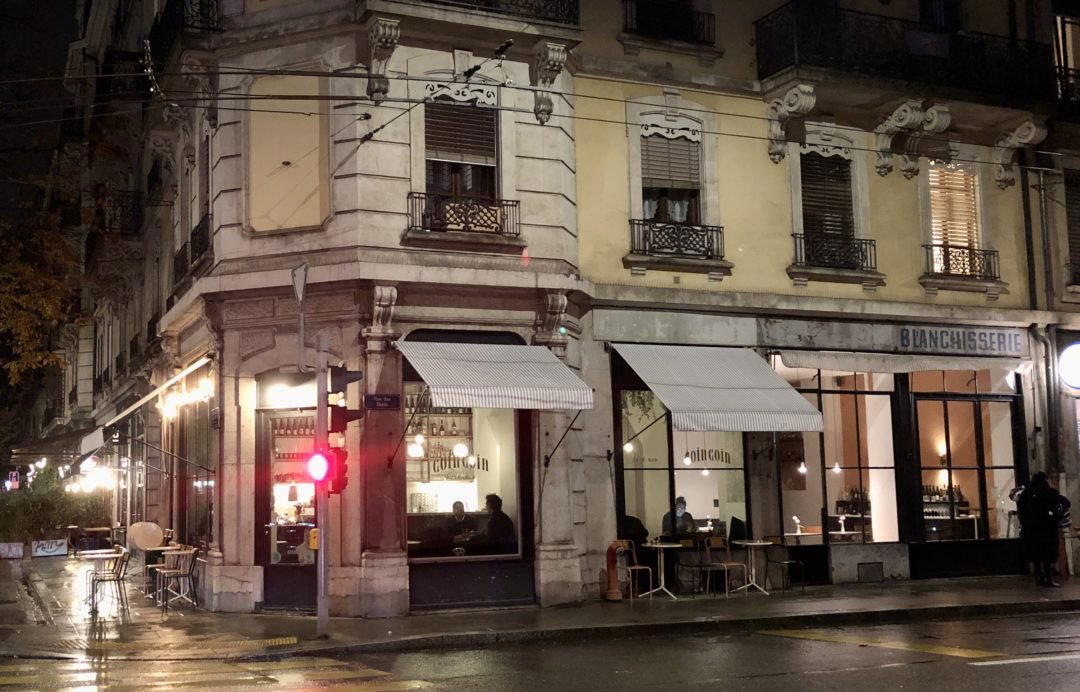
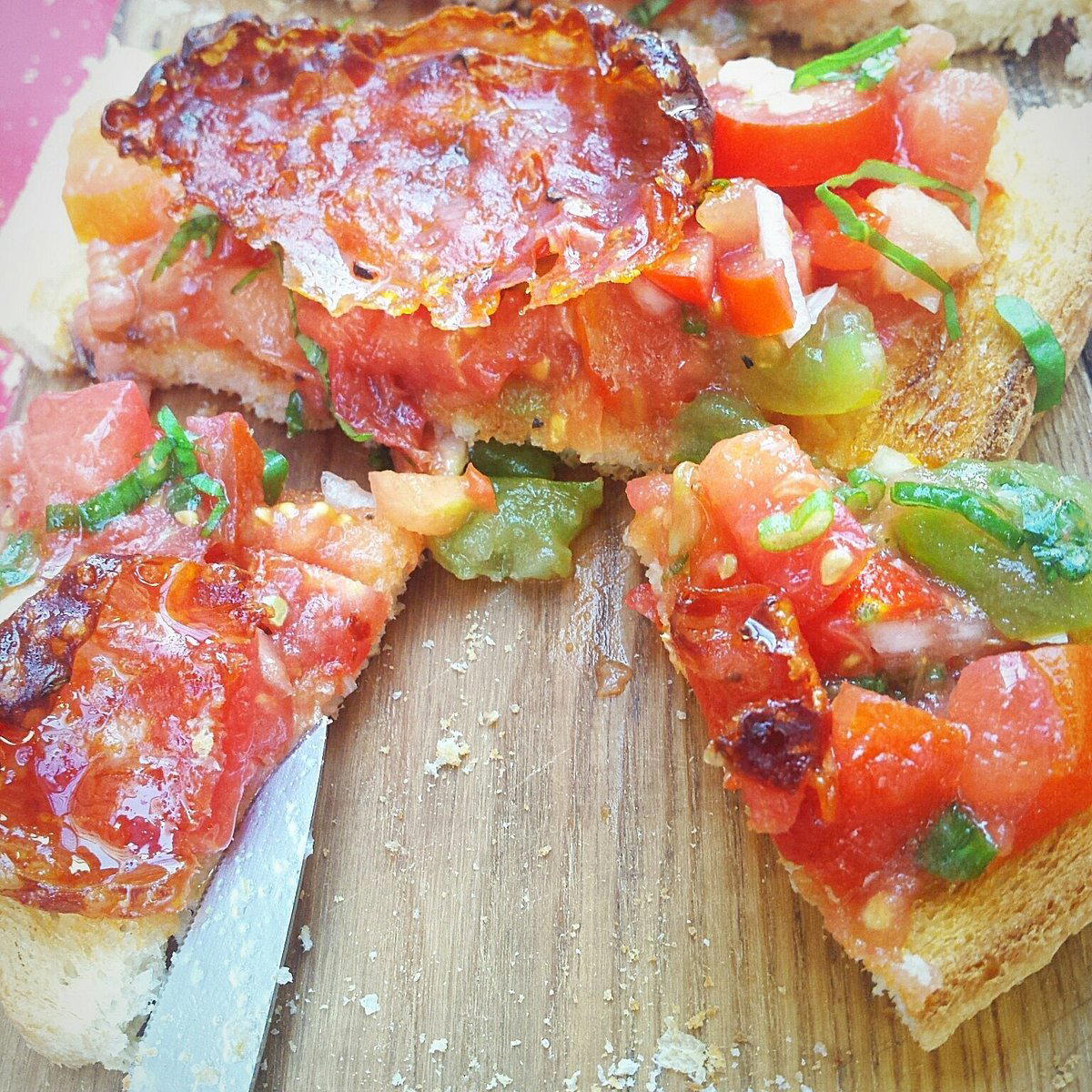
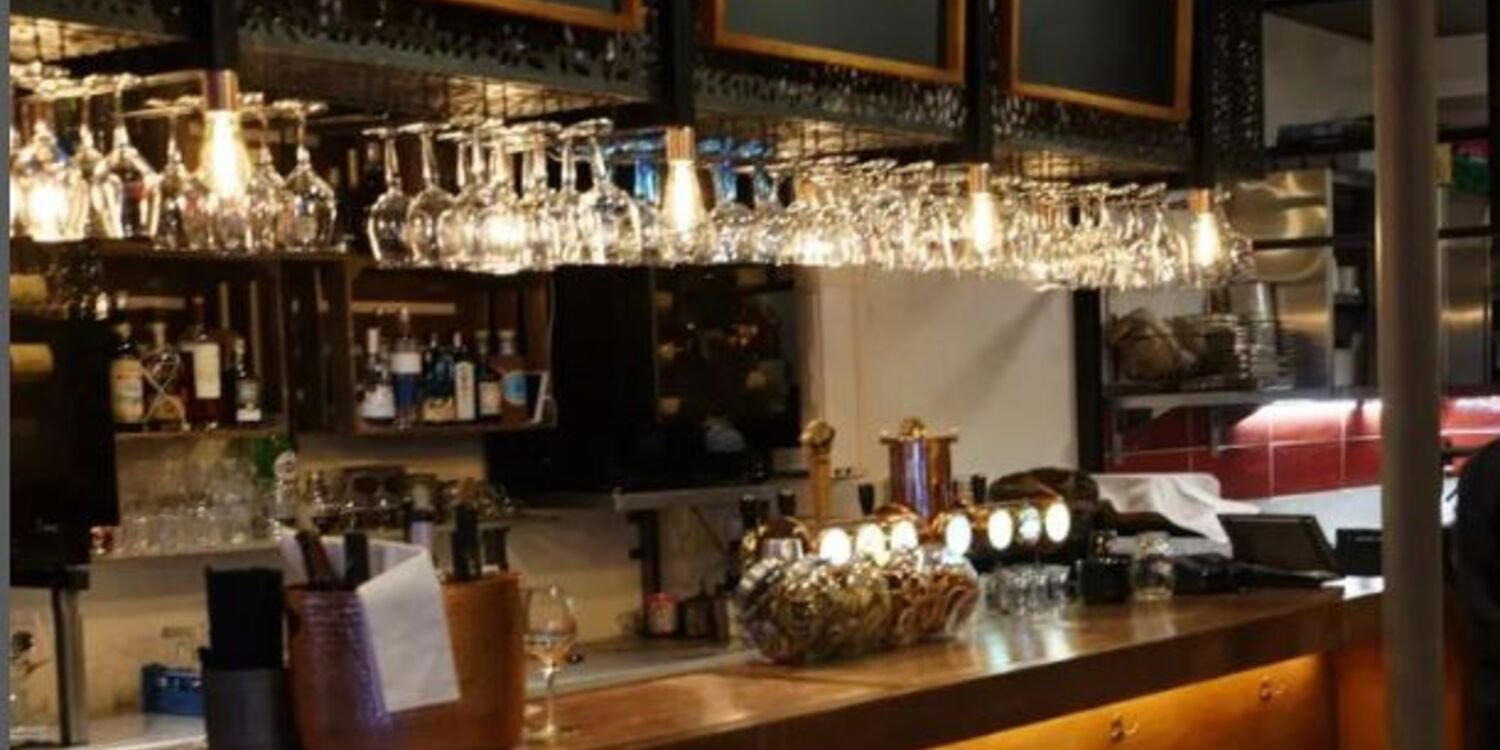
Hotels in Nâves-Parmelan
Browse all →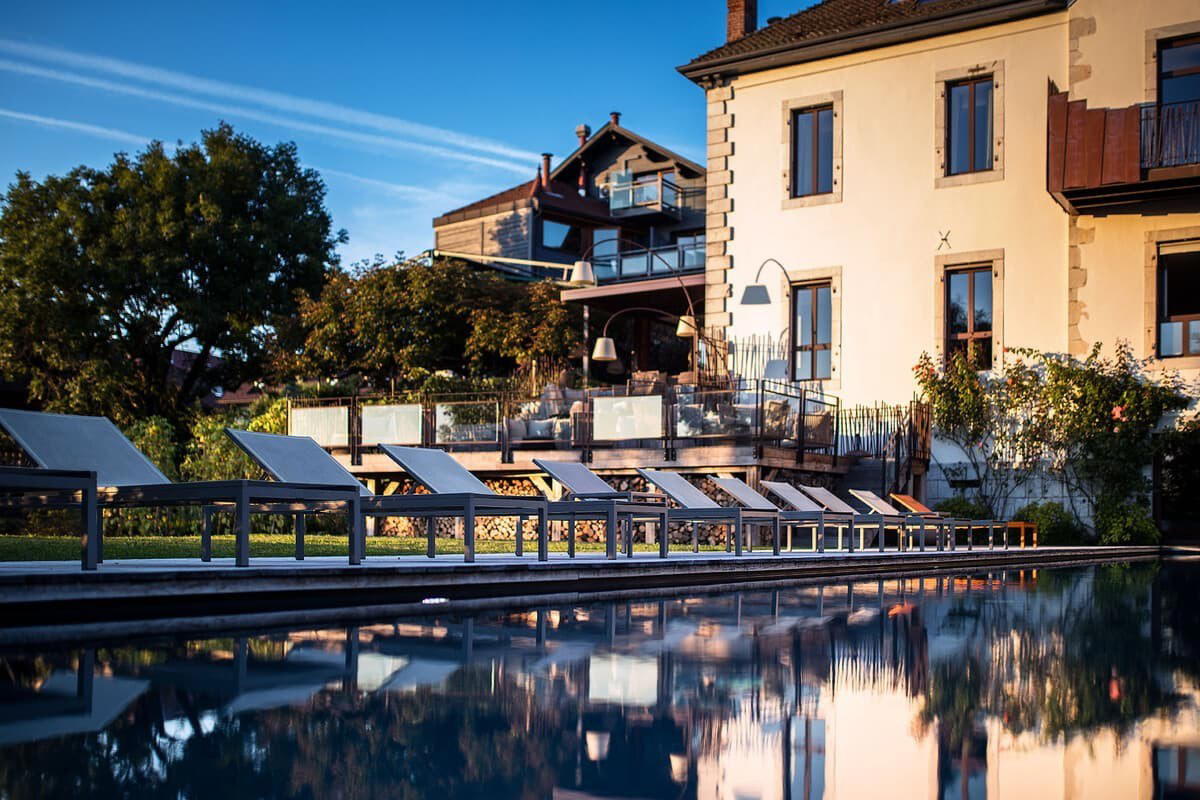

Le Café de la Poste
The wine
- Wine program
- Curated wine list
- Natural wine
Details
- Cozy
- Rustic
- Classic
- Intimate
- Family
- Casual Hangout
- Group Dining
- Historic Building
- Natural Wine
- Local Sourcing
- Mountain
- A La Carte
Current opening hours
- Monday
- 12–1:30 PM
- Tuesday
- Closed
- Wednesday
- Closed
- Thursday
- 12–1:30 PM, 7:15–9:15 PM
- Friday
- 12–1:30 PM, 7:15–9:15 PM
- Saturday
- 12–2 PM, 7:15–9:15 PM
- Sunday
- 12–1:30 PM
Hours can change for holidays and private events. Last verified .
Warm wood-panelled interior with vintage decor evoking a traditional inn, fostering a cozy and welcoming village atmosphere.