Le Bistronome en Beaujolais

In the capital of the historical Beaujolais province, Le Bistronome en Beaujolais operates at the precise intersection of contemporary technique and regional ingredient logic. A weekly-updated lunch menu and a seasonally driven main menu signal a kitchen committed to what the land is actually producing. The wine list stays local, the service is smooth, and the room, blue walls, untreated wood, glass-fronted cellar, matches the food's unpretentious precision.
Pearl is the En Primeur Club membership app — saves, bookings, and concierge access live there. Same editors, same standards.
- Address
- 144 rue d'Anse
- Phone
- +33 4 74 03 65 10
- Directions
- Get directions
 Saves & bookings on Pearl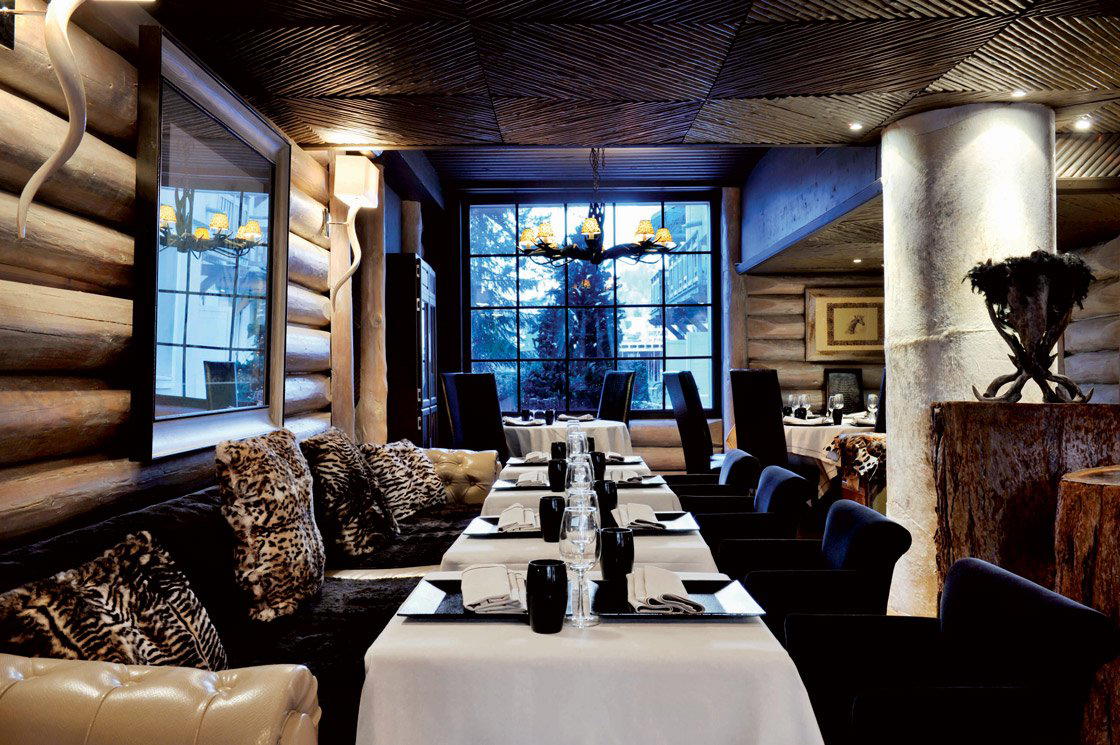
Where Beaujolais Cooking Is Actually Going
The Beaujolais region sits in an awkward position in the French culinary imagination: close enough to Lyon to live in its shadow, wine-producing enough to attract visitors primarily for the bottle rather than the plate. Villefranche-sur-Saône, the historical capital of the province, has long been the administrative centre of that identity, and for years its restaurant scene reflected the same provincial underestimation. What has shifted in recent years, across a handful of addresses, is a willingness to apply serious seasonal discipline to local produce without reaching for the grand-restaurant apparatus of multi-course theatre and hushed formality. Le Bistronome en Beaujolais is a restaurant at 144 rue d'Anse in Villefranche-sur-Saône.
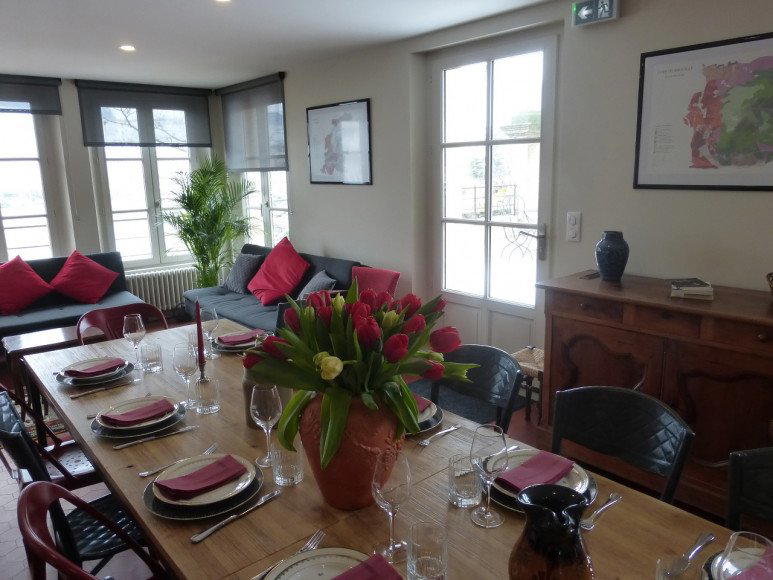
The room signals the approach before a dish arrives. Blue walls and untreated wood create a register that sits between a traditional French bistro and a more contemporary stripped-back aesthetic, nothing polished to excess, nothing trying to announce itself. The glass-fronted wine cellar is visible from the dining room, which in a restaurant with a regionally focused list functions less as décor and more as editorial statement: the wines in there are the wines you are drinking, and they come from the hills surrounding the town.
The Logic of the Market, Applied Weekly
French bistronomy, the contraction of bistro and gastronomie that became a recognised movement in the 1990s in Paris, was built on a specific argument: that rigorous technique need not require lavish budgets or ceremonial rooms, and that seasonal sourcing done honestly could carry a menu. That argument plays differently in a producing region than it did in Paris. Here, the produce is not arriving from a Rungis wholesaler; it is arriving from the local agricultural economy that the Beaujolais wine trade has sustained for centuries. The kitchen at Le Bistronome en Beaujolais takes that proximity seriously.
The lunch menu changes every week. The seasonal menu changes throughout the year. Both rhythms are unusual in a restaurant operating at this level of technical ambition, most kitchens at this register update seasonally at most, holding menu templates stable for weeks at a time. A weekly lunch update requires a direct sourcing relationship with suppliers, because you cannot build a new menu around produce you cannot guarantee will be available. Documented dishes from the kitchen include soy-cured egg yolk with shiitake mushrooms and asparagus espuma; pork pluma with artichokes barigoule and a full-bodied liquorice jus; and a chocolate and coffee dessert built around contrasting textures. Each of these demonstrates the same underlying logic: classical French reference points (barigoule, espuma technique), applied to ingredients chosen for seasonal availability rather than prestige value.
The comparison with other kitchens that use similar sourcing principles is instructive. Bras in Laguiole made the gargouillou, a dish assembled from whatever the garden and surrounding terrain produced on a given day, the founding document of an entire culinary philosophy. Mirazur in Menton organises its menu around biodynamic calendar logic. Flocons de Sel in Megève treats Alpine terrain as the defining constraint on everything from foraging to fermentation. Le Bistronome en Beaujolais applies related principles at a local scale, in a room without pretension, for a clientele that is largely regional, which is precisely what makes it worth the attention of anyone passing through the Beaujolais on the way between Lyon and Burgundy.
On the Wine List
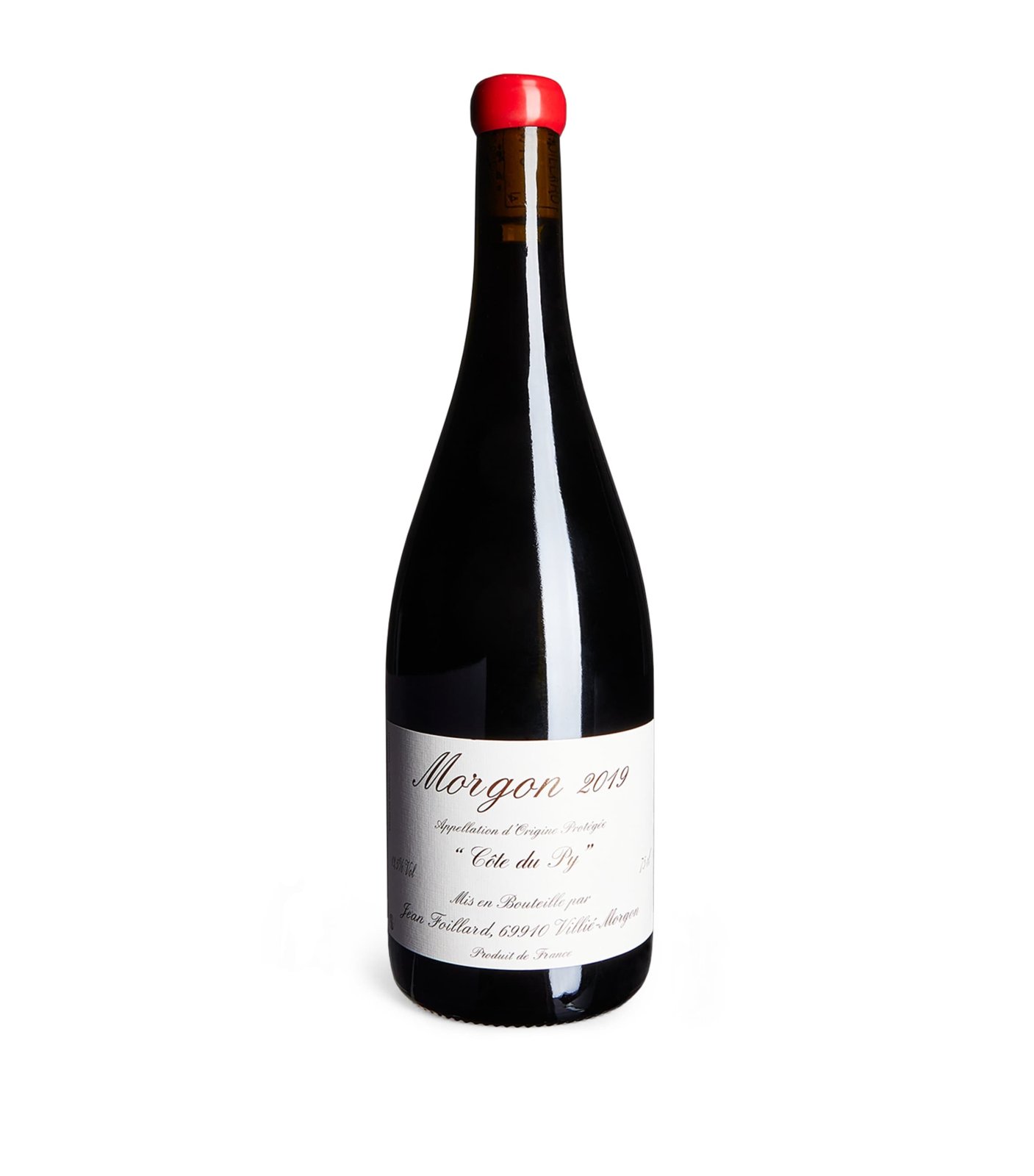
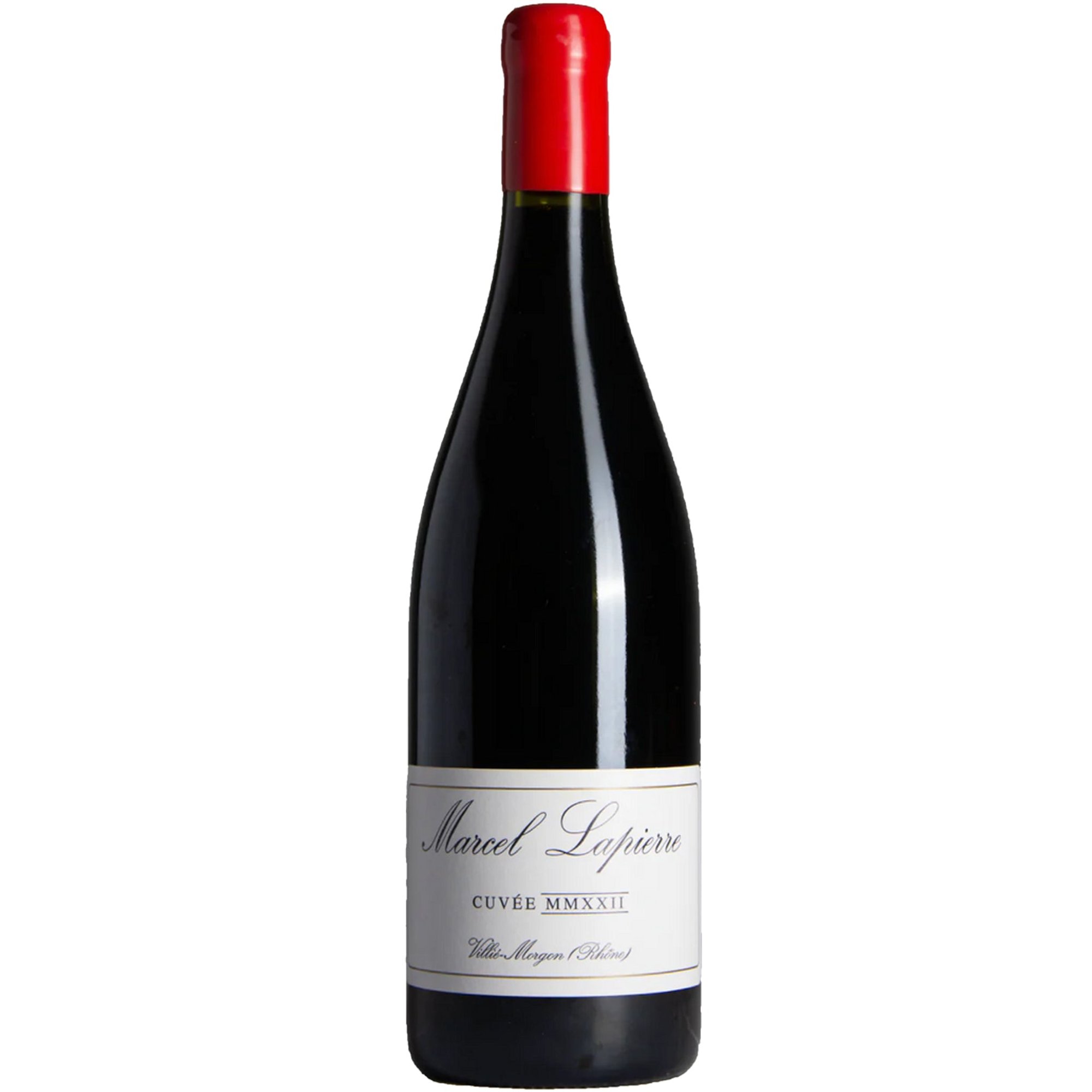
A regional wine list in Beaujolais is not the simple proposition it might appear. The appellation structure runs from the ten crus in the north, Moulin-à-Vent, Fleurie, Morgon, Brouilly, and their peers, down to Beaujolais-Villages and generic Beaujolais in the south, with significant variation in style, ageing potential, and terroir expression across that range. A list that takes the region seriously does not collapse these distinctions into a single category. The documented wine offer here is described as regional, with smooth integration into the service, the kind of pairing that does not require a formal sommelier performance but assumes the server knows what is in the cellar and why. For visitors wanting to extend their exploration of the area's drinking culture, our full Villefranche-sur-Saône bars guide and our full Villefranche-sur-Saône wineries guide cover the broader options.
Villefranche-sur-Saône in the Wider French Context
France's most decorated restaurants tend to cluster in Paris, along the Côte d'Azur, and in the Rhône-Alpes corridor. Alléno Paris au Pavillon Ledoyen, Assiette Champenoise in Reims, Au Crocodile in Strasbourg, and Paul Bocuse's Auberge du Pont de Collonges each anchor a specific region's fine dining identity at the apex level. Auberge de l'Ill in Illhaeusern and Troisgros in Ouches represent the enduring weight of provincial France's multi-generational restaurant dynasties. The bistronomy tier, technically serious, format-accessible, regionally embedded, occupies a different and more sustainable position in the ecosystem: it serves local regulars, absorbs visitors without courting them, and updates itself with the seasons rather than protecting a fixed identity. The restaurant operates in that tier, and in Villefranche-sur-Saône, it does so without a direct local peer at the same level of technique. L'Abbaye Caladoise represents the more traditional end of the city's offer; Le Bistronome sits at the contemporary end. Between the two, the range of the local scene is reasonably well mapped. See our full Villefranche-sur-Saône restaurants guide for the complete picture.
Planning a Visit
The restaurant is at 144 rue d'Anse in Villefranche-sur-Saône. Book ahead; reservations are recommended.
Quick Comparison
Comparable venues nearby, for context on price, style, and recognition.
| Venue | Cuisine | Price | Awards | Notes |
|---|---|---|---|---|
| Le Bistronome en BeaujolaisThis venue — the venue you are viewing | Creative French Bistro with Beaujolais Influences | $$$ | Michelin Plate | Not listed |
| L’Abbaye Caladoise | Traditional French Gastronomic | $$ | Bib Gourmand | Villefranche-sur-Saône |
| Le Restaurant | French Traditional Refined | $$$ | Michelin Plate | centre-ville |
| Milprée | Creative Seasonal French Bistro | $$$ | Michelin Plate | Quartier Saxe Roosevelt |
| Apicius | Modern French Market Cuisine | $$$ | Michelin Plate | city centre |
| La Table 101 | Modern French Bistronomie | $$$ | Michelin Plate | Quartier Voltaire Part-Dieu |
Recognition history
Dated appearances from independent guides and award organizations, with the underlying list record or original source where available.
Michelin Plate
Michelin
Continue exploring
More in Villefranche-sur-Saône
Restaurants in Villefranche-sur-Saône
Browse all →
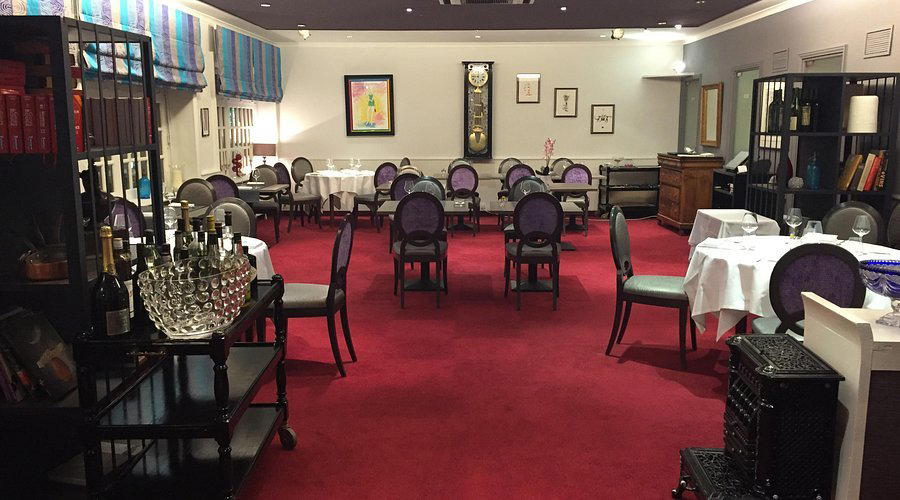
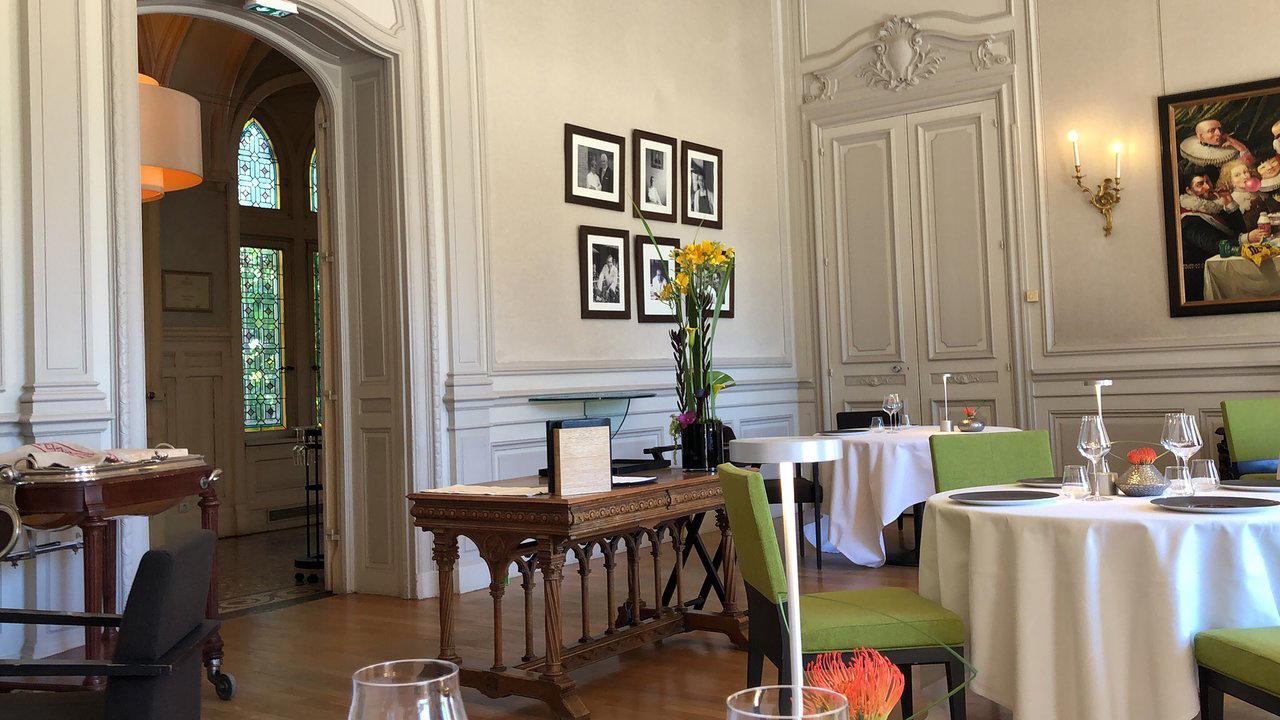
Bars in Villefranche-sur-Saône
Browse all →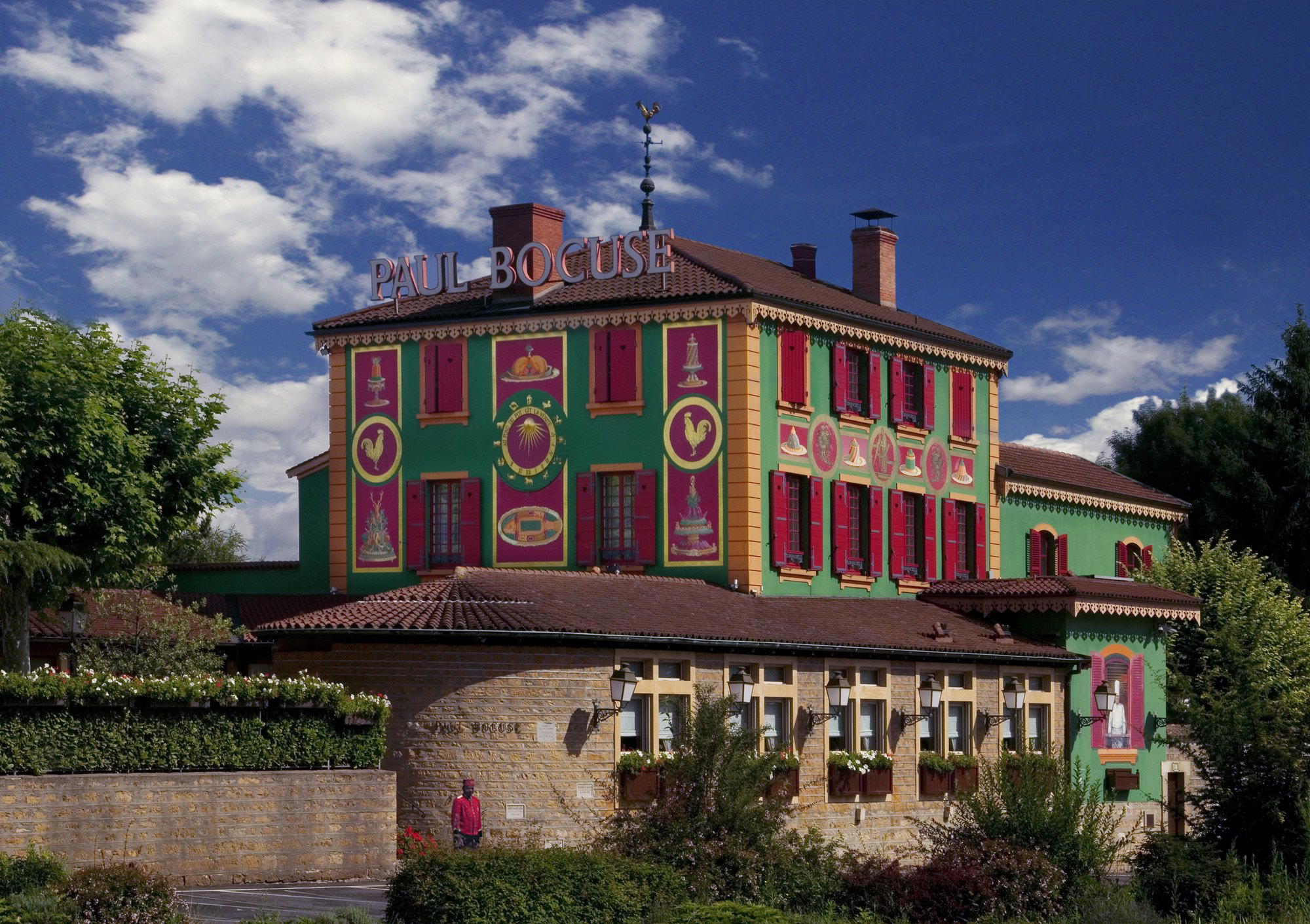
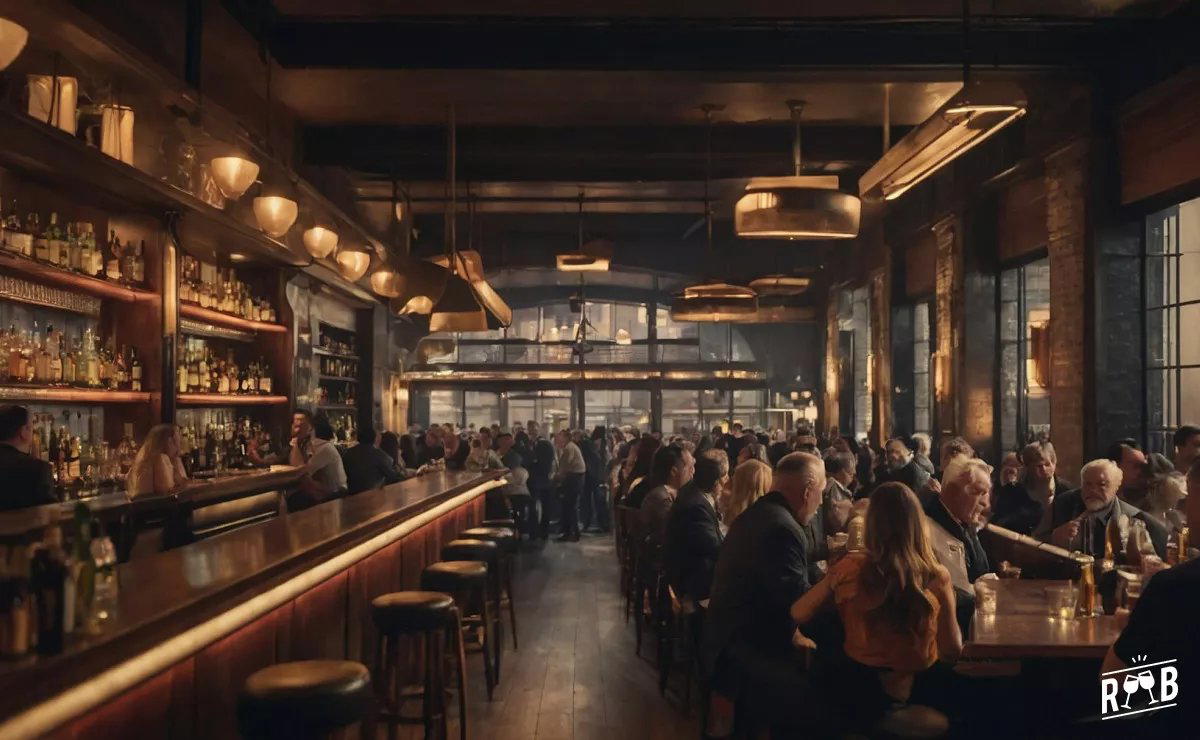
Hotels in Villefranche-sur-Saône
Browse all →
At a Glance
- Cozy
- Elegant
- Rustic
- Date Night
- Special Occasion
- Open Kitchen
- Extensive Wine List
- Local Sourcing
Current opening hours
- Monday
- Closed
- Tuesday
- 12–1:45 PM, 7:30–8:45 PM
- Wednesday
- 12–1:45 PM, 7:30–8:45 PM
- Thursday
- 12–1:45 PM, 7:30–8:45 PM
- Friday
- 12–1:45 PM, 7:30–8:45 PM
- Saturday
- 12–1 PM, 7:30–8:45 PM
- Sunday
- Closed
Hours can change for holidays and private events. Last verified .
Convivial and refined atmosphere emphasizing sharing and gourmet refinement in a professional service setting.