

Laurent occupies a Louis XIV hunting lodge on Avenue Gabriel, steps from the Élysée Palace, where seasonal French cooking anchors a menu that shifts with markets and producers. Mathieu Pacaud leads the kitchen, and the restaurant holds a ranking of #409 in Opinionated About Dining's 2025 Classical in Europe list. The terrace, set inside the Champs-Élysées gardens, is among the more unusual dining settings in central Paris.
Pearl is the En Primeur Club membership app — saves, bookings, and concierge access live there. Same editors, same standards.
- Address
- 41 Av. Gabriel, 75008 Paris, France
- Phone
- +33 1 42 25 00 39
- Website
- laurent.paris
- Directions
- Get directions
 Saves & bookings on Pearl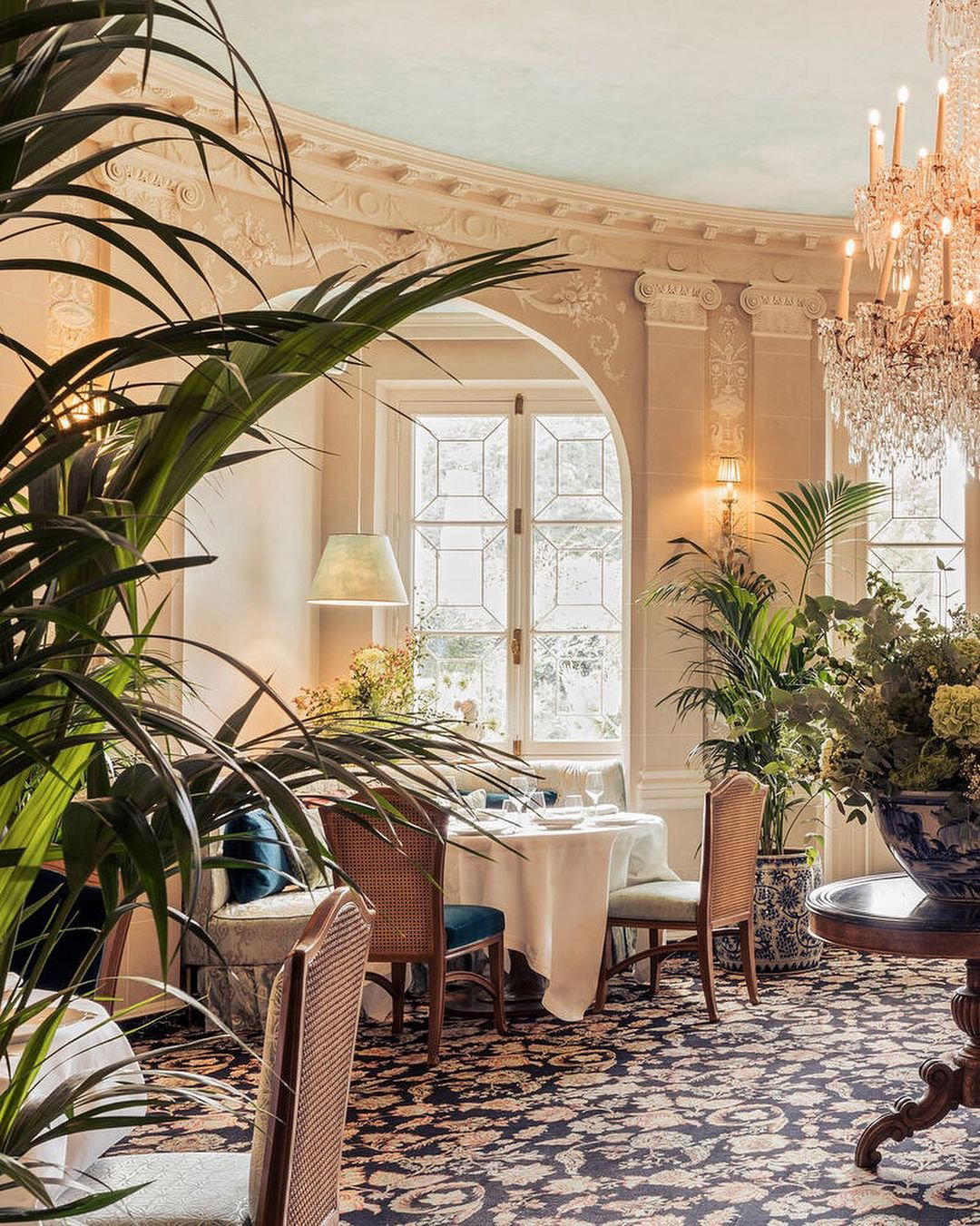
A Lodge, a Garden, and the Weight of the 8th
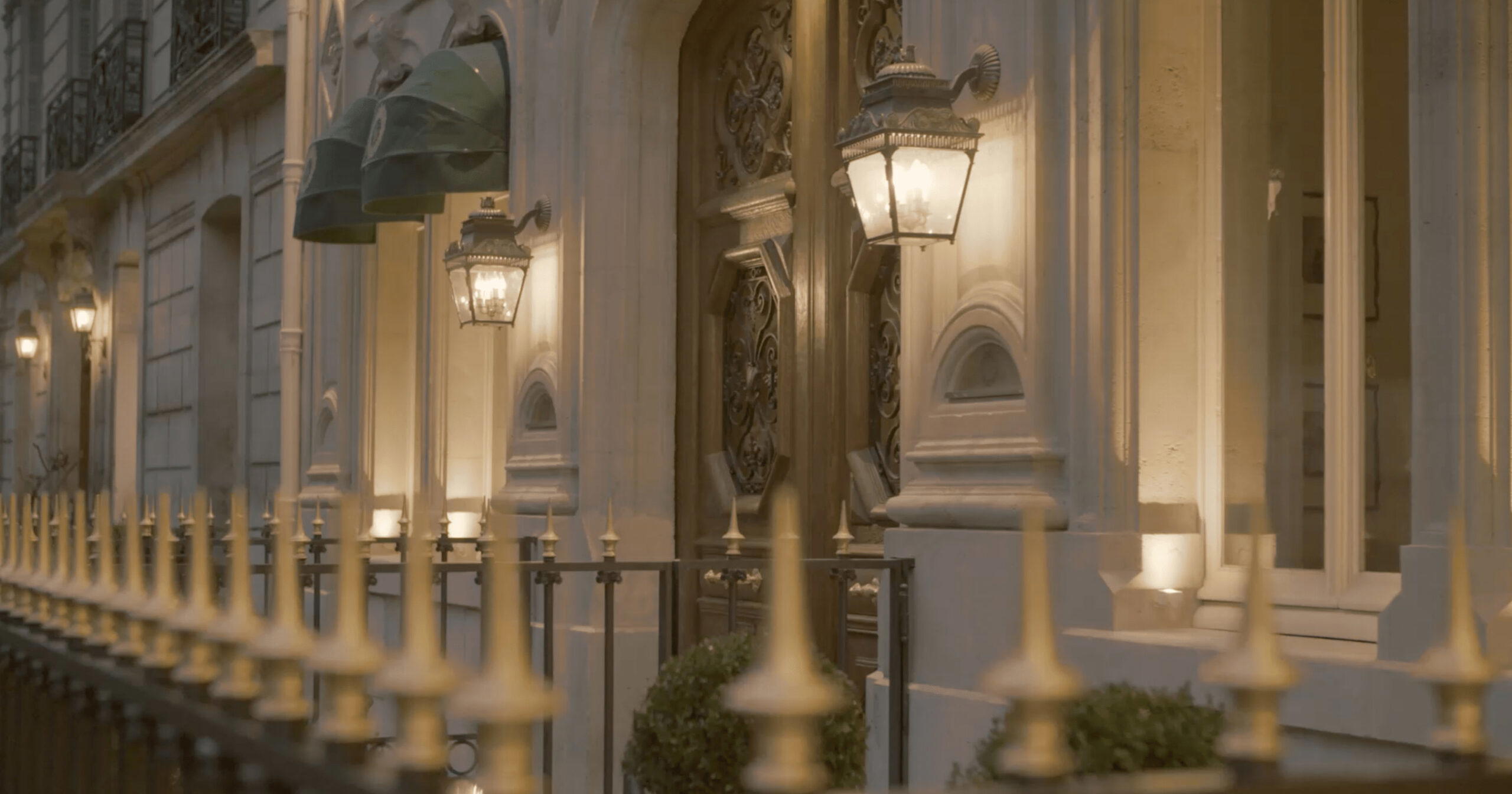
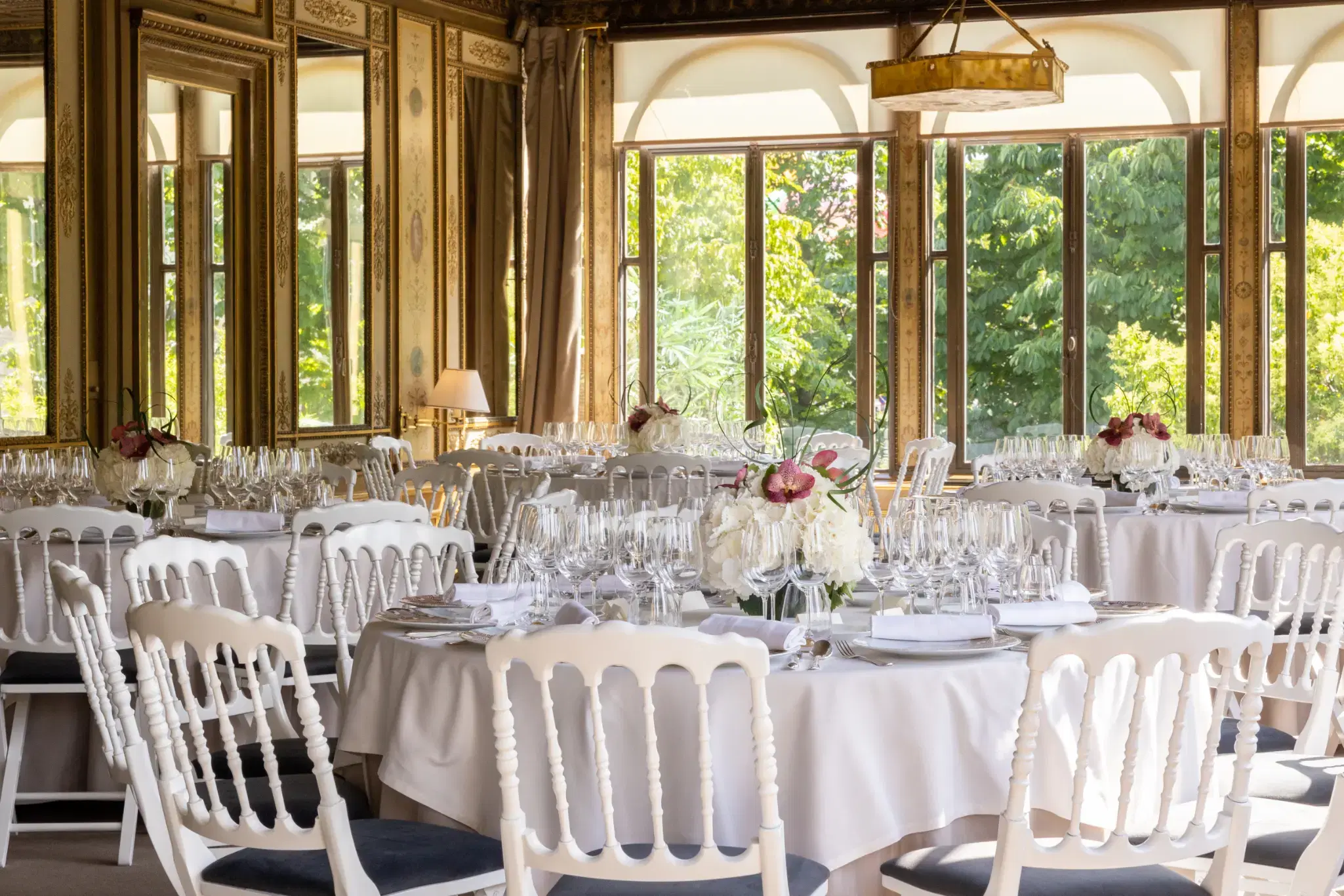
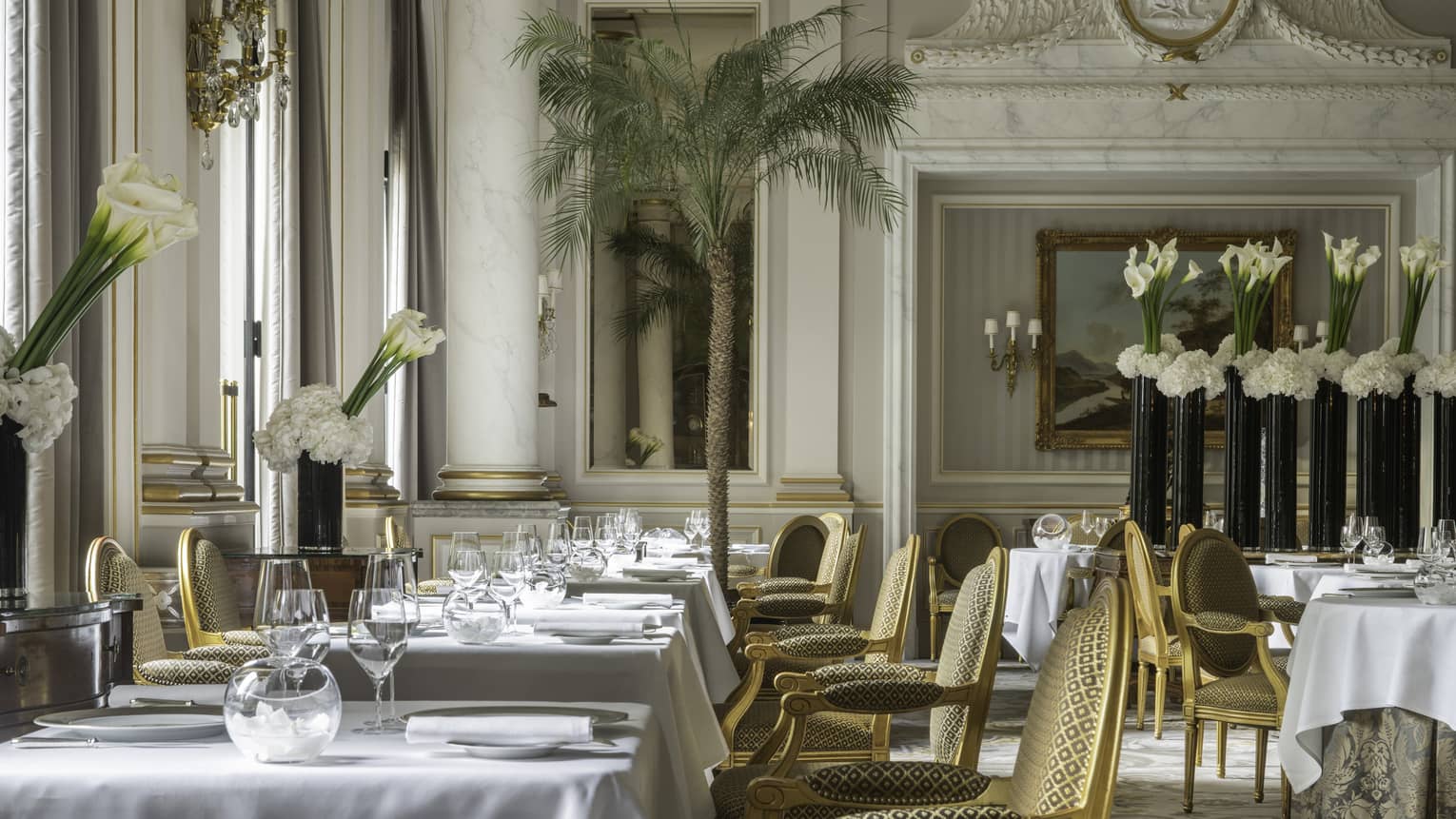
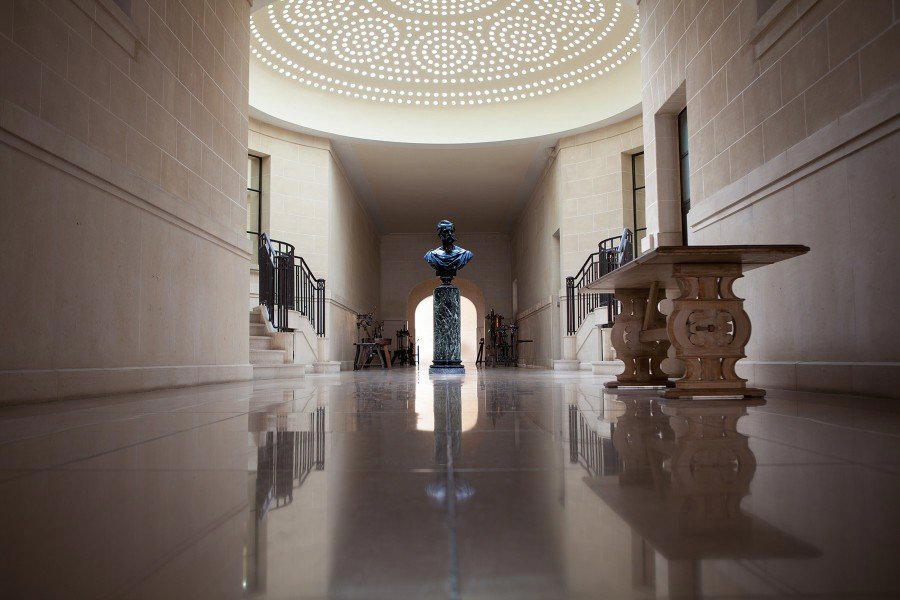
Avenue Gabriel runs along the southern edge of the Champs-Élysées gardens, and most of the traffic passing it is heading somewhere else. The building that holds Laurent sits back from the road behind a screen of trees, a seventeenth-century hunting lodge originally built for Louis XIV, the kind of address that carries enough history to intimidate lesser kitchens. You arrive through a gated forecourt, and in warmer months the terrace opens directly onto the gardens. Inside, the décor holds to a classic register: high ceilings, considered proportions, the particular hush that large rooms with good acoustics produce. This is not a setting that makes concessions to trend, and that consistency is as much an editorial statement about what Laurent is trying to do as anything on the plate.
The 8th arrondissement concentrates more grand-occasion French dining per square kilometre than anywhere else in the city. Epicure anchors the Bristol, Le Taillevent operates a few streets away on rue Lamennais, and the palace hotels along Avenue George V house their own serious tables. Within that cohort, Laurent operates slightly differently: not embedded in a hotel, not chasing the avant-garde positioning of L'Atelier de Joël Robuchon nearby, but maintaining a formal French register in a freestanding historic property. That distinction matters when you are thinking about where it sits competitively.
Mathieu Pacaud and the Logic of Seasonal Sourcing
Mathieu Pacaud leads the kitchen. His name carries significant weight in Parisian fine dining through his family lineage at L'Ambroisie on the Place des Vosges, one of the city's most closely held classical addresses. The cooking here draws from a tradition that treats product quality as the primary lever, with technique functioning in service of the ingredient rather than as display. That approach produces menus that shift with seasonal availability, and it aligns Laurent with a broader pattern visible across serious French kitchens, from Troisgros in Ouches to Bras in Laguiole, where the calendar and the producer relationship shape what appears on the menu more than any fixed concept.
The sourcing philosophy here is reflected in specific preparations. A lobster salad finished at the table is one of the defining dishes, a service format that connects directly to classical French restaurant tradition, where tableside work functioned as both practical method and theatre. More contemporarily framed dishes include spider crab with fennel cream, a velouté of candied peas with caviar, and wild perch poached in milk with Timur pepper, Camargue rice, and a nettle and oyster sauce. A pannacotta with lemongrass signals that the kitchen is not rigidly historicist. These preparations reflect a kitchen that moves between the classical archive and current sourcing with deliberate choice, not formula.
The relationship between classical French cuisine and seasonal sourcing has never been as simple as the term "traditional" implies. The great regional houses, from Auberge de l'Ill in Illhaeusern to Flocons de Sel in Megève, have always built their identity around what the land and season produce, adjusting the French canon to local and temporal conditions. Laurent operates within that same logic, transposed to an 8th arrondissement context where the sourcing geography is wider but the discipline is comparable. See also Paul Bocuse in Collonges-au-Mont-d'Or and Hotel de Ville Crissier for related approaches in the broader French tradition.
Where Laurent Sits Against Its Paris Peers
There are the palace-hotel kitchens operating at maximum formality, such as Le Cinq at the Four Seasons and Plénitude at the Cheval Blanc, where the room and the food function as a single controlled environment. There are the creative-led restaurants, including Alléno at Pavillon Ledoyen, where the emphasis falls on technical invention. And there is a smaller group, including L'Ambroisie and Laurent, that reads as holding positions defined by consistency and classical depth rather than positioning pivots. Laurent's Opinionated About Dining Classical ranking, alongside its freestanding historic setting and tableside service traditions, places it firmly in that third group.
Laurent represents an argument for continuity. It is not a museum piece: the Timur pepper on the perch and the lemongrass in the dessert indicate a kitchen paying attention to what is available and what works now. But the structural commitments, the building, the service format, the sourcing-led menu logic, pull in a consistent direction. Compare that with the more casual, market-inflected approach at Frenchie Bar au Vins or the Franco-Japanese precision of La Table d'AkiHiro, and the Paris dining map resolves into something more legible. Internationally, the conversation about French-trained kitchens working in other cities is relevant too: Sézanne in Tokyo and Mirazur in Menton both sit inside the same broader discourse about where classical French technique travels and what it becomes.
Planning Your Visit
Address: 41 Avenue Gabriel, 75008 Paris. Nearest landmarks: The restaurant sits adjacent to the Champs-Élysées gardens, a short walk from the Champs-Élysées–Clemenceau metro station, and close to the Élysée Palace. Reservations: Essential. Dress: Smart casual.
What Should I Eat at Laurent?
The lobster salad finished tableside is one direct link to the restaurant's classical heritage and worth ordering for that reason alone: it encodes the service tradition in a way that a plated dish cannot. Beyond that, the kitchen's seasonal sourcing logic means particularly compelling choices will vary by visit, but preparations built around high-quality primary ingredients, the perch with Timur pepper and Camargue rice, the spider crab with fennel cream, show the kitchen at its most articulate. The velouté of candied peas with caviar sits at the more contemporary end of the range and signals the kitchen's willingness to work with current product combinations rather than purely archival ones. In practical terms: let the seasonal offering lead your choices, and use the tableside lobster salad as an anchor if it is available during your visit.
Cuisine and Credentials
Comparable venues nearby, for context on price, style, and recognition.
| Venue | Cuisine | Price | Awards | Notes |
|---|---|---|---|---|
| LaurentThis venue — the venue you are viewing | Classic French Fine Dining | $$$$ | Not listed | Not listed |
| ONYX | Refined French Bistronomy | $$$$ | Not listed | 9th arrondissement |
| Geoélia | Modern French Seafood | $$$$ | Michelin Plate | 16th arrondissement (Passy) |
| Table | Modern French Fine Dining | $$$$ | Not listed | Bastille |
| Le Céladon | Classic French Fine Dining | $$$$ | Not listed | Gaillon |
| L'Aventure | Modern French with Japanese influences | $$$$ | Not listed | 16th arrondissement |
Recognition history
Dated appearances from independent guides and award organizations, with the underlying list record or original source where available.
Opinionated About Dining Classical in Europe Ranked #409
Opinionated About Dining
We're Smart World 2 Radishes
We're Smart World
Continue exploring
More in Paris
More from Chef Mathieu Pacaud
Browse all →
Restaurants in Paris
Browse all →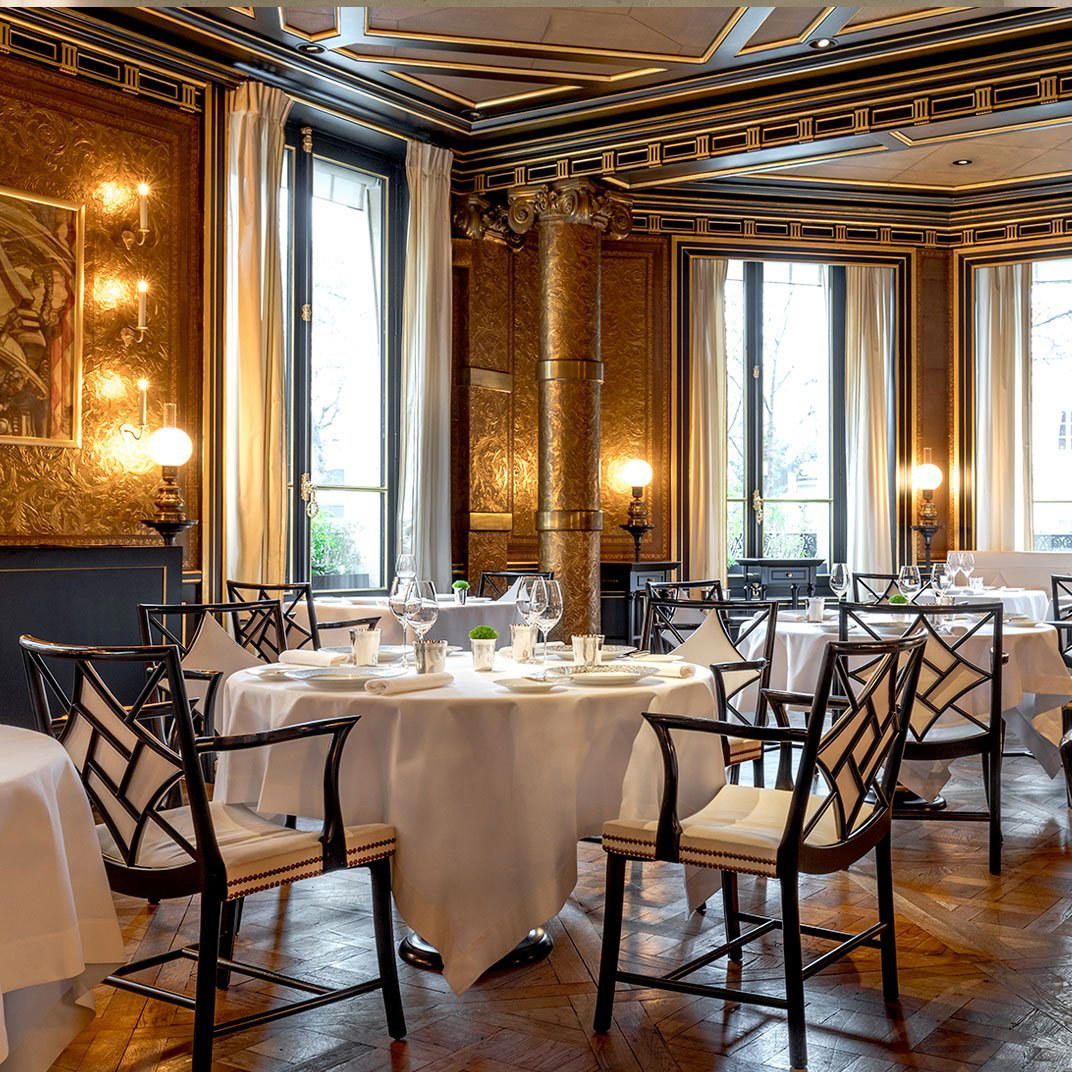
Hotels in Paris
Browse all →
Wineries in Paris
Browse all →
At a Glance
- Elegant
- Romantic
- Sophisticated
- Classic
- Date Night
- Special Occasion
- Business Dinner
- Terrace
- Historic Building
- Extensive Wine List
- Sommelier Led
- Garden
Current opening hours
- Monday
- 12–3 PM, 7 PM–2 AM
- Tuesday
- 12–3 PM, 7 PM–2 AM
- Wednesday
- 12–3 PM, 7 PM–2 AM
- Thursday
- 12–3 PM, 7 PM–2 AM
- Friday
- 12–3 PM, 7 PM–2 AM
- Saturday
- 12–3 PM, 7 PM–2 AM
- Sunday
- 12–5 PM, 7 PM–2 AM
Hours can change for holidays and private events. Last verified .
Hushed and elegant atmosphere with dramatic art-filled dining room, comfortable serenity, and a pleasant terrace surrounded by greenery.