L'Auberge
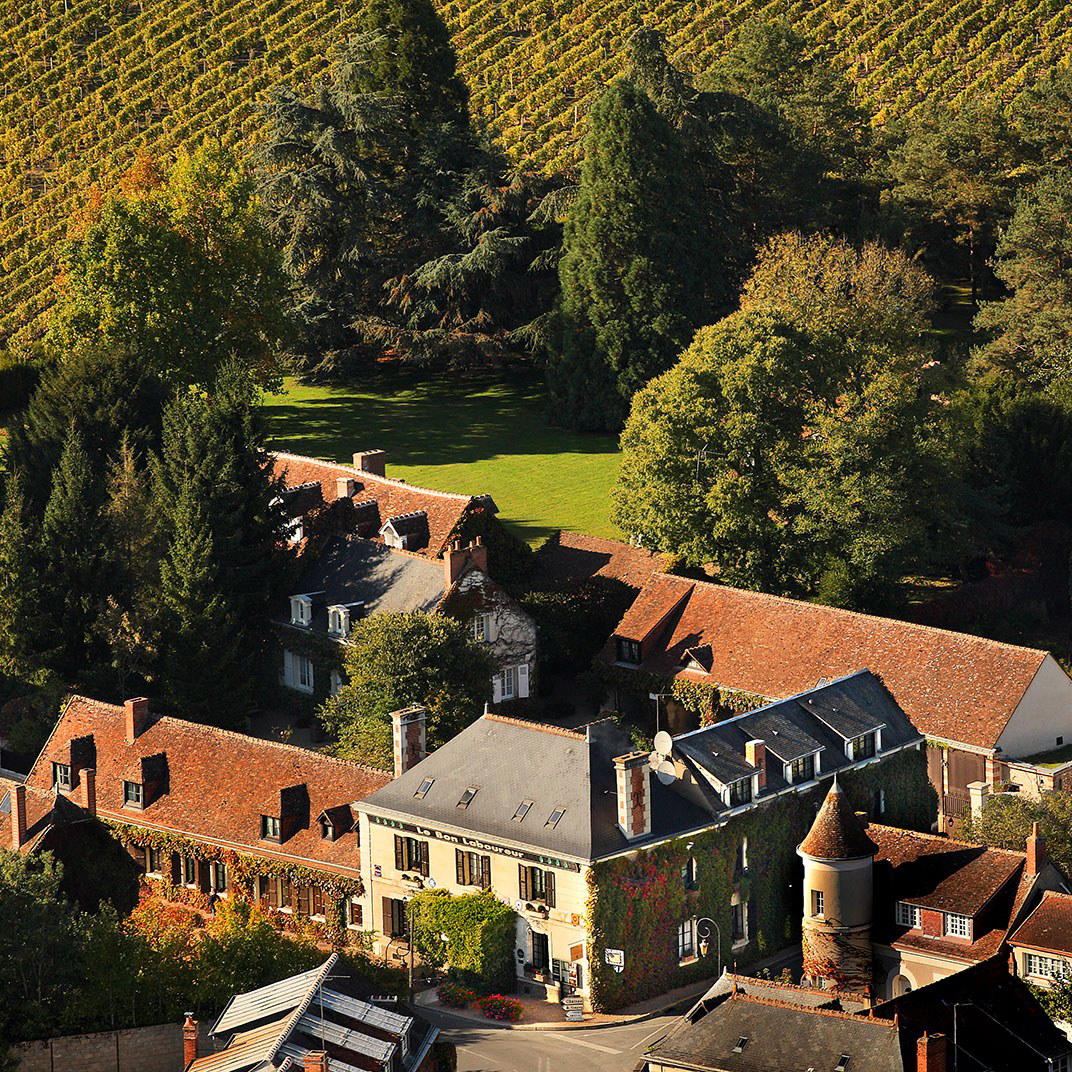
L'Auberge sits on the Place Savoie Villars in Le Grand Pressigny, a village in the southern Touraine where the rhythms of market-garden farming and river-valley viticulture still shape what lands on the table. For travellers routing between the Loire châteaux and the Dordogne, it represents the kind of address the region does quietly well: rooted, unhurried, and worth the detour off the main road.
Pearl is the En Primeur Club membership app — saves, bookings, and concierge access live there. Same editors, same standards.
- Address
- 10 Place Savoie Villars, 37350 Le Grand-Pressigny, France
- Phone
- +33979373058
- Website
- facebook.com
- Directions
- Get directions
 Saves & bookings on Pearl
A Village Square and What It Tells You About Touraine Cooking
Approach Le Grand Pressigny from the D725 and the village announces itself slowly: a medieval keep on the ridge, a handful of stone houses stepping down to the Claise river, and a market square that still functions as the social centre of a working agricultural commune. L'Auberge occupies a position on that square at 10 Place Savoie Villars, and the placement matters. In the southern Touraine, the village auberge is not a nostalgic category but a functional one: a place where the supply chain runs from surrounding farms and river fisheries through a kitchen that has no particular incentive to look elsewhere. That logic of proximity has defined regional cooking in this pocket of Indre-et-Loire for generations, and it is the starting point for understanding what a table at L'Auberge represents.
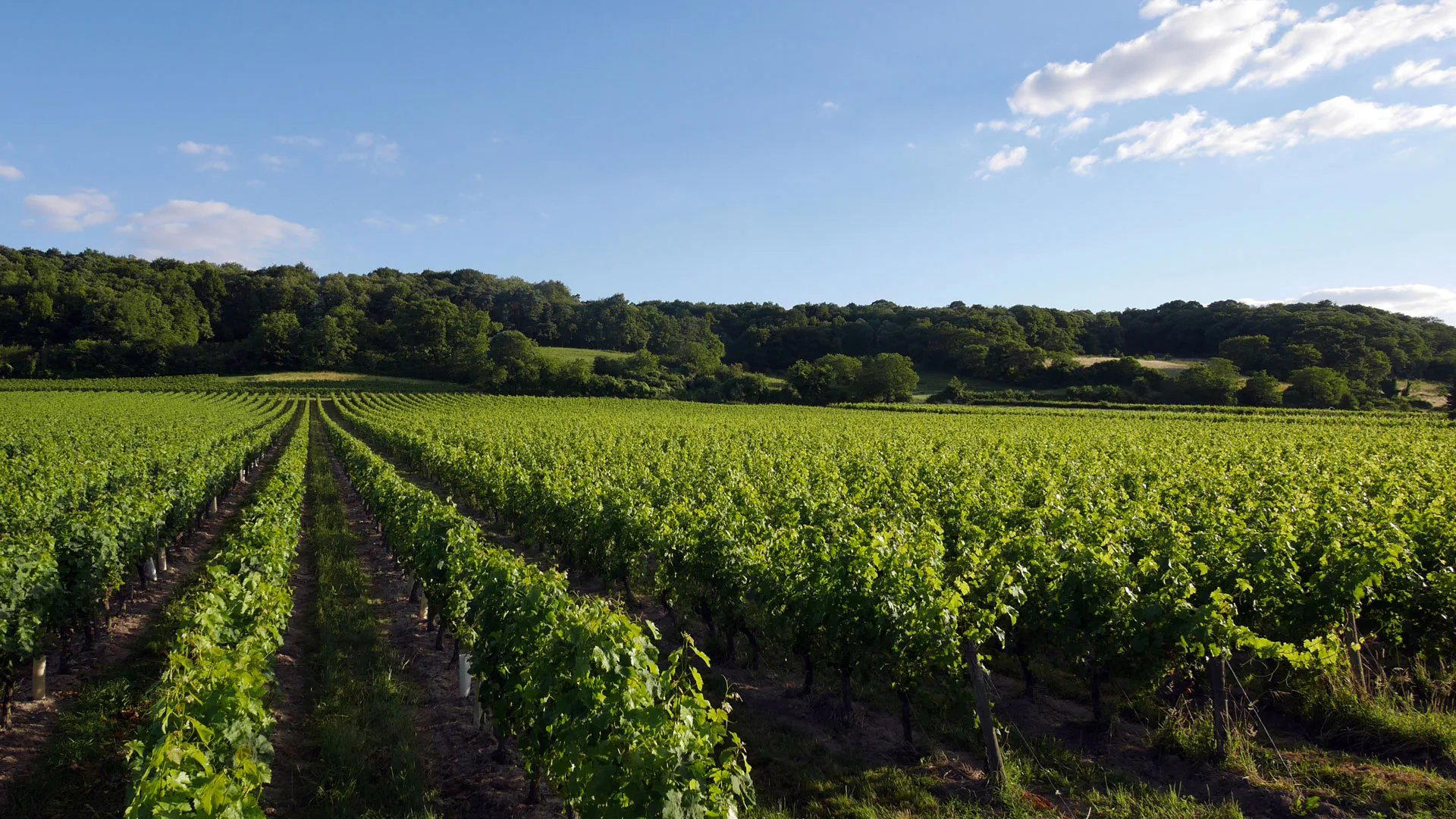
The broader Touraine sits at a productive intersection of soil types, river systems, and micro-climates. The Claise valley, where Le Grand Pressigny sits, produces rillettes country cooking to the north, freshwater fish from the Creuse and Vienne tributaries, and the first signs of the bocage landscape that softens into Poitou to the south. Goat's cheese, river trout, asparagus from the sandy soils of the Lochois, and free-range poultry from farms within a short drive: these are the building blocks of southern Touraine cuisine, and they are the ingredients most likely to appear on a menu that draws honestly from its address. Compare this sourcing proximity to the pressure on urban French kitchens, where a three-star address like Alléno Paris au Pavillon Ledoyen must construct its supply chains deliberately and at significant cost, or where Mirazur in Menton has made its coastal and garden sourcing into an explicit part of its identity. In a village like Le Grand Pressigny, that sourcing proximity is structural rather than philosophical: the alternative would require effort.
The Auberge Format in Provincial France
France's auberge tradition occupies a distinct tier in the national dining structure. It sits below the destination restaurant category represented by addresses like Auberge de l'Ill in Illhaeusern or Troisgros in Ouches, and above the café-brasserie format, but it is not a lesser category for that positioning. The auberge historically combined lodging with a table, and even where the rooms have been dropped, the ethos of hospitality remains directional: guests are expected to sit down, take time, and eat across several courses at a pace the kitchen sets. That format encourages menus built around what is available rather than what is consistent year-round, which in turn creates the conditions for genuine seasonal cooking. Restaurants built for volume and consistency, as much of urban dining is, cannot easily replicate this because their supply logic runs in the opposite direction.
Across rural France, the leading auberge-format restaurants share a common set of signals: menus that change with the market week, wine lists weighted toward the local appellation, and a directness of cooking that prioritises the ingredient over the technique. Auberge du Vieux Puits in Fontjoncouse has become one of the most cited examples of this format reaching Michelin-level recognition without abandoning its village address. Bras in Laguiole represents a different expression of the same rurally rooted logic. Le Grand Pressigny is not that tier of destination, but it belongs to the same French tradition of places where the setting and the supply chain are inseparable from the cooking.
What Drives the Table Here
In practical terms, the ingredient story at an address like L'Auberge tends to follow the Touraine calendar. Spring brings white asparagus from the sandy plains around Loche and Richelieu, followed by the first river fish of the season. Summer shifts toward the market vegetables for which the Loire valley is agriculturally significant. Autumn in the Touraine means mushrooms from the tuffeau caves further north, game from the bocage, and the walnuts and chestnuts that come down from the higher ground of the Creuse. These are not romantic abstractions: they are the commercially available products of a region that has been farming and fishing the same river-valley systems for centuries. A kitchen working within this framework is constrained by season in a way that city kitchens, with global supply chains, are not. That constraint is, in the end, the point.
Wine choices at a table in Le Grand Pressigny most naturally orient toward the Loire appellations: Touraine AOC, Chinon and Bourgueil for reds, Vouvray and Montlouis for whites, and the less-discussed Touraine-Amboise for both. These are not prestige appellations in the way Burgundy or Bordeaux frame the conversation at a Paul Bocuse or Georges Blanc, but they are honest companions to the cooking of this specific place. The relationship between a Chinon from a small producer in the Vienne valley and a plate of rillettes or duck from the same general landscape is one of the more direct arguments for regional pairing.
Planning a Table at L'Auberge
Le Grand Pressigny sits approximately 60 kilometres south of Tours, accessible by the D910 and D725. There is no rail connection to the village itself; a car is the practical requirement for this corner of the Touraine. For travellers combining the Loire châteaux circuit with a southward push toward the Dordogne or the Corrèze, Le Grand Pressigny sits on a logical routing line. The village has limited accommodation beyond the auberge format, so arrival timing and onward logistics are worth settling before the meal rather than after. Given that the venue data available does not include confirmed hours, booking methods, or current pricing, direct contact or a check of current listings before visiting is the sensible step. For broader orientation to what the area offers, see our full Le Grand Pressigny restaurants guide.
How L'Auberge Le Grand Pressigny compares with similar nearby venues.
| Venue | Cuisine | Price |
|---|---|---|
| La Promenade | Modern Cuisine | €€€ |
| La Table du Prieuré | Modern Cuisine | €€ |
| Fossé Saint Ange | Traditional Cuisine | €€ |
Continue exploring
More in Le Grand Pressigny
Restaurants in Le Grand Pressigny
Browse all →
Bars in Le Grand Pressigny
Browse all →
Hotels in Le Grand Pressigny
Browse all →

At a Glance
- Cozy
- Rustic
- Intimate
- Family
- Casual Hangout
- Standalone
- Local Sourcing
Current opening hours
- Monday
- Closed
- Tuesday
- 11 AM–2 PM, 6–9 PM
- Wednesday
- 11 AM–2 PM, 6–9 PM
- Thursday
- 11 AM–2 PM, 6–9 PM
- Friday
- 11 AM–2 PM, 6–9 PM
- Saturday
- 11 AM–2 PM, 6–9 PM
- Sunday
- Closed
Hours can change for holidays and private events. Last verified .
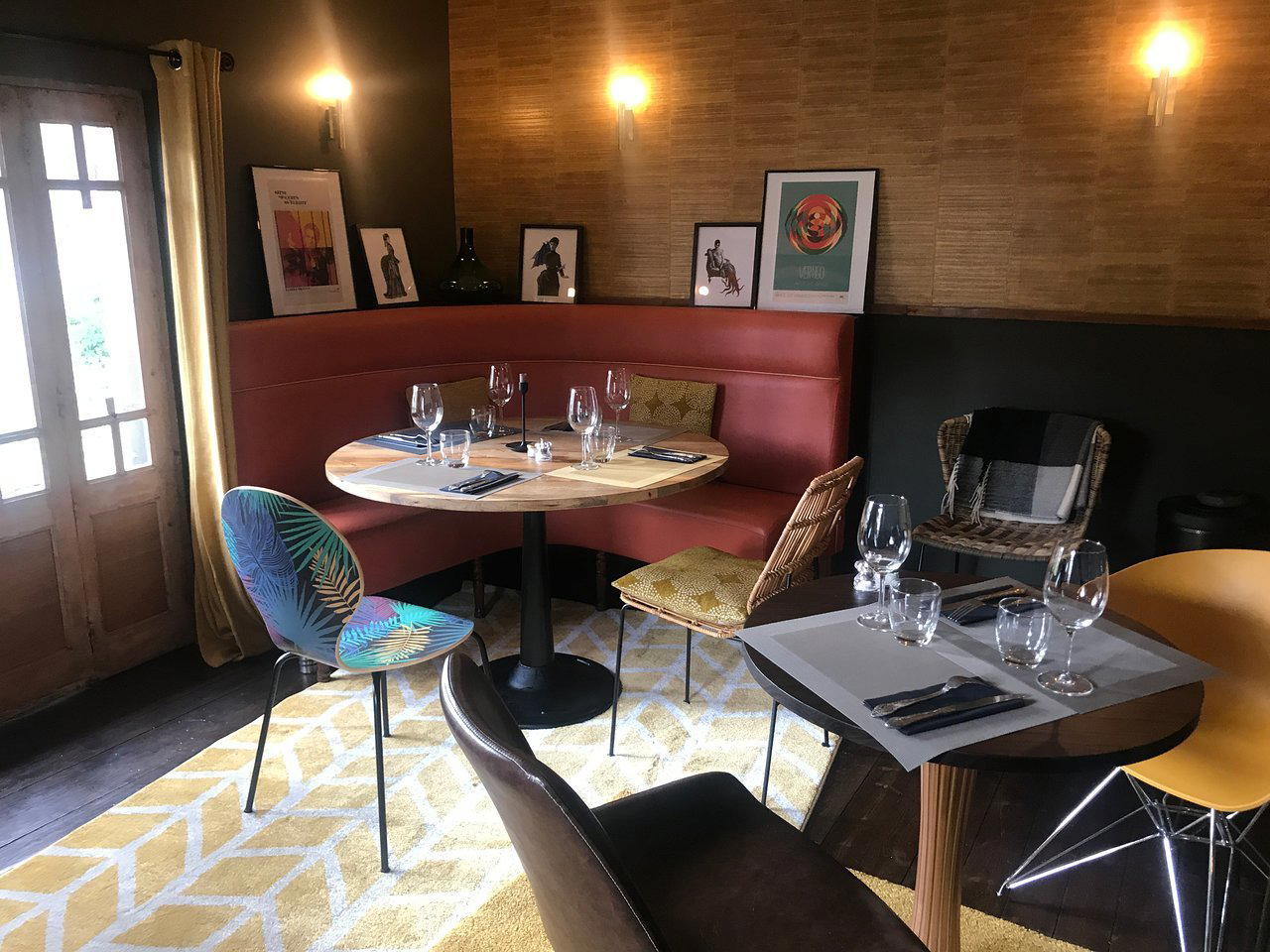
Cozy and welcoming atmosphere with delightful setting praised by guests.