Our verdict
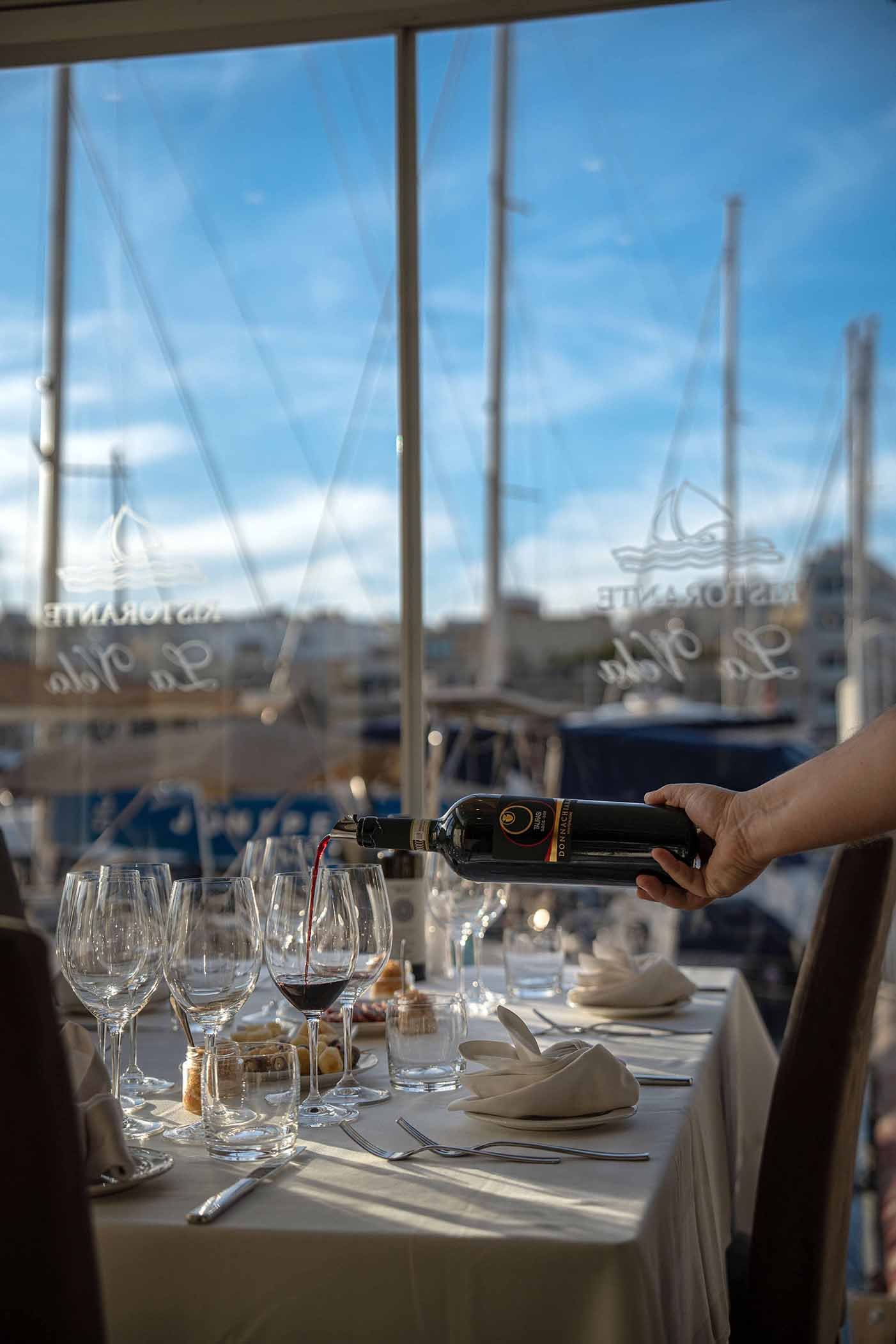
La Vela sits on Triq Marina in Pietà, where the harbour views frame a dining room that draws on Malta's position at the crossroads of Mediterranean produce traditions. The address places it close to Marsamxett Harbour, in a quieter residential quarter that contrasts with the busier restaurant corridors of Sliema and St Julian's. For visitors working through the Maltese dining scene, Pietà offers a less pressured entry point into the island's food culture.

Pearl is the En Primeur Club membership app, where members save venues, book tables and use the concierge.
The menu
What to order
- Spaghetti vongole
- Sea bass al sale
- Tiramisu
Where the Harbour Sets the Terms
Pietà sits on the western edge of Marsamxett Harbour, separated from Valletta's fortified walls by a short stretch of water and from the restaurant density of Sliema by a few minutes on foot. The neighbourhood functions as a residential buffer between those two centres of gravity, and that position shapes how eating and drinking here works. There is no strip to walk, no cluster of competing menus to weigh up. Venues on Triq Marina operate with the harbour as their primary context, not a city crowd. La Vela takes its name from the sail, and on a waterfront address like this one, that reference earns its keep: the open water, the movement of light across it, and the specific salt-and-stone quality of a Maltese harbour morning are the environmental conditions the room works with, not against.
Malta's position in the central Mediterranean has always made it a convergence point for produce. The island sits roughly equidistant between Sicily and the North African coast, and its food traditions reflect that geography. Seafood from the surrounding waters, vegetables grown in the island's compact interior, and flavour influences drawn from centuries of contact with Arab, Norman, Spanish, and British cultures all feed into a culinary identity that is genuinely plural without being diluted. For visitors familiar with how ION Harbour by Simon Rogan in Valletta frames Maltese ingredients inside a high-precision contemporary format, or how Rosamì in St Julian's applies creative technique to local produce, Pietà's waterfront offers a different register: quieter, more directly connected to the working harbour, less mediated by the conventions of fine dining production.
The Produce Logic of a Mediterranean Island
Understanding what ends up on a plate in Malta requires understanding the island's supply constraints and its solutions to them. The land area is small, the growing seasons are compressed by the heat of high summer, and the fishing grounds, while productive, are subject to the same Mediterranean-wide pressures that have reshaped what comes off the boats across the region. What this produces, in practical terms, is a dining scene that has learned to work with what is available and to rotate with the seasons rather than holding a fixed menu position.
The fish most closely associated with Maltese cooking, lampuki (dorado), swordfish, tuna, and the various species that appear in the traditional aljotta fish soup, follow strict seasonal windows. Lampuki, for instance, runs from August through November, and its appearance on any serious Maltese menu during that period is a reliable signal that the kitchen is buying locally rather than substituting with imported alternatives. Produce from the Maltese interior, particularly tomatoes, capers, olives, and the gbejniet cheese made from sheep and goat milk, follows its own calendar. A kitchen that tracks those cycles is working from a different set of assumptions than one that imports consistency from a wholesale supplier. The distinction matters to the plate even when it is invisible on the menu.
For context on how other Maltese kitchens handle this sourcing question, Agora Restaurant in Ta Xbiex and Marea in Kalkara both operate on waterfront addresses where proximity to the harbour informs what arrives at the back door. Further afield on the island, Al Sale in Xagħra on Gozo and Country Terrace in Għajnsielem operate in contexts where the relationship between grower and kitchen is even more compressed by the smaller island's geography.
Pietà in the Context of Malta's Dining Map
The Maltese restaurant scene has stratified noticeably over the past decade. At the upper end, tasting-menu formats with named chefs and international press attention now occupy a distinct tier, represented most clearly by the contemporary programs at Valletta's waterfront and the creative kitchens in St Julian's. Below that, a mid-range of neighbourhood restaurants serves a mixed local and visitor clientele with a pragmatic approach to Mediterranean cooking. Pietà sits in the latter category by virtue of its address and its character, though the harbour position gives it an environmental asset that many inland mid-market venues lack.
Comparing across price tiers, venues like AYU in Gzira and Le GV in Sliema operate in the denser, more competitive corridor along the northern harbour shore, where foot traffic and visibility drive different business models. Bahia in Balzan and Giuseppi's in Naxxar draw from inland residential catchments, while Hammett's Mestizo in San Giljan and Al Kasbah in St Julian's lean into the entertainment district's appetite for broader menus. Against that map, a harbour-facing address in Pietà occupies a quieter niche with a different tempo.
For those tracking the full arc of Maltese hospitality, from the considered produce-led programs in Gozo at venues like Commando in Mellieħa to the technically ambitious kitchens of Valletta, Pietà represents the kind of address where the setting does significant editorial work. The views across to Manoel Island and the movement of boats in the harbour are not background decoration; on a Maltese waterfront, they are the argument for being there at all. Our full Pietà restaurants guide maps the neighbourhood's options in more detail.
Planning a Visit
La Vela's address on Triq Marina places it within walking distance of Valletta's ferry landing and the Floriana gate, making it accessible without a car for visitors based in the capital. The Pietà waterfront is quiet by Maltese standards, particularly outside the summer peak between June and September, when harbour-facing tables carry a premium for obvious reasons. For those building a multi-stop itinerary across the island's dining map, the address works well as an early-evening option before moving on to Valletta's more active evening programme. For broader orientation, other venues worth cross-referencing include LOA in St Paul's Bay and Grotto Tavern in Rabat, both of which serve as useful data points for how Maltese kitchens outside the main tourist corridors manage their programmes.
Frequently asked questions
Is La Vela a family-friendly restaurant?
La Vela's position on Triq Marina in Pietà, close to the Valletta ferry landing, gives it an accessible, unhurried character that suits mixed-age groups. Without a formal tasting-menu format on record, the setting points toward a relaxed meal rather than a high-ceremony one. Confirmed details on children's menus are not listed, so contacting the venue directly before visiting with young children is advisable.
Is La Vela formal or casual?
La Vela sits on Triq Marina along Marsamxett Harbour in Pietà, a waterside address that typically sets a relaxed tone rather than a formal one. No dress code or tasting-menu structure is recorded for the venue, which suggests the atmosphere leans toward the informal end of the spectrum. Confirming current expectations directly with the restaurant before arrival is the most reliable approach.
How close is La Vela to Valletta, and can you get there without a car?
La Vela is on Triq Marina in Pietà, within walking distance of both the Valletta ferry landing at Marsamxett Harbour and the Floriana gate, which connects directly to Valletta on foot. The route does not require a car, making it one of the more accessible harbour-side restaurants for visitors staying in or around the capital. Public buses also serve the Pietà corridor, adding a second car-free option for reaching the Triq Marina address.
What do people recommend at La Vela?
What the Pietà address on Triq Marina does signal is proximity to Marsamxett Harbour, a location that historically shapes the produce logic of restaurants along this stretch of the Maltese coast. Checking recent diner reviews on third-party platforms will give the most current picture of what the kitchen is producing.
Where exactly is La Vela?
La Vela is located at Triq Marina, Tal-Pietà, Malta, Pieta.
What's the best way to book La Vela?
The restaurant is located at Triq Marina, Pietà, and the most direct route to a reservation is arriving in person or searching for a current contact via Google Maps or a local Malta dining directory. Given its harbour-side position in Pietà, demand on weekend evenings may warrant advance planning.
What's the standout thing about La Vela?
La Vela's address on Triq Marina places it at the edge of Marsamxett Harbour in Pietà, directly across the water from Valletta's fortified walls. That physical relationship with the harbour is the defining characteristic on record: few restaurants in the immediate area share this proximity to both the water and the capital's ferry landing. Whether the kitchen leans into that geography through its sourcing or its menu structure, the setting alone distinguishes it from inland alternatives in Malta's dining map.
Comparison Snapshot
Comparable venues nearby, for context on price, style, and recognition.
| Venue | Cuisine | Price | Awards | Notes |
|---|---|---|---|---|
| La VelaThis venue (the venue you are viewing) | Sicilian Seafood Italian | Not listed | Not listed | Not listed |
| Sale e Pepe Tradizione Italiana | Authentic Sicilian Italian | $50–100 | Not listed | St. Julian's |
| Seta Su Ilma (Ilma) | Contemporary Italian Fine Dining | Not listed | Not listed | Floriana |
| Lovage Bistro | Modern Mediterranean Bistro | $30–50 | Not listed | Qawra |
| Hammett's Mestizo | Meso-South American Fusion | $50–100 | Star Wine List | Saint Julian's |
| Kaiseki | Mediterranean-Asian Fusion | $50–100 | Michelin Plate | Valletta |
Continue exploring
More in Pieta
Restaurants in Pieta
All restaurants in Pieta →
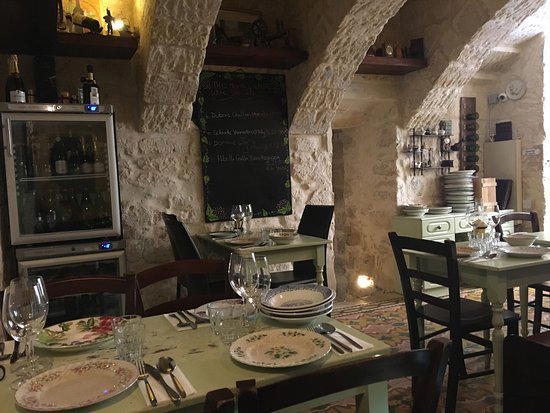
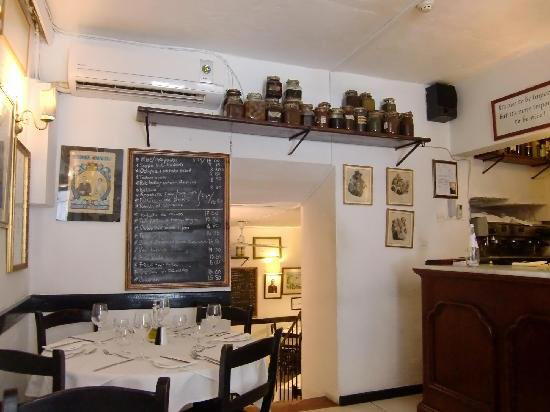
Bars in Pieta
Browse all →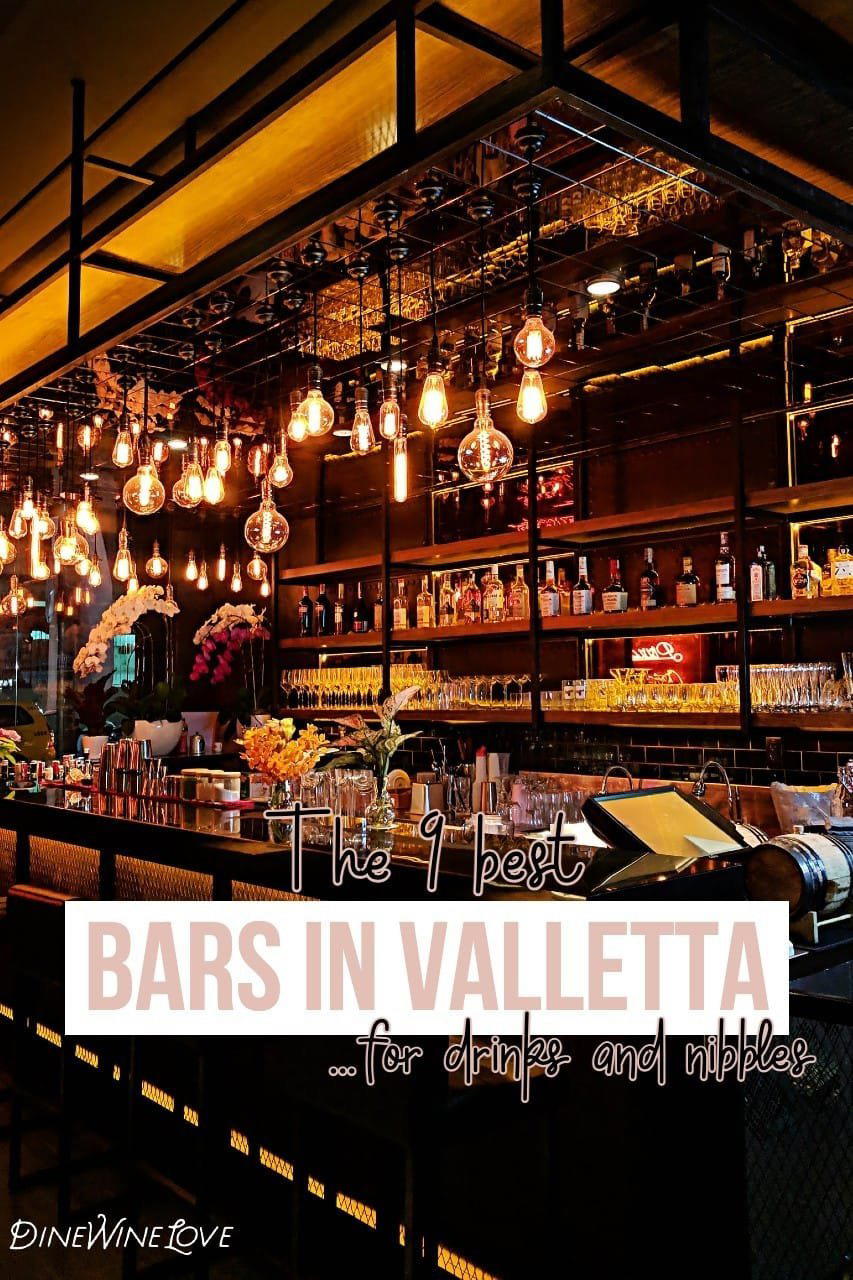
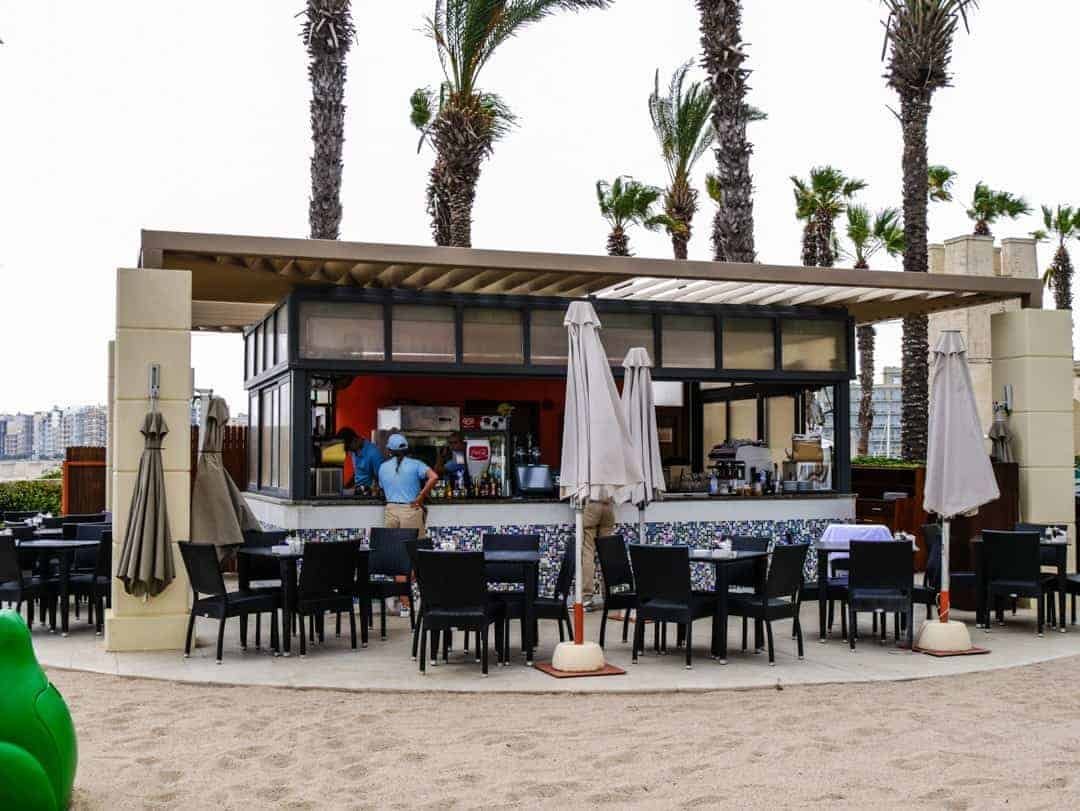
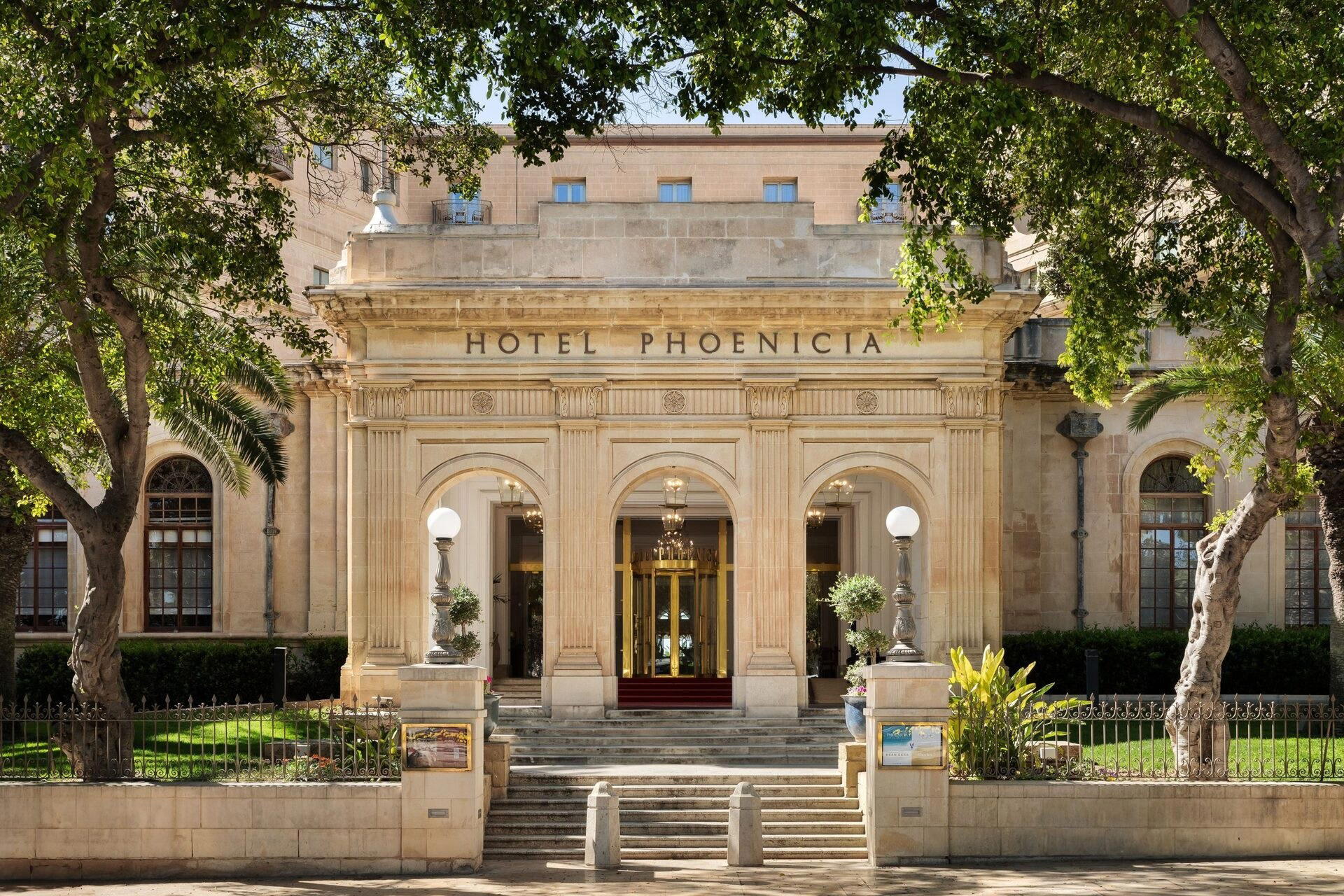
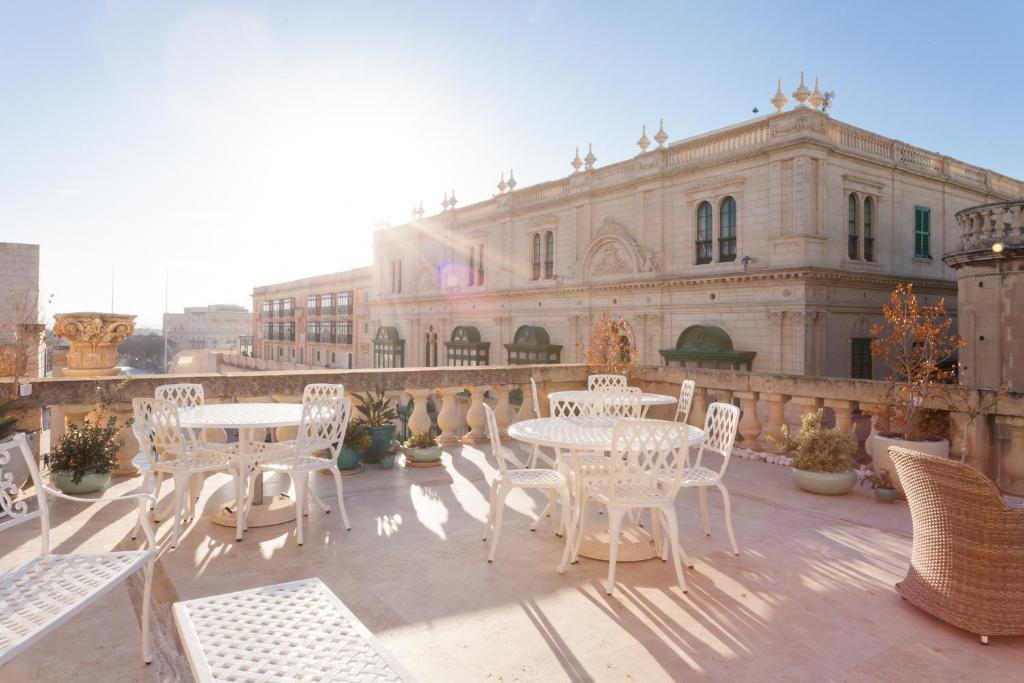
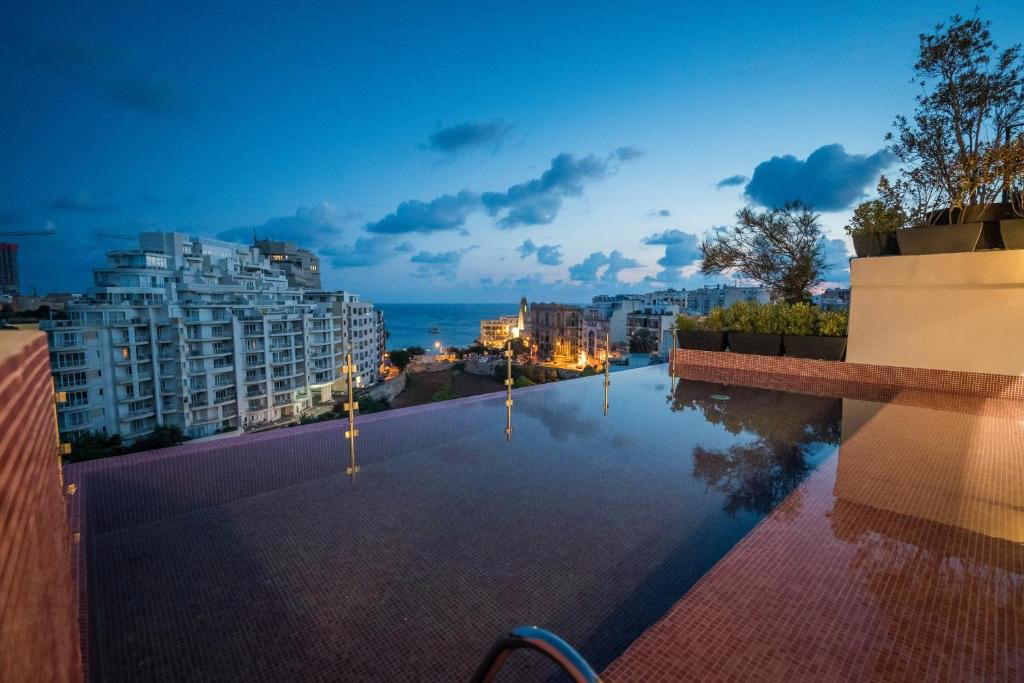
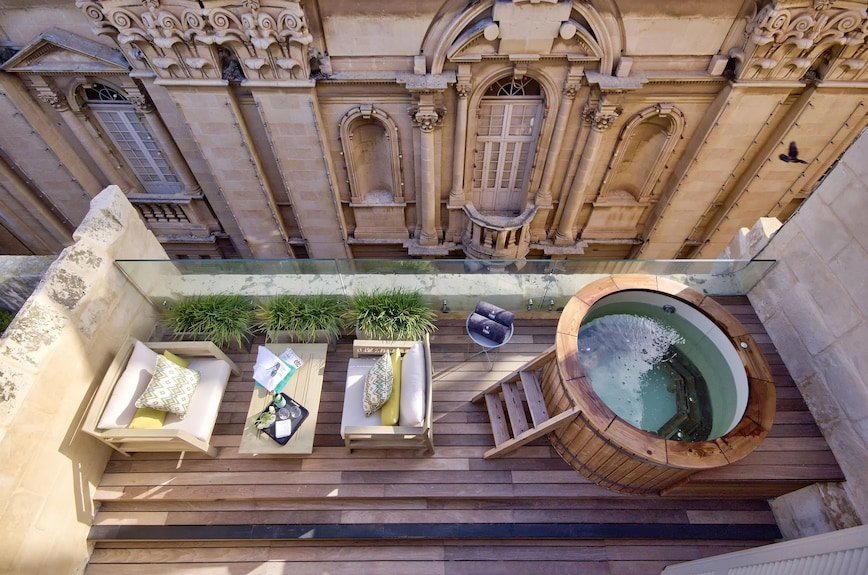
Hotels in Pieta
Browse all →
Wineries in Pieta
Browse all →
Details
- Cozy
- Scenic
- Elegant
- Date Night
- Group Dining
- Special Occasion
- Waterfront
- Terrace
- Extensive Wine List
- Waterfront
- A La Carte
- Vegetarian Friendly
- Vegan Options
- Gluten Free Options
Current opening hours
- Monday
- Closed
- Tuesday
- 12:30–3 PM, 7:30–11 PM
- Wednesday
- 12:30–3 PM, 7:30–11 PM
- Thursday
- 12:30–3 PM, 7:30–11 PM
- Friday
- 12:30–3 PM, 7:30–11 PM
- Saturday
- 12:30–3 PM, 7:30–11 PM
- Sunday
- 12:30–3 PM
Hours can change for holidays and private events. Hours as of .
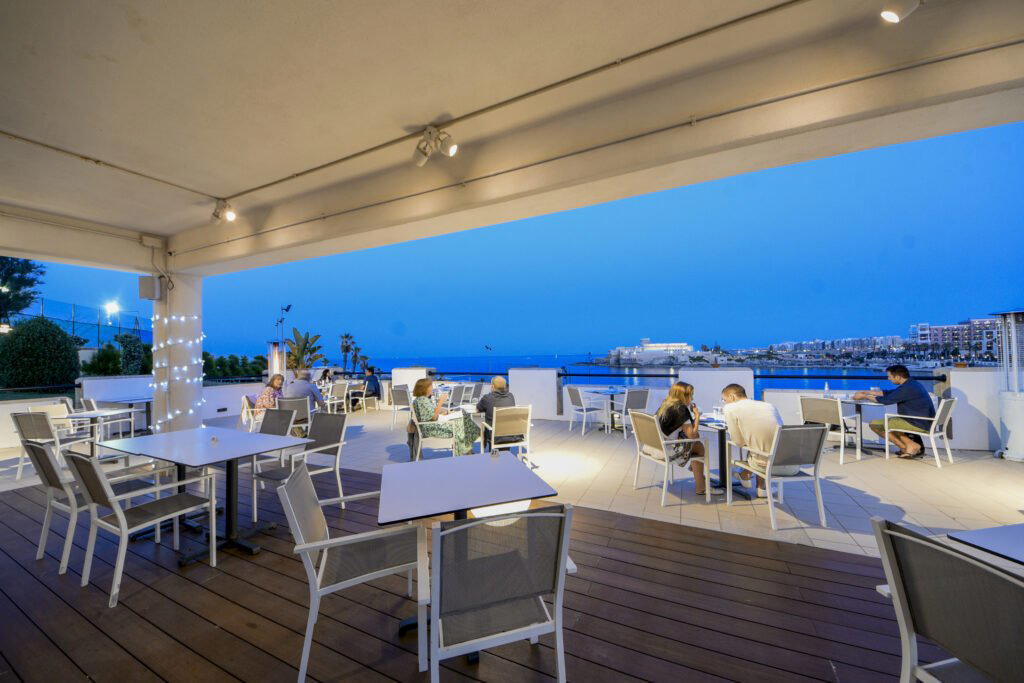
Cozy and relaxing atmosphere with waterside setting facing the marina and lit-up parish church, well-suited for lingering meals.