
La Table des Bauges has held the Michelin Plate in both 2024 and 2025, a consistent signal of quality for a farm-to-table address in the Savoie foothills outside Annecy. The kitchen draws on the agricultural produce of the Bauges massif, translating local supply into a menu that earns. At a mid-range price point, it sits in a different tier from the region's starred mountain restaurants while operating with the same sourcing seriousness.
Pearl is the En Primeur Club membership app — saves, bookings, and concierge access live there. Same editors, same standards.
- Address
- 1821 Rte d'Annecy, 73410 La Biolle, France
- Phone
- +33 4 79 34 65 93
- Directions
- Get directions
 Saves & bookings on Pearl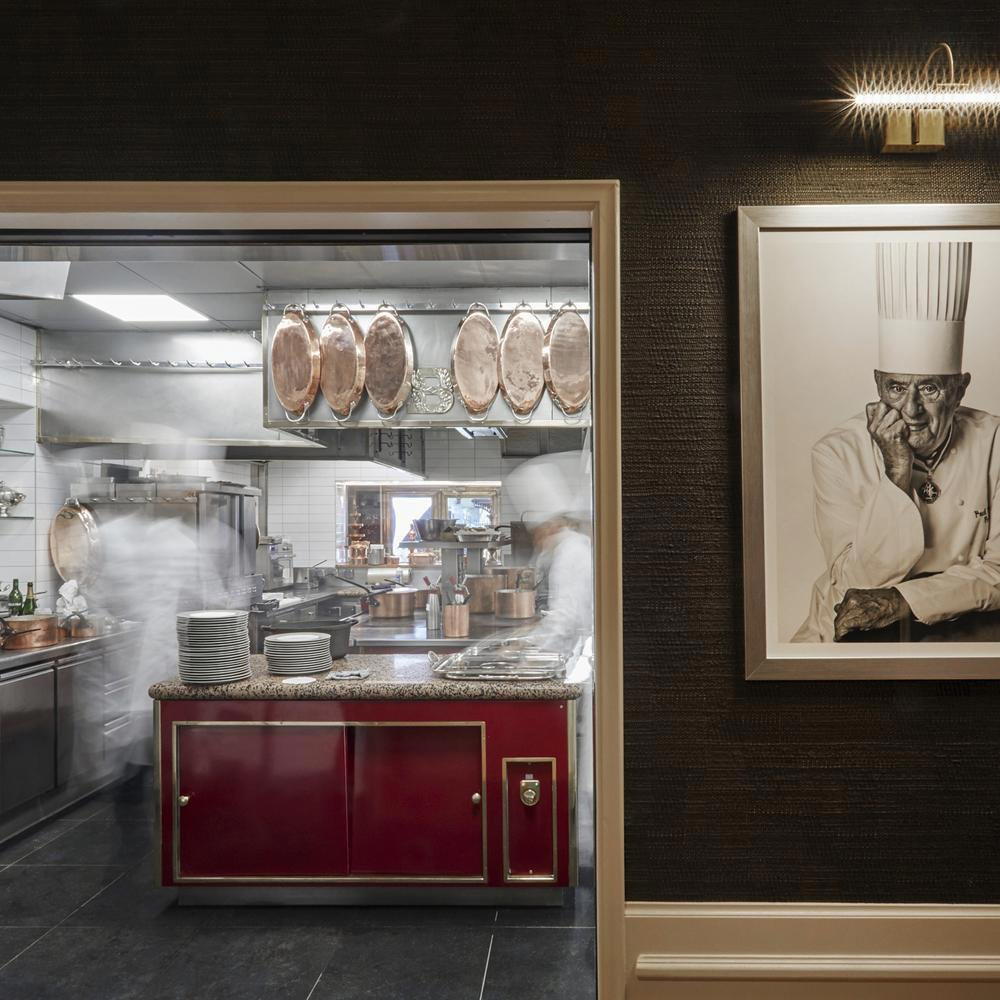
Where the Bauges Massif Feeds the Table
The drive south from Annecy toward La Biolle crosses a quieter stretch of Savoie than the ski-resort corridors farther east. The Bauges massif rises to the west, a regional natural park whose pastures and forested slopes supply a distinct agricultural economy: dairy herds, small-scale vegetable farming, and orchards that follow the seasons more slowly than the tourist calendar. Restaurants in this corridor either ignore that supply chain or build around it. La Table des Bauges belongs firmly to the second group, and that positioning is what makes it worth the detour from the lake.
Farm-to-table has become so loosely applied across European dining that it risks meaning little. In the Bauges, geography does some of the work that marketing usually handles: the massif's protected-area status limits intensive agriculture and keeps local producers operating at a scale where direct kitchen relationships are practical rather than aspirational. What arrives on the plate at a restaurant like La Table des Bauges carries the grain of that specificity, the kind of sourcing that registers in flavour before it registers on a menu description.
A Michelin Plate, Two Years Running
The Michelin Plate is frequently misread as a consolation signal, positioned below the star system in public understanding. In practice, it identifies restaurants where Michelin inspectors found cooking of consistent quality worth noting, without awarding the full star distinction. La Table des Bauges has held that recognition for both 2024 and 2025, which tells a more useful story than a single-year listing: the kitchen is not operating on a lucky run but on a stable standard. In a region where Michelin's attention concentrates on higher-priced mountain addresses, a Plate at the €€ price range places La Table des Bauges in a different peer conversation entirely.
For comparison, the Savoie's most decorated dining sits alongside properties like Flocons de Sel in Megève, a three-star address operating at the upper edge of the price spectrum. The farm-to-table ethos at that level comes with a corresponding investment. The restaurant compresses that sourcing seriousness into a format accessible to a wider range of visitors, which is itself an editorial point worth registering. Across France, the restaurants doing thoughtful ingredient work are not always the ones charging the for it. See also Bras in Laguiole or Mirazur in Menton for how sourcing-led kitchens operate at the starred tier, and you start to understand how much the underlying philosophy can persist across price points.
What the Google Signal Confirms
At that review volume, statistical noise is largely eliminated; what remains is a stable measure of consistent guest satisfaction. In a village-scale setting like La Biolle, achieving that number requires repeat visitors alongside destination diners, which suggests the restaurant has built local trust over time rather than harvesting one-time tourist traffic. That kind of rating pattern tends to correlate with consistency in the kitchen, attentive front-of-house management, and pricing that guests feel is fair for what they receive.
The mid-range €€ positioning is central to understanding the restaurant's role in the area. Farm-to-table sourcing at this price point requires discipline: ingredient cost rises when you source direct and seasonal, and the margin for error shrinks. The fact that the kitchen sustains both Michelin recognition and high public scores at this tier suggests the operation has found a working model rather than a compromise.
The Sourcing Logic of the Bauges
French mountain cuisine has a long tradition of terrain-driven cooking that predates the contemporary farm-to-table framing by several centuries. The Savoie specifically developed a larder around altitude agriculture: cheeses like Beaufort and Reblochon, cured meats, freshwater fish from alpine lakes, and root vegetables that store through long winters. The Bauges massif sits within that tradition while operating at a smaller, more intimate scale than the better-marketed Tarentaise or Haute-Savoie valleys.
For a kitchen committed to sourcing from this territory, the seasonal rhythm is not a marketing choice but a structural constraint. Spring brings brassicas and early greens from lower-altitude farms; summer expands into tomatoes, courgettes, and stone fruit; autumn concentrates into squash, mushrooms, and the first root vegetables. A winter menu in the Bauges draws from what stores well, what the dairy economy produces year-round, and what preserved or fermented elements the kitchen has put by. Comparable sourcing discipline from farm-to-table addresses in other European contexts can be found at Au Gré du Vent in Seneffe and BOK Restaurant in Münster, though the specific terroir each kitchen draws from differs considerably.
Planning a Visit
The restaurant is located at 1821 Route d'Annecy, La Biolle, in the Savoie department. The address sits on the Annecy corridor, making it reachable from Annecy itself or from the Aix-les-Bains area to the south. Given the rural setting and the restaurant's consistent recognition, booking ahead is advisable, particularly for weekend sittings. The €€ price range positions this as an accessible option relative to the region's starred mountain restaurants, and the mid-range format means the experience does not require the formal planning that a tasting-menu dinner at a starred address demands.
For visitors building a broader Savoie itinerary, our full La Biolle restaurants guide covers the local dining context in more detail. Those extending their stay will find relevant accommodation options in our La Biolle hotels guide, and the regional drinking culture is mapped in our La Biolle bars guide, our La Biolle wineries guide, and our La Biolle experiences guide.
For those tracing France's broader fine-dining geography, the contrast between a Michelin Plate farm-to-table address in rural Savoie and the country's starred urban rooms tells a useful story about how French restaurant culture distributes across geography and price. The conversation runs from Alléno Paris au Pavillon Ledoyen and Assiette Champenoise in Reims at one end, through regional anchors like Auberge de l'Ill in Illhaeusern, Au Crocodile in Strasbourg, Paul Bocuse in Collonges-au-Mont-d'Or, AM par Alexandre Mazzia in Marseille, Auberge du Vieux Puits in Fontjoncouse, and Troisgros in Ouches, to smaller terrain-driven addresses in rural departments. The restaurant sits toward that latter end: a kitchen where the local supply chain is the argument, and the Michelin recognition confirms the argument holds.
Side-by-Side Snapshot
Comparable venues nearby, for context on price, style, and recognition.
| Venue | Cuisine | Price | Awards | Notes |
|---|---|---|---|---|
| La Table des BaugesThis venue — the venue you are viewing | French Bistronomique with Local Seasonal Products | $$$ | Michelin Plate | Not listed |
| La Baratte | Classic French Bistro | $$$ | Michelin Plate | Tourcoing |
| L'inaTTendu | Modern Bistronomic French | $$$ | Michelin Plate | Reyrieux |
| Million | Classic French Bistro | $$$ | Michelin Plate | centre-ville |
| La Table d'Angèle | French Bistro | $$$ | Michelin Plate | Reignier |
| Alquimia | Franco-Paraguayenne Fusion | $$$ | Michelin Plate | centre ancien |
Recognition history
Dated appearances from independent guides and award organizations, with the underlying list record or original source where available.
Michelin Plate
Michelin
Michelin Plate
Michelin
Michelin Plate
Michelin
Continue exploring
More in La Biolle
Restaurants in La Biolle
Browse all →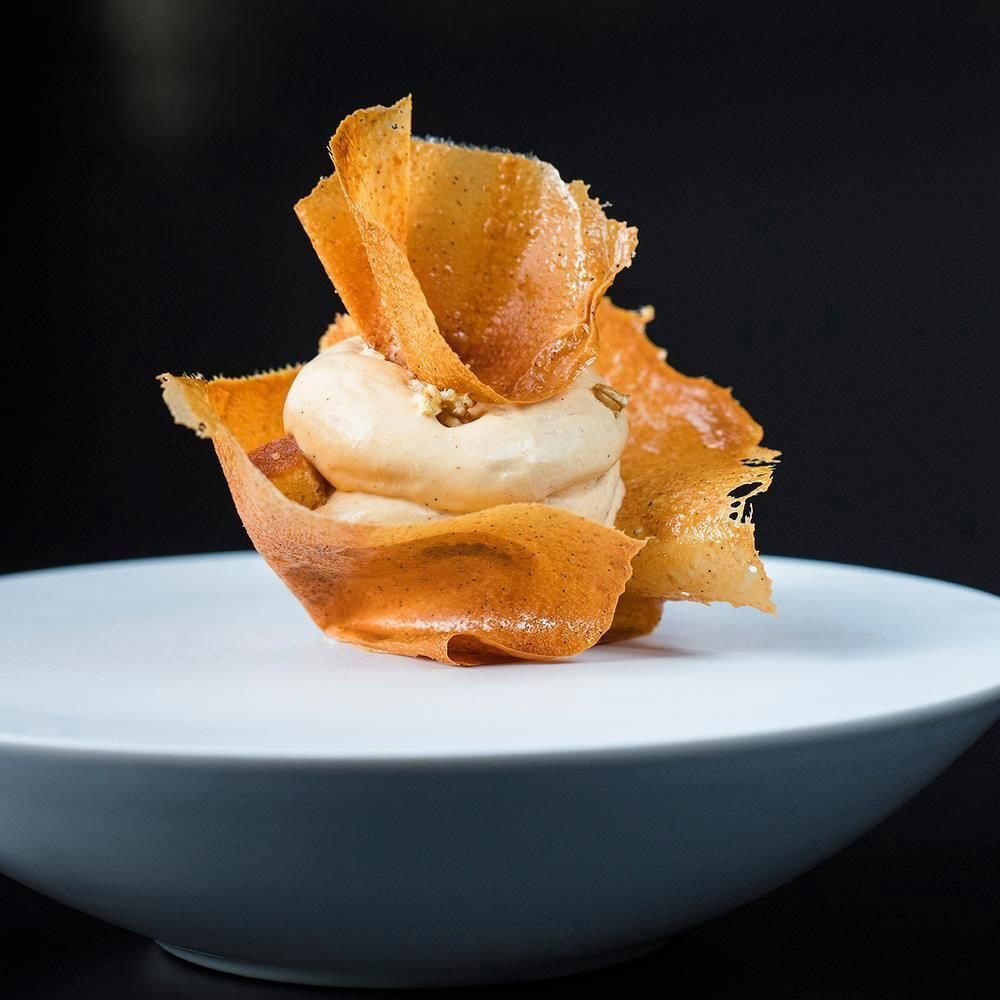
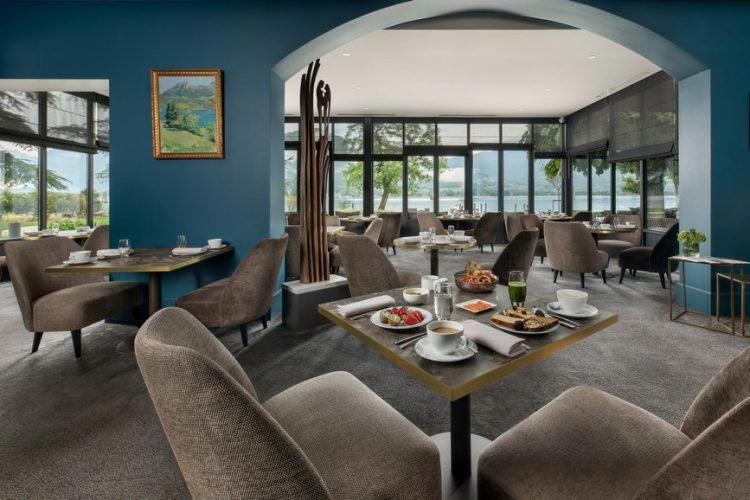
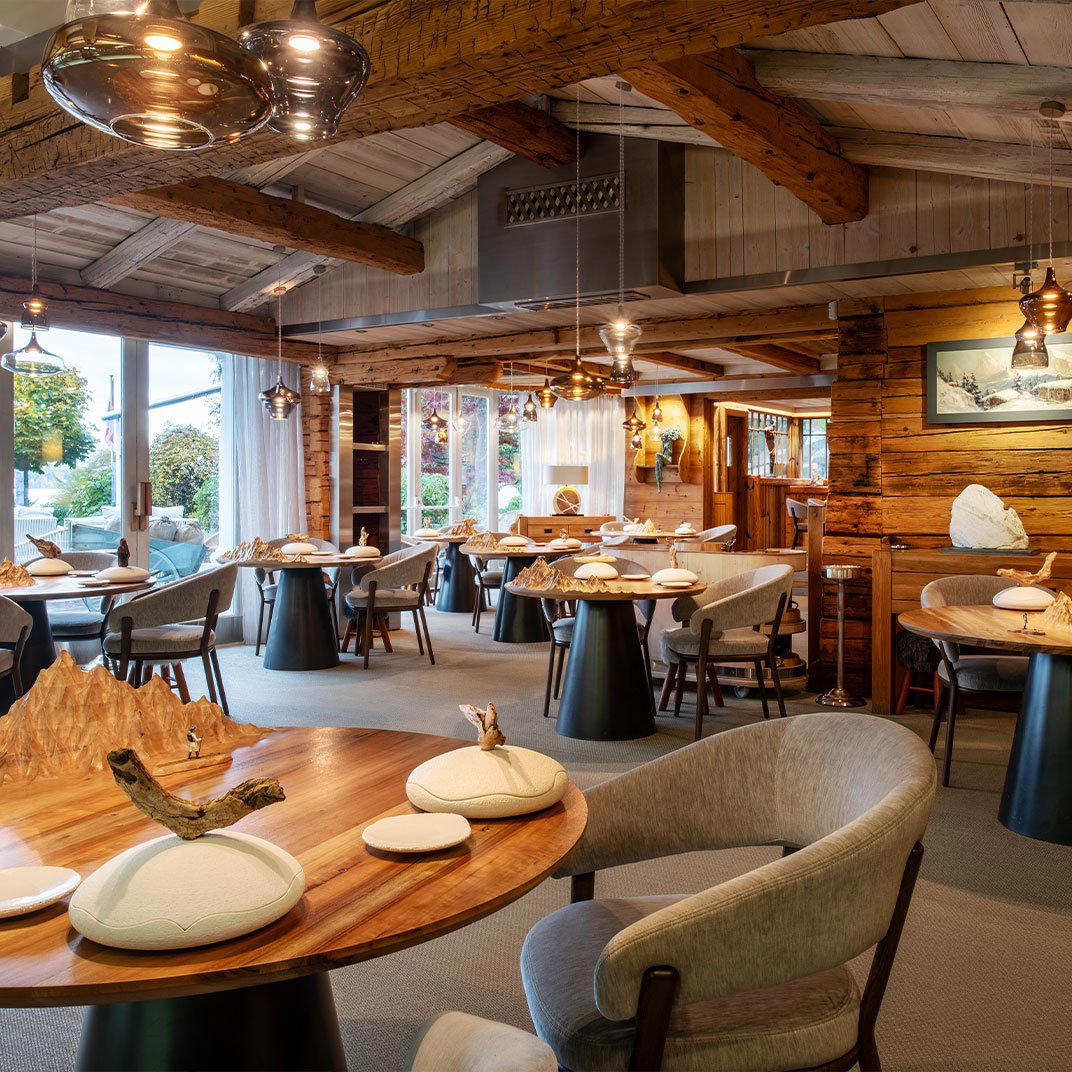
Bars in La Biolle
Browse all →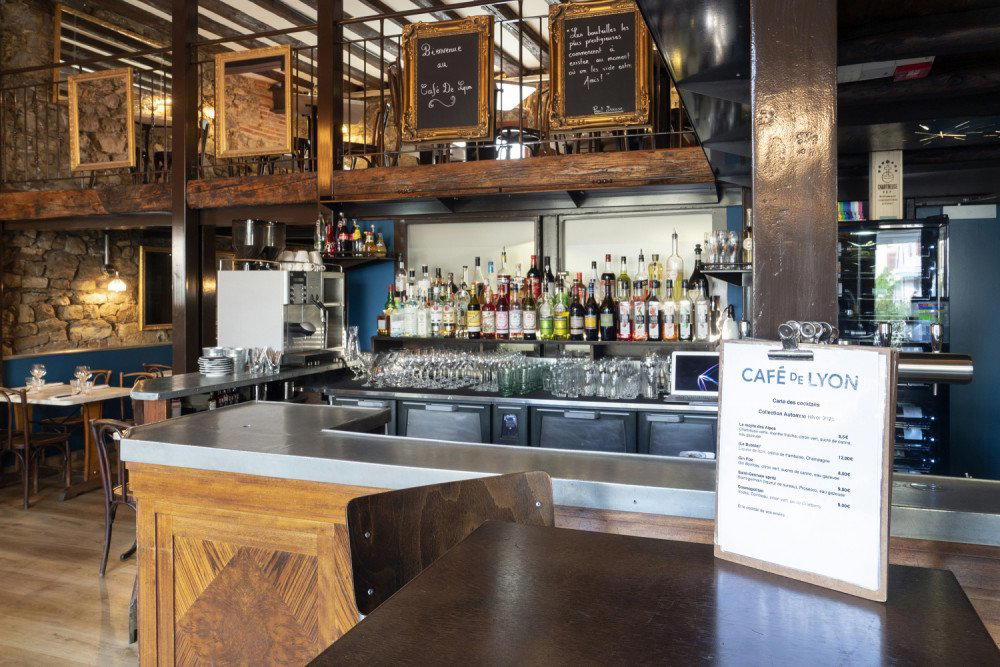
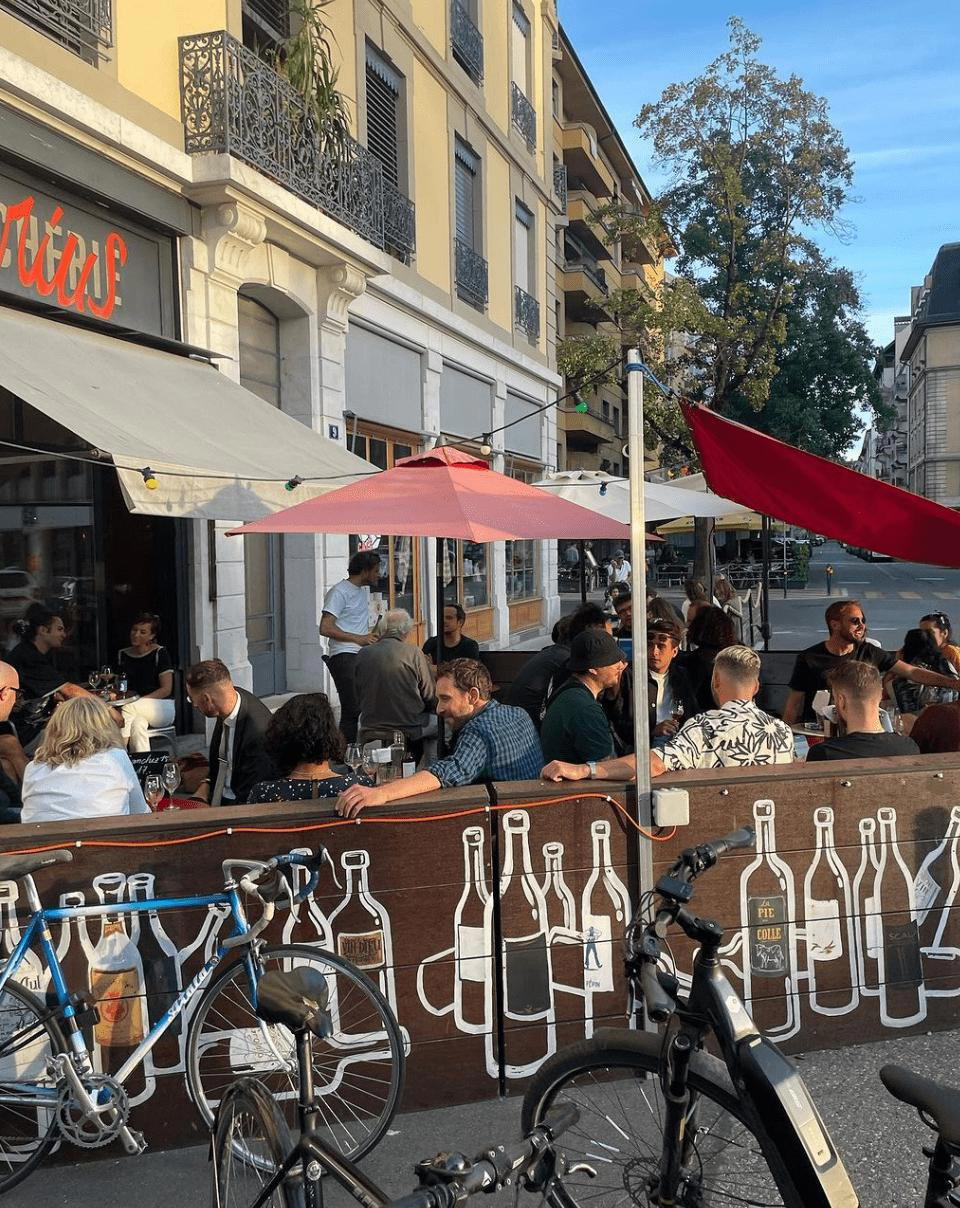
Hotels in La Biolle
Browse all →

At a Glance
- Romantic
- Elegant
- Rustic
- Date Night
- Special Occasion
- Terrace
- Private Dining
- Natural Wine
- Local Sourcing
- Organic
Current opening hours
- Monday
- Closed
- Tuesday
- 12–1:30 PM
- Wednesday
- 12–1:30 PM
- Thursday
- 12–1:30 PM, 7:30–9 PM
- Friday
- 12–1:30 PM, 7:30–9 PM
- Saturday
- 12–1:30 PM, 7:30–9 PM
- Sunday
- Closed
Hours can change for holidays and private events. Last verified .
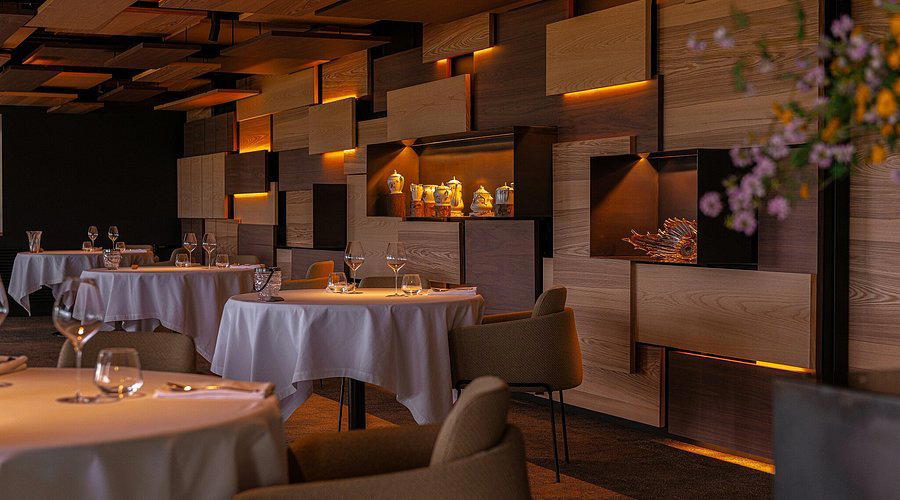
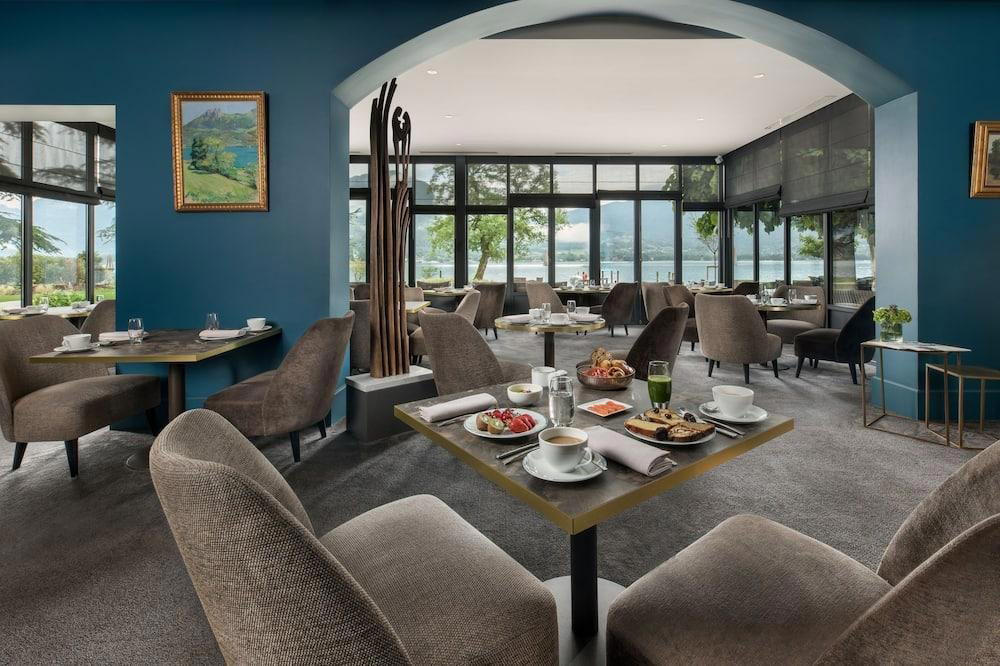
Salle lumineuse avec accueil chaleureux et atmosphère romantique.