La Table de Charrou

Michelin Plate
Our verdict
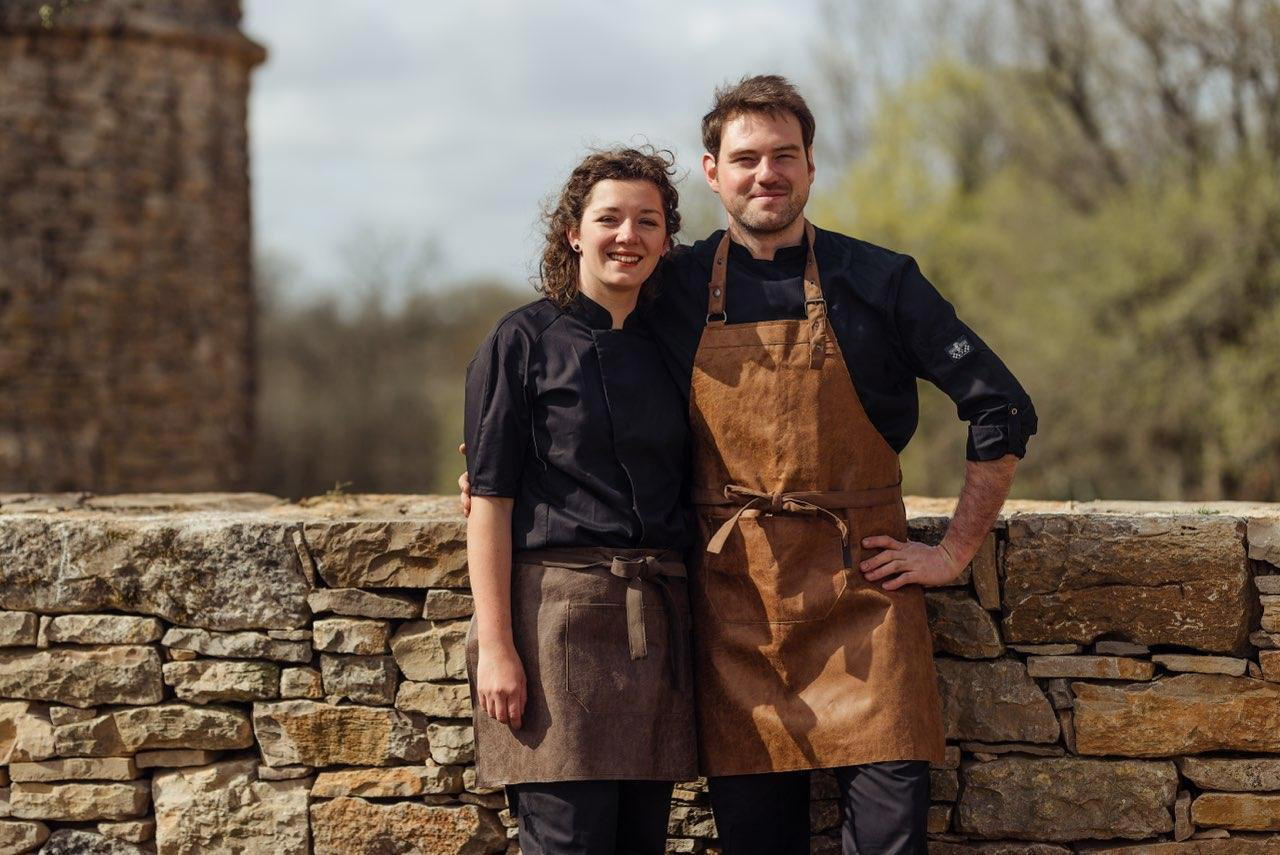
On the Causse de Limogne, La Table de Charrou occupies a stone farmhouse where two sommeliers-turned-butchers serve exclusively local meats from the Lot, Aveyron, and Tarn-et-Garonne, prepared nose to tail and matched against a 200-label wine list strong in organic and biodynamic producers. Sunday's wood-fired leg of lamb, cooked in the old bread oven, is the week's centrepiece.

Pearl is the En Primeur Club membership app — saves, bookings, and concierge access live there. Same editors, same standards.
- Address
- Mas de Charrou, 300 route de Charrou
- Phone
- +33 5 65 24 81 63
- Hours
- Mon 12–1:30 PMTue–Wed ClosedThu 12–1:30 PM, 7–8 PMFri–Sat 12–1:30 PM, 7–8:30 PMSun 12–1:30 PM
- Website
- latabledecharrou.com
- Directions
- Get directions
The menu
What to order
- Agneau du Quercy cuit au feu de bois
- Tête et langue de veau sauce Gribiche
- Côte de Bœuf Aubrac
Stone, Smoke, and the Causse
The approach to La Table de Charrou sets the tone before you reach the door. The Causse de Limogne is plateau country: dry-stone walls, scrub oak, and a light that turns amber in the afternoon. Mas de Charrou sits in the upper reaches of the village at 300 route de Charrou, an old stone farmhouse whose thick walls and bread oven predate any notion of a restaurant. The building is not a backdrop chosen for atmosphere; it is the cooking infrastructure. The bread oven is still in use on Sundays.
This part of south-west France sits within easy reach of the Lot Valley, a region that has long supported a serious food culture without the international visibility of Périgord to the west or the Aveyron highlands to the east. Restaurants at this level, operating from farmhouses on the plateau rather than in town-centre dining rooms, represent a strand of rural French cooking that runs on supplier relationships and seasonal discipline rather than formal kitchen hierarchies. For context on the broader range of dining in the region, see our full Limogne-en-Quercy restaurants guide.
Where the Meat Comes From
The sourcing model at La Table de Charrou is unusually legible. Meats come exclusively from three departments: the Lot, Aveyron, and Tarn-et-Garonne. That triangulation is not marketing shorthand; it reflects the specific livestock traditions of each territory. The Lot supplies breeds suited to the limestone causse. Aveyron, whose herding culture produced the Aubrac and the Lacaune sheep, contributes animals raised at altitude. Tarn-et-Garonne adds a southern lowland dimension. The result is a larder drawn from three distinct agricultural environments, all within a day's drive.
The connection to that supply chain runs deeper than a sourcing policy. The proprietress's father is the village butcher, which means the skills for breaking down whole animals, understanding muscle groups, and making use of secondary cuts were learned within the family rather than in a professional kitchen. In French provincial cooking, the nose-to-tail approach has always been a matter of economy and respect for the animal before it became a menu category in urban restaurants. Here, that logic is intact: terrines, slow-simmered cuts, smoked preparations, and grilled pieces appear alongside each other because the whole animal is in the kitchen.
Preparation methods reflect both the farmhouse setting and a considered approach to how different cuts respond to different heat. Smoking, slow simmering, grilling, and terrine-making are not interchangeable techniques applied for variety; each matches a cut to the process that suits it. Chips cooked in beef fat arrive alongside the main plates, which is not a nostalgic gesture but a practical one: the fat is a by-product of the butchery, and frying in it produces a result that frying oils cannot replicate.
Sunday's Bread Oven
Wood-fired leg of lamb cooked in the farmhouse's old bread oven on Sundays deserves specific attention. Bread ovens on French farms were built to retain heat over long periods at declining temperatures, which makes them well suited to large cuts that benefit from slow, even roasting. A leg of lamb cooked in this environment develops a crust through radiant heat from the stone while the interior cooks gently as the oven temperature falls. The technique is pre-industrial in origin and largely impractical to replicate in a commercial kitchen without the original oven. Coming on a Sunday, and ordering the lamb, is the clearest way to engage with what distinguishes this particular kitchen from a restaurant that happens to source good ingredients.
The Wine List
Both owners trained as sommeliers before returning to the region, and a spell in New Zealand informed a perspective on wine that extends beyond the south-west French canon. The list runs to approximately 200 labels and includes a significant proportion of organic and biodynamic producers. That breadth matters at a table built around strong meat flavours and varied cooking techniques: a simmered offal preparation and a grilled bone-in cut call for different registers, and a list of this depth provides the range to match them.
The proprietress manages the wine service with the kind of fluency that comes from professional training rather than learned enthusiasm. At a restaurant without a printed price range in most databases, the wine list is often the variable that shapes the final bill, and a sommelier who knows 200 labels from the inside is worth engaging directly. For those exploring the region's drink culture more broadly, our full Limogne-en-Quercy wineries guide and our full Limogne-en-Quercy bars guide provide further reference points.
Where This Sits in French Cooking
La Table de Charrou operates at a remove from the formal grammar of French haute cuisine. The three-star kitchens represented by venues like Alléno Paris au Pavillon Ledoyen, Mirazur in Menton, or Flocons de Sel in Megève work within a different framework: structured tasting formats, brigade hierarchies, and the vocabulary of creative fine dining. Charrou belongs to a separate tradition: the serious ferme-auberge or farmhouse restaurant where cooking authority derives from proximity to production rather than from formal credentialing. The closer regional comparison is Bras in Laguiole, which also draws its identity from a specific landscape and its produce, though the approach and register differ considerably.
That tradition produces some of the most direct eating in France. Restaurants such as Auberge de l'Ill in Illhaeusern, Troisgros in Ouches, and Auberge du Vieux Puits in Fontjoncouse each occupy distinct positions in French restaurant culture. La Table de Charrou is not competing in that tier by format or intention; it is doing something narrower and more specific: cooking one region's animals, in one farmhouse, with techniques tied to the building itself.
Planning a Visit
La Table de Charrou is located at Mas de Charrou, 300 route de Charrou, on the Causse de Limogne. The plateau setting means a car is the practical mode of arrival; public transport connections to this part of the Lot are limited. The Sunday lamb is the week's most time-specific offering, so anyone planning specifically around it should align their visit accordingly. Booking ahead is advisable given the farmhouse scale of the operation. For accommodation options nearby, see our full Limogne-en-Quercy hotels guide, and for a broader picture of what the area offers, our full Limogne-en-Quercy experiences guide covers the wider region.
Frequently asked questions
Is La Table de Charrou good for families?
The farmhouse setting at Mas de Charrou suits families who eat meat and are comfortable with a rural, unfussy environment. The cooking is direct: whole cuts, terrines, slow-smoked and grilled local meats from the Lot, Aveyron, and Tarn-et-Garonne, with chips cooked in beef fat. There is no performance-dining format to navigate, which tends to work in favour of mixed-age groups.
Is La Table de Charrou formal or casual?
The room is a converted stone farmhouse on the Causse de Limogne, so the physical setting is thoroughly rural. The hosts are trained sommeliers, and the 200-label wine list — with strong organic and biodynamic representation — reflects professional seriousness behind the counter. Call it informed informality: the cooking and wine knowledge are exacting, the dress code is not.
Is La Table de Charrou Michelin-listed?
La Table de Charrou has received recognition including: In the upper reaches of this village on the Causse de Limogne, this unusual restaurant is housed in an old stone farmhouse. It has been set up by a couple, sommeliers by trade and returnees from a stint in New Zealand, who learned the art o….
What's the best thing to order at La Table de Charrou?
The wood-fired leg of lamb, cooked Sundays in the farmhouse's original bread oven, is the one dish that cannot be reproduced elsewhere: that specific oven, that sourcing radius, that one day a week. Beyond Sunday, the nose-to-tail menu rotates through matured, smoked, simmered, and grilled cuts sourced exclusively from the Lot, Aveyron, and Tarn-et-Garonne.
Where do I go for La Table de Charrou?
La Table de Charrou is located at Mas de Charrou, 300 route de Charrou, Limogne-en-Quercy.
A Quick Peer Check
Comparable venues nearby, for context on price, style, and recognition.
| Venue | Cuisine | Price | Awards | Notes |
|---|---|---|---|---|
| La Table de CharrouThis venue — the venue you are viewing | Traditional French Meat-Focused Bistro | $20–30 | Michelin Plate | Not listed |
| Causses Toujours | Traditional French Market Cuisine | $20–30 | Michelin Plate | Puylaroque village center |
| Philia | Modern French Bistronomic | $20–30 | Michelin Bib Gourmand | Place du Mercadial |
| Solides | Modern French Bistro | $30–50 | Michelin Plate | Capitole / Arnaud Bernard / Carmes |
| Le Welcome | French Bistro | $20–30 | Michelin Bib Gourmand | Chamalières |
| Amapola Kitchen | French Fusion Gastropub | $20–30 | Michelin Plate | Porta |
Recognition history
Dated appearances from independent guides and award organizations, with the underlying list record or original source where available.
Michelin Plate
Michelin
Continue exploring
More in Limogne-en-Quercy
Restaurants in Limogne-en-Quercy
Browse all →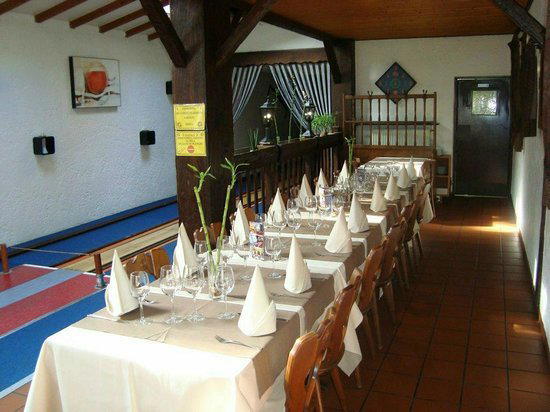
Hotels in Limogne-en-Quercy
Browse all →

Details
- Rustic
- Cozy
- Intimate
- Family
- Casual Hangout
- Terrace
- Extensive Wine List
- Natural Wine
- Local Sourcing
- A La Carte
- Natural Wine
- Vegetarian Friendly
Current opening hours
- Monday
- 12–1:30 PM
- Tuesday
- Closed
- Wednesday
- Closed
- Thursday
- 12–1:30 PM, 7–8 PM
- Friday
- 12–1:30 PM, 7–8:30 PM
- Saturday
- 12–1:30 PM, 7–8:30 PM
- Sunday
- 12–1:30 PM
Hours can change for holidays and private events. Last verified .
Family-friendly countryside inn with shaded terrace, calm rural setting, and convivial atmosphere.