
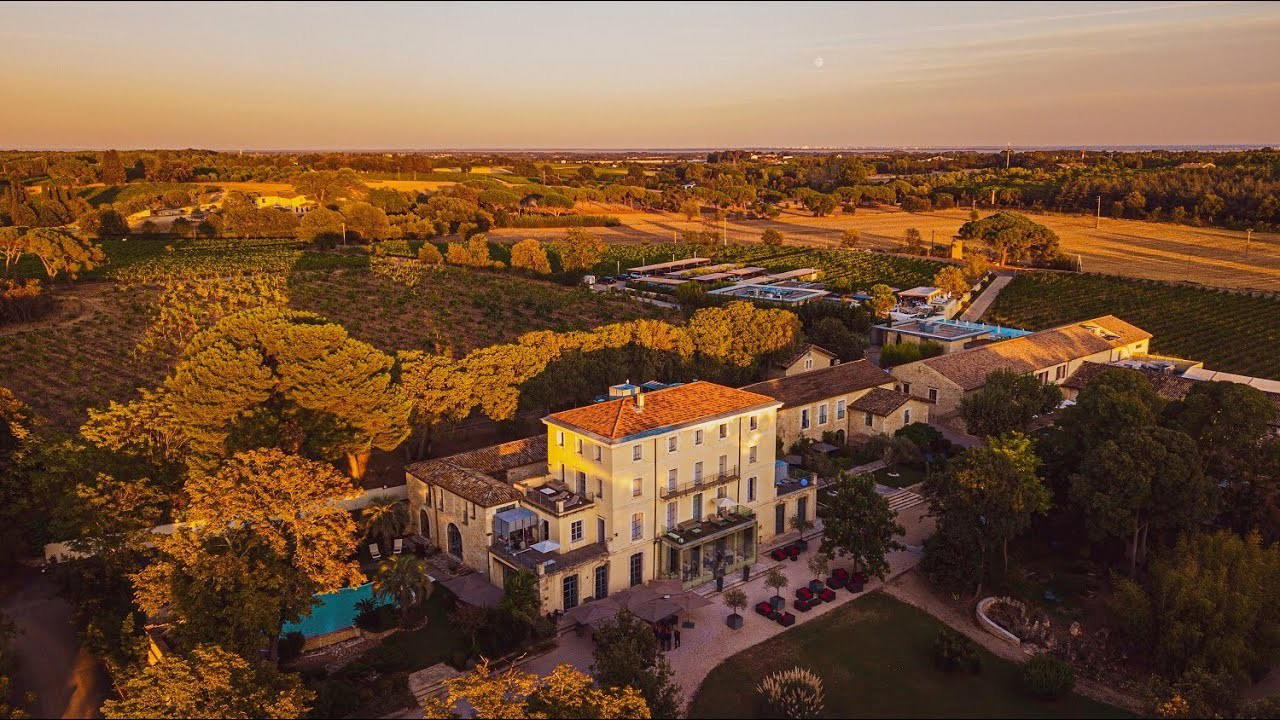
La Table de Biar sits on the rural edge of Lavérune, a village commune just west of Montpellier where the Languedoc's agricultural character remains intact. The address, a mas-style property on the Chemin du Mas de Biar, signals a kitchen rooted in the land around it, placing it within a broader tradition of southern French dining that treats proximity to producers as a structural principle rather than a marketing posture.
Pearl is the En Primeur Club membership app — saves, bookings, and concierge access live there. Same editors, same standards.
- Address
- Chem. du Mas de Biar, 34880 Lavérune, France
- Phone
- +33412041806
- Website
- domainedebiar.com
- Directions
- Get directions
 Saves & bookings on Pearl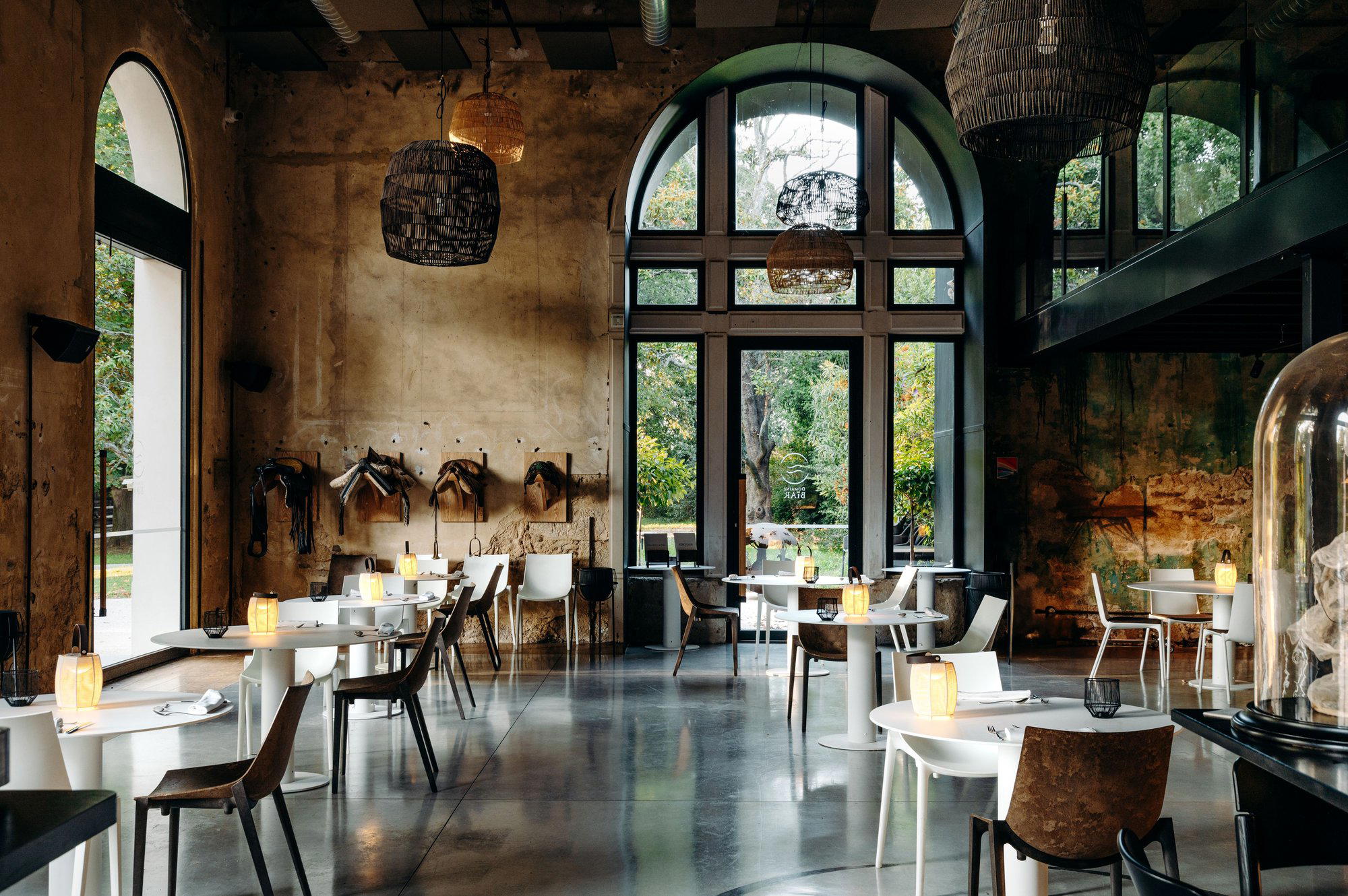
The Setting: A Mas on the Edge of Montpellier's Hinterland
Approach Lavérune from the ring roads of Montpellier and the shift is immediate. The urban sprawl drops away within minutes, replaced by vine rows, garrigue scrub, and the flat agricultural terrain that defines the Hérault department's western fringe. La Table de Biar is on the Chemin du Mas de Biar, and the address tells you something important before you arrive: a mas is a working Languedoc farmstead, and the name carries the weight of that association. This is a restaurant in Lavérune, France, with a modern Mediterranean locavore focus. The physical context, a village commune of under 3,000 residents, ten kilometres from the Montpellier city boundary, shapes what the kitchen is positioned to do.
The broader tradition here is one that southern France has maintained with more consistency than most European regions: restaurants sited close to their supply chains, where the distance between field and plate is not a talking point but a geographic fact. The Languedoc-Roussillon corridor, running from the Rhône delta to the Pyrenean foothills, produces some of France's most varied agricultural output, stone fruits, olives, herbed lamb from the garrigue, shellfish from the Étang de Thau, early-season vegetables from the coastal plains. For a kitchen operating on the edge of Lavérune, that supply breadth is a structural advantage.
Ingredient Sourcing in the Languedoc: What Proximity Actually Means
French regional dining is frequently described through its produce, but the claim means different things depending on geography. In a city kitchen, sourcing locally usually means working with a specialist wholesaler who aggregates from regional farms. In a village setting like Lavérune, the sourcing relationship can be more direct: smaller volumes, shorter transport, and kitchen calendars that adjust to what is available rather than what appears on a fixed printed menu. That responsiveness is what separates produce-driven cooking from produce-adjacent cooking.
The Languedoc's agricultural calendar moves quickly. By late spring, the coastal market gardens south of Montpellier are producing courgette flowers and early tomatoes while the garrigues above the city still carry wild thyme and rosemary. Summer shifts the focus to stone fruits and aubergines. Autumn brings mushrooms from the Cévennes foothills and the new-harvest olive oils from the Gard and Hérault groves. A kitchen in Lavérune that takes its sourcing seriously is cooking against that calendar, and the menu should read as a record of what the land is producing in a given week rather than a document drafted in advance for the season.
This places La Table de Biar within a broader category of southern French restaurants that operate on a fundamentally different logic from their counterparts in Paris or Lyon. Destination kitchens like Mirazur in Menton or Bras in Laguiole have built international reputations partly on this same principle of territory as ingredient, demonstrating that the southern and south-central arc of France produces a distinct cooking logic. Auberge du Vieux Puits in Fontjoncouse, a three-star address in the Corbières, less than two hours from Lavérune, operates on a similarly land-rooted premise in a similarly small village. The pattern is consistent: when the surrounding terrain is this generative, cooking close to it is a competitive strategy, not a limitation.
The Languedoc's Place in France's Broader Fine Dining Conversation
France's highest-profile dining addresses cluster in Paris, Lyon, and the Côte d'Azur. The starred hierarchy there includes kitchens like Alléno Paris au Pavillon Ledoyen, Paul Bocuse in Collonges-au-Mont-d'Or, and Assiette Champenoise in Reims, all operating in city contexts or commuter-adjacent suburbs with the infrastructure that implies. The Languedoc sits outside that established circuit. Dining in this region tends to attract visitors already oriented toward the landscape: wine tourists working through the AOC appellations of Pic Saint-Loup or Saint-Chinian, travellers moving between the Camargue and the Cévennes, or Montpellier residents looking for serious cooking within driving distance of the city.
That audience tends to be less concerned with the formal signals of the Paris dining room and more interested in the specificity of place. It is a different reading of quality, and it is one that the Languedoc's leading kitchens have historically served well. The region's proximity to Spain and its long history of cultural crossover, Catalan influences in the south, Mediterranean trade routes through the coastal cities, also gives Languedoc cooking a palette that is distinct from classical French technique without being derivative. Montpellier's own dining scene has grown considerably over the past decade, and the surrounding village addresses increasingly draw from that city's food-literate population. AM par Alexandre Mazzia in Marseille has demonstrated what a southern Mediterranean perspective can produce when applied at the highest technical level; the energy in this corridor is moving in a consistent direction.
Flocons de Sel in Megève, L'Oustau de Baumanière in Les Baux, or Auberge de l'Ill in Illhaeusern, all properties where the relationship between physical setting and kitchen identity is structurally similar to what Lavérune offers.
Plan Your Visit
A Quick Peer Check
Comparable venues nearby, for context on price, style, and recognition.
| Venue | Cuisine | Price | Notes |
|---|---|---|---|
| La Table de BiarThis venue — the venue you are viewing | Modern Mediterranean Locavore | $$$ | Not listed |
| Léone | Méditerranéen Bistronomie | $$$ | centre ville |
| Restaurant Tom Cariano | Modern Mediterranean Seafood | $$$ | L'Ayguade |
| Renaldo | French Gourmet Soufflés | $$$ | Port Ariane |
| Mimosa | Mediterranean Riviera Cuisine | $$$ | heart of St Tropez |
| Vigna - Château la Martinette | Mediterranean Vineyard Dining | $$$ | Lorgues |
Recognition history
Dated appearances from independent guides and award organizations, with the underlying list record or original source where available.
Michelin Plate
Michelin
Continue exploring
More in Laverune
Restaurants in Laverune
Browse all →
At a Glance
- Romantic
- Scenic
- Elegant
- Quiet
- Sophisticated
- Date Night
- Business Dinner
- Special Occasion
- Private Event
- Open Kitchen
- Terrace
- Garden
- Historic Building
- Standalone
- Beer Program
- Farm To Table
- Local Sourcing
- Organic
- Sustainable Seafood
- Garden
Current opening hours
- Monday
- Closed
- Tuesday
- 12–2 PM, 7:30–9 PM
- Wednesday
- 12–2 PM, 7:30–9 PM
- Thursday
- 12–2 PM, 7:30–9 PM
- Friday
- 12–2 PM, 7:30–9 PM
- Saturday
- 12–2 PM, 7:30–9 PM
- Sunday
- 12–2 PM, 7:30–9 PM
Hours can change for holidays and private events. Last verified .
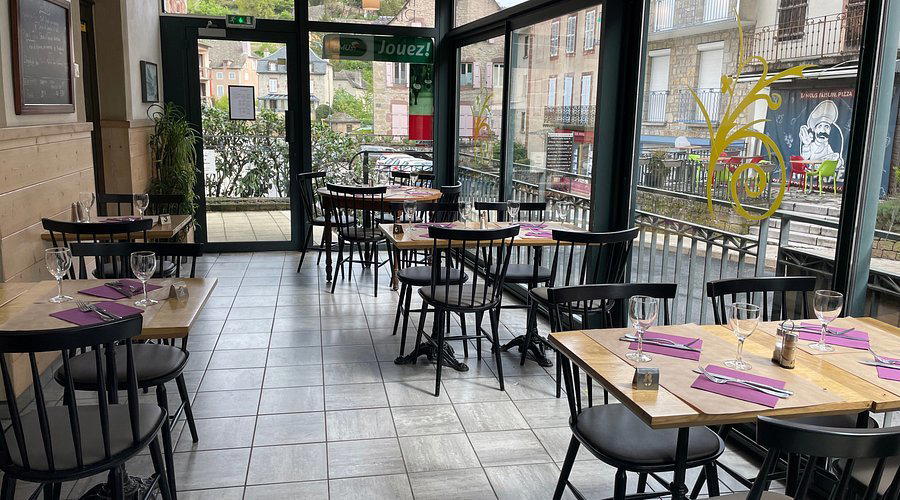
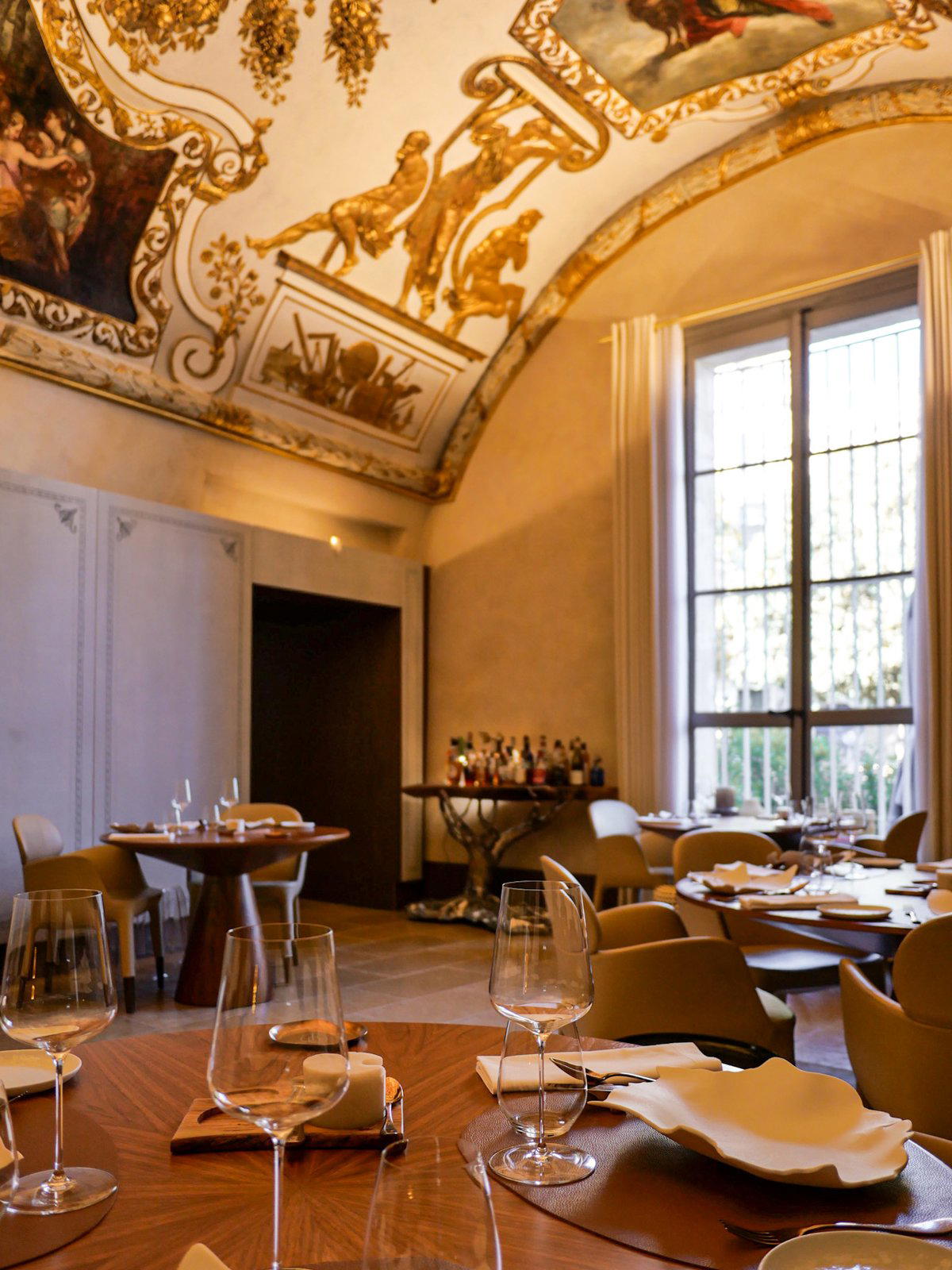
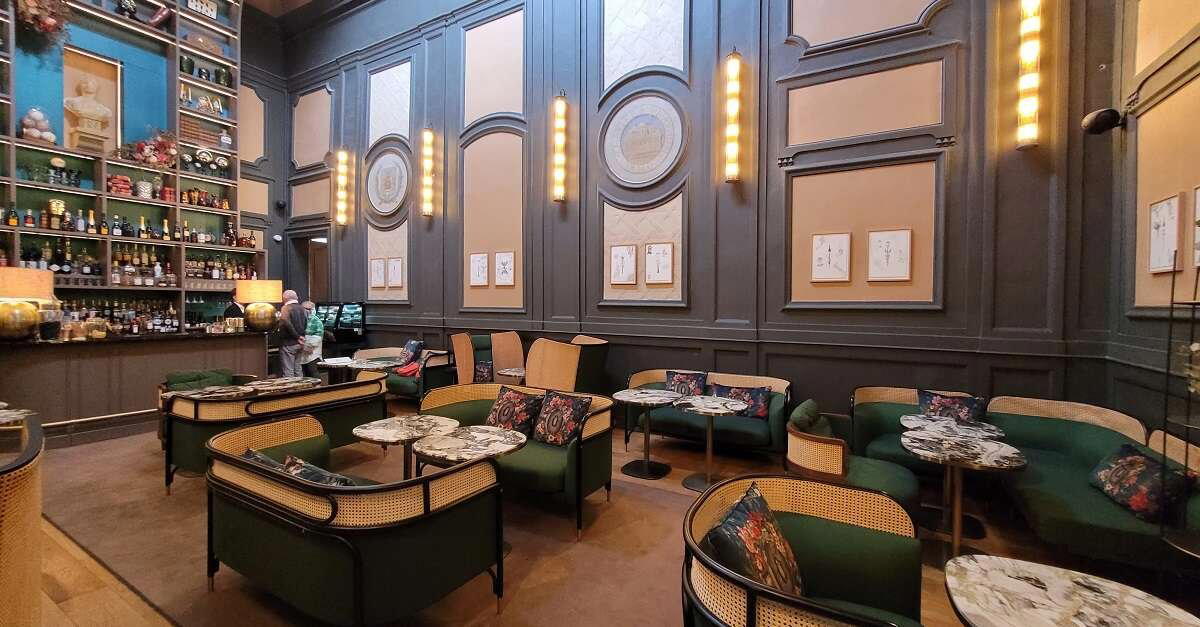
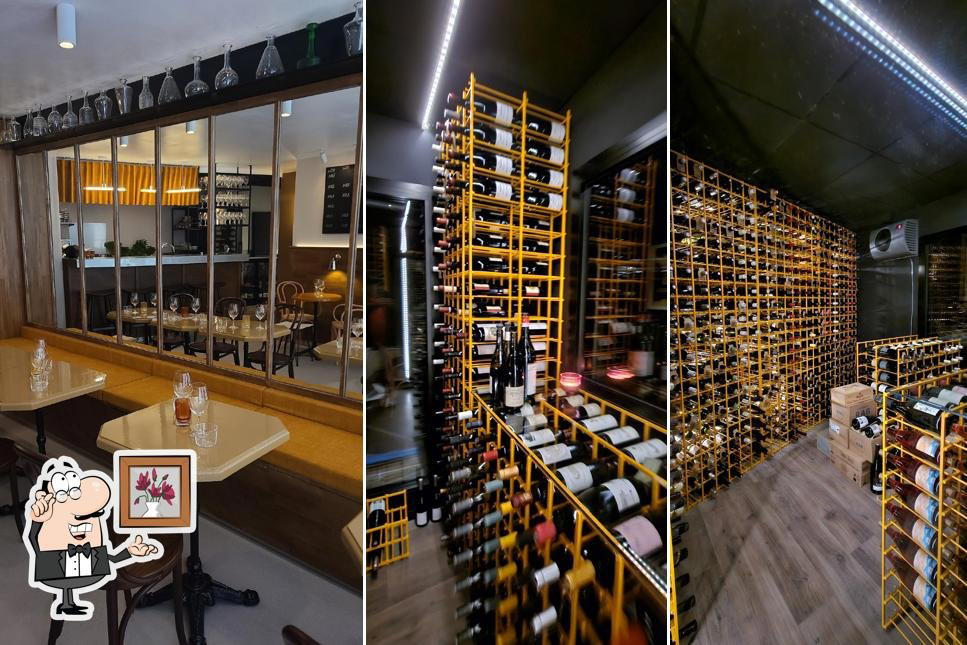
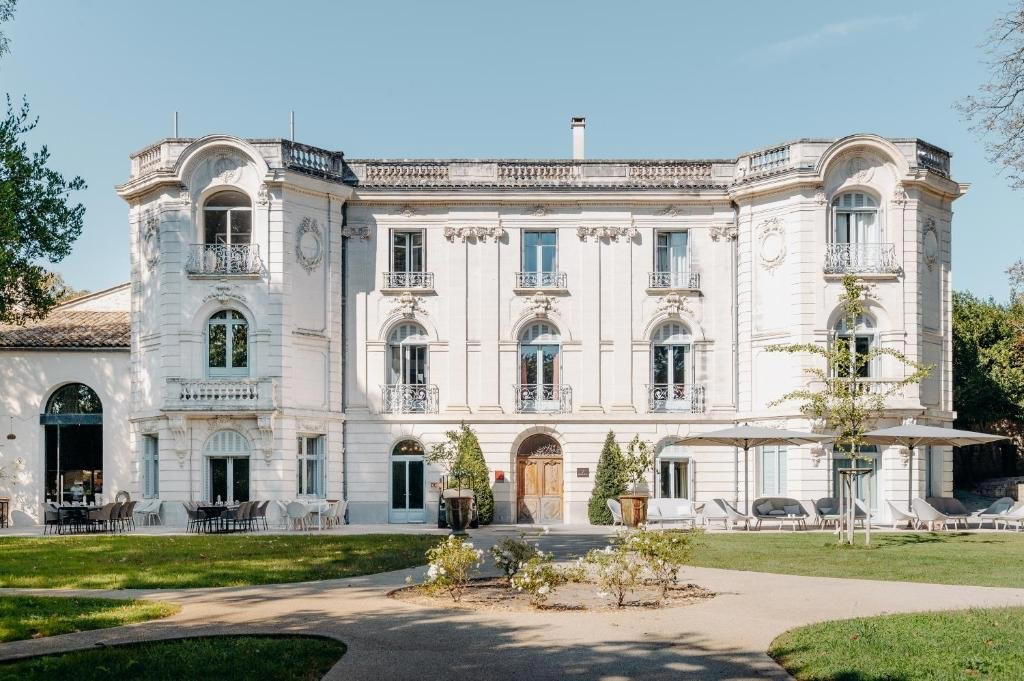
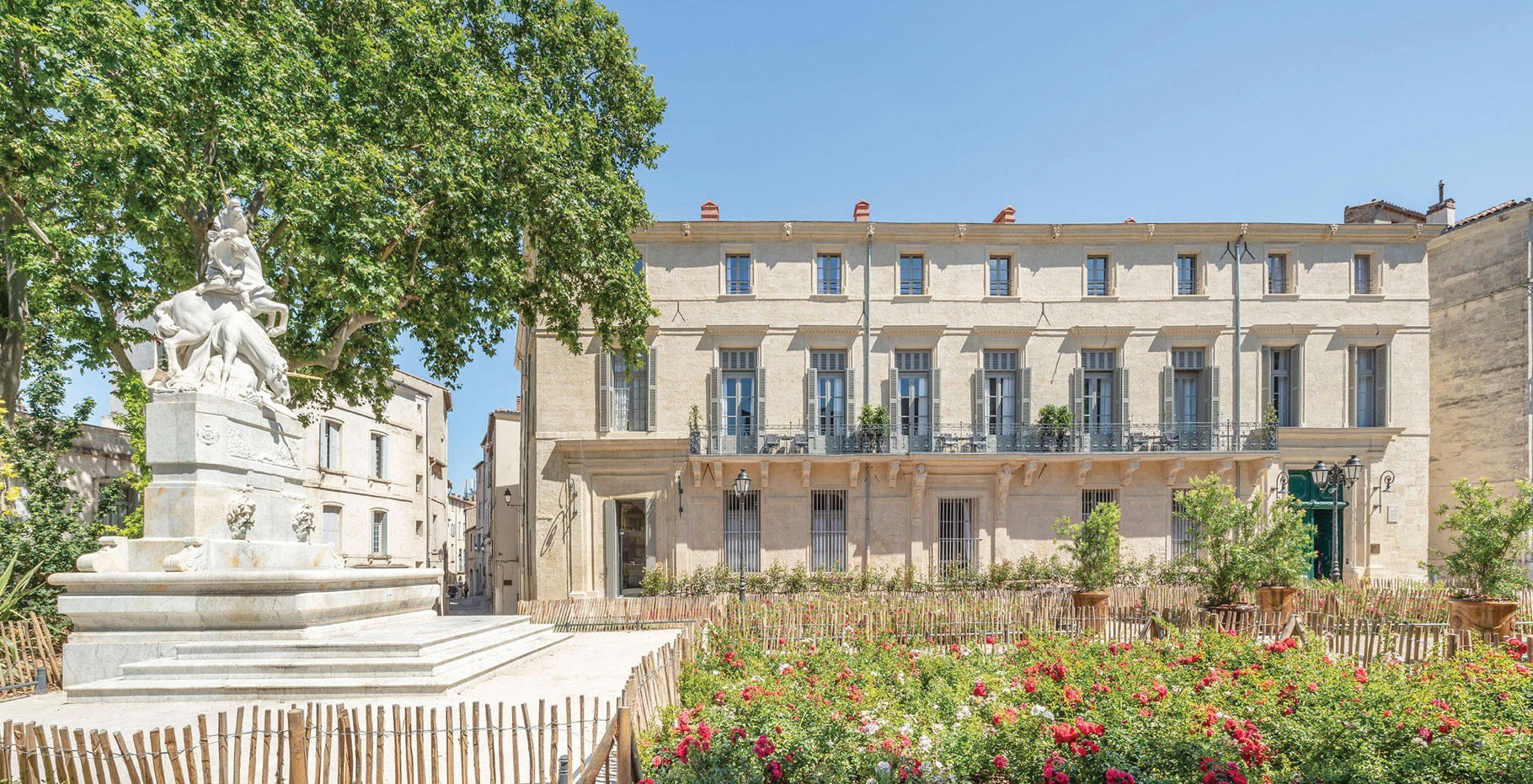
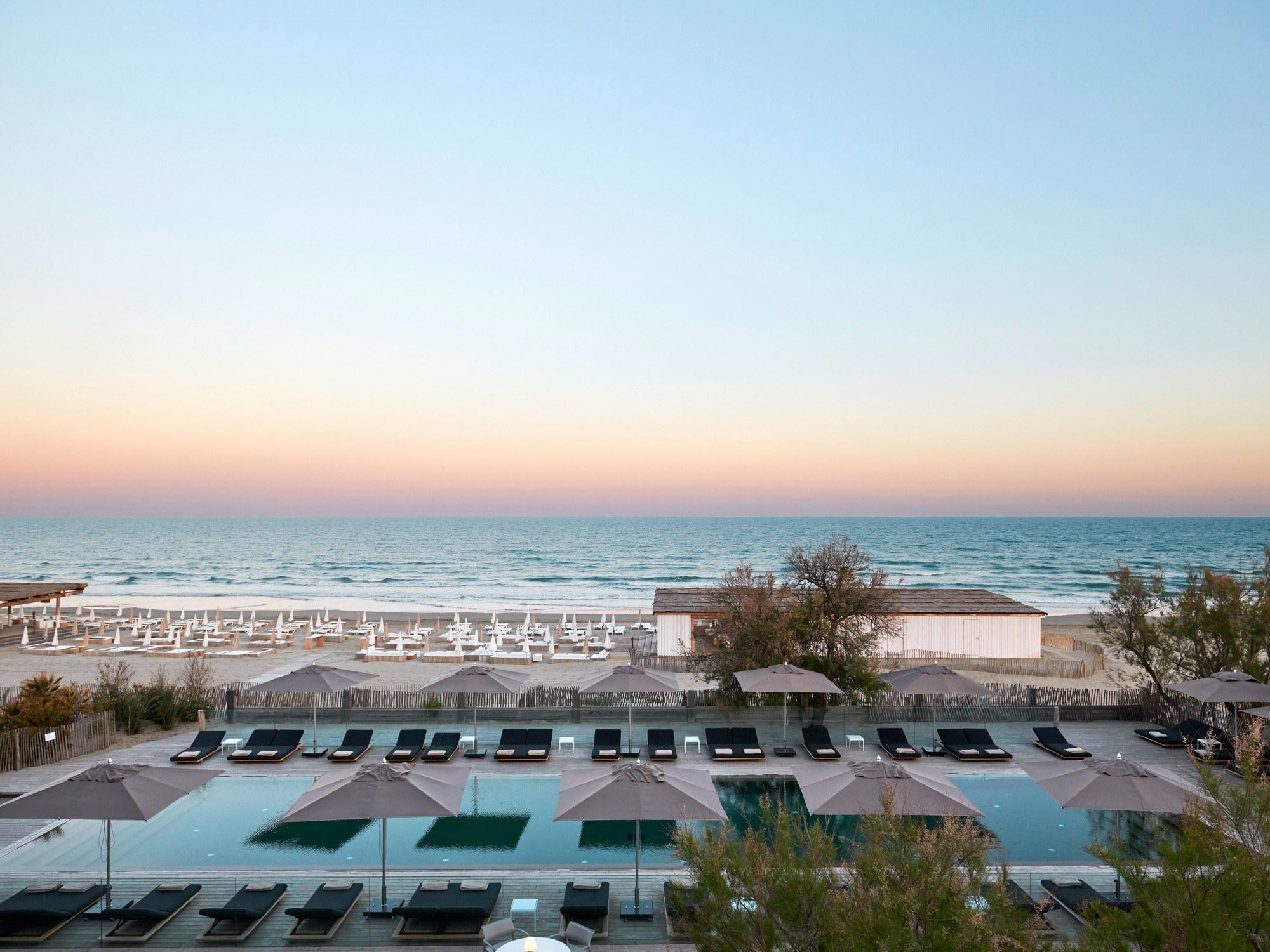
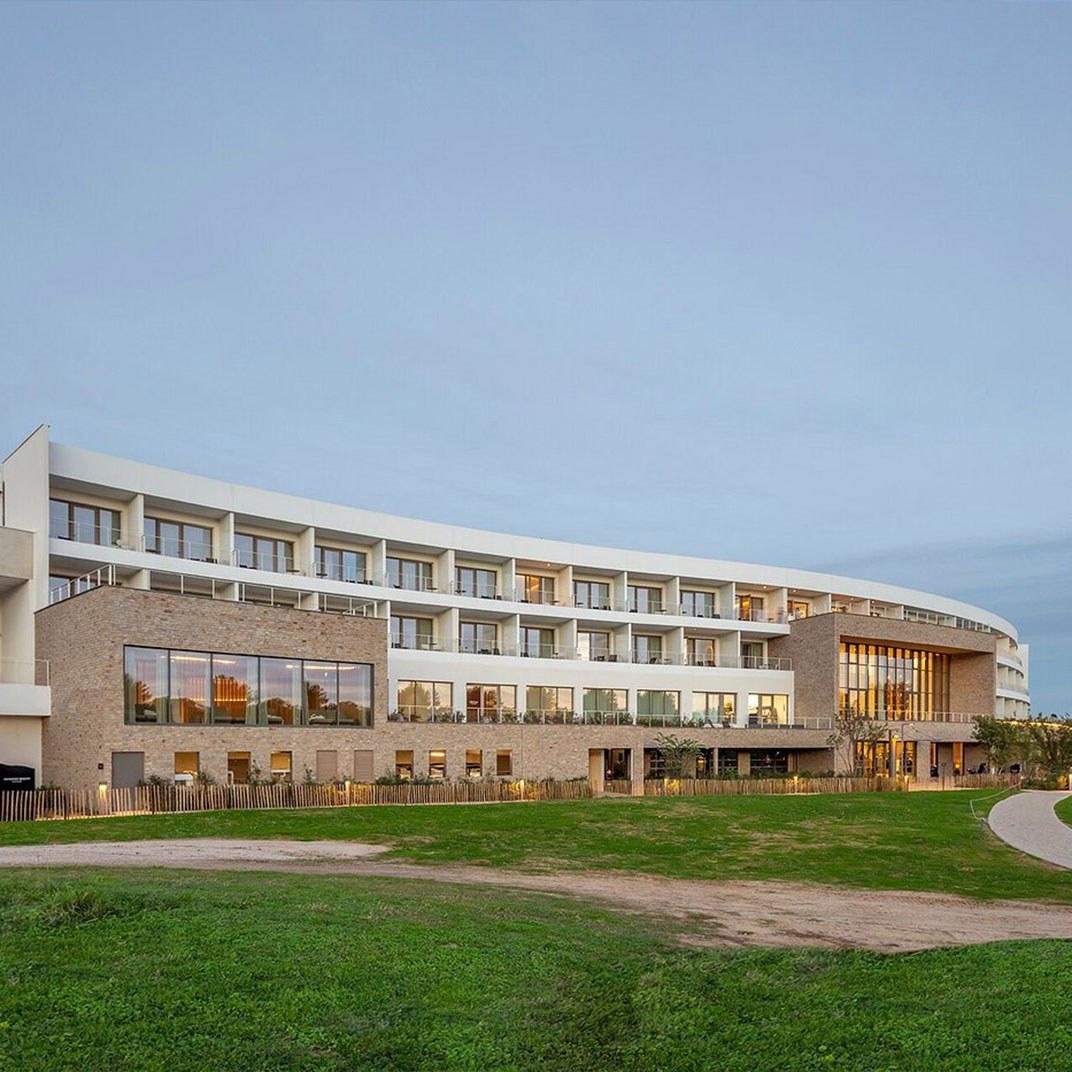
Elegant yet slightly industrial aesthetic with refined, peaceful surroundings; shaded terrace dining overlooking the park and estate grounds creates a timeless, nature-harmonious atmosphere.