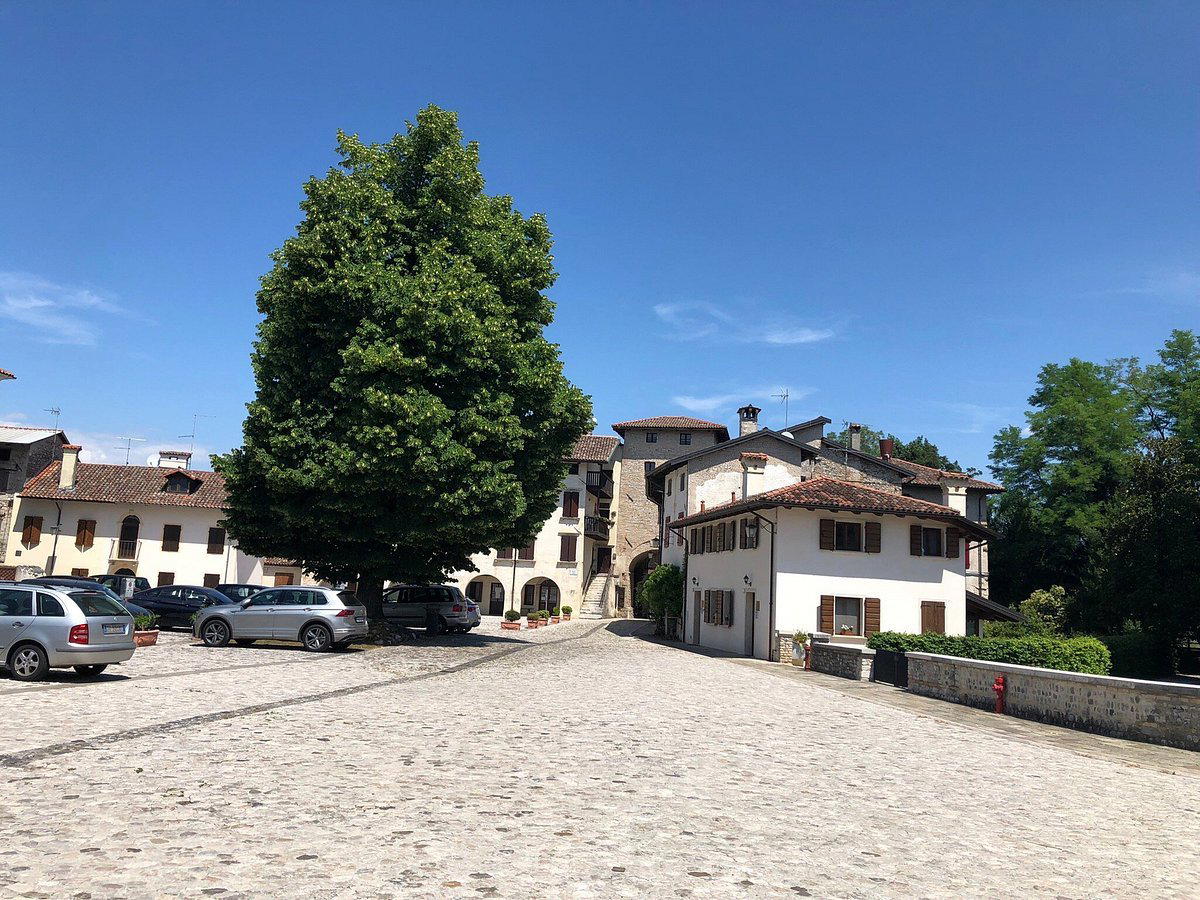
La Stella sits in Meduno, a small comune in Friuli's Valcellina valley where the pre-Alpine terrain shapes what ends up on the plate. The restaurant occupies Via Principale, the kind of address that signals deep local roots rather than destination-dining ambition. For those tracing northeastern Italy's quieter dining corridors, it anchors a stretch worth knowing.
Pearl is the En Primeur Club membership app — saves, bookings, and concierge access live there. Same editors, same standards.
- Address
- Via Principale, 38, 33092 Meduno PN, Italy
- Phone
- +393942786124
- Directions
- Get directions
 Saves & bookings on Pearl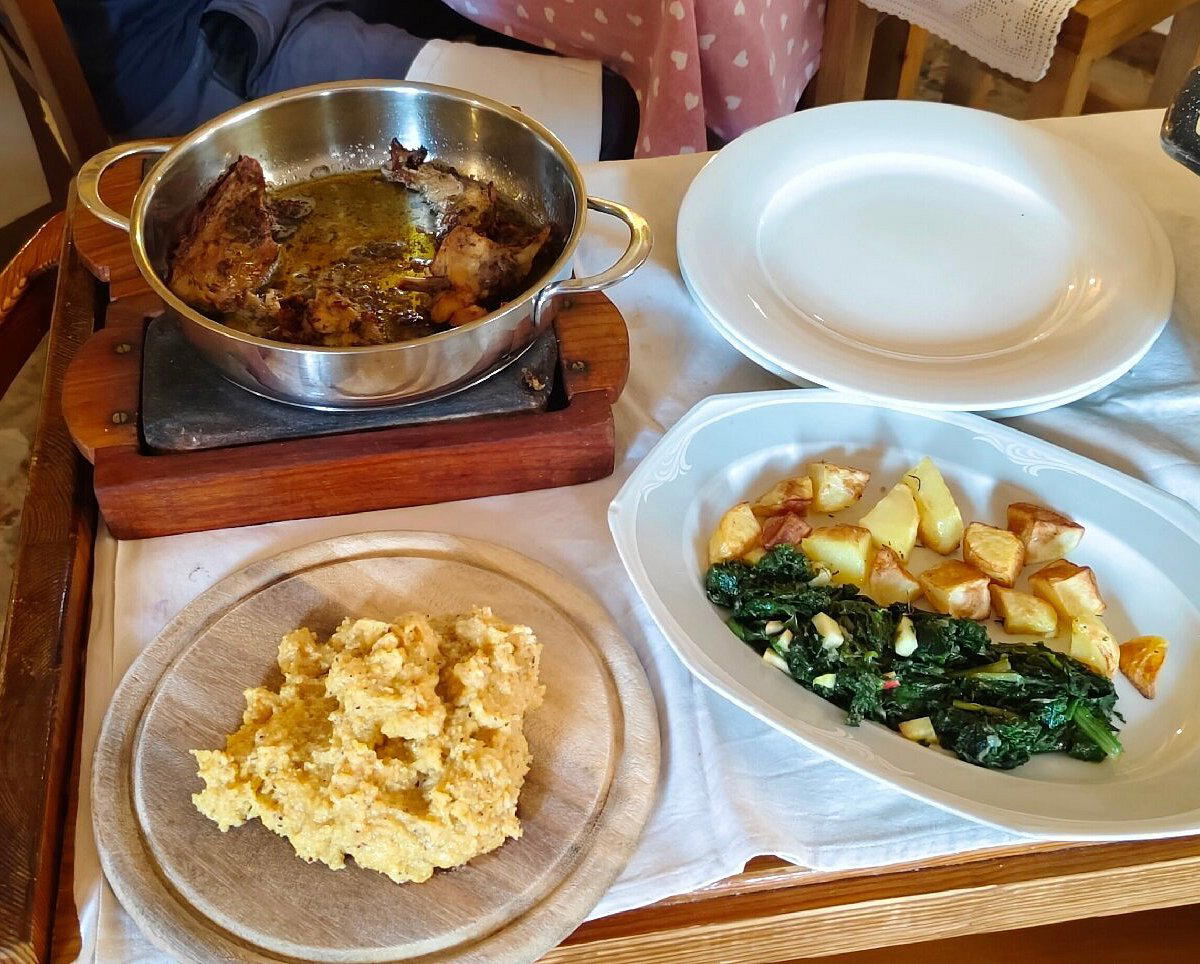
A Village Address in Friuli's Pre-Alpine Interior
The road into Meduno follows the Cellina river as it cuts through limestone ridges in the province of Pordenone, a corner of Friuli-Venezia Giulia that most itineraries skip entirely. The comune has fewer than 1,600 residents. Via Principale is exactly what the name suggests: the main street of a settlement where the surrounding terrain is the dominant fact of daily life. Arriving at La Stella, you are already inside the argument the kitchen makes before a plate arrives. In the pre-Alpine villages of this region, the relationship between a restaurant and its immediate geography tends to be structural rather than decorative, and that is a meaningful distinction from how ingredient sourcing gets framed at the starred urban tables further south and west.
Italy's most discussed fine-dining addresses sit in cities or well-trafficked towns. Osteria Francescana in Modena, Enoteca Pinchiorri in Florence, and Enrico Bartolini in Milan all operate within established gastronomic circuits where suppliers, critics, and clientele form a dense, self-reinforcing ecosystem. Meduno has none of that infrastructure. What it has instead is proximity to mountain pasture, chestnut woodland, and the kind of small-scale agricultural activity that disappeared from most of northern Italy's lowlands decades ago. A kitchen here sources differently not as a philosophy, but as a practical reality of where it is.
Friuli-Venezia Giulia and the Logic of the Interior Table
Friuli's coastal strip, anchored by Trieste and its Austro-Hungarian culinary memory, draws more editorial attention than the inland provinces. But the pre-Alpine zone running from the Tagliamento westward through Pordenone has its own distinct food culture: one shaped by altitude, by Carnic and Slavic influences filtering down from the mountains, and by an economy that remained agricultural longer than the Veneto plain to its south. San Daniele, the cured ham that competes with Parma on the global market, is produced less than an hour's drive from Meduno. The local forests produce mushrooms and chestnuts at volumes that support genuine seasonal cooking rather than token garnishes. The Cellina and Meduna valleys feed streams well-stocked enough to sustain freshwater traditions that rarely appear on menus outside the region.
This is the sourcing context that gives a village restaurant in this location its editorial logic. The conversation happening at Atelier Moessmer Norbert Niederkofler in Brunico, where Alpine ingredient philosophy has been taken to its most rigorous extreme, finds a quieter, less theorised parallel in Friuli's interior. The difference is that the Brunico model has been packaged for international consumption; Meduno has not.
Where La Stella Sits in the Regional Picture
Northeastern Italy's serious restaurant tier runs from Verona eastward and northward, with entries like Casa Perbellini 12 Apostoli in Verona and Le Calandre in Rubano representing the region's formal upper bracket. These are destination-dining operations with international booking pipelines, tasting-menu formats priced above €150, and kitchens staffed to compete on the Michelin circuit. La Stella, in a commune of this size, operates in a different register entirely. Village restaurants in the Pordenone interior function as community anchors first and dining destinations second, which affects everything from how the menu is structured to how reservations work.
The comparison worth making is not with starred urban tables but with the category of serious regional trattorie that Italy still produces in quantity: places like Dal Pescatore in Runate, which built a multi-decade reputation in an equally unlikely location through a single-minded focus on the cooking of a specific territory. That model proves that a rural address is not a handicap if the kitchen understands its sourcing radius and stays within it. Whether La Stella operates on that level of ambition or sits in a more modest local-restaurant tier is not determinable from available data, but the structural conditions for genuine regional cooking are present in Meduno in a way they are not in most Italian cities.
The Ingredient Geography of Valcellina
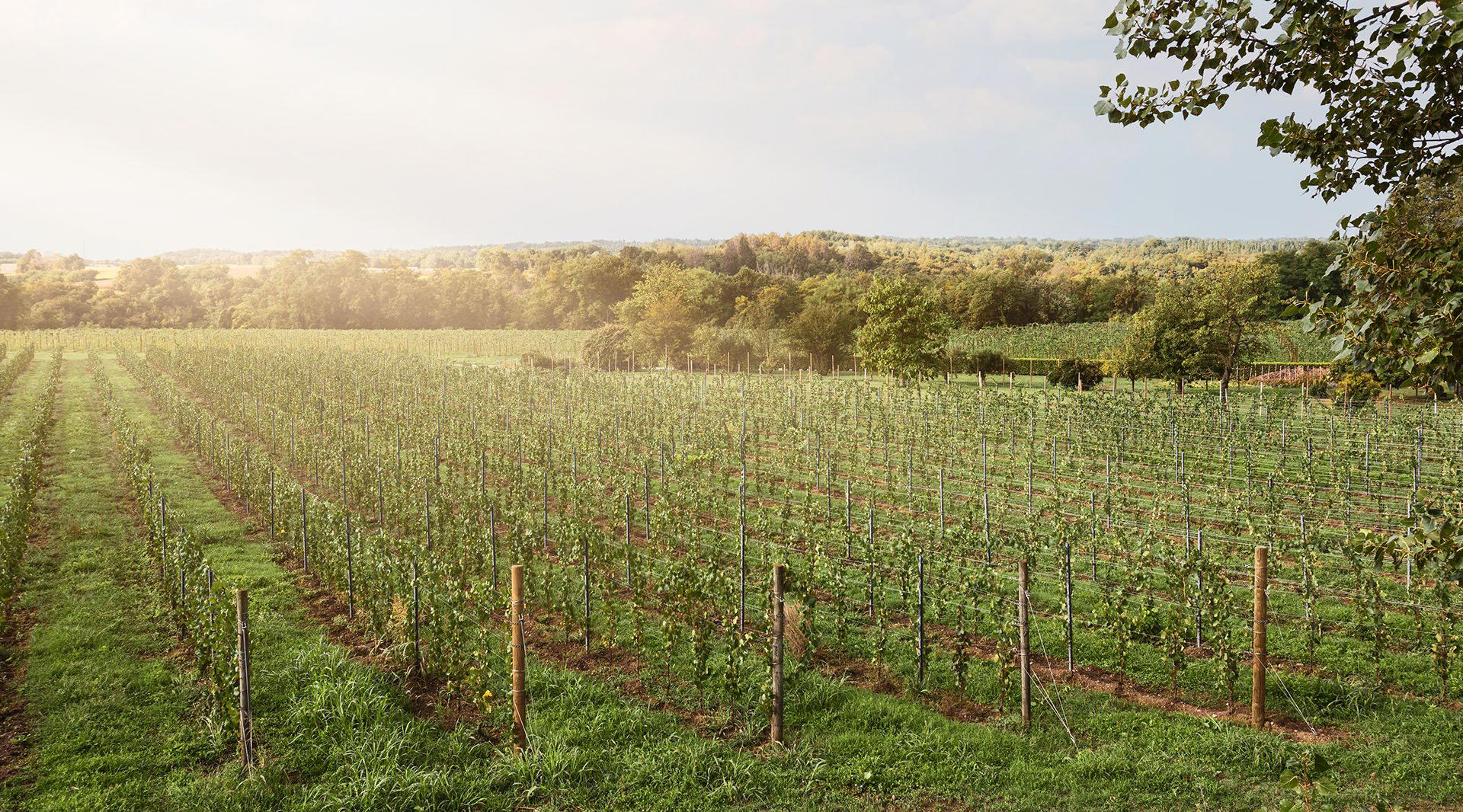
The Valcellina's food identity is built on a handful of products that reflect the valley's particular ecology. Alongside the San Daniele supply chain to the east, the local economy includes small-scale livestock on mountain pasture, herb and vegetable cultivation at the valley floor, and forest foraging that peaks between September and November. Friuli more broadly is one of Italy's most serious wine regions, with Collio and Colli Orientali producing white wines of real depth; the province of Pordenone has its own DOC designations that appear less frequently on international lists but sustain a lively local pairing culture. For a kitchen at this address, the cellar question is almost certainly answered locally before it looks outward.
Restaurants working this sourcing territory, when they do it with discipline, produce cooking that reads differently from the creative Italian format visible at Piazza Duomo in Alba or Reale in Castel di Sangro. The aesthetic there is transformation: raw material as departure point. The aesthetic in a Friulian mountain village tends toward recognition: the dish as an argument that the ingredient needed minimal interference. Those are genuinely different culinary traditions, and the Meduno setting suggests the restaurant belongs to the latter.
Planning a Visit
Meduno is approximately 35 kilometres north of Pordenone, accessible by car via the SP251 through the Valcellina. There is no rail connection to the comune itself; the nearest train service runs to Pordenone, from which the drive north takes around 40 minutes depending on conditions in the valley. Visitors covering this part of Friuli typically pair Meduno with the gorge at Forra del Cellina or with Montereale Valcellina, the larger comune to the south. Accommodation in the immediate area is limited, making Pordenone or Maniago the practical base. For anyone building an extended circuit of northeastern Italian tables, our full Meduno restaurants guide maps the broader dining picture in the area. Other reference points across the wider Italian restaurant landscape include Uliassi in Senigallia, Quattro Passi in Marina del Cantone, Da Vittorio in Brusaporto, Villa Crespi in Orta San Giulio, La Pergola in Rome, and Gambero Rosso in Marina di Gioiosa Ionica. For international reference at the upper end of the seafood and creative spectrum, Le Bernardin in New York City and Atomix in New York City represent the benchmark against which serious tasting-format kitchens are currently measured.
In Context: Similar Options
Comparable venues nearby, for context on price, style, and recognition.
| Venue | Cuisine | Price | Notes |
|---|---|---|---|
| La StellaThis venue — the venue you are viewing | Traditional Friulian Trattoria | $$ | Not listed |
| Venchi Cioccogelateria | Italian Chocolate Gelateria | $$ | San Marco |
| Ca' Landello | Modern Venetian Trattoria | $$ | Noventa di Piave |
| Ristoro Golf Caorle | Italian Pizzeria and Grill | $$ | Duna Verde |
| Da Ovidio | Traditional Italian Seafood | $$ | historical center |
| Trattoria alla Maddalena | Traditional Venetian Seafood Trattoria | $$ | Mazzorbo |
Continue exploring
More in Meduno
Restaurants in Meduno
Browse all →
Bars in Meduno
Browse all →
Hotels in Meduno
Browse all →
At a Glance
- Rustic
- Cozy
- Classic
- Family
- Casual Hangout
- Standalone
- Local Sourcing
Current opening hours
- Monday
- Closed
- Tuesday
- Closed
- Wednesday
- Closed
- Thursday
- Closed
- Friday
- 7:30–10 PM
- Saturday
- 7:30–10 PM
- Sunday
- 12:30–2 PM
Hours can change for holidays and private events. Last verified .
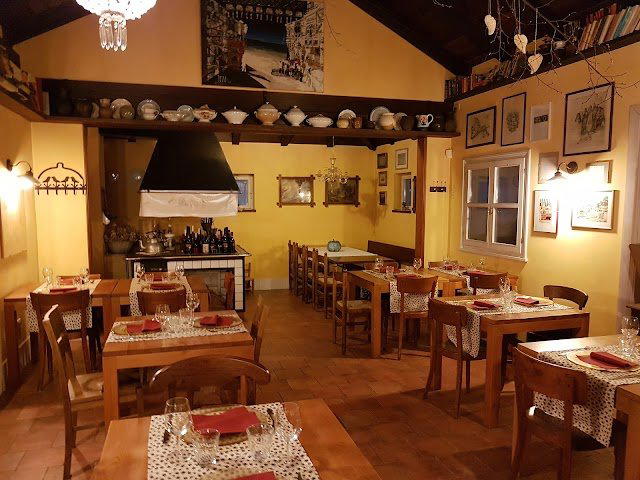
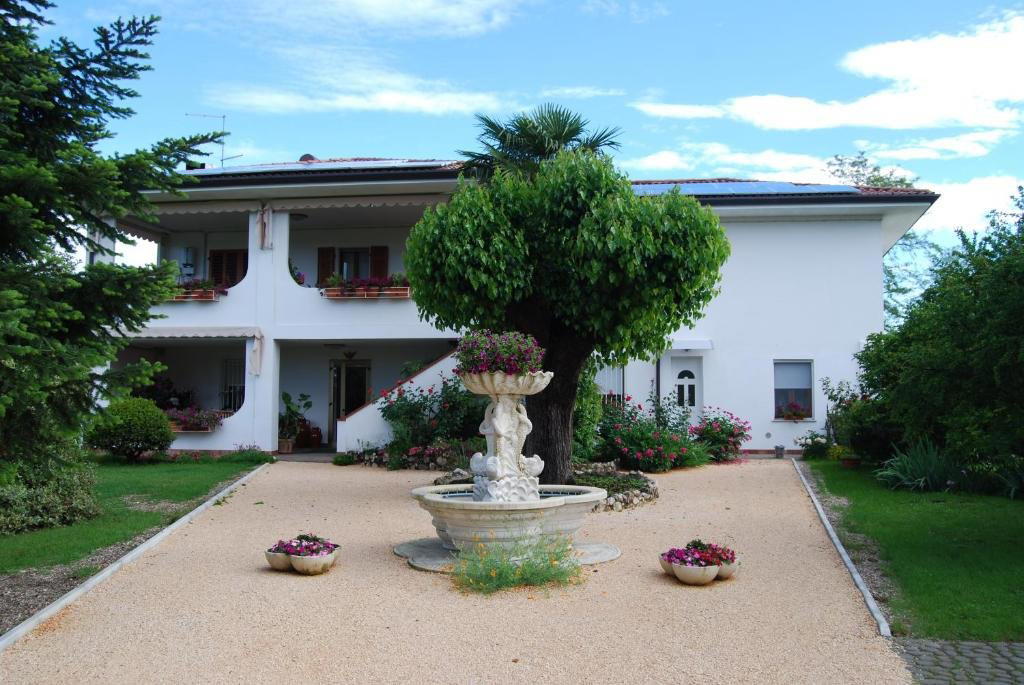
Rustic and inviting atmosphere with warm hospitality in a charming village setting.