
La R'mize sits on the old village street in Les Gets, cooking the kind of traditional French cuisine that makes a Michelin Plate feel like confirmation rather than surprise. Two consecutive Plate recognitions (2024 and 2025). At a €€ price point, it is one of the more considered options in a resort town where value can be elusive.
Pearl is the En Primeur Club membership app — saves, bookings, and concierge access live there. Same editors, same standards.
- Address
- 160 Rue du Vieux Village, 74260 Les Gets, France
- Phone
- +33 4 50 79 75 57
- Website
- larmize.fr
- Directions
- Get directions
 Saves & bookings on Pearl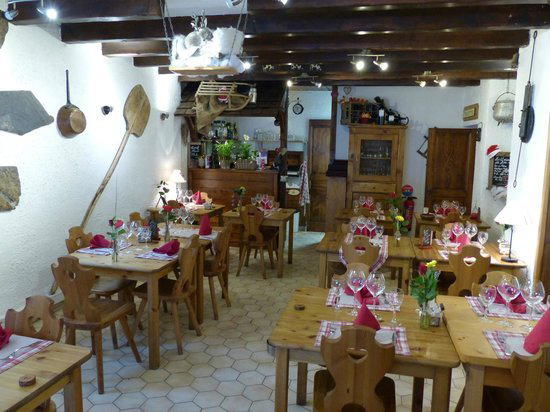
Old Village, Unhurried Cooking
Les Gets is a Portes du Soleil resort that operates on two speeds: the high-energy rhythm of the ski season and a quieter, more local character that surfaces once the lifts close. The Rue du Vieux Village belongs to the second version. The old village quarter holds the stone-built, lower-profile architecture that existed before the resort economy arrived, and La R'mize sits along that street at number 160, in Les Gets, France, in a setting that reads more as mountain village than après-ski destination. Arriving here involves a deliberate step away from the central resort infrastructure, which is precisely the point. The physical context orients expectations before the menu arrives: this is a room shaped by the mountain tradition of feeding people well rather than by the performance demands of resort dining.
That distinction matters in a town where a significant portion of the restaurant offer is calibrated to tourists with limited return frequency. A kitchen on the old village route serves a slightly different audience, one more likely to include seasonal residents, repeat visitors, and locals from the surrounding valley. That mix tends to sharpen standards in ways that high-turnover resort dining does not, and La R'mize's consecutive Michelin Plate recognitions in 2024 and 2025 reflect a kitchen operating with that kind of accountability.
What the Michelin Plate Signals Here
In French restaurant criticism, the Michelin Plate sits below star level but above the background noise of unrecognised restaurants. It signals that inspectors found the cooking competent, consistent, and worth directing readers toward, even if it does not reach the technical ambition that stars require. Two consecutive years of recognition, in 2024 and 2025, confirms that the kitchen at La R'mize is not a one-cycle anomaly. This is a sustained performance at a defined level.
The broader Michelin geography in the French Alps puts this in useful relief. Emmanuel Renaut holds three Michelin stars at Flocons de Sel in Megève, about 45 kilometres east, where the cooking operates in an entirely different register of technical ambition and price. The Plate recognition at the restaurant is a different category of endorsement, one that values cooking that is grounded and appropriate to its setting rather than cooking that performs for inspectors. The distinction between Plate-level traditional cooking and the star-chasing contemporaries visible at Mirazur in Menton or Alléno Paris au Pavillon Ledoyen is a matter of intent, not failure.
The Logic of Traditional Cuisine in the Alps
Traditional cuisine as a category in Michelin's classification means cooking that draws from regional French culinary inheritance rather than from international techniques or contemporary fusion frameworks. In the Alpine context, that tradition runs deep: the Haute-Savoie and the Chablais region that surrounds Les Gets have a specific larder defined by altitude, pastoral farming, and proximity to both Swiss and Italian cooking influences. Reblochon, tomme, and the cheeses produced from the Abondance cattle herds that graze the high pastures are raw materials with genuine terroir. Cured meats, freshwater fish from the alpine lakes, and the root vegetables and mushrooms of the forested valleys all feed a regional culinary vocabulary that predates the ski resort by centuries.
Kitchens that work within that tradition at the Plate level are anchored in sourcing rather than spectacle. The cooking that earns this kind of recognition tends to treat regional ingredients as the point rather than as a backdrop for technical showmanship. In that sense, the restaurant operates in a lineage shared with other traditional French houses that Michelin has continued to recognise: Auberge Grand'Maison in Mûr-de-Bretagne in Brittany maintains Plate recognition for the same kind of regionally grounded cooking, and Auberge du Vieux Puits in Fontjoncouse demonstrates what sustained commitment to a local culinary identity can produce across decades. The tradition has deep roots across France, from Auberge de l'Ill in Illhaeusern to the foundational work of Paul Bocuse at L'Auberge du Pont de Collonges.
The ingredient-sourcing logic of Alpine traditional cuisine also shapes the seasonal rhythm. The valley's high pastures are productive in summer and autumn, and the preserved and cured products of that harvest carry through the winter ski season. A kitchen operating in this register should reflect those rhythms rather than ignore them with a year-round menu of imported produce. The credibility of traditional cuisine classification rests partly on that seasonal honesty.
Value Position in a Resort Market
At a €€ price point, the restaurant occupies a specific position in Les Gets where restaurant pricing tends to skew higher than comparable addresses in non-resort towns. The resort premium is real: operational costs, seasonal staffing, and captive-audience economics push menus upward. A Michelin-recognised kitchen at the €€ level represents genuine value within that context, particularly for visitors staying multiple nights who want to eat well without committing to €€€ or €€€€ spend each evening.
The volume of reviews in a resort town also matters; a score at that level with that many inputs suggests repeat visitors and local regulars, not just first-time tourists leaving polite assessments.
Planning a Visit
The restaurant is at 160 Rue du Vieux Village, in the old quarter rather than the central resort area, which means a short walk or drive from the main lifts. The address is accessible on foot from most accommodation in the village centre. Reservations are essential, especially during the ski season peak and school holiday periods. The €€ pricing makes it a practical choice for groups and families who want to eat at a recognised address without the cost commitment that stars require at comparably credentialed addresses elsewhere in the Alps.
At-a-Glance Comparison
Comparable venues nearby, for context on price, style, and recognition.
| Venue | Cuisine | Price | Awards | Notes |
|---|---|---|---|---|
| La R'mizeThis venue — the venue you are viewing | Traditional French Savoyard | $$$ | Michelin Plate | Not listed |
| Atmosphère | Traditional French & Savoyard Fine Dining | $$$ | Michelin Plate | Chamonix Centre |
| Fleur de Neige | Creative Savoyard Cuisine | $$$ | Michelin Plate | Châtel |
| Mazette! | French Bistro with Alsatian Influences | $$$ | Michelin Plate | Faubourg Sainte-Claire |
| Le Matafan | Alpine Fine Dining | $$$ | Michelin Plate | Chamonix Centre |
| Le Prieuré | Traditional Savoyard Bistro | $$$ | Michelin Plate | Village center |
Recognition history
Dated appearances from independent guides and award organizations, with the underlying list record or original source where available.
Michelin Plate
Michelin
Michelin Plate
Michelin
Michelin Plate
Michelin
Continue exploring
More in Les Gets
Restaurants in Les Gets
Browse all →
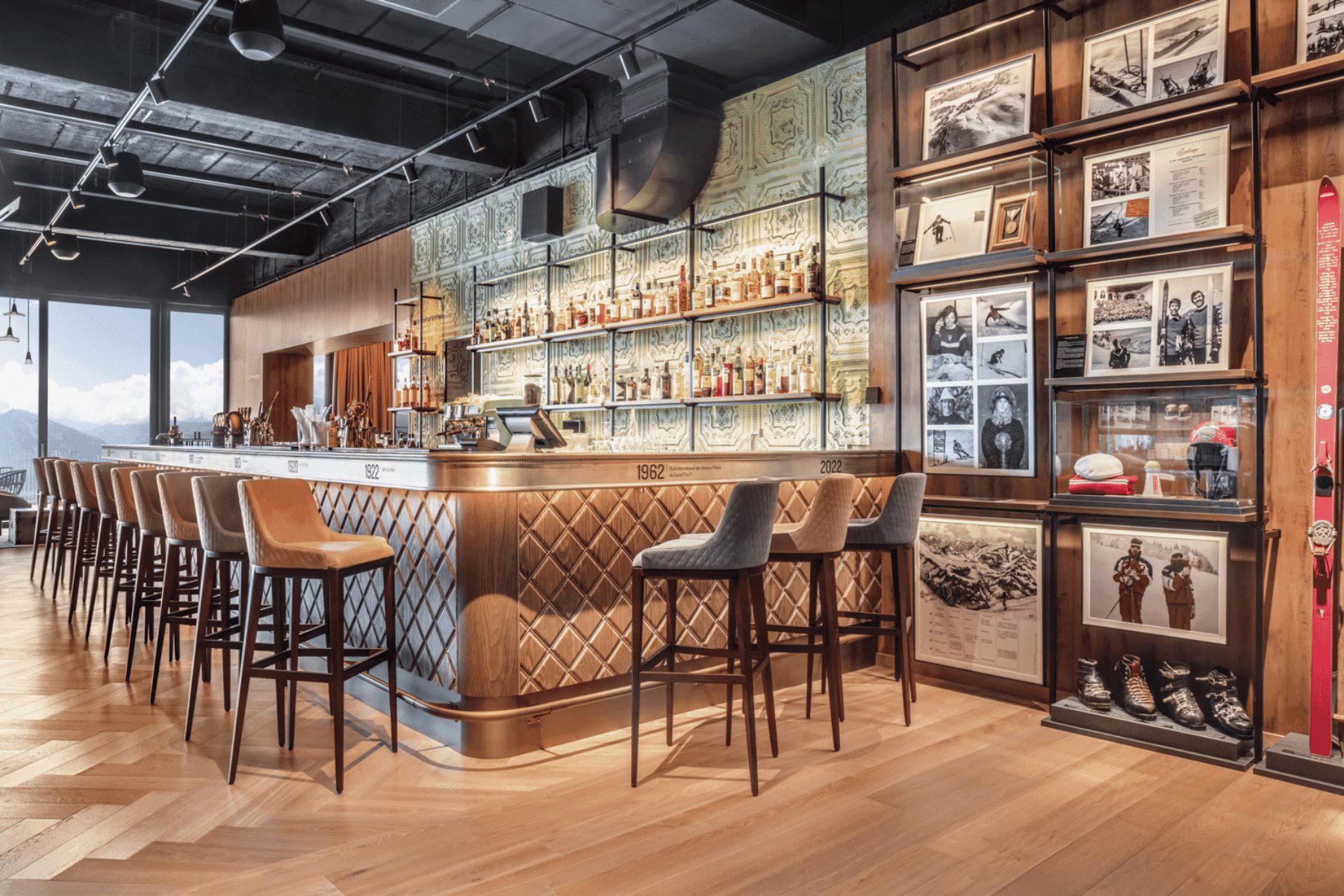
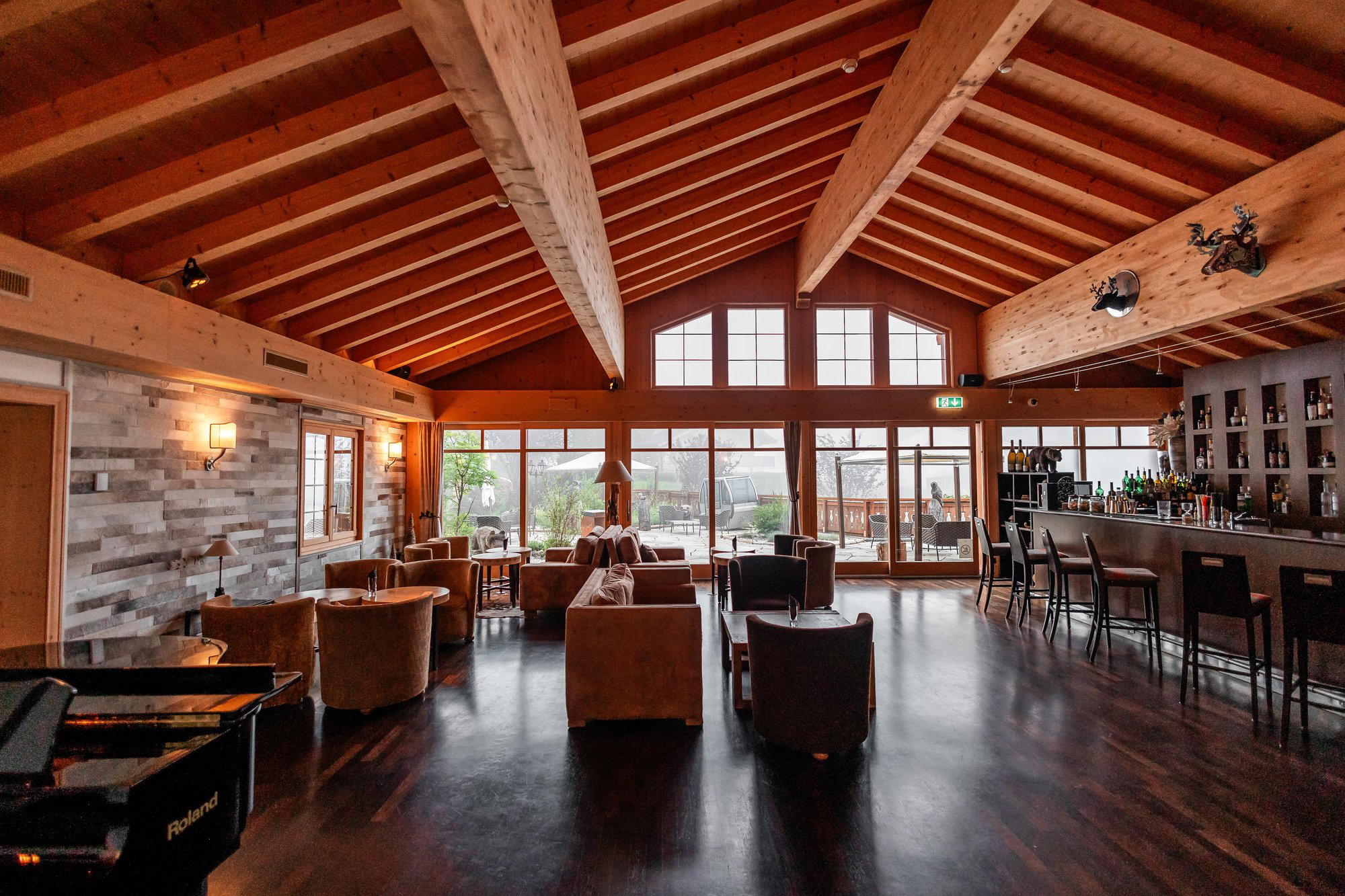
Bars in Les Gets
Browse all →
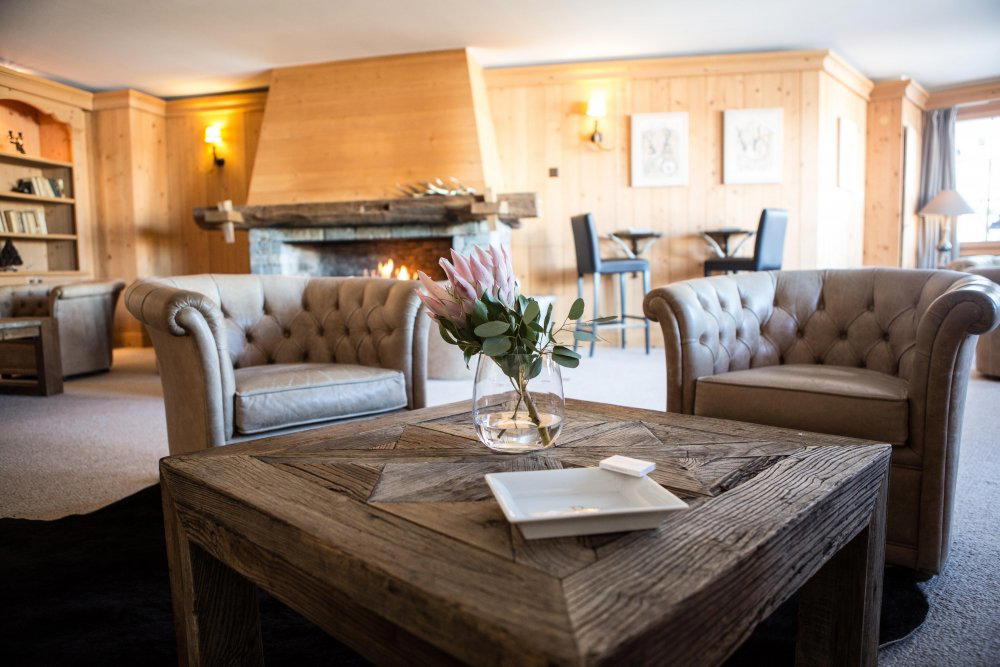
Hotels in Les Gets
Browse all →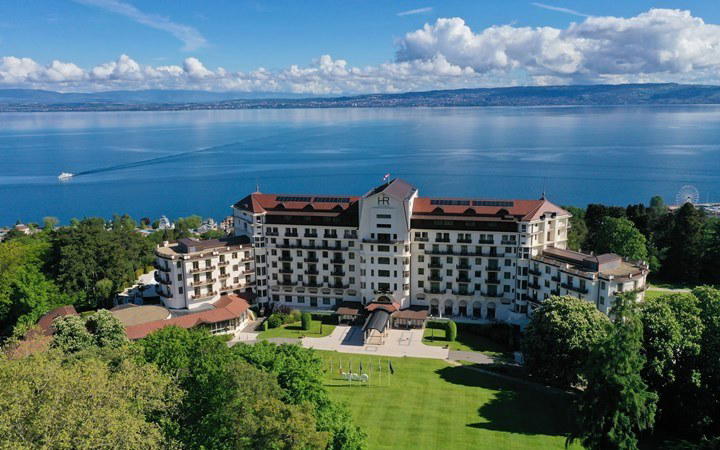

At a Glance
- Cozy
- Rustic
- Classic
- Intimate
- Date Night
- Family
- Special Occasion
- Historic Building
- Extensive Wine List
- Local Sourcing
Current opening hours
- Monday
- 12–2 PM, 7–9:30 PM
- Tuesday
- 12–2 PM, 7–9:30 PM
- Wednesday
- Closed
- Thursday
- 12–2 PM, 7–9:30 PM
- Friday
- 12–2 PM, 7–9:30 PM
- Saturday
- 12–2 PM, 7–9:30 PM
- Sunday
- 12–2 PM, 7–9:30 PM
Hours can change for holidays and private events. Last verified .
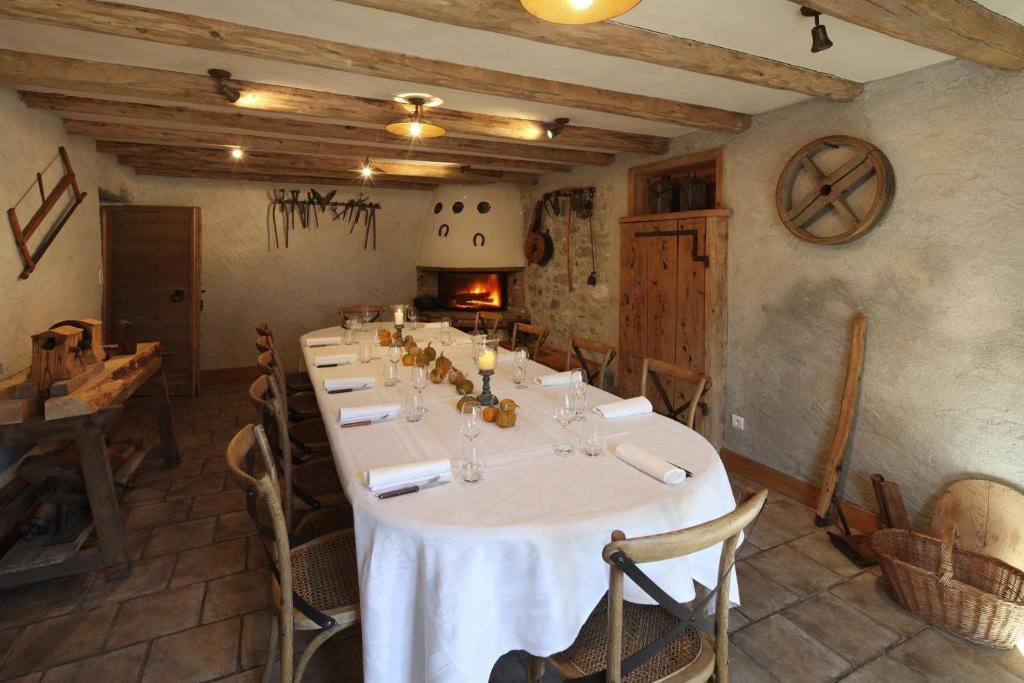
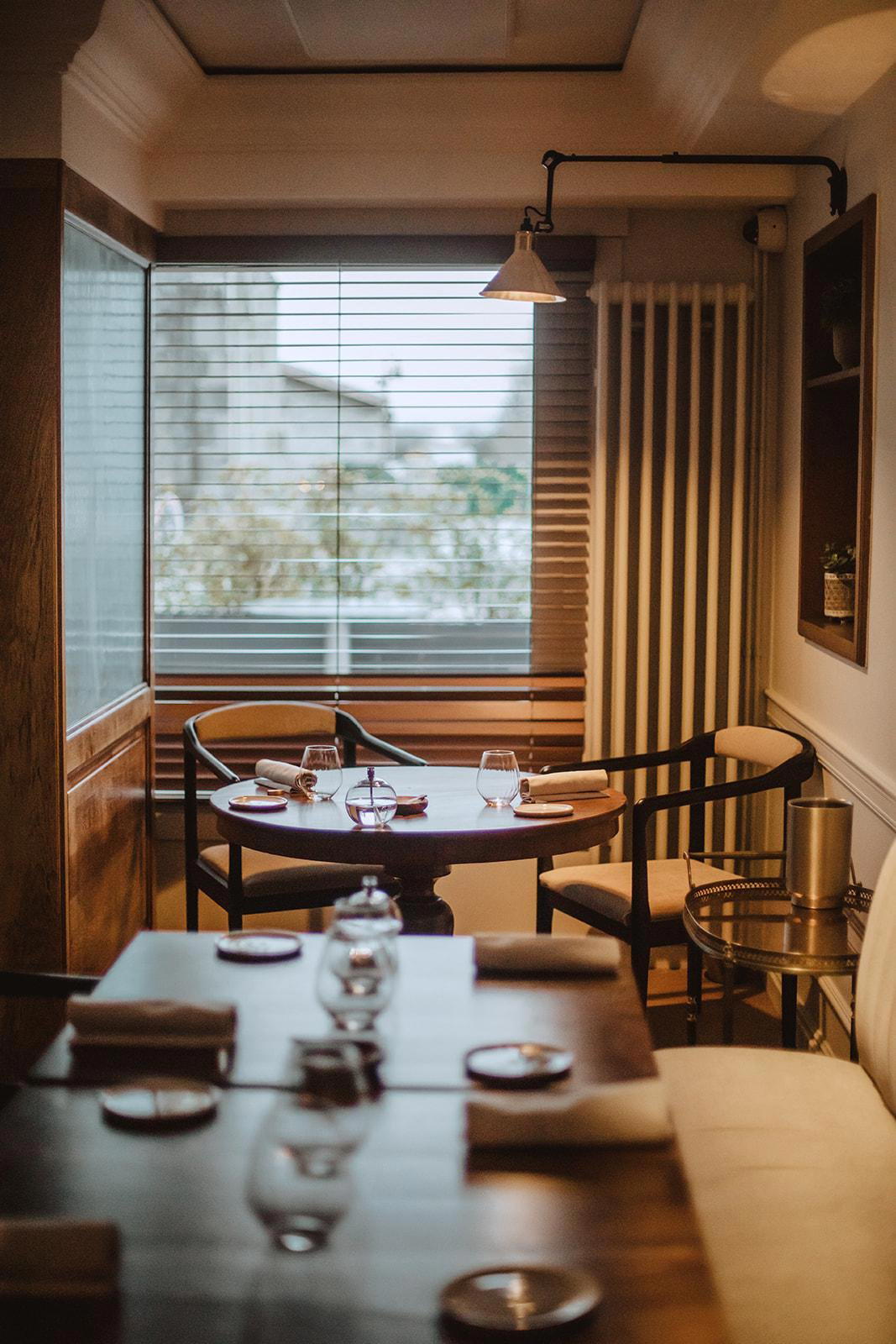
Warm, traditional Alpine decor with pine tables, cozy and welcoming atmosphere praised for its calm and pleasant feel.