Our verdict
On the quiet main square of Ragnies, a short drive from Thuin's medieval upper town, La Part des Anges occupies a corner of Wallonia that rewards those who seek out dining beyond the obvious. The name, the angel's share, borrowed from distilling, signals a sensibility rooted in patience, provenance, and the land around it. For the Charleroi-to-Couvin corridor, it functions as a regional reference point worth understanding before you book.

Pearl is the En Primeur Club membership app, where members save venues, book tables and use the concierge.
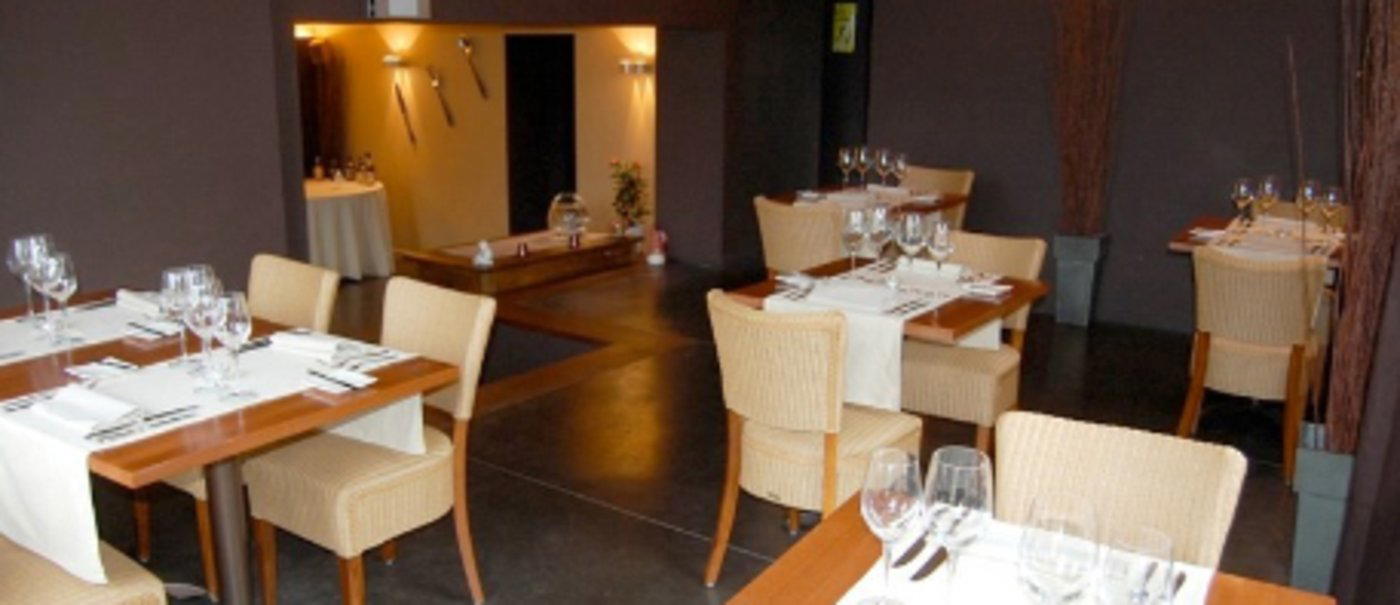
A Square in Ragnies, and What It Signals About Rural Wallonia's Dining Ambitions
Belgium's serious restaurant scene has long concentrated in its cities: Brussels drawing the grand-café tradition and contemporary tasting-menu formats, Antwerp anchoring Zilte and the Flemish fine-dining corridor, Roeselare giving Boury its stage. But a quieter pattern has been building in the country's Walloon interior for some years: kitchens far from the urban press, planted on village squares or along river roads, that define themselves almost entirely through what the surrounding land produces. La Part des Anges, addressed to the Place de Ragnies on the edge of Thuin, belongs to that pattern.
The name carries its own argument. In distilling, the angel's share is the portion of spirit lost to evaporation during barrel ageing, not waste, but sacrifice in the service of something better. As a framing device for a restaurant, it suggests the kitchen thinks in those terms: slow processes, patience, and an acceptance that the leading outcomes require giving something up. Whether that philosophy fully translates to the plate is the question every serious visit to a provincial table must eventually answer, but the intention is legible from the first encounter with the place.
Thuin itself is a town most travellers pass through rather than stop at, occupying a high spur above the Sambre river in the province of Hainaut. The upper town, enclosed by a circuit of hanging gardens that date to the seventeenth century, has a preserved civic character that the Belgian interior does exceptionally well. Ragnies sits just beyond the commune's core, quieter still. Arriving at the square, the atmosphere is one that rural French-speaking Belgium shares with parts of the Ardennes and the Famenne: stone buildings, unhurried pace, and the absence of the ambient noise that accompanies urban fine dining. That absence is, in this region, itself a kind of offer.
Where Ingredient Sourcing Defines the Room
In Belgian gastronomy, the sourcing argument has become a structuring principle for the tier of table that takes itself seriously. At the high end of the Flemish scene, kitchens like Willem Hiele in Oudenburg have made coastal provenance nearly the whole proposition. In Wallonia, the equivalent tendency pulls toward inland producers: the farms of the Gaume, the rivers of the Ourthe and Lesse, the soft-fruit and game country of the Ardennes. A kitchen in the Thuin area that names itself after the patient art of letting something age and transform is positioning within that sourcing-led tradition, whether explicitly or not.
The angel's share metaphor has practical implications for how ingredient-led kitchens in this part of Belgium operate. Menus here tend to move with the agricultural calendar in ways that urban kitchens, with broader supplier networks, can afford to sidestep. Game arrives when it arrives. Root vegetables dominate the colder months not as a stylistic choice but as the honest consequence of working with what the Hainaut countryside produces. Restaurants in the Walloon interior that commit to this model often develop tighter relationships with a smaller number of producers than their city counterparts, which produces both constraint and clarity in what reaches the table.
For comparison, the Walloon fine-dining tier also includes L'air du Temps in Liernu, where the kitchen's engagement with its kitchen garden has become central to how the restaurant defines itself nationally. At that level, the sourcing is documented and celebrated as part of a public identity. At a smaller regional table like La Part des Anges, the sourcing story tends to be quieter, expressed through what's on the plate rather than communicated through media positioning, which can make it harder to read from a distance but often more genuinely embedded in local supply chains.
The Broader Context: Wallonia's Village Tables and How to Read Them
Belgium's village-square restaurants occupy a distinct category in how serious dining is distributed across the country. They rarely appear on international ranking lists, which weight urban accessibility and PR infrastructure as much as kitchen quality. They attract a different kind of regular: local professionals, families marking occasions, the occasional travelling Belgian who knows the regional circuit well. At their weakest, village tables in this format drift toward a comfort-menu conservatism that serves the regular crowd but offers little to the curious visitor. At their strongest, they become the most honest expression of regional cooking available, places where the food reflects the actual countryside rather than an idea of it.
La Part des Anges sits in a province that has produced serious cooking ambitions before. Hainaut's dining identity has historically been anchored in hearty, land-derived cooking, the influence of the old industrial working culture is real, but it has also generated tables with genuine technical seriousness. The challenge for any kitchen in Thuin is that the city of Charleroi to the north, while not a dining destination, exerts a gravitational pull on where people eat, and Brussels is close enough that the most ambitious diners in the region will often drive to the capital. Retaining and developing a local audience against that pull requires a kitchen with a consistent point of view.
For visitors building a wider itinerary around the Walloon interior, La Part des Anges fits naturally alongside stops like La Table de Maxime in Our or d'Eugénie à Emilie in Baudour, kitchens that operate in smaller towns with ambitions calibrated to their communities rather than to international recognition. For Flemish points of comparison at a higher recognition tier, Hof van Cleve in Kruishoutem, De Jonkman in Sint-Kruis, and Castor in Beveren illustrate what the country's most accomplished village-adjacent kitchens can achieve. See our full Thuin restaurants guide for additional context on the local scene.
At the city level, Bozar Restaurant in Brussels and Le Chalet de la Forêt in Uccle represent what the Belgian fine-dining establishment looks like at full institutional weight. La Part des Anges is not competing in that register, nor should it be. Its reference set is the careful provincial table that delivers seasonal coherence and a sense of place, criteria by which it merits consideration from anyone spending time in the Thuin corridor. Other regional kitchens worth holding in mind for comparison include Bagù, which represents the seasonal-cuisine direction locally, and Bartholomeus in Heist for a coastal-provenance angle that parallels what Walloon kitchens do with inland produce.
Planning a Visit
La Part des Anges is located at Place de Ragnies 6, 6532 Thuin, in the municipality of Ragnies on the south side of the Thuin commune. The address is most comfortably reached by car; Thuin is approximately 60 kilometres south of Brussels via the E19 and A54 and around 20 kilometres south of Charleroi. Train connections to Thuin exist from Charleroi-Sud, though the journey to Ragnies from the station requires onward transport. For travellers combining this visit with a wider Belgium dining itinerary, Maison Colette in Tongerlo or La Durée in Izegem offer comparable regional-table experiences in Flanders that can anchor a multi-day circuit.
Frequently asked questions
Would La Part des Anges be comfortable with kids?
La Part des Anges sits on a village square in Ragnies, on the south side of the Thuin commune, a setting that tends toward a quieter, adult-oriented dining rhythm rather than a family-casual atmosphere. Parents travelling with young children should check the venue's official channels to confirm fit before booking.
Is La Part des Anges better for a quiet night or a lively one?
Given its address at Place de Ragnies 6 in the municipality of Ragnies, a village square setting rather than an urban dining strip, La Part des Anges reads as a destination for a considered, unhurried evening rather than a high-energy one. Village-square restaurants in Wallonia generally draw a local and regional crowd that values the table over the scene. Expect a composed atmosphere rather than a bustling room.
Is La Part des Anges worth travelling to from Brussels or Charleroi specifically for dinner?
La Part des Anges occupies a category of Wallonian village restaurant that rarely surfaces on international lists, which is precisely why it draws the attention of travellers already in the Hainaut region rather than those building a trip around it. The address at Place de Ragnies 6, Thuin puts it within range of Charleroi as a day or evening excursion. Without confirmed awards or a documented tasting format, the case for a dedicated long-distance trip depends on what the restaurant's current programme offers, which warrants direct enquiry before committing to the journey.
What dish is La Part des Anges famous for?
What the placement in Ragnies does signal is alignment with the Belgian tradition of ingredient-led cooking, where the sourcing argument, local producers, seasonal rhythm, tends to drive menus at this tier of village table. For current menu details, reaching the restaurant directly is the most reliable approach.
At-a-Glance Comparison
Comparable venues nearby, for context on price, style, and recognition.
| Venue | Cuisine | Price | Awards | Notes |
|---|---|---|---|---|
| La Part des AngesThis venue (the venue you are viewing) | Modern French-Belgian | Not listed | Not listed | Not listed |
| Bagù | Seasonal French Bistronomic | $30–50 | Michelin Bib Gourmand | Thuin |
| La Table de Mus | Modern French Fine Dining | $100–150 | Not listed | Pl. de Brouckere |
| 't Parksken | French-Belgian Gastronomic | $50–100 | Not listed | Balegem |
| La Pierre Bleue | Belgian-French Gourmet Cuisine | $50–100 | Not listed | Pl. de Brouckere |
| En Face de L'Ile | Locavore French-Belgian | Not listed | Not listed | Les Sorbiers |
Continue exploring
More in Thuin
Restaurants in Thuin
All restaurants in Thuin →
Hotels in Thuin
Browse all →
Wineries in Thuin
Browse all →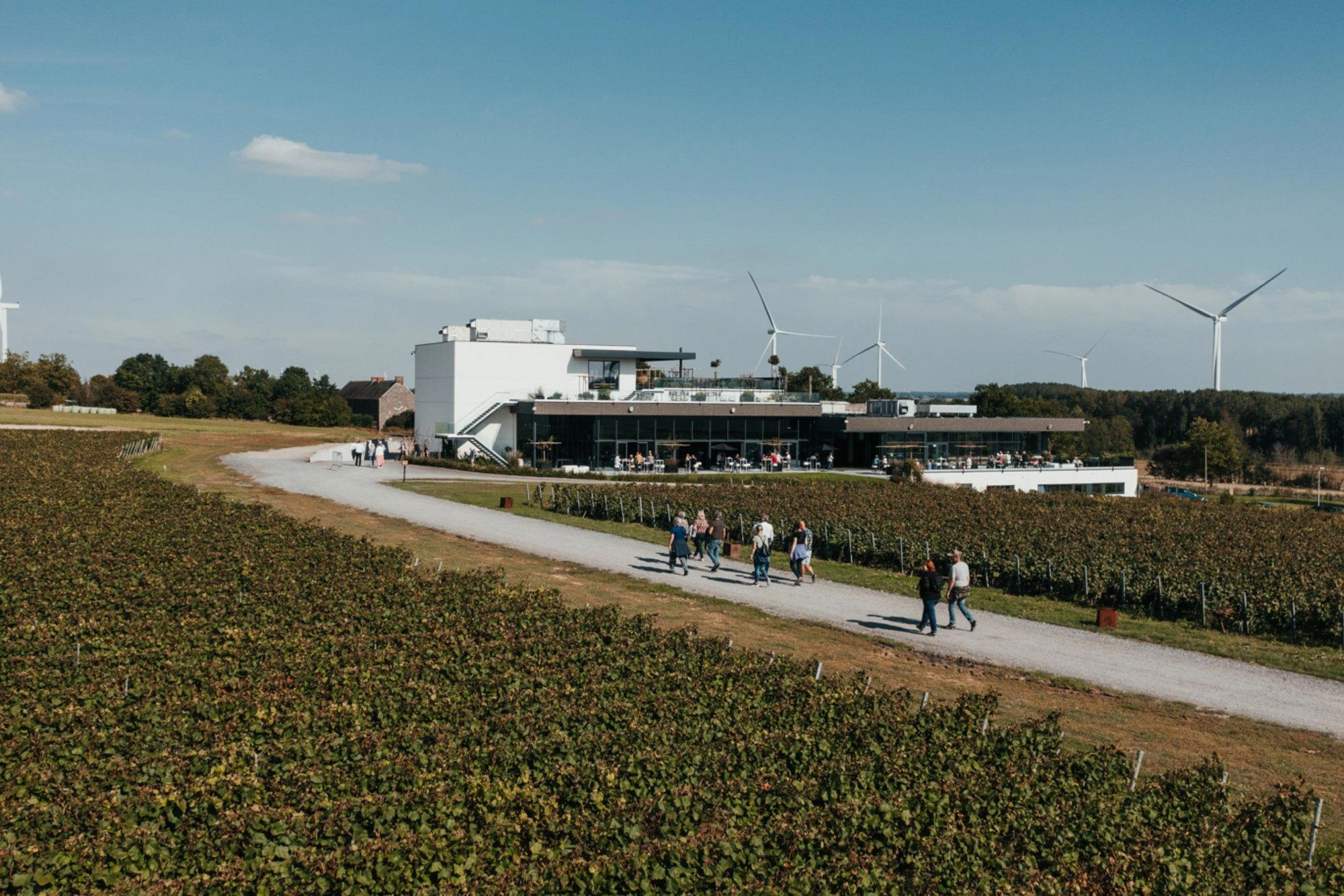
Details
- Cozy
- Elegant
- Intimate
- Rustic
- Sophisticated
- Date Night
- Special Occasion
- Standalone
- Sommelier Led
- Local Sourcing
- A La Carte
Current opening hours
- Monday
- Closed
- Tuesday
- Closed
- Wednesday
- Closed
- Thursday
- 7–9 PM
- Friday
- 12–1:30 PM, 7–9 PM
- Saturday
- 7–9 PM
- Sunday
- Closed
Hours can change for holidays and private events. Hours as of .
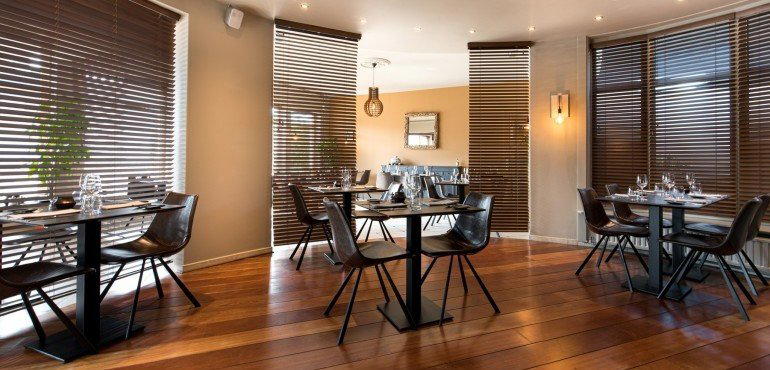
Warm welcoming atmosphere with rustic yet elegant contemporary decor blending nature and modern chic.