Our verdict
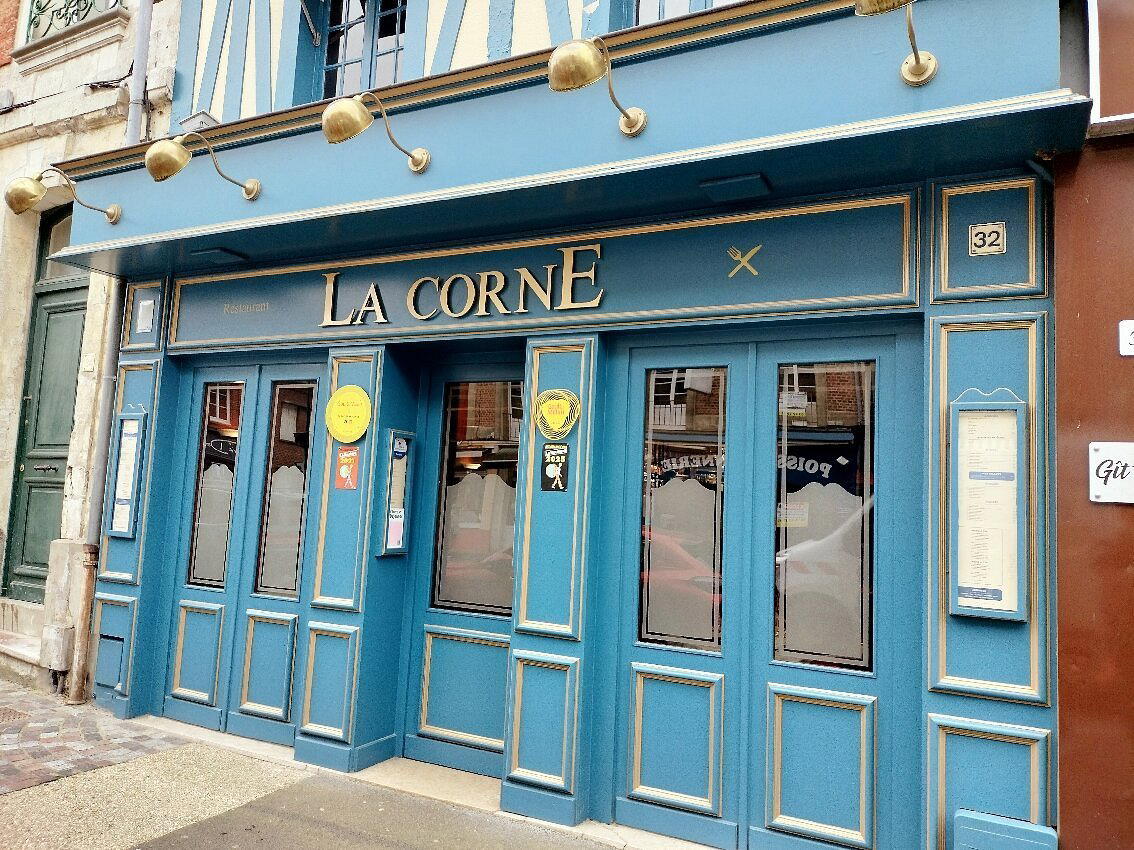
La Corne sits on the Chaussée du Bois in Abbeville, a Somme market town where northern French cooking traditions run deep. The restaurant operates within a regional dining culture shaped by coastal proximity and agricultural hinterland, placing it in a category of French provincial restaurants where ingredient provenance and local sourcing carry more weight than metropolitan spectacle.

Pearl is the En Primeur Club membership app, where members save venues, book tables and use the concierge.
Abbeville and the Northern French Table
The Somme department rarely appears in the same conversation as France's marquee dining destinations. The region sits at the intersection of Picardy's agricultural plains and the Channel coast, a geography that has historically supplied both Paris and Flanders with produce, fish, and dairy. What that means at the table is a cuisine defined less by technique for its own sake and more by the quality and proximity of raw material. Coastal Normandy gets the press; the Somme tends to feed quietly and well.
La Corne is located at 32 Chaussée du Bois, on the western approach to Abbeville's historic centre, in a part of town that sits between the Somme river corridor and the market infrastructure of a working French provincial city. In northern France, restaurants at this address type, off the tourist circuit, embedded in local rhythm, tend to serve a clientele with clear expectations about seasonal product and honest cooking. The theatrical formats that animate Alléno Paris au Pavillon Ledoyen or the alpine-ingredient intensity of Flocons de Sel in Megève are not the reference points here. The reference point is the market stall and the farm gate.
What the Somme Puts on the Plate
Understanding La Corne requires understanding what this corner of northern France produces. The Baie de Somme estuary, roughly 25 kilometres to the west, generates some of the most distinctively flavoured lamb in France, pré-salé, salt-marsh raised, a product with genuine appellation weight and a flavour profile that no inland breeding environment replicates. The region's river system feeds a culture of freshwater fish cooking, including pike, perch, and eel preparations that have disappeared from most urban French menus. Market gardens around the Somme valley supply leeks, endive, and root vegetables with the kind of textural density that shorter growing seasons and heavier soils produce.
This ingredient context matters because provincial French cooking at its most coherent is sourcing-first by default, not by marketing language. The grands maisons, Mirazur in Menton, Bras in Laguiole, Auberge de l'Ill in Illhaeusern, built their reputations partly on articulating what their specific territories produce. Smaller regional restaurants like La Corne operate within that same logic, without the recognition infrastructure. The question worth asking of any Somme restaurant is whether the menu reflects what the estuary, the plain, and the market actually make available, or whether it defaults to a generic French brasserie template that could exist anywhere.
The Setting at La Corne
The Chaussée du Bois address places La Corne in a part of Abbeville that has a working neighbourhood character rather than a destination-dining atmosphere. In northern French provincial cities, this distinction usually tracks directly onto the cooking: restaurants embedded in residential and commercial streets tend to price for a local repeat clientele, which in practice means portions calibrated to appetite rather than aesthetics, and menus that change with availability rather than holding a fixed seasonal identity for branding purposes. The physical environment is likely to reflect that register, functional rather than designed, practical rather than theatrical.
That atmosphere has its own appeal for a particular kind of traveller. The self-conscious seriousness of a room like Assiette Champenoise in Reims or the historic dining room weight of Paul Bocuse - L'Auberge du Pont de Collonges demands a certain kind of engagement. A neighbourhood restaurant in Abbeville asks for something different: the willingness to sit where locals sit, order what is available, and judge the experience by whether the cooking reflects the territory rather than whether it performs a version of French gastronomy for an external audience.
Where La Corne Sits in Abbeville's Dining Pattern
Abbeville's restaurant offer is compact. The town of roughly 24,000 supports a dining culture shaped by daily market trade, proximity to agricultural suppliers, and a tradition of Sunday-lunch eating that still functions as a social institution in small northern French cities. In that context, restaurants serve a function that city dining has largely surrendered: feeding people who know the produce calendar, expect a plat du jour that actually reflects what came in that morning, and hold a long memory for whether a kitchen maintains consistency across seasons.
La Corne occupies a segment of that market. For readers building a picture of Abbeville's full dining range, our full Abbeville restaurants guide maps the broader options, including Crustum, which covers a different format within the city's restaurant mix. The comparison across those entries illustrates how Abbeville's dining splits between its market-cooking tradition and newer formats.
The wider French provincial dining conversation, places like Georges Blanc in Vonnas, L'Oustau de Baumanière in Les Baux, or Auberge du Vieux Puits in Fontjoncouse, demonstrates how deeply a restaurant can embed in its regional identity when it commits to the sourcing logic of its specific territory. Abbeville is not Laguiole or Menton, but the underlying principle scales down to any French market town with access to distinctive local product. The Somme has that product. The question La Corne answers, for those who make the trip, is how consistently the kitchen uses it.
Planning a Visit to La Corne
Abbeville sits on the A16 autoroute between Calais and Paris, making it a natural midpoint for travellers coming from the Channel crossings rather than a destination requiring dedicated travel logic. The town is also served by TGV connections on the Paris-Boulogne line, with journey times from Paris Gare du Nord in the range of 90 minutes. For international travellers working through France's northern restaurant circuit, whether that journey eventually ends at a three-star table like Troisgros - Le Bois sans Feuilles in Ouches or at a coastal-focused kitchen like Christopher Coutanceau in La Rochelle, Abbeville is a viable stopover with genuine provincial French cooking credentials. Specific hours, pricing, and booking details for La Corne are not currently listed; contacting the restaurant directly at the Chaussée du Bois address is the practical approach for current availability.
Frequently asked questions
Is La Corne child-friendly?
La Corne sits on Chaussée du Bois in a working neighbourhood rather than a formal destination-dining district, which generally signals a more relaxed dining culture than Abbeville's dressier establishments. If travelling with young children, calling ahead is advisable before any sit-down meal in a town of Abbeville's scale.
What's the overall feel of La Corne?
The Chaussée du Bois address puts La Corne in a part of Abbeville with an everyday neighbourhood character, this is not a room dressed for occasion dining. In a town of roughly 24,000 where the restaurant offer is compact and shaped by daily market trade, places like La Corne tend to serve a regular local clientele rather than a tourist circuit. Expect a functional, unpretentious setting closer to a French maison de quartier than a polished brasserie.
Is La Corne a good dining stop on the A16 between Calais and Paris?
Abbeville sits directly on the A16 autoroute corridor linking Calais to Paris, making it a practical midpoint for travellers arriving from Channel crossings rather than a detour destination. La Corne's address on Chaussée du Bois places it within the town itself rather than on a motorway service strip. For anyone breaking a cross-Channel drive with a proper sit-down meal, Abbeville's compact dining offer means La Corne belongs to a short list of options worth considering in the town centre.
What's the best thing to order at La Corne?
Given Abbeville's position within the Somme, kitchens in the area draw on estuary shellfish from the Baie de Somme roughly 25 kilometres to the west, alongside local duck, lamb prés-salés, and seasonal market produce. Asking the room what arrived that morning is the most reliable strategy at any table working with this regional larder.
Quick Comparison
Comparable venues nearby, for context on price, style, and recognition.
| Venue | Cuisine | Price | Awards | Notes |
|---|---|---|---|---|
| La CorneThis venue (the venue you are viewing) | Traditional French Bistro | $20–30 | Not listed | Not listed |
| Crustum | Modern French Bistronomy | $50–100 | Michelin Plate | place Jacques-Becq |
| RIVE | Modern French Bistro | $30–50 | Not listed | Houlle |
| A Taaable | Traditional French Bistro | Not listed | Not listed | Cathédrale |
| L'O à la Bouche | French Traditional Bistro | $30–50 | Not listed | centre-ville |
| Brasserie Paul | Traditional French Brasserie | $30–50 | Not listed | historic center |
Continue exploring
More in Abbeville
Restaurants in Abbeville
All restaurants in Abbeville →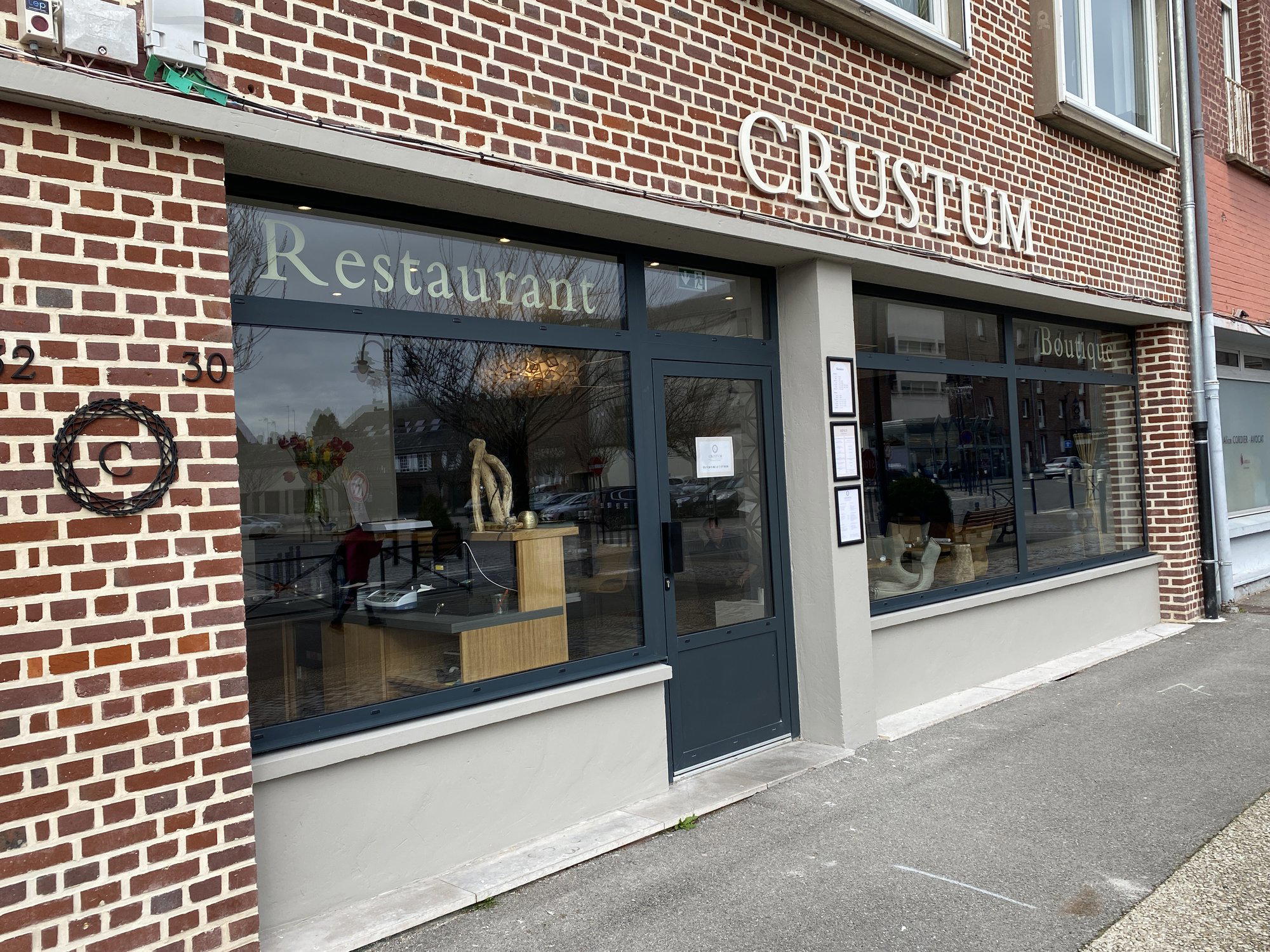
Hotels in Abbeville
Browse all →
Wineries in Abbeville
Browse all →
Details
- Cozy
- Classic
- Intimate
- Date Night
- Family
- Standalone
- Extensive Wine List
- Local Sourcing
- A La Carte
- Vegetarian Friendly
Current opening hours
- Monday
- 12–2 PM, 7–9:30 PM
- Tuesday
- 12–2 PM, 7–9:30 PM
- Wednesday
- 12–2 PM
- Thursday
- 12–2 PM, 7–9:30 PM
- Friday
- 12–2 PM, 7–9:30 PM
- Saturday
- 7–9:30 PM
- Sunday
- Closed
Hours can change for holidays and private events. Hours as of .
Traditionally French decor with a cozy, welcoming atmosphere and friendly service.