La Cocina de Luz
La Cocina de Luz sits on Colorado Avenue in the heart of Telluride, bringing Mexican-rooted cooking to one of Colorado's most remote mountain towns. The kitchen draws on the cultural traditions of Mexican cuisine in a dining environment shaped by the surrounding San Juan Mountains. For Telluride's compact restaurant circuit, it occupies a distinct position in a scene otherwise dominated by steakhouses and American fare.
Pearl is the En Primeur Club membership app — saves, bookings, and concierge access live there. Same editors, same standards.
- Address
- 123 E Colorado Ave, Telluride, CO 81435
- Phone
- +19707289355
- Website
- lacocinadeluz.shop
- Directions
- Get directions
 Saves & bookings on Pearl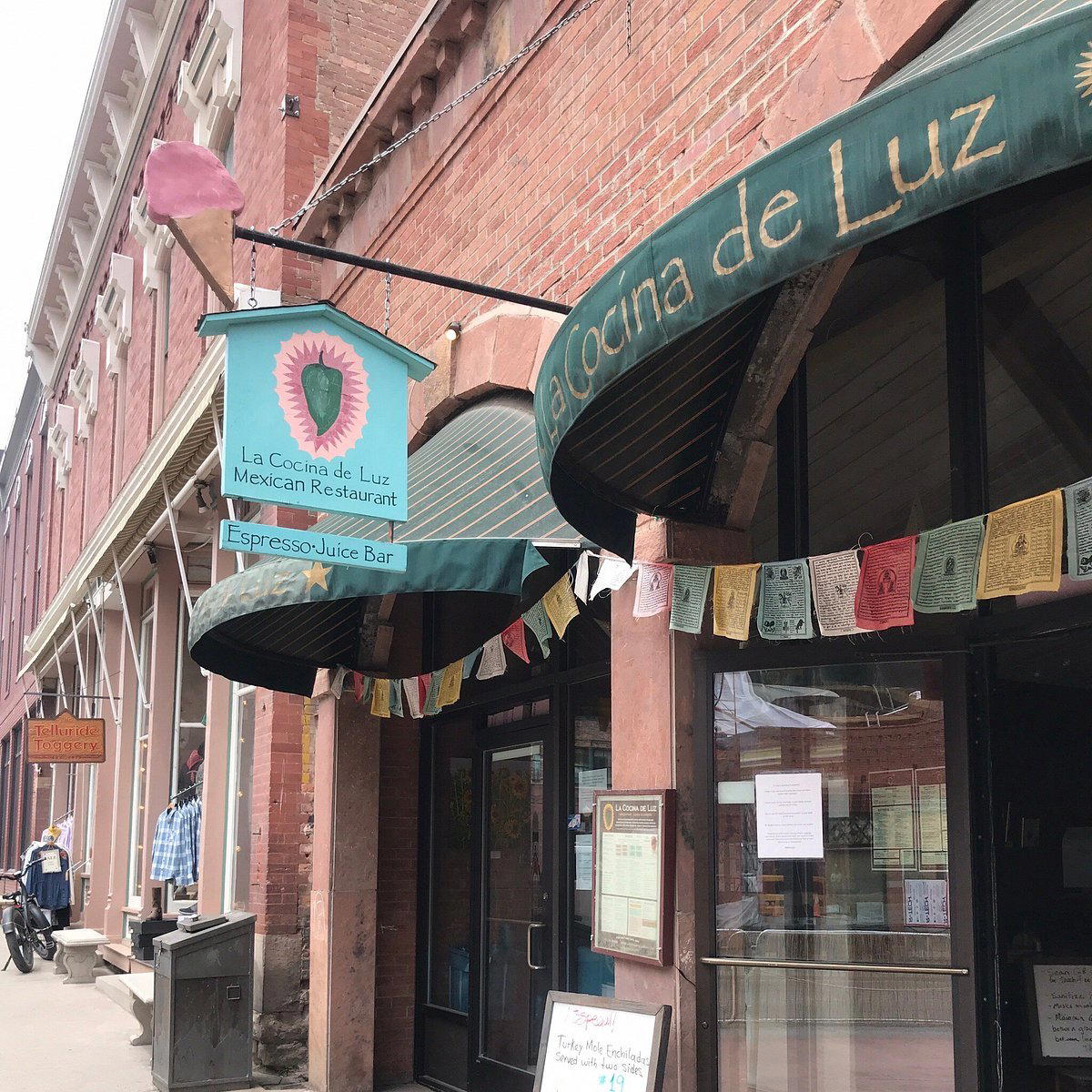
Mexican Cooking at Elevation: The Cultural Case for La Cocina de Luz
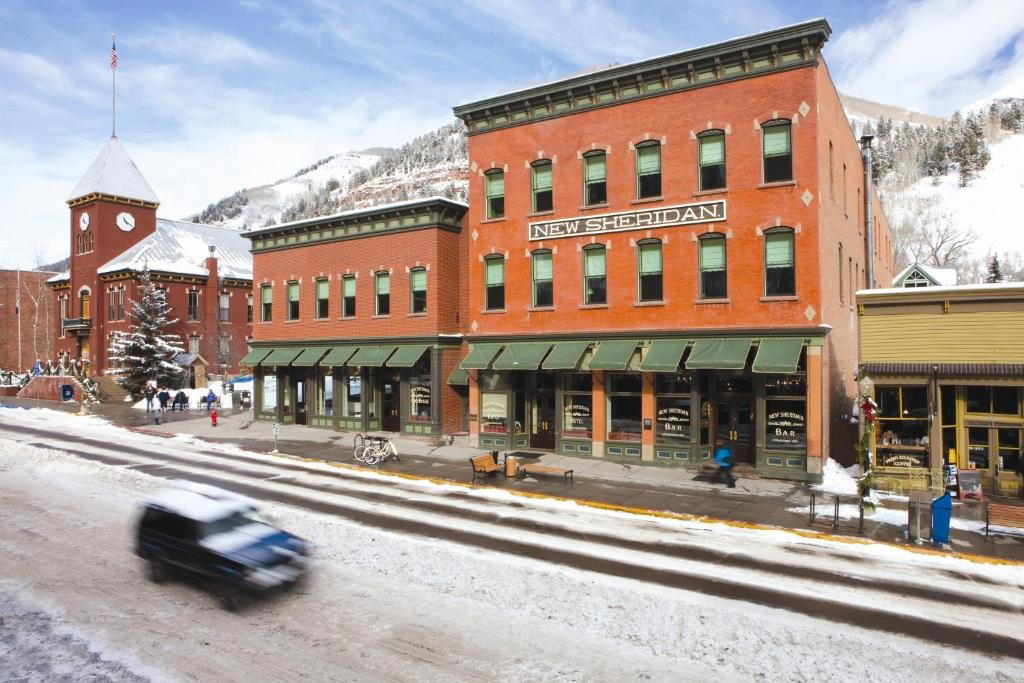
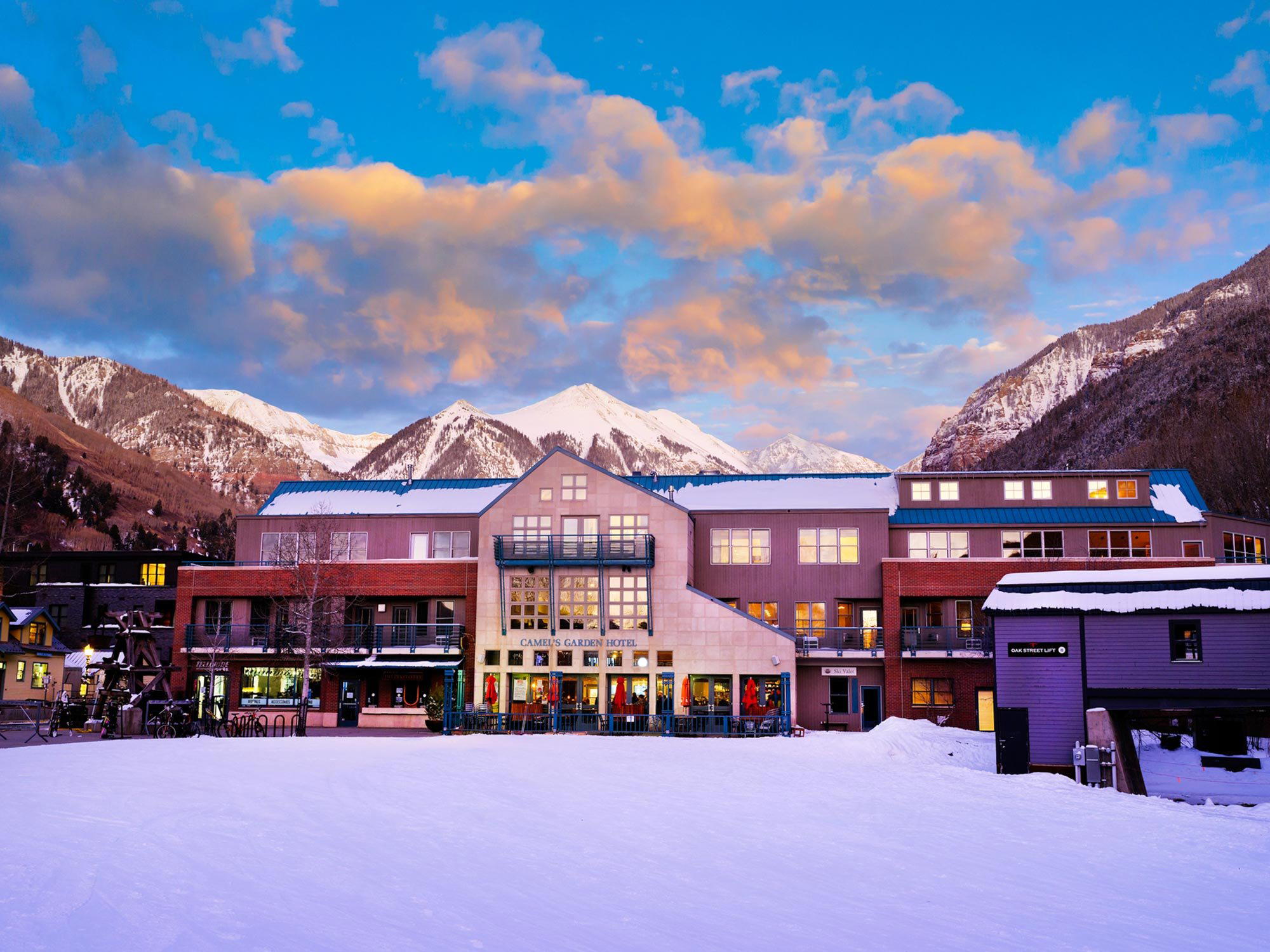
Colorado Avenue in Telluride functions as both the town's main artery and its culinary spine — a single street where the full range of the local dining scene plays out within a few walkable blocks. The San Juan Mountains rise on three sides, and the box canyon setting gives the town a particular insularity: what gets built here, stays here, and what survives the tourist cycles earns its place through genuine local demand. Against that backdrop, La Cocina de Luz, at 123 E Colorado Ave, occupies a position that most mountain resort towns in the American West struggle to fill — a kitchen grounded in Mexican culinary tradition rather than the steakhouse and pizza formats that dominate ski-town dining across the region.
That positioning matters more than it might seem. The Mexican food tradition in the American Southwest is deep and contested, running from fast-casual approximations to kitchens that take their cues from regional Mexican cooking with genuine fidelity to technique and sourcing. In a town like Telluride, where the dining population skews toward visitors with significant restaurant literacy, people who eat at The French Laundry in Napa or Le Bernardin in New York City in other contexts, a Mexican kitchen either earns credibility on culinary terms or defaults to the role of casual option between ski runs. La Cocina de Luz has built a local reputation that places it in the former category.
Where It Sits in the Telluride Dining Circuit
Telluride's restaurant scene is small by any urban measure, shaped by a permanent population that numbers in the hundreds and a visitor economy that peaks hard in ski season and again during festival summer. The venues that endure tend to occupy clear positions in the local hierarchy. 221 South Oak holds the fine-dining anchor. Chop House Restaurant serves the meat-forward crowd. The pizza tier is well covered by Brown Dog Pizza and High Pie Pizzeria & Tap Room, with Baked in Telluride handling the bakery and casual end. La Cocina de Luz operates in a lane that none of those venues contest, Mexican-rooted cooking with enough seriousness to draw repeat visitors who are making deliberate choices about where to eat, not simply filling a hunger gap.
That deliberateness is worth noting because it places La Cocina de Luz in a different comparison set from the town's pizza and burger formats. The relevant peer question is not whether it competes with High Pie on value, but whether it delivers on the promise of a cuisine with significant cultural depth. Mexican cooking, from the masa traditions of Oaxaca to the seafood preparations of Baja, is among the most regionally diverse food cultures in the world, and American kitchens that engage with it seriously earn a different kind of attention than those that compress it into a generic Southwest format.
The Cultural Weight of Mexican Cuisine in a Mountain Setting
Mexican culinary tradition carries UNESCO Intangible Cultural Heritage status, granted in 2010, which puts it in a small category of food cultures formally recognized for their complexity and historical depth. That recognition points to something that any serious kitchen working in this tradition has to reckon with: the cuisine is not monolithic. The techniques and ingredients of Yucatecan cooking differ substantially from those of Jalisco or Veracruz, and a kitchen that engages with that diversity, rather than collapsing it into a single generalized Mexican-American format, is making a distinct editorial statement about what the cuisine can be.
In a mountain resort context, that ambition is harder to sustain. Altitude affects ingredient sourcing and logistics. The visitor demographic cycles rapidly, which can push kitchens toward crowd-pleasing simplicity over technical depth. The Mexican kitchens that have earned serious attention in comparable resort environments, mountain towns in Colorado and Utah with similar demographics and seasonal rhythms, tend to be the ones that resist that pressure, holding to sourcing standards and preparation approaches that would be recognizable to a diner who had eaten well in Mexico City or Guadalajara. That is the standard against which La Cocina de Luz implicitly asks to be judged by occupying this space in Telluride's dining circuit.
For readers who benchmark their restaurant choices against venues like Blue Hill at Stone Barns in Tarrytown or Single Thread Farm in Healdsburg, kitchens where the sourcing philosophy shapes the entire dining experience, the question at La Cocina de Luz is whether the approach to Mexican tradition holds up under that level of scrutiny.
Planning Your Visit
La Cocina de Luz sits at 123 E Colorado Ave, on the main street that anchors Telluride's walkable core. The town itself is accessible via Telluride Regional Airport (TEX), which receives seasonal direct service from several major hubs, or by road from Montrose Regional Airport (MTJ), roughly an hour's drive. Because Telluride compresses a significant volume of visitors into a small number of dining rooms, particularly during ski season (December through March) and the summer festival calendar (July and August), demand at well-regarded venues runs high during peak periods. Dress code and seating format are similarly unconfirmed; the Colorado Avenue setting and the town's general informality suggest that resort-casual is appropriate, though checking ahead removes ambiguity.
For a broader picture of where La Cocina de Luz fits within Telluride's full restaurant circuit, see our full Telluride restaurants guide. For readers cross-referencing against other serious American dining rooms, from Alinea in Chicago to Providence in Los Angeles or Addison in San Diego, La Cocina de Luz operates in a different register: a regionally significant kitchen in a small mountain town, drawing meaning from its cultural commitment rather than its scale. That is a valid and often more interesting kind of restaurant to seek out.
How La Cocina de Luz Telluride compares with similar nearby venues.
| Venue | Cuisine |
|---|---|
| Brown Dog Pizza | American Pizza |
Continue exploring
More in Telluride
Restaurants in Telluride
Browse all →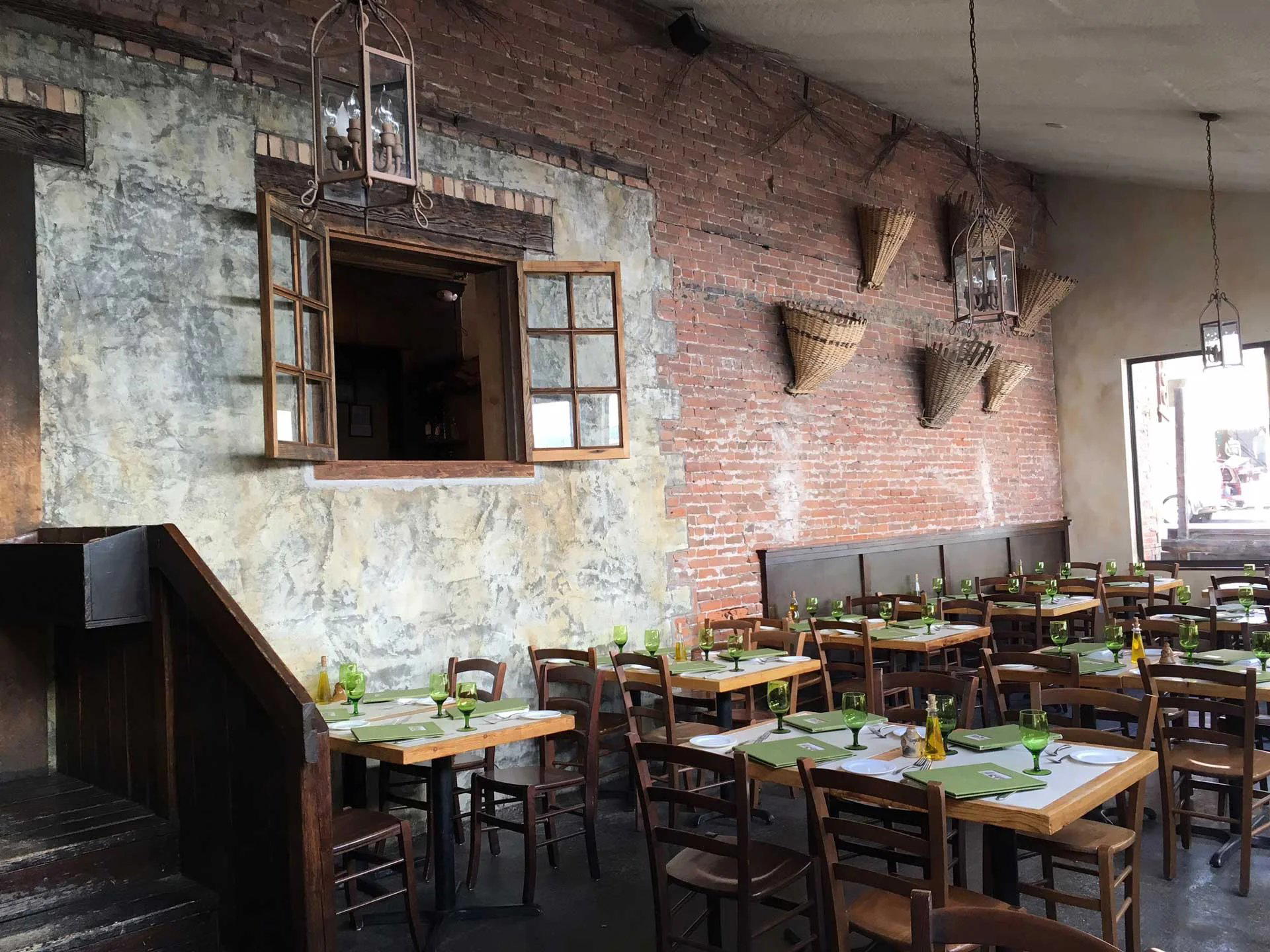
Bars in Telluride
Browse all →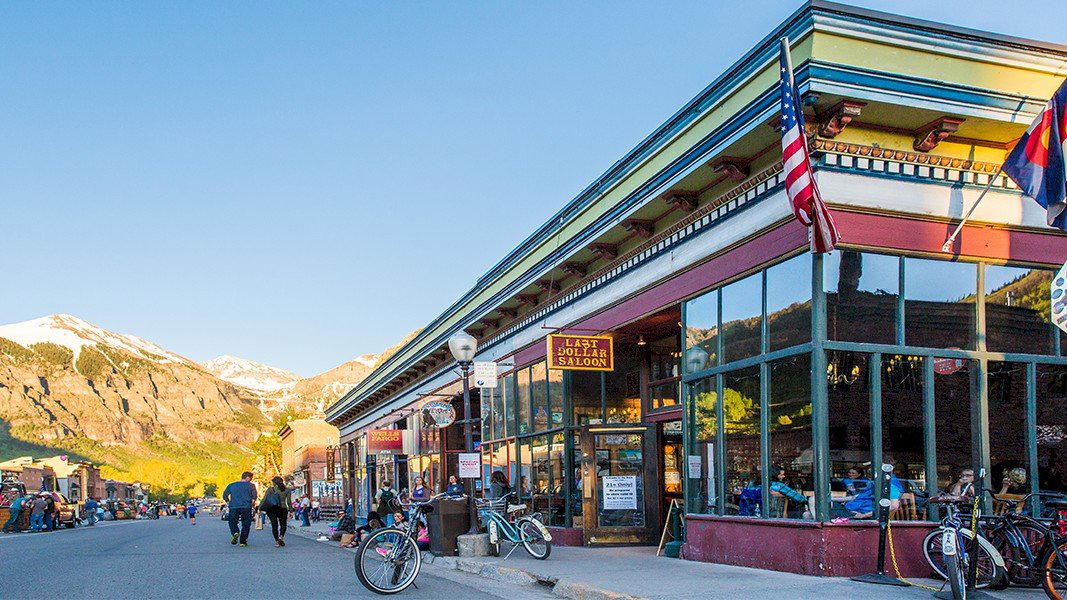

At a Glance
- Casual
- Lively
- Cozy
- Family
- Casual Hangout
- Brunch
- Open Kitchen
- Craft Cocktails
- Organic
- Local Sourcing
Current opening hours
- Monday
- 8 AM–9 PM
- Tuesday
- 8 AM–9 PM
- Wednesday
- 8 AM–9 PM
- Thursday
- 8 AM–9 PM
- Friday
- 8 AM–9 PM
- Saturday
- 8 AM–9 PM
- Sunday
- 8 AM–9 PM
Hours can change for holidays and private events. Last verified .
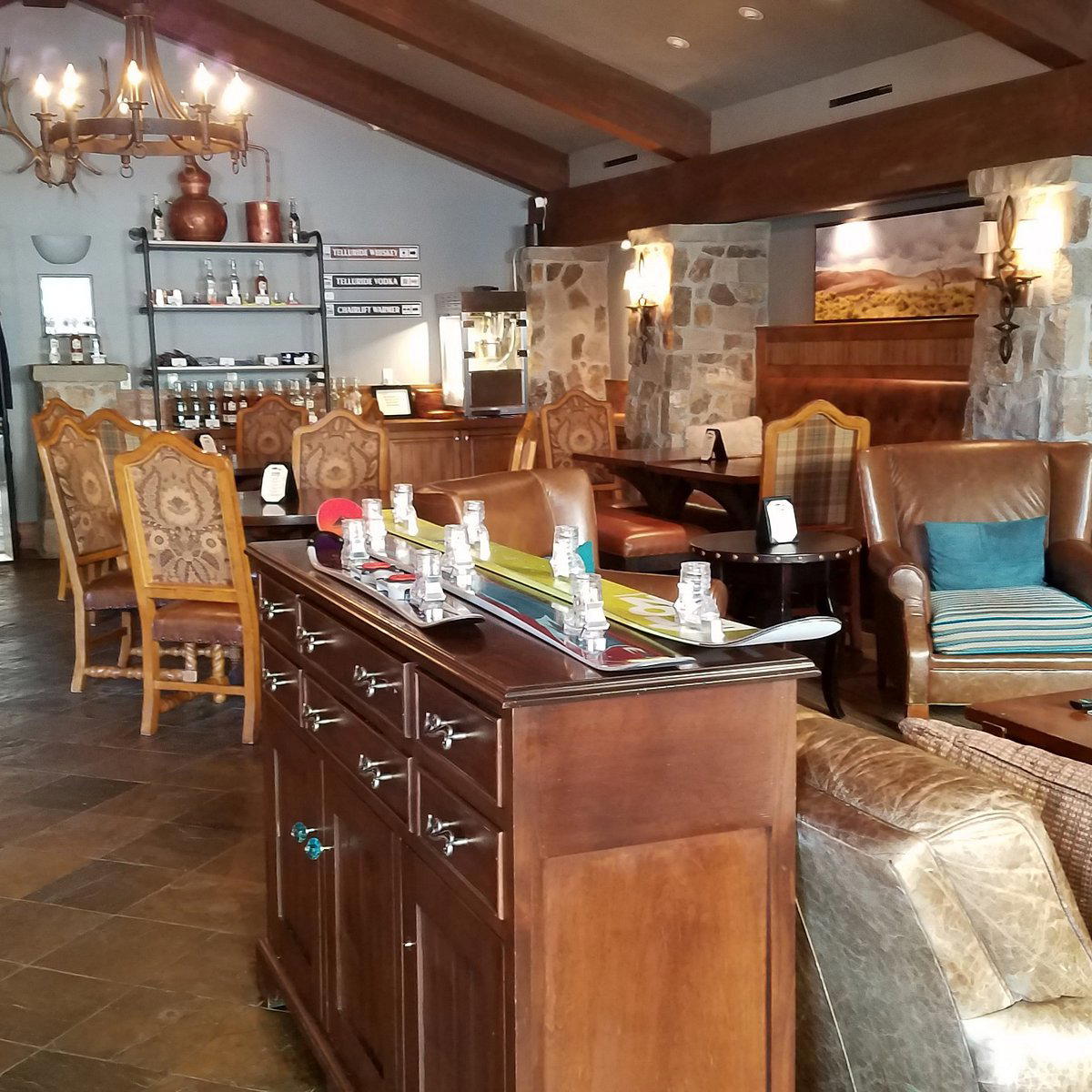
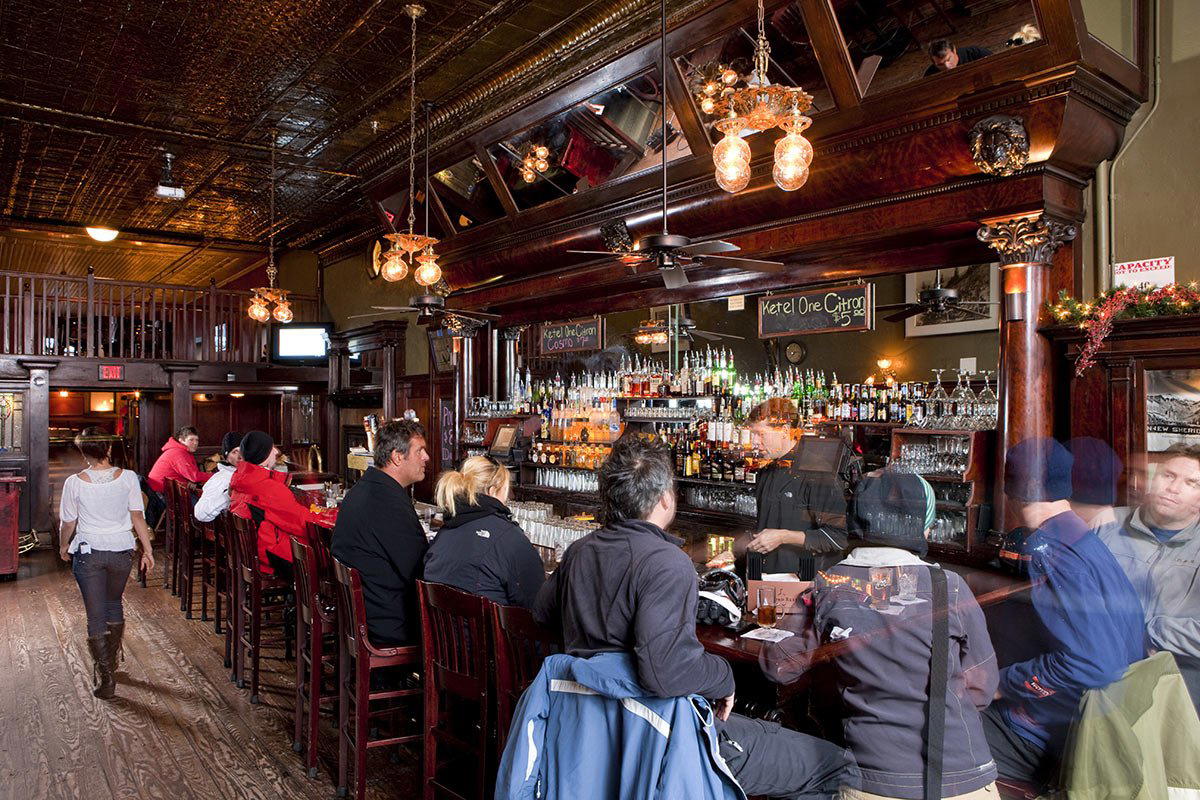
Casual and festive family-friendly atmosphere with indoor seating and a large outdoor patio featuring gardens and fountains.
Know Before You Go
- Getting there
- 123 E Colorado Ave, Telluride, CO 81435