Avery Brasserie + Bar

James Beard Award Semi Finalist
Our verdict
Avery Brasserie + Bar brings Boise into the Mountain West dining conversation through a brasserie lens rather than a resort-town one. Its James Beard semifinalist recognition in 2025 and 2026 puts Cal Elliott’s work in a regional frame, where sourcing, technique, and downtown context matter more than spectacle.

Pearl is the En Primeur Club membership app, where members save venues, book tables and use the concierge.
The menu
What to order
- Cote de boeuf
- Cassoulet
- Rabbit dish
- Scotch egg
- House charcuterie
Boise’s restaurant center is compact enough that a dining room has to declare its position quickly. Around the city, the better tables tend to split between polished rooms, specialist kitchens, and restaurants trying to speak to a wider audience. Avery Brasserie + Bar belongs in that conversation: a Boise restaurant with national recognition attached, but its interest lies less in ceremony than in how a familiar dining format can read in a Mountain West city.
The James Beard Foundation has recognized Avery Brasserie + Bar as a semifinalist, placing it in a national conversation that reaches beyond Idaho. For Boise, that notice matters because the city’s dining identity is often discussed as regional promise rather than settled authority. A Beard semifinalist nod does not make a restaurant immune from scrutiny, but it does place the restaurant in a competitive field beyond the local dining room.
Boise presence, brasserie discipline, and the Mountain West frame
The brasserie model carries expectations: breadth, pace, a room built for more than hushed tasting-menu attention, and a format that can move between comfort and polish without losing its nerve. In Boise, that format takes on a different role than it would in larger coastal or European dining capitals. The city gives the restaurant a setting where directness and hospitality matter as much as display. The useful question is not whether the restaurant imitates another city’s room, but whether the format gives a Boise dining night a sharper grammar.
That is where the Beard recognition becomes a signal rather than decoration. The Mountain West frame is broad, and restaurants in Boise are being measured against dining rooms shaped by resort markets, regional hubs, university towns, and visitor-heavy destinations. Avery Brasserie + Bar enters that field from Boise, which gives the restaurant a different pressure: it has to serve the city before it can court the region.
Boise’s stronger restaurant map is not defined by a single cuisine. It includes specialist neighborhood dining, long-running comfort rooms, steakhouse formality at Chandlers Prime Steaks, and other polished local tables. Against that spread, the brasserie lane is useful because it can carry a range of occasions without turning every plate into a manifesto. It can be a weekday bar seat, a business dinner, or a date-night room, and the format’s range is part of the point.
Why the recognition matters in a city still defining its dining voice
Boise has enough good restaurants that national attention now has to be read carefully. A Beard semifinalist in a smaller market can be mistaken for a novelty story, when the more interesting pattern is structural. Cities like Boise have developed dining rooms with more confident service rhythms, stronger local followings, and ambitions that are not limited to feeding visitors passing through on their way to the mountains. The result is a restaurant culture that feels less derivative and more rooted in the practical life of the region.
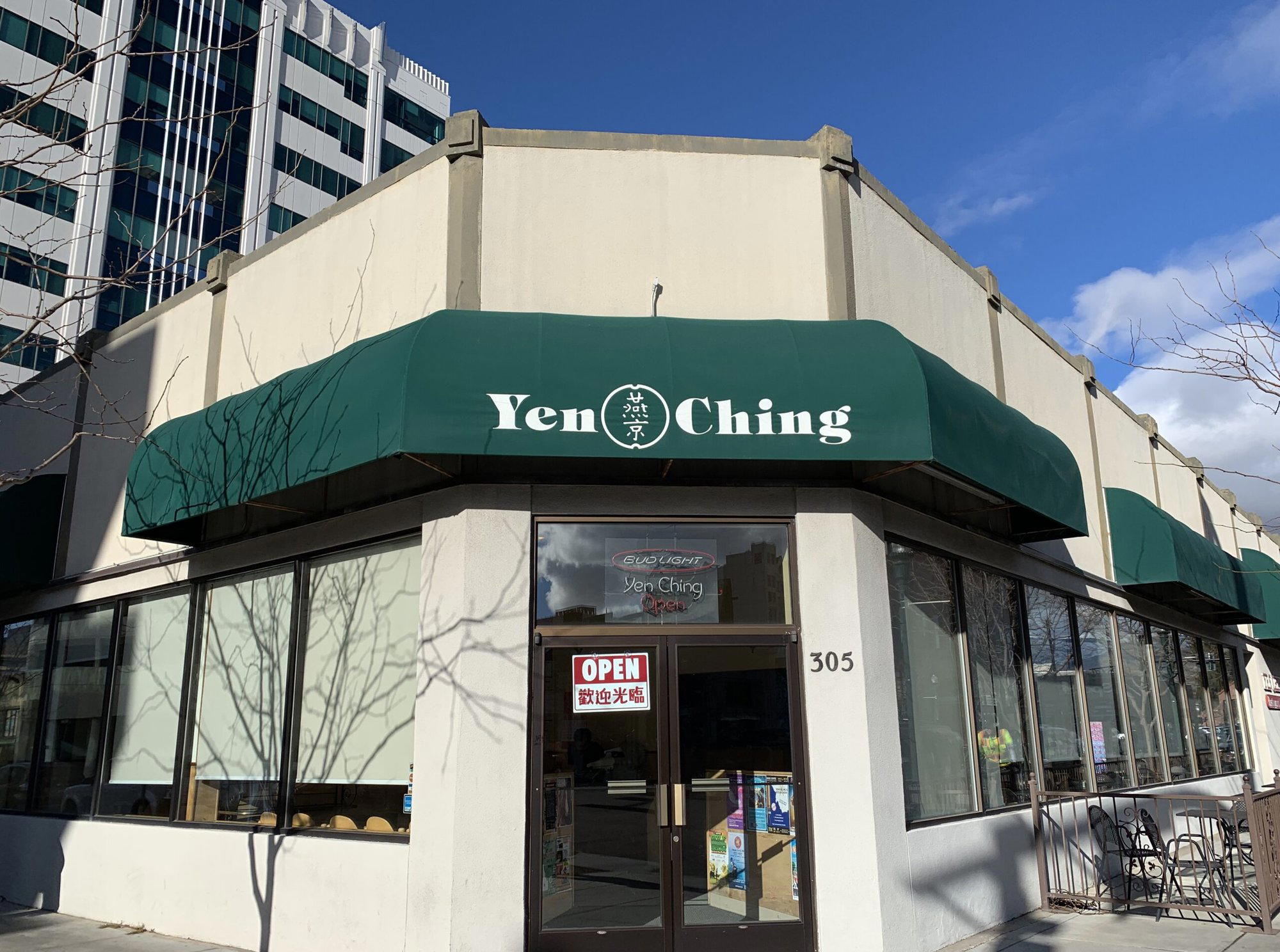
Avery Brasserie + Bar is useful evidence of that shift because it does not need to represent all of Boise. It sits beside other local modes rather than replacing them. Kin, Terroir, Yen Ching, and Chandlers Prime Steaks & Fine Seafood each speak to a different kind of Boise dining expectation, from contemporary rooms to legacy comfort and occasion dining. Avery Brasserie + Bar’s contribution is narrower and clearer: brasserie structure, Boise accessibility, and enough regional credibility to draw attention from outside Idaho.
For travelers using Boise as more than a stopover, that distinction matters. The city can be planned as a food weekend without pretending it has the density of a coastal capital. A strong itinerary would compare this room with the broader local field through our full Boise restaurants guide, then build the rest of the trip around bars, hotels, and day plans rather than chasing a single trophy dinner. For that wider planning layer, see our full Boise hotels guide, our full Boise bars guide, our full Boise wineries guide, and our full Boise experiences guide.
How to read it against Boise and beyond
The better comparison is not with every polished brasserie in a larger city, but with restaurants using a familiar format to express place without overexplaining it. In that sense, Avery Brasserie + Bar shares a broader American pattern with rooms that filter local identity through tight formats: focused bars, compact comfort-driven counters, regionally confident casual rooms, and other carefully framed restaurants in other markets. The details differ, but the editorial lesson is similar: format is strongest when it clarifies a restaurant’s purpose rather than masking it.
That comparison can stretch further across the EP Club map. Other dining rooms in other cities show how a restaurant can be understood through the relationship between culinary form and local demand. Boise’s version is quieter and more landlocked, but that is precisely why it is worth reading on its own terms.
The practical verdict is restrained: this is the Boise table to consider when the brief calls for a nationally noticed restaurant rather than a steakhouse, a neighborhood specialist, or a casual group dinner. The Beard semifinalist status supplies the trust signal; the brasserie format supplies the usefulness. For a city still being underestimated by many traveling diners, that combination says more than another broad claim about where to eat in Idaho.
Frequently asked questions
Can I bring kids to Avery Brasserie + Bar?
Avery Brasserie + Bar is in Boise. For children, check the venue's official channels for the latest details on timing, policies, and whether the room suits your visit.
What should I expect atmosphere-wise at Avery Brasserie + Bar?
The brasserie label signals a room built for broad appeal rather than a single-purpose tasting-menu counter. In Boise, the draw is a polished restaurant format with enough flexibility for more than one kind of occasion.
What kind of recognition has Avery Brasserie + Bar received?
Avery Brasserie + Bar has received James Beard semifinalist recognition, placing the Boise restaurant in a national awards conversation beyond the local market.
Where exactly is Avery Brasserie + Bar?
Boise.
How hard is it to get a table at Avery Brasserie + Bar?
James Beard semifinalist recognition gives Avery Brasserie + Bar a stronger profile than a typical local dining room. Booking details are not published here. Check the venue's official channels for the latest details.
What do critics highlight about Avery Brasserie + Bar?
The clearest external signal is the James Beard semifinalist recognition. That places Avery Brasserie + Bar in a wider national conversation, not just the local Boise market.
Can Avery Brasserie + Bar handle vegetarian requests?
Those details are not published here. Check Avery Brasserie + Bar's official channels for the latest details on dietary requests and menu accommodations.
Quick Comparison
Comparable venues by cuisine and price in the same metro.
| Venue | Cuisine | Price | Awards | Notes |
|---|---|---|---|---|
| Avery Brasserie + BarThis venue (the venue you are viewing) | Modern French Brasserie & Cocktail Bar | $50–100 | James Beard Award Semi Finalist | Not listed |
| Kin | Modern Farm-to-Table Tasting | $100–150 | James Beard Award Best Chef: Mountain | Not listed |
| Chandlers Prime Steaks & Fine Seafood | Premium Steakhouse & Fine Seafood | $100–150 | Star Wine List · Forbes Recommended | American Steakhouse |
| Terroir | French Bistro | $30–50 | James Beard Award Semi Finalist | Not listed |
| Yen Ching | Mandarin, Hunan & Sichuan Chinese | $20–30 | Not listed | Not listed |
Recognition history
Dated appearances from independent guides and award organizations, with the underlying list record or original source where available.
James Beard Award Semi Finalist
James Beard Award
Full recognition history (2 entries)
James Beard Award Semi Finalist
James Beard Award
Continue exploring
More in Boise
Restaurants in Boise
All restaurants in Boise →
Avery Brasserie + Bar
The wine
- Extensive wine list
- Craft cocktails
- Zero-proof drinks
Details
- Elegant
- Romantic
- Sophisticated
- Modern
- Cozy
- Lively
- Date Night
- Special Occasion
- Business Dinner
- Group Dining
- After Work
- Hotel Restaurant
- Design Destination
- Standalone
- Craft Cocktails
- Extensive Wine List
- Zero Proof
- Local Sourcing
- Farm To Table
- Street Scene
- A La Carte
- Craft Cocktails
- Wine
- Vegetarian Friendly
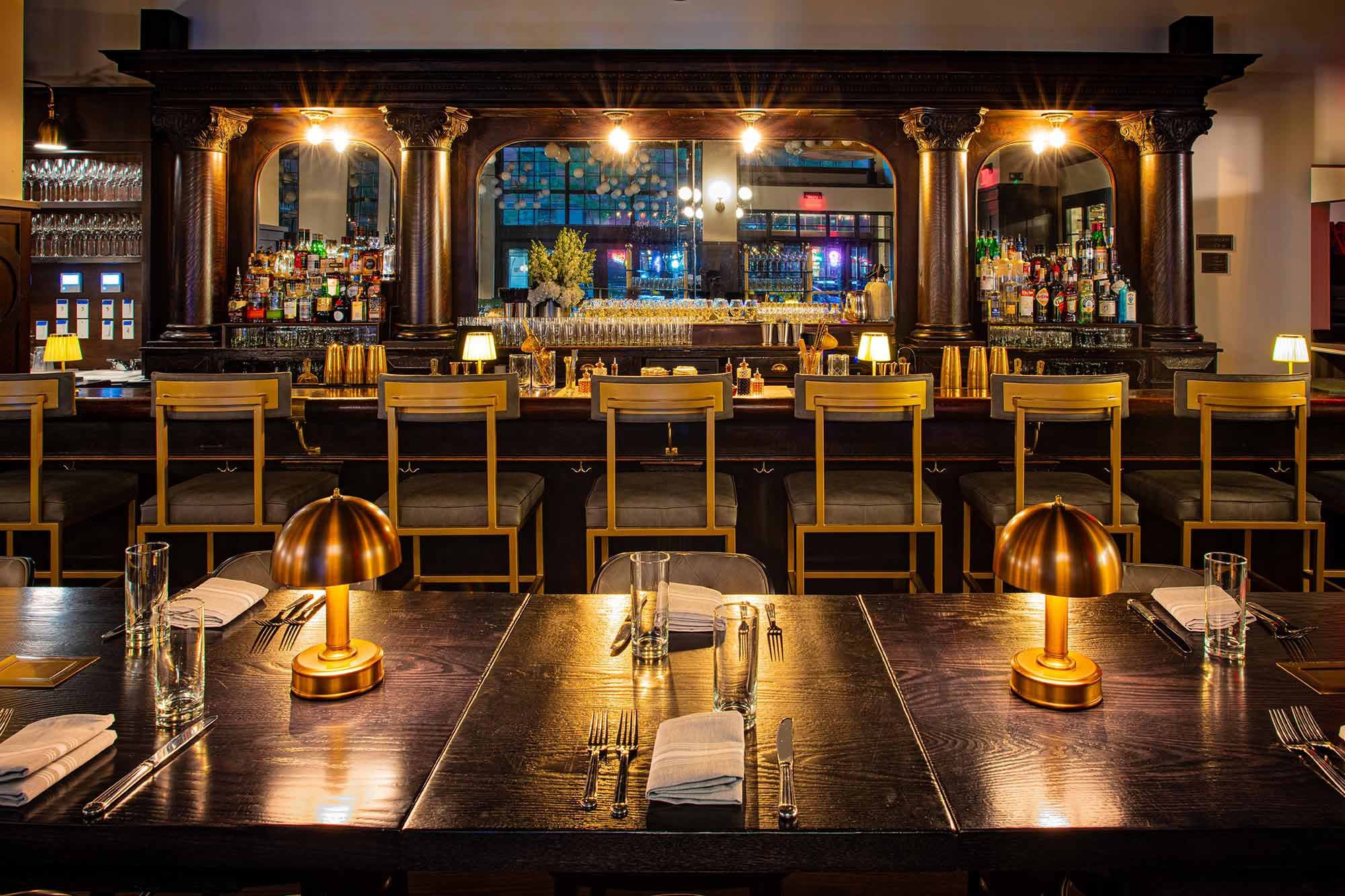
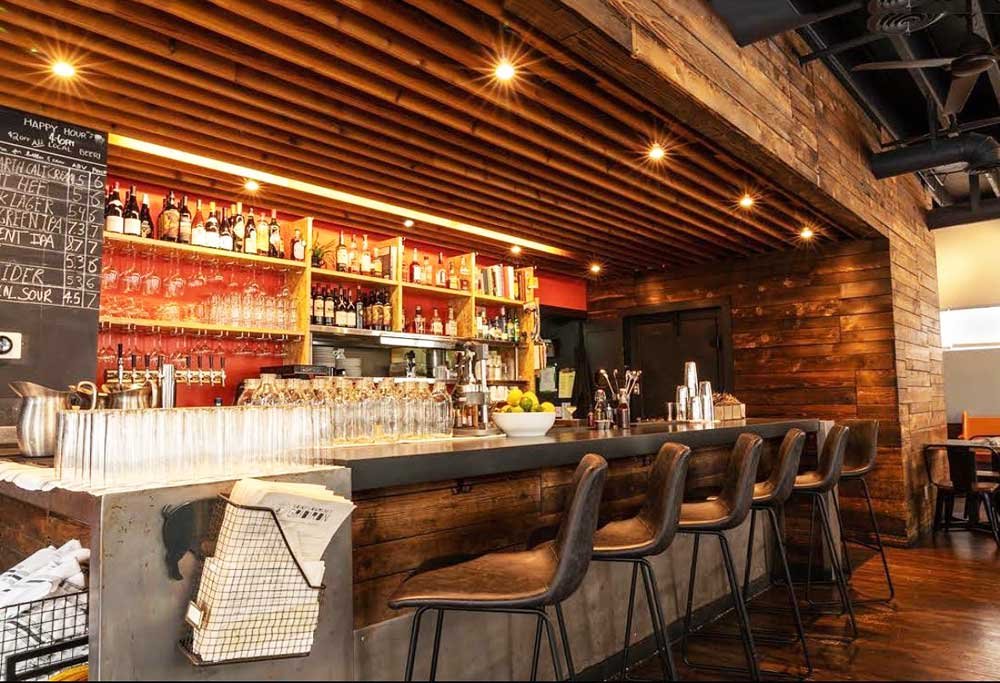
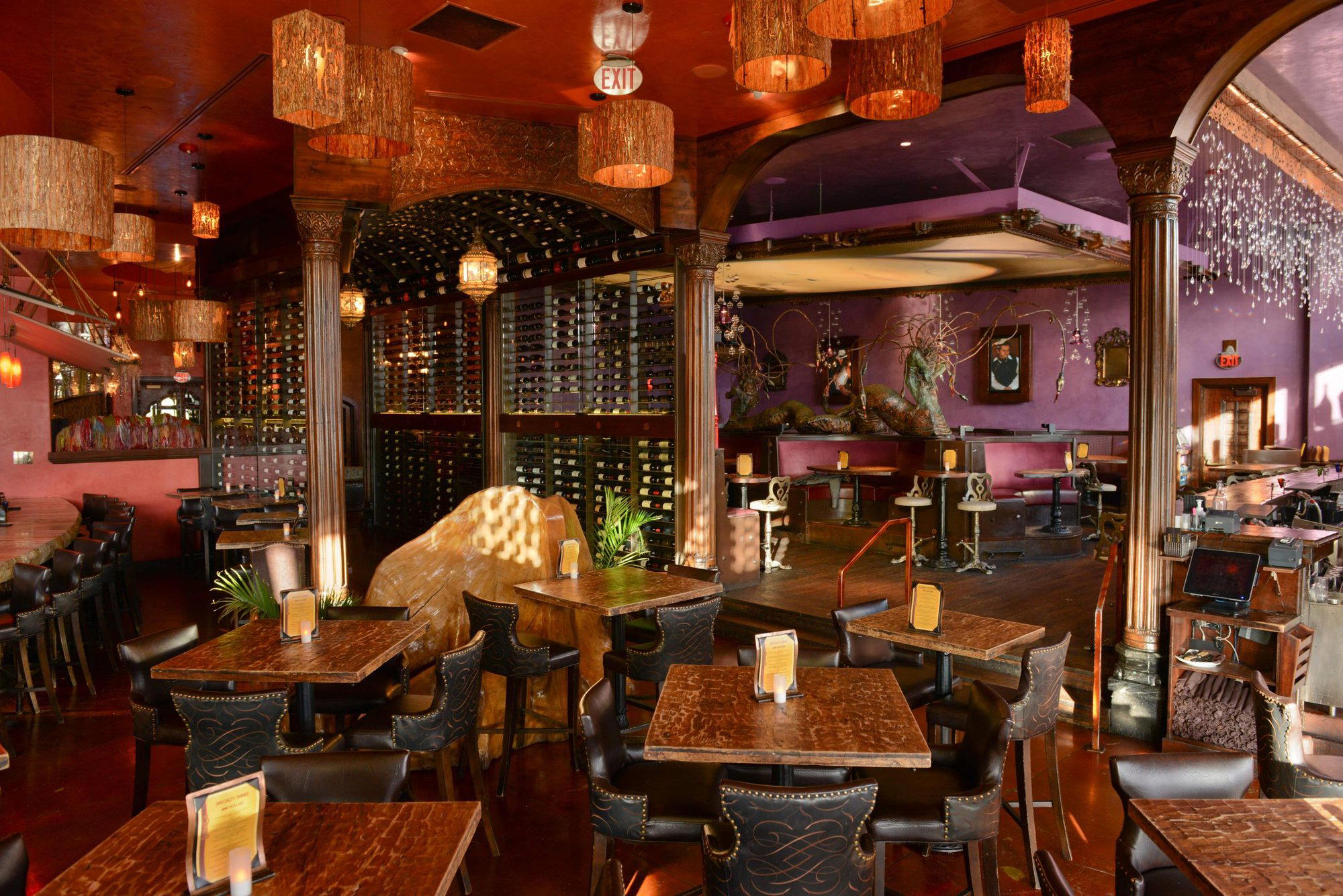
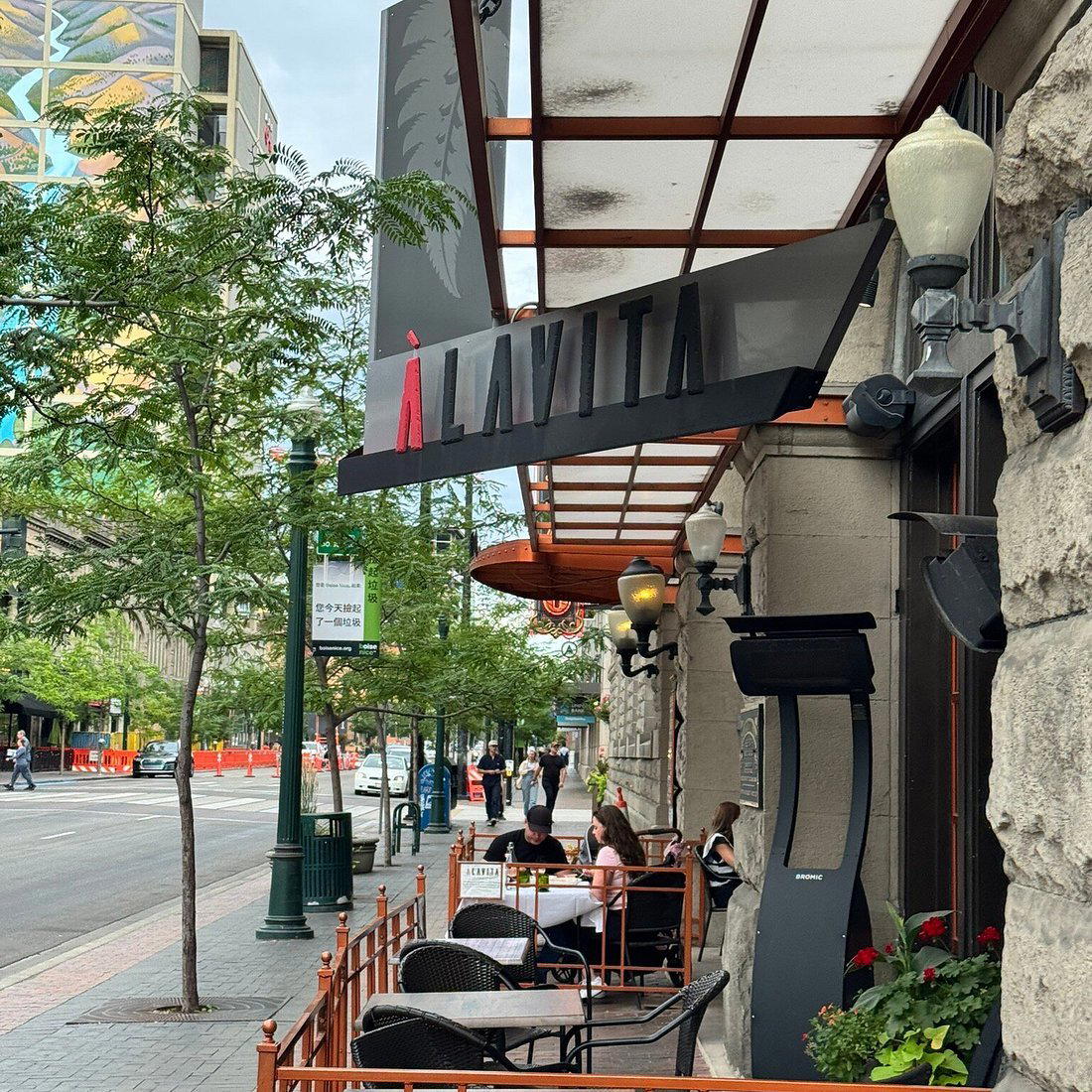
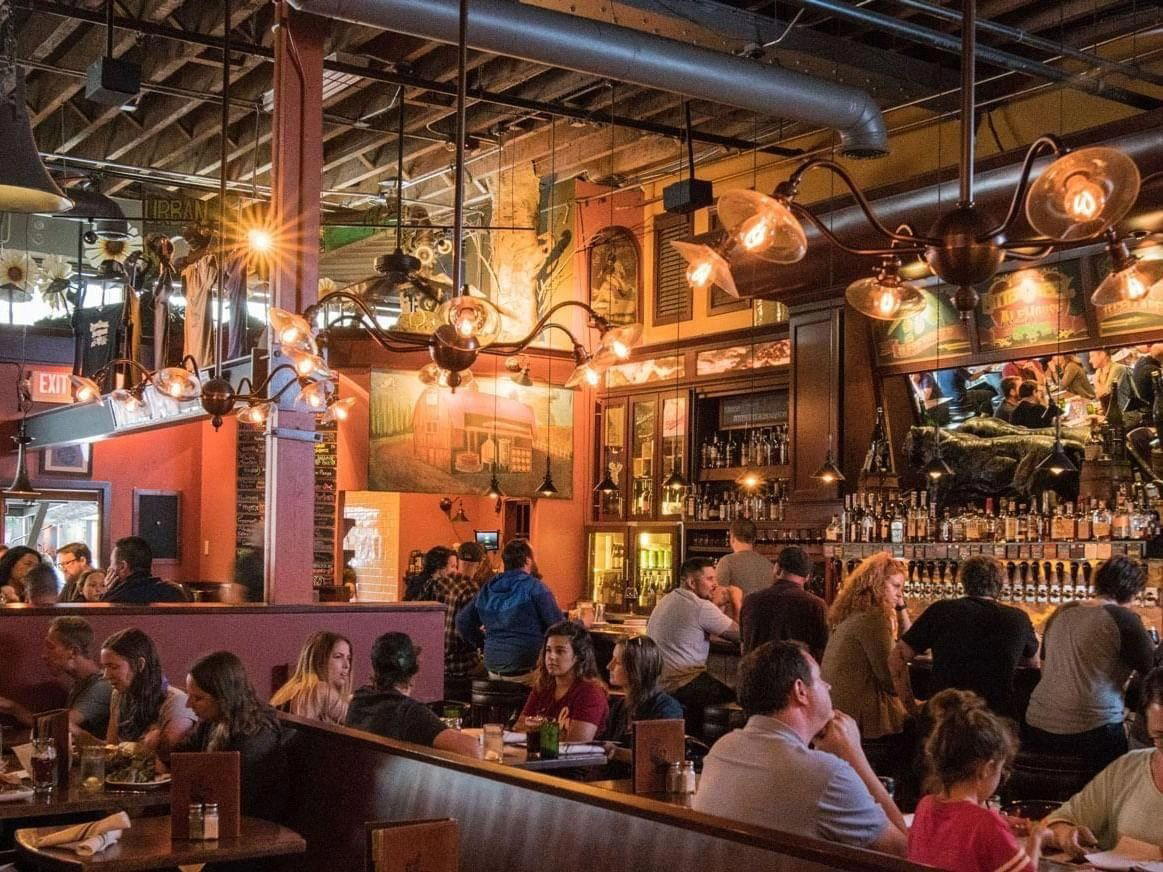
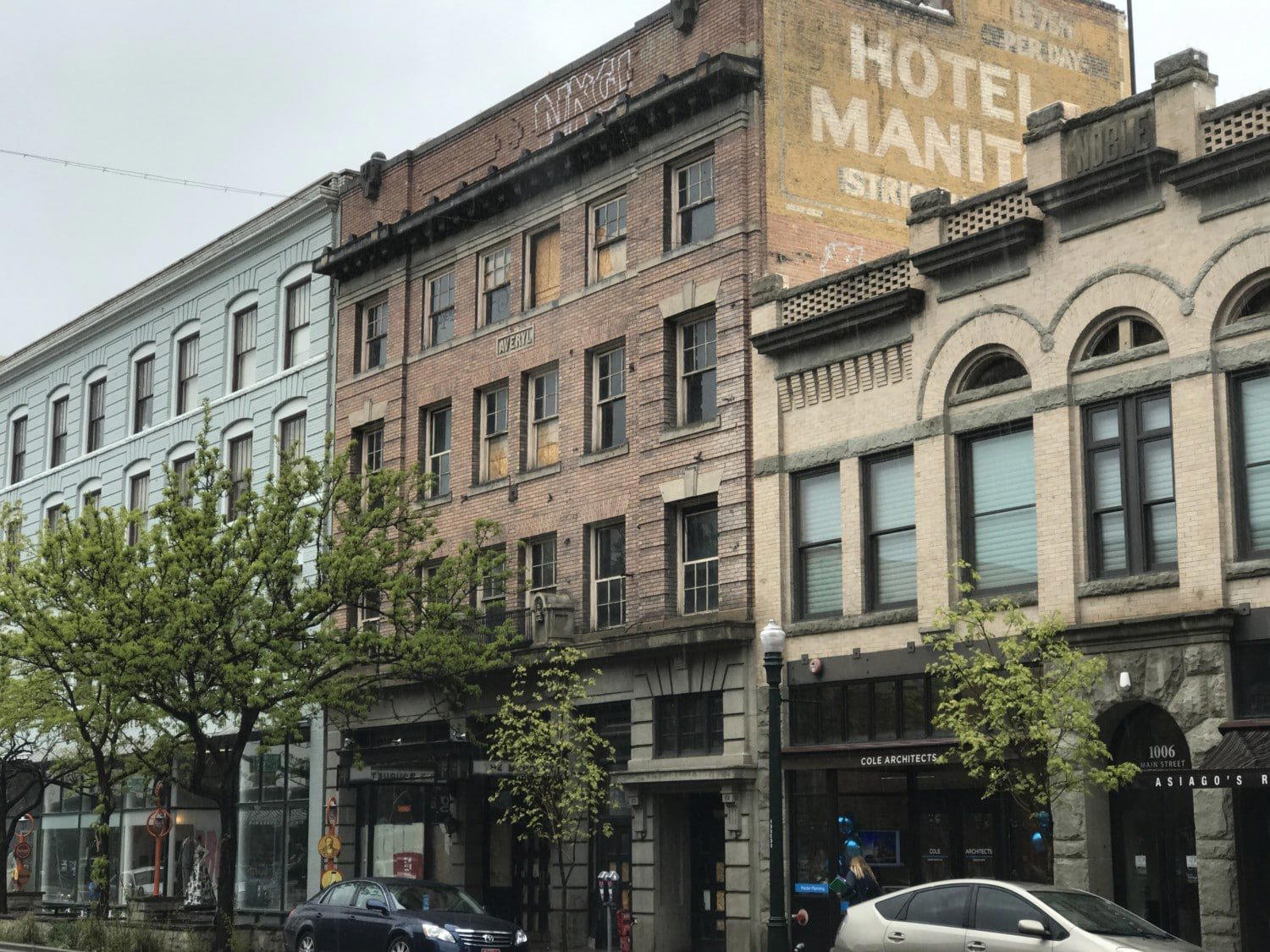
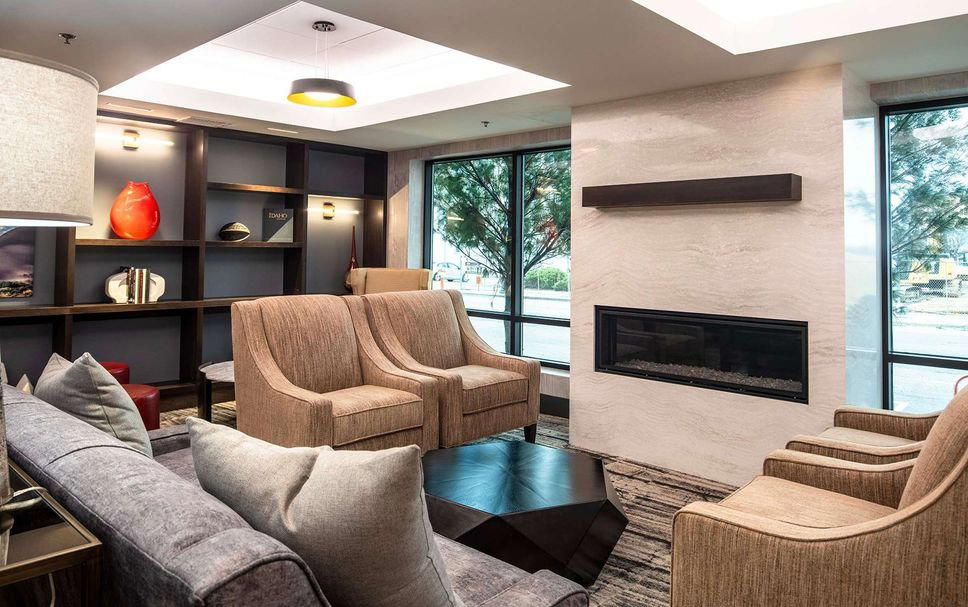
Warm, dimly lit brasserie-style dining room with polished wood, vintage architectural details, and a lively but refined bar, creating an intimate yet bustling downtown date-night atmosphere.