
Tabelog 100 #23
Our verdict
Kuni Hachi Shokudo is a low-cost Takayama shokudo with Tabelog 100 Diner recognition in 2026, built around cafeteria cooking, regional dishes, tofu, and sake rather than luxury dining signals. Its appeal sits in the Hida region’s everyday food culture: plain-spoken, local, family-friendly, and practical, with reservations unavailable and cash-style planning required.

Pearl is the En Primeur Club membership app, where members save venues, book tables and use the concierge.
The menu
What to order
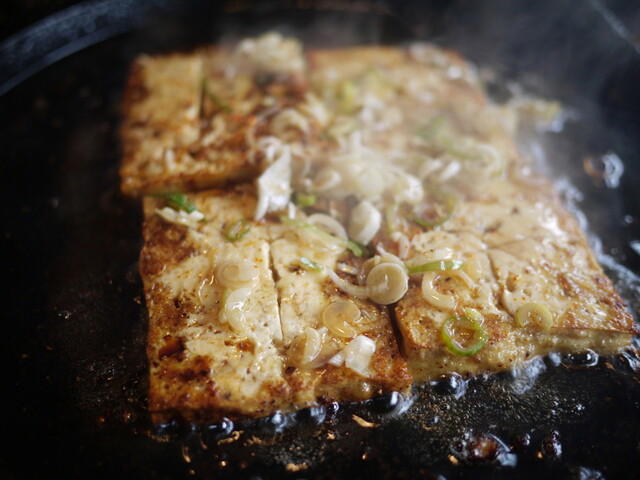
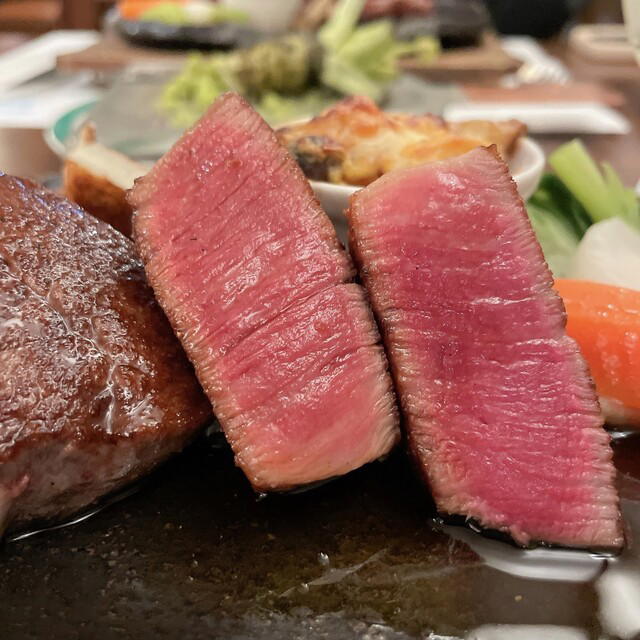
- Teppan-yaki tofu teishoku (tofu steak set meal)
- Teppan-yaki Hida dishes
- Ramen with vegetables and Hida beef
- Stir-fried chicken guts
Approaching Takayama’s dining map through its everyday restaurants, the mood changes from travel spectacle to the working rhythm of a regional city. The restaurant category matters here. A shokudo is not a chef’s theatre or a tasting-menu room; it is Japan’s everyday dining grammar, built around a straightforward meal that has to make sense on a weekday. Kuni Hachi Shokudo sits inside that tradition, and its 2026 Tabelog recognition gives a modest format the kind of notice often associated with more expensive rooms.
Takayama's everyday table, not a luxury performance
Takayama is often sold through memorable meals and visitor-facing rituals, but its more useful food story also includes small, everyday restaurants that make local cooking feel practical rather than staged. The categories attached to this venue, cafeteria, regional cuisine, and tofu dishes, are the clue. They place the meal closer to local provision than destination dining, where the appeal is less about imported prestige and more about a clear, direct restaurant identity.
That makes the 2026 Tabelog recognition more interesting than a conventional award badge. The diner category rewards a different kind of excellence from fine dining: consistency, value, local loyalty, and a clear sense of place. Kuni Hachi Shokudo’s listed score of 3.66 and sub-1,000-yen budget band point to recognition across Japan’s everyday-food tier rather than the mechanics of a luxury restaurant. In a city where visitors often chase formal dinners, this is the counterargument: a regional table can be compelling without ceremony.
The category mix is the reason to pay attention. Tofu dishes are not presented here as a decorative add-on; they are part of the restaurant’s listed identity alongside cafeteria and regional cuisine. Everyday regional restaurants tend to make their strengths legible through direct preparations rather than technique-heavy transformation. The point is not novelty. The point is whether the meal lets a traveller understand how a local, informal dining room functions in daily life.
The shokudo format explains the appeal
Japan’s high-recognition dining scene can be punishingly narrow for travellers: counter seats, prepaid courses, fixed start times, and a constant fear of etiquette missteps. The shokudo format is more democratic. It gives families, workers, and groups a shared language. Here, the appeal is less about a polished urban dining room than about an everyday restaurant category that is easy to understand. The format is useful context in a city where many stronger dining experiences can feel oriented toward adults, special occasions, or tightly planned itineraries.
Scale also changes the decision. A recognized cafeteria-style restaurant operates with a different mood from the tiny counter culture associated with much of Japan’s serious dining. That does not make planning effortless, since popular everyday places can still require patience, but it does change the expectations. This is not a hushed room designed around scarcity. It is a local dining house with wider notice, which is a rarer combination than it sounds.
Against Takayama’s broader dining scene, the comparison is useful. Amane Dining points toward a more composed destination meal; Bourbon sits in a different spending and mood category; and other Takayama dining rooms show how varied the city’s visitor circuit has become. Kuni Hachi Shokudo belongs to another lane: regional, inexpensive, informal, and anchored in ordinary Japanese dining rather than travel theatre.
How to read it within a Takayama itinerary
The strongest use case is not a grand finale dinner. It is the meal that corrects an itinerary leaning too heavily on polished courses and formal service. Takayama rewards travellers who understand its ordinary rhythms as well as its visitor-facing highlights, and a recognized shokudo does that job cleanly. The appeal is not because the restaurant is trying to behave like a bar or a luxury dining room, but because regional food belongs naturally to the daily life of the city.
Planning requires a practical mindset. The listed budget is - JPY 999 - JPY 999, with both dinner and lunch shown in the same sub-1,000-yen band, so expectations should be set around value rather than ceremony. The location should be read simply as Takayama, and the visit fits best when the day has enough flexibility for a casual regional meal rather than a tightly choreographed reservation sequence. In small local restaurants, rhythm and availability can matter as much as ambition.
For wider planning, keep it in conversation with Our full Takayama restaurants guide, then separate the city’s other needs through Our full Takayama hotels guide, Our full Takayama bars guide, Our full Takayama wineries guide, and Our full Takayama experiences guide. Readers comparing regional Japanese comfort formats beyond Takayama can also look at other casual dining rooms generically, not as direct equivalents, but as reminders that everyday formats often reveal more about a food culture than its formal rooms.
Frequently asked questions
Would Kuni Hachi Shokudo be comfortable with kids?
Kuni Hachi Shokudo reads as an informal shokudo rather than a formal counter-led room, which generally makes the format easier to understand for families and mixed groups. Specific seating details should be confirmed directly with the restaurant.
What's the overall feel of Kuni Hachi Shokudo?
It reads as an everyday restaurant rather than a formal dining room, with cafeteria, regional cuisine, and tofu dishes listed as its categories. Its 2026 Tabelog recognition gives it the feel of a reliable Takayama everyday table.
Is Kuni Hachi Shokudo more mid-range or high-end?
Pricing at Kuni Hachi Shokudo is listed as - JPY 999 - JPY 999.
What is Kuni Hachi Shokudo known for?
Kuni Hachi Shokudo is known as a Takayama shokudo listed for cafeteria, regional cuisine, and tofu dishes, with 2026 Tabelog recognition and a listed score of 3.66.
Quick Comparison
Comparable venues by cuisine and price in the same metro.
| Venue | Cuisine | Price | Awards | Notes |
|---|---|---|---|---|
| Kuni Hachi ShokudoThis venue (the venue you are viewing) | Casual Hida regional diner & tofu-teppan shokudo | $10–20 | Tabelog 100 #23 | Not listed |
| Jinya Dango Ten | Japanese Sweets / Dango | $1–10 | Tabelog 100 #95 | Honmachi |
| Kin no Kotteushi (金乃こって牛) | Hida Beef Nigiri Sushi | $10–20 | Not listed | 上二之町 |
| フランス食堂Nature | Casual French Bistro with Hida Ingredients | $30–50 | Not listed | Hachikenmachi |
| Hida Takayama Kakusho | Traditional Shojin Ryori Kaiseki | $100–150 | Tabelog 100 #83 | Babamachi / Takayama city center |
| オステリア・ラ・フォルケッタ | Seasonal Italian Trattoria | $30–50 | Not listed | Takayama |
Recognition history
Dated appearances from independent guides and award organizations, with the underlying list record or original source where available.
Tabelog 100 #23 · No. 23
Tabelog · Tabelog 100 - Diner - 2026
Continue exploring
More in Takayama
Restaurants in Takayama
All restaurants in Takayama →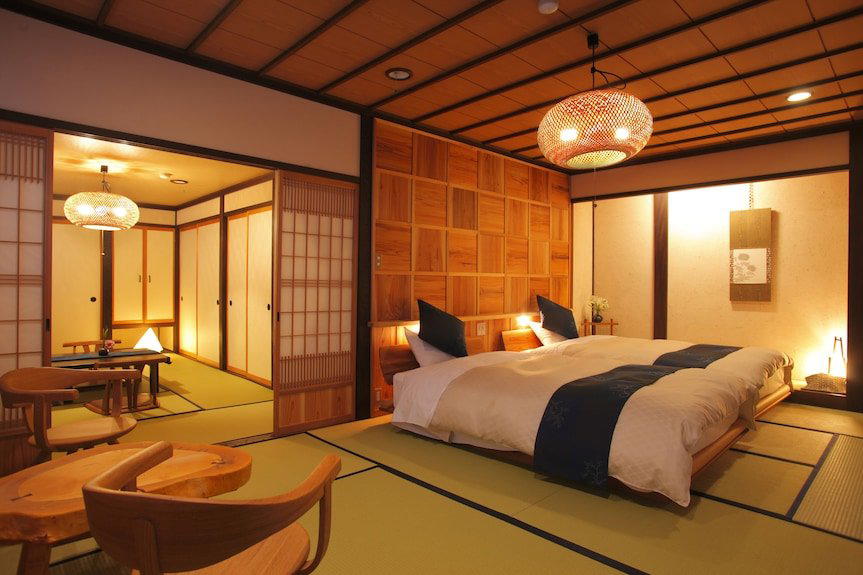
Details
- Lively
- Cozy
- Rustic
- Well Known
- Family
- Casual Hangout
- Solo
- Group Dining
- After Work
- Standalone
- Sake Program
- Set Menu
- A La Carte
- Sake
- Beer
- Soft Drinks
Current opening hours
- Monday
- 11 AM–2:40 PM, 5–7:50 PM
- Tuesday
- 11 AM–2:40 PM, 5–7:50 PM
- Wednesday
- Closed
- Thursday
- 11 AM–2:40 PM, 5–7:50 PM
- Friday
- 11 AM–2:40 PM, 5–7:50 PM
- Saturday
- 11 AM–2:40 PM, 5–7:50 PM
- Sunday
- 11 AM–2:40 PM, 5–7:50 PM
Hours can change for holidays and private events. Hours as of .
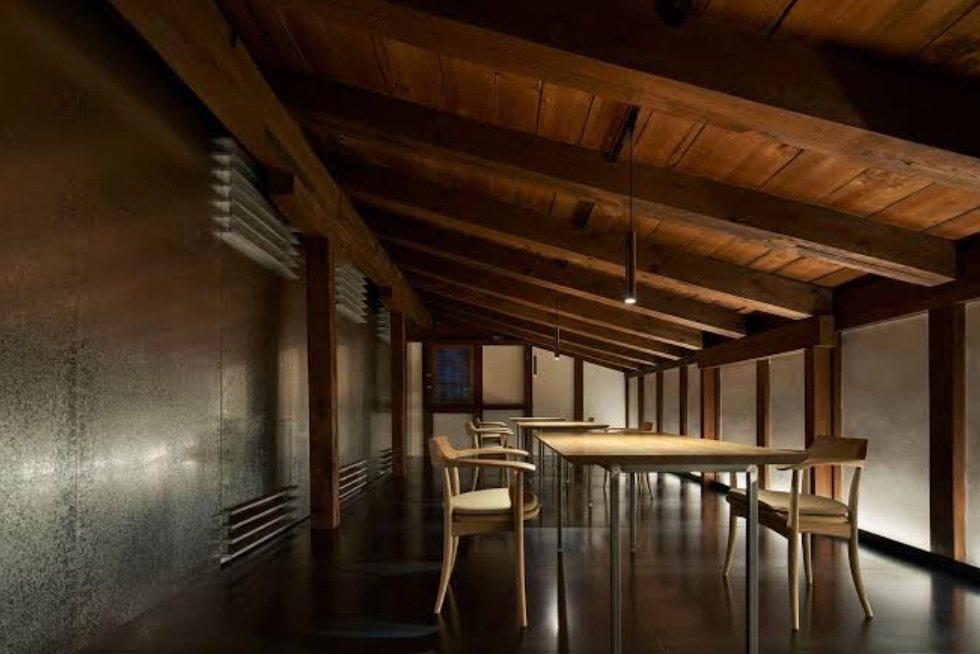
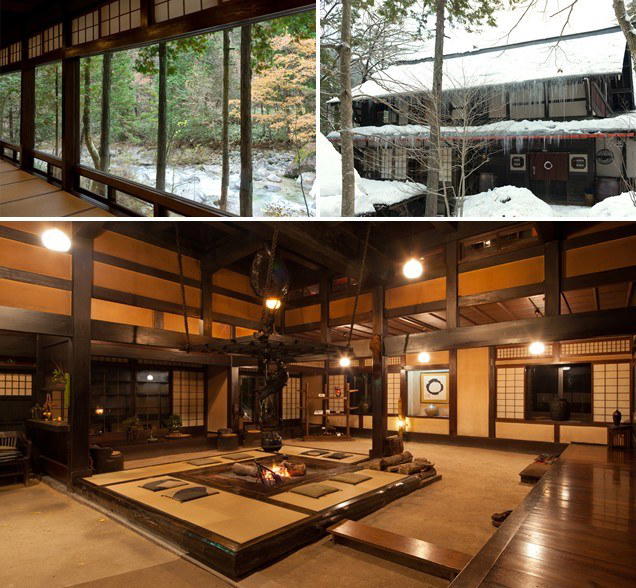
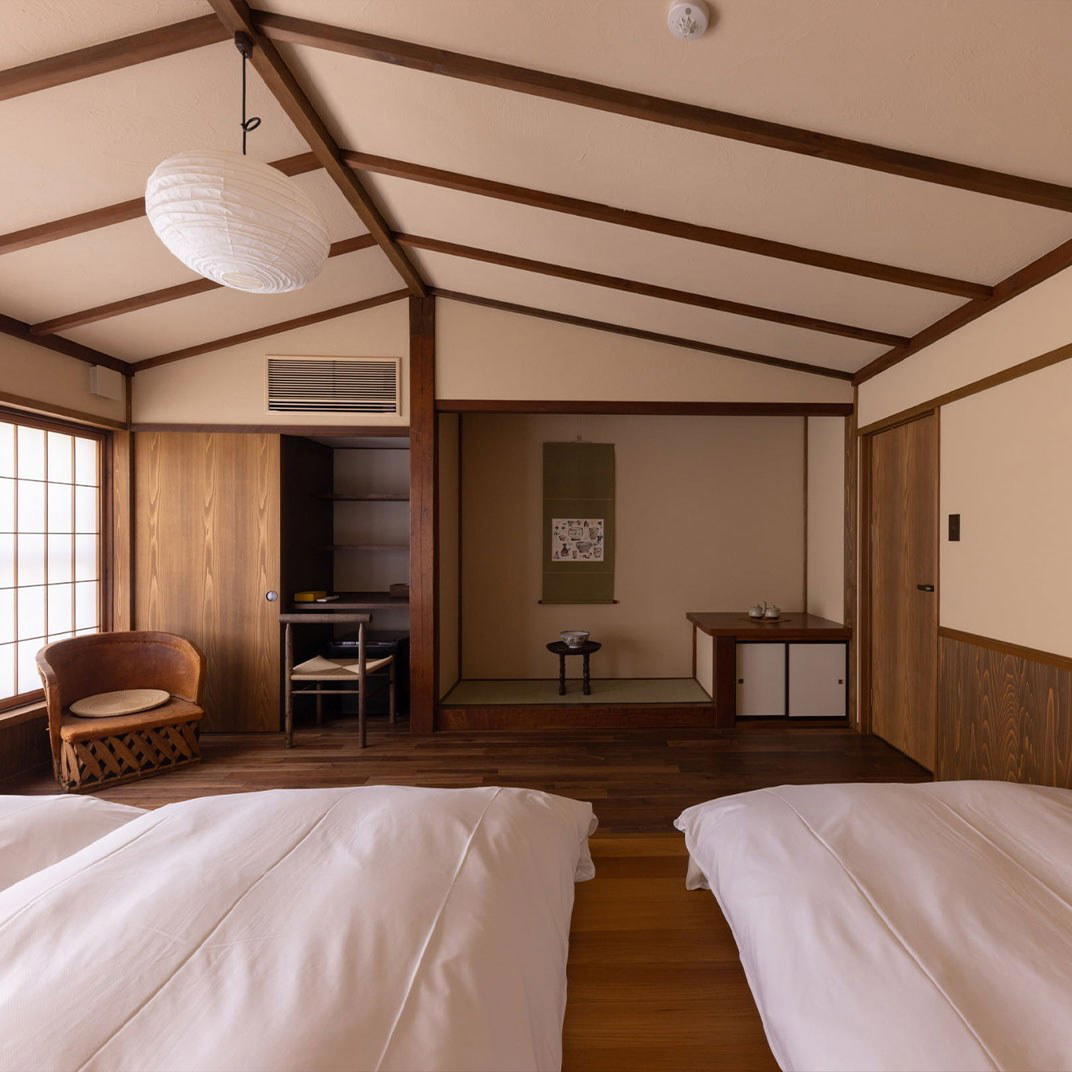
Casual, bustling house-style shokudo with simple interiors, tatami seating and closely packed tables, where the atmosphere is energetic at meal times and focused on quick, satisfying teishoku rather than décor.