
Tabelog 100 #20
Our verdict
Iwaki gives Takayama’s old-town sweets culture a precise, low-priced focus: Japanese traditional sweets, take-out format, and recognition in Tabelog’s 2023 Japanese sweets and café EAST 100 selection. Its warabimochi details matter as much as the address, with a three-day shelf life and a clear warning not to refrigerate, useful for travellers carrying sweets onward.

Pearl is the En Primeur Club membership app — saves, bookings, and concierge access live there. Same editors, same standards.
- Address
- 岐阜県高山市上三之町111-2
- Phone
- +81577341113
- Website
- tabelog.com
- Directions
- Get directions
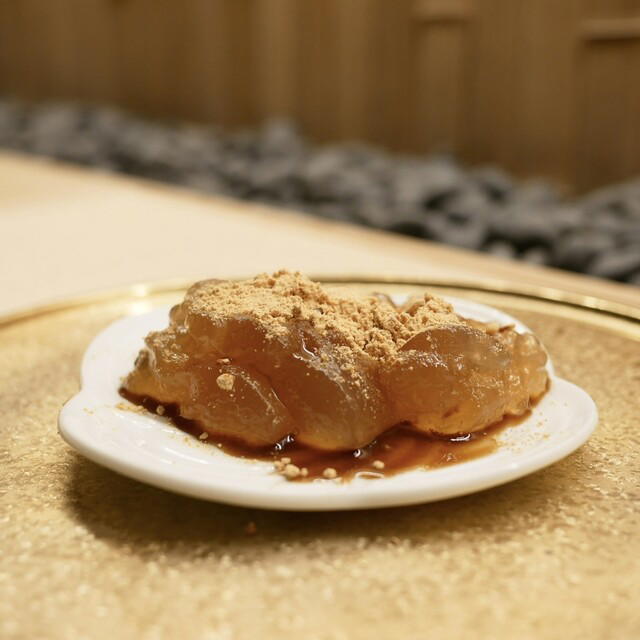
Takayama’s preserved streets change pace in the morning: timber fronts, narrow shop thresholds, and the steady drift of visitors moving between small food stops, shops, and sweets. In that setting, Japanese traditional sweets are not just a dessert course tacked onto a meal; they are part of the walk itself. Takayama rewards grazing, and Iwaki belongs to the small-format end of that culture, where modest sweet purchases sit naturally beside other casual stops before lunch has properly begun.
The useful way to read Iwaki is through ingredients and handling rather than through restaurant theatrics. Traditional sweets can be fragile food: texture, sweetness, and finish can change quickly if the product is treated carelessly. The editorial point is less about ceremony than timing. Iwaki works best as a same-trip stop in Takayama, the kind of place to fold into the day rather than treat as a long, formal dining appointment.
Traditional sweets as Takayama walking food, not a plated dessert
Takayama’s dining map often gets reduced to larger meals, and that shorthand misses how much of the city’s appeal sits between them. The city works on small purchases: a snack, a drink, a sweet, then another short walk. That rhythm is why a Japanese traditional sweets shop can matter alongside fuller dining options elsewhere in town. The category is different, but the local logic is connected: food here is often tied to walking routes, compact itineraries, and short windows of appetite.
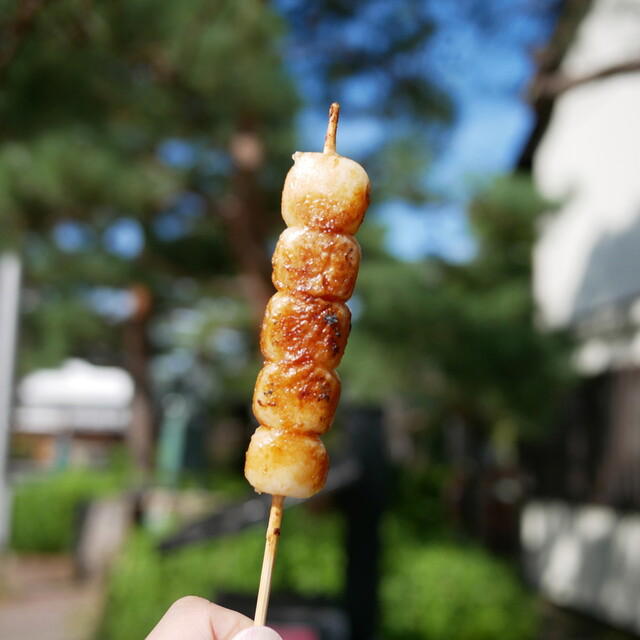
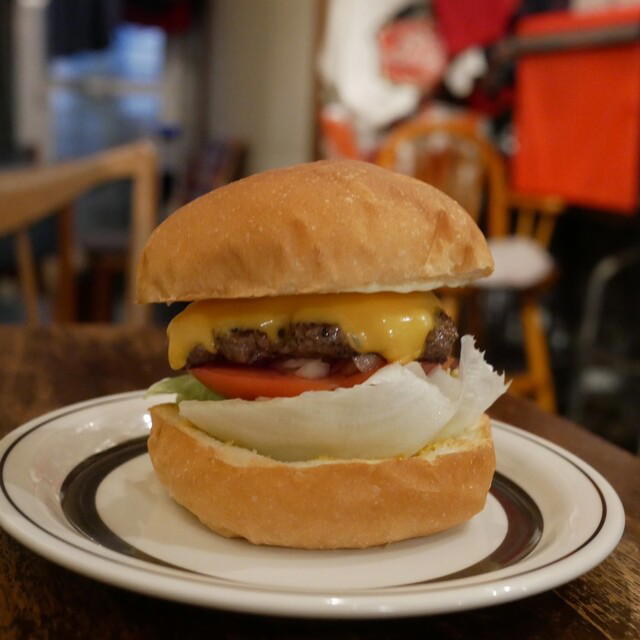
Iwaki’s listed price bracket, - JPY 999 - JPY 999, with budget references of Dinner: - JPY 999 and Lunch: - JPY 999, places it below Takayama’s sit-down restaurant tier and closer to casual sweets than to a scheduled meal. That comparison matters. CENTER4 HAMBURGERS sits in a different casual dining lane, while other dining in Takayama can move into broader meal planning. Jinya Dango Ten, another local name in the comparison set, shows the same broader pattern: Takayama’s cheaper food is not filler between serious meals; it is a separate register of the city’s taste.
The Tabelog Hyakumeiten recognition in 2023 gives Iwaki a useful external signal without turning it into a formal dining room. Tabelog’s score is listed at 3.64, and the category is Japanese traditional sweets. Those details put the venue in a narrow lane: recognized enough to justify attention during a Takayama circuit, but structurally closer to a quick sweets stop than to the reservation-led culture that shapes major-city counters.
Ingredient discipline shows up in timing
Japanese traditional sweets are often discussed through seasonality, texture, and visual craft, but they also ask for a practical kind of discipline. Their appeal depends on condition as much as concept. For travellers, the better editorial read is simple: buy with a plan, and enjoy the product while it still feels connected to the place and moment of purchase rather than treating it as an afterthought.
This is also where Takayama helps. Iwaki is in Takayama, so the natural audience can treat it as part of a city walk rather than a separate destination requiring a long detour. That removes some of the friction that can make specialist sweets impractical in larger cities. A morning or midday route can pair traditional streets with sweets, then shift later toward broader Takayama planning through other dining, hotels, bars, wineries, and experiences in the city.
Format reinforces the same point. Iwaki is best understood as a concise sweets stop rather than a drawn-out meal. The planning question is less about table strategy and more about when the stop fits naturally into the day. For a sweets address in Takayama, improvisation can work, but the strongest play is to build it into the walk while appetite and timing are still on your side.
How it fits a city that swings from sweets to fuller meals
Takayama’s appeal for travelling diners is range within a compact city. A day can start with traditional sweets, move through cafés or snacks, and end in a composed meal, a casual stop, or another fuller dining plan. That range explains why a low-priced Japanese traditional sweets stop can sit comfortably in the same city conversation as CENTER4 HAMBURGERS, Restaurant LE MiDi, Steak House Kitchen Hida, 洲さき, or other Takayama dining rooms. The point is not equivalence; it is sequencing. Sweets belong early, casually, and close to the street.
For travellers building a wider Japan food route, Iwaki is also a reminder that low cost and regional specificity often travel together. The same itinerary logic can include unnamed specialist addresses in other Japanese cities, from compact sweet shops to casual counters and portable-food stops. The broader lesson is that texture-led, low-priced, place-specific foods deserve attention beyond fine-dining categories.
The editorial case is therefore concise: this is a specialist Japanese traditional sweets stop for travellers who care about product condition, not a long meal. The 2023 Tabelog Hyakumeiten listing supplies credibility, the price bracket defines expectations, and the Takayama setting gives the practical rule. Buy it as part of the city walk, eat it on Takayama time, and do not force a delicate sweets stop into the role of a grand restaurant meal.
Frequently asked questions
Is Iwaki okay with children?
Yes, Iwaki can be an easy stop for children because it is a Japanese traditional sweets address in Takayama, not a formal dining room. The visit can stay short and simple.
Is Iwaki better for a quiet night or a lively one?
Neither, really. Iwaki is better understood as a Japanese traditional sweets stop in Takayama than as a nightlife choice, and it was recognized in the 2023 Tabelog Hyakumeiten listings.
What's the pricing like at Iwaki?
Pricing at Iwaki is listed as - JPY 999 - JPY 999.
What is Iwaki known for?
Iwaki is known as a Japanese traditional sweets venue in Takayama, with a Tabelog score listed at 3.64 for the 2023 recognition provided.
At-a-Glance Comparison
Comparable venues by cuisine and price in the same metro.
| Venue | Cuisine | Price | Awards | Notes |
|---|---|---|---|---|
| IwakiThis venue — the venue you are viewing | Japanese traditional sweets (warabi mochi specialty) | $1–10 | Tabelog 100 #20 | Not listed |
| Kuni Hachi Shokudo | Casual Hida regional diner & tofu-teppan shokudo | $10–20 | Tabelog 100 #23 | Hozue / Shimogirimachi |
| Jinya Dango Ten | Japanese Sweets / Dango | $1–10 | Tabelog 100 #95 | Honmachi |
| Kin no Kotteushi (金乃こって牛) | Hida Beef Nigiri Sushi | $10–20 | Not listed | 上二之町 |
| Restaurant LE MiDi | Hida beef steak & hamburger by a French-trained chef | $50–100 | Tabelog 100 #22 | Honmachi |
| Steak House Kitchen Hida | Hida beef steakhouse | $50–100 | Tabelog 100 #17 | Hommachi |
Recognition history
Dated appearances from independent guides and award organizations, with the underlying list record or original source where available.
Tabelog 100 #20 · No. 20
Tabelog · Tabelog 100 - Japanese traditional sweets / Japanese sweets cafe - EAST - 2023
Continue exploring
More in Takayama
Restaurants in Takayama
Browse all →
Details
- Classic
- Cozy
- Casual Hangout
- Solo
- After Work
- Family
- Standalone
A tiny, traditional wagashi shop in Takayama’s preserved old town, focused on takeaway; the atmosphere is simple and classic with minimal seating or decor, centered on neatly presented boxes of warabi mochi for gifts and souvenirs.