Korean Restaurant
Our verdict
Korean cuisine occupies a narrow but committed niche in Panama City's dining scene, and this Cherry Street address serves the community of diners who seek the fermented, grilled, and braised flavors of the Korean table far from the tradition's home cities. Located in the 32404 zip code on the city's eastern side, it represents the kind of specialist ethnic restaurant that thrives on repeat local patronage rather than tourist traffic.

Pearl is the En Primeur Club membership app — saves, bookings, and concierge access live there. Same editors, same standards.
- Address
- 6121 Cherry St, Panama City, FL 32404
- Phone
- (850) 874-1651
- Hours
- Mon–Sat 9 AM–7 PMSun Closed
- Website
- koreanoncherry.com
- Directions
- Get directions
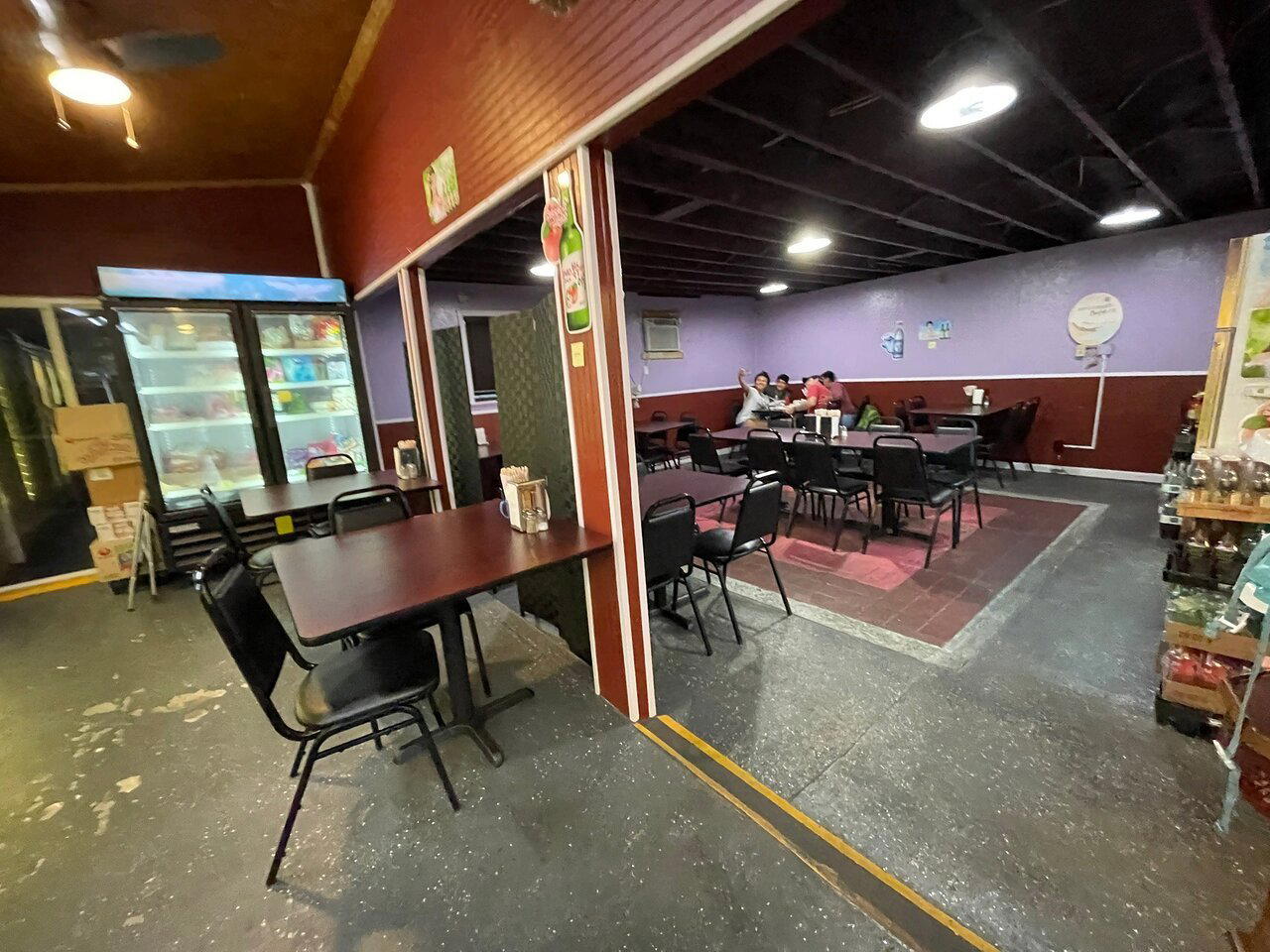
Korean Food in a Gulf Coast City
Panama City, Florida sits at a considerable distance from the United States cities where Korean cuisine has developed its deepest institutional presence. Los Angeles, New York, and Chicago each carry decades of Korean immigrant community infrastructure: banchan houses, late-night pojangmacha-style spots, and newer fine-dining interpretations like Atomix in New York City, which has brought Korean tasting-menu cooking into the same conversation as places such as Alinea in Chicago or Le Bernardin in New York City. Panama City operates at a different register entirely, which is precisely what makes a dedicated Korean restaurant on Cherry Street worth examining on its own terms.
The Gulf Coast dining scene in Panama City has historically organized itself around seafood, beach-adjacent casual formats, and a growing cohort of internationally influenced restaurants. That broader context is evident in places like Maito, which anchors Panamanian cooking in the city, or Umi Restaurante Bar Izakaya, which addresses Japanese izakaya traditions. Korean cuisine at this address represents a similar specialist commitment, drawing from a culinary tradition built on fermentation, communal sharing, and the disciplined use of heat.
The Korean Table: What the Tradition Actually Means
Korean cooking is defined less by a single signature technique than by a philosophy of balance across the meal. Fermentation sits at the center: kimchi in its many forms, doenjang (fermented soybean paste), and gochujang (fermented chili paste) are not condiments added after the fact but foundational elements that shape flavor from the first stage of preparation. The Korean meal structure distributes food across the table simultaneously rather than sequentially, with banchan, the collection of small shared dishes, arriving alongside rather than before the main course.
Grilled meat formats, particularly the tabletop grilling of samgyeopsal (pork belly) and galbi (short rib), transformed Korean dining culture globally in the late twentieth and early twenty-first centuries, making it one of the few cuisines where the cooking process itself is part of the dining event. Soups and stews, from the delicate miyeok-guk to the deeply fermented depth of kimchi-jjigae, occupy the opposite end of the spectrum: slow, enclosed cooking that produces a different kind of intensity than the open-flame grill.
This range, from fermented pantry cooking to live-fire performance, gives Korean cuisine unusual versatility across price points and formats, which is one reason it has spread into cities well outside traditional Korean-American population centers. For a reference point on what Korean cooking looks like at its most refined American expression, Atomix remains the clearest benchmark. The Cherry Street address in Panama City operates in a different tier, but draws from the same foundational tradition.
Cherry Street and the 32404 Context
The 6121 Cherry Street address places this restaurant in the eastern section of Panama City, away from the tourist-facing beachfront strip and closer to the residential and light-commercial areas where the city's everyday dining economy operates. Restaurants in this zone tend to build their business on local repeat customers rather than seasonal visitor traffic, which shapes the menu and the atmosphere in specific ways. Portion expectations, price sensitivity, and the assumption of familiarity with the cuisine all shift when the room is filled primarily with regulars.
Panama City's dining scene has been developing more textured options across several cuisines in recent years. Alongside Atope, BRIO Brasserie, and Caleta, Korean cuisine at this address contributes to a pattern of specialist ethnic cooking establishing footholds in a city more often associated with Gulf seafood and casual American formats. See the full Panama City restaurants guide for a broader map of where the scene is moving.
The eastern residential location also signals something about the restaurant's operational model. Venues in high-footfall tourist corridors are subject to different pricing and menu pressures than those serving a neighborhood base. At Cherry Street, the expectation is consistency for return visitors rather than spectacle for first-timers, which tends to produce more grounded, less performative cooking.
Korean Cuisine in the American South: A Wider Pattern
The spread of Korean restaurants into smaller American cities is not an accident of demographics alone. Korean food exports, including packaged ramen, gochujang, and frozen dumplings, have broadened familiarity with Korean flavors across the country over the past decade. K-drama and K-pop cultural exports have done additional work, bringing younger American audiences into contact with food references that create demand outside traditional diaspora corridors.
In the American South specifically, Korean flavors have found receptive ground in cities with military bases, university towns, and areas with growing Southeast Asian and East Asian immigrant populations. Panama City's proximity to military installations in the Florida Panhandle region fits this pattern: Korean restaurants near bases have historically served both Korean-American service members and non-Korean diners who developed familiarity with the cuisine during overseas postings.
This dynamic is different from the premium Korean fine-dining trajectory visible in major metropolitan centers. Comparing Cherry Street to Single Thread Farm in Healdsburg or The French Laundry in Napa in terms of ambition or execution would miss the point. The relevant comparison is closer to the role Korean restaurants play in mid-size American cities: consistent, community-serving specialists that keep a cuisine present and accessible in places where it would otherwise require a long drive or a flight to find.
Planning a Visit
The address, 6121 Cherry St, Panama City, FL 32404, is the confirmed location. Given the restaurant's neighborhood positioning and the typical operational model of independent Korean restaurants in mid-size American cities, walk-in access is likely the norm rather than advance reservation, though confirming hours before visiting is advisable. For context on how Panama City's broader dining scene is structured, the full Panama City restaurants guide covers the range from Panamanian-influenced cooking at Maito to the izakaya format at Umi.
Frequently asked questions
Where do I go for Korean Restaurant?
Korean Restaurant is located at 6121 Cherry St, Panama City, FL 32404, Panama City.
Is Korean Restaurant on Cherry Street the only Korean dining option in Panama City, FL?
Panama City's Korean restaurant presence is limited relative to Florida's larger cities, making the 6121 Cherry Street address one of the few dedicated Korean kitchens in the area. For diners in the 32404 zip code or the eastern side of Panama City, this location removes the need to drive toward Pensacola or Tallahassee for Korean food. The city's modest Korean dining footprint is part of a broader pattern of the cuisine expanding into smaller Gulf Coast communities over the past decade.
How hard is it to get a table at Korean Restaurant?
Korean dining in Panama City does not carry the booking pressure of award-recognized venues in Atlanta or Houston. This Cherry Street location serves an east-side, resident-facing neighbourhood rather than the tourist corridor near the beach, which means walk-in availability is far more likely here than at comparable spots in larger metros.
Price and Positioning
Comparable venues nearby, for context on price, style, and recognition.
| Venue | Cuisine | Price | Notes |
|---|---|---|---|
| Korean RestaurantThis venue — the venue you are viewing | Traditional Korean | Not listed | Not listed |
| Villas Tacos, South Pasadena | Authentic Mexican Taqueria | Not listed | South Pasadena, Authentic Mexican Taqueria |
| Atlantic Restaurant | Modern surf-and-turf seafood in a Victorian undersea aquarium setting | $50–100 | Universal Epic Universe – Celestial Park, Modern surf-and-turf seafood in a Victorian undersea aquarium setting |
| Cafe Yerushalmi | Authentic Kosher Middle Eastern | $10–20 | Lake Bradford Road, Authentic Kosher Middle Eastern |
| Azura Coastal Kitchen & Bar | Modern Mediterranean Seafood | $50–100 | St. Pete Beach, Mediterranean & Coastal American |
| KPOT Korean BBQ & Hot Pot | Korean BBQ & Hot Pot | $30–50 | Town Center, Korean BBQ & Hot Pot |
Continue exploring
More in Panama City
Restaurants in Panama City
Browse all →
Hotels in Panama City
Browse all →

Details
- Cozy
- Casual Hangout
- Family
- Standalone
- A La Carte
Current opening hours
- Monday
- 9 AM–7 PM
- Tuesday
- 9 AM–7 PM
- Wednesday
- 9 AM–7 PM
- Thursday
- 9 AM–7 PM
- Friday
- 9 AM–7 PM
- Saturday
- 9 AM–7 PM
- Sunday
- Closed
Hours can change for holidays and private events. Last verified .
Simple, comfortable, and welcoming, with an unfussy atmosphere where the food is the focus and conversation feels easy.