Michelin Plate
Our verdict
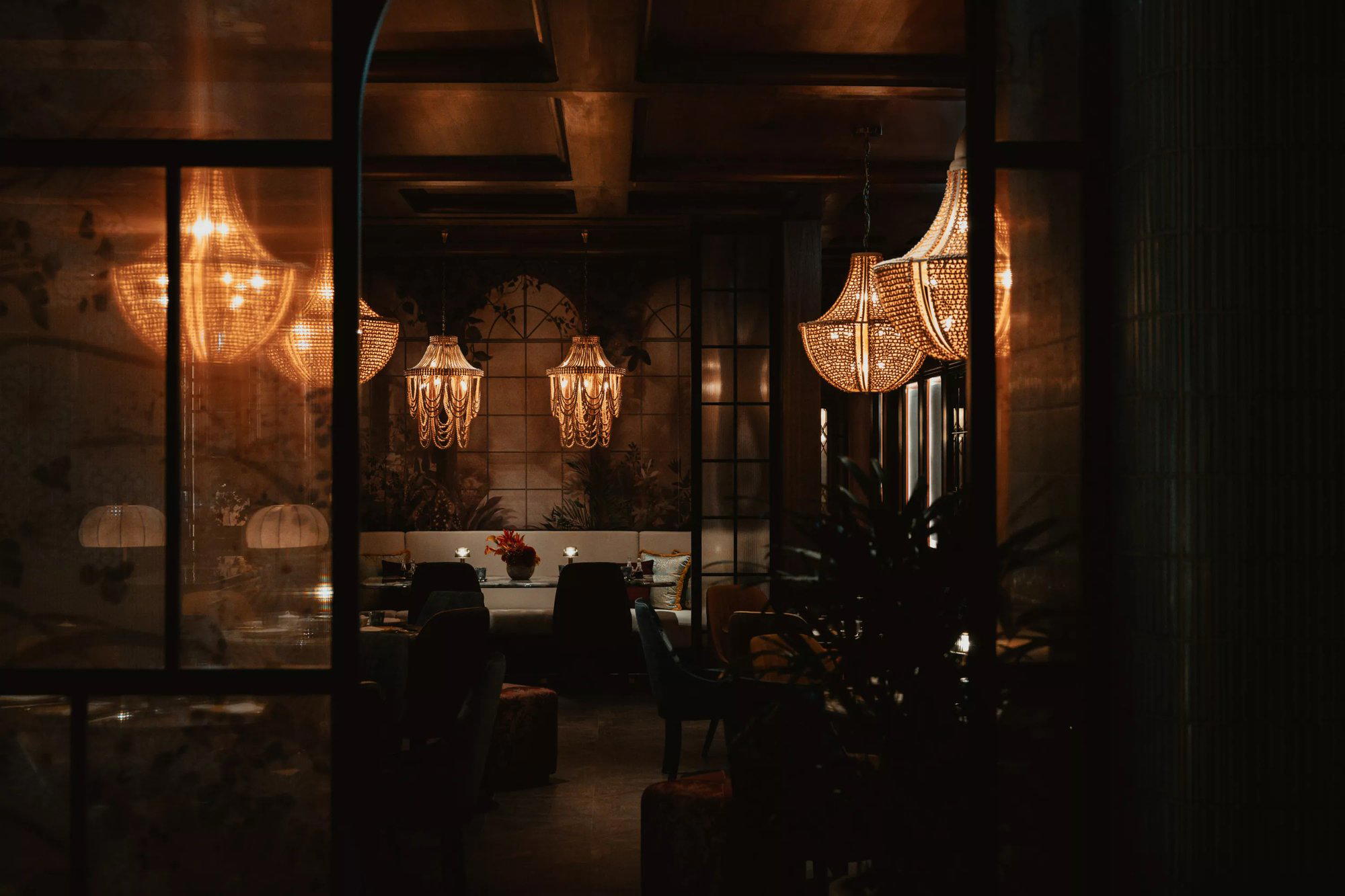
Set inside the Rosewood Doha in Lusail, Koo Madame is a 1920s-inspired Chinese restaurant where lacquered Beijing Duck is carved tableside, hand-pulled noodles arrive with serious technique behind them, and a tea selection adds an unexpected depth. Dark, atmospheric, and staffed with precision, it represents a more considered take on Chinese dining in a city still finding its footing with the cuisine.

Pearl is the En Primeur Club membership app, where members save venues, book tables and use the concierge.
The menu
What to order
- Wood-Roasted Beijing Duck
- Fried Flying Dagger Noodles
- Dim Sum Baskets
- Mapo Tofu with Stir-Fried Crab Meat
Dark Wood, Lacquered Duck, and the Case for Chinese Dining in Doha
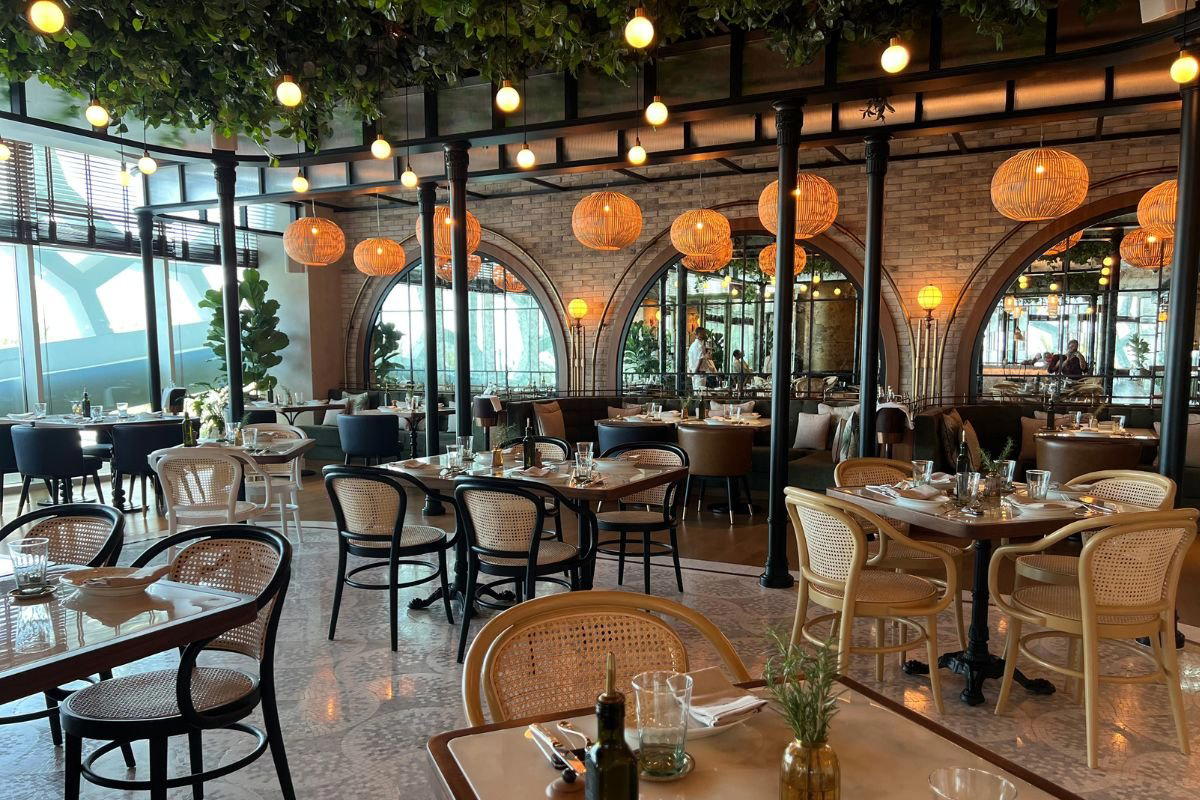
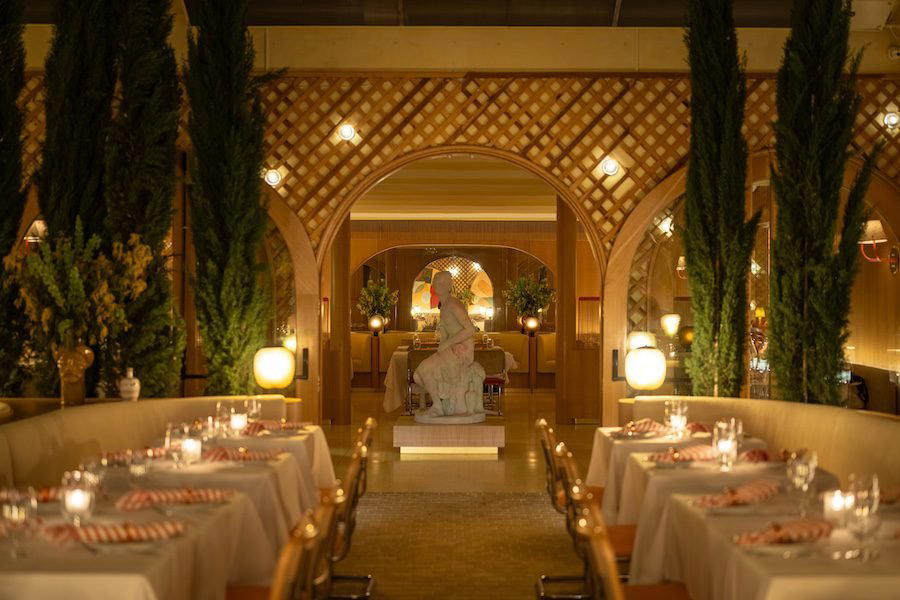
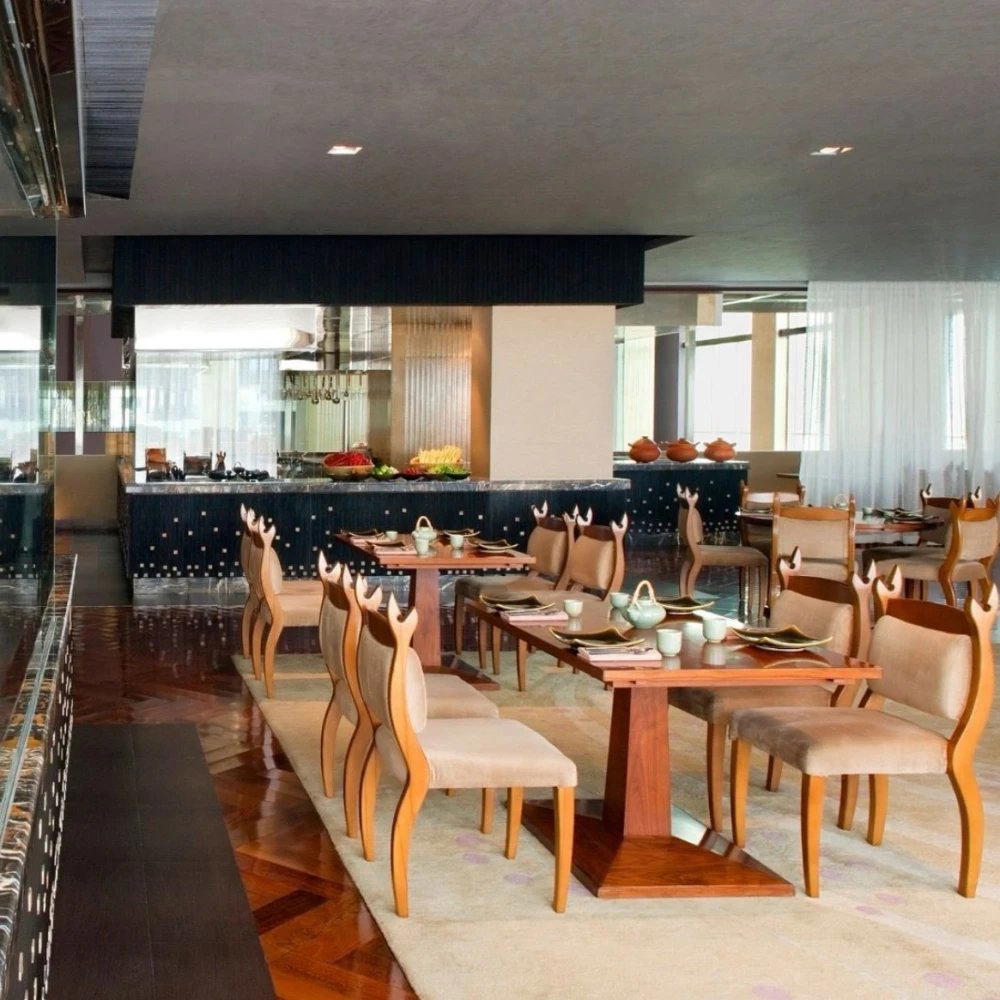
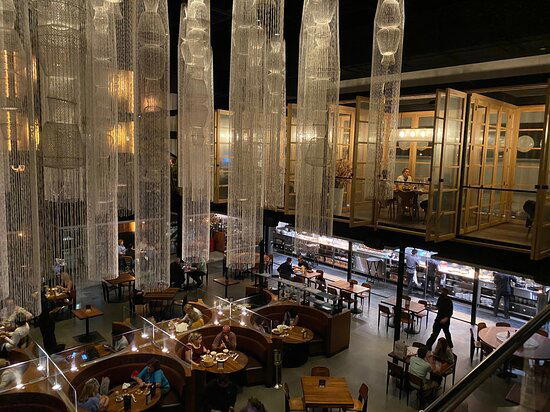
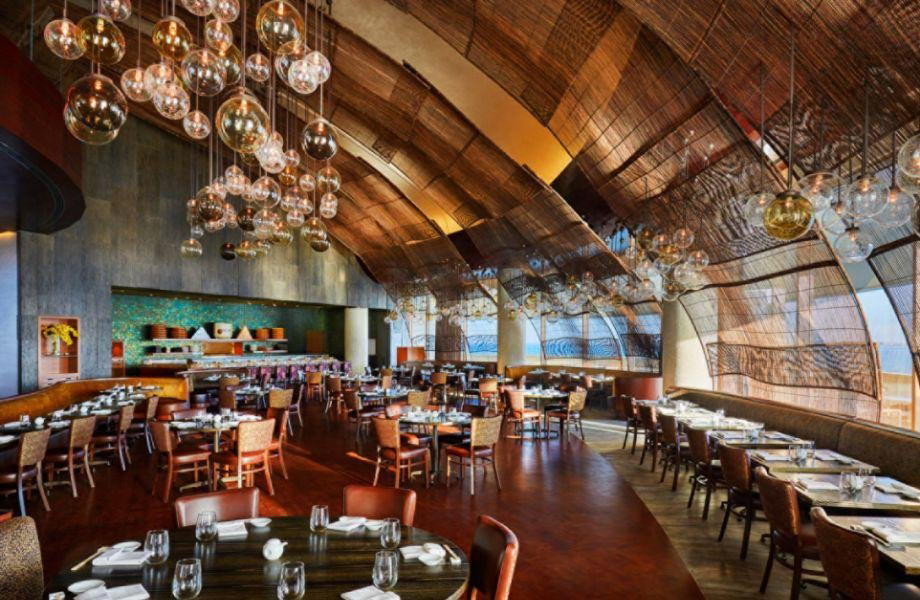
The dining room announces itself before the food does. Dark panelling, low ambient light, and the kind of visual composure associated with 1920s Shanghai supper clubs frame the space at Koo Madame, inside the Rosewood Doha in Lusail. An open kitchen sits at one end, visible enough to suggest transparency without sacrificing atmosphere, while an enclosed wine cellar acts as a structural centrepiece, its glass walls doubling as a design element. The team is smartly dressed and moves with purpose. These are not incidental details. In a city where Chinese restaurants have historically skewed toward banquet-hall volume, an interior this considered changes the register of the meal before a single dish lands.
Where Koo Madame Sits in Doha's Dining Tier
Doha's high-end restaurant scene has expanded rapidly across the hotel corridor that runs through West Bay and into Lusail, with internationally recognised operators occupying the premium bracket. IDAM by Alain Ducasse holds a Michelin star and anchors the French Contemporary end of the market, while venues like Baron and Bayt Sharq serve the regional Middle Eastern segment. Alba covers Italian, and Argan handles Moroccan at a more accessible price point. Chinese, by contrast, has been a gap. Hakkasan, the London-origin, globally replicated luxury Chinese brand, operates in the city at the leading price tier, but a mid-to-upper bracket Chinese restaurant built around craft rather than scale has been harder to find. Koo Madame occupies that space.
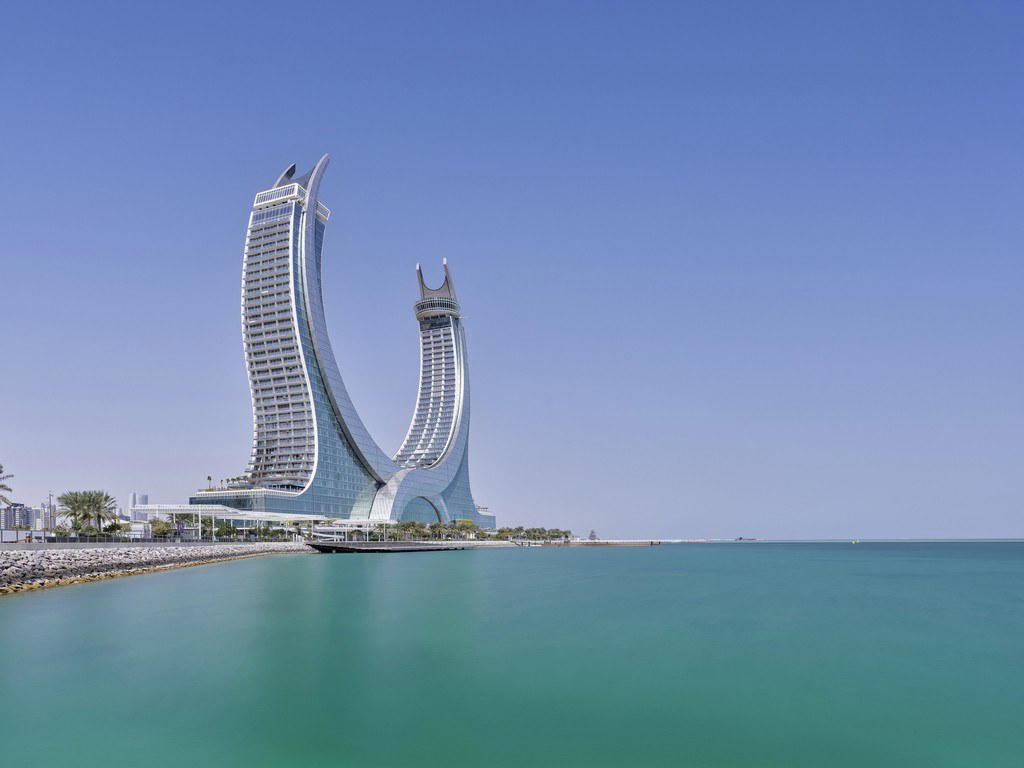
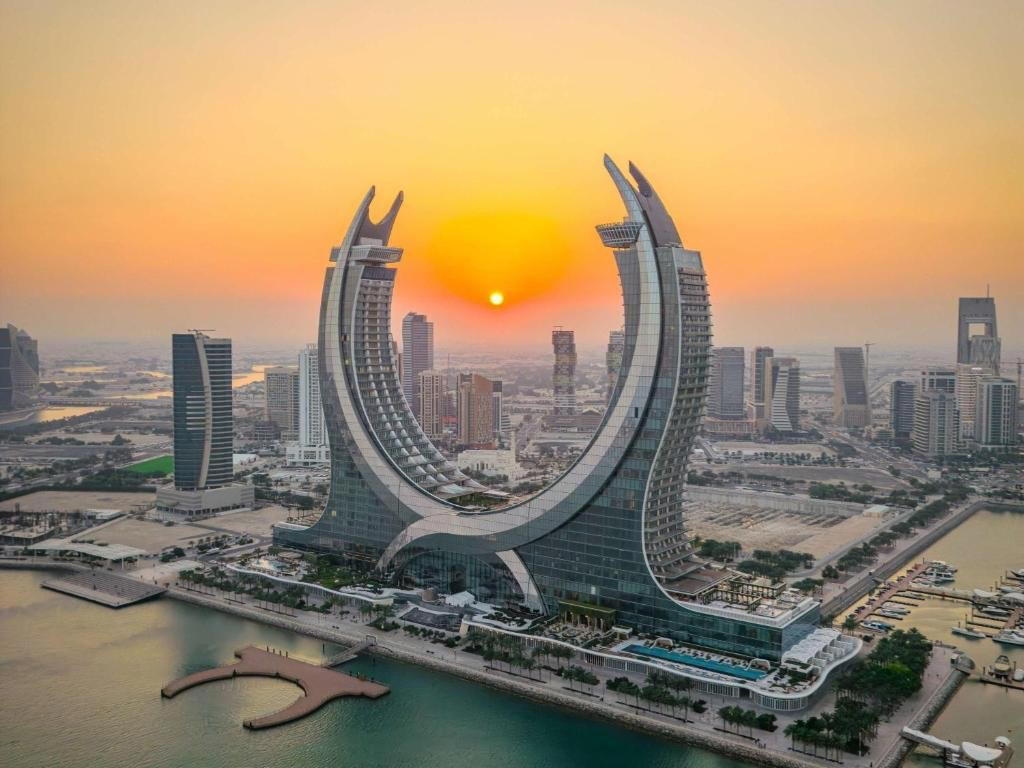
The Rosewood group's track record across Asia-Pacific, where its properties have consistently attracted serious food and beverage programming, lends credibility to the concept here. Positioning a 1920s Chinese restaurant inside what is one of Doha's more architecturally ambitious hotel openings is a deliberate signal: this is Chinese dining as a design and culture statement, not an afterthought.
The Menu: Familiarity with Craft Behind It
The kitchen works across the familiar pillars of a Chinese restaurant pitched at an international audience: dim sum, noodles, and roast. What distinguishes Koo Madame is the execution visible within each category. The hand-pulled noodles are described as fresh-pulled, and among the options, the Fried Flying Dagger is the one that has drawn consistent attention. Hand-pulled noodles are a discipline-intensive technique, and the quality of the pull determines texture in ways that machine-cut pasta simply cannot replicate, the surface irregularity catches sauce differently, and the chew has an elasticity that signals genuine craft.
Signature Beijing Duck is lacquered, carved tableside, and available in half portions for solo diners or smaller tables who want the experience without the commitment of a full bird. Tableside carving of Peking duck is a ceremony as much as a service element, and the leading versions of it, where the skin arrives with audible crispness and the meat beneath remains moist, represent one of Chinese cuisine's more theatrically satisfying rituals. The kitchen at Koo Madame appears to understand this framing.
Dim sum rounds out the savoury menu. In a Chinese restaurant this atmospheric, dim sum functions as both entry point and pacing tool, it allows a table to build slowly, with small plates acting as punctuation between larger formats.
The Tea Programme as a Separate Argument
In most Chinese restaurants operating in Gulf cities, tea appears as a functional afterthought: a pot of jasmine delivered automatically, rarely considered. At Koo Madame, the tea selection is worth the attention, representing one of those less-discussed aspects of Chinese dining culture that serious establishments use to differentiate themselves from casual operators. Chinese tea culture has its own geography, seasonality, and hierarchy, from young Longjing to aged pu-erh, and a restaurant that treats its tea selection with the same editorial intent as its wine list is making a broader argument about how seriously it takes the cuisine as a whole. If you are coming from a wine-first dining perspective, the tea list here is worth treating as a parallel programme rather than a substitute.
The enclosed wine cellar visible from the dining room suggests that a proper wine and beverage programme runs alongside the tea offering, which is consistent with the Rosewood's general approach to hotel dining. For international visitors more familiar with wine-forward pairings, the cellar's prominence is a practical reassurance.
Lusail, the Rosewood, and the Practical Frame
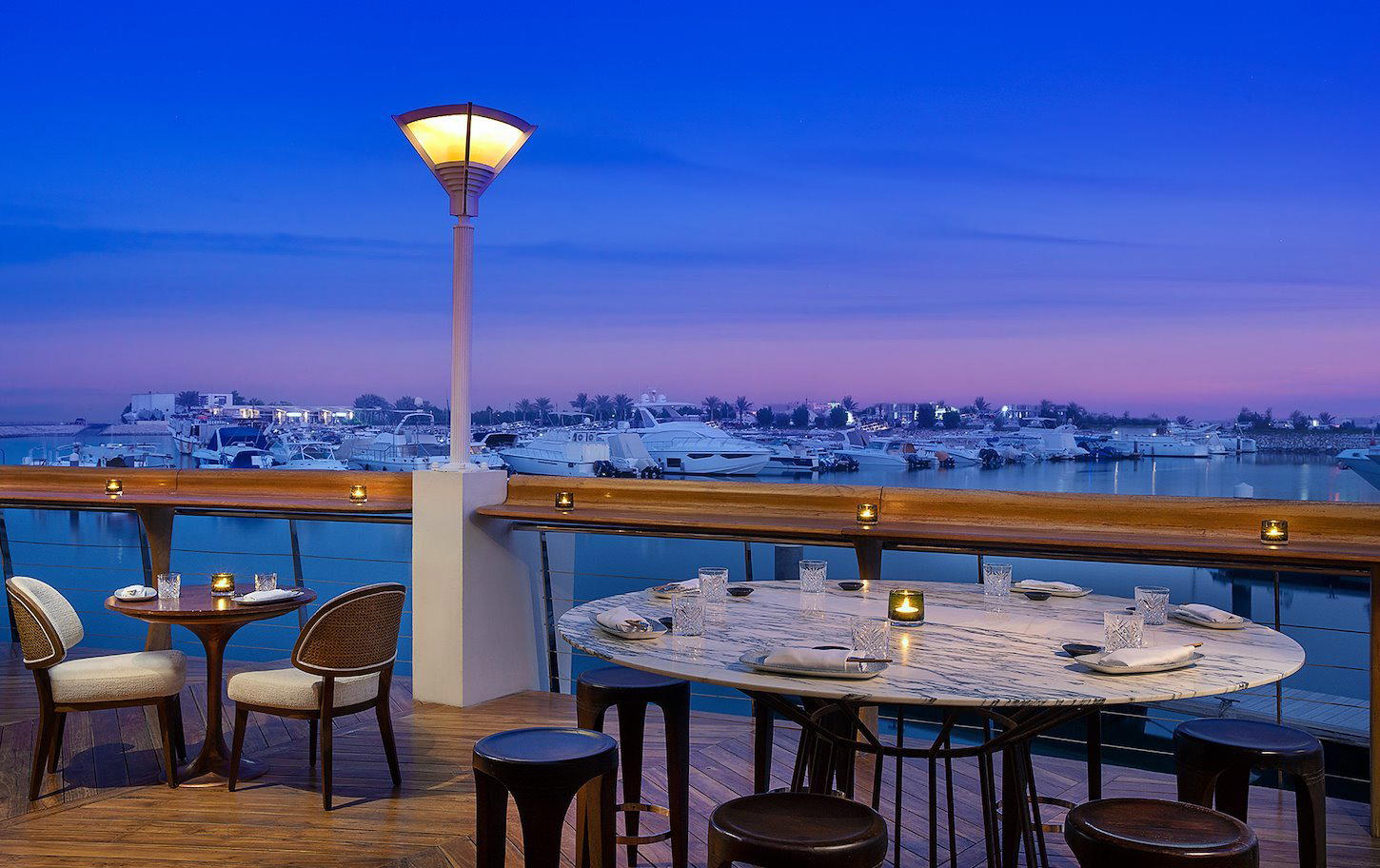
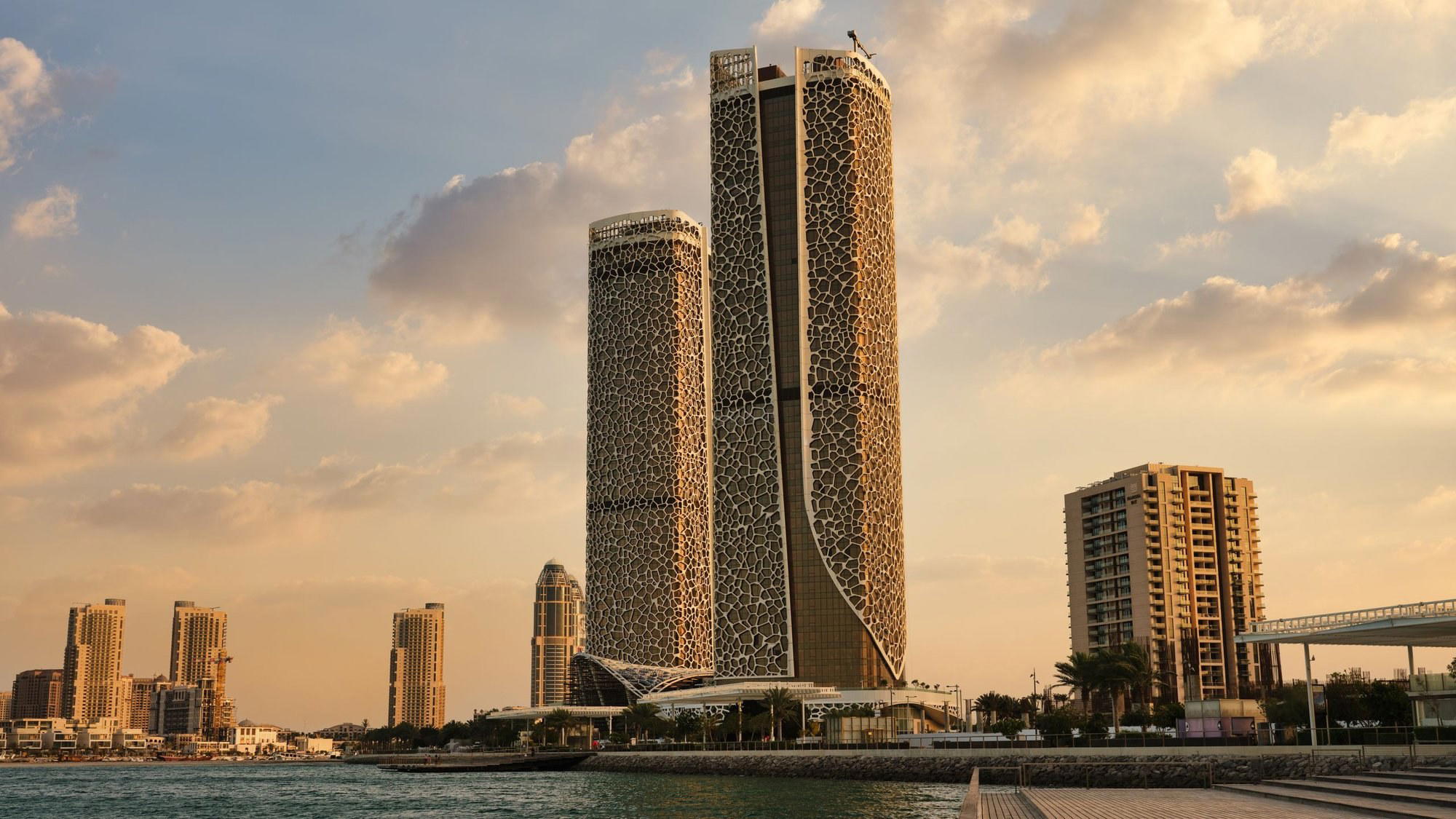
Lusail is Doha's planned northern district, built at scale with wide boulevards and a marina promenade that positions it as the city's forward-looking residential and hospitality corridor. The Rosewood Doha is among the most architecturally prominent properties in the district, and its restaurant cluster reflects a clear intention to operate across multiple cuisines at a consistent quality level. For visitors staying elsewhere in the city, the journey to Lusail is worth factoring into the plan: it sits north of West Bay, and while taxis and ride-shares make the trip direct, it is not walking distance from the central hotel cluster around the Corniche.
Reservations are advisable, particularly for the Beijing Duck, which is the kind of dish that benefits from advance notice in any kitchen running it at a serious level. For the broader Doha scene, our full Doha restaurants guide, Doha hotels guide, Doha bars guide, Doha wineries guide, and Doha experiences guide cover the wider picture.
For travellers who have benchmarked Chinese fine dining elsewhere, whether at the technical end represented by venues like 8½ Otto e Mezzo Bombana in Hong Kong, or within the internationally distributed luxury Chinese tier, Koo Madame positions itself as the more considered Chinese option in a city that includes strong competition across other cuisines from the likes of Alléno Paris au Pavillon Ledoyen and Alain Ducasse at Louis XV in the broader global reference set.
Frequently asked questions
Where exactly is Koo Madame?
Koo Madame is located at Rosewood Doha، Lusail, Qatar, Doha.
Has Koo Madame won any awards?
Koo Madame has received recognition including: The Rosewood Hotel is home to this 1920’s-inspired Chinese restaurant. Dark and moody, the space has an open kitchen, an enclosed wine cellar and a smartly dressed team that are ready to serve. The menu is a roll call of some familiar and e….
What do people recommend at Koo Madame?
Three dishes draw the most attention: the Beijing Duck, lacquered and carved tableside with the option of a half portion; the hand-pulled noodles, particularly the Fried Flying Dagger; and the dim sum selection. The tea programme is also worth treating as a separate course rather than a background detail.
Can I walk in to Koo Madame?
Koo Madame sits inside the Rosewood Doha in Lusail, which means walk-in availability depends on how busy the hotel's dining floor is running on any given night. For a table on weekends or when you want a specific seat near the open kitchen, contacting the Rosewood directly ahead of time is the practical approach.
What's the defining dish or idea at Koo Madame?
The Beijing Duck is the clearest expression of what the kitchen is doing: a whole bird, beautifully lacquered, carved at the table, with a half portion available for smaller parties. It anchors a menu that treats Chinese classics with craft rather than reinvention, inside a 1920s-styled room at the Rosewood Doha.
What if I have allergies at Koo Madame?
The menu at Koo Madame spans dim sum, hand-pulled noodles, and roast preparations, all of which involve common allergens including gluten, shellfish, and soy. The Rosewood Doha operates a professionally staffed dining room, so flagging dietary requirements directly with the team before or at the time of booking is the reliable route.
Same-City Peers
Comparable venues nearby, for context on price, style, and recognition.
| Venue | Cuisine | Price | Awards | Notes |
|---|---|---|---|---|
| Koo MadameThis venue (the venue you are viewing) | Traditional Chinese - Cantonese & Shanghai | $50–100 | Michelin Plate | Not listed |
| Bayt Sharq | Authentic Qatari | $50–100 | Michelin Plate | Doha International Airport |
| Kai’s Songbird | Modern Nanyang Chinese | $150–200 | Michelin Plate | The Pearl |
| TONO | Innovative Nikkei: Peruvian-Japanese Fusion | $50–100 | Michelin Plate | The Pearl |
| Mr & Mrs Hawker | Elevated Singaporean Hawker | Not listed | Michelin Plate | West Bay |
| BiBo | Modern Andalusian Brasserie with International Twist | $50–100 | Michelin Plate | The Pearl |
Recognition history
Dated appearances from independent guides and award organizations, with the underlying list record or original source where available.
Michelin Plate
Michelin