
BiBo brings the ingredients-forward spirit of Spanish mercado culture to Doha's Kempinski, earning consecutive Michelin Plate recognition in 2024 and 2025. The mid-range Spanish address in Doha's hotel dining circuit occupies a specific niche: a cuisine rarely represented at this price tier in the Gulf, holding its own against French and Asian flagships in the same market.
Pearl is the En Primeur Club membership app — saves, bookings, and concierge access live there. Same editors, same standards.
- Address
- Kempinski, Qatar
- Phone
- +974 3100 0373
- Website
- grupodanigarcia.com
- Directions
- Get directions
 Saves & bookings on Pearl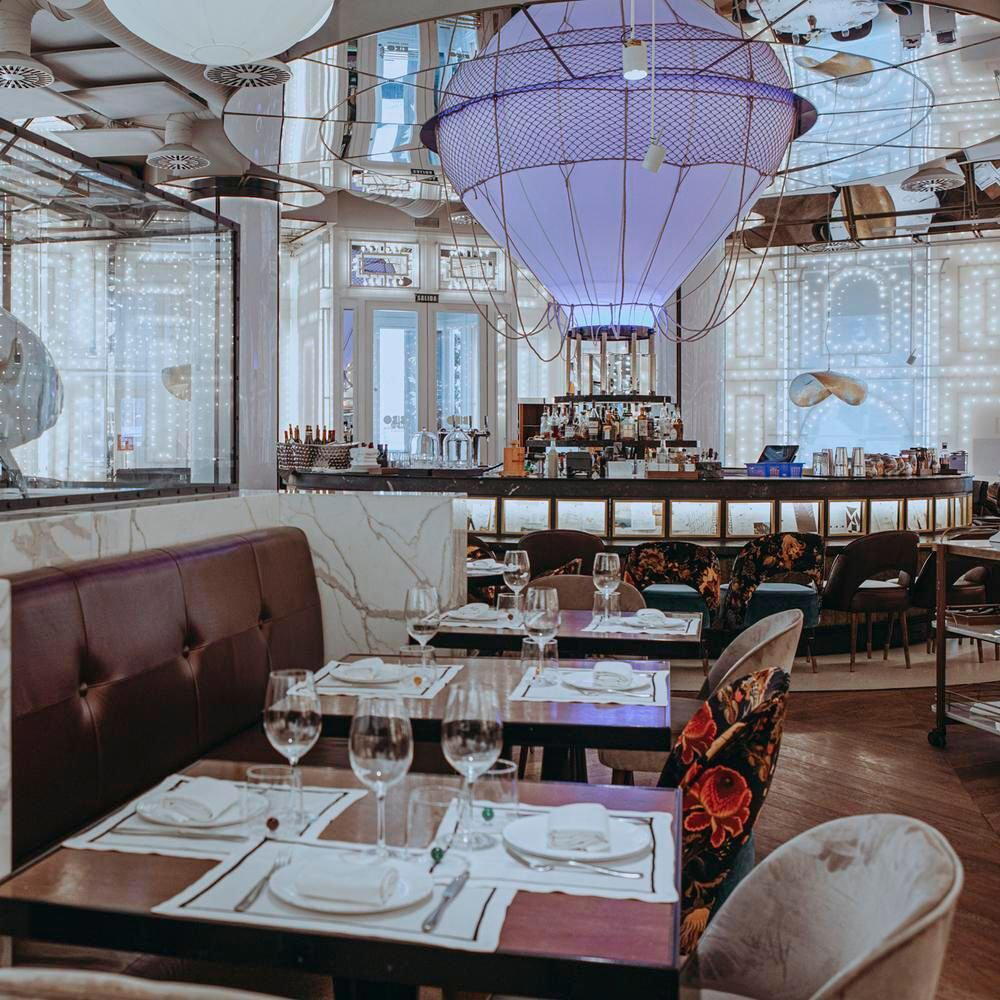
Spanish Mercado Culture in the Gulf
Doha's hotel dining circuit has long been shaped by the French and Asian flagships that anchor its upper tier. IDAM by Alain Ducasse and comparable addresses command the four-riyal bracket. Spanish cuisine, by contrast, has arrived in the Gulf without that same institutional weight behind it, which makes the mercado-inflected format that BiBo deploys at the Kempinski both a calculated positioning and a genuine departure from the market's default mode. BiBo is a restaurant in Kempinski, Qatar, serving modern Andalusian brasserie fare with an international twist.
The mercado tradition in Spanish dining, rooted in the culture of Barcelona's Boqueria or Madrid's Mercado de San Miguel, is built on abundance made legible: produce displayed openly, sourcing treated as theatre, sharing formats that encourage order-and-discover rather than set-menu linearity. That sensibility translates reasonably well to a Gulf dining context where communal sharing is already embedded in the local food culture, and where a mid-tier price point (three riyals against the market's four-riyal ceiling) can support a broader sweep of dishes per table.
Where BiBo Sits in Doha's Dining Order
Doha's restaurant scene has developed a clear stratification across its hotel properties. At the leading, venues with Michelin stars or global brand equity command premium pricing and function as destination dining. Below that sits a competitive mid-tier where Michelin Plate recognition, the guide's signal that a kitchen is cooking well, without the star, carries meaningful weight. BiBo has held the Michelin Plate in both 2024 and 2025, placing it among a select cohort of Doha addresses that have passed the guide's quality threshold without crossing into the starred tier.
Within that mid-tier, BiBo's Spanish identity gives it a relatively uncrowded position. The Gulf's restaurant market defaults heavily toward French fine dining, pan-Asian formats, and Middle Eastern addresses like Baron or Bayt Sharq. Italian is represented, see Alba, and North African cuisine has a presence through addresses like Argan. Spanish, at any price point above the casual end, is comparatively sparse. That scarcity is part of BiBo's positioning logic, and the Michelin Plate signals that the kitchen is delivering at a level that validates the format rather than merely filling a gap.
3 across 113 reviews places BiBo in a broadly positive but not universally acclaimed bracket, the sort of score that reflects a kitchen performing consistently for a range of guests, with the occasional table expecting something different from the cuisine style. Spanish food, at its mercado leading, can surprise diners conditioned to more formal tasting-menu structures: smaller plates, ingredient-led simplicity, and dishes designed to be passed across the table rather than presented as individual statements.
The Ingredients Argument
The mercado framing matters because it sets an expectation around sourcing. The great Spanish market traditions, Basque pintxos bars, Catalan fish markets, Andalusian tapas culture, share a common principle: the ingredient is the dish. Technique exists to support what arrives from the supplier, not to transform it into something unrecognisable. In a hotel restaurant context, that philosophy is genuinely harder to execute than a more technique-heavy menu, because there is nowhere to hide if the produce falls short.
For a Doha kitchen working within Gulf logistics, the sourcing challenge is real. Ibérico pork, Spanish cheeses, genuinely seasonal vegetables from the Iberian peninsula, these require supply chains that smaller markets cannot always sustain at the volume and consistency a hotel restaurant needs. How BiBo resolves those logistics in practice is part of what the Michelin Plate, now held across two consecutive years, implicitly endorses: the guide does not award that recognition to kitchens cutting corners on ingredient quality.
The Spanish restaurant format has shown considerable adaptability when transplanted to distant markets. ZURRIOLA in Tokyo applies Basque technique to Japanese produce with notable success. BCN Taste & Tradition in Houston holds its ground against a competitive American Spanish dining scene. Xiquet by Danny Lledo in Washington D.C. uses paella formats as an anchor around which the wider menu orbits. Closer to home, Arco by Paco Pérez in Gdańsk demonstrates that Spanish fine dining can establish itself as a reference point even in markets where it has no historical roots. BiBo's position in Doha follows that same pattern of Spanish cuisine asserting credibility in unexpected geographies.
For further context on how Spanish kitchens operate across different international settings, the EP Club has profiles on Ñ in Osaka, Amari in Brighton and Hove, Arbequina in Oxford, and ARROCERÍA La Panza in Tokyo.
Planning a Visit
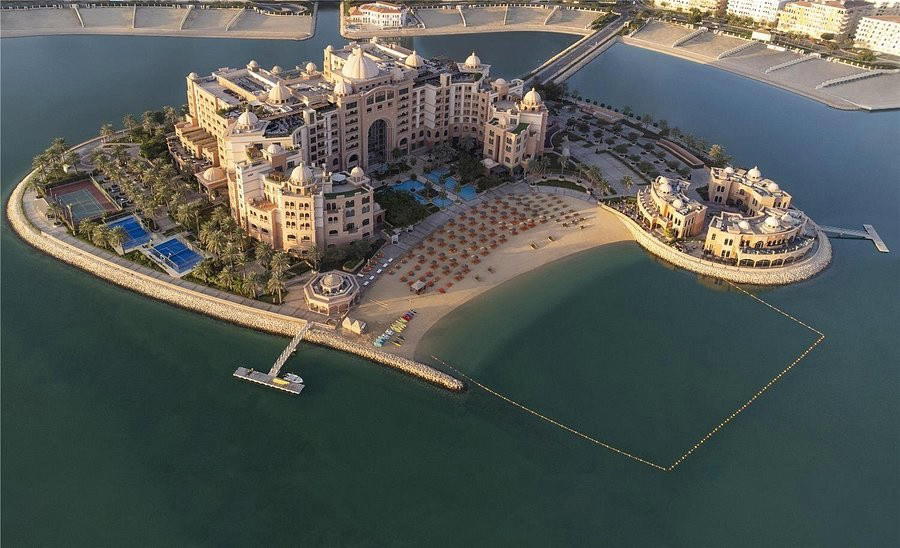
BiBo operates within the Kempinski in Doha, which gives it the service infrastructure of a major international hotel group and positions it physically within one of the city's established hospitality nodes. The three-riyal price point places it meaningfully below the four-riyal ceiling of starred hotel restaurants in the market, making it a practical choice for a full dinner rather than a special-occasion splurge. Booking through the hotel is the standard route, and given the Michelin Plate profile, securing a reservation in advance, particularly on weekends, when Doha's hotel dining rooms fill from both resident and visiting populations, is the sensible approach.
Seasonality in Doha's dining calendar follows the Gulf's climate logic: the cooler months from October through April bring higher footfall across the hotel restaurant circuit, with the summer months seeing a partial drawdown as residents travel. Visiting in the peak season means more competition for tables at recognised addresses; the shoulder months around September and May can offer more flexibility without sacrificing the kitchen's consistency.
Comparable Spots
Comparable venues nearby, for context on price, style, and recognition.
| Venue | Cuisine | Price | Notes |
|---|---|---|---|
| BiBoThis venue — the venue you are viewing | Modern Andalusian Brasserie with International Twist | $$$ | Not listed |
| Nobu | Japanese Fusion Fine Dining | $$$$ | West Bay |
| La Petite Maison (LPM) | French Mediterranean | $$$$ | Lusail |
| Saasna | Modern Qatari | $$$ | Fereej Mohammad Bin Jasim/Mushaireb |
| Hakkasan | Modern Cantonese | $$$$ | West Bay |
| Curiosa by Jean-Georges | Modern Latin American | $$$$ | West Bay |
Recognition history
Dated appearances from independent guides and award organizations, with the underlying list record or original source where available.
Michelin Plate
Michelin
Michelin Plate
Michelin
Continue exploring
More in Doha
Restaurants in Doha
Browse all →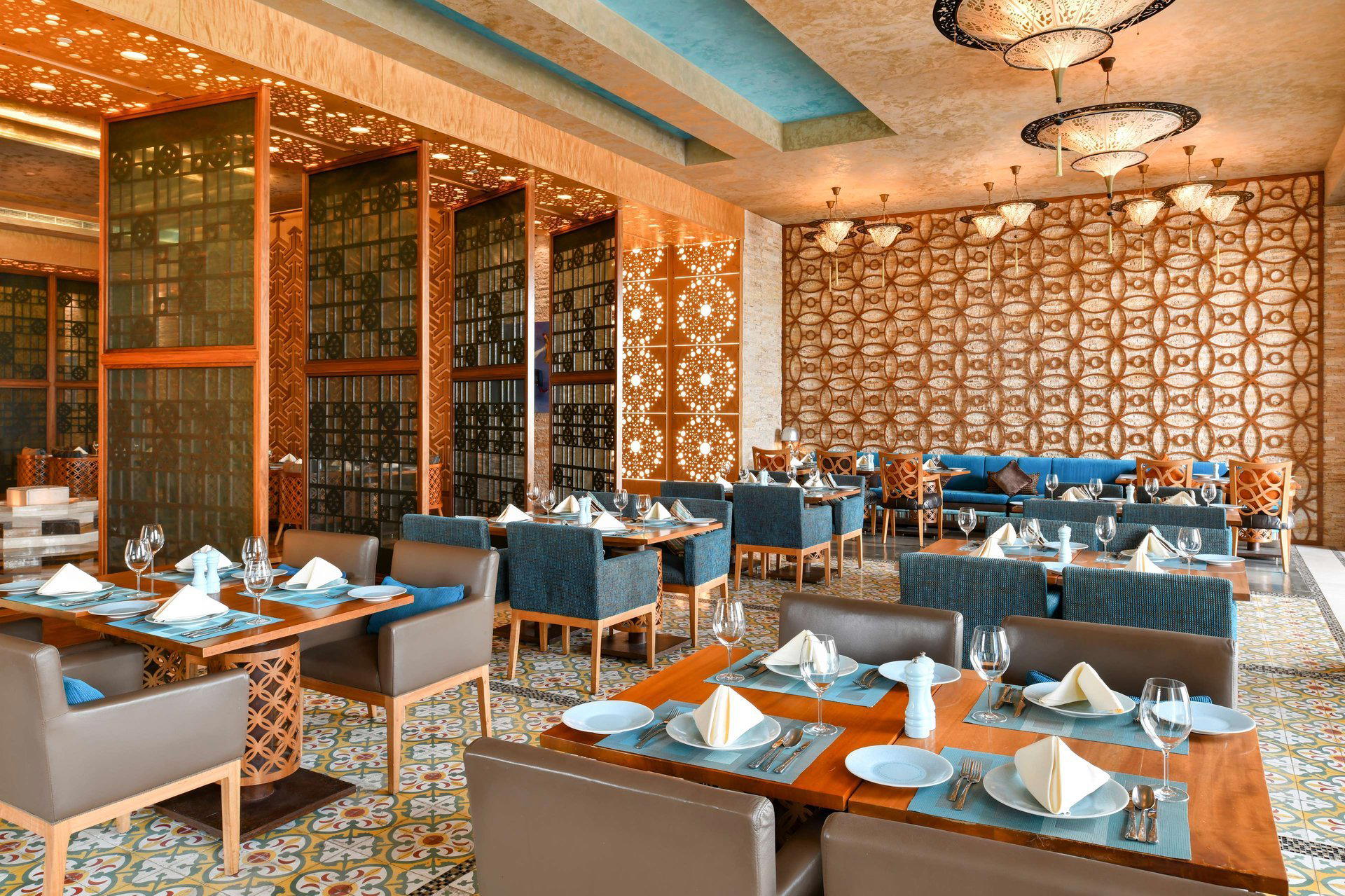
At a Glance
- Elegant
- Lively
- Sophisticated
- Modern
- Scenic
- Date Night
- Celebration
- Group Dining
- Special Occasion
- Hotel Restaurant
- Terrace
- Panoramic View
- Open Kitchen
- Craft Cocktails
- Sommelier Led
- Local Sourcing
- Waterfront
Current opening hours
- Monday
- Closed
- Tuesday
- 5 PM–1 AM
- Wednesday
- 5 PM–1 AM
- Thursday
- 5 PM–1 AM
- Friday
- 5 PM–1 AM
- Saturday
- 5 PM–1 AM
- Sunday
- 5 PM–1 AM
Hours can change for holidays and private events. Last verified .
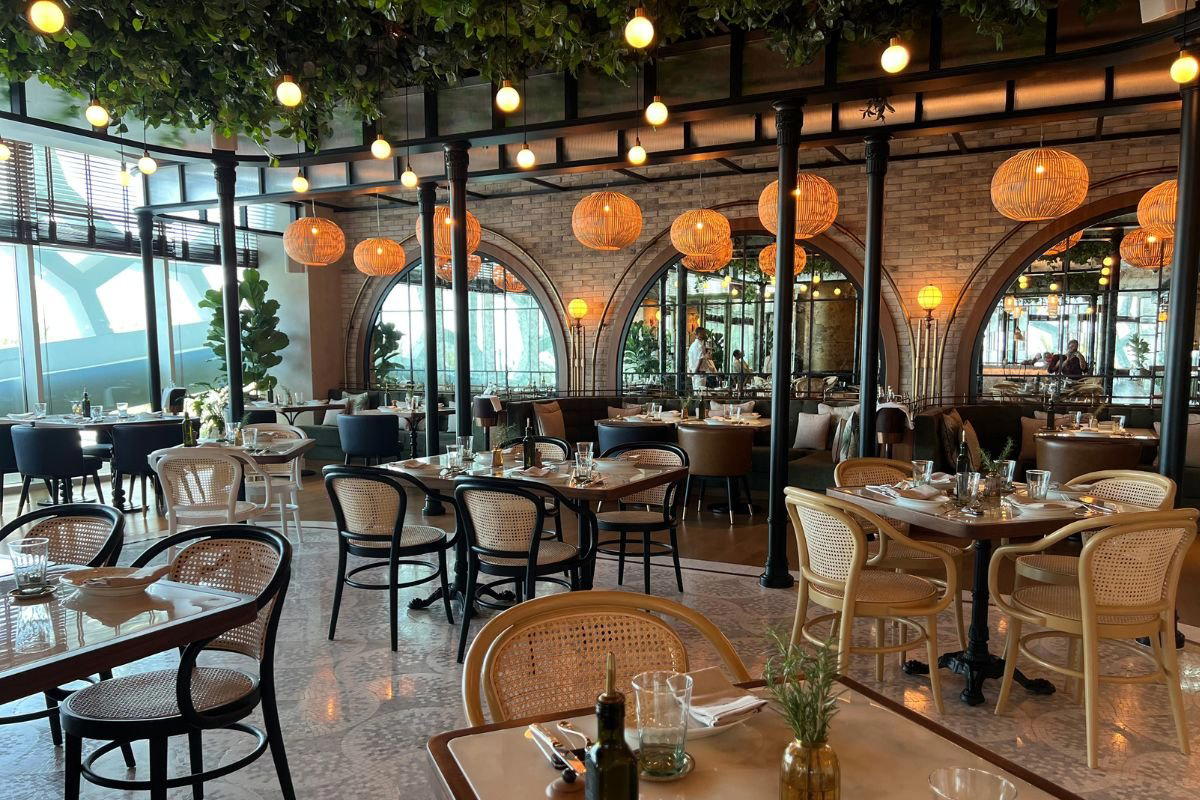
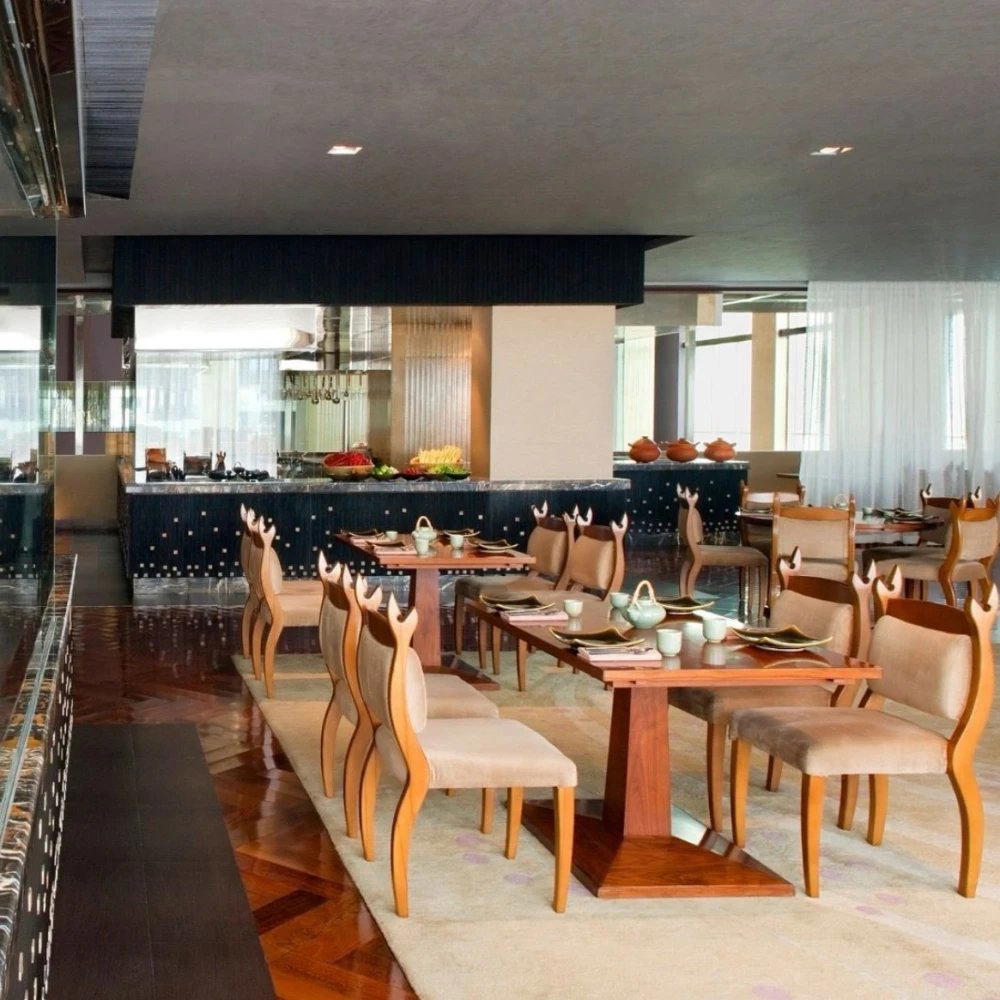
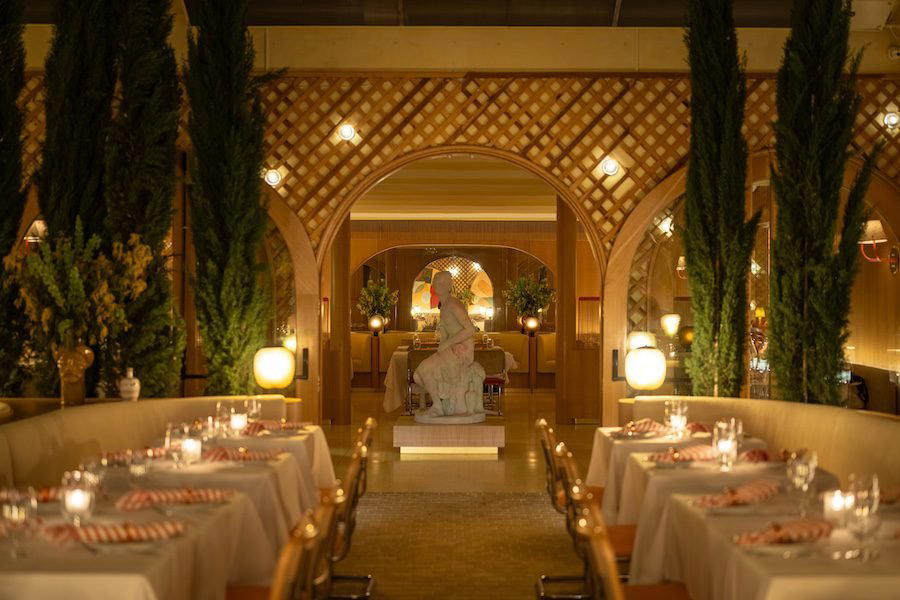
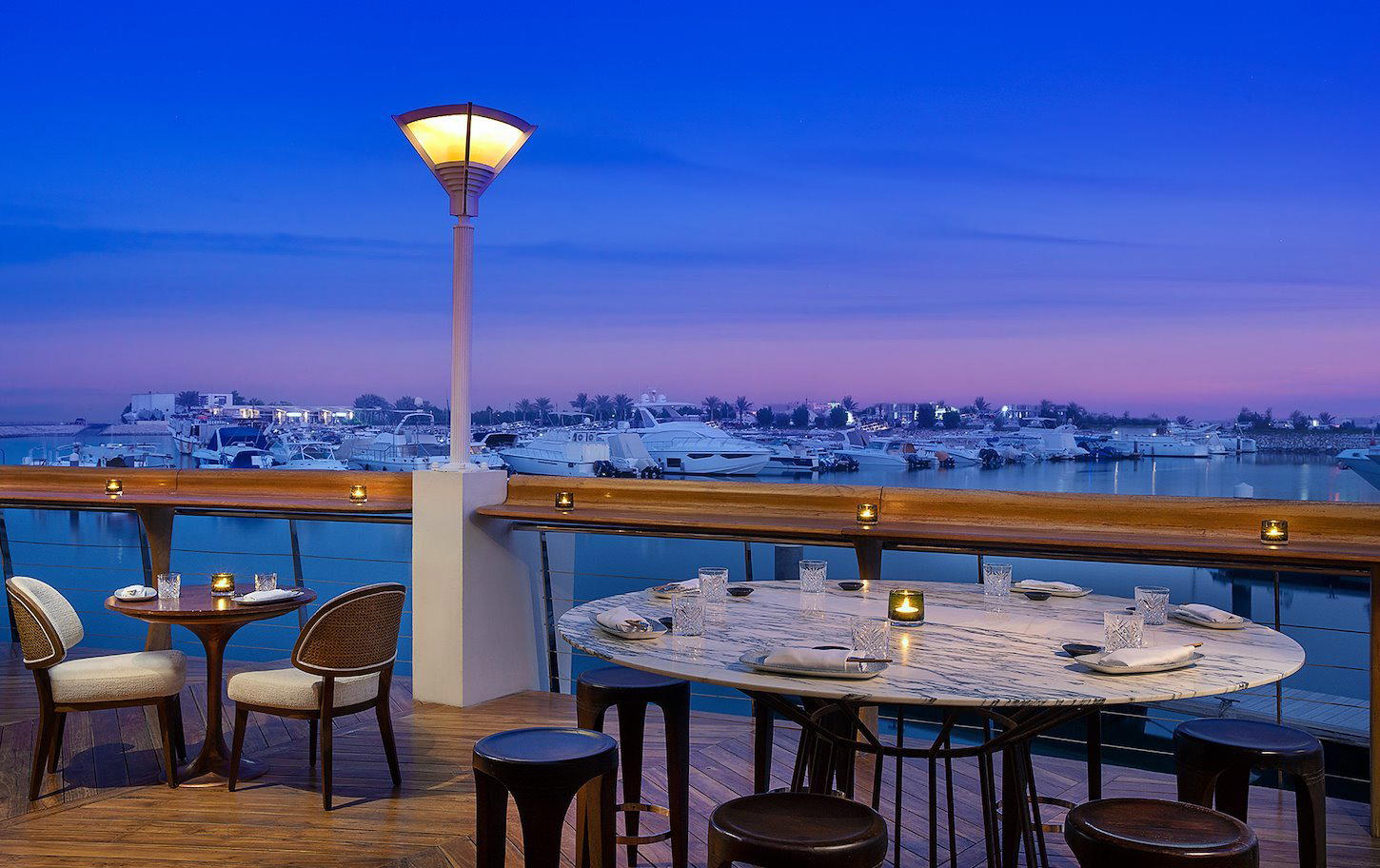
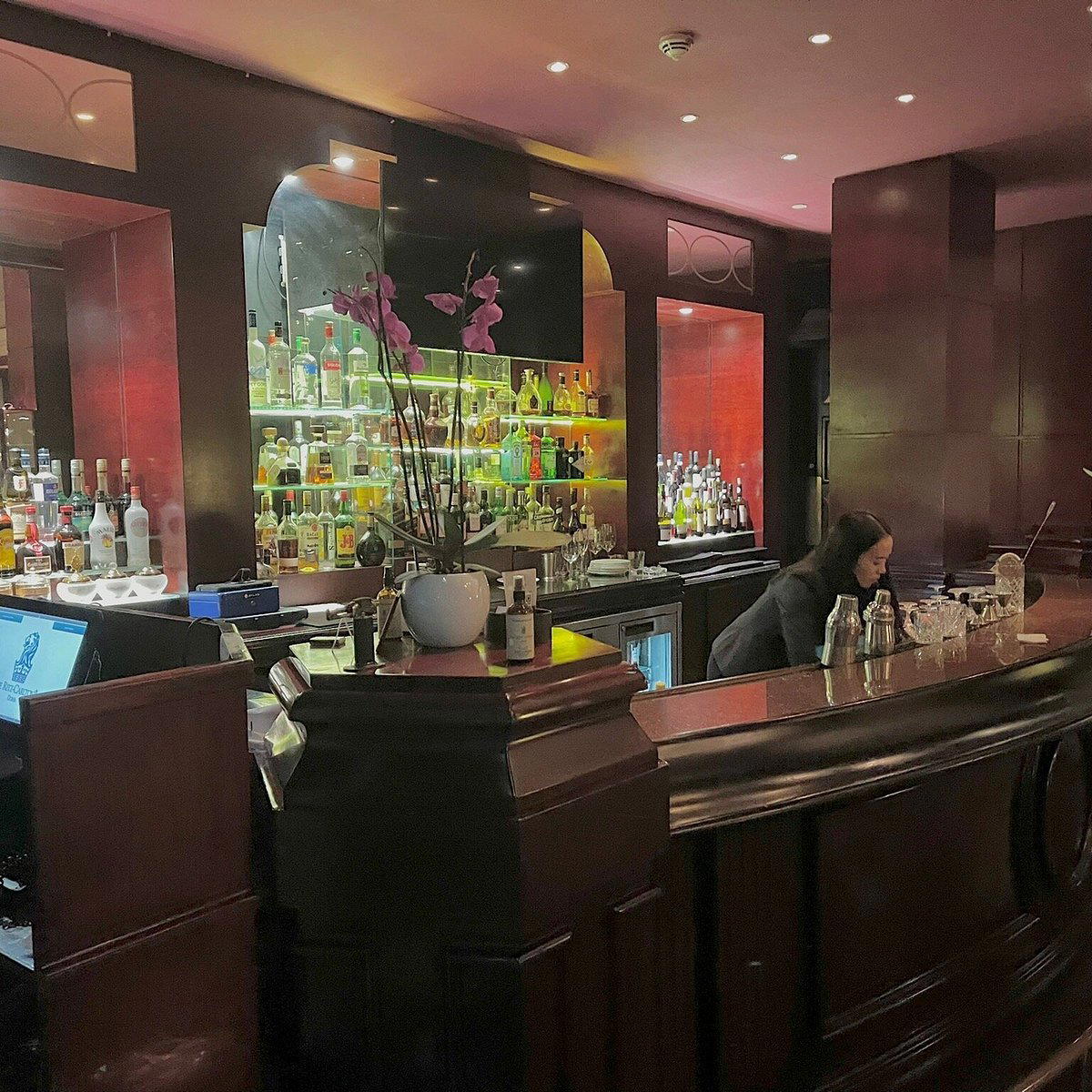
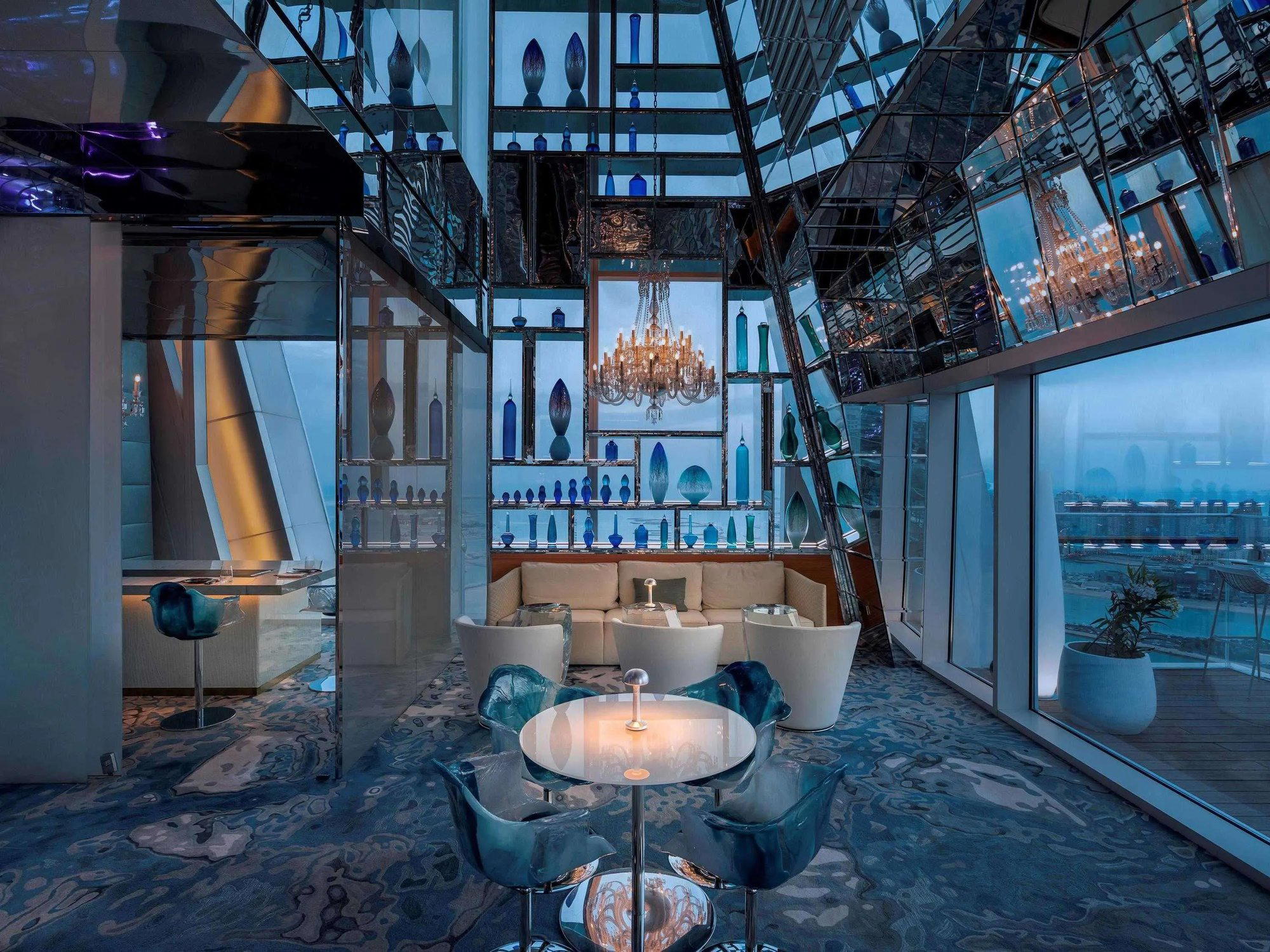
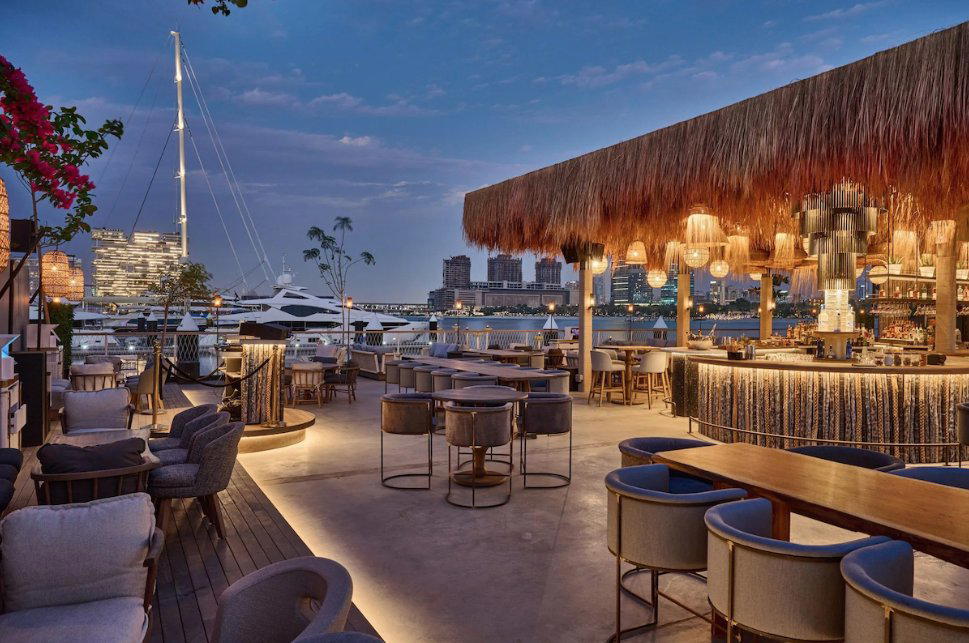
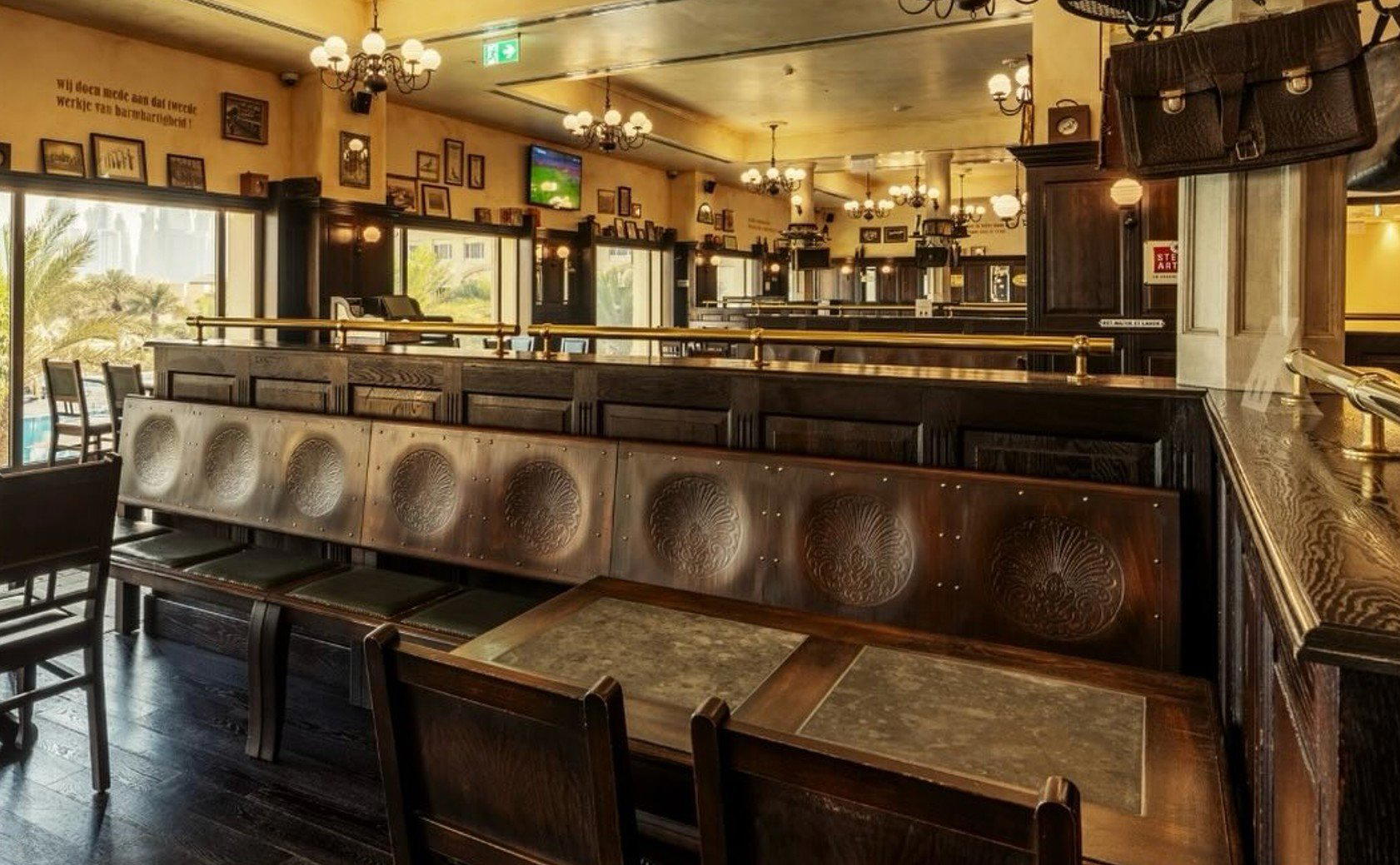
Elegant art deco-inspired setting with a central hexagon-shaped bar, lively atmosphere enhanced by modern light fixtures and lush greenery, particularly dramatic during sunset with far-reaching waterfront views.